Why Quick Escapes From Vigo Make So Much Sense
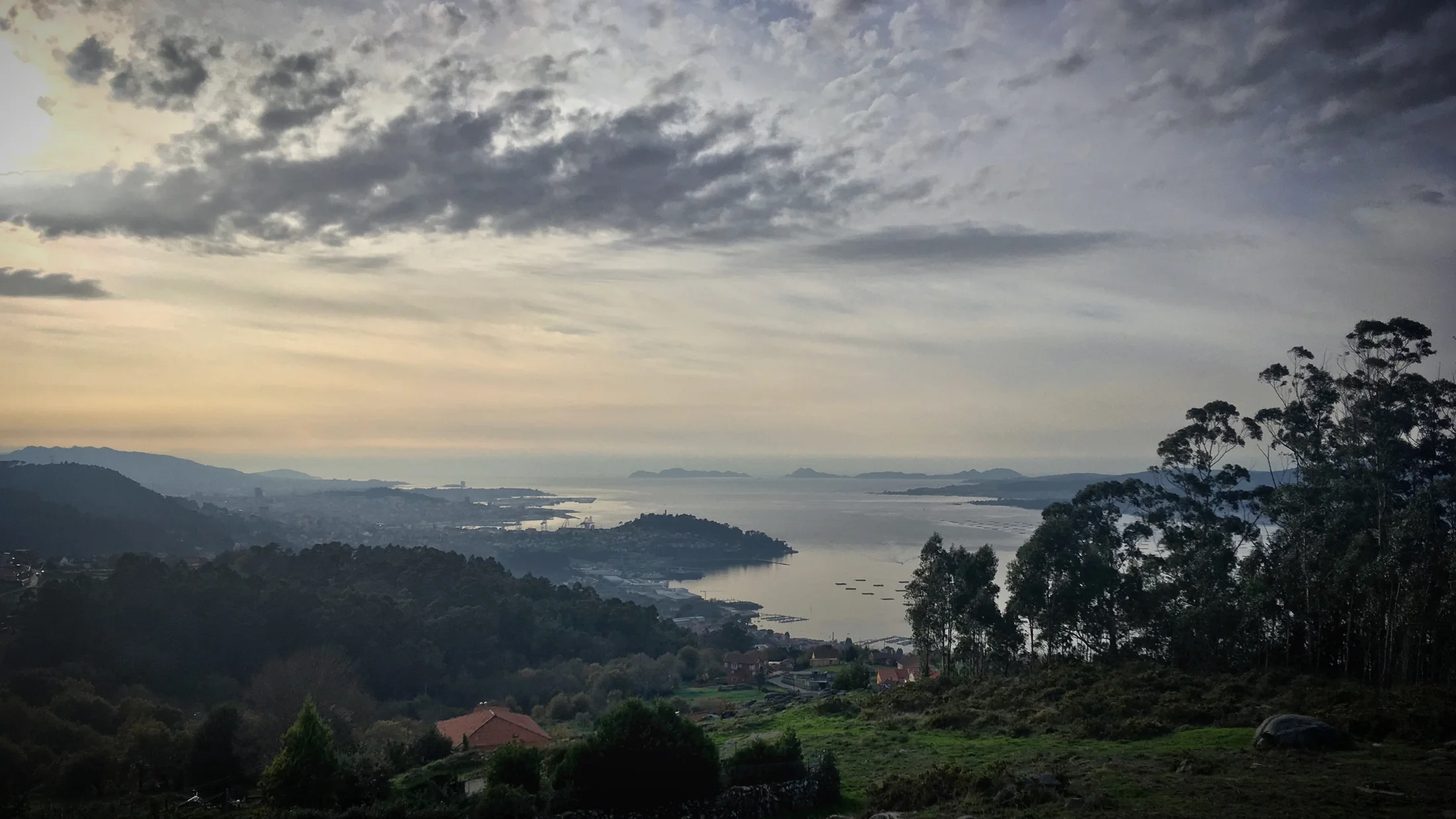
Vigo sits at a sweet crossroads, where Galicia brushes the Minho and Portugal unfolds just down the coast. If you’re craving getaways under 2 hours from Vigo, this list shows you beaches, market towns, and national park valleys within easy reach. You can pivot from Rías Baixas beaches to granite sanctuaries or Portuguese azulejos in the time it takes for a long lunch.
These escapes are practical for day trips from Vigo or easy weekend escapes Vigo travelers can stretch into two nights. Think simple drives on the AP‑9 and A‑55/A3, or direct buses to Porto, plus short hops to Soutomaior, Combarro, and Pontevedra. Picture early mist lifting over the Minho as you cross the border and your coffee still warm in its cup.
Why these escapes matter from Vigo
You live close to a border that doubles your options without long planning. From Vigo, hidden spots near Vigo include riverside towns like Ponte de Lima and Barcelos, and coastal classics like Viana do Castelo. At home, Combarro and the old stone squares of Pontevedra pair well with Rías Baixas beaches.
These short runs offer low‑stress costs, quick drives, and off‑peak rewards: sunrise at Santa Luzia, a quiet weekday in Soutomaior, or a slow lunch in Porto’s Ribeira. If you have a free Saturday, you can make a Vigo to Porto day trip, or if you have a full weekend, add Barcelos or Peneda‑Gerês and return unhurried.
What you’ll take away and how we chose
You’ll get a practical snapshot for each stop: where it is, travel times, ballpark costs, best seasons, who it suits, and what to do. We also include a simple map with travel times, filters (beach, heritage, nature), tips to choose, and an FAQ on transport and cross‑border basics.
We selected places reachable in under two hours by car from Vigo, with at least one public transport option where possible. We prioritized variety—beach towns, rivers, heritage centers—and straightforward access, parking, and year‑round interest.
Picuco te puede ayudar
Does something here catch your eye?
Tell us.
Write to us on WhatsApp or email: we answer questions, find the best options and help you sort out the booking.
Ponte De Lima: River Walks, Markets, and Granite Charm
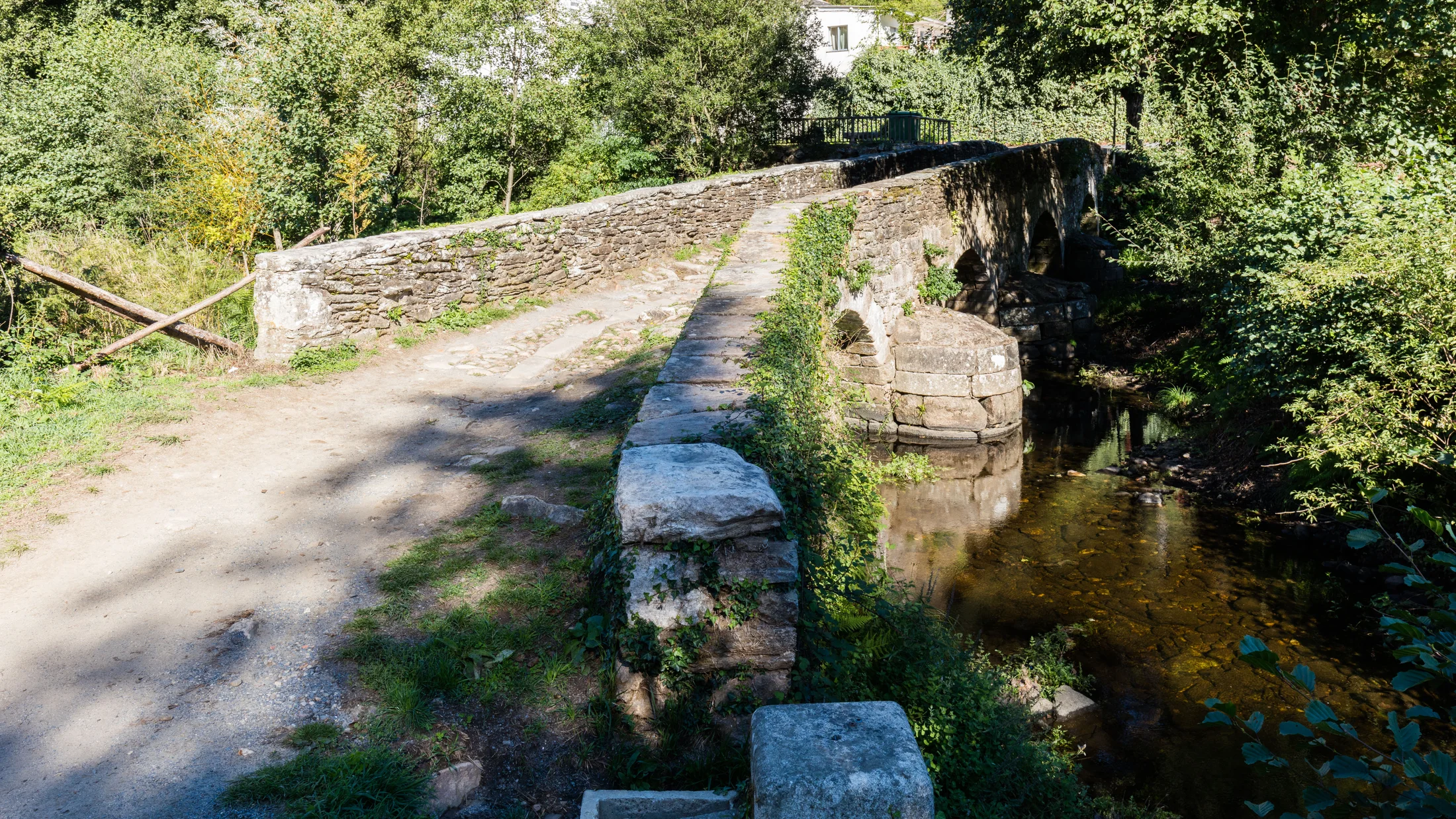
Ponte de Lima rewards unhurried travelers with medieval stone, a mirror‑calm river, and a rhythm set by markets and gardens. From Vigo by car, plan 1 h 10–1 h 20 (≈ 85 km) via A‑55/A3 exit Ponte de Lima; buses exist via Viana do Castelo but usually take 2+ hours (Rede Expressos timetables). A gentle breeze carries the scent of wet grass along the Lima’s riverbank.
Expect tolls on the Portuguese side (A3) of about 2–4 € each way if you exit at Ponte de Lima; fuel for a return from Vigo lands around 12–18 € depending on consumption and prices (1.60–1.80 €/L; DGEG fuel averages). Lunch in town ranges 12–20 € pp, a coffee 1–1.50 €, and bike rental along the Ecovia do Lima about 10–15 € for half‑day (Municipality and local outfitters).
Best time spans spring to early autumn: May–October brings the International Garden Festival and alfresco dining; September’s “Feiras Novas” fills the streets with parades. It’s ideal for romantic escapes, slow food, and riverside nature with kids. For a quick culture‑plus‑outdoors plan, you can comfortably cover highlights in 4–6 hours.
Don’t miss:
- The medieval‑Roman bridge and
Largo de Camõesfor classic views. - Riverside gardens and a flat spin on the
Ecovia do Lima(family‑friendly). - The twice‑monthly Monday fair with produce and textiles (Municipality of Ponte de Lima; check dates).
- Local sarrabulho rice and vinho verde tastings.
- Easy bike loops to Arcozelo and beyond.
Practical notes:
- Electronic tolls: your Spanish
VIA-Tusually works on Portugal’sVIA Verde; otherwise use Easytoll/TollCard (Infraestruturas de Portugal). - Weekend crowds rise at lunch; arrive by 10:30 and reserve a table.
- Rain plan: museums, covered arcades, and longer café stops keep the day relaxed.
Sources: Município de Ponte de Lima; Infraestruturas de Portugal; DGEG fuel price reports.
Porto in a Day: Tiles, Cellars, and River Light
Porto fits in under two hours by car from Vigo (≈ 1 h 45–1 h 55 via A‑55/A3, 150 km) and around 1 h 50–2 h 15 by direct bus (ALSA, FlixBus). The cross‑border Celta train takes ≈ 2 h 20 (Renfe/CP), so it’s slightly longer but comfortable. Ribeira’s cobbles gleam after a river splash, and the air smells of toasted oak near the cellars.
Budget the drive with A3 tolls roughly 8–10 € one way (route‑dependent; Brisa/Via Verde data) plus fuel (~25–35 € return). Bus tickets often run 7–20 € each way depending on time of day. A classic six‑bridges Douro cruise costs 15–20 €, cellar tours and tastings 15–30 € (Visit Porto and major lodges), and Livraria Lello tickets around 10–16 € (official rates vary by season).
Best months are March–June and September–November for softer light and fewer queues. If you aim for a single day, start early and book one cellar visit in Vila Nova de Gaia for late morning; this keeps your afternoon flexible for architecture and river time. It’s a great fit for enotourism, architecture fans, food lovers, and light shopping.
Suggested day plan:
- Morning: São Bento azulejos, Clérigos tower outside visit, and a coffee at
Praça dos Leões. - Late morning: Cross to Gaia for a cellar tour and tasting.
- Lunch: Francesinha or seafood; budget 15–25 € pp.
- Afternoon: Ribeira walk, 50‑minute Douro cruise, and a detour to the Lello façade or Jardins do Palácio de Cristal.
- Sunset: View from
Miradouro da Vitóriaor Mosteiro da Serra do Pilar.
Transport tips:
- Park at
Campanhã/Casa da Músicaareas or Gaia’s riverside garages (≈ 1–2 €/h) to avoid the tightest streets. - Sunday mornings feel calmer; Saturdays fill fast around Ribeira.
- If time allows, turn the Vigo to Porto day trip into a weekend by adding Foz and Matosinhos for oceanfront walks.
Sources: Visit Porto; Renfe and Comboios de Portugal timetables; Brisa/Via Verde toll info.
Viana Do Castelo: Surf, Sanctuaries, and Sea Views
Viana do Castelo blends surf beaches with a hilltop sanctuary and polite, lived‑in streets. From Vigo by car, count ≈ 1 h 10–1 h 25 via A‑55/A3 then A27; distances hover around 90–100 km depending on exit. As the funicular climbs to Santa Luzia, the Atlantic breathes cool and salty below.
Tolls on A3/A27 usually total 3–6 € one way if you exit at Viana, with return fuel ≈ 15–20 €. Blue‑zone parking in the center costs about 0.80–1.20 €/h; beachfront lots near Praia do Cabedelo may charge in summer. Lunch lands at 14–22 € pp, and a surfboard rental/lesson goes 20–35 € per session (local schools).
Go in late spring for green hills, summer for swimming, and September for steady swell and warmer water. Families, heritage fans, and surfers all fit here. You can comfortably see highlights in 6–7 hours, or stay overnight to catch sunrise from the sanctuary steps.
What to do:
- Ride the Santa Luzia funicular (≈ 3–4 € return; CM Viana do Castelo) to the basilica and viewpoint
41.694°N, -8.834°W. - Wander the historic core: Praça da República, Misericórdia, and the old shipyards.
- Hit
Praia do Cabedelofor surf or kite; rent from beach schools. - Visit the
Gil Eanneshospital ship museum. - Scenic drives: mouth of the Lima or short hops to Ponte de Lima.
Notes and combos:
- Electronic tolls apply; ensure
VIA-T/VIA Verdeor use Easytoll. - Pair Viana with Ponte de Lima for a varied day: morning surf, afternoon river walk.
- Wind can be strong; pack a light jacket even in July.
Sources: Município de Viana do Castelo; Infraestruturas de Portugal; local surf schools.
Barcelos: Thursday Market, Craft Traditions, and Rural Loops
Barcelos delivers one of Portugal’s liveliest weekly markets and easy river walks under terracotta rooftops. Driving from Vigo takes ≈ 1 h 30–1 h 45 via A‑55/A3 then A11 (≈ 120–130 km). The Cávado smells faintly of wet stone after a light shower.
Expect tolls of about 6–8 € one way depending on the path, and return fuel near 20–28 €. The famous Thursday market (“Feira de Barcelos”) runs year‑round with stalls of pottery, textiles, cheeses, and snacks (Municipality of Barcelos). Plan 2–3 hours to browse without rushing; many visitors extend lunch nearby.
Best time is Thursday for the market; for hiking, spring and autumn feel cooler on inland lanes. This is ideal for slow travelers, craft hunters, and anyone curious about the Galo de Barcelos iconography. Families enjoy the open spaces and simple food.
What to do:
- Thursday market: arrive 9:30–10:00 to beat the midday rush.
- Riverside promenade and the medieval bridge.
- Craft shops and the pottery museum to understand local clay work.
- Rural routes to nearby villages and gentle lanes toward Ponte de Lima or Esposende.
- Lunch on roasted meats or bacalhau; set menus often 12–15 €.
Practical details:
- Parking: center lots often 0.50–1 €/h; free and easier on the periphery.
- Market buys: artisan pieces from 5–30 €; regional cheeses 3–8 €.
- Combine with Porto (45 minutes), Viana, or Ponte de Lima for a two‑stop day.
Sources: Município de Barcelos; Brisa/Via Verde; local museum notes.
Peneda‑gerês and Arcos De Valdevez: Rivers, Trails, and Granite Villages
Peneda‑Gerês is Portugal’s only national park, and Arcos de Valdevez sits at its welcoming edge. From Vigo to Arcos, plan ≈ 1 h 30 via A‑55/A3/A27 (≈ 105–120 km). Pine and heather release a resin‑sweet scent when the sun breaks through.
There is no general park entrance fee (ICNF), though guided activities cost 25–50 € pp; tolls total around 5–7 € one way, and return fuel runs 20–28 €. Spring and autumn are best for hiking; summer brings warm swims in river pools. This is a fit for hikers, photographers, and families who like short, safe trails.
One‑day ideas:
Ecovia do Vezfrom Arcos: family‑friendly riverside sections with wooden walkways.Trilho dos CurraisPR3Gerês: a classic loop with highland views; carry water.Cascata do Aradoand nearby pools; go early to avoid parking strain.- Sistelo’s terraced fields and short
PRspurs; Sistelo is nicknamed “Portuguese Tibet.”
Rules and safety:
- Fire risk: strict bans on fire; heed local alerts (ICNF / Parque Nacional da Peneda‑Gerês).
- Swimming: avoid jumps; depth varies and rocks are slippery.
- Parking is limited at cascades—arrive before 10:00 or use local shuttles when available.
- Trail codes like
PRmean “pequena rota,” a short marked local path; download a map and GPX.
Logistics:
- Stock water and snacks in Arcos or Ponte da Barca.
- Weather shifts quickly; pack a light layer year‑round.
- Consider a local guide for wildlife and lesser‑known viewpoints.
Sources: ICNF/Parque Nacional da Peneda‑Gerês; Município de Arcos de Valdevez.
Soutomaior: Castle Stones and Chestnut Forests Close to Home
Soutomaior is the no‑stress escape: a 30‑minute hop from Vigo to a hillside castle and shaded walks. Drive ≈ 25–30 km via AP‑9/N‑550 toward Arcade/Soutomaior. In the castle gardens, camellias dust the paths like soft confetti in spring.
The Castle of Soutomaior costs about 5 € adult (reduced ≈ 3 €, children often free; Deputación de Pontevedra). Parking is free on‑site, and café stops in Arcade run 1–2 € for coffee. The spot is perfect for families, history lovers, and anyone who wants fresh air without a long day.
What to do in 2–4 hours:
- Tour the castle interior and towers with interpretive rooms.
- Stroll the arboretum and forest paths; easy gradients suit kids.
- Picnic under oaks or chestnuts; bring a blanket.
- If time remains, detour to Arcade for oysters by the bay.
When to go:
- Spring blooms (camellias, azaleas) are a showpiece; autumn leaves glow gold and copper.
- Summer weekends can be busy; arrive by 10:30 or after 16:30 for quieter paths.
Notes:
- Combine with Pontevedra’s old town for a half‑day culture add‑on.
- Check special events or temporary exhibits on the Deputación’s calendar.
Sources: Deputación de Pontevedra; Concello de Soutomaior.
Combarro and Historic Pontevedra: Hórreos by the Sea and Stone‑quiet Plazas
Combarro’s granite hórreos line the water like old guardians, while Pontevedra’s car‑calmed squares invite slow wandering. Drive from Vigo: 35–40 minutes to Combarro (≈ 34 km via AP‑9/PO‑308) and 25–30 minutes to Pontevedra. Seaweed and salt lift on the breeze at low tide around Combarro’s slipways.
Parking in Combarro is mostly paid near the old quarter (≈ 1–1.50 €/h; free farther out), and Pontevedra has surface zones and garages (≈ 1–2 €/h). Lunch on seafood runs 18–30 € pp; shared raciones can reduce the bill. It’s an easy win for photographers, coastal walkers, and seafood lovers.
What to do:
- Combarro: walk the waterfront hórreos, check tide charts—low tide for exposed stone lanes, high tide for reflections.
- Pontevedra: Praza da Leña, Praza da Ferrería, and Santo Domingo ruins; the whole center favors pedestrians.
- Ría walks: from Pontevedra toward
A Xunqueira de Albawetland or coastal paths from Combarro toward Chancelas. - Sunset: viewpoints above the ría or a calm drink on Combarro’s terraces.
Timing and crowd hacks:
- Avoid 13:30–16:30 peak lunch hours in July–August; go early or late.
- Weekdays feel serene; Sundays late afternoon are quieter than midday.
- Pair both towns in one day: morning Combarro, late lunch, then Pontevedra’s shade in the afternoon.
Sources: Concello de Poio; Concello de Pontevedra; local parking tariffs.
Map of Locations: See Travel Times at a Glance
You’ll see pins for each escape with labels showing drive time from Vigo and quick icons for beach, nature, or heritage. Recommended filters include Beach, Nature, Heritage, Family‑friendly, and Food & Wine; tap them to narrow your shortlist. The ría glints silver on the map, and routes trace like thread between bays and valleys.
Editor notes for the embed: set the initial zoom to show Vigo to Porto, with north up and labels on. Each pin should jump to the relevant section of this article. If an interactive map is not possible, use a static image with a clear legend and a small travel‑time box on each pin. Keep the default view rectangular enough to include Soutomaior and Peneda‑Gerês without panning.
How to Choose the Right Escape Near Vigo
Start with transport: car gives maximum flexibility for Portugal and Peneda‑Gerês; buses cover Porto efficiently in under two hours; trains are comfortable but slower cross‑border (≈ 2 h 20 to Porto; Renfe/CP). A light drizzle on the windshield can be soothing when your route is simple and short.
Match duration to the plan:
- Half‑day: Soutomaior; Pontevedra old town.
- Full day: Combarro + Pontevedra; Ponte de Lima; Viana do Castelo; Barcelos market.
- Weekend: Porto with Gaia and Foz; Peneda‑Gerês with Arcos de Valdevez.
Accessibility and parking:
- Historic centers have cobbles and slopes; Pontevedra is notably pedestrian‑friendly.
- Beach and castle parking fills by late morning in summer; arrive early or after 16:30.
Weather and seasons:
- Spring/autumn for hiking and gardens; summer for Rías Baixas beaches and Porto river life.
- Strong sun on coastal walks—pack a hat and water year‑round.
Cross‑border basics for viajes Portugal desde Vigo:
- Carry a valid ID card or passport; minors may need parental authorization.
- Tolls:
VIA-Tworks withVIA Verde; if not, use Easytoll/TollCard at the border or service areas. - Insurance: standard EU cover applies; check your policy for roadside assistance.
Simple combos:
- Porto + Barcelos (Thursday) or Ponte de Lima.
- Viana do Castelo + Ponte de Lima (surf + river walk).
- Combarro + Pontevedra (photography + tapas).
Sources: Renfe/CP; Infraestruturas de Portugal; municipal tourism offices.
Frequently Asked Questions
How long do these drives really take from Vigo?
Most are 25–110 minutes each way: Soutomaior (≈ 30 min), Pontevedra/Combarro (≈ 25–40 min), Ponte de Lima (≈ 70–80 min), Viana do Castelo (≈ 70–85 min), Barcelos (≈ 90–105 min), Porto (≈ 105–115 min), Arcos de Valdevez/Peneda‑Gerês edge (≈ 85–95 min). Timings assume normal traffic.
Where should I park, and what does it cost?
- Porto/Gaia: use garages near Campanhã/Casa da Música or Gaia riverside, ≈ 1–2 €/h.
- Viana/Barcelos: center blue zones ≈ 0.50–1.20 €/h; beachfront lots may charge in summer.
- Combarro/Pontevedra: paid zones ≈ 1–2 €/h; free lots farther out with a short walk.
- Soutomaior: on‑site parking typically free.
What documents do I need to cross into Portugal?
EU ID card or passport for adults; minors traveling without both parents often require authorization. No routine checks, but carry documents. Driving license and vehicle papers are required if you drive.
How do Portuguese tolls work for Spanish cars?
Most main routes use electronic tolls. Your Spanish VIA-T interoperates with VIA Verde. Without a device, use Easytoll or TollCard at entry points or service stations to associate your plate with a payment method (Infraestruturas de Portugal).
Is my car insurance valid in Portugal, and do I need extra health cover?
Standard EU car insurance applies; confirm roadside assistance and glass coverage. For health, the European Health Insurance Card (EHIC/TSE) covers emergencies; consider travel insurance for extras.
What’s a smart one‑day itinerary if I want variety?
- Morning in Combarro (hórreos at low tide), lunch, afternoon in Pontevedra’s plazas.
- Viana do Castelo (Santa Luzia + beach) with a late stroll in Ponte de Lima.
- Porto’s Ribeira + Gaia cellar tour and a quick six‑bridges cruise.
Are trails in Peneda‑gerês suitable for children?
Pick short PR routes along rivers like the Ecovia do Vez sections. Avoid steep or exposed trails with small kids, and start early to secure parking near cascades.
Final Thoughts: Close‑by Adventures, Big Horizons
What makes these escapes sing is their contrast: sea to sanctuary, garden to granite alley, all within two hours of Vigo. You can collect river walks, market mornings, and high‑coast sunsets without burning a holiday day. Warm light on tiled facades lingers even as you turn the key to head home.
If something here clicked, pick your date now and reserve transport or a car early for weekends. For curated rural stays and simple, local‑led activities, explore Picuco and save this list for your next free Saturday. Share your route ideas with friends, and keep a small bag ready—these short hops are the easiest good habit you can start.
Sources cited: Visit Porto; Renfe/Comboios de Portugal; Brisa/Via Verde and Infraestruturas de Portugal; ICNF/Parque Nacional da Peneda‑Gerês; Deputación de Pontevedra; Municípios de Ponte de Lima, Barcelos, Viana do Castelo; DGEG fuel data.