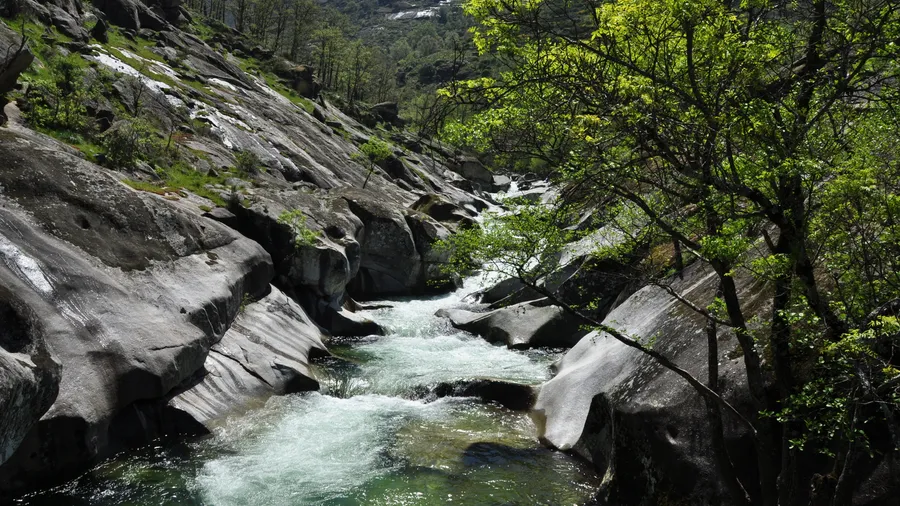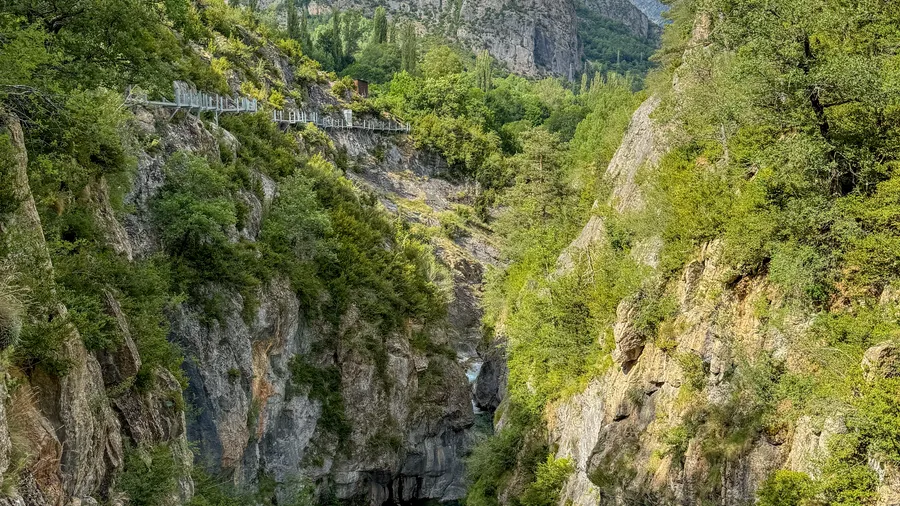
Barranquismo in the Barranc d'Unarre, Alt Pirineu
Canyoning
Lleida, Catalonia
Canyoning
Filter by zone, season and profile. 32 canyons across 13 zones. One fits you.
32 descents
Activities(3)
Activities(2)
Activities(5)
Activities(1)
Activities(3)
Activities(1)
Activities(3)
Activities(2)
Activities(5)
Activities(1)
Activities(3)
Activities(1)
Activities(3)
Activities(3)
Activities(5)
Activities(4)
Activities(1)
Activities(7)
Activities(2)
Activities(1)
Activities(5)
Activities(2)
Activities(1)
Activities(6)
Activities(6)
Activities(4)
Everything you need to know before your first descent
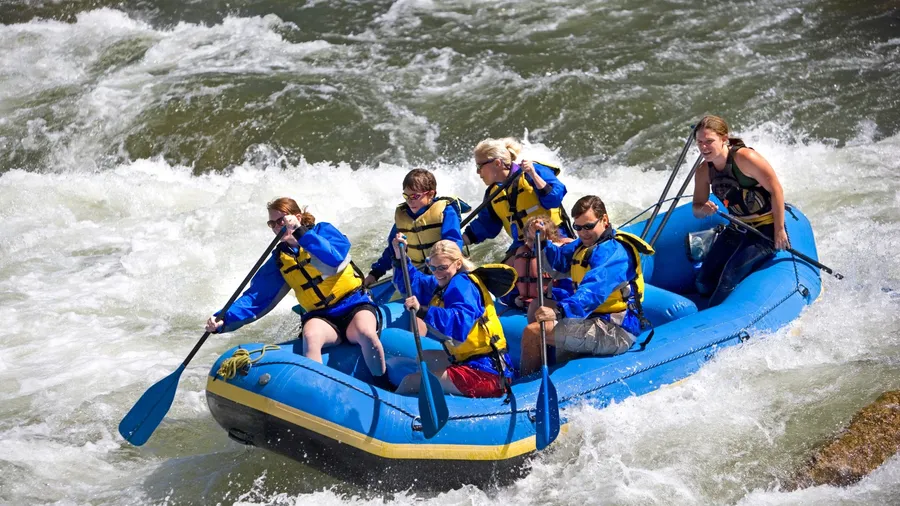
Canyoning is the descent of a gorge or canyon combining rappelling over waterfalls, swimming in natural pools and optional jumps, always with a certified guide and full technical equipment. Unlike rafting, there is no raft: you move through the gorge bed, descending progressively.
Spain is one of the European countries with the largest commercial canyoning offer, with well-established zones in the Aragonese and Catalan Pyrenees, Andalusia, Valencia, the Cantabrian coast and the island groups.
| Level | Description |
|---|---|
| Low | No technical rappels. Few swimming sections. Suitable for all ages from 7 years. |
| Low-medium | Simple rappels and calm pools. First experience with a technical element. |
| Medium | Rappels up to 15 m, swimming sections and optional jumps. Basic fitness required. |
| Medium-high | Exposed rappels, pool currents and siphon passages. Prior experience recommended. |
| High | High vertical rappels, siphons and changing conditions. Technical training required. |
Indicative difficulty scale for commercial canyons in Spain.
The season depends on two factors: the water type (whether the canyon is wet or dry) and the geographic zone. Southern canyons operate almost year-round; Pyrenean canyons peak in spring and summer.
| Zone | Jan | Feb | Mar | Apr | May | Jun | Jul | Aug | Sep | Oct | Nov | Dec |
|---|---|---|---|---|---|---|---|---|---|---|---|---|
| Pyrenees | ||||||||||||
| Cantabrian coast | ||||||||||||
| Andalusia | ||||||||||||
| Valencia region | ||||||||||||
| Balearic Islands |
Each green dot marks operational months; orange dots mark the peak period when water flow and conditions offer the best experience. Andalusia and the Costa del Sol are the only zones where descents happen normally in winter.
Spain has more than 90 canyons with regular guided offers, spread from the Pyrenees to the Canary Islands.
Sierra de Guara Huesca
Pirineo aragonés Huesca
Pallars, Ribagorça y Pirineos Orientales Lleida · Girona · Barcelona
Levante y Cabriel Valencia · Castellón · Cuenca
Andalucía y Costa del Sol Granada · Málaga
Cantabria y Picos de Europa Cantabria · Asturias
Sistema Central y Jerte Cáceres · Salamanca · Ávila
Galicia Pontevedra · A Coruña · Lugo · Ourense
Mallorca Illes Balears
Canarias Las Palmas · Santa Cruz de Tenerife
The market is concentrated in Sierra de Guara and the Pyrenees (over 60% of commercial activity), but zones like Andalusia, Valencia and the islands compensate with longer seasons and descents accessible to all profiles.
Huesca · Sierra de Guara
Spain's biggest canyoning reference. Dozens of canyons at every level, operators with decades of experience and easy access from Zaragoza and Barcelona.
Featured canyons
Lleida/Huesca · Pyrenees (Pallars and Ribagorça)
The Catalan Pyrenees offer medium to high difficulty canyons with cold snowmelt water. Season runs spring to summer with guaranteed flow.
Featured canyons
Granada/Málaga · Andalusia and Costa del Sol
Andalusia has the longest season: Río Verde and Guadalmina operate virtually year-round, with accessible levels and easy access from the coast.
Featured canyons
Valencia/Castellón/Cuenca · Valencia region
The Valencia region offers low to medium difficulty canyons with an almost year-round season. The Otonel with its 60 m rappel is the flagship product of the zone.
Featured canyons
Beyond the Pyrenean core, there are high-value descents: Furco (Aragonese Pyrenees) with its iconic waterfalls, Arbillas (Jerte Valley) as the most accessible inland option from Madrid, Verdugo in Galicia for Atlantic canyoning with guaranteed water, Coanegra in Mallorca as the most visited descent in the Balearics, and Cernícalos in Gran Canaria for a unique experience among endemic flora.
The operator always provides technical gear (wetsuit, helmet, harness, descender and ropes). You only need to think about what you wear underneath and what you need after coming out of the water.
No specific physical preparation is required beyond being within the age and weight ranges of the canyon. If you have any doubts about equipment or fitness, ask the operator before leaving home.
Canyoning with a certified company is a controlled-risk activity. Licensed guides know the canyon, assess the water flow before entering, and will never proceed if there is rainfall upstream. The technical equipment (harness, descender, helmet, wetsuit) is approved and checked before each outing.
Serious accidents in commercial canyoning are very rare. The real risks are hypothermia (managed with adequate wetsuit), flash floods (managed by cancelling the activity at any sign of doubt) and poorly executed rappels (managed with pre-descent briefing and direct guide supervision). When in doubt, trust your guide - they know that canyon better than anyone else today.
Tips, zones and preparation for your next descent.
Autonomous communities and zones with active commercial canyoning.
Other adventures we also offer.
The most common questions before your first descent.