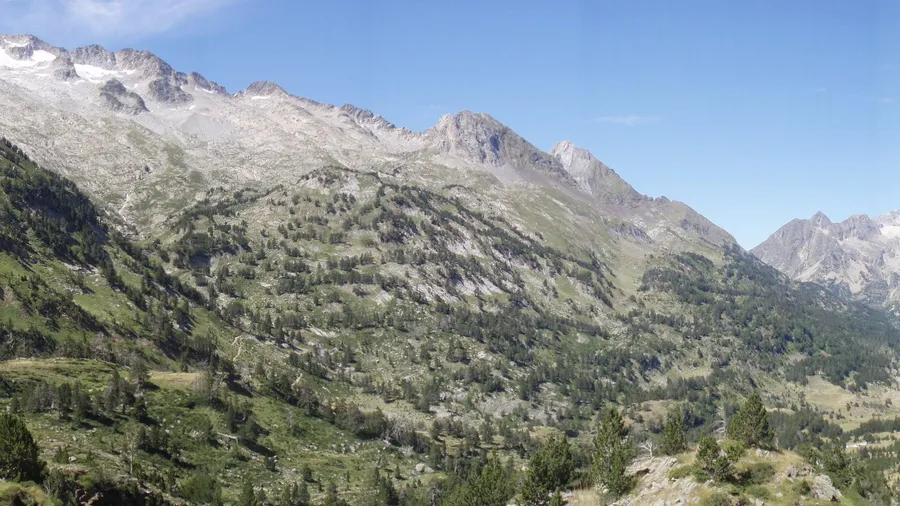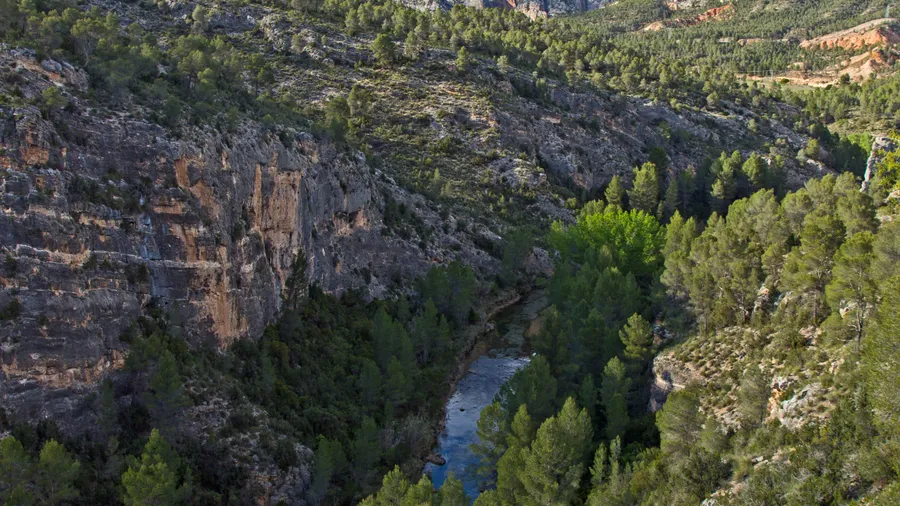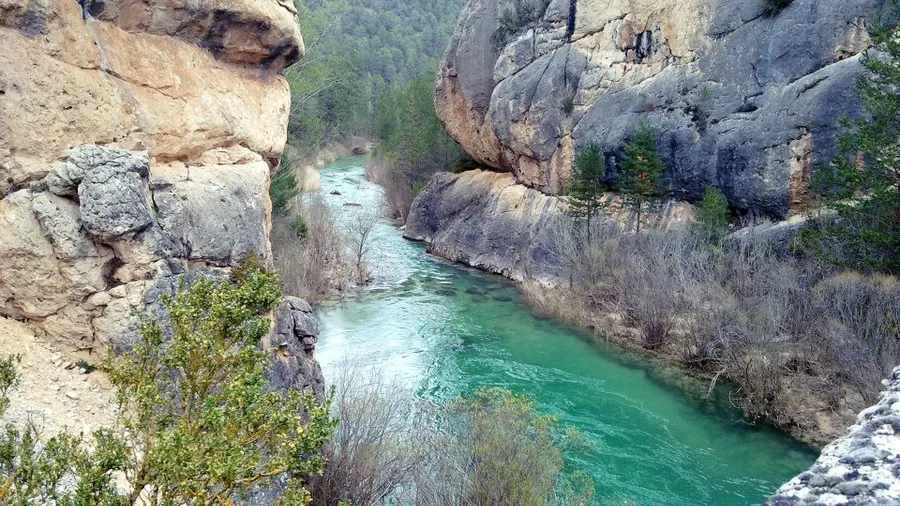
Guided Rafting on the Guadalquivir River, Puente Agustines Section
Rafting
Ayamonte, Huelva
From35,00 €
Rafting in Spain
47 sections across 23 rivers, class I to V. March to November in the Pyrenees, year-round in Andalusia and the Levante. Find the river and section that fits you.
Rafting
Filter by zone, season and profile. 47 sections. One fits you.
47 sections
Activities(2)
Activities(1)
Activities(2)
Activities(1)
Activities(5)
Activities(2)
Activities(5)
Activities(1)
Activities(2)
Activities(2)
Activities(2)
Activities(1)
Activities(2)
Activities(1)
Activities(5)
Activities(2)
Activities(5)
Activities(1)
Activities(2)
Activities(2)
Activities(2)
Activities(3)
Activities(2)
Activities(2)
Activities(2)
Activities(2)
Activities(3)
Activities(1)
Activities(3)
Activities(1)
Activities(3)
Activities(2)
Activities(3)
Activities(3)
Activities(1)
Activities(4)
Activities(1)
Activities(3)
Activities(2)
Activities(5)
Activities(5)
Activities(5)
Activities(4)
Activities(3)
Activities(3)
Activities(1)
Activities(1)
Activities(2)
Activities(2)
Activities(1)
Activities(1)
Activities(1)
Activities(2)
Activities(1)
Activities(1)
Activities(2)
Activities(1)
47 sections across 23 rivers, classified by difficulty, season and zone.
Rafting is the descent of a whitewater river aboard an inflatable raft, always with a professional guide in charge. It's done in a group, with helmet, life jacket and wetsuit, and it's one of the most accessible ways to experience the mountains with no prior experience.
Difficulty is measured with the international class I to VI scale, where each level describes the character of the section: from nearly flat water to rapids that aren't run commercially. Most descents in Spain are class II to IV.
| Level | Description |
|---|---|
| Class I | Almost flat water. Gentle movement, no obstacles. Suitable for anyone. |
| Class II | Small, easy rapids. Some waves and a clear channel. |
| Class III | Moderate rapids with waves, rocks and required maneuvers. |
| Class IV | Powerful rapids with technical lines. Experience recommended. |
| Class V | Demanding, continuous descents with serious consequences. |
| Class VI | Edge of what's runnable. Not commercial. |
International whitewater difficulty scale.
The season depends on two factors: whether the river is regulated (flow released from a reservoir) or natural (fed by snowmelt and rain). Regulated rivers run for much of the year; natural ones peak in spring.
| Region | Jan | Feb | Mar | Apr | May | Jun | Jul | Aug | Sep | Oct | Nov | Dec |
|---|---|---|---|---|---|---|---|---|---|---|---|---|
| Pyrenees | ||||||||||||
| Cantabrian coast | ||||||||||||
| Andalusia | ||||||||||||
| Inland Levante |
Each green dot marks operating months; the orange ones mark the river's peak form, when flow and conditions deliver the best experience. The Levante and Andalusia are the only zones where you paddle in winter as a matter of course.
Spread across seven zones, Spain has 23 rivers that sustain a commercial rafting offer. Each group has its own personality: the Catalan and Aragonese Pyrenees concentrate most of the market, Andalusia and the Levante balance with a long season, and the Cantabrian coast brings the Picos de Europa scenery.
Noguera Pallaresa Lleida
The classic of the Catalan Pyrenees. The Spanish reference since the 1980s, with Llavorsí as the capital.
Segre Lleida
La Seu d'Urgell. School-group sections and the historic home of the Olympic channel.
Noguera Ribagorzana Lleida · Huesca
Between Lleida and Huesca. A less crowded alternative to the Pallaresa.
Garona Lleida
Aran Valley. Powerful spring snowmelt in an alpine setting.
Gállego Huesca · Zaragoza
Murillo de Gállego, the Aragonese hub: a mature market with a strong offer for groups and families.
Ésera Huesca
Campo-Graus, in the Aragonese Pyrenees. A long season thanks to the regulated flow.
Ara Huesca
One of the last wild rivers in the Pyrenees. Short season, natural flow.
Cinca Huesca
Laspuña-Aínsa. Class I-II, ideal for a first time and for kids.
Aragón Subordán Huesca
Hecho Valley. Spring descents with character.
Veral Huesca
Ansó Valley. Small but intense during snowmelt season.
Esca Navarra · Huesca
Between Navarre and Huesca. A Pyrenean snowmelt classic, class III-IV.
Irati Navarra
Irati Forest. Short sections with a lot of scenic charm.
Tajo Guadalajara
Alto Tajo (Guadalajara). The closest rafting to Madrid from the north.
Tormes Ávila
Sierra de Gredos. Spring season fed by the Ávila snowmelt.
Segura Murcia
Blanca and Cieza. A family section, runnable for much of the year.
Cabriel Valencia · Cuenca
Between Valencia and Cuenca. The most accessible section from Madrid and the Levante.
Genil Córdoba · Málaga
Open year-round thanks to the reservoirs. The Andalusian gateway to rafting.
Guadalfeo Granada
Granada. Short descents with mountains and beach in the same day.
Guadalquivir Jaén
Headwaters in Jaén. Rafting with a flavour of olive groves and the Sierra de Cazorla.
Guadiana Menor Granada · Jaén
Between Granada and Jaén. A less-crowded option in Andalusia.
Deva Cantabria · Asturias
Picos de Europa (Cantabria/Asturias). Short sections in spectacular surroundings.
Cares Asturias · Cantabria
Cares Gorge. Technical descents in the heart of the Picos.
Sella Asturias
Asturias. International descent and technical sections upstream.
Although Spain has 23 rivers with commercial rafting, the market concentrates heavily on five: Noguera Pallaresa, Gállego, Cabriel, Ésera and Genil. Together they capture close to 70% of commercial activity. They have the most active operators, the widest variety of sections and the most stable season, so they're the natural starting point if you're planning your first descent.
Lleida · Catalan Pyrenees
The classic of Spanish rafting since the 1980s. Long season (March-October) and the highest commercial density in the country, concentrated in the Llavorsí-Sort-Rialp triangle.
Featured sections
Huesca/Zaragoza · Aragonese Pyrenees
Murillo de Gállego is the Aragonese rafting hub: four active operators in season, with a clearly segmented product line by profile. Regulated river on its advanced section and family-friendly on the lower one.
Featured sections
Valencia/Cuenca · Inland Levante
The closest option to Madrid and Valencia (~3 h by car). A regulated river that runs commercially almost year-round whenever there's a dam release. Accessibility is its big edge.
Featured sections
Huesca · Ribagorza
Campo-Graus with several active operators. A regulated river that allows a full April-October season with layouts from 7 to 28 km for different profiles.
Featured sections
Córdoba/Málaga · Andalusia
The Andalusian gateway to rafting. It depends on releases from the Iznájar reservoir but makes up for it with an unusual season for southern Spain (April through September-October). The kids' family section from age 7 is one of the most accessible options in the country.
Featured sections
Beyond the core there are options of real value: the Cinca (Laspuña-Aínsa, class I-II) is ideal for a first contact, the Noguera Ribagorzana offers class III-IV without the crowds of its Catalan neighbour, the Segura (Blanca, Cañón de Almadenes) hosts the family rafting of the Southeast, and the Deva-Cares-Sella axis covers Picos de Europa with a stable spring and summer season. For sport descents in a short spring window, the Ara, the Esca and the Aragón Subordán stand out.
The operator always provides the safety gear (helmet, life jacket and, in cooler season, wetsuit). You only need to worry about what you wear underneath and what you'll need when you get out of the water.
No specific physical preparation is needed. It's enough to be within the section's age and weight ranges and to follow the guide's instructions. If you have doubts about gear, ask the operator before leaving home.
Knowing how to swim isn't required by most companies, but it is recommended: it boosts your peace of mind and makes rescue easier if the raft flips. Reputable companies work with certified guides, certified gear and mandatory insurance. The opening briefing is a critical part of the descent: it covers paddle commands, the safety position in the water and what to do if you fall in.
If the raft flips, the rule is clear: face up, feet forward, and let the life jacket do its job until the guide recovers you. The minimum age depends on the section (from age 4 on family runs to 14-16 on sport runs) and on class III or higher prior experience is valued. When in doubt, talk to the operator: they're the person who knows the river best today.
Tips, routes and preparation for your next descent.
Autonomous communities and districts with active commercial rafting.
Other water adventures we also work with.
The most common questions before your first descent.