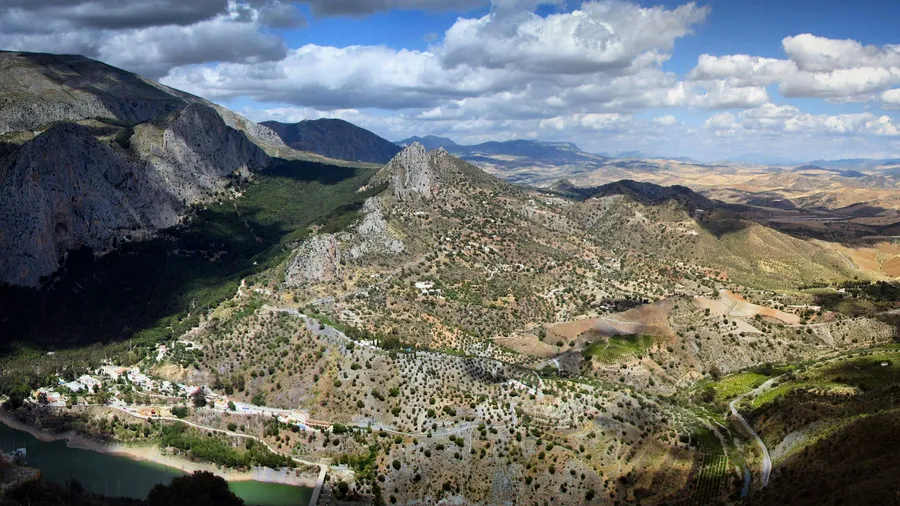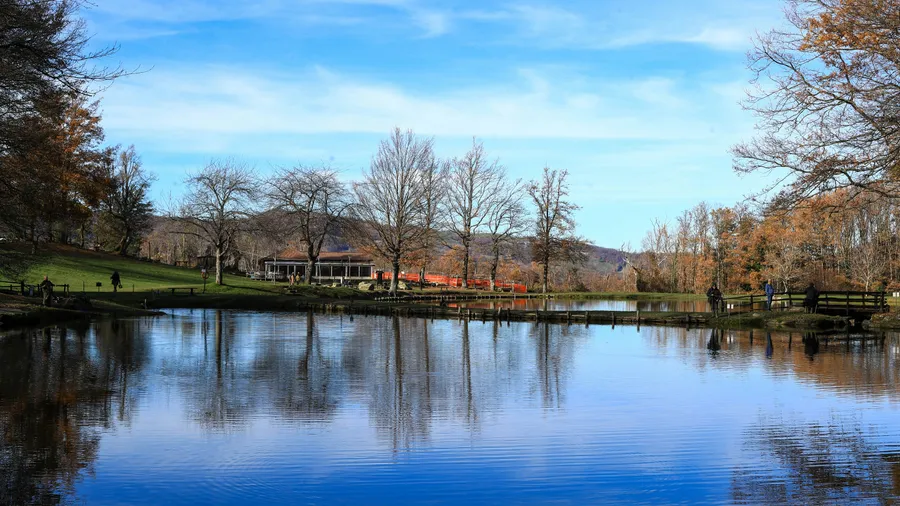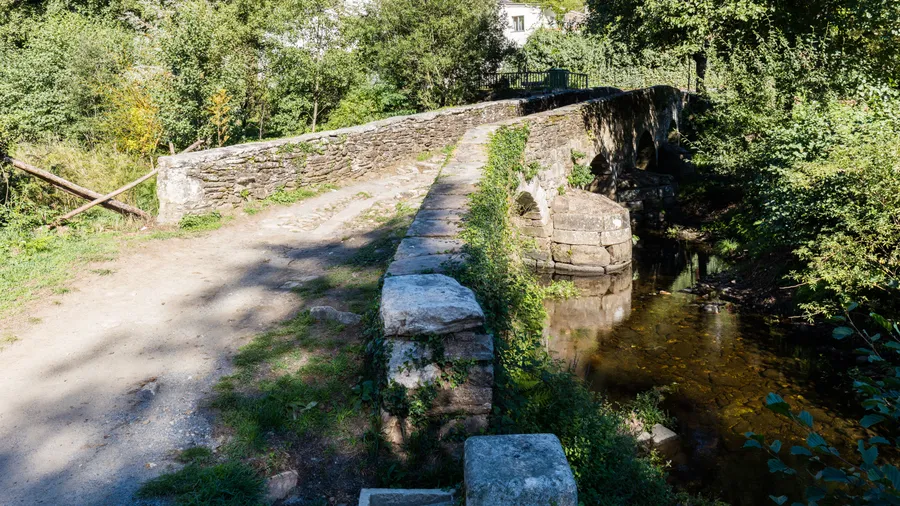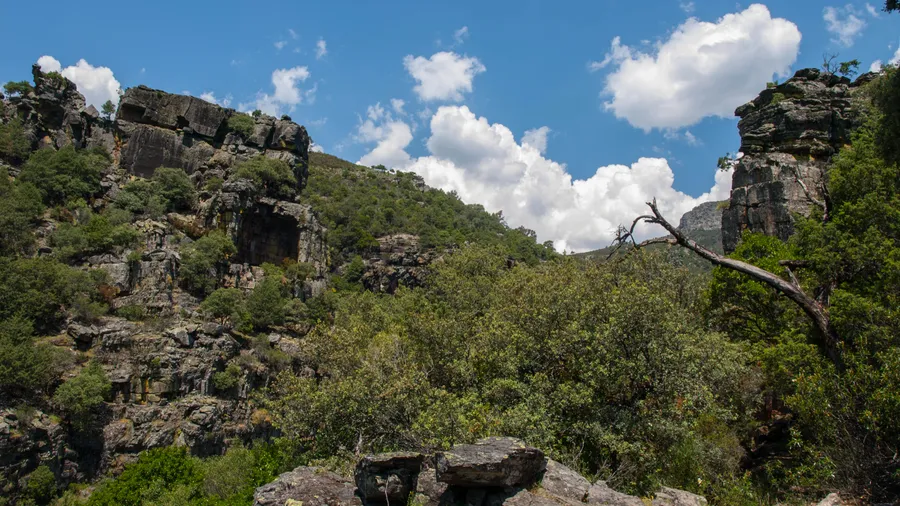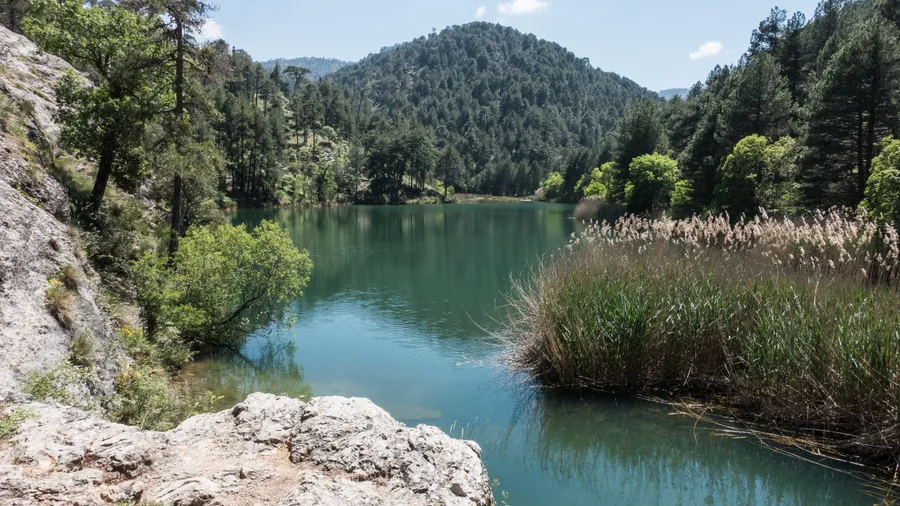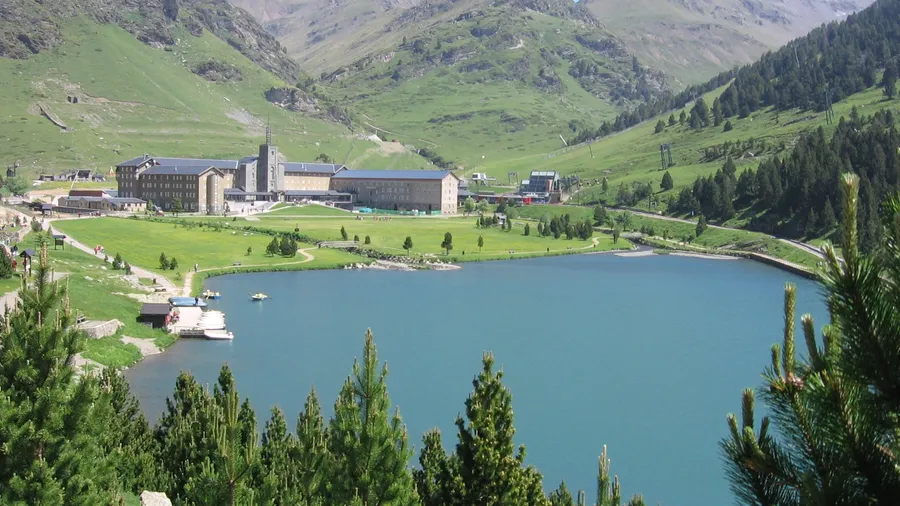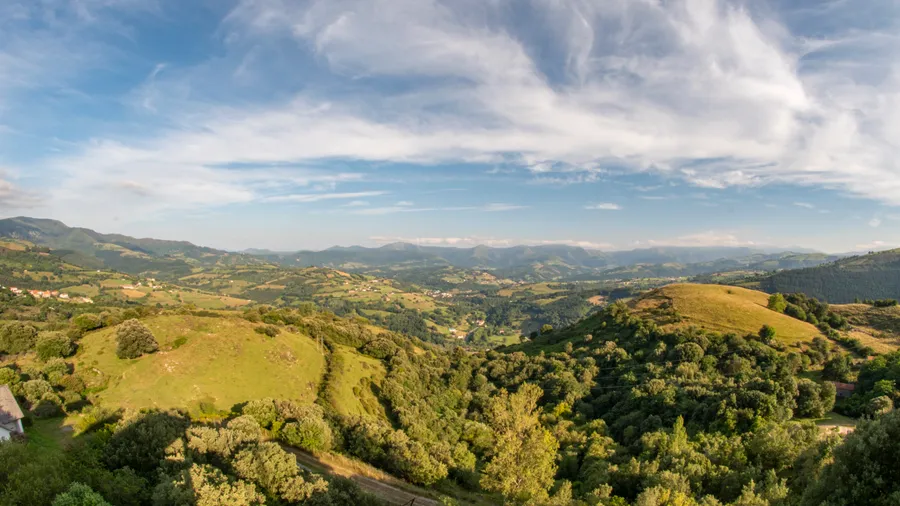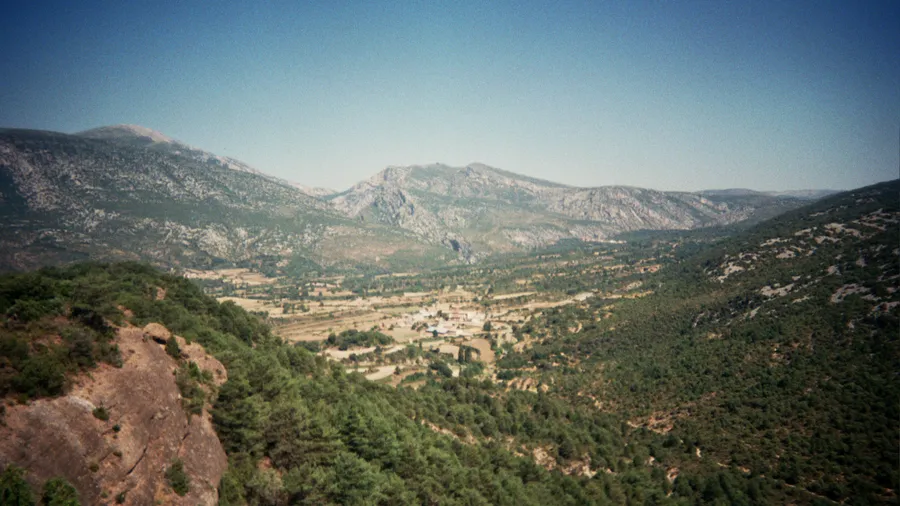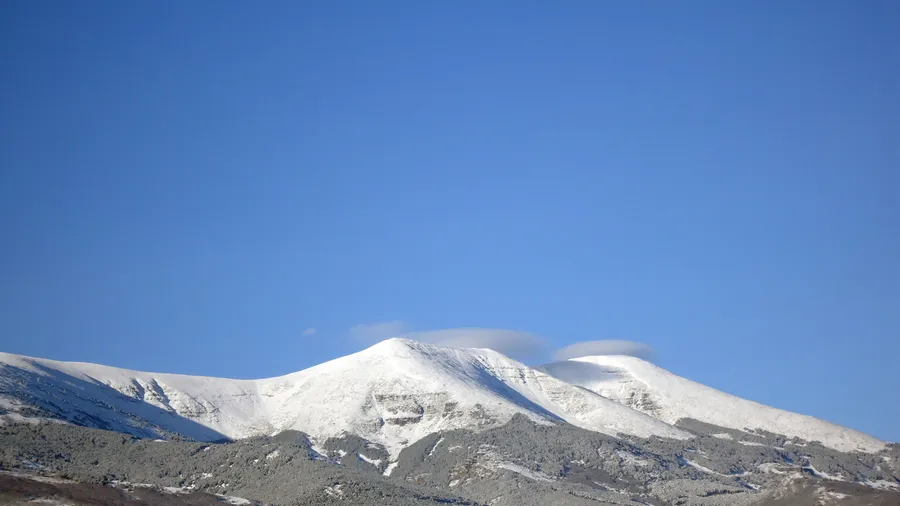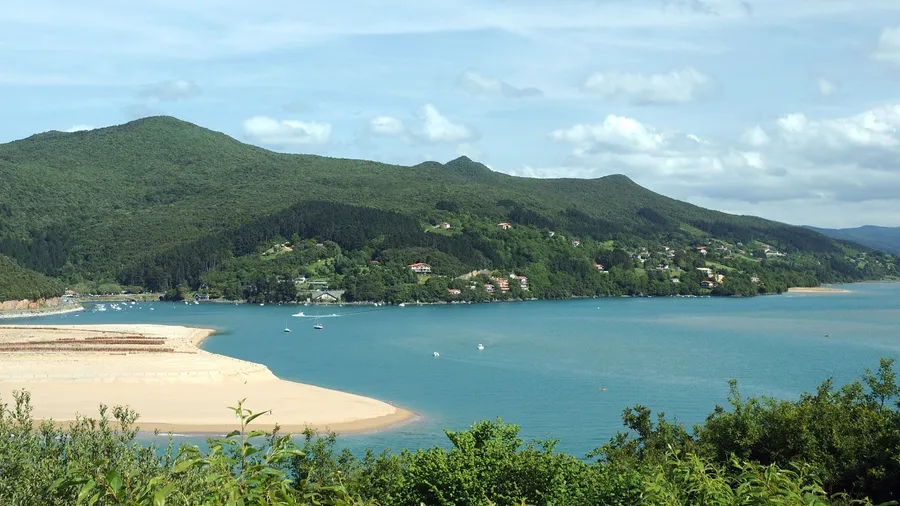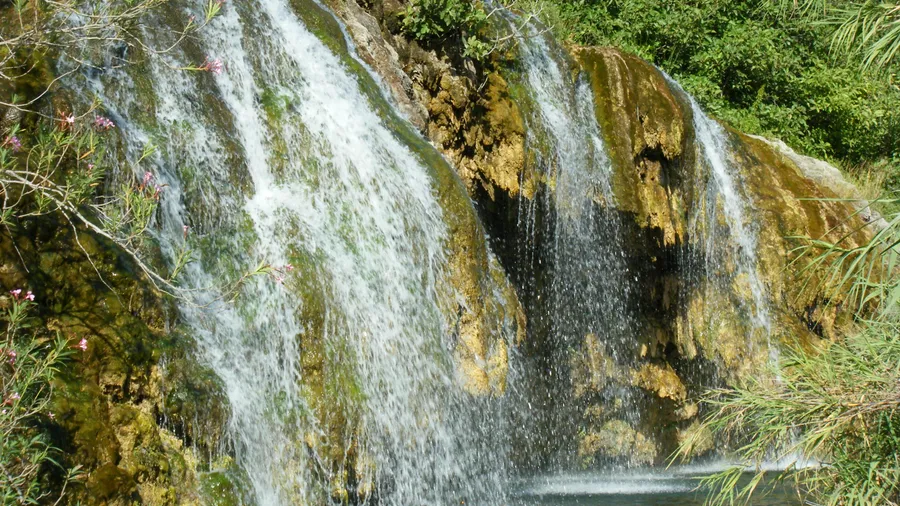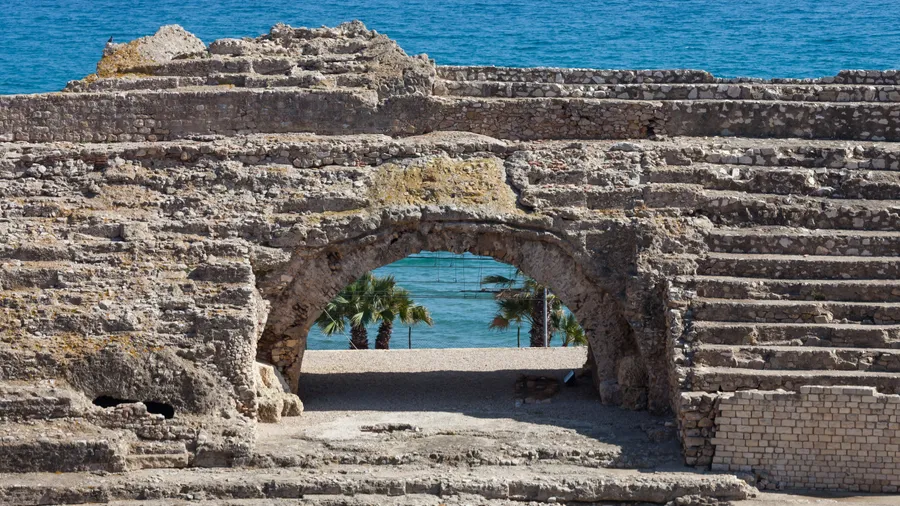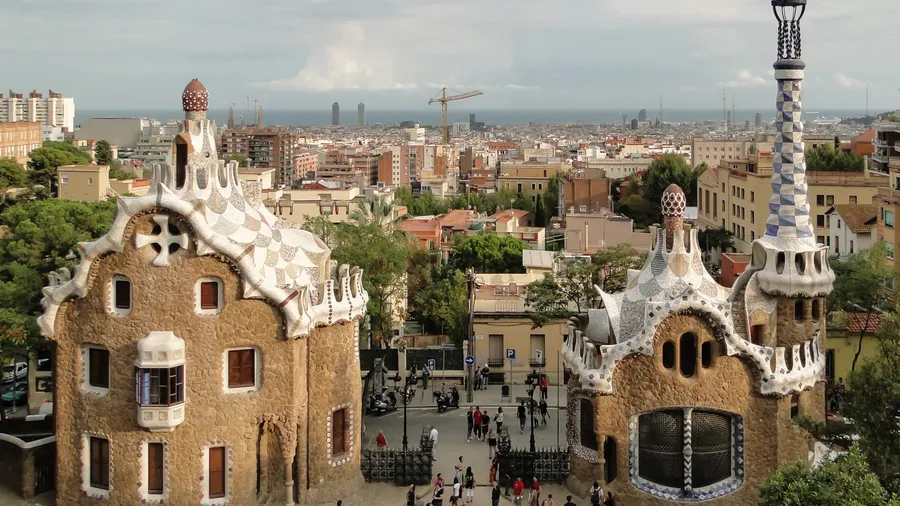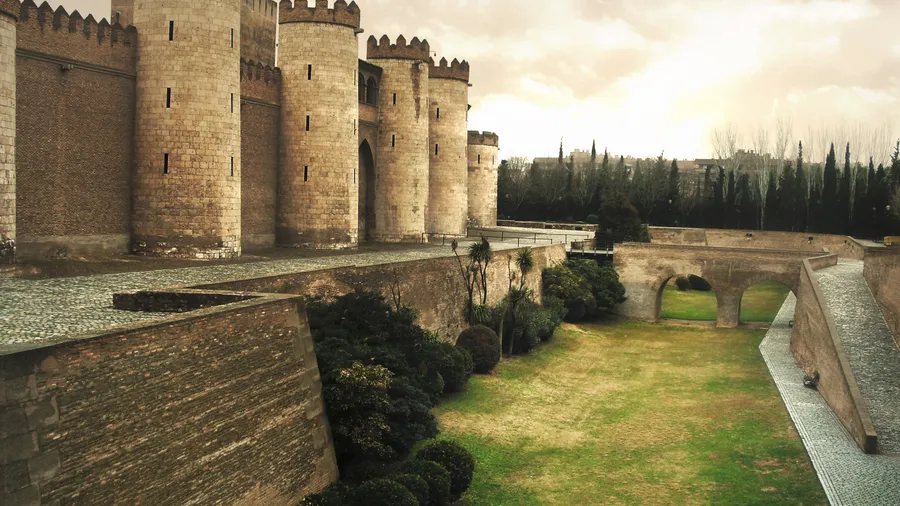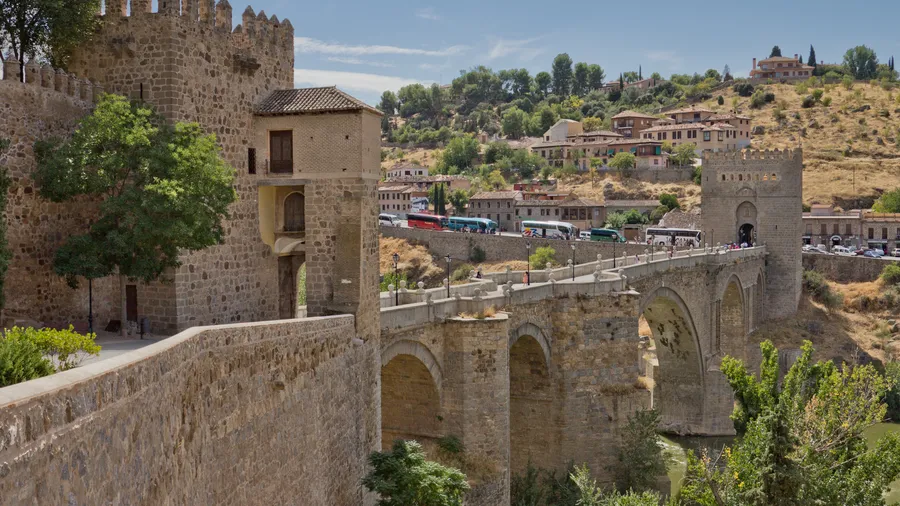
Zaragoza is well placed for day trips out and back. Within less than two hours by car you have a park with waterfalls and a Cistercian monastery, a ruined village that recalls the Civil War, a huge reservoir with a marina, a walled town, a wetland with birds on the edge of the city and the house where Goya was born. Here are six destinations with travel times, prices, opening hours and what to do at each one, plus a circular route to combine them, checked in November 2026.
Before you go: current notices
The Camino Natural de La Alfranca is permanently closed due to collapses on the stretch between the Fuente de Cantalobos and the bridge over the Z-40, until further notice. In Belchite Viejo there is consolidation work on the façades next to the Arco de la Villa and guided tours take place via a signposted temporary side entrance. At the Monasterio de Piedra you cannot bring food into the park.
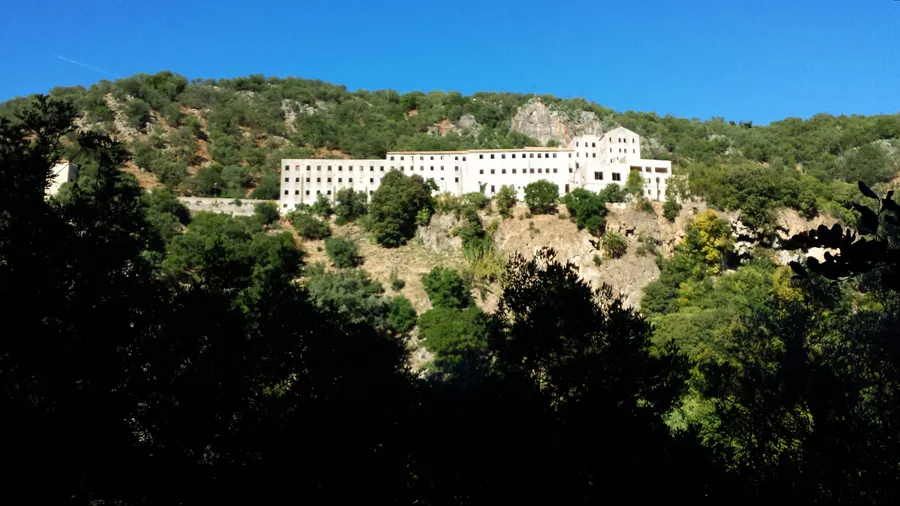
1. Monasterio de Piedra (Nuévalos): waterfalls and cloister
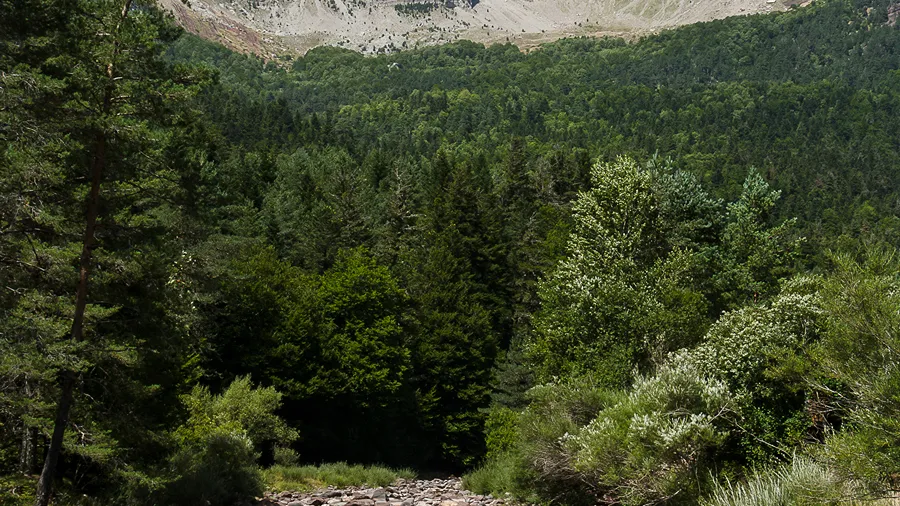
It's 113.2 km from Zaragoza and you can get there in 1 h 31 min with no traffic. Your ticket includes the Historic Garden Park and a self-guided visit through the rooms of the 13th-century Cistercian Monastery.
In 2026, adults (12-64) pay €20 at the ticket office and €19 online, with a 5% discount; children (4-11) and seniors (65+) pay €14.20 at the ticket office and €13.50 online. Under-4s get in free. There are discounts available only at the ticket office, and they can't be combined: 20% for people with a disability of 33% or more, 15% for large families and 25% with the Youth Card. Tickets are non-refundable.
Opening hours checked on 5 November 2026: the park is open from 09:00 to 17:45, with last entry at 16:30 and access to the fish farm closing at 17:15; the monastery is open from 10:00 to 18:00, with last entry at 17:45. From 10 November 2026 to 6 January 2027 the park opens from 09:00 to 17:30, with last entry at 16:00 (fish farm until 16:45), and the monastery from 10:00 to 18:00, with last entry at 17:30; the ticket office closes 15 minutes before last entry.
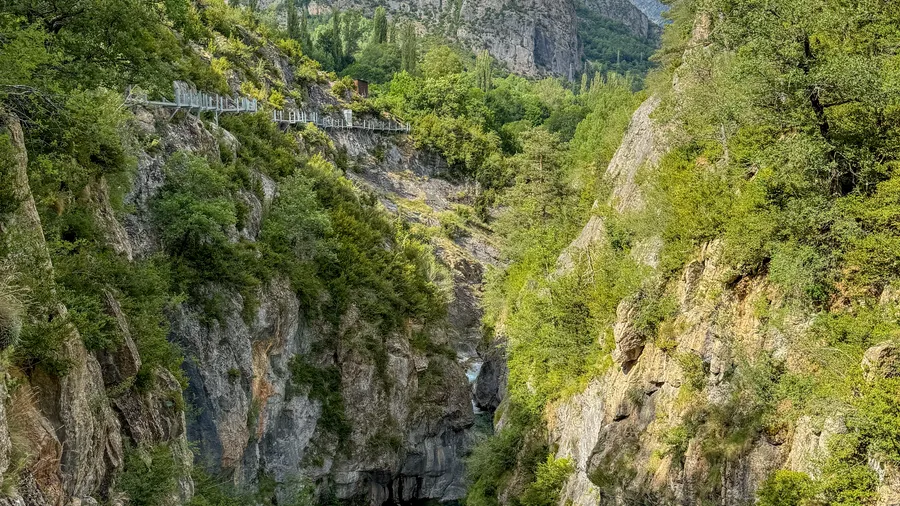
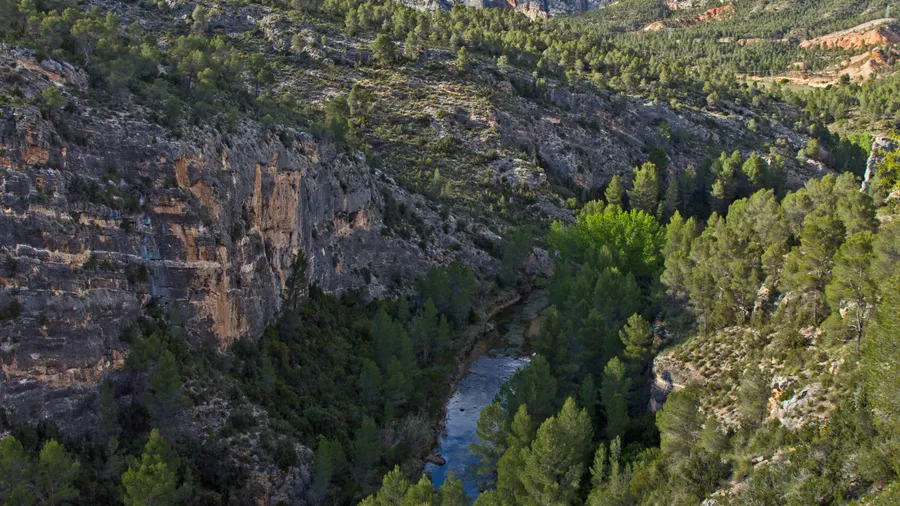
Inside the park, the Cola del Caballo waterfall is over 50 metres high and is the tallest in the río Piedra area. Your ticket also gives you access to the "The History of Chocolate" exhibition in the Convent Kitchen, the Cloister, the Chapter House, the Old Abbey, the Baroque Altar, the Carriage Room, the Refectory and the Calefactory; the chocolate exhibition is still running in 2026. The park has been extended with a new route around Spain's first fish farm, founded by Juan Federico Muntadas Jornet in 1866.
Parking is free. Dogs can enter the Historic Garden Park on a leash, but in the monastic buildings area only in a carrier or backpack. You can't bring food into the park or eat or drink in the Cistercian Monastery or in the areas where this is indicated. The site has flights of stairs and slopes and isn't fully accessible for wheelchairs or pushchairs; wheelchair users get in free and their companion gets a 50% discount on the adult ticket. Wear trainers or shoes that support your foot, not flip-flops or heels. Under-14s can't visit the park or the monument without an adult.
If you're staying at the hotel, don't buy your ticket on the website: at reception, on the day you arrive, you get park entry for your whole stay at €11 for adults and free for under-12s.
You'll find the Monasterio de Piedra listing and the Monasterio de Piedra gardens listing.
Picuco can help you
Does something here catch your eye?
Tell us.
Write to us on WhatsApp or email: we answer questions, find the best options and help you sort out the booking.
Write to us
We guide you based on the type of plan you have in mind and reply by WhatsApp or email.
2. Belchite Viejo: the ruins of the Civil War
It's 50.2 km from Zaragoza, a 49-minute drive with no traffic. The Old Town was the scene of the Battle of Belchite between 24 August and 6 September 1937 and was left practically razed; some residents went on living among the ruins until the new town was completed in the 1960s.
The guided tour lasts about an hour and a half, covers some 2 km and you have to be at the Arco de la Villa 10 minutes beforehand. The daytime historical tour runs Monday to Friday at 12:00 and 16:00, and Saturdays and Sundays at 10:00, 11:00, 12:00, 13:00 and 16:00. The legend tour is offered on Fridays and Saturdays at 20:00. It costs €9 per person; free for ages 0 to 8 and €5 for ages 9 to 14; groups of more than 20 people, €5 per person.
Facade consolidation work next to the Arco de la Villa means access is via a signposted temporary side entrance, and guided tours continue as normal. Once the tour has started, you can't leave the site until it ends and you must follow the guides' instructions. Under-18s must be accompanied by an adult. Dogs on a lead are allowed and there are no toilets inside the site. You can buy your ticket at belchite.es or at the tourist office, at Calle Becú no. 2. There are guided tours in English and French; ask in advance at the tourist office.
Without a car: the T12-03 Zaragoza–Belchite line leaves from the Estación Intermodal Monday to Friday (working days) at 09:30 and 14:30, but the return service only runs Monday to Friday (working days) at 07:15 and 13:00, so you can't use it to go there and back in a day after a guided tour. The T12-01 line, which stops in Belchite (Calle Mayor), leaves from the Estación Intermodal Monday to Friday (working days) at 07:30, 10:00, 15:00 and 17:00, and on Saturdays, Sundays and public holidays at 08:00, 14:30 and 16:00; in the opposite direction it leaves Utrillas Monday to Friday (working days) at 06:45, 10:30, 14:00 and 17:30, and on Saturdays, Sundays and public holidays at 10:30, 12:00 and 18:30, passing through Belchite on its way to Zaragoza.
You'll find the Pueblo Viejo de Belchite listing and the Belchite listing.
3. Mequinenza Reservoir, the sea of Aragón
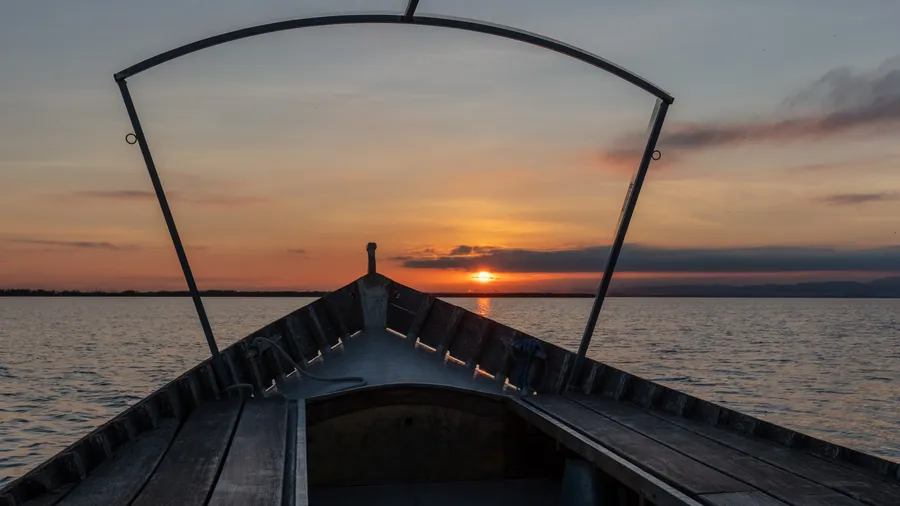
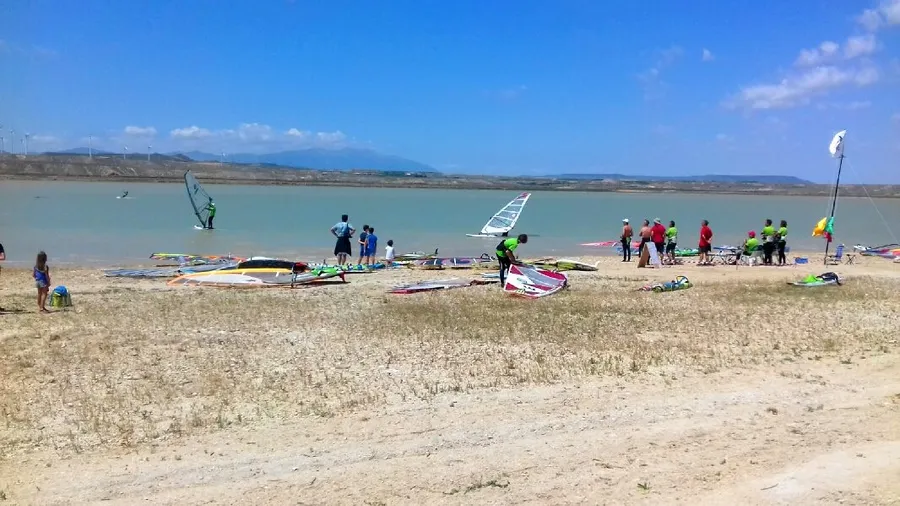
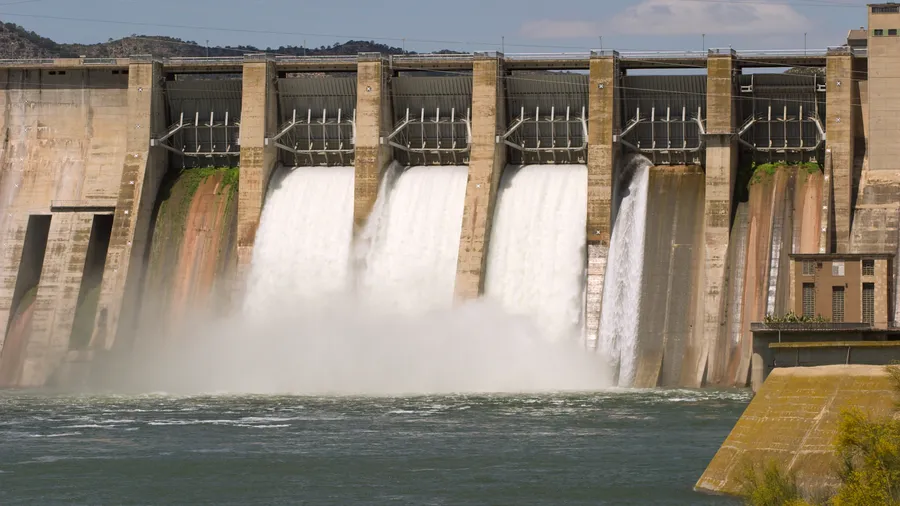
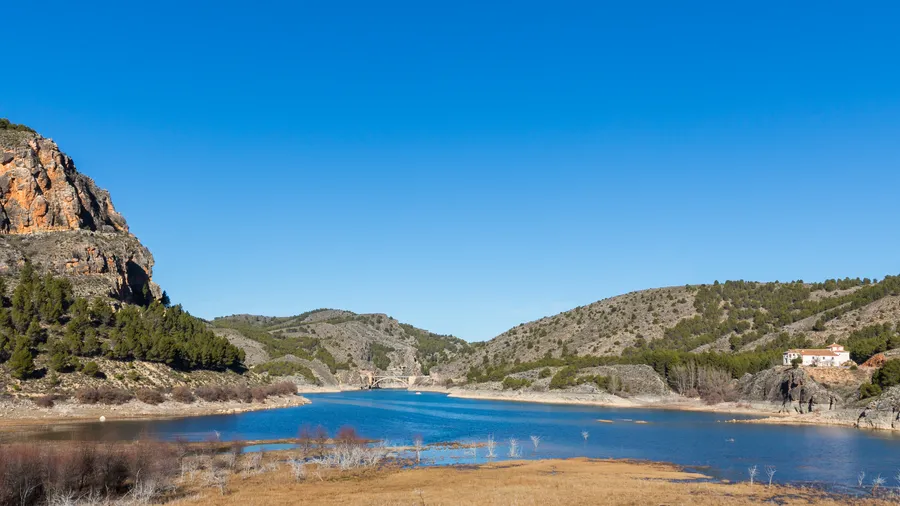
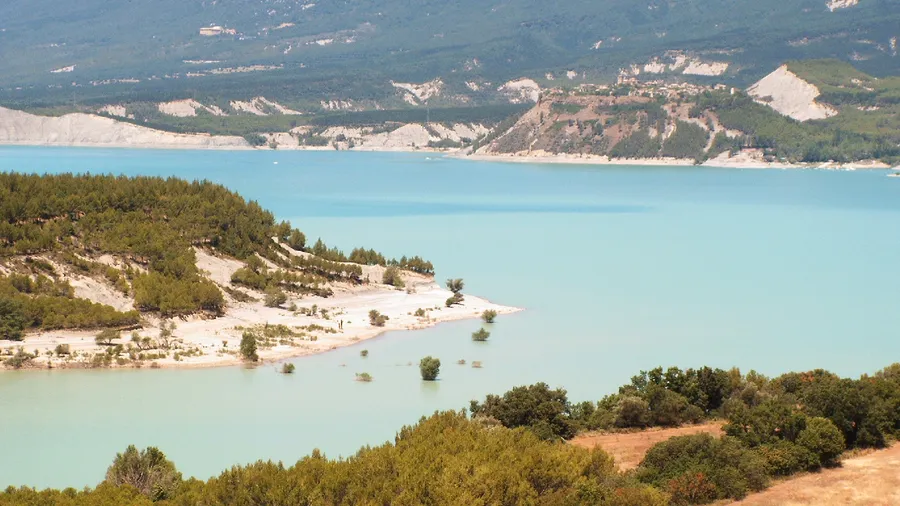
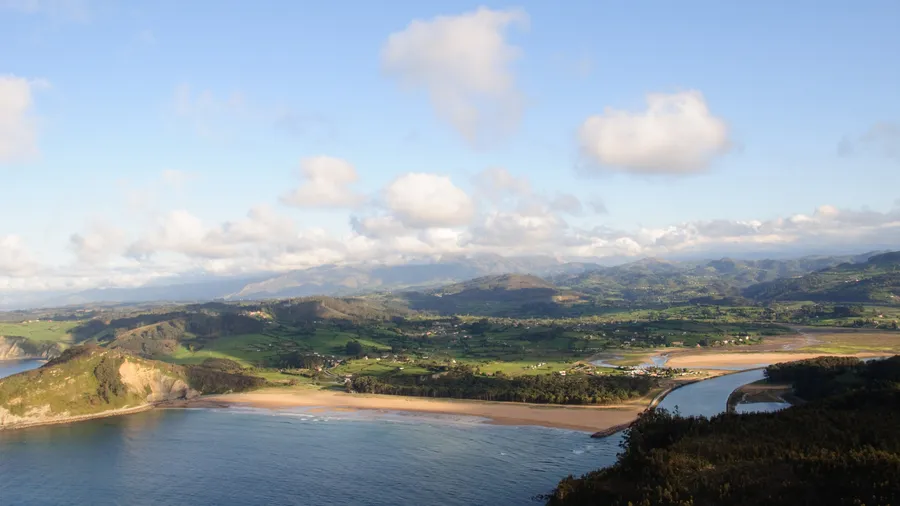
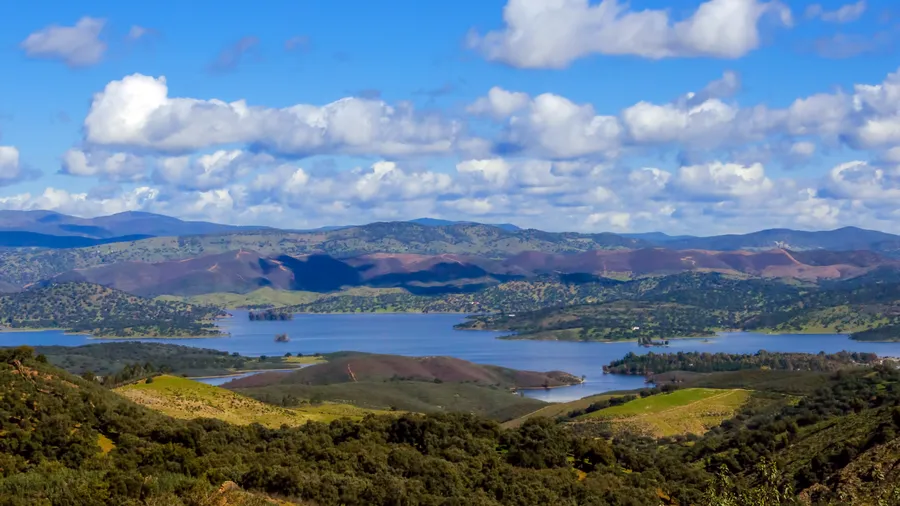
The journey from the centre of Zaragoza to Mequinenza is 134.6 km and takes 1 h 35 min with no traffic. The reservoir floods part of the municipal areas of Mequinenza, Fraga, Caspe, Chiprana, Sástago and Escatrón, and the villages of Chiprana and Caspe, in the Bajo Aragón-Caspe region, sit on its shores. It is the largest reservoir in Aragón: according to the Confederación Hidrográfica del Ebro, since the new 2023 elevation-volume curve its total capacity is 1,373 hm³, compared with the 1,534 hm³ originally estimated.
Mequinenza's municipal jetty is on the right bank of the Segre river and has parking for vehicles. The "Mar de Aragón" sport fishing reserve runs from the Escatrón bridge over the A-222 to the Mequinenza dam, has a perimeter of 442 km including the body of water and is managed by the FAPYC.
4. Daroca: walls, gates and early music
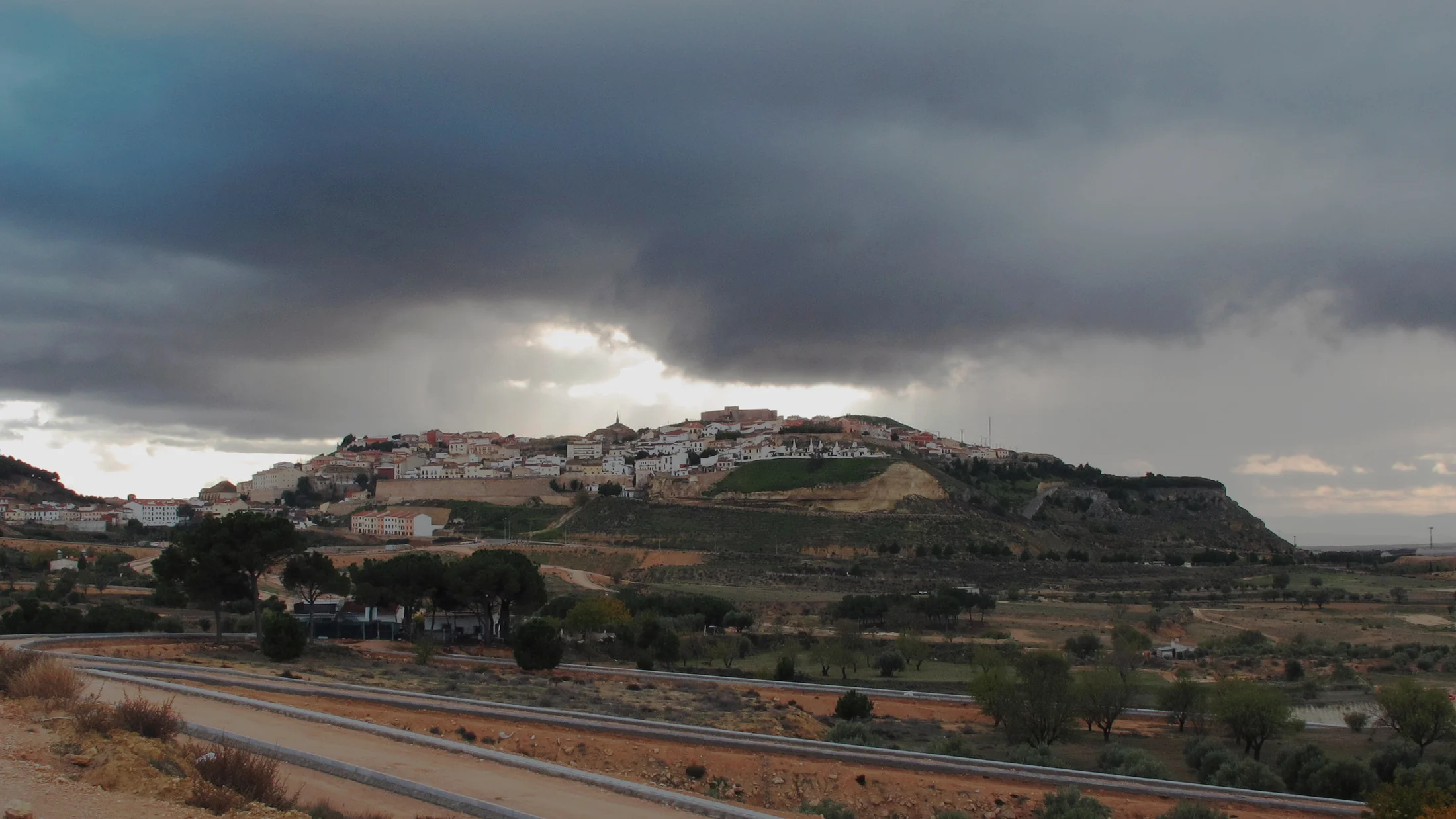
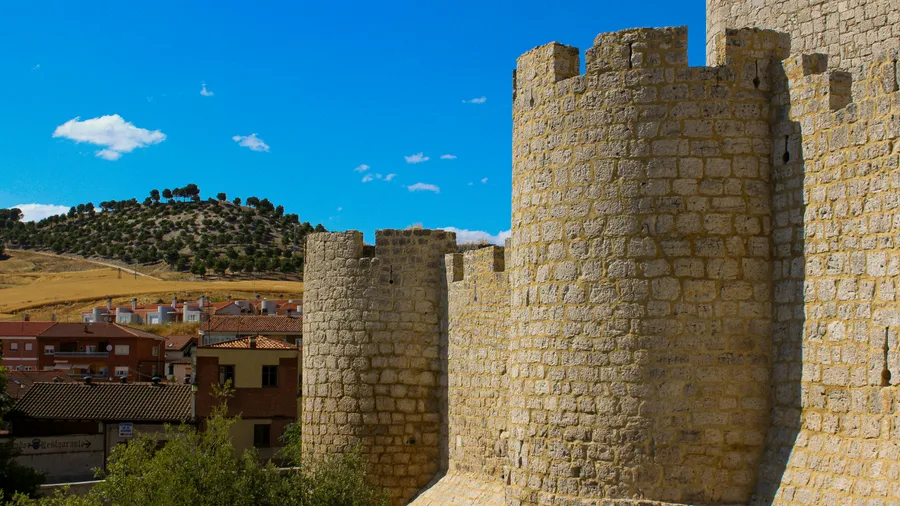
It's 86.3 km from Zaragoza and 1 h 10 min away with no traffic, at 762 m above sea level in the Campo de Daroca region. To walk the walled enclosure, follow the Ruta de las Murallas from the Puerta Baja and head up towards the cerro de San Cristóbal: the guided route includes the castle and lasts about 45 minutes, and the walk along the walls takes around two hours.
The tourist office is at calle Mayor 44, telephone 976 800 129, and it opens every day from 10 am to 2 pm and from 4 pm to 8 pm; it closes on 1 and 6 January, 24, 25 and 31 December, national public holidays, 7 March (Santo Tomás de Aquino, the town's patron saint) and the afternoon of Corpus Christi.
The two big events of 2026 have already taken place: the XXV Feria Medieval was held from 24 to 26 July 2026 and the XLVIII Festival Internacional de Música Antigua, from 3 to 10 August 2026. The festival was founded in 1979 by Pedro Calahorra and José Luis González Uriol; its concerts are free to attend, and it is organised by the Ayuntamiento de Daroca with the sponsorship of the Diputación de Zaragoza, the Gobierno de Aragón, Pastas Romero, the Ministerio de Cultura and Ministriles de Cuéllar. For the next edition, check the festival's programme.
Without a car: Daroca has no train station, and Ágreda runs several daily bus services between Zaragoza and Daroca.
5. Galacho de La Alfranca (Pastriz): the wetland on your doorstep
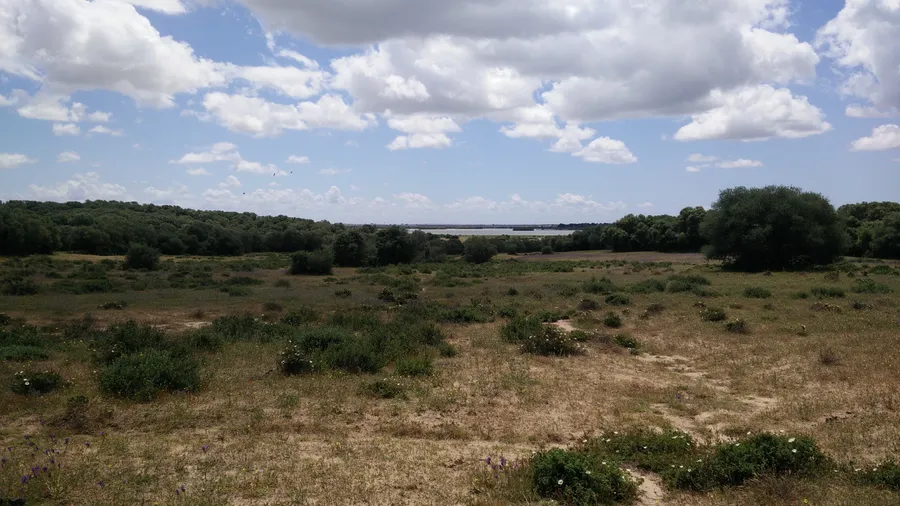
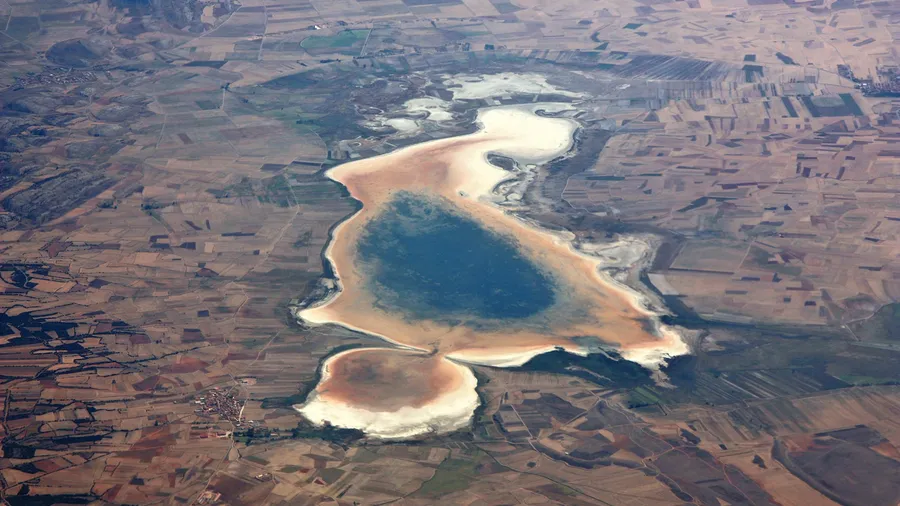
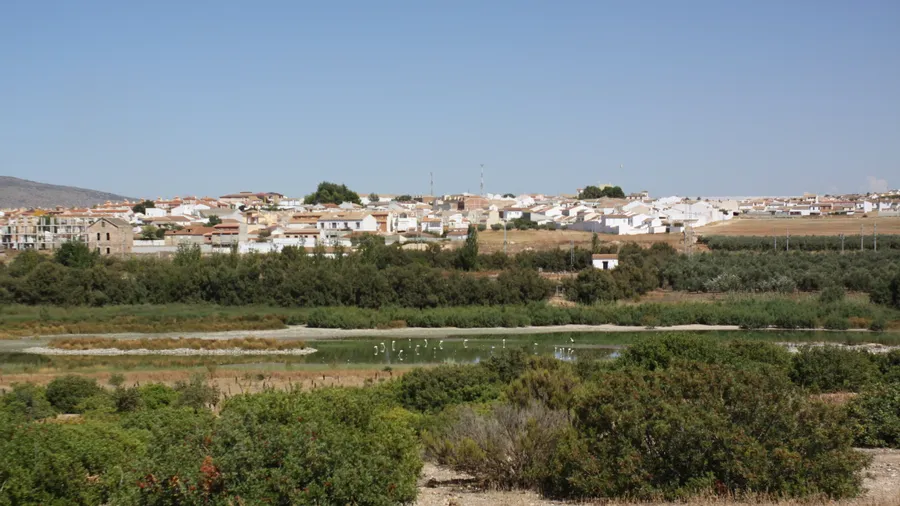
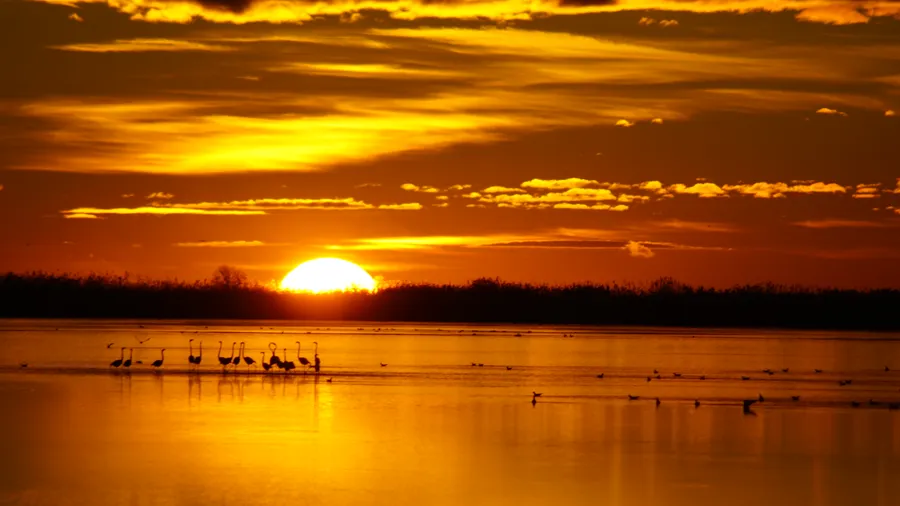
It's 18.6 km and 25 min from Zaragoza with no traffic. The galacho, mostly taken up by an extensive reedbed, is a good place to spot up to 200 species of birds, according to Turismo de Aragón. It forms part of the Reserva Natural Dirigida de los Sotos y Galachos del Ebro, declared in 1991, with 1,537 hectares plus 1,570 of peripheral protection zone.
The Camino Natural de La Alfranca, a 15.5 km green corridor that links Zaragoza with La Alfranca from the Ebro weir, in the Las Fuentes district, is permanently closed due to collapses on the stretch between the Fuente de Cantalobos and the Z-40 bridge, until further notice. That closure affects anyone going on foot or by bike; car access and the guided visits to the galacho are still running.
The galacho lies within a restricted area of the nature reserve and is visited on a free one-and-a-half-hour guided tour at weekends and on public holidays, with advance booking at laalfranca.com. From 21 September to 20 March the tours are at 10:15, 12:30 and 16:00; from 21 March to 20 September, at 10:15, 12:15 and 17:00. La Alfranca's opening hours are weekends and public holidays, 10:00 to 14:30 and 15:30 to 18:00, closed on 24, 25 and 31 December and 1 and 2 January.
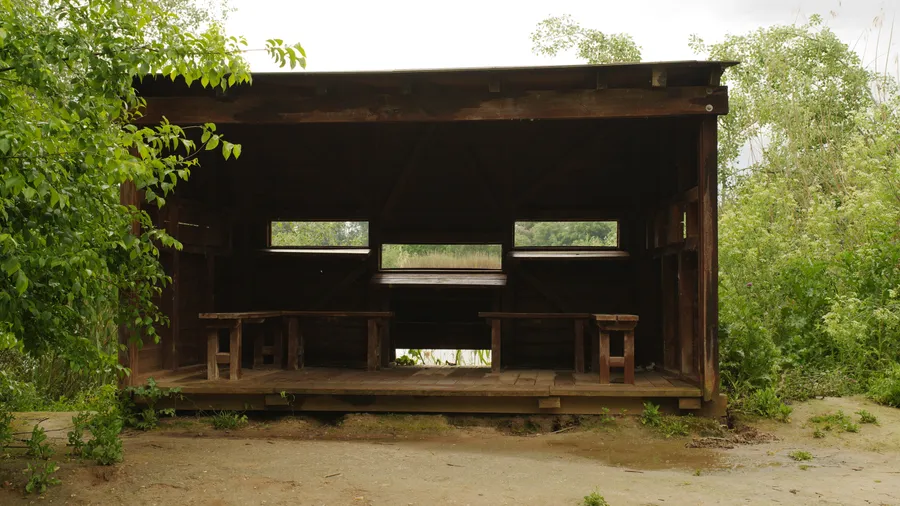
Inside there's a Sendero Balsa del Cascarro, a circular route designed with accessibility in mind, with a wooden boardwalk and a bird hide, and a Sendero del Rincón Falso, self-guided, which crosses pine woodland, irrigated crops, the galacho, riverside woodland, river islands (mejanas) and the river Ebro over 6.5 km there and back. La Alfranca's bar-restaurant serves home-style cooking with local produce and opens every day except Mondays.
6. Fuendetodos: Goya's birthplace and the steppe
It's 51.6 km and 51 min from Zaragoza with no traffic. Goya's birthplace is in the Barrio Bajo, at plaza de Goya s/n, next to the Museo del Grabado and the Sala de Exposiciones Zuloaga; it was built in the early 18th century and belonged to Miguel Lucientes, the painter's mother's brother. It was declared a Monumento Histórico Nacional by Royal Decree in 1982 and, after being partly destroyed and looted in the Civil War, it was restored in 1946. Opposite it stands a bust of Goya by José Gonzalvo, unveiled on 16 April 1978 to mark the 150th anniversary of the painter's death.
The ticket is a combined one for the Casa Natal, the Museo del Grabado and the Sala Ignacio Zuloaga: general 3 € and reduced 2 € (pre-booked groups, the unemployed and retirees); under-16s get in free when visiting individually. Opening hours are Tuesday to Sunday from 11:00 to 14:00 and from 16:00 to 19:00; it's closed on Mondays, except public holidays.
The town council runs a guided ice route to see the ice houses and learn the history of this industry, and handles guided visits for groups at fuendetodos@fuendetodos.org and on 976143867, Monday to Friday from 9 to 14, as well as a printmaking workshop for families that children can take part in.
7. A circular day trip by car
You can string three stops together in a single day. From La Alfranca to Fuendetodos it's about 71 km and 1 hour by car with no traffic; from Fuendetodos to Belchite Viejo, about 19 km and 20 minutes; and from Belchite Viejo to Zaragoza (plaza del Pilar), about 51 km and 48 minutes. Start in the morning at La Alfranca, have lunch in Fuendetodos and round off the afternoon in Belchite Viejo with a guided tour. Bear in mind that the visit to the Pueblo Viejo lasts an hour and a half and you need to arrive 10 minutes early at the Arco de la Villa.
A full weekend and a half day
For a weekend, give one day to the Monasterio de Piedra: if you stay at the Hotel del Monasterio, park entry for your whole stay costs €11 per adult and is free for children under 12. On the other day, do the circular route of La Alfranca, Fuendetodos and Belchite Viejo. For half a day, La Alfranca is 18.6 km from Zaragoza.
Frequently asked questions
Which places can I visit less than two hours from Zaragoza, including some lesser-known ones?
All six destinations on the list are under two hours by car: the Monasterio de Piedra at 1 h 31 min, Belchite Viejo at 49 min, Mequinenza at 1 h 35 min, Daroca at 1 h 10 min, La Alfranca at 25 min and Fuendetodos at 51 min. The oxbow lake at La Alfranca (galacho de La Alfranca) and the Mequinenza reservoir are the ones the average traveller is least likely to have heard of.
How long does it take to drive to each destination from Zaragoza, and how far is it?
From the centre of Zaragoza, the Monasterio de Piedra is 113.2 km away and 1 h 31 min; Belchite, 50.2 km and 49 min; Mequinenza, 134.6 km and 1 h 35 min; Daroca, 86.3 km and 1 h 10 min; La Alfranca, 18.6 km and 25 min; and Fuendetodos, 51.6 km and 51 min, all with no traffic.
What can I see and do at each place: Monasterio de Piedra, Belchite Viejo, Mequinenza, Daroca, Galacho de La Alfranca and Fuendetodos?
At the Monasterio de Piedra you walk through the Historic Garden Park and the Cistercian buildings, with the Cola del Caballo waterfall, over 50 metres high. In Belchite Viejo there's a guided tour of about 2 km that takes an hour and a half. In Mequinenza you have the municipal landing stage on the right bank of the Segre and the "Mar de Aragón" fishing reserve. In Daroca, the Ruta de las Murallas from the Puerta Baja takes about two hours on foot. At La Alfranca there are two signposted trails, the Balsa del Cascarro and the Rincón Falso. In Fuendetodos you see the Casa Natal de Goya and the Museo del Grabado with a single ticket.
Can I do a circular drive in a single day, and in what order?
Yes. The order is La Alfranca, Fuendetodos and Belchite Viejo: 71 km and 1 h to Fuendetodos, 19 km and 20 minutes to Belchite and 51 km and 48 minutes back to the Plaza del Pilar. For the Belchite guided tour, arrive 10 minutes early at the Arco de la Villa.
Which getaways work well with children?
At the Monasterio de Piedra, under-4s get in free and 4 to 11-year-olds pay the child rate, but until they're 14 they can't go in without an adult. Belchite Viejo charges €5 for ages 9 to 14 and requires an accompanying adult for under-18s. Fuendetodos has a printmaking workshop for families and free individual entry for under-16s.
Which destinations can I reach by public transport or train without a car?
Belchite is served by the T12-01 line, which leaves the Estación Intermodal de Zaragoza Monday to Friday (working days) at 07:30, 10:00, 15:00 and 17:00 and on Saturdays, Sundays and public holidays at 08:00, 14:30 and 16:00, and returns from Utrillas via Belchite. Daroca has no train and is reached by Ágreda bus, which runs several services a day.
What's the best time of year to visit each place?
At the oxbow lake at La Alfranca (galacho de La Alfranca) the tour times change with the season: from 21 September to 20 March they're at 10:15, 12:30 and 16:00, and from 21 March to 20 September at 10:15, 12:15 and 17:00. At the Monasterio de Piedra, between 10 November 2026 and 6 January 2027 the park is open from 09:00 to 17:30 and last entry is at 16:00. In Daroca, the 2026 Medieval Fair and Early Music Festival have already taken place.
Kayaking on the Ebro between Alcalá and Cabañas de Ebro — a water activity to round off your getaway along the banks of the Ebro.