Why the Deer Rut Moves Us—and Why It Demands Care
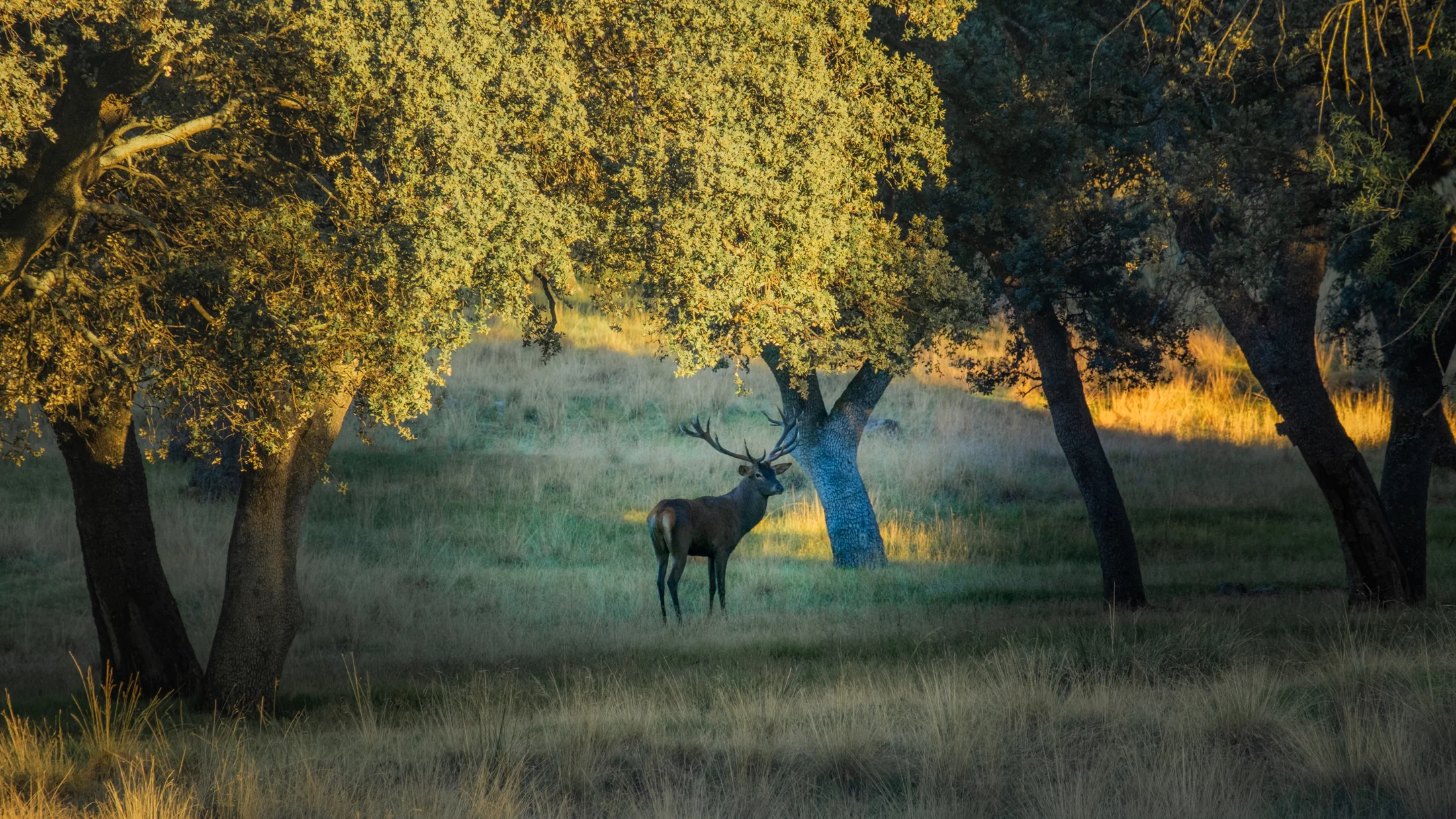
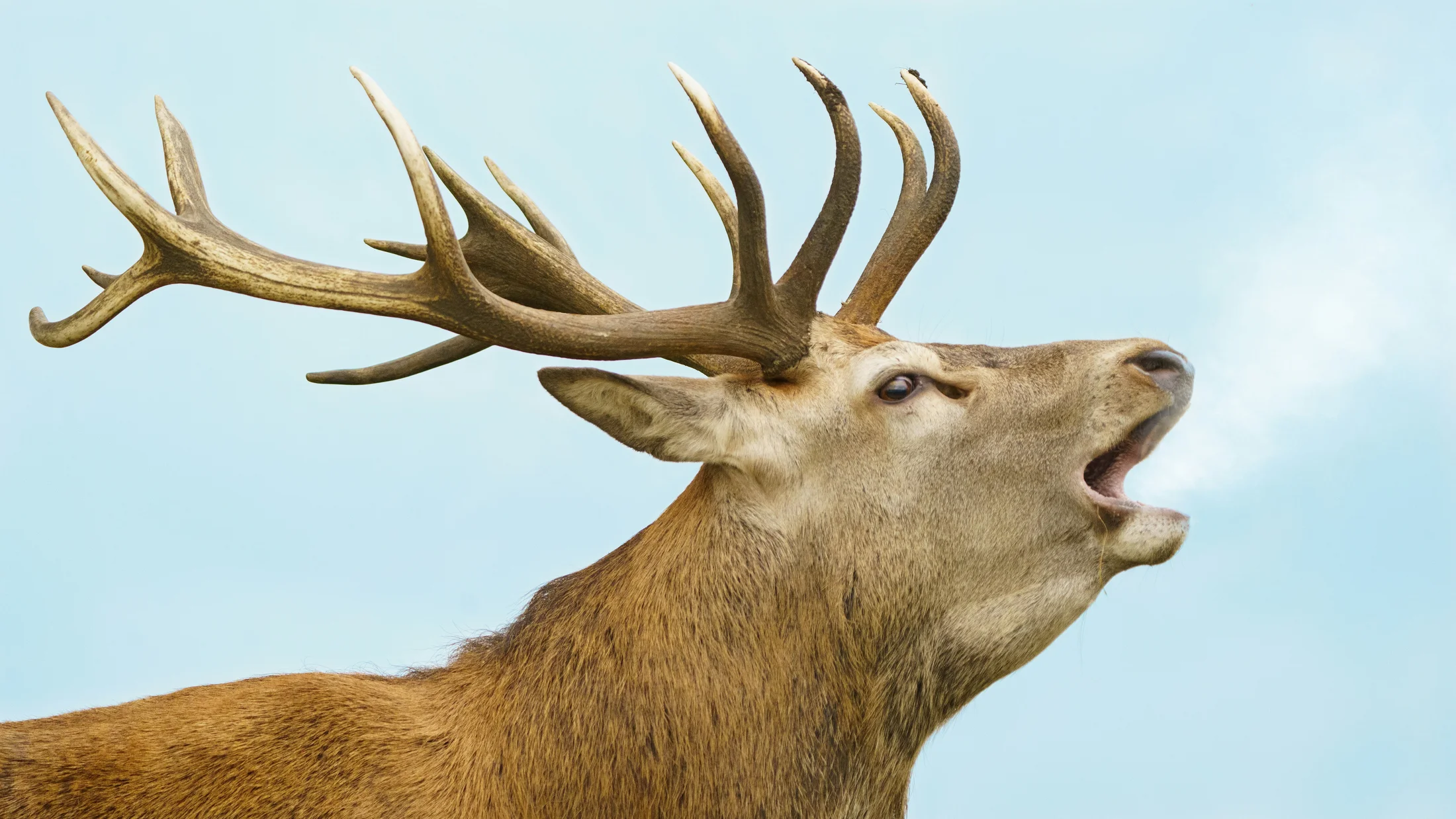
The deer rut in Spain is one of Europe’s most stirring natural events, and it deserves your respect. In early autumn, red deer stags claim territories, challenge rivals, and gather harems, filling valleys with deep bellows. Picture dusk settling as a rolling call rises like a drumbeat across the dehesa.
You will hear this spectacle before you see it, but planning makes all the difference. This guide helps you experience it well and leave the animals undisturbed.
What happens during the rut
The berrea del ciervo—Spain’s deer rut—is the mating season of red deer, usually from early September to mid-October. Dominant stags advertise strength with loud calls, clash antlers, and guard groups of females for days. Imagine antlers locking and scraping bark as mist breathes from muzzles in the cool air.
This phase is high stress for the animals, so distance and silence matter. Activity peaks at dawn and dusk, with more calling after cool evenings or light rain. In warm spells, stags conserve energy and call less during daylight. According to Spain’s National Parks network (OAPN) and regional park guides, the rut is most audible on calm nights and in the first two hours after sunrise. Respecting these rhythms helps the deer conserve energy for survival.
What you will take from this article
You will learn when and where to see the deer rut without intruding, including optimal hours and seasonal windows. We’ll cover transport options to reach key parks, parking rules, and safe access to viewpoints. Think of a simple, quiet plan that fits your pace as crickets tick in the hedgerows.
You’ll find tips for responsible observation, recommended gear, ethical photography, and how to choose guided tours. We’ll also suggest lodging bases and practical ways to book in advance.
Picuco te puede ayudar
Does something here catch your eye?
Tell us.
Write to us on WhatsApp or email: we answer questions, find the best options and help you sort out the booking.
Timing the Rut: Months, Hours, and Weather Windows
If you plan for the right week and hour, you can hear the rut from a respectful distance. In much of mainland Spain, the rut starts in early September, peaks between mid-September and early October, and fades by mid-October. Picture a ridge line glowing gold at sunrise as the first bellow carries across the oak pasture.
Latitude and altitude nudge dates a week or two in either direction. Lower, warmer dehesa landscapes of Extremadura and Castilla–La Mancha often start earlier (first half of September), while higher, cooler Cantabrian and Pyrenean valleys peak a bit later (late September to mid-October). In mountain parks above 1,500 m, the most intense calling often concentrates into crisp, post-front evenings. AEMET’s regional forecasts help you track cold fronts and temperature drops that trigger vocal activity.
Within the season, daily rhythms are consistent: dawn and dusk deliver the most reliable chorus. The first 90 minutes after sunrise and the 90 minutes before dark are prime. Under hot conditions, midday activity is minimal; stags save energy and call again once shade and cool air return. After rainfall or on windless evenings, sound travels farther, and you may hear distant harems without moving closer.
Moon phase also shapes what you experience. On bright full-moon nights, deer extend nocturnal activity, and you might find quieter mornings than expected. On dark, new-moon cycles, sound is easier to pick out, and you may hear calls earlier in the evening as deer feel less exposed. The effect is subtle, but matching your outing to a calm, cool night around a passing front often produces the most memorable soundscape.
To plan responsibly, combine three checks: weather, access, and safety. Look at AEMET for winds under 10–15 km/h and temperatures below 15°C in the evening. Confirm access with the park authority, as some tracks close during wet periods or after fires (e.g., Sierra de la Culebra saw temporary restrictions after the 2022 wildfires per Junta de Castilla y León). Finally, align your schedule to avoid driving at peak wildlife movement on small roads; arrive before dusk and leave after the night chorus settles.
For a low-impact outing, choose a single official viewpoint, settle in well before the best hour, and let the soundscape come to you. Imagine a faint resin scent from pines as you sit still, breath fogging in the last light. A patient plan beats chasing calls across the landscape, which risks flushing animals. If you go with children, set expectations for stillness, practice whispering, and keep sessions short but rewarding.
Where to Experience the Rut: Spain’s Most Reliable Areas
Spain offers several landscapes where you can watch the rut respectfully from official points. The diversity—from dehesa plains to Atlantic forest and subalpine meadows—shapes both what you hear and how you access the terrain. Think oak bells, beech hush, and the clean bite of mountain air as the chorus rises.
Extremadura and the heartlands of Monfragüe and Cabañeros
Monfragüe (Cáceres) and Cabañeros (Ciudad Real/Toledo) are classic places to see and hear the rut. Both hold robust deer populations in mosaics of dehesa, river canyons, and Mediterranean forest. Picture river cliffs warming pink while a far-off roar rolls along cork oaks.
In Monfragüe, reliable spots include the surroundings of Salto del Gitano and Portilla del Tiétar viewpoints, plus open dehesa near Villarreal de San Carlos. In Cabañeros, the Raña de Cabañeros—broad pasturelands—concentrates deer at dawn and dusk, and authorized 4x4 tours traverse tracks closed to private cars. For ver la berrea without disturbance, use official lay-bys and viewpoints, arrive early, and stay off ranch tracks. Peak is mid-September to early October, with weekend pressure—consider a midweek visit. Check the parks’ visitor centers for current rules; drones are prohibited without permits, and some areas require guided access in rut season.
Sierra de la Culebra (zamora/león)
The Sierra de la Culebra is famed for its high ungulate density and expansive heaths punctuated by oak and pine. Even after 2022 wildfires, deer remain visible from public roads and classic miradores around Puebla de Sanabria and Villardeciervos. Imagine a hush after rain as a call travels over charcoal-black trunks in recovery.
Known for observation de ciervos, the area has a network of vantage points near Carballeda and Aliste. From cities, the AVE station Sanabria AV (Madrid–Galicia line) puts you 30–40 minutes by taxi from key villages; by car, the A-52 offers quick access. For dónde ver la berrea, ask at the Casa del Parque for up-to-date closures and ethical viewing zones; post-fire erosion controls sometimes restrict tracks. Weekdays are quieter, and late September is often prime. Keep well back from clearings where hinds feed, and never follow calls into private hunting estates.
Redes Nature Park and the northern forests
Parque Natural de Redes (Asturias) and other Cantabrian sites (e.g., Saja-Besaya, Somiedo) deliver a more intimate, forested rut. Sound echoes in beech and oak woods, and visibility improves in small glades and high pastures. Think leaf-damp paths and a soft tannin scent as a bellow shivers through the canopy.
Access is via small mountain roads to trailheads near Caso and Sobrescobio (Redes), or to designated viewpoints in Saja-Besaya. Short signed trails let you reach clearings at first light without straying off path. The rut tends to run late September to mid-October here, a shade later than the dehesa. To watch deer rut respectfully, pick official miradores, carry optics, and avoid lingering near salt licks or feeding areas. Fog is common; allow extra time and use lay-bys rather than shoulder parking on narrow lanes.
Cadí‑moixeró and the Pyrenees: mountain-stage observation
In the Pre-Pyrenees and Pyrenees, including Parc Natural del Cadí‑Moixeró (Catalonia), you’ll find subalpine meadows and fir-beech belts where stags call across bowls at altitude. The air cools quickly after sunset, and calls can ring like brass in the thin air. Picture a gust lifting grass heads as a long roar runs along the cirque.
Deer concentrate near forest edges and in evening shade above valley floors. The GR-150 circuit and classic lookouts near Bagà, Gósol, and the Pedraforca area provide access without cutting across meadows. The season often peaks late September to early October, sometimes sooner on sheltered south-facing slopes. For travelers from Barcelona or Zaragoza, public transport reaches Bagà or La Seu d’Urgell with bus connections, then taxi to trailheads. Respect signage, stay on marked paths, and keep dogs leashed; many wildlife zones forbid off-trail walking in sensitive seasons.
Tip for planners: If you want a light-touch trip, base yourself in a village with an official viewpoint and walk out at dusk. If you want range and context, book a rut-focused outing with a local guide who knows the safe distances and wind patterns.
Getting There: Public Transport, Driving, and Low-impact Access
Reach matters when the best hour is short and the light fades fast. If you arrive before dusk and stay put, you’ll hear more and disturb less. Picture the engine ticking cool as crickets begin, and you settle quietly behind a low rock.
Public transport and combined routes
Public transport reaches many bases but rarely the last mirador, so plan a combo. To Monfragüe, trains and regional buses serve Plasencia and Cáceres; from there, taxis reach Villarreal de San Carlos in 30–45 minutes. To Cabañeros, buses reach Ciudad Real or Toledo; then pre-book a taxi to Horcajo de los Montes or Retuerta del Bullaque. Hear the deer rut respectfully by arriving mid-afternoon, checking into lodging, and walking to an official viewpoint before sunset.
For Sierra de la Culebra, the Sanabria AV high-speed stop shortens travel from Madrid to about 1 h 45 min; arrange a local taxi for 25–45 minutes to villages. In the north, trains and buses reach Oviedo or Arriondas; then limited buses serve Redes (Campo de Caso) and nearby valleys—confirm timetables and expect infrequent return trips. In Cadí‑Moixeró, buses from Barcelona serve Berga and Bagà, with taxis to trailheads in 15–30 minutes. Carry a headlamp with red filter and keep routes short; after dusk, you’ll walk out quietly without sweeping bright light.
Private car, tracks, and countryside access
Driving offers flexibility, but rules protect fragile areas. Most park roads are paved to main viewpoints, while interior tracks may be reserved for residents or authorized tours. Picture dust settling as you cut the engine, then silence returning to the clearing.
Use small cars carefully on narrow lanes; a 4x4 is only helpful where permitted. Park in designated areas or signed lay-bys, never on vegetation or blocking gates. Observe speed limits (often 30–40 km/h on park roads) and dim headlights near wildlife. Do not enter private estate tracks or hunting access roads without explicit permission; fines apply, and disturbance can be severe. In wet weather, clay tracks become impassable—avoid rutting surfaces that channel water and cause erosion.
Minimize impact by arriving early, staying in one spot, and idling as little as possible. Keep windows cracked to hear calls while staying warm, and step out only where authorized. Drones are prohibited in national and many regional parks without permits (OAPN and regional decrees); leave them at home.
Logistical tips for rut season
Rut evenings are short and popular—organization reduces stress. Weekends fill parking and viewpoints fast; midweek visits are calmer. Imagine a queue of taillights vanishing as you take a quiet track to an official mirador before the first call.
- Book authorized guided slots early; some parks cap numbers per evening.
- Confirm temporary restrictions after storms, fires, or forestry work with visitor centers.
- Preload offline maps and emergency contacts; mobile coverage is patchy.
- Share cars when possible; some parks pilot park-and-ride schemes or encourage taxis to reduce traffic.
- For families, choose viewpoints within a 15–30 minute walk and plan a warm drink after dark.
If in doubt, ask the local park office; rangers know current closures, best hours, and how to watch deer rut respectfully from the closest legal points.
Where to Sleep: Practical Bases for Early Starts and Late Dusk
Being close at the right hour is half the experience, so your base matters. Stay within 20–30 minutes of an official viewpoint and you can arrive in daylight, settle in, and leave without rushing. Picture steam from a dawn coffee as a low call rolls across the pasture.
Where you might stay: hotels, rural houses, and campings
Each option suits a different style and budget, and proximity shapes your success. If you want to hear the rut before bed, book near a quiet edge-of-village lane rather than a main road. Think of boots drying by a radiator while night voices drift in the window.
| Lodging type | Typical price (high season) | Ideal for | Pros | Considerations |
|---|---|---|---|---|
| Small hotel/inn | 90–150 € room/night | Couples, short stays | Early breakfast, reception, easy late check-in | May be in town center, need short drive |
| Rural house (casa rural) | 80–140 € night (2–4 pax) | Families, groups, photographers | Kitchen, gear space, flexible hours | Minimum stays, self-catering |
| Camping/bungalow | 20–40 € pitch; 70–120 € bungalow | Budget travelers, hikers | Nature setting, late returns easy | Night temps can be cold, limited services |
Ask about helpful services: early breakfast or thermos fill, gear storage, quiet rooms, and sunrise check-out.
Choosing responsible stays that support conservation
Your booking can back good practice and local livelihoods. Look for accommodations with energy-saving measures, waste sorting, and water-conscious policies, and that share park rules in welcome info. Picture a wooden sign by a recycled bin pointing to a trail code that keeps animals undisturbed.
Ask before booking: Do they work with local guides? Do they brief guests on keeping distance from wildlife? Do they limit noise at night and restrict outdoor lighting? Properties aligned with EUROPARC-España principles and local park recommendations often set the tone for respectful visits. When in doubt, choose small, family-run places in villages that host park visitor centers, where your euros stay in the community that stewards these landscapes.
Booking ahead and setting a realistic budget
The rut is short, so weekends sell out weeks in advance. Reserve lodging 3–6 weeks ahead for mid-September to early October, especially near Monfragüe, Cabañeros, and Sierra de la Culebra. Imagine a calendar with just a few open squares as the first cool nights approach.
- Group guided tours: 20–45 € per person (2–3 hours), often including scope use.
- Private or photography-focused outings: 120–250 € per group.
- Lodging averages above reflect high season; weekdays can be 10–20% cheaper.
If prices spike, consider staying one valley farther and driving 25–40 minutes, or pick midweek dates. Always match your plan to the best hours: arrive the afternoon before, sleep nearby, and keep departure flexible for a calm dawn session.
What to Do on Site: Viewpoints, Guided Walks, and Learning in the Field
Well-designed activities help you see more while doing less. Official miradores and guided outings place you where sound and sightlines meet, so you can stay still and let animals be. Picture a tripod humming faintly as the last light fades and a guide whispers the wind direction.
Official viewpoints and signed observation points
Official viewpoints exist for a reason: they collect visitors where disturbance is lowest and sightlines are best. Many offer parking bays, information panels, and clear guidance on where to stand. Imagine the comfort of a sturdy railing as your binoculars catch a moving silhouette at 300 meters.
Capacity is limited at popular points around Monfragüe’s river lookouts, Cabañeros’ rañas, and miradores in Sierra de la Culebra. Arrive early, keep voices down, and avoid bright lights. Some parks manage access with time slots or recommend guided entry during peak weeks—check visitor centers in advance. Use existing pull-outs; never carve new nooks in vegetation. With patience and optics, you can hear the deer rut and sometimes glimpse posturing or short chases without stepping off path.
Guided routes, workshops, and observation with educators
Local guides add safety, context, and a light footprint. They read wind, animal behavior, and terrain, choosing spots where your presence is least intrusive. Picture a red headlamp glow as an educator outlines the signs of stress in deer and when to step back.
When choosing a guided outing, ask about group size (ideally under 10), distances kept (often 200–300 m for deer), and if they use scopes and silent modes. Ethical operators avoid deer-call lures, off-trail shortcuts, and flash photography. Workshops with naturalists often include short talks at visitor centers, simple field ethics, and hands-on scope practice—great for families and beginners. Booking with certified local providers keeps income in communities caring for these landscapes.
Watching Without Stressing Wildlife: Behavior Rules and Useful Gear
Quiet, distance, and patience are the core of low-impact wildlife watching. If you can hear their breathing, you’re too close. Imagine frost crisping underfoot as you stop early, set the scope, and let the chorus come to you.
Field behavior: silence, distances, and reading stress
Keep your voice low, move slowly, and stay on trails or designated areas. Maintain at least 200–300 meters from deer; let optics do the work. Picture a stag raising his head and freezing—a cue to pause, crouch, or retreat before he expends energy fleeing.
Avoid headlamps on high beam; use red filters and point lights to the ground. Do not play calls, whistle, or knock antlers—acoustic lures cause unnecessary stress and may be illegal. Never feed wildlife, climb fences, or enter off-limits tracks, even if others do. If you see signs of stress—staring, foot-stamping, repeated flight, hinds bunching—back away and give the herd a breather.
Gear that lets you keep your distance
A few tools extend your reach without stepping closer. Binoculars of 8x42 or 10x42 balance brightness and detail; a 60–80 mm spotting scope with 20–60x eyepiece is ideal for open rañas and meadows. Imagine the satisfying snap of focus as heat-haze lifts and a crown of antlers resolves.
Dress in muted, non-rustling layers; bring a warm hat and gloves for still evenings. Waterproof boots with ankle support keep you steady on damp slopes. Pack a headlamp with red filter, a small sit pad, and a thermos. Photographers should favor 300–600 mm lenses and silent shutter modes; tripods with fluid heads help track moving subjects without noise. Remember: better optics beat a closer approach.
Groups and families: low-impact ways to share the moment
Groups can enjoy the berrea sin molestar with simple coordination. Keep groups small (ideally under 8–10 people), assign a leader to set pace, and agree on hand signals for silence. Picture a child’s eyes widening at a distant roar as everyone leans in, quiet as the hillside darkens.
For minors, explain the why behind the rules and make a game of being “forest quiet.” Keep sessions to 60–90 minutes in the evening chill, and promise a warm drink back at the car. If attention wanders, step back rather than moving closer. In mixed groups, give photographers time but set clear limits on movement and light—shared respect makes the best memories.
Stay Safe and Photograph Ethically
Good fieldcraft protects you, the animals, and everyone who follows your path. Plan like a hiker, act like a guest, and publish like a steward. Picture a ridge clear of cloud as your weather app pings a temperature drop and you zip another layer.
Safety outdoors: weather, paths, and other wildlife
Autumn brings fast-changing conditions—fog, showers, slippery leaves—and short daylight. Check AEMET forecasts, sunset times, and wind speeds before you go. Think of a small checklist, a pocket guardian against overlooked risks.
- Tell someone your plan and expected return time.
- Carry a charged phone, headlamp with red filter, and backup battery.
- Take a map or offline topo app and know your trail start/end.
- Wear layers, rain shell, and warm accessories; pack water and snacks.
- Respect fences and park signs; do not enter hunting areas or private tracks.
- In reserves with seasonal hunts nearby, confirm safe zones with the park office.
If you get disoriented, stop and reassess rather than forging ahead in the dark. Stay on signed routes; wet soils and recovery areas (post-fire) are sensitive to trampling.
Responsible photography: ethics, equipment, and technique
Ethical wildlife photography starts with distance and ends with discretion. Favor long lenses (300–600 mm), fast apertures if possible, and silent electronic shutters. Imagine the quiet click of a mirrorless camera as breath turns to vapor in the viewfinder.
Avoid flash, call playback, baiting, or approaching dens and nursery areas. Set high ISO (1600–6400), use aperture priority around f/4–f/5.6, and raise shutter speed to freeze motion (1/500–1/1000 s) when stags posture. Stabilize with a tripod or beanbag, especially in low light. When sharing images, remove GPS metadata, avoid naming sensitive micro-locations, and delay posting until after the season. Cite context and ethics in captions—your example guides others.
Frequently Asked Questions
When does the deer rut peak in Spain?
Most regions peak from mid-September to early October, with earlier starts in the lowland dehesa and later peaks in the Cantabrian and Pyrenean ranges. Cool, calm evenings amplify calling, especially after light rain.
Is it legal to approach deer by car for a closer look?
You must stay on public roads and official parking bays, obey speed limits, and never leave the road to pursue wildlife. Many tracks are private or restricted; entering them can draw fines and disturbs animals.
How close can I get without causing stress?
A practical rule is 200–300 meters with optics; increase distance if deer stare, stamp, or bunch. If behavior changes because of you, you are too close—step back and lower your profile.
Should I book a guided tour or go alone?
Guides place you where disturbance is lowest and manage group behavior. For first-time visitors or families, a guided outing improves safety and sightings. Ask about group size, distances kept, and whether they avoid acoustic lures.
What if a stag approaches my position?
Stay calm, do not block travel routes, and create space by stepping behind cover or moving slowly away. Do not challenge or photograph at very close range; during the rut, stags are stressed and unpredictable.
When should I reserve tours and lodging?
Book 3–6 weeks in advance for peak weeks and weekends. Reserve earlier for popular parks like Monfragüe, Cabañeros, and Sierra de la Culebra. Midweek dates are calmer and often cheaper.
Closing Thoughts: Listen Deeply, Tread Lightly
The rut is sound first, sight second, and respect always. By timing your visit to cool, calm twilights and settling at official viewpoints, you can hear the full, ancient voice of the landscape. Picture the last light sinking as a final bellow rolls and the hillside exhales.
Remember the essentials: early autumn dates; dawn and dusk hours; patience, silence, and distance; and local knowledge from rangers and guides. Choose a base close to a mirador, carry optics instead of walking closer, and pack layers for still evenings. Favor responsible operators who limit group sizes, avoid call playback, and teach field ethics; your booking helps communities sustain the habitats you came to experience.
If you want a carefully selected starting point, explore Picuco’s curated rural stays near Spain’s key rut areas and consider booking a certified local guide who prioritizes wildlife welfare. Reserve early, plan simply, and let the forest—and its guardians—lead the way. When you leave only quiet footprints, the chorus remains for those who come after you.