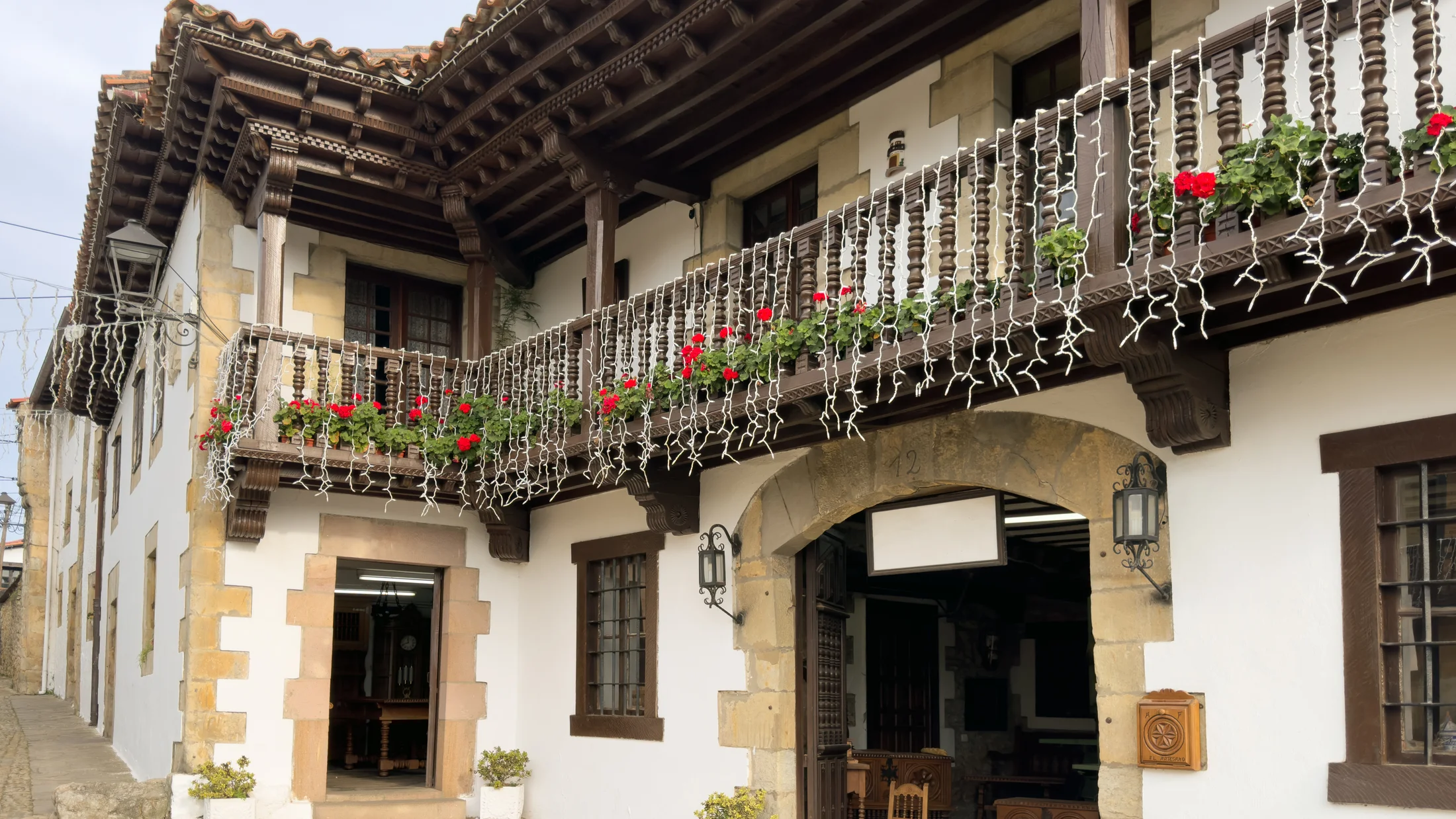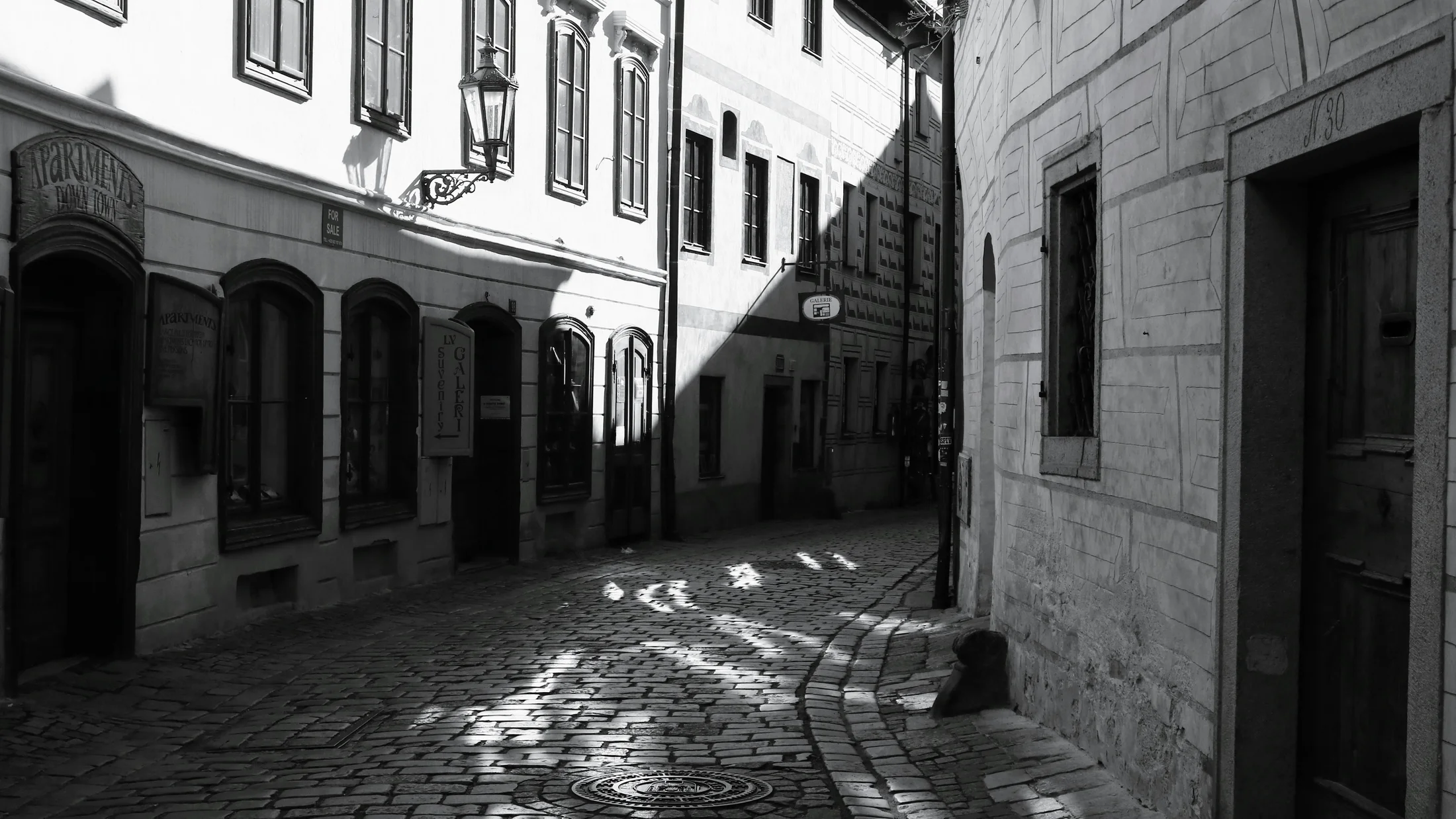
Why These Villages Feel Timeless
You crave places where time slows and stone streets still hold stories. Spanish villages that look like another era pull you in with preserved architecture, quiet plazas, and routines shaped by land and seasons. You find intact medieval layouts, Romanesque portals, and fortress silhouettes that whisper of watchmen and market days.
Here, “villages that seem from another time” means well-preserved historic cores, everyday life that still orbits the plaza, and landscapes that frame the past without turning it into a stage set. In these historic villages Spain cares for, you can walk centuries in an afternoon, from Romanesque cloisters to Jewish quarters to old city walls that outlasted wars. Aroma of woodsmoke and damp stone rises in narrow lanes after a brief rain.
We selected five places using clear criteria: authenticity (original street grid and materials), conservation (protected heritage status and maintenance), experiences (guided visits, routes, and small museums), accessibility (by car and often public transport), and places to stay (from simple casas rurales to quiet hotels with charm). Each destination includes practical mini-guides with prices, seasons, and top things to do, so you can plan your rural getaways to medieval villages without guesswork.
Expect concise facts—distances, opening hours, average costs—and one sensory image per section to anchor memory. You will meet communities who keep these places alive, from masons who restore ashlar stone to bakers who still fire bread before dawn. If you feel ready to turn inspiration into action, consider noting dates now and shortlisting stays; popular charming villages Spain loves tend to book up quickly on long weekends.
Picuco te puede ayudar
Does something here catch your eye?
Tell us.
Write to us on WhatsApp or email: we answer questions, find the best options and help you sort out the booking.
Santillana Del Mar: Stone, Silence, And A Romanesque Heart
Santillana del Mar looks carved from honeyed sandstone, with crests on casonas and cobbles that have softened under centuries of footsteps. The Romanesque Colegiata de Santa Juliana, a collegiate church managed by a chapter of canons in medieval times, anchors the town with a 12th‑century cloister of carved capitals. The popular nickname calls it the “town of three lies” (neither saintly, flat, nor by the sea), yet its truth is stronger: a compact historic center protected since mid‑20th century and maintained with care.
The lanes of the Calle de Santo Domingo and Plaza Mayor hold palaces like the Casona de los Hombrones and Torre de Don Borja, each bearing heraldic shields from Cantabria’s noble families. Just outside, the Cave of Altamira—UNESCO World Heritage—sits about 2 km away, with the Neocueva replica preserving Paleolithic art for visitors while the original is strictly protected. Barn swallows stitch the air above terracotta roofs at dusk.
Santillana transmits a sense of another era because its daily rhythm still gathers around the church and small shops, and because heavy traffic stays outside the pedestrian core. Rural inns operate in historic buildings, and façades keep wooden balconies and ashlar stone, not modern glass. You walk past lintels rubbed smooth by hands reaching for iron knockers.
- Location: Cantabria;
43.390°N, -4.109°W. 30 min from Santander viaA-67+N-611. - Typical costs: Colegiata museum 3–5 €; parking 2–5 €/day; coffee 1.5–2 €; dinner 18–30 €; lodging 70–140 €/night (double).
- Best time: May–June and September–October for mild weather and fewer crowds.
- Ideal for: couples, families, photographers, history lovers seeking historic villages Spain values.
- Things to do:
- Visit the Colegiata and cloister; time your visit for late light on the capitals.
- Stroll to Plaza Mayor and the old palaces; spot heraldic shields.
- Day trip to Altamira’s Neocueva (ticketed) and coastal cliffs of Comillas.
- Taste sobaos pasiegos and quesadas in family bakeries.
Besalú: A Fortified Bridge Into The Middle Ages
Besalú greets you with its iconic 12th‑century bridge spanning the Fluvià, a fortified gateway that steps you straight into Catalonia’s medieval past. The polygonal tower and stone arches frame the old town, whose Jewish quarter and 12th‑century mikveh—ritual bath used for purification in Jewish tradition—are rare and meticulously conserved. Warm sunlight pools on the river stones under the bridge arch.
Inside the walls, the layout holds Romanesque churches like Sant Pere and Sant Vicenç, and narrow streets that keep their alignment from the days when guilds set the pace. The historic ensemble status (mid‑20th century) has helped preserve the silhouette: low roofs, rough stone, and timber galleries that shade lanes in summer. Markets spill into squares on weekends, and the calm of the river mirrors the town’s rhythm.
Besalú seems to belong to another era because its crossing still controls entry, its sacred sites remain legible, and modern signage stays discreet. You can loop through the quarter in minutes yet find details—a worn threshold, a carved voussoir—that hold you for an hour. Within the broader routes of medieval villages Spain travelers love, Besalú pairs perfectly with nearby Garrotxa volcano trails or a Girona city break.
- Location: Girona province;
42.200°N, 2.699°E. 35 min from Girona viaC-66; 1 h 40 min from Barcelona viaAP-7+C-66. - Typical costs: Mikveh or Jewish quarter visit 3–6 € (guided recommended); parking 0–5 €; lodging 80–160 €/night.
- Best time: March–June and September–November; avoid peak August heat and midday crowds.
- Ideal for: photographers, families, architecture lovers, those planning rural getaways to medieval villages.
- Things to do:
- Cross the bridge at golden hour for reflections.
- Join a guided visit to the mikveh and synagogue remains.
- Browse weekend markets for cheese and honey from nearby Garrotxa farms.
- Combine with Olot’s La Garrotxa Natural Park or Girona’s old town.
Albarracín: Rose‑toned Walls Over A Bend In The River
Albarracín unfurls along a meander of the Guadalaviar, its pinkish façades made with rodeno—red sandstone—shifting color as the sun moves. The town’s walls crest the ridge, with towers and gates that once guarded a frontier; below, steep streets lead to the 16th‑century Cathedral of El Salvador and half‑timbered houses that cantilever over alleys. Swallows echo between the ramparts on summer mornings.
This is one of the most celebrated charming villages Spain holds up for good reason: the urban fabric is intact, with wooden galleries, iron balconies, and irregular plans that respect slope and rock. The Pinares de Rodeno, a protected landscape of red sandstone and pine, sits minutes away, offering family‑friendly trails and viewpoints. Albarracín’s craft workshops and small museums add texture without stripping authenticity.
Albarracín looks like another era because the town still reads as a fortress‑marketplace pairing perched above land that shaped it. Night lighting is subtle, traffic is limited in the historic core, and restoration keeps the palette of limewash, timber, and stone. Plan for slopes; the town’s charm is inseparable from its topography.
- Location: Teruel province;
40.406°N, -1.443°W. 35 min from Teruel viaA-1512; 3 h 30 min from Madrid viaA-2+N-234. - Typical costs: Guided old‑town tour 8–12 €; museum entries 2–6 €; dinner 20–35 €; lodging 80–170 €/night.
- Best time: April–June and September–October; winters are crisp, summers dry and sunny.
- Ideal for: hikers, photographers, couples on a quiet escape, seekers of pueblos bonitos y antiguos España celebrates.
- Things to do:
- Walk the walls to the Andador tower for panoramic views.
- Explore Pinares de Rodeno trails (
PR-TElocal routes) with red rock viewpoints. - Visit the Cathedral Museum and local craft workshops.
- Photograph façades along Calle Azagra at first light.
Pedraza: Lanterns, Limestone, And A Perfect Plaza Mayor
Pedraza’s walled silhouette rises from Segovia’s cereal plains, compact and consistent like a model town preserved in limestone. The arcaded Plaza Mayor forms the heart, framed by noble houses and a sober church, while the castle—home to the Zuloaga Museum—guards one edge of the walls. In summer, candlelit nights fill streets with a soft amber glow.
A strict conservation approach keeps cables hidden, traffic controlled, and façades restored with traditional materials. The “Noche de las Velas,” held typically on two Saturdays in July, draws thousands: the village switches off electric lighting and places candles on balconies and window sills, requiring limited entry and ticketing to protect neighbors. Bread crust crackles from wood‑fired ovens on quiet mornings.
Pedraza feels of another time because its core functions like a single coherent space—plaza, lanes, wall—without visual noise. The castle, once a fortress and then a private residence, now holds art by Ignacio Zuloaga, tying rural architecture to Spain’s early 20th‑century cultural currents. Come midweek or off‑peak for a slower rhythm.
- Location: Segovia province;
41.130°N, -3.814°W. 1 h 30 min from Madrid viaA-1+SG-232. - Typical costs: Castle/Zuloaga Museum 4–7 €; parking 0–3 €; lunch menu 16–25 €; lodging 75–160 €/night.
- Best time: Spring and autumn; July for candles (buy tickets early), December for quiet stone and clear air.
- Ideal for: history lovers, families, couples, and festival goers interested in pueblos históricos españoles.
- Things to do:
- Linger under the arcades of Plaza Mayor; watch light shift across façades.
- Tour the castle museum; ask about restoration methods.
- Walk the perimeter path outside the walls at sunset.
- Pair with nearby Sepúlveda and the Hoces del Río Duratón Natural Park.
Explore rural Spain
Discover cultural heritage and nature activities across Spain on Picuco. See options →
Aínsa: A Hilltop Crossroads Above The Cinca And Ara
Aínsa sits on a spur above the confluence of the Cinca and Ara rivers, its large, cobbled Plaza Mayor and castle remains forming a stage of stone against the Pyrenees. Porticoed houses shade the square, while the Romanesque church tower keeps a steady profile over the Sobrarbe region. The air smells faintly of pine resin drifting from the slopes.
The old town, declared a historic ensemble decades ago, keeps a single material palette—stone, slate, wood—that reads as one. It looks ancient not because it is empty, but because daily life still happens in small shops and bakeries, and because the mountains wrap the settlement like a backstory. Aínsa is also a springboard into Ordesa y Monte Perdido and the GR-11 long‑distance trail, making it a perfect blend of heritage and nature.
For rural getaways to medieval villages, Aínsa offers rare flexibility: climb a tower, then drive 30 minutes to a river gorge or high meadow. Summer evenings can be lively on the plaza; shoulder seasons offer quiet mornings for photography.
- Location: Huesca province;
42.416°N, 0.143°E. 1 h 20 min from Huesca viaA-22+N-260. - Typical costs: Castle enclosure 0–5 € (varies by event/exhibition); guided tours 6–10 €; lodging 85–180 €/night.
- Best time: May–June and September for combining town walks and mountain routes.
- Ideal for: families, hikers, heritage lovers planning escapadas rurales pueblos medievales.
- Things to do:
- Climb the castle ramparts for river‑valley views.
- Wander Calle Mayor early; note carved lintels and wooden balconies.
- Day trip to Ordesa valleys or Añisclo canyon.
- Try migas and local cheeses in a traditional mesón.
Where They Are: North Coasts, Inland Ridges, And Pyrenean Foothills
These five sit in a broad arc from the Cantabrian coast to the Pyrenees and central plateau. Santillana del Mar lies near the Bay of Biscay; Besalú anchors La Garrotxa between Girona and the volcanic hills; Albarracín perches in Teruel’s highlands; Pedraza rests east of Segovia; and Aínsa watches the Cinca and Ara below the central Pyrenees. The map layer of parking areas, viewpoints, and short routes makes planning straightforward.
Use an interactive map to toggle layers:
- Parking and access control (especially for Pedraza’s candle nights).
- Accommodation clusters (historic centers vs. outskirts).
- Recommended walks and viewpoints (
N-260scenic pull‑offs near Aínsa, Albarracín wall path, Besalú bridge angles). - Services (pharmacies, ATMs, fuel within 15–20 km).
Distances are practical for combining two towns in a weekend if you focus on one region. The longest jumps—Cantabria to Huesca or Teruel—suit a 3–4 day loop. Morning fog can soften travel times in spring along river valleys.
Cómo encajarlos en una ruta
- Weekend in Catalonia: Base in Girona or Olot; visit Besalú one day and add a La Garrotxa hike the next. Barcelona to Besalú via
AP-7+C-66is about 1 h 40 min; Girona to Olot 45–55 min onA-26. - Atlantic and plateau: Pair Santillana del Mar with Comillas and drive to Segovia province for Pedraza the next day. Santander–Santillana is 30 min; Santillana–Pedraza is 3 h 30 min via
A-8+A-1. - Pyrenees and Teruel: Spend a day in Aínsa with a short
GR-11segment, then continue 4 h south to Albarracín viaN-260+A-23. Add a night to avoid fatigue.
For Spanish villages that look like another era, consider splitting days into early walks, a long lunch, and late‑light photography. If time is tight, choose one hub and make short spokes rather than chasing long distances. Public transport favors Santillana and Besalú; car rental expands options for Aínsa and Albarracín.
Getting There And Where To Stay
Reaching these villages is easiest by car, though public transport covers the coastal and Catalan options. The key is to balance travel time with daylight in shoulder seasons and to book rooms inside the historic cores when streets close to traffic overnight. In busy months, park on the outskirts and enjoy the walk; you will see more details at pedestrian pace.
In terms of stays, think in three tiers:
- Simple casas rurales for value and local tips.
- Boutique hotels or posadas in restored houses for comfort and history.
- Apartments for families who prefer kitchens and flexible schedules.
For festivals like Pedraza’s candles or August weekends on the coast, reserve 4–6 weeks ahead. Note cancellation terms and whether parking is included or on public lots. If you keep a shortlist, you can book quickly when weather looks favorable. For curated, small‑scale options, explore stays selected by Picuco and compare by location versus amenities.
Cómo llegar: opciones de transporte clave
- From Madrid: To Pedraza via
A-1exit atkm 99forSG-232(1 h 30 min). To Albarracín viaA-2+N-234(3 h 30 min). Trains run to Segovia and Teruel, then buses or taxi connect to villages, though frequencies are limited. - From Barcelona: To Besalú via
AP-7+C-66(1 h 40 min). To Aínsa viaAP-2+A-22+N-260(3 h 30–4 h, very scenic). For medieval villages Spain travelers love, driving theN-260between valleys is part of the experience. - From Bilbao/Santander: To Santillana del Mar via
A-8+A-67(20–60 min from Santander). Public buses connect Santander–Santillana several times daily.
Tips: Rent a compact car for narrow lanes. Arrive before 10:30 to park easily. Many centers are pedestrianized; expect a 5–10 minute walk. In winter, check mountain passes on N-260 and carry warm layers.
Alojamiento recomendado y rangos de precio
- Santillana del Mar:
- Casa rural (60–100 €/night), boutique hotel in a casona (110–180 €), apartment for families (80–140 €).
- Besalú:
- Budget pensión (60–90 €), small hotel with views of the bridge (110–170 €), countryside masía nearby (100–160 €).
- Albarracín:
- Rustic inn (70–110 €), posada with timber galleries (120–190 €), apartment on upper streets (85–140 €).
- Pedraza:
- Simple casa rural just outside walls (65–110 €), hotel with arcaded views (120–200 €), family apartment (90–150 €).
- Aínsa:
- Old‑town apartment (85–150 €), hotel in the plaza (120–190 €), rural hotel outside on
N-260for easy parking (80–130 €).
- Old‑town apartment (85–150 €), hotel in the plaza (120–190 €), rural hotel outside on
Prioritize location for sunrise/sunset walks in historic cores. If price matters more, stay in nearby villages 5–15 km away and drive in early. For charming villages Spain fans seek, check if breakfast is local (cheeses, honey) and whether rooms face the plaza or quieter side streets.
How To Choose The Right Village For Your Escape
Match place to purpose before you book. Ask yourself how long you have, whether you want heritage first or nature trails, if you’re traveling with kids, and how you feel about driving mountain roads. Consider the season and any events: candles in Pedraza, summer festivals in Aínsa, shoulder‑season calm in Albarracín.
- Duration and distance:
- Weekend: Pick one base and add a half‑day drive to a second village.
- Three to four days: Link two close areas (Besalú + Girona, Aínsa + Ordesa).
- Interests:
- Heritage: Santillana’s Colegiata, Besalú’s mikveh, Pedraza’s plaza.
- Nature: Pinares de Rodeno near Albarracín, Ordesa valleys near Aínsa.
- Mobility and kids:
- Choose flatter cores for strollers (Santillana, Besalú); bring carriers for steep Albarracín streets.
- Budget:
- Stay just outside cores for better rates; picnic lunches lower costs.
- Season and light:
- Spring and autumn give soft light, fewer crowds, comfortable temperatures.
Avoid crowds by starting at 8:30–9:00, breaking midday for a long meal, then returning after 18:00. Combine villages with farmers’ markets, bakeries, and short signed paths; you’ll meet people who keep these places vibrant. Photographers should plan blue‑hour returns to bridges and plazas; families can intersperse playground stops and riverbank picnics. If you want authentic encounters, ask for local cheeses, attend small church concerts, or join a guided walk by a town historian.
Frequently Asked Questions
When is the best time to visit these villages?
Spring (April–June) and autumn (September–October) balance weather, light, and crowds. Summer is lively but busiest at midday; winter brings crisp air and quiet streets.
Can I visit without a car?
Yes for Santillana del Mar and Besalú via regional buses from Santander or Girona. Albarracín, Pedraza, and Aínsa are easier by car; check limited bus schedules or consider a taxi for the last leg.
Are they suitable for children?
Yes, with adaptations. Choose flatter routes, carry water, and plan breaks. Many squares are safe for short play; watch edges on walls and bridges.
How do I avoid crowds?
Arrive early, stay for sunset, and visit midweek. Buy tickets ahead for special events like Pedraza’s candles and choose shoulder seasons.
What should I wear and bring?
Comfortable shoes with grip for cobbles, a light jacket, sun protection, and a reusable bottle. In cooler months, gloves and a hat make dawn walks comfortable.
Are guided tours worth it?
Yes. Short tours (60–90 min, 6–12 €) unlock details—capitals, inscriptions, house types—you might miss alone.
Is parking easy?
Usually on the outskirts in signposted lots (2–5 €). Arrive before 10:30 or after 17:00 for easiest access; some centers are residents‑only.
Can I attend local festivals?
Yes, but plan early. Pedraza’s candles require tickets and controlled entry. Check town websites or tourism offices for dates and booking.
Final Thoughts And Next Steps
These five destinations look and feel like another time because their cores remain intact, their materials are true to place, and their lives still gather around squares, churches, and rivers. From Santillana’s cloister to Besalú’s bridge, Albarracín’s walls, Pedraza’s plaza, and Aínsa’s castle above two rivers, each offers a different way to step back without stepping out of real life.
Use the practical notes here to match interests, set a route, and reserve a stay. If you like to travel at your own pace, pick a base and build days around early walks, a long lunch, and blue‑hour returns to the same corner for changing light. For curated places to sleep and small local experiences, browse Picuco’s selection and save your favorites. Share this guide with your travel partner, choose your dates, and let the first set of old stones lead you to the next.