Why These Cheeses Are Worth The Trip
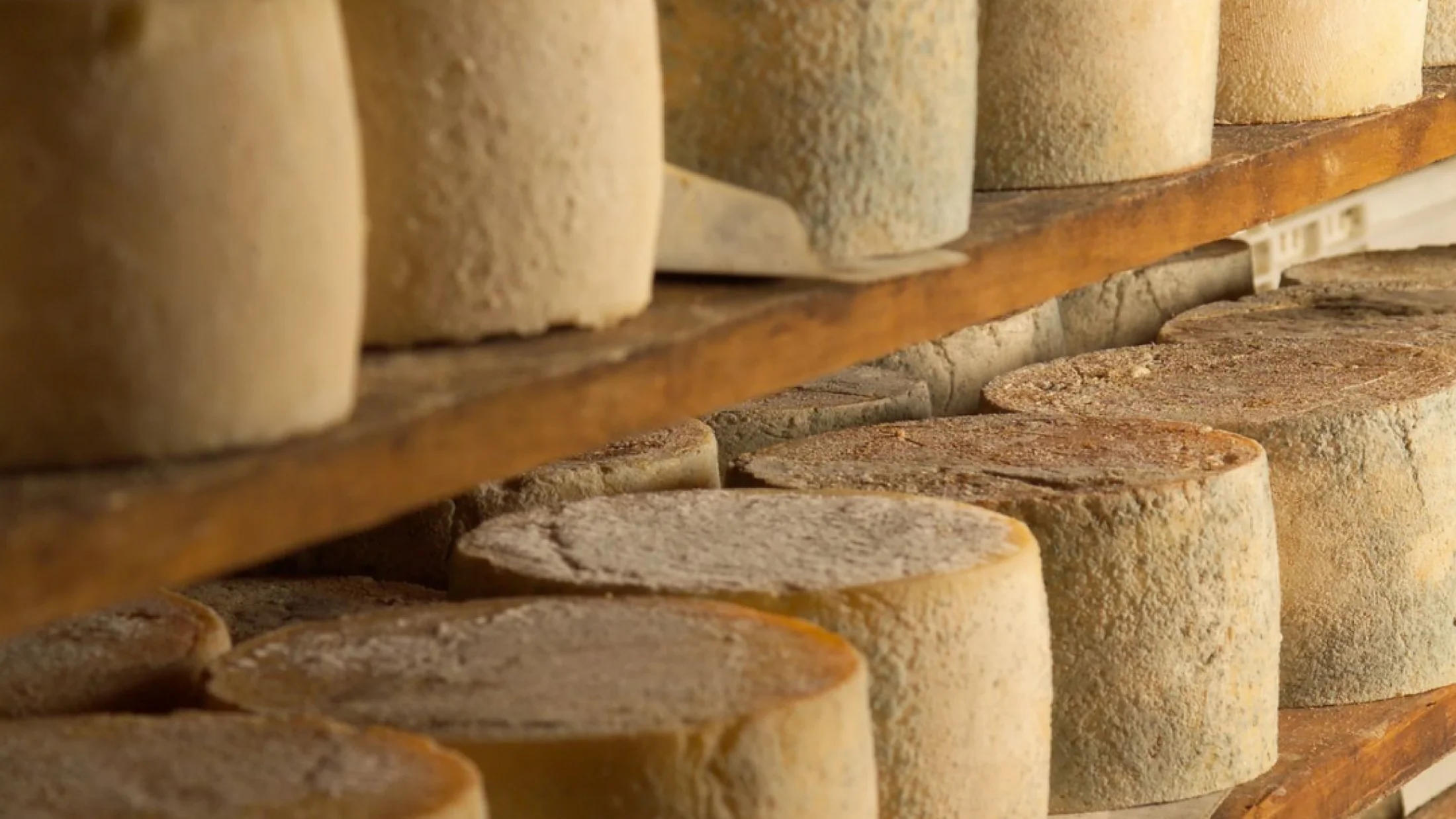
Some Spanish artisan cheeses simply refuse to travel, and that is their magic. You’ll meet makers who age wheels in mountain caves, smoke curds with almond shells, and move herds with the seasons to coax rare flavors. The air of a stone cellar at dawn smells faintly of wet rock and milk.
We chose seven regional cheeses of Spain you rarely find far from home for clear reasons: authenticity, small-batch artisan methods, PDO/PGI protection where applicable, limited availability, culinary interest, and rural travel value. Expect practical details on where to taste, when to go, what to pay, and who will love each style. You’ll also find a simple way to plan detours to markets, festivals, and cheesemakers, so you can buy at the source and support local communities.
This article is direct and useful: brief overviews first, then in-depth “quick files” with locations, prices, seasonality, ideal pairings, and activities nearby. We close with a map explainer, buying and storage tips, and FAQs to help you decide where to buy Spanish artisan cheese and how to take it home safely. Use it to shape a weekend escape, a family route, or a focused tasting trip.
Spain’s rural cheese tradition
Spain’s dairy culture is deeply local, tied to small family dairies in valleys, sierras, and islands. Low-yield native breeds, diverse pastures, and microclimates create unique Spanish cheeses with profiles that shift from cave-blue pungency to delicate smoke. On the northern coast, Atlantic humidity favors slow maturation; inland plateaus produce harder, nutty wheels; the Canaries bring salty breezes and rare goats. These differences underpin many PDO Spanish cheeses (Denominación de Origen Protegida), which legally protect the link between place and method.
Production is often limited by pasture cycles, transhumance (seasonal herd movement), and aging space, so not everything reaches city counters. In practice, the most expressive wheels often sell locally to neighbors and curious travelers first. That’s why regional cheeses of Spain shine brightest where they are made, with makers who can explain each season’s milk in plain words.
What you’ll find here and how to use it
You’ll get a clear, scannable profile for each cheese: location, indicative price per kilo, best season to buy or visit, who will enjoy it, and what to do nearby. A simple location map lets you filter by cheesemaker, market, festival, or visitor center. Practical tips cover labels (DOP/PGI), safe shipping, storage at home, and serving temperatures.
Scan the overview to choose your targets, then jump to each “quick file” to plan stops and timings. If you are booking a rural stay, align market days and dairy hours first, then add walks, viewpoints, and local meals around them.
Picuco te puede ayudar
Does something here catch your eye?
Tell us.
Write to us on WhatsApp or email: we answer questions, find the best options and help you sort out the booking.
Seven Cheeses You’ll Only Truly Meet At The Source
Start in Asturias with Cabrales, a cave-matured blue whose power comes from mixed milks and limestone caverns; it’s scarce outside because small producers sell out locally, so time a visit for late summer and tour a cueva. Nearby, smoky Gamonéu comes in two rare types—del Puertu and del Valle—made during mountain pasture seasons; its limited herding windows and cave-smoking make exports erratic, so call ahead to find a batch.
Head south to Extremadura for Ibores, a goat cheese with rinds brushed in paprika, oil, or left natural; much is sold regionally at markets in Guadalupe and Trujillo, and freshness matters, so buy from a maker’s counter. Back in Asturias, ancestral Casín is kneaded by hand into dense, aromatic discs; tiny outputs and a bold flavor keep it close to home, best found in Caso and Sobrescobio.
In the Sierra de Cádiz, Payoyo-style cheeses harness the hardy Payoya goat and sometimes sheep; these wheels travel better but the most vibrant batches sell quickly in white villages after spring fairs. In Castile and León, Zamorano is a PDO sheep’s cheese with long cures and a nutty core; while available in cities, you’ll find special cuts and old reserves in Zamora’s own shops. Finally, on La Palma, Palmero uses the island’s native goat and occasional smoke; shipping from the island is limited by small-scale production, so plan to buy, vacuum-seal, and carry it home.
1.Cabrales — Quick File
Cabrales is a PDO blue from eastern Asturias, blended from cow’s, goat’s, and/or sheep’s milk and matured in limestone caves in the Picos de Europa. Its story runs through villages like Arenas de Cabrales, where guilds, families, and cave guardians manage strict aging in natural humidity. The cave air whispers of wet stone and blue veining.
Flavor is intense, saline, and peppery, with a spreadable, almost melting paste; expect a persistent finish and aromas of cellar and mushroom. Prices for artisan PDO Cabrales generally run 32–55 €/kg, with award-winning batches higher. The best time to visit is late spring to early autumn for easier mountain access; the famed Cabrales Cheese Festival in Arenas usually falls on the last Sunday of August.
- Where: Cabrales municipality, Asturias; caves near Sotres, Tielve, and Bulnes
- Status: PDO (Consejo Regulador Queso Cabrales)
- Pairing: Crisp Asturian cider, strong ales, or sweet wines like Pedro Ximénez; for food, drizzle honey or serve with walnuts
- Ideal for: Blue-cheese lovers seeking raw-milk depth and true cave maturation
Activities in origin include guided cave visits (book in Arenas), short segments of the Ruta del Cares from Poncebos, and cider llagar tastings with local producers. For buying, look to cheesemakers’ shops in Arenas, weekend village markets, and counters displaying the green PDO seal with batch number. Ask for half-wheels vacuum-sealed for travel, and keep cold at 2–6°C during transit in an insulated bag.
Transport and storage: wrap in breathable cheese paper at home; if vacuum-packed, open 30 minutes before serving to let aromas lift. Travelers flying out of Spain can carry solid cheese in hand luggage; declare food if required and avoid gels or spreads.
2.Gamonéu — Quick File
Gamonéu (or Gamoneu) is a rare Asturian cheese subtly smoked and aged in caves, made in Onís and Cangas de Onís. Two types exist: del Puertu, crafted in high summer pastures and aged in mountain cabins and caves, and del Valle, produced lower down near villages. A soft plume of smoke rides above buttery, nutty aromas.
Expect a semi-hard paste, gentle smoke, and light spice, with occasional blue-green freckles from cave flora. Prices vary: del Valle commonly 28–45 €/kg; del Puertu is scarcer and often 45–80 €/kg, sometimes higher. Seasonality matters because herders move with the grass; del Puertu production typically spans late spring to early autumn when upland huts are staffed.
- Where: Concejos of Onís and Cangas de Onís, Asturias
- Status: PDO (Consejo Regulador Queso Gamonéu)
- Ideal pairings: Young Mencía, Asturian cider, or chestnut honey; excellent shaved over grilled vegetables
- Ideal for: Travelers who enjoy subtle smoke layered over raw-milk complexity
In origin, visit aging huts and small museums around Benia de Onís, and browse weekly markets where batches appear in limited quantities. Many makers sell directly at the door on specific mornings; call ahead or check the PDO council’s listings for producer hours. Rarity outside the area is due to tiny seasonal batches, cave space, and smoke-drying times.
Buying tips: look for the PDO back label and lot number; ask whether your wedge is Puertu or Valle and its smoking wood. For transport, vacuum-seal and keep cool; at home, store at 6–10°C and unwrap 30 minutes before serving to let the smoke relax.
3.Ibores — Quick File
Queso Ibores is a goat’s milk PDO from the Villuercas and Ibores area of Cáceres, Extremadura, using Serrana, Verata, and Retinta breeds. The terrain is scrubby and aromatic, lending subtle herbal notes to the milk. The rind shows character—sometimes natural and lightly moldy, sometimes brushed with paprika or olive oil.
By PDO rules, Ibores uses animal rennet; you may encounter small non-PDO experiments with thistle rennet (vegetal) locally, which produce a softer set and distinct tang. The paste is compact, slightly acidic, and creamy on the tongue, with mild spice when paprika-rubbed. Typical prices range 16–24 €/kg, with small-format farmhouse wheels priced per piece.
- Where: Counties of Los Ibores, Las Villuercas, La Jara, Trujillo (Cáceres)
- Status: PDO (Consejo Regulador Queso Ibores)
- Rind styles: Natural, pimentón-rubbed, or oiled
- Ideal for: Tapas boards, grating over migas, or warming into salads
Local experiences include visiting goat farms near Guadalupe, tasting at cooperatives, and timing your trip for regional markets like the Trujillo Cheese Fair in early May. Many producers sell in Saturday markets and small ultramarinos; outside Extremadura, supply is intermittent. Authentic labelling shows the PDO seal and numbered back label; ask sellers to show both.
Buying notes: choose a wedge cut fresh the same day; for travel, request vacuum-sealing and pack a cool bag with ice packs. At home, keep it wrapped in cheese paper at 6–8°C, and bring to room temperature for 30–40 minutes before serving. A gentle floral scent will lift as the rind warms.
4.Casín — Quick File
Casín, an ancestral Asturian cheese, is hand-kneaded into dense discs using raw cow’s milk from local breeds, especially Asturiana de la Montaña (also known as casina). Makers knead and rest the curd repeatedly, shaping and stamping with wooden molds before maturation. Its aroma rises warm and savory, like toasted nuts and wildflowers after rain.
The paste is firm, slightly crumbly yet creamy on the palate, with an intense, spicy, and fruity profile that lingers. Prices usually sit around 28–42 €/kg depending on maturation and awards. The best visiting window is spring to early autumn for village access, with the Casín Cheese Festival often held in August in Campo de Caso.
- Where: Concejos of Caso, Sobrescobio, and Piloña, Asturias
- Status: PDO (Consejo Regulador Queso Casín)
- Ideal pairings: Robust ciders, amber ales, or quince paste; wonderful grated over picas de Europa greens
- Ideal for: Adventurous palates who enjoy assertive, old-world cheeses
In origin, seek workshops that demonstrate hand-kneading and stamping, and visit the Redes Natural Park visitor centers for trails and viewpoints. Shops in Caso and nearby villages carry small lots; look for the PDO seal and maker’s stamp on the rind. The community here still moves at a rural pace—call ahead for hours and respect quiet afternoons.
Transport and care: request vacuum-sealing for car or air travel and keep at 4–8°C en route. At home, rewrap in breathable paper, not plastic; serve in thin slices to let the spice bloom without overwhelming the rest of the board.
5.Payoyo (sierra De Cádiz) — Quick File
In the white villages of the Sierra de Cádiz, cheesemakers craft celebrated goat and mixed-milk wheels often referred to as “Payoyo,” after the local Payoya goat breed. The limestone sierras, winds from the Strait, and wild herbs shape a bright, savory milk. A cool cellar smells faintly of thyme, olive wood, and fresh curd.
Varieties range from fresh to semi-cured and cured, with some versions rubbed in olive oil or pimentón. Expect a clean, lactic start, notes of almond and hay, and a firm, sliceable texture in cured wheels. Indicative prices run 22–32 €/kg for semi-cured and cured, and fresh formats are sold by piece.
- Where: Sierra de Grazalema and Sierra de Cádiz, villages like Villaluenga del Rosario, Grazalema, El Bosque
- Status: Not traditionally PDO under “Payoyo” as a name; look for producer seals and any regional quality marks
- Ideal pairings: Finos or manzanillas, young red from Cádiz, or olives and almonds
- Ideal for: Cheese boards, salads, and creative cooking
Time your visit for the Villaluenga del Rosario Cheese Fair (typically late March/April), when small producers showcase limited runs. Many dairies offer tastings and short tours; markets and cooperatives in Grazalema, Ubrique, and El Bosque carry the best selection. Because demand is high, special batches sell out locally first.
Buying and care: seek fresh-cut wedges and ask about the milk blend (goat-only or goat-sheep). For travel, vacuum-seal and keep cool; at home, store at 6–8°C and unwrap 20 minutes before serving to open the almond notes. Local makers will often suggest a scenic walk to pair with your picnic.
6.Zamorano — Quick File
Zamorano is a PDO sheep’s cheese from Castilla y León, made from Churra and Castellana breeds and aged to a firm, compact paste. The high plain’s climate and native sheep create a nutty, buttery wheel with a clean, savory finish. The straw-colored interior looks like late-summer fields under clear sky.
Flavor notes include toasted nuts, browned butter, and a gentle peppery edge as it ages. Prices typically range 18–28 €/kg, with reservas and añejos higher; maturations run from 6 to 18 months. Best availability for older cures is autumn and winter, when affineurs release long-aged batches.
- Where: Province of Zamora, with hubs in Zamora city, Toro, and Benavente
- Status: PDO (Consejo Regulador Queso Zamorano)
- Label reading: Look for the PDO round seal and back label with lot and producer ID; the zig-zag rind pattern comes from traditional molds
- Ideal pairings: Toro or Arribes DO reds, verdejo for contrast, or membrillo and roasted nuts
In origin, follow cheese routes that stop at cellars and historic plazas, and plan around regional fairs like Fromago (Zamora, biennial). Shops in Zamora’s old town often cut special reserves that never leave the province. Distances are short—combine tastings with a walk along the Duero and a visit to Romanesque churches.
Buying tips: ask for the cure (curado, reserva, añejo) and the sheep breed emphasis; some makers highlight single-breed batches. For transport, vacuum-pack and keep cool; at home, store at 8–12°C and slice just before serving to preserve aromas.
7.Palmero — Quick File
Queso Palmero is a PDO goat’s cheese from La Palma (Canary Islands), made with milk from the island’s Palmera breed. Some versions are lightly smoked with local woods—almond shells, fig, or prickly-pear—while others remain unsmoked and milky-bright. A slice carries a whisper of ocean air over warm, nutty milk.
Textures range from fresh and springy to semi-cured and cured, with flavors that balance sweetness, salt, and a clean lactic core; smoked wheels add gentle campfire notes. Prices usually fall between 16–26 €/kg, with fresh formats sold by piece. The best selection appears in spring and early summer when milk is plentiful.
- Where: Island of La Palma; markets in Santa Cruz de La Palma, Puntagorda, Los Llanos
- Status: PDO (Consejo Regulador Queso Palmero)
- Ideal pairings: Listán Negro or Malvasía from the Canaries, palm honey, or ripe tomatoes and olive oil
- Ideal for: Travelers who enjoy pure goat flavors with optional, delicate smoke
Insularity shapes distribution: many makers sell only on-island, and shipping can be limited after holidays or during harvest. Visit small dairies by appointment, taste at Saturday farmers’ markets, and ask for vacuum-sealing for the flight home. Airlines allow solid cheese in cabin bags; keep it cooled to 4–8°C and store away from heat once you land.
At home, unwrap 20–30 minutes before eating and use breathable paper; smoked rinds can be trimmed to adjust intensity. Makers here are caretakers of a rare goat breed—your purchase sustains hillside pastures and family craft.
Map Of Places To Taste And Buy
Use the interactive map to filter by cheese, cheesemaker, specialty shop, market, festival, or visitor center. Each pin shows opening hours, phone, seasonality, and whether reservations are needed for tours or tastings. The map includes producer doors in Asturias, Extremadura, Castilla y León, Cádiz, and La Palma.
Plan around local rhythms: many dairies close at midday and on Sundays, and markets cluster on Saturdays. Call ahead in rural areas where mobile coverage is patchy and card terminals may be offline. For up-to-date lists of certified producers, check the official PDO councils for Cabrales, Gamonéu, Casín, Ibores, Zamorano, and Palmero, plus provincial tourism offices.
If you’re stitching a trip together, save pins, build a route with realistic drive times, and align a village market with a nearby hike or lunch stop. A cool bag in the boot means you can buy whenever you find a perfect wedge.
Buying And Keeping Artisan Cheese, Step By Step
Understanding labels helps you buy with confidence. DOP/PDO (Protected Designation of Origin) means the cheese is produced, processed, and prepared in a defined area; IGP/PGI indicates a strong link to place with some flexibility. Look for the regulatory seal and a numbered back label that identifies the producer and lot.
At the counter, ask simple questions:
- When was it made and how long was it aged?
- What milk and breed were used, and what did the animals eat this season?
- Is the rind natural, washed, smoked, or rubbed in oil/paprika?
- Can you vacuum-seal a travel piece and provide a storage note?
For online or shipped purchases, choose insulated packaging, gel packs, and 24–48 h delivery; buy from official producer shops or recognized specialty stores listed by each PDO council. In hot months, ask for early-week shipping to avoid weekend delays. For home storage, keep semi-hard and hard wheels at 6–12°C, wrapped in cheese paper or parchment inside a loose bag; avoid cling film, which traps moisture and odors.
Serving and season: bring cheese to room temperature for 20–45 minutes depending on size; spring and autumn milk often tastes more balanced due to pasture quality. Travelers should check food rules: solid cheese is allowed in EU cabins, but liquids and very soft spreads may not be. In cars, use a cool box at 2–8°C; in hotels, ask for a minibar shelf away from the back wall to avoid freezing. A fresh cut will release aromas gently rather than in a rush.
Frequently Asked Questions
Can I buy these cheeses online reliably?
Yes, when you purchase from official producer shops or specialty retailers cited by each PDO council; avoid anonymous marketplaces. For the best Spanish artisanal cheeses, look for insulated shipping and a clear returns policy. In heat waves, request a shipping hold until temperatures drop.
How do I arrange a visit to a cheesemaker?
Call or email at least a few days ahead; many small dairies work mornings and close at midday. Expect basic safety rules (hairnets, handwash) and a small tasting fee (5–15 €) that is often deductible if you buy a wedge.
What are typical prices and payments at the source?
Indicative ranges are 16–26 €/kg for Palmero, 18–28 €/kg for Zamorano, 16–24 €/kg for Ibores, 22–32 €/kg for Payoyo-style, 28–42 €/kg for Casín, 28–80 €/kg for Gamonéu, and 32–55 €/kg for Cabrales. Bring cash in remote villages; bigger shops accept cards.
How do I spot an authentic Pdo Spanish cheese?
Check for the PDO round seal plus a numbered back label; labels name the cheese, zone, producer, and lot. Ask the seller to show the seal before cutting and to note the lot number on your receipt.
Can I send cheese outside Spain?
Within the EU, shipping solid cheese is usually permitted; outside the EU, import rules vary by country and may forbid dairy. Check your destination’s customs website and choose express shipping with cold packs.
Where should I buy Spanish artisan cheese when visiting?
Buy directly at dairies, certified shops listed by PDO councils, and weekly village markets. You’ll get fresher wedges, better storage advice, and often a tasting to choose your piece.
Next Steps: Taste Where It’s Made
You’ve met seven Spanish artisan cheeses that bloom in the places that shape them, from cave-blue Cabrales to island-bright Palmero. The surest way to know them is to plan a short route, time your stops to market days, and buy fresh-cut wedges from the people who made them. A cooled bag and a little curiosity are all you need.
If this sparked a plan, pick two regions and align one festival or market with a nearby walk or lunch. For practical contacts and stays close to producers, explore Picuco and save a shortlist for your next escape. And if you’ve found a little-known wheel worth the journey, share it—we’ll add it to the map and help others taste it at the source.