Why Travel by Luxury Train in Spain
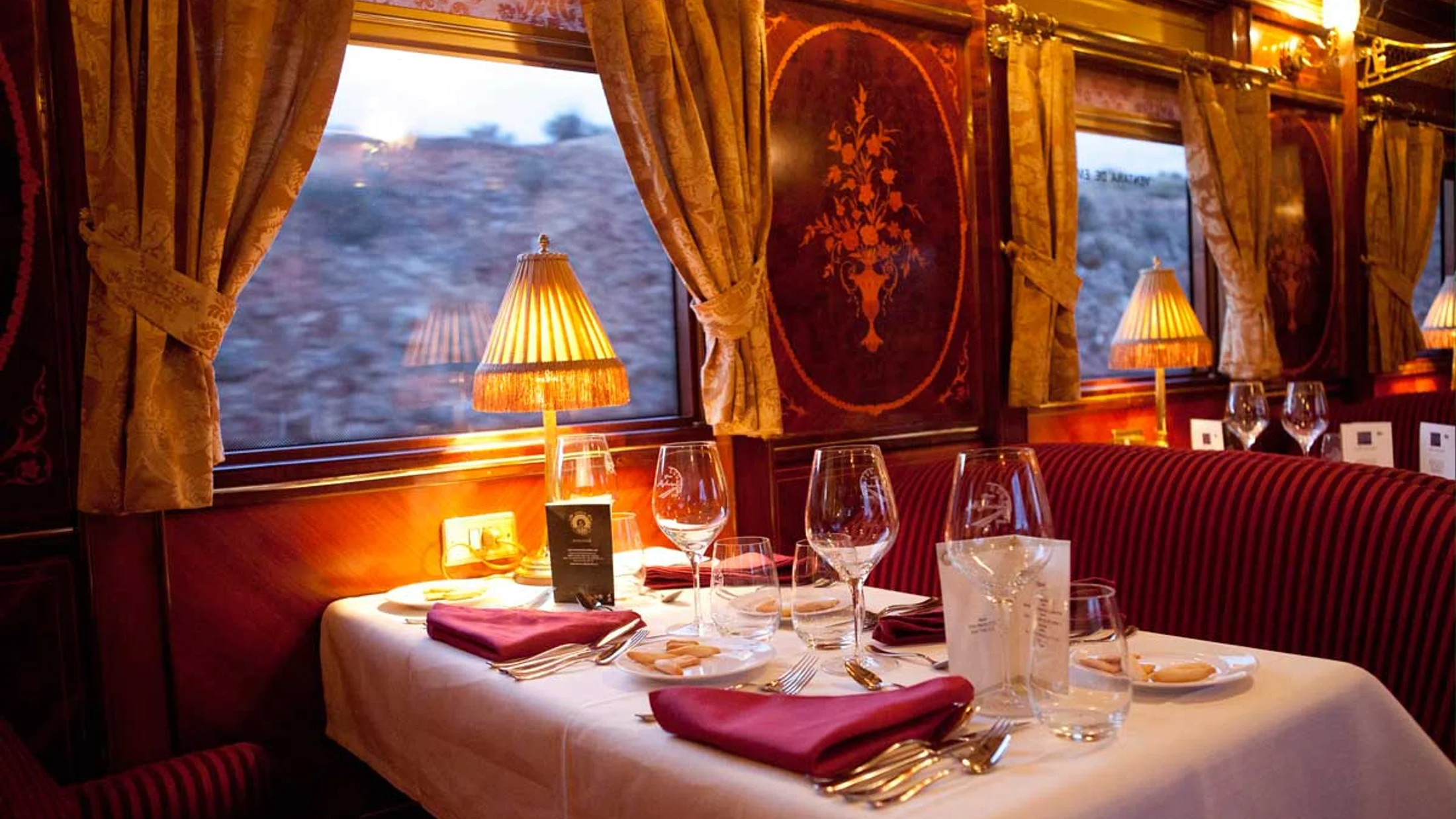
Luxury trains Spain — and, as many operators call them, trenes de lujo España — turn the journey into the destination. You move at a human pace through coast, mountains, and ancient cities while everything essential is handled on board. One image stays with many travelers: dawn light sliding over green cliffs as the dining car glows like a lantern. Expect curated excursions, regional cuisine, and small-group comfort.
You will learn what defines luxury tourist trains in Spain, how routes differ, who each trip suits best, and what it costs. We compare service, cabins, seasonality, and access; then we list concrete steps to book well.
A growing slow-travel trend
Across Europe, luxury tourist trains transform railways into moving boutique hotels, and Spain is a standout with restored Belle Époque and classic saloon cars. Travelers choose them for slow travel: fewer miles per day, more depth per stop, and meals that tell a region’s story. A soft chime, linen tablecloths, and the faint rhythm of the tracks frame each course. According to Renfe Trenes Turísticos (2024 program) and industry reports, departures cluster in spring and autumn, when weather and daylight favor sightseeing.
These trains blend transport and experience: sleep in private suites, wake near UNESCO sites, and meet local guides off-train. They fit couples celebrating milestones, families with teens curious about culture, and small groups interested in food and wine.
How we picked these five
We focused on seven criteria that matter when you pay for time and care rather than speed. Routes had to offer varied landscapes and heritage stops; service quality included staffing ratios and guided visits; cabins ranged from bunks to large suites with ensuite bathrooms; gastronomy meant seasonal menus with local DO wines; and value weighed inclusions versus price. A single, clear sensory image follows each section to keep you grounded in place.
- What you will find for each train:
- Location and route highlights
- Price ranges per person and estimated per cabin
- Best time to go and why
- Ideal traveler profile
- Key activities and practical booking tips
Expect references to Renfe Trenes Turísticos (programs updated annually), AEMET climate normals for seasonality, and UNESCO designations for context.
Picuco te puede ayudar
Does something here catch your eye?
Tell us.
Write to us on WhatsApp or email: we answer questions, find the best options and help you sort out the booking.
Top Luxury Train Journeys
1.El Transcantábrico Gran Lujo
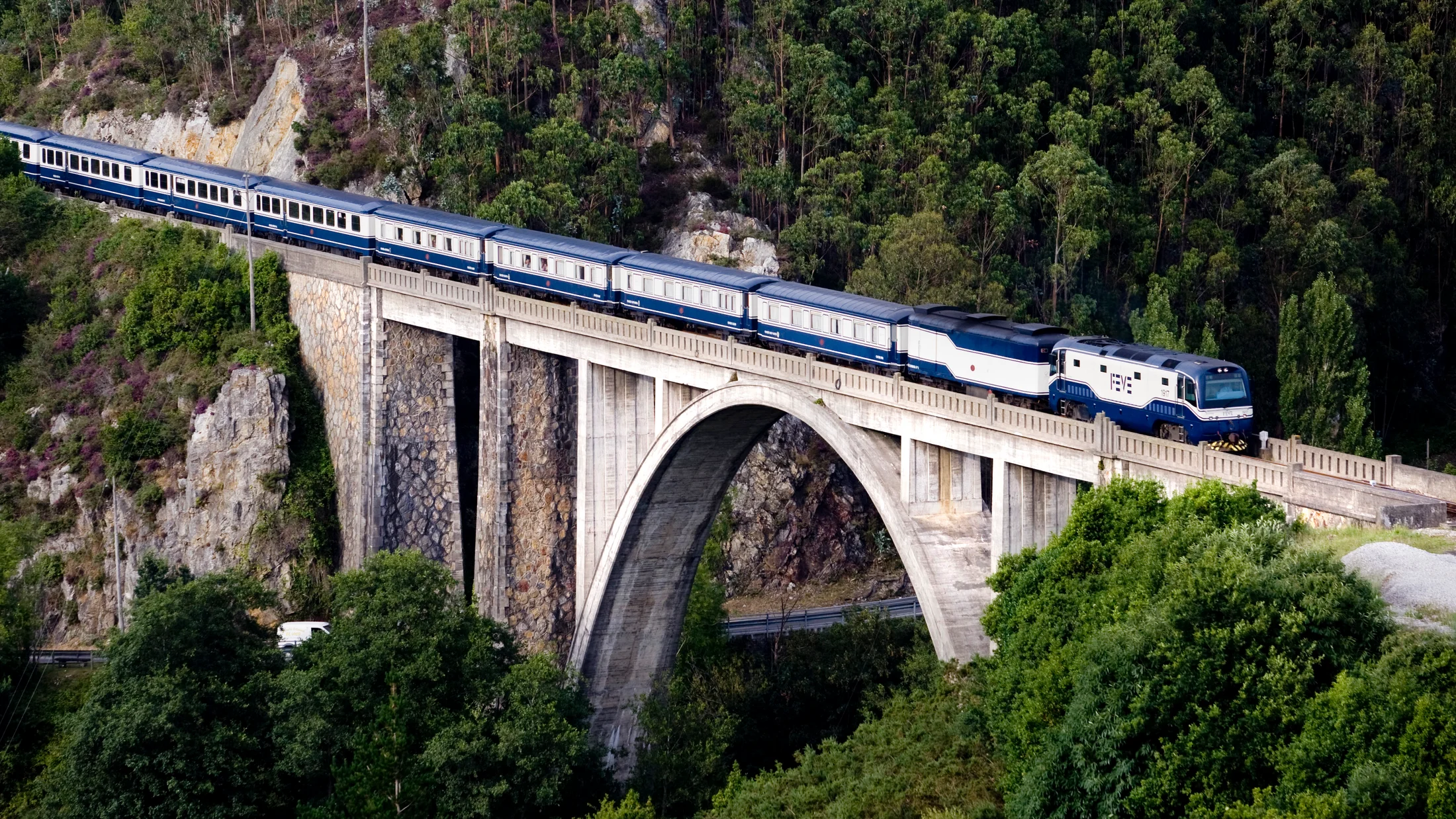
Spain’s north coast is tailor-made for the Transcantábrico Gran Lujo, which links San Sebastián and Santiago de Compostela over 8 days/7 nights. The line threads Basque Country, Cantabria, Asturias, and Galicia with stops such as Bilbao, Santander, Santillana del Mar, Llanes, Oviedo, Gijón, Luarca, Ribadeo, and Viveiro. Picture sea mist lifting off green headlands as breakfast arrives with Asturian apple compote.
- Route and duration:
- Typical itinerary: San Sebastián ⇄ Santiago de Compostela, 8 days/7 nights
- Iconic visits: Guggenheim Bilbao, Altamira surroundings (Santillana), Picos de Europa viewpoints, Cathedral of Santiago
- Cabins and service:
- Suites Gran Lujo with double bed, lounge, and private bathroom with hydromassage shower
- Dedicated crew, guided tours in small groups, nightly turn-down service
- Price reference (verify each season with the operator):
- From about 7,500–10,500 € per person (double occupancy)
- Approximate per-suite total: 15,000–21,000 € for two, plus supplements for single use
- Source references: Renfe Trenes Turísticos pricing bands published each season
- Best time to go:
- May–June and September for stable weather and lush scenery (AEMET records show milder temps, fewer heat spikes)
- July–August bring longer light but more crowds in coastal towns
- Ideal for:
- Food lovers, architecture enthusiasts, and travelers who prefer coast-meets-mountain landscapes
- What you do:
- Guided city walks, coastal strolls, cheese and cider tastings, traditional seafood lunches, and museum visits
Practical tips: book 6–9 months early for a suite on shoulder-season departures; request dietary preferences at reservation; pack layers and waterproof shoes for changeable Atlantic weather. If you plan a pre- or post-stay, add two nights in San Sebastián or Santiago to enjoy pintxos streets or cathedral squares at your own pace.
2.Tren Al Ándalus
The Al Ándalus train carries Belle Époque elegance through Andalusia on a 7-day/6-night loop often starting in Seville, with combinations that may include Córdoba, Granada, Ronda, Jerez, Cádiz, Úbeda, and Baeza. Imagine orange blossom drifting through station air as musicians tune for an evening flamenco set. Cars are 1920s in style, with refined lounge saloons for multi-course dinners.
- Route and duration:
- Typical circuits: Seville–Córdoba–Úbeda/Baeza–Granada–Ronda–Jerez–Cádiz–Seville (itineraries vary by season)
- Core highlights: Mezquita-Catedral of Córdoba, Alhambra of Granada, white villages around Ronda, sherry bodegas in Jerez
- Cabins and service:
- Grand Class and Deluxe Suites, private bathrooms, climate control
- Onboard breakfasts, some lunches/dinners on and off the train, guided excursions with local experts
- Price reference:
- Approximately 4,800–7,200 € per person (double occupancy) depending on cabin category and dates
- Per-cabin estimate: 9,600–14,400 € for two
- References: Renfe Trenes Turísticos seasonal brochures; museum entries typically included
- Best time to go:
- March–June and late September–November for pleasant temperatures (AEMET shows 20–28°C typical highs in spring and autumn in Seville, Córdoba, Granada)
- Ideal for:
- Heritage travelers, lovers of Moorish architecture and courtyards, flamenco and sherry enthusiasts
- What you do:
- Priority access to palaces, flamenco evenings, historic center walks, olive oil tastings, and winery visits
Practical tips: reserve Alhambra timed entry dates as soon as your train dates are confirmed (operators often handle this, but availability is finite). Pack breathable fabrics for warm days, a shawl for evening breezes, and comfortable shoes for cobblestone quarters. Consider pairing with two extra hotel nights in Seville or Granada to explore tapas bars and neighborhood patios at an unhurried pace.
3.Costa Verde Express
The Costa Verde Express runs a shorter, classic Cantabrian coast journey than the Gran Lujo, often 6 days/5 nights between Bilbao and Santiago (or similar segments through Cantabria, Asturias, and Galicia). Think of sunlight flickering through beech woods before the track curves to a fishing harbor. You get green valleys, ocean coves, and medieval towns without rushing.
- Route and duration:
- Typical itinerary: Bilbao ⇄ Santiago de Compostela (variants may end in Gijón or A Coruña)
- Highlights: Santander bayfront, Santillana del Mar, Llanes cliffs, Oviedo historic core, Ribadeo’s As Catedrais (tide-dependent), Viveiro old town
- Cabins and service:
- Comfortable cabins with private bathrooms, classic saloon cars for meals
- Guided daily excursions, coach transfers to viewpoints and villages
- Price reference:
- Around 3,100–5,300 € per person (double occupancy), depending on length and season
- Per-cabin estimate: 6,200–10,600 € for two
- References: Renfe Trenes Turísticos seasonal grids; selected entrance fees typically included
- Best time to go:
- Late spring to early autumn for longer daylight and vivid green landscapes; September often has calm weather and fewer crowds along the
GRcoastal paths (local sections)
- Late spring to early autumn for longer daylight and vivid green landscapes; September often has calm weather and fewer crowds along the
- Ideal for:
- Nature lovers, casual hikers, photographers, and travelers who want a balance of coast and historic towns
- What you do:
- Easy coastal walks, village photo stops, seafood lunches, and museum visits (regional ethnography, pre-Romanesque churches near Oviedo)
Practical tips: bring a compact daypack, lightweight rain jacket, and shoes with grip for short, sometimes damp coastal paths. Tides control access at As Catedrais beach; operators plan around AEMET tide tables, but flexibility helps. Booking 4–6 months in advance secures shoulder-season cabins with gentler prices.
4.Expreso de La Robla
The Expreso de La Robla follows historic coal routes between León and Bilbao (and variants), usually over 3–4 days. It offers heritage rail character with a friendlier price point, ideal for a first taste of rail cruising. Picture the smell of pine resin after a shower sweeps the Cantabrian foothills. The train features restored coaches and convivial lounges.
- Route and duration:
- Common route: León ⇄ Bilbao via the old La Robla line, 3–4 days/2–3 nights
- Stops may include: Espinosa de los Monteros, Balmaseda, Balmaseda Railway Museum, Picos foothill towns
- Cabins and service:
- Compact cabins with bunk-style beds, private bathroom (shower/WC), climate control
- Breakfasts onboard; lunches/dinners often arranged at local restaurants; guided visits included
- Price reference:
- Approximately 900–1,600 € per person (double occupancy) depending on program length
- Per-cabin estimate: 1,800–3,200 € for two
- References: Renfe Trenes Turísticos annual publications; museum entries typically included
- Best time to go:
- April–June for wildflower slopes; September–October for gold beech forests and clear air in the mountains (AEMET)
- Ideal for:
- Fans of railway history, industrial heritage, and travelers seeking a shorter, affordable luxury-adjacent experience
- What you do:
- Railway heritage museums, Romanesque villages, short walks to viewpoints, and pintxos in Bilbao’s old quarter
Practical tips: cabins are cozy, so pack with a small suitcase and a foldable day bag. Book early for autumn foliage dates, and confirm if your departure includes Bilbao free time for Guggenheim visits. If continuing by air, Bilbao airport (BIO) sits about 12 km from the city center.
5.The Al Ándalus “extremadura Edition” (seasonal Guest Itinerary)
Some seasons feature a special western route using the Al Ándalus trainset across Extremadura and nearby provinces, typically 6–7 days with Mérida, Cáceres, Trujillo, Zafra, and Monfragüe National Park. Envision sunset warming Roman stones in Mérida’s amphitheater as cicadas sing. Availability varies year to year, so treat it as a prized seasonal find.
- Route and duration:
- Sample loop: Seville–Zafra–Mérida–Cáceres–Trujillo–Monfragüe–Plasencia–Seville (variants may apply)
- Highlights: Roman theater of Mérida (UNESCO), medieval Cáceres (UNESCO), birdwatching over Tagus canyon in Monfragüe
- Cabins and service:
- Uses Al Ándalus Belle Époque-style suites with private bathrooms
- Mix of onboard and local-restaurant dining; guided excursions with specialist nature and heritage guides
- Price reference:
- Expect ranges comparable to standard Al Ándalus departures: roughly 4,800–7,200 € per person (double)
- Per-cabin estimate: 9,600–14,400 € for two
- References: Renfe Trenes Turísticos seasonal calendars; park visits typically included
- Best time to go:
- March–May and late September–November for comfortable temperatures and excellent bird migration windows (AEMET data and park season notes)
- Ideal for:
- Culture-and-nature travelers, photographers, and couples seeking a rarer itinerary
- What you do:
- Roman and medieval city walks, Dehesa ham and cheese tastings, winery visits, and raptor spotting in Monfragüe
Practical tips: bring binoculars for vultures and eagles along the Tagus cliffs, and a light jacket for crisp mornings. Because departures are limited, join waitlists and be flexible with dates. Consider combining with two nights in Cáceres to enjoy evening light on Renaissance palaces after day trippers depart.
Where These Routes Travel
Picture Spain as three ribbons of rail-cruise promise: the green north, the sun-warmed south, and a storied interior. The Transcantábrico Gran Lujo and Costa Verde Express trace the Cantabrian coast from San Sebastián/Bilbao to Santiago, hopping 60–180 km between seaside towns, caves, and cathedral cities. The Al Ándalus itineraries circle Andalusia, usually between Seville, Córdoba, Granada, Ronda, Jerez, and Cádiz, with legs of 100–250 km that fit guided visits and long meals. The Expreso de La Robla climbs through the Cordillera Cantábrica between León and Bilbao, with shorter daily hops to allow museum stops and scenic detours.
Use an operator’s interactive map to visualize daily stages and transit links. For flights, Bilbao (BIO), San Sebastián (EAS), and Santiago (SCQ) serve the north; Seville (SVQ), Málaga (AGP), and Granada (GRX) cover Andalusia; León (LEN) and Bilbao (BIO) anchor La Robla. Linear routes (e.g., San Sebastián–Santiago) pair well with one pre- and one post-stay; loop routes (e.g., Seville round trips) simplify returns. Distances are modest, but time is purposeful: most programs average 60–120 km of movement per day so you can step off for guided tours. In your plan, check transfer times between airport and first hotel (often 20–60 minutes) and allow a buffer night to absorb flight delays.
How to Choose the Right Train
Start with rhythm: do you want an 8-day coast-and-cuisine immersion or a 3–4 day taster? Longer programs like the Transcantábrico Gran Lujo offer deeper culinary and cultural layers; shorter ones like the Expreso de La Robla deliver a rich sample without a full week. The phrase trenes de lujo España covers a spectrum, so align expectations with inclusions.
- Compare cabins and space:
- Suites with double beds and lounges (Gran Lujo, Al Ándalus) vs. compact bunks (La Robla)
- All have private bathrooms, but size and amenities differ markedly
- Weigh gastronomy:
- Onboard fine dining vs. curated local restaurants; check if DO wine pairings and tastings are included
- Time your season:
- North coast: May–June or September for mild weather and green cliffs
- Andalusia: spring and autumn to avoid peak heat; festivals like Semana Santa (dates vary) can influence availability and crowds
- Access and mobility:
- Confirm step-free access, coach lift options, and cabin doorway widths with the operator; some heritage cars have constraints
- Policies and upgrades:
- Review cancellation deadlines, name-change rules, and single supplements before paying the deposit
- Ask about cabin upgrades, pre-/post-hotel partnerships, and luggage transfer arrangements
- Booking strategy:
- Reserve 6–9 months ahead for spring and autumn; join waitlists
- Consider travel insurance with trip interruption and medical cover
If you want flexibility, choose loop itineraries starting and ending in the same city. For special interests—birding, sherry, or Roman archaeology—scan daily excursion lists and confirm must-see sites (e.g., Alhambra timed entries) are secured. Finally, decide whether to add two extra nights before and after; those bookends often elevate luxury train tours Spain into a fully rounded journey.
Frequently Asked Questions
When should I book?
For spring and autumn, book 6–9 months ahead; summer and special editions also fill early. Operators often require a deposit at reservation and full payment 45–60 days before departure.
What luggage can I bring?
Cabins favor compact packing. Aim for 1 medium suitcase (≈20 kg) and 1 small carry-on per person; staff store larger pieces separately and deliver daily essentials on request. Always confirm exact limits with the operator.
How do cancellations and changes work?
Policies vary by train. Typical tiers: partial refund until 60–30 days out, then higher penalties; name changes may incur fees. Purchase travel insurance that covers medical, delay, and cancellation.
Is there accessibility support?
Some trains provide ramps and coach lifts, but heritage cars can limit door width and corridor space. Request detailed accessibility specs, cabin measurements, and excursion alternatives before booking.
Can children travel?
Yes, though many programs suit teens better than toddlers due to excursions and dining times. Ask about extra beds, connecting arrangements, and child pricing or restrictions by departure.
Are tips and extras included?
Gratuities are typically at guest discretion unless stated. Included items usually cover breakfasts, several lunches/dinners, excursions, and museum entries; premium wines, spa treatments ashore, or room service may be extra.
What about safety and health?
Trains follow national rail safety standards and maintainable schedules with professional crews. Expect daily cabin cleaning, clear hygiene protocols, and straightforward procedures for medical support or pharmacy stops during excursions.
The Road Ahead
Spain’s luxury trains weave coastlines, sierras, and cities into a single thread you can follow with ease. You trade transfers and repacking for windows that frame olive groves, sea arches, and cathedral towers while guides unlock stories at every stop. One last image: night hums softly through the saloon as glasses clink and the Atlantic breathes outside.
Next steps are simple: compare itineraries side by side, confirm what is included, and choose the season that fits your interests. Check dates and availability directly with the official operators, and set alerts for sold-out departures. Build in a buffer night before and after, and prepare a short packing checklist focused on layers and walking shoes. When you are ready, pick your route and request a cabin; the sooner you confirm, the more choice you have in suites and dates.
If you want to extend your escape, plan a rural stay before or after the journey and keep the slow-travel rhythm going. Compare itineraries now and check dates and availability for your preferred season.