Vías ferratas en España: recorre paredes rocosas de forma segura con cables, grapas y puentes colgantes. Para todos los niveles, desde K1 a K6.
About Via ferrata
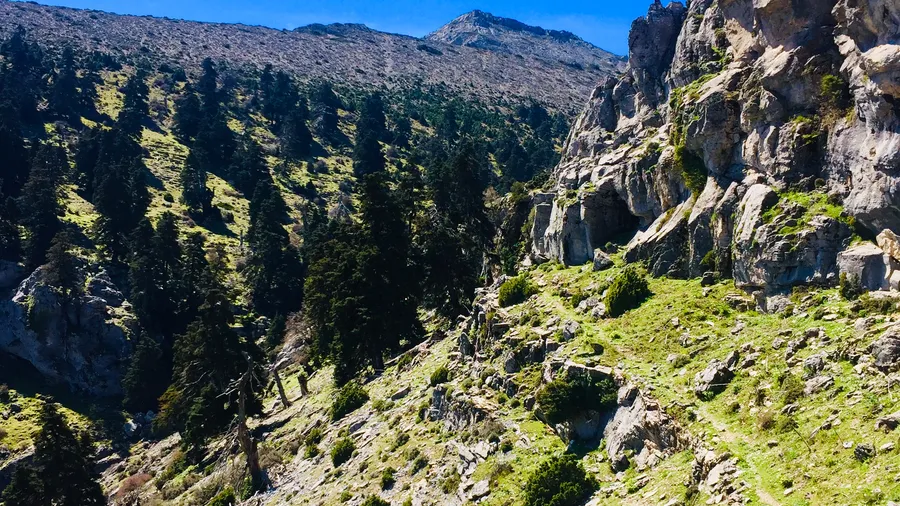
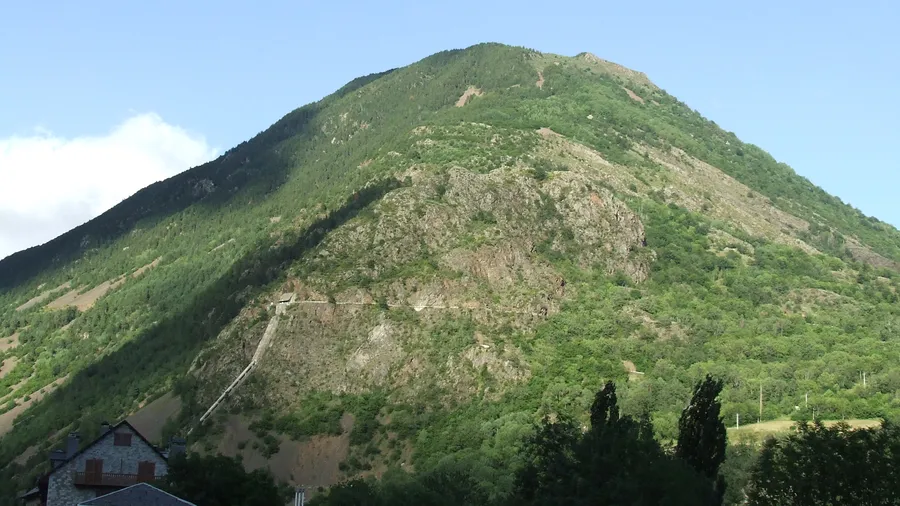
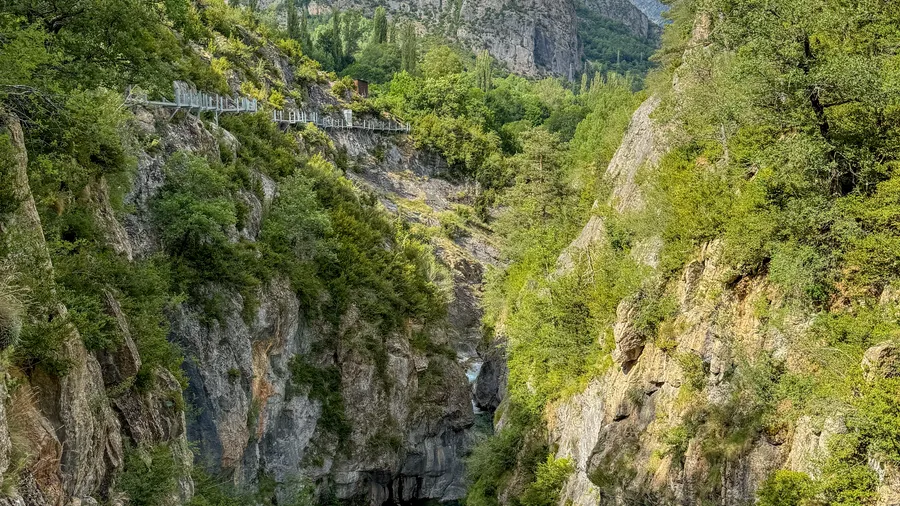
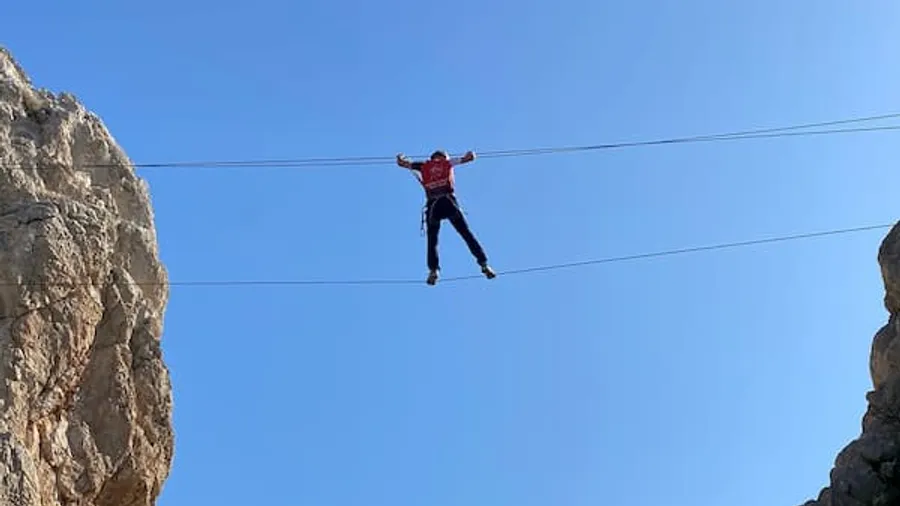
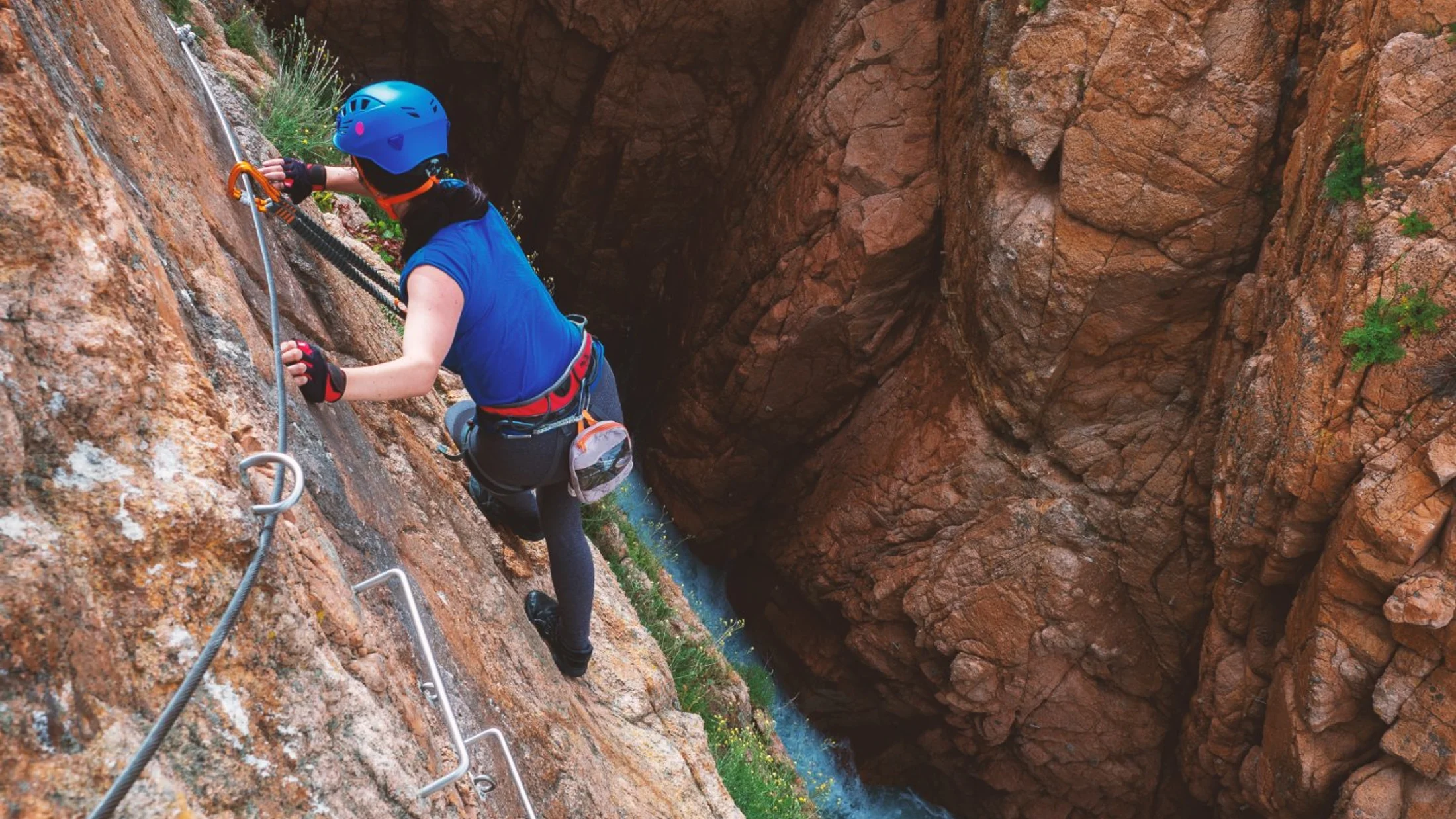
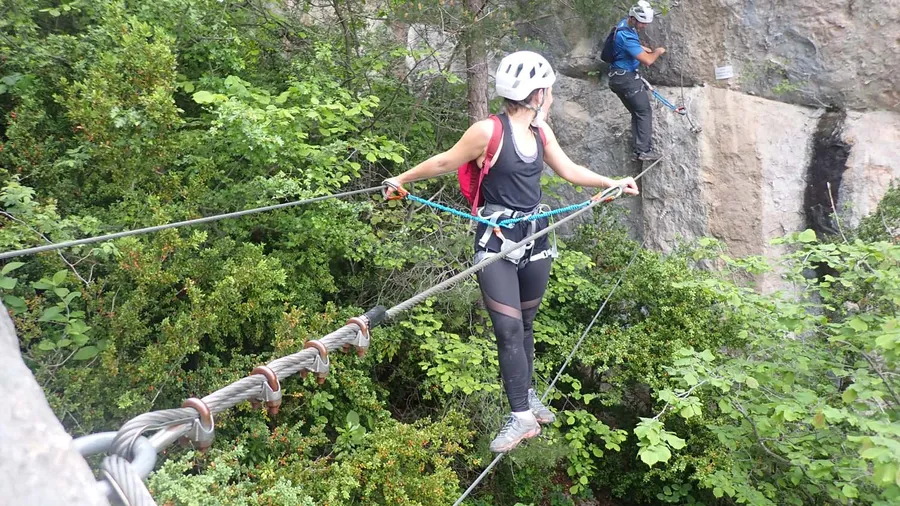
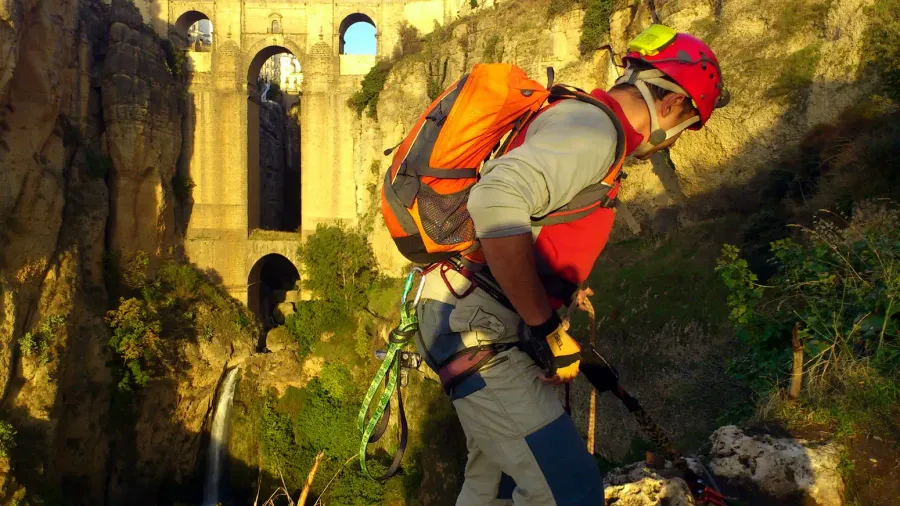
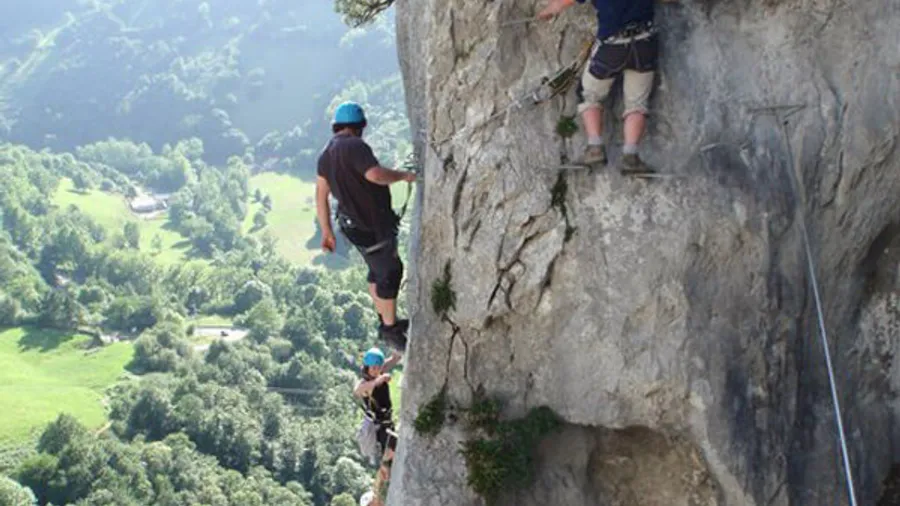
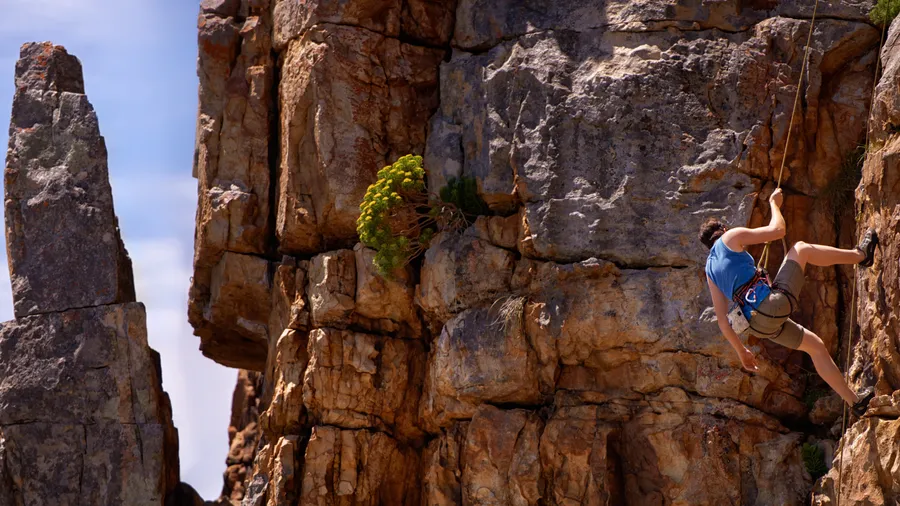
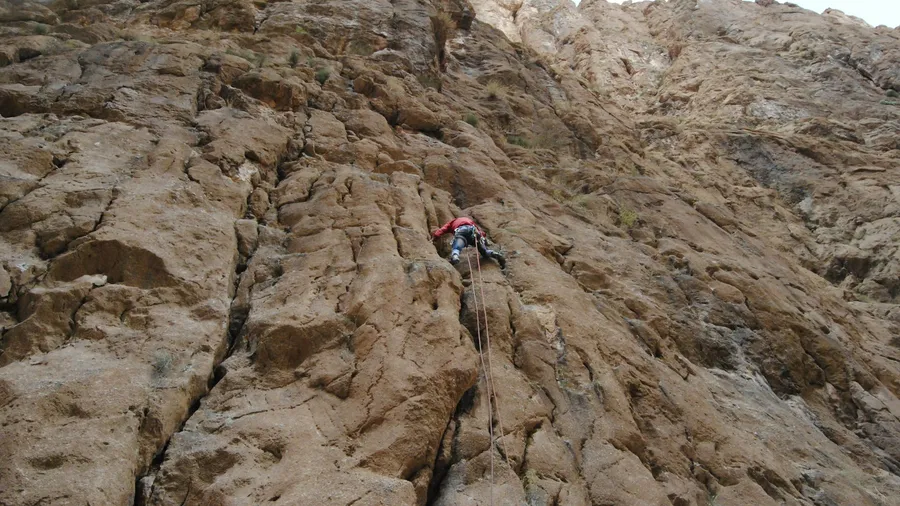
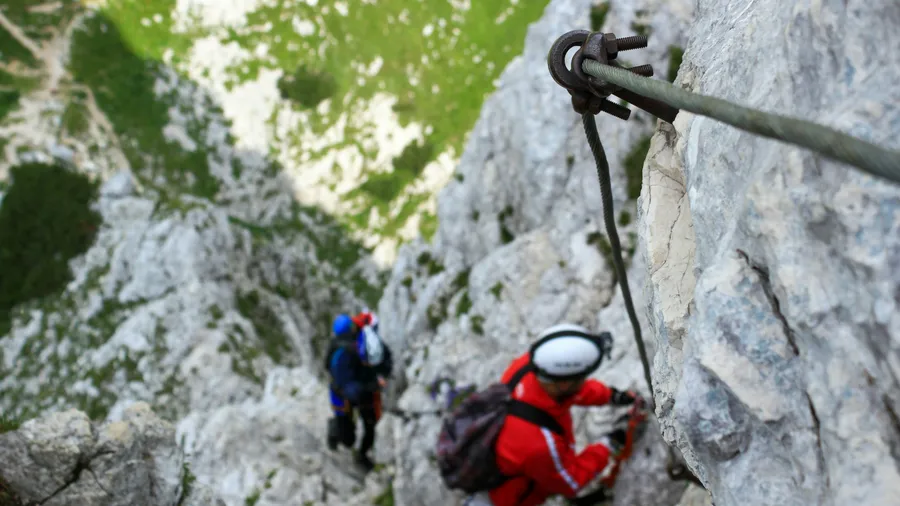
Via ferrata is one of the most popular mountain activities in Spain, with over 100 equipped routes spread across the country. It involves climbing rocky faces using fixed progression aids — steel cables, metal bolts, footholds, Tibetan bridges, and occasionally zip lines — allowing safe ascent without prior climbing experience.
What makes via ferrata special is that it opens up vertical mountain terrain to everyone: anyone in reasonable physical condition can experience the thrill of moving across cliffs, crossing hanging bridges over voids, and reaching summits with spectacular views. The continuous life-line cable system ensures safety at all times.
Via ferrata routes are graded by difficulty from K1 (beginner, ideal for families and newcomers) to K6 (extreme, for experts only). This rating system allows you to choose the right route based on your experience and fitness level. The easiest routes include nearly horizontal sections with good handholds, while the most demanding ones feature steep drops, aerial steps, and monkey bridges.
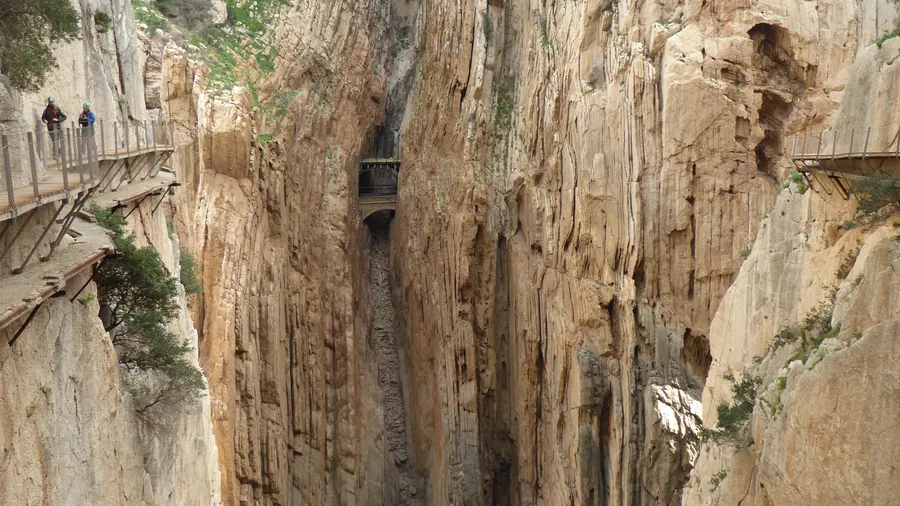
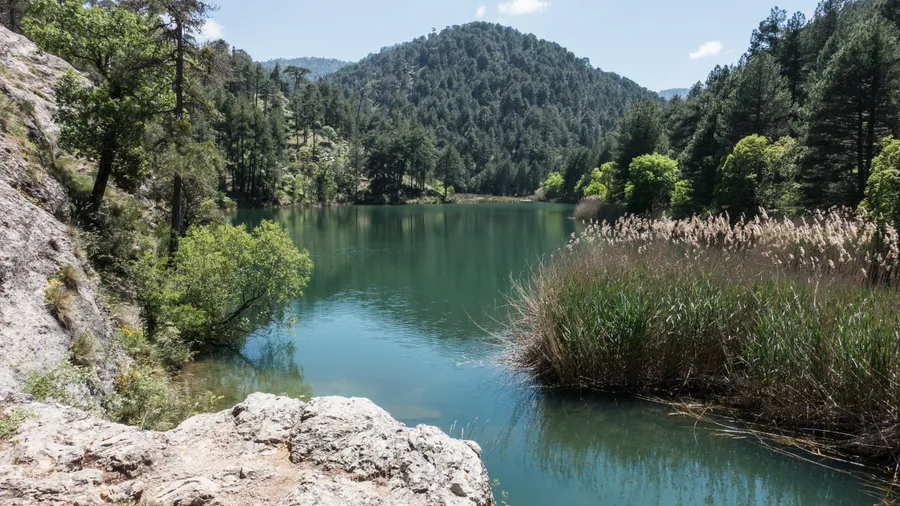
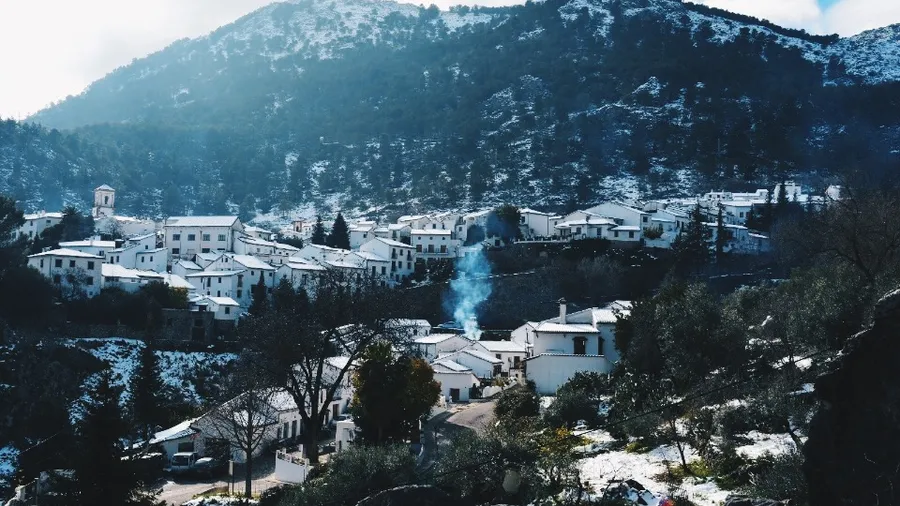
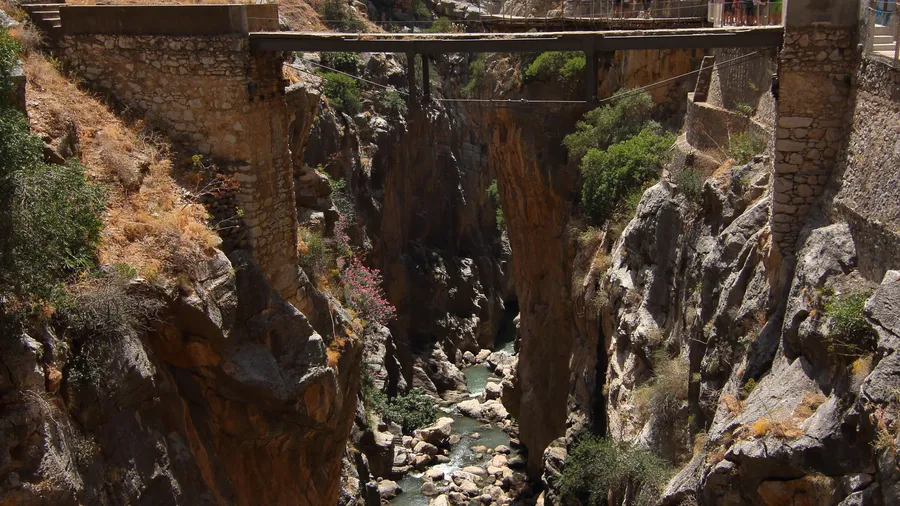
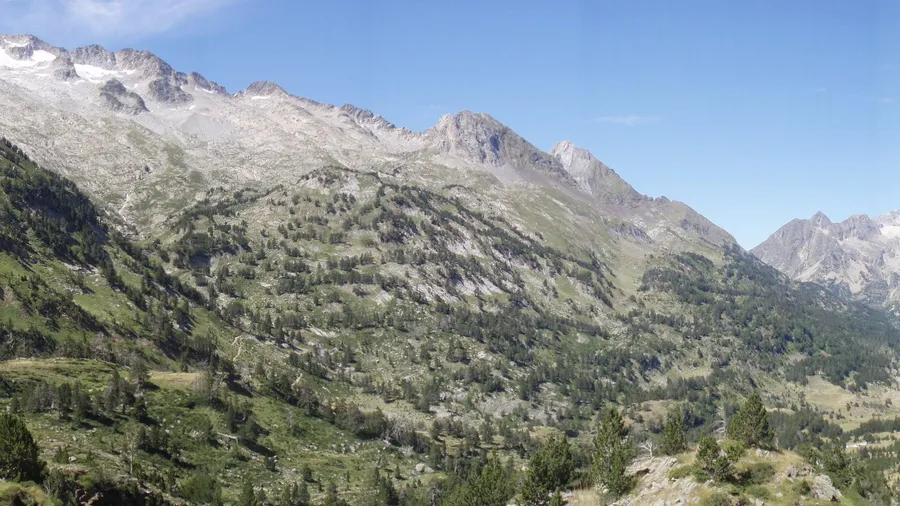
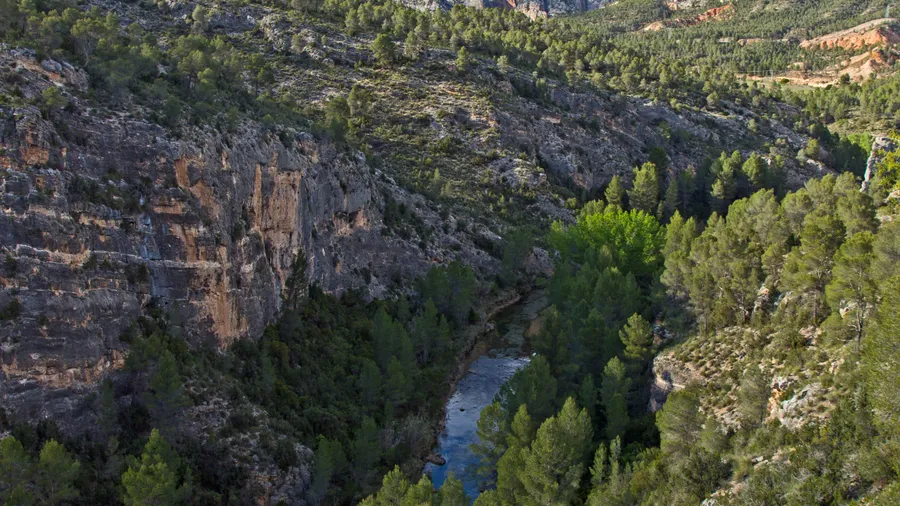
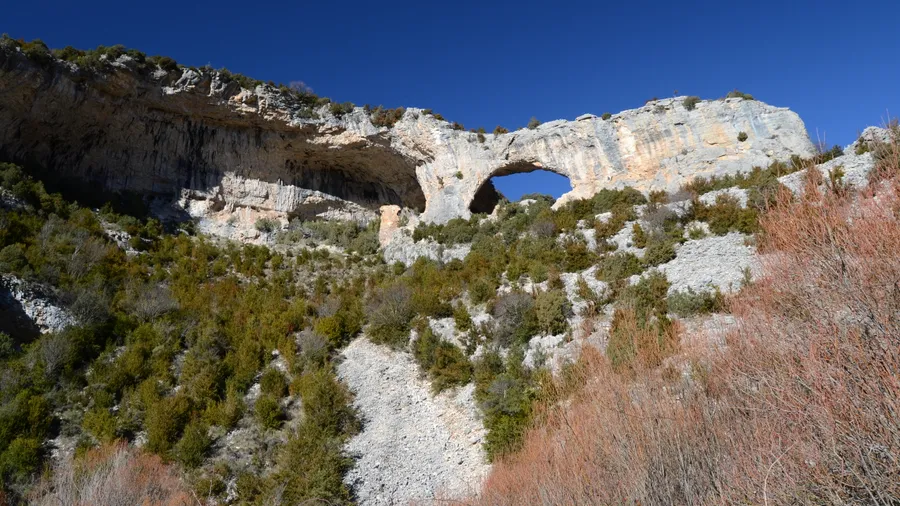
Among the most sought-after destinations for via ferrata in Spain are the Sierra de Guara (Huesca), the Los Vados Reservoir (Granada), the Caminito del Rey (Málaga), the Aragonese and Catalan Pyrenees, the Serranía de Cuenca, and the mountains of Asturias. Each region offers a different style: white Mediterranean limestone, northern granite, or inland sandstone.
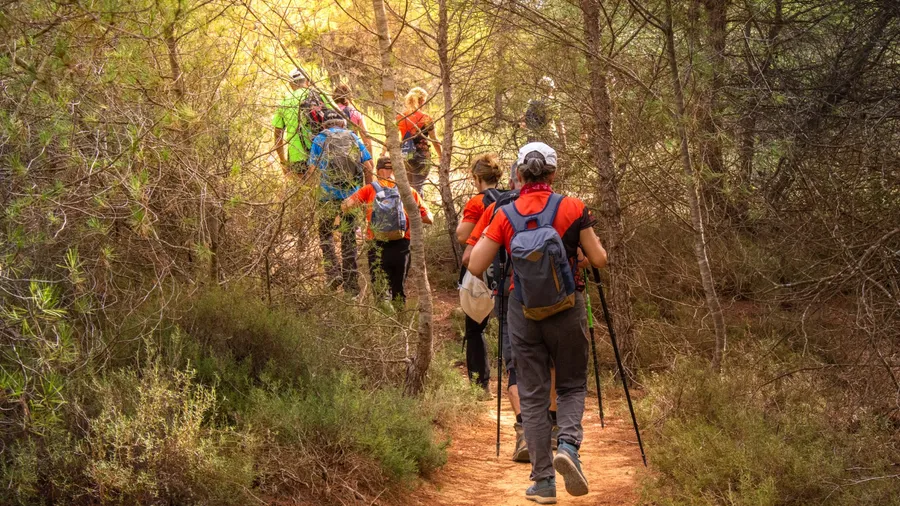
Adventure companies offer guided via ferrata experiences with all technical equipment included (harness, helmet, energy absorber). A qualified guide accompanies each group, explains basic techniques, and ensures the experience is both thrilling and safe. It’s common to combine via ferrata with hiking, canyoning, or multi-adventure activities in the same day.