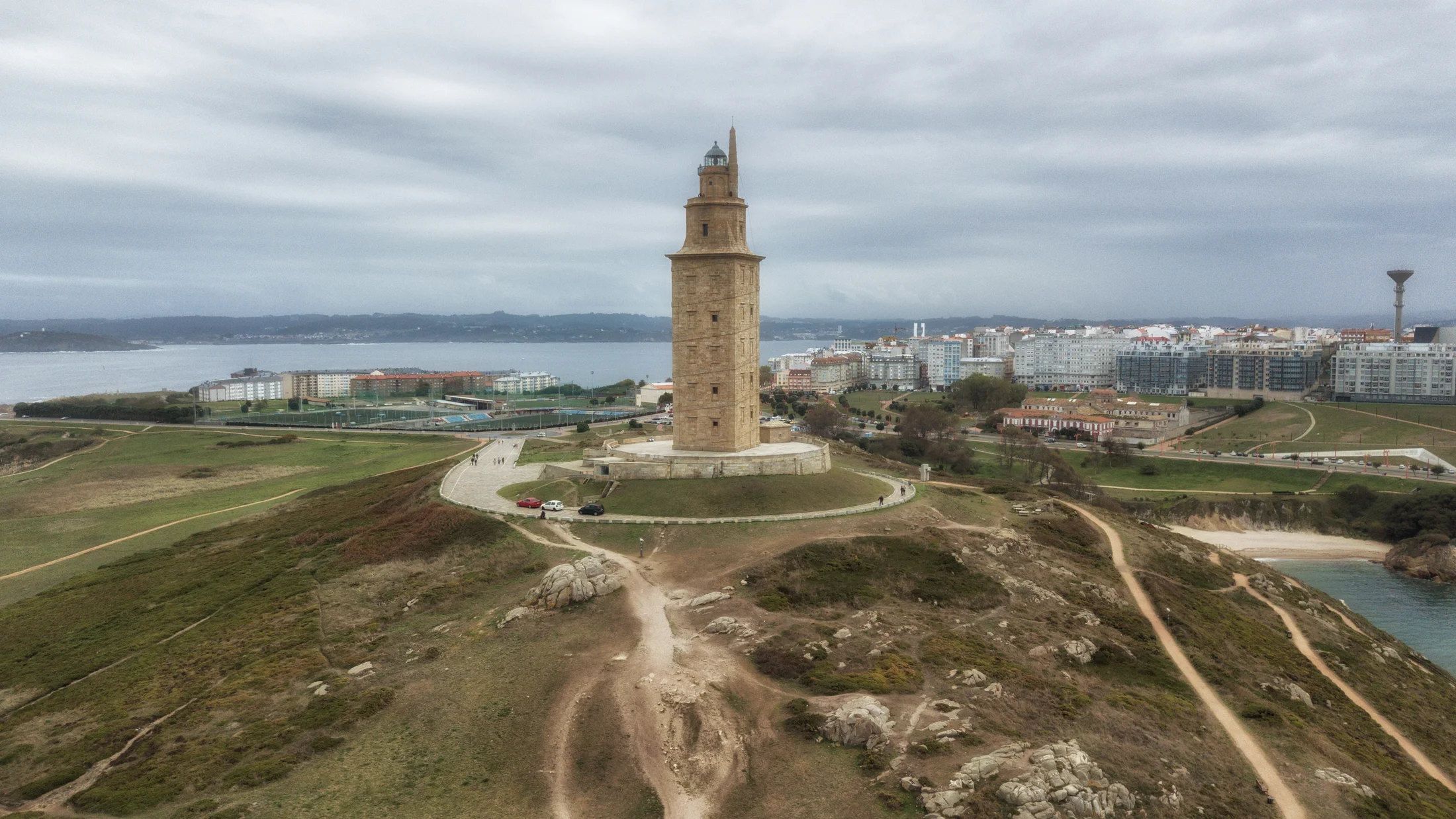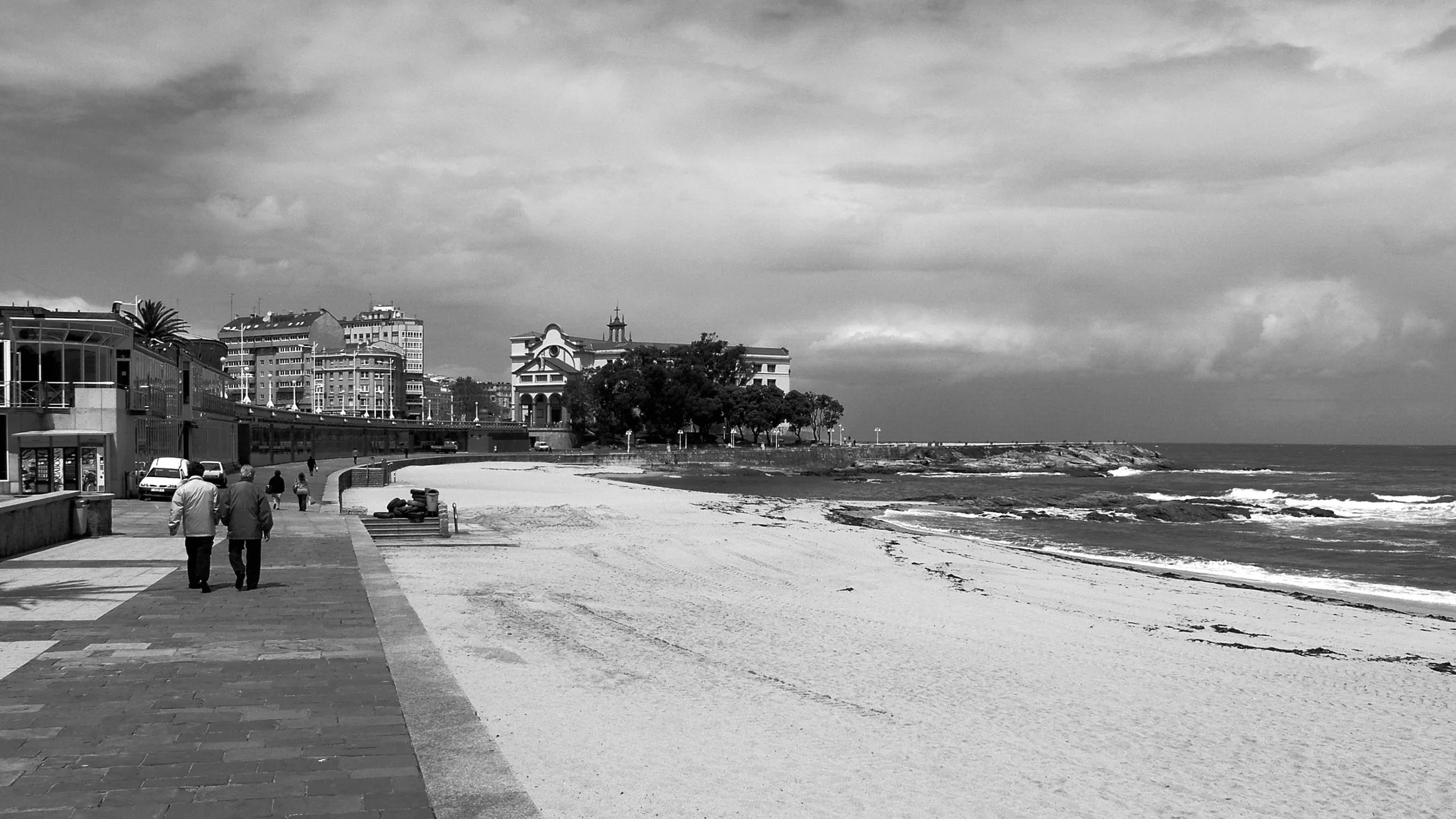
Why Quick Escapes from A Coruña Make Perfect Sense
You don’t need a long drive to feel far away. If you live in or visit the city, getaways near A Coruña let you swap traffic for rivers, coves, and quiet towns in minutes. A short escape means less planning, lower cost, and more weekends actually spent outdoors instead of on the road. In one day, you can walk a monastery path under oaks, taste a market-fresh tortilla, or watch the Atlantic swallow the sun.
Breathing in salt and wet leaf after a 40-minute drive is a small miracle. These short distances multiply your options for day trips from A Coruña, whether you go solo, as a couple, or with kids. Each destination here sits under the 2-hour mark by car in normal conditions, and several have public transport alternatives. You’ll find nature reserves, coastal lookouts, charming towns near A Coruña, and beaches near A Coruña worth the early start.
Plan with your time and mood, not the clock. Below, you’ll find seven hidden destinations from A Coruña with practical travel times, costs, best moments to visit, and what to do. Save the interactive map at the end and pick one for this weekend.
How we selected these places
Short and sweet works best close to home. We focused on places to see within 2 hours of A Coruña using these simple criteria:
- Time cap: under ~2 hours by car from A Coruña (normal traffic)
- Interest mix: nature, beaches, charming historic centers, coastal views
- Day-trip friendly: doable in 4–8 hours on the ground
- Accessibility: car-friendly roads; bus/train options when realistic
- Cost: mostly free outdoor plans; low–medium food/transport budgets
- Seasonality: clear best months and rainy-day alternatives
- Local value: places cared for by their communities (heritage, fisheries, rural forestry)
We kept it practical: travel times, parking notes, route tips, and suggested activities. Prices are indicative; always check schedules and weather before you go (Source: Xunta de Galicia, AEMET, Renfe, Arriva Galicia).
Picuco te puede ayudar
Does something here catch your eye?
Tell us.
Write to us on WhatsApp or email: we answer questions, find the best options and help you sort out the booking.
Seven Lesser-known Escapes Under Two Hours
1) Fragas do Eume: Atlantic forest and riverside trails
Let the forest close around you within an hour of leaving the ring road. Fragas do Eume, in the Pontedeume–A Capela area, protects one of Europe’s best-preserved Atlantic river forests, with oaks, birches, and ferns sheltering the Eume’s blue-green flow. It’s a free Natural Park, with parking areas near Ombre and a road that restricts private access deeper in high season.
Mist beads on moss like tiny lanterns along the riverbanks. For rutas senderismo Fragas do Eume, choose easy riverside walks to the Mosteiro de Caaveiro (4–6 km round trip, gentle) or longer valley routes (up to 14 km out-and-back) with moderate elevation. Monastery visits are often free in summer and holidays; check local notices from A Capela. Spring and autumn bring stable weather and quiet trails; summer is shady and cooler than the coast.
- Location: Pontedeume/A Capela (A Coruña province)
- From A Coruña: 45–60 min by
AP-9+ local roads - Budget: free entry; parking free/low; café or picnic 5–15€
- Best time: spring and autumn; summer for shade
- Ideal for: hikers, photographers, families
- What to do: walk to Caaveiro, photograph river pools, picnic on signed areas, stop in Pontedeume after
- Notes: wear grippy shoes; river paths can be slippery; check road restrictions on busy weekends
Source: Xunta de Galicia (Parque Natural Fragas do Eume), Concello da Capela.
2) Betanzos: Medieval lanes and a legendary tortilla
History and lunch fit perfectly into one easy day. Betanzos sits 25–30 minutes from A Coruña and pairs granite alleys and noble houses with one of Galicia’s most discussed dishes: the runny, golden tortilla de Betanzos. The old town revolves around the Praza dos Irmáns García Naveira and churches like Santa María do Azougue.
The stone glows warm after a sunbreak between showers. Wander the historic center, step into small museums, and time your meal for mid-day to avoid queues at popular bars. It’s one of the most convenient day trips from A Coruña if you want architecture you can explore at walking pace.
- Location: Betanzos (As Mariñas)
- From A Coruña: 25–35 min by
AP-9/N-VI; 20–30 min by regional train to Betanzos-Infesta - Budget: tortilla + drinks 10–20€ per person; parking often free/low
- Best time: year-round; autumn for local festivals
- Ideal for: food lovers, urban photographers, relaxed walkers
- What to do: old town loop, river parks, tortilla tasting, short hop to O Pasatempo park remains
- Notes: arrive before 13:30 for easier seating; Sundays can be busy
This is one of the most charming towns near A Coruña and an effortless choice for a same-day return.
3) Pontedeume: Tidal estuary, medieval bridge, and nearby sands
A bridge, a river, and the sea set a slow rhythm. Pontedeume’s medieval bridge once counted dozens of arches, linking a compact historic core with salt-marsh views and the mouth of the Eume. You can combine a town stroll, a ría-side promenade, and a quick beach stop in one loop.
Oyster-shell air drifts over the boardwalk at low tide. Walk the old streets, cross toward Cabanas for a flat seaside paseo under pines, and detour to Praia de Breamo or the broad sands of A Madalena. Short hiking paths begin here toward the lower entrances of Fragas do Eume.
- Location: Pontedeume/Cabanas
- From A Coruña: 35–45 min via
AP-9 - Budget: free walks; coffee/ice cream 2–5€; parking low
- Best time: late spring to early autumn for beach/promenade
- Ideal for: families, couples, stroller-friendly outings
- What to do: medieval bridge views, ría promenade, pine-shaded beach time, quick forest taster
- Notes: summer weekends fill early; consider morning arrival
If you’re collecting places to see within 2 hours of A Coruña, Pontedeume packs variety in a compact plan.
4) Muxía (costa da Morte): Cliffs, pilgrim winds, and raw beaches
Wild Atlantic energy feels close enough to touch. Muxía crowns a granite headland on the Costa da Morte, with the Santuario da Virxe da Barca facing surf and sky. The famed Pedra de Abalar rock and the lighthouse paths make a dramatic circuit, and hidden coves line both sides of town.
Waves comb the rocks with a white hiss you feel in your chest. Cooler months (October–March) give the most dramatic seascapes; summer softens the mood and opens swimming options on sheltered beaches near A Coruña’s western edge. Pack layers and check wind forecasts before you go.
- Location: Muxía, Costa da Morte
- From A Coruña: 1 h 45–1 h 55 via
AC-552/AC-440(allow extra in peak season) - Budget: free walks; seafood lunch 15–25€; parking free/low
- Best time: autumn/winter for storms and light; summer for beach days
- Ideal for: coastal walkers, photographers, couples
- What to do: sanctuary and headland loop, lighthouse, Praia de Lourido, waymarked coastal sections
- Notes: mind swell and rogue waves; keep distance from the edge in heavy seas
Source: AEMET for wind/swell; local signage for headland paths.
5) Fisterra (cabo Fisterra): End-of-the-world sunsets and pilgrim lore
Follow the road until it meets the ocean. Fisterra’s lighthouse sits on cliffs once thought to be the world’s end, and it’s where many Camino de Santiago pilgrims add a final stage after Compostela. On clear days, sunsets burn long and late over open water.
The lighthouse bell carries faintly on a slow west wind. Plan a late arrival for golden hour, then dinner in town and an unhurried return. Summer sunsets near late June can be around 22:00; in spring and autumn, earlier light makes timing easier (check AEMET sunrise/sunset tables).
- Location: Cabo Fisterra, Costa da Morte
- From A Coruña: about 1 h 55 via
AC-552(can stretch with traffic) - Budget: lighthouse area free; dinner 15–25€; parking free/low
- Best time: clear evenings year-round; spring/autumn ideal
- Ideal for: couples, photographers, Camino enthusiasts
- What to do: lighthouse and km 0 marker, Praia da Langosteira, Monte do Facho viewpoints
- Notes: bring a headlamp for post-sunset walks; avoid cliff edges after dark; allow rest stops on the return
Source: AEMET (sunset times), Camino de Santiago information services.
6) Muros: Stone arcades and calm-facing beaches
If you want sea without the rush, choose Muros. This historic fishing town anchors the northern side of the Ría de Muros e Noia, with granite arcades, a small port, and easy access to long, undercrowded beaches like Area Maior and the near-mythic Carnota further west.
Ropes creak softly against wooden hulls at siesta time. Stroll the old quarter, try a marisqueo tasting if available, and paddle a kayak on wind-mornings when the ria lays flat. In summer, arrive early to spread your towel with generous space; in shoulder seasons, it’s all about light and quiet.
- Location: Muros, Ría de Muros e Noia
- From A Coruña: 1 h 30–1 h 45 via
AG-55+AC-550orAG-56to Noia - Budget: free beaches; seafood 15–25€; kayak rental 15–25€
- Best time: late spring to early autumn for beach; winter for tranquil walks
- Ideal for: families, sea-lovers, slow photographers
- What to do: harbor and arcades, Area Maior dunes, day hop to Carnota, gentle kayak routes
- Notes: check lifeguard flags; dune areas are protected—use marked paths
For beaches near A Coruña with a calmer feel, Muros delivers a low-stress day.
7) A Illa de Arousa: Island walks, shellfish culture, and clear coves
Drive over the short bridge and slow down. A Illa de Arousa floats in the Ría de Arousa with pine groves, granitic coves, and shellfish boats shaping daily life. The Carreirón Natural Area in the south rewards quiet circuits and birdwatching on sandy spits.
Pines breathe resin over water as clear as glass. Swim and snorkel in summer, watch oystercatchers in spring, and book a simple seafood lunch overlooking the ria. It’s a full but gentle day trip you can tailor to any pace.
- Location: A Illa de Arousa (Pontevedra province)
- From A Coruña: 1 h 35–1 h 50 via
AP-9+ bridge - Budget: AP-9 tolls 6–10€ each way (approx, segment-dependent); lunch 15–25€; free beaches
- Best time: spring and summer; early autumn for warm water
- Ideal for: families, couples, birdwatchers, swimmers
- What to do: Carreirón trails, cove-hopping by bike, seafood tastings, small-boat tours
- Notes: respect shellfish gathering zones; rent bikes for easy cove access
Source: Carreirón municipal info; Portos de Galicia for boating basics.
Getting There from A Coruña: Routes, Public Transport, and Weekend Timing
Start with the simple question: car or public transport? By car, most of these escapes sit comfortably under two hours; by bus or train, some still fit a day but require earlier starts and flexible returns. Check weather and roadworks on Friday night and leave a margin for the coast’s slow curves.
-
Car routes:
- Fragas do Eume/Pontedeume:
AP-9south to Pontedeume exits, then local roads to Ombre/park access (45–60 min). - Betanzos:
AP-9orN-VI(25–35 min); town parking near the center fills late mornings. - Muxía:
AC-552via Carballo; allow 1 h 45–1 h 55; coast segments can add time in summer. - Fisterra:
AC-552the whole way; about 1 h 55 in smooth flow. - Muros:
AG-56to Noia thenAC-550(1 h 30–1 h 45). - A Illa de Arousa:
AP-9to Vilanova/Illa exit then bridge (1 h 35–1 h 50).
- Fragas do Eume/Pontedeume:
-
Public transport (indicative):
- Betanzos: Renfe regional trains to Betanzos-Infesta, 20–30 min; buy on renfe.com or station machines.
- Pontedeume/Fragas area: regional trains/buses serve Pontedeume (45–60 min); from town to park, add taxi (10–15 min).
- Costa da Morte (Muxía/Fisterra): Arriva Galicia buses run from A Coruña with durations often 2 h 15–3 h; feasible for long days but check return times.
- Muros: buses via Noia; schedules vary and can exceed 2 hours; better with a car for flexibility.
- A Illa de Arousa: bus to Vilanova or Vilagarcía, then local bus/taxi across the bridge; car remains easiest.
Weekend tips: depart before 09:00 to secure parking at beaches and viewpoints. In summer, coastal towns implement one-way systems or temporary restrictions—follow signage and consider peripheral lots. Budget-wise, fuel for round trips ranges 10–25€ depending on distance and vehicle; AP-9 tolls to the Ría de Arousa corridor add 6–10€ each way. Pack layers, water, and snacks even for short walks; coastal weather swings quickly (Source: AEMET).
Sample travel times from A Coruña (car, typical flow):
- Fragas do Eume: 50 min
- Betanzos: 30 min
- Pontedeume: 40 min
- Muxía: 1 h 50 min
- Fisterra: 1 h 55 min
- Muros: 1 h 40 min
- A Illa de Arousa: 1 h 45 min
When mixing transport, consider off-peak returns: an early dinner before the drive home often means quieter roads and a safer pace.
Activities near A Coruña
Discover more activities near A Coruña. See options →
Interactive Map: Seven Pins, Layers, and Easy Planning
A good map turns uncertainty into decisions. The interactive map that accompanies this article displays seven clear pins, each with a short card: travel time from A Coruña, best time to visit, parking suggestions, and top things to do. You can toggle layers for beaches, short trails, and family-friendly spots, and save the map to your phone for offline reference.
Think of it as a menu you can reshuffle. Filter by “beach focus,” “forest walks,” or “sunset views,” then tap a pin to see the one-page summary. A second layer shows suggested loops for combining two places in one day, like Pontedeume + Fragas do Eume, or Muxía + Fisterra for a coast-and-sunset combo. Each loop includes a safe driving estimate and recommended stop times.
Before leaving, zoom in on:
- Parking icons near trailheads and beaches
- Viewpoints and lighthouse paths
- Picnic areas and playgrounds
- Notes on seasonal restrictions (e.g., forest road limits in Fragas)
If you build your own version, add categories and colors:
- Green pins for forest/hiking
- Blue for beaches and coves
- Amber for towns with notable historic centers
- Purple for sunset spots
To embed, save as a shared link on your maps app, then download for offline use. Check the terrain layer to visualize slope near cliffs, and mark an alternative stop in case wind or swell shuts down a coastal plan. A quick glance the night before—parking, path start, food stops—pays off in time on the ground.
How to Choose the Right Escape This Week
Start with time, then match mood to place. If you have a half day, Betanzos or Pontedeume work with minimal driving; with a full day, aim for Fragas do Eume or the Costa da Morte. For families, flat promenades and sheltered beaches beat long climbs; for hikers, pick forests and headlands with waymarked loops.
Weather rules the coast. Use AEMET rain/wind forecasts the night before, and carry layers even in summer. As a thumb rule: forest in wind, beaches in gentler breezes, cliffs only with stable conditions. If heavy rain hits, pivot to a town day and a long lunch instead of forcing a trail.
- Quick picker:
- Forest and shade: Fragas do Eume
- Short city walk + food: Betanzos
- Beach + boardwalk: Pontedeume/Cabanas
- Wild coast views: Muxía
- Sunset mission: Fisterra
- Calm sea day: Muros and nearby sands
- Island coves and seafood: A Illa de Arousa
Practicalities keep days smooth. Book popular restaurants on weekends, especially for tortilla in Betanzos and seafood on the rías. Bring water, sun protection, and grippy shoes for forest or rock paths; cliffs and wet roots are unforgiving. Respect lifeguard flags and stay well back from edges in swell. If you’re choosing among escapadas cerca de A Coruña with kids, pack a change of clothes and snacks to buy time and patience.
For last-minute plans, set a hard return time and stick to it. Take cash for small lots or rural cafés, and screenshot key info in case of poor signal. If you need inspiration on stays and activities, explore carefully selected rural experiences on Picuco and save your favorites for a warmer weekend.
Frequently Asked Questions
Which of these trips work best in winter?
Muxía and Fisterra shine in winter light, when swell and clouds add drama to the headlands. Betanzos also works year-round for short walks and a warm lunch indoors.
Can I do each destination as a day trip?
Yes by car for all seven under normal conditions. With public transport, Betanzos and Pontedeume are straightforward; Muxía, Fisterra, Muros, and A Illa de Arousa can require longer rides and careful timetables.
Are there options without a car?
Yes. Take Renfe regional trains to Betanzos and Pontedeume, or Arriva/Monbus buses toward the Costa da Morte and the Rías Baixas. Expect longer travel times and fewer return options late in the day.
Where do I Park?
Towns have central lots or street parking with weekend peaks. For Fragas do Eume, use signed lots near Ombre and respect seasonal road limits; for beaches, arrive early and avoid dunes.
Do I need reservations for restaurants or activities?
On weekends and holidays, yes—book ahead for the tortilla in Betanzos and seafood on the rías. For kayak or small-boat tours, reserve at least 24–48 hours in advance in summer.
Closing Thoughts
Short drives open big days. Within two hours, you can cross from city to forest shade, from granite lanes to waves breaking under a lighthouse. These seven places are close, practical, and full of small choices that fit a spare morning or a full day with friends.
Choose by light, wind, and appetite. If you want quiet, aim for Fragas or Muros; if you want spectacle, time a Fisterra sunset; if you just need a slow ramble and a good plate, Betanzos delivers. Save the interactive map, pick your match, and set your alarm for an early, easy start. When you’re ready to turn a day trip into a weekend, browse rural stays and local activities on Picuco, and tell us which escape won your heart this season.