Why Short Escapes Around Alicante Make So Much Sense
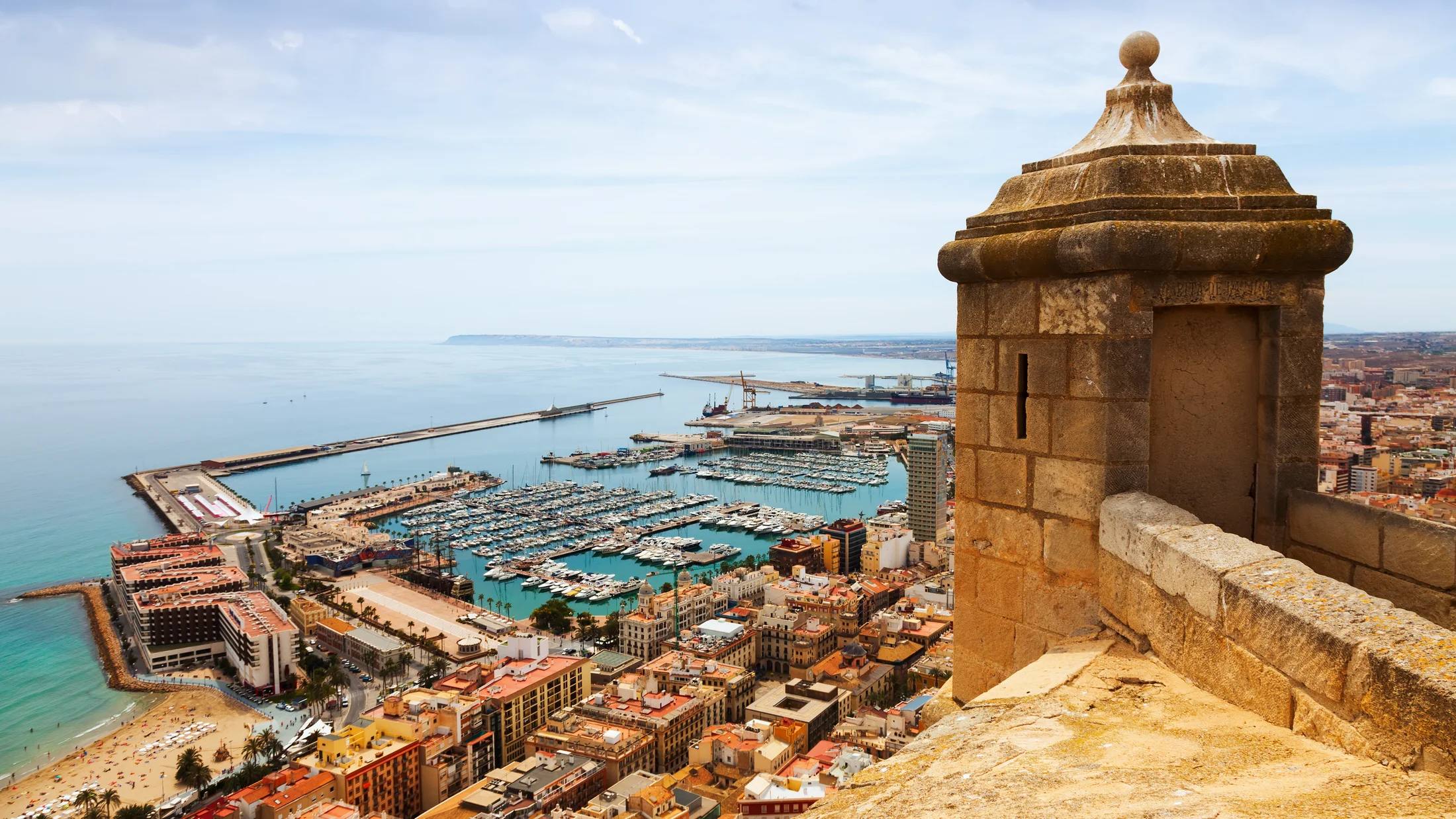
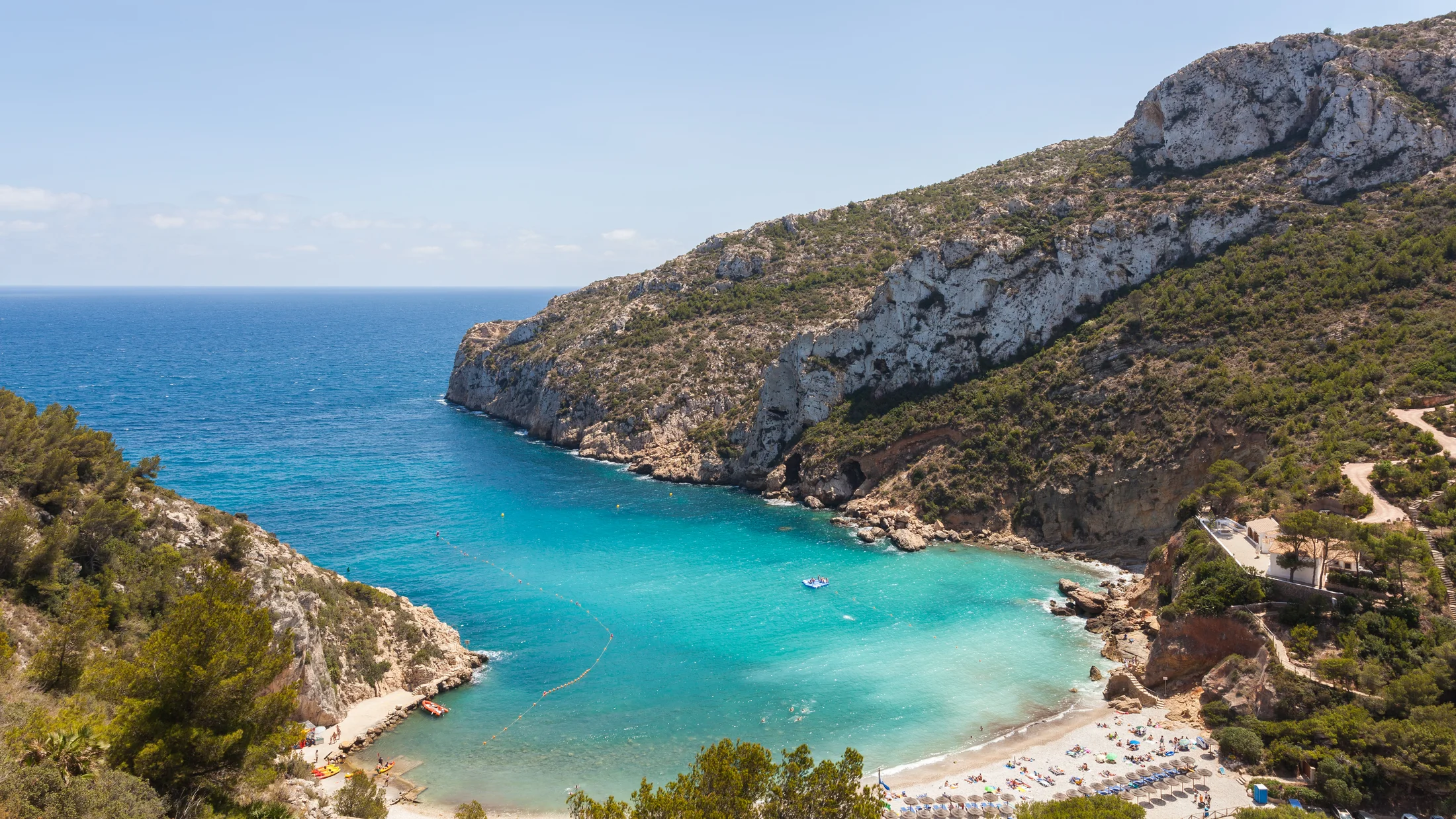
You don’t need a long holiday to reset; you need a smart plan. Sea breeze, mountain light, and orchard scents sit within two easy hours of the city. Expect close-up textures: limestone cliffs, cool river pools, and cobbled lanes warmed by sun.
Why these escapes matter
Alicante is a perfect launchpad for short hops thanks to its coastal location, motorway links, and TRAM network. These getaways near Alicante fit busy weeks because you can leave after breakfast and be swimming, hiking, or strolling by mid-morning. You swap traffic and screens for nature, local food, and heritage without logistical headaches.
Short breaks complement your main holidays: they keep energy high, reduce travel fatigue, and reveal hidden gems near Alicante that longer trips often overlook. You reconnect with landscapes and communities that sustain them, from cherry growers in inland valleys to family-run taverns in stone villages. If you have kids, you’ll love low-stress journeys; if you’re a couple, you’ll find quiet corners; if you’re with friends, you can mix activity with slow meals. Plan a day, or push to a simple overnight and wake to bird calls.
How we chose these places
We looked at door-to-door time under two hours by car or public transport, with clear directions. We checked access by car, bus, TRAM, and ferry, and favored places offering rich experiences: scenery, short trails, swimming spots, history, and good food. Sustainability guided choices: avoid overrun sites at peak hours, respect protected areas, and use responsible mobility when possible. For balance, each pick includes practical costs, best seasons, and ways to go lighter on the environment.
Picuco te puede ayudar
Does something here catch your eye?
Tell us.
Write to us on WhatsApp or email: we answer questions, find the best options and help you sort out the booking.
The Whole Trip At A Glance
Start by picturing a simple map: the turquoise sea to the east, limestone sierras to the north and west, and valleys stitched by small villages. One clean sweep traces beach, island, canyon, and high ridge in an easy radius from Alicante.
- Guadalest (1 h–1 h 15 min by car; TRAM + bus): historic village above a reservoir, ideal for views and quick culture.
- Tabarca Island (45–75 min by ferry): marine reserve with clear-water coves, best for snorkel and slow lunches.
- Fonts d'Algar, Callosa d’en Sarrià (1 h–1 h 15 min): river pools and waterfalls for swim-and-stroll days.
- Barranco de la Encantada, Planes (1 h 30 min–1 h 45 min): natural gorge with shaded pools and a photogenic waterfall.
- Bocairent (1 h 15 min): honey-stone town, cave windows, and Sierra de Mariola paths.
- Vall de Gallinera (1 h 30 min–1 h 45 min): cherry valley with linking footpaths and quiet roads for cycling.
- Sierra de Aitana (1 h 15 min–1 h 30 min): highest ridge in the province with panoramic treks.
Combine smart: pair Guadalest with Fonts d’Algar; Bocairent with Mariola trails; Tabarca as a pure day trip; or Vall de Gallinera with a rural overnight. For Alicante weekend escapes, do one mountain day then one valley day.
Guadalest: Clifftop Views And Quiet Museums
Come for the castle view, stay for the calm backstreets and reservoir glow. A faint smell of rosemary drifts from the terraces as swallows loop above the ramparts.
Getting there is simple: drive from Alicante via A-70/AP-7 and CV-70 in about 66 km (1 h–1 h 15 min). Without a car, take TRAM L1 from Alicante-Luceros to Benidorm (≈70 min; TRAM d’Alacant schedules vary), then an ALSA or local bus to Guadalest (≈35–50 min). Park in the signed municipal lots near the village entrance (expect €2–€5/day in high season; confirm on site).
Costs are manageable. The Castell de Guadalest and Casa Orduña are around €4–€6 per adult each (Ayuntamiento de El Castell de Guadalest, 2024). Small museums—salt and pepper, micro-miniatures—charge €3–€5 if you fancy curiosities. A simple lunch runs €12–€20, while coffee with a view lands under €3.
Best times are spring and autumn weekdays for lighter crowds and clearer air. Summer works if you arrive before 10:00 or after 16:30 to dodge tour buses. Families, couples, and photographers all win here: short climbs, big vistas, and tidy lanes make easy work.
Do this:
- Walk the tunnel to the castle and linger at the mirador over the reservoir.
- Pop into one museum that genuinely interests you, then skip the rest.
- Stroll down to the dam path for a 30–60 minute leg-stretcher by turquoise water.
- Taste mountain olive oil and local cheeses at independent shops.
Practical tips:
- Bring a hat and water; shade can be scarce at midday.
- Combine with Fonts d’Algar (25–30 min drive) for a full day of vistas and swims.
- Respect residents: keep noise down in narrow streets and use the bins provided.
Sustainability note: stick to marked paths above the reservoir to protect fragile slopes, and support family-run eateries to keep village life alive.
Tabarca Island: A Marine Reserve Within Sight Of Downtown
This is an island day that feels far, yet the skyline of Alicante still glints on the horizon. Salt on your lips, seagrass sways below like a brushed velvet field.
How to go: ferries sail from Alicante (Port) in 60–75 minutes and from Santa Pola in 25–35 minutes, depending on operator and sea conditions. Returns from Alicante are typically €22–€30 adult; from Santa Pola €15–€22 (Kontiki, Tabarca Water Taxi, and other operators, 2024). Boats run daily most of the year, with extra departures in summer; buy tickets at kiosks or online in high season.
Best months for swimming and snorkel are May–October, with peak clarity often in June and September. The island is part of Spain’s first marine reserve (Reserva Marina de la Isla de Tabarca, 1986), so rules matter: no fishing, no collecting shells, and respect the posidonia meadows that protect the coastline.
What to do:
- Swim at the main beach or pick a rock cove near the Torre de San José for quieter water.
- Snorkel above posidonia; bring your own mask for comfort and cost.
- Walk the circuit to the lighthouse and past the old walls in 45–60 minutes.
- Wander the tiny village for whitewashed lanes and blue doors.
Budget:
- Ferry: see price ranges above; family discounts appear some weekends.
- Lunch: the classic “caldero tabarquino” fish-and-rice runs €18–€25 per person.
- Extras: sun lounger rentals and ice creams add up; bring water and snacks.
Practical tips:
- Book the morning boat, return late afternoon to avoid midday crush.
- Use reef-safe sunscreen, pack out all rubbish, and avoid stepping on seagrass.
- In windy days, leeward coves offer calmer swim spots.
Sustainability note: carry a reusable bottle, skip single-use plastics, and keep music off—sound travels far on quiet rock.
Fonts D'algar: Cold Pools And Shady Paths
When the city bakes, these cascades act like a reset button. Water thunders into clear basins, and cold spray beads your forearms.
Location: Callosa d’en Sarrià, about 62 km and 1 h–1 h 15 min by car from Alicante via AP-7/CV-755. Buses run to Callosa from Benidorm, but final access often requires a taxi or a longer walk; check current ALSA timetables.
Entry is ticketed because this is a protected municipal natural area. Expect around €5–€6 adults and reduced rates for kids/seniors (Ajuntament de Callosa d’en Sarrià, 2024). On-site services include toilets, lifeguards in summer, and picnic areas near but not inside the bathing zone; several restaurants line the access road with menus from €12–€20.
Best time: May–June and September for warmth without crowds; July–August gets busy and may activate capacity control with time slots. Water remains cold year-round, so bring a quick-dry towel and water shoes for grip.
What to do:
- Follow the signed path along pools and falls in 45–90 minutes with photo stops.
- Swim in designated basins; avoid jumping from rocks to protect people and habitat.
- Extend your day with a visit to the old town of Callosa or nearby Polop.
Practical tips:
- Arrive before 10:00 or after 16:30 to park easier and enjoy softer light.
- Respect lifeguard instructions and barriers; they exist for safety and ecology.
- Keep glass away from water; bring reusable containers and a small dry bag.
Sustainability note: stay on paths to reduce erosion, don’t use soaps in the river, and consider public transport to Benidorm plus a taxi share if you don’t drive.
Barranco De La Encantada: Pools, A Waterfall, And Golden Rock
The gorge hums with bees and the quiet rush of the Gorg del Salt. Sunlight slides across tawny walls like a slow-moving flame.
Set near Planes, it’s roughly 90 km from Alicante and takes about 1 h 30–1 h 45 min by car via A-7/CV-700. Access roads narrow near the site; summer weekends may see parking controls or small fees at designated lots—check Planes municipal updates.
Costs are minimal: access is free, and parking—when managed—varies by season. This makes it one of the best-value day trips from Alicante if you like river time and light hiking.
Best time: spring for flow and flowers; early summer for swims; avoid or take great care after heavy rain due to flash-flood risk. It suits hikers, nature swimmers, and photographers who enjoy textured rock and green pools.
What to do:
- Walk the classic out-and-back to Gorg del Salt (allow 60–90 minutes with photos).
- Extend on a local circular (6–12 km variants) linking pools and farm tracks.
- Cool off in calm pools well away from the falls where currents are milder.
Safety and gear:
- Wear grippy shoes; polished limestone is slippery when wet.
- Pack 1.5–2 L of water per person, a hat, and a light first-aid kit.
- Check weather the day before; postpone if storms threaten.
Low-impact habits:
- Keep dogs on leash near water; wildlife nests close to the banks.
- No music speakers; let others enjoy the soundscape.
- Carry out all waste, including organic peels—wild boar will rummage.
Pair it with a slow lunch in Planes or in Vall de Gallinera to meet the people keeping these valleys alive.
Activities near Alicante
Discover more activities near Alicante. See options →
Bocairent: Stone Lanes And Cave Windows In The Hill
This is where honey-colored streets spiral into a rock riddled with ancient chambers. The air smells faintly of woodsmoke on cooler days.
You’ll reach Bocairent in about 1 h 15 min from Alicante via A-7 (≈85 km). Public transport is possible but slower; a car makes it an easy short trip from Alicante. Park at the lower lots and walk up to the old town.
Costs:
- Covetes dels Moros (rock-cut chamber complex): around €3–€4; buy timed tickets on site or via the tourist office.
- Museums (e.g., Archaeology, Textile): typically €2–€4 each.
- Guided old-town visits run on weekends/holidays; check the Bocairent tourist office for schedules.
Best seasons are autumn through spring for walking comfort. February’s Moros i Cristians festival electrifies the town with parades and music—book early if you aim for that weekend.
What to do:
- Tour the medieval core: steep, stepped lanes, small plazas, and sudden views.
- Visit the Covetes dels Moros; access involves ladders and narrow openings—ask if unsure about mobility.
- Walk to the snow well (Cava de Sant Blai) and bridges for photos.
- Dip into Sierra de Mariola for a short path among aromatic shrubs.
Practical tips:
- Wear shoes with tread; polished cobbles can be slick.
- Eat at a small inn; order gazpacho manchego (a local, hearty stew) when in season.
- Combine with Ontinyent or Agres for a broader Mariola day.
Respect the quiet rhythm of residents—keep voices low at night and park only in signed areas to keep narrow streets flowing.
Vall De Gallinera: Eight Villages, One Cherry Valley
Here, the road undulates past terraces and almond groves, and church bells count the hours. Evening air holds a faint scent of thyme.
Vall de Gallinera lies along the CV-700, about 1 h 30–1 h 45 min from Alicante by car. Public transport is limited; driving or a cycling weekend works best. The valley strings together eight charming villages near Alicante: Benirrama, Benialí, Benissivà, Benitaia, La Carroja, Alpatró, Llombai, and Benissili.
Costs:
- Rural stays: roughly €70–€120 per double room/night, higher on spring weekends.
- Meals: €18–€30 per person for local restaurants emphasizing olive oil, cherries, and mountain lamb.
Best times include almond blossom (late January–February) and cherry harvest (late May–June), and also quiet autumn weekends. Photographers and cyclists love the soft light and low traffic.
What to do:
- Walk village-to-village on signed local paths (ask at the Vall de Gallinera tourism office for current maps).
- Ride the CV-700 early morning; it’s a classic gentle climb/descend route.
- Seek miradors at Forna Castle and vantage points above Benissili.
- Look for small festivals celebrating cherries or local music; dates vary annually.
Sustainable choices:
- Stay two nights to spread spending locally and reduce travel emissions per day.
- Buy direct from roadside farm stalls in season.
- Keep gates as you found them and stay on trails through terraces.
If you want unknown places near Alicante that still feel authentic, this valley delivers a slow, grounded tempo.
Sierra De Aitana: The Province’s Roof With Big-sky Trails
On clear days the ridge lifts you above the coast like a balcony over blue. Wind brushes the pines and carries the call of distant goats.
Aitana, at 1,558 m, is the highest point in Alicante province (Instituto Geográfico Nacional). Drive 1 h 15–1 h 30 from Alicante via CV-70 to Benifato and up to the Font de Partegat trailhead. Parking is limited; arrive early on weekends.
Costs are low: access is free, and you only pay for a guide if you hire one (≈€30–€50 per person for private groups). Bring your own food and at least 2 L of water per person.
Best seasons for trekking are October–May for cooler temperatures and clearer air. Summer hikes start at dawn to avoid heat. This suits hikers, scramblers near the pass, and anyone hunting wide viewpoints.
Classic route highlights:
- Font de Partegat to summit and back via the Pas de la Rabosa and the karst “vents” (4–6 hours; moderate).
- The Forat de la Aitana rock window for coastal panoramas.
- Wildflower displays in spring and frequent ibex sightings.
Safety and gear:
- Sturdy boots, sun protection, layers, map/GPS, and a small headlamp are basics.
- Check wind forecasts; high gusts make ridge sections serious.
- Keep an eye on time for your return; winter days are short.
Make it a day: hike in the morning, late lunch around Benimantell or Guadalest, then a reservoir stroll before heading back.
How To Pick The Right Escape For You
A good choice starts with travel time and your energy. The easiest plan balances one highlight, one meal, and a simple walk. The scent of coffee from your thermos helps early starts feel effortless.
Transport:
- Car: fastest and flexible for mountains and valleys; share rides to reduce cost and emissions.
- Public transport: use TRAM
L1to Benidorm for Guadalest/Algar connections; ferries for Tabarca; buses vary, so check current timetables.
Duration:
- Day trips: Tabarca, Guadalest + Algar, Aitana summit (fit walkers), Barranco de la Encantada.
- Weekends: Bocairent + Mariola, Vall de Gallinera, or a two-stop combo.
Budget ranges (per person, day):
- Lean: €20–€35 (public transport, picnic, free sites).
- Comfortable: €40–€80 (parking, entry fees, sit-down lunch, coffee).
- Weekend: add €70–€120 per room/night for rural stays.
Accessibility and activity:
- Stairs and uneven ground in Bocairent and Guadalest; ask about alternatives.
- Water shoes for river spots; life jackets for kids in deeper pools.
- Choose signed paths with clear waymarks; avoid scrambling if new to it.
Book ahead:
- Ferries to Tabarca (summer/weekends).
- Covetes dels Moros time slots.
- Rural stays in Vall de Gallinera during blossom and harvest.
Pack smart:
- Refillable bottle, hat, light fleece, swim kit (if relevant), compact first-aid, bags for waste.
- Reef-safe sunscreen and a power bank for maps and photos.
Lower your footprint:
- Travel off-peak, use shared transport where possible, and spend with local providers. If you want curated rural stays and activities, explore options on Picuco to match your dates and style.
Frequently Asked Questions
How long do these trips really take from Alicante?
Most drives range 1 h–1 h 30 min; Tabarca adds 25–75 min by ferry depending on port. Public transport to inland spots often adds transfers, so plan 30–60 extra minutes.
What’s the best time of year to go?
Spring and autumn deliver mild temperatures and clearer views. Summer works for water sites if you start early, while winter offers quiet towns and crisp Aitana hikes.
Can I do these without a car?
Yes for Tabarca (ferry from Alicante or Santa Pola) and Guadalest (TRAM L1 + bus). For Algar and Planes, you may combine bus to a nearby town with a taxi for the final stretch.
How much should I budget for a day?
Lean days start around €20–€35 using picnics and free sites. Add ferry tickets or museum entries and lunch, and many days land at €40–€80 per person.
Are these places safe for families with kids?
Yes, with normal care near water and on steps. Use life vests where appropriate, keep kids close on cliffs, and choose shallow pools away from falls.
What about people with reduced mobility?
Historic cores have steps and uneven pavements. Ask tourist offices about accessible viewpoints and choose flatter, paved sections; Tabarca’s village is walkable but has cobbles.
How do I plan an optimal day?
Pick one anchor activity, eat locally, and add a short walk. Start early, avoid midday heat, and save a quiet spot for the afternoon.
Do I need reservations?
Reserve ferries in summer/weekends, cave entries in Bocairent, and rural stays during blossom/harvest or festivals. Otherwise, arrive early to secure parking.
Final Notes And Your Next Step
Within two hours, Alicante opens to an island reserve, a clifftop village, river pools, a high sierra, and valleys where cherries blush in late spring. You get variety without long drives, and your spend supports the people tending terraces, running ferries, and keeping museums open.
Choose one for a clean, simple day or pair two for a balanced weekend: a morning swim and an afternoon stroll, a summit and a village lunch, or caves and a sunset mirador. Travel lightly, time your visit well, and you’ll feel how close nature and community really are here.
If you want to turn inspiration into dates, browse Picuco for carefully selected rural stays and experiences that match your pace, then reserve early for peak weekends. And when you return, share your route or suggest unknown places near Alicante that deserve a respectful visit—your tips help others travel better.