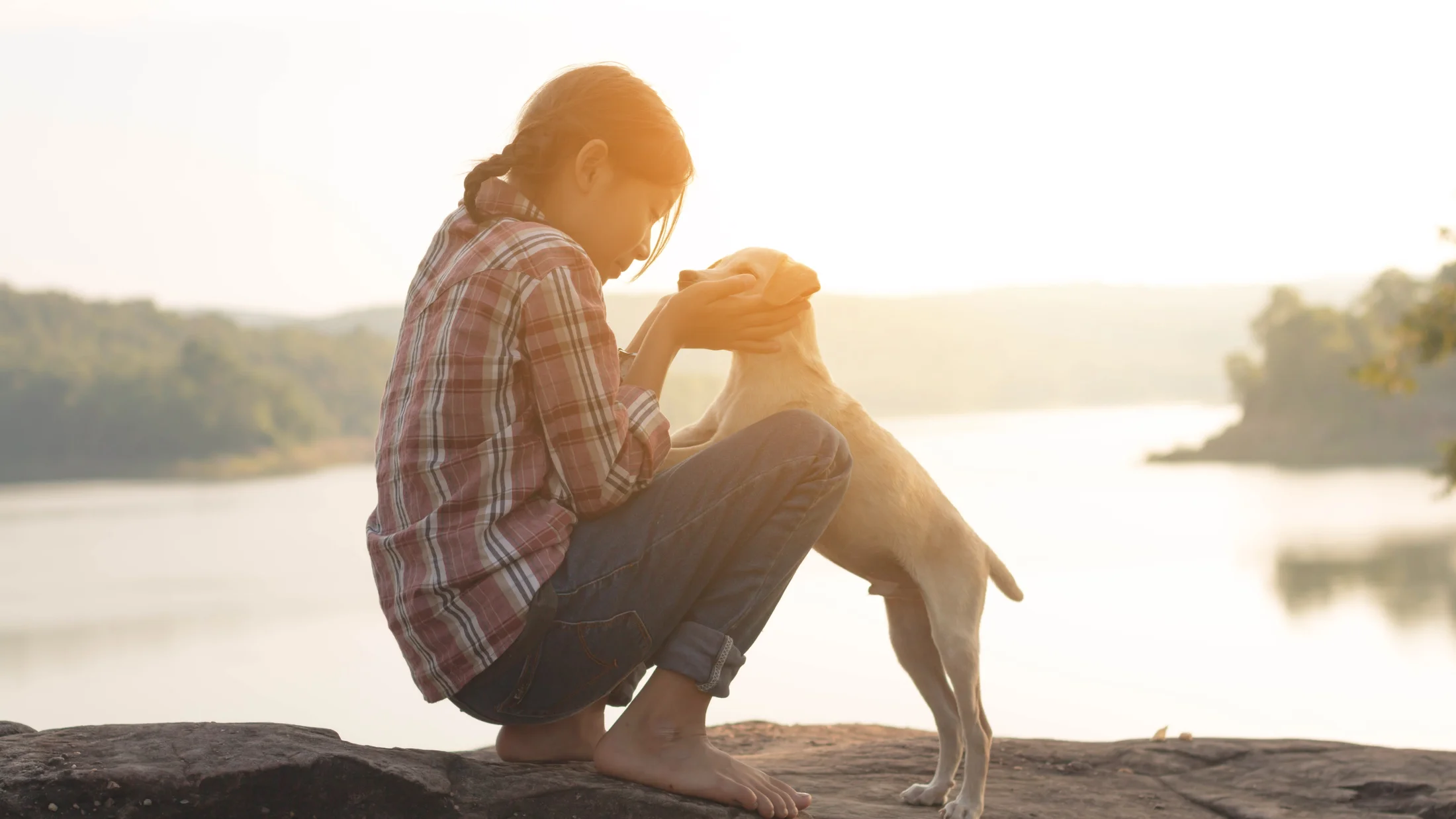
Why Pet-friendly Rural Escapes Are Worth Planning
Traveling with dogs in rural Spain
You want weekends that include your dog, not workarounds that exclude them. Across Spain, pet-friendly getaways in Spain have grown fast as more travelers choose fresh air, quieter nights, and easy trails over crowded urban plans. Rural areas offer space, shade, water sources, and track networks that make dog-friendly rural trips Spain a simple, rewarding choice. Picture your dog’s nose lifting to pine on a cool morning.
The benefits are practical and emotional: fewer boarding costs, less pet stress, and more time outdoors for everyone. Spain’s countryside is stitched with signposted paths, gentle riverbanks, and farm lanes where you can walk at your own pace. Search terms you’ll see locally, like “vacaciones con perro España” and “rural pet-friendly destinations Spain,” reflect a clear shift toward trips that keep companions together. You’ll also find a growing supply of pet-friendly cottages Spain with fenced patios, tiled floors, and ground-level access.
This article gives you six carefully selected destinations that match real needs: safe paths, clear rules, reasonable prices, and welcoming hosts. In each profile you’ll find where it is, how to get there, typical costs, the best time to go with a dog, who will enjoy it most, and what to do day by day. We keep advice practical and current so you can choose quickly and travel with confidence.
How we chose these six places
We prioritized access by car or public transport, a solid offer of dog-friendly accommodation Spain (from rural houses to small hotels), and well-marked, dog-suitable trails. We looked for safety (shade, water points, terrain without extreme exposure), variety of activities, local hospitality, and good value in shoulder seasons. Each destination below applies those same, clear criteria.
Picuco te puede ayudar
Does something here catch your eye?
Tell us.
Write to us on WhatsApp or email: we answer questions, find the best options and help you sort out the booking.
1) Picos De Europa: Big Peaks, Big Trails, and Dog-friendly Villages
Sharp limestone, deep gorges, and stone hamlets make the Picos a classic mountain escape. The park spreads across Asturias, Cantabria, and León, with main gateways via the A-8 coast highway and the N-621/N-625 to Potes, Cangas de Onís, and Posada de Valdeón. On clear evenings, cowbells carry through the valleys like soft chimes.
-
Location and access:
- North entrances: Cangas de Onís (Lagos de Covadonga), Arenas de Cabrales (Cares Gorge)
- East/south: Potes and Fuente Dé (Liébana), Posada de Valdeón/Caín (León)
- Distances: Oviedo–Cangas de Onís ~75 km; Santander–Potes ~106 km
-
Budget snapshot (indicative):
- Lodging: 70–140 € per night in pet-friendly cottages and small inns
- Activities: free hiking; cable cars and taxis vary by route/operator
-
When to go with a dog:
- Late May–June and September–October for mild temps and less crowding
- Avoid heavy snow/ice seasons and midday heat in mid-summer
-
Ideal for: active walkers, confident dogs used to narrow paths.
What to do:
- Hike the Cares Gorge (Poncebos–Caín). It’s 12 km one-way (24 km return) along a carved ledge above the river; it’s iconic but exposed, so keep dogs on a short leash and step aside at narrow points. Carry water—springs can dry in late summer.
- Ride up to Fuente Dé (check pet policies with the operator in advance) for high-mountain panoramas and easy balcony walks near the upper station.
- Visit stone villages like Sotres, Potes, and Caín for local cheese (Cabrales, Liébana) and quiet evening strolls.
Rules and safety:
- National park norms require dogs on leash; grazing areas and wildlife crossings are common (source: Parque Nacional de los Picos de Europa, 2023). Tick protection, paw care on rocky terrain, and a basic canine first-aid kit are recommended. Local taxis, 4x4 transfers, and some rural hosts can advise on current trail conditions and shaded options.
Where to stay:
- Look for casas rurales that accept pets with ground-floor access and stone or tile floors. Many advertise enclosed patios—ideal for drying off after wet trails. Always confirm size limits and any per-night pet fees.
2) Ordesa Y Monte Perdido: Waterfalls, Valleys, and Clear Rules for Dogs
The Ordesa and Monte Perdido National Park anchors the central Pyrenees of Aragón, with Torla-Ordesa as the main hub. Summer shuttles typically run from Torla to the Ordesa Valley trailhead; outside peak dates, you can drive to the Pradera car park (check dates annually). In the beech woods, the hush is broken only by water stepping over rock.
-
Location and access:
- Province of Huesca, Aragón; gateway towns: Torla, Broto, Aínsa
- Main road:
N-260along the Ara River valley - Zaragoza–Torla ~160 km; Barcelona–Torla ~320 km
-
Budget snapshot (indicative):
- Lodging in Torla/Broto: 75–150 € per night; higher at peak
- Trails are free; shuttle bus fees vary by season
-
When to go:
- Spring and autumn for cooler temps, flowy waterfalls, and fewer crowds
- Summer mornings work if you start early; winter demands microspikes and caution
-
Ideal for: families, moderate hikers, dogs comfortable around people.
What to do:
- Classic out-and-back to Cola de Caballo via Gradas de Soaso (about 17–18 km RT, gentle grade). Dogs must stay leashed; frequent rest points and streams make it manageable.
- Explore side valleys (Añisclo, Escuaín) for quieter ravines and short balcony trails. Many routes intersect the
GR-11Senda Pirenaica for flexible segments. - Pick balcony viewpoints like Mirador de Calcilarruego (on the Faja de Pelay approach), always judging exposure with your dog’s temperament.
Rules and safety:
- Dogs must be on leash inside the national park (source: Parque Nacional de Ordesa y Monte Perdido, Gobierno de Aragón, 2023). Seasonal shuttle policies may require muzzles or carriers—confirm with the operator before travel. Bring a collapsible bowl, and avoid narrow cliff sections in wet or windy conditions.
Where to stay:
- Pet-friendly accommodation Spain is easiest in Torla, Broto, and nearby villages. Many small hotels and apartments accept dogs with advance notice; expect 5–15 € nightly pet fees. Start early to secure spring/autumn dates.
3) La Garrotxa Volcanic Zone: Shaded Paths and Gentle Crater Walks
Beech and oak shade, soft volcanic soils, and medieval villages define La Garrotxa in Girona province. The Parc Natural de la Zona Volcànica sits around Olot, with quick access via the A-26. In the Fageda d’en Jordà, light falls green and cool as if through stained glass.
-
Location and access:
- Girona province, Catalonia; base towns: Olot, Santa Pau, Besalú
- Barcelona–Olot ~110 km; Girona city–Olot ~55 km
-
Budget snapshot (indicative):
- Rural houses and small hotels: 80–150 € per night
- Trails free; parking at popular trailheads may be 2–5 €
-
When to go:
- Spring and autumn for mild temps and spectacular leaf color
- Summer mornings stay pleasant under canopy; winters are quiet and cool
-
Ideal for: families, first-time hikers, dogs loving shaded loops.
What to do:
- Walk the Santa Margarida volcano loop (around 5–6.5 km depending on start point) into the grassy crater where a small chapel sits.
- Explore Croscat’s ash slopes on signed itineraries; surfaces are gentle on paws.
- Wander the Fageda d’en Jordà on soft paths; keep to waymarked circuits to protect soils.
- Combine with visits to Besalú and Santa Pau for Romanesque bridges, local cheese, and hearty stews.
Rules and safety:
- Park rules require dogs on leash to protect wildlife and fragile volcanic soils (source: Parc Natural de la Zona Volcànica de la Garrotxa, Generalitat de Catalunya, 2023). Mud can linger after rain—bring a towel for paws before returning to your lodging.
Where to eat and stay:
- Many casas rurales that admit dogs list fenced gardens and ground-floor rooms; check policies on size, number of pets, and any cleaning fee. Terraces of village restaurants often welcome calm dogs; always ask and avoid peak lunch hours for space.
More outdoor activities in Spain
Find hiking, nature and active tourism across Spain on Picuco. Explore activities →
4) Sierra De Gredos: Big Horizons, Glacial Lagoons, and Stone Villages
The Sierra de Gredos, in Ávila (Castilla y León), offers granite peaks, glacial bowls, and high pastures. The Plataforma de Gredos trailhead sits above Hoyos del Espino via the AV-941, with easy parking except on peak weekends. The air up here smells of cold rock and dry thyme.
-
Location and access:
- Central Spain; best base towns: Hoyos del Espino, Navarredonda, Barco de Ávila
- Madrid–Plataforma ~175 km; Ávila–Plataforma ~70 km
-
Budget snapshot (indicative):
- Lodging: 70–140 € per night in rural inns and cabins
- Activities: free hiking; guided ascents/4x4 access priced by provider
-
When to go:
- Late spring (May–June) for snowmelt and flowers; early autumn (Sep–Oct) for dry, clear days
- Summer brings heat at low altitudes; start early for cool conditions
-
Ideal for: adventurous walkers, fit dogs used to granite and altitude.
What to do:
- Walk to the Laguna Grande from the Plataforma (roughly 12–13 km RT, 500–600 m gain). It’s well signed and popular—keep dogs close on narrow granite steps.
- Experienced parties can plan the long, demanding loop to Cinco Lagunas or attempt peaks like Almanzor (2,591 m) only with proper gear and caution—dogs should be agile and sure-footed.
- Explore quieter valleys near Navalperal de Tormes or the pinewoods around Navarredonda on signed local paths; parts of the
GR-10cross the range for multi-day planners.
Rules and safety:
- As a protected regional park, Gredos requires leash control around livestock and nesting zones (source: Parque Regional de la Sierra de Gredos, Junta de Castilla y León, 2024). Granite slabs heat quickly under sun—pack extra water, booties for sensitive pads, and rest in shade at midday.
Where to stay:
- Many accommodations that admit pets offer ground-floor rooms and easy outdoor access. Confirm parking by the door and any garden fencing, plus pet fees and deposit rules. Hosts often provide local, dog-suitable route tips to avoid crowded trails.
5) Rías Baixas and O Grove: Sea Breezes, Boardwalks, and Off-season Beaches
On Galicia’s Pontevedra coast, the Rías Baixas combine estuaries, pine-backed dunes, and fishing towns like O Grove. Access is simple via the AP-9 to Pontevedra and local roads toward Sanxenxo/O Grove. Salt on the wind and the hush of dune grasses make evening walks unhurried.
-
Location and access:
- O Grove peninsula and A Lanzada area; nearby bases: Sanxenxo, Cambados, Illa de Arousa
- Santiago–O Grove ~75 km; Vigo–O Grove ~70 km
-
Budget snapshot (indicative):
- Lodging: 60–110 € low season; 100–200 € high season (July–August)
- Boardwalks and trails free; boat trips priced by operator
-
When to go:
- Spring and September offer mild weather and fewer crowds
- Summer can be hot midday; walk early/late and seek shade
-
Ideal for: sea lovers, beach-strolling dogs, food-focused travelers.
What to do:
- Stroll the wooden walkways of A Lanzada’s dunes for a gentle, sandy loop that’s easy on paws.
- Seek designated dog beaches signposted by local councils; examples in Pontevedra province include areas around Vigo (A Calzoa/A Foz) and O Grove (O Espiño/Mexilloeira) where municipal bylaws allow dogs under certain conditions—confirm current rules before you go.
- Explore seafood markets and simple marisquerías; many terraces welcome calm dogs outside peak lunch hours.
- Try low-tide shore walks on the Illa de Arousa coastal path; rinse paws after salt and sand.
Rules and safety:
- Beach rules are municipal: some allow dogs year-round in signed zones, others only off-season or at specific hours (source: local concellos, 2024). Keep a short leash near families and nesting birds, carry fresh water, and use shade breaks.
Where to stay:
- Hotels that admit pets in Spain are common on this coast; check weight limits, per-night fees, and whether pets can be left briefly in rooms. Ground-floor bungalows and cottages with patios work best after sandy days.
6) Arribes Del Duero: River Canyons, Quiet Hamlets, and Big-sky Viewpoints
Straddling Zamora and Salamanca along the Portuguese border, the Arribes del Duero cut a deep granite canyon with calm villages above. Main access leads from Zamora, Salamanca, or Vitigudino toward Aldeadávila, Fermoselle, and Miranda do Douro. The canyon air smells faintly of warm rock and thyme.
-
Location and access:
- Castilla y León; bases: Aldeadávila de la Ribera, Fermoselle, Pereña de la Ribera
- Salamanca–Aldeadávila ~100 km; Zamora–Fermoselle ~60 km
-
Budget snapshot (indicative):
- Lodging: 60–120 € per night in rural houses and small hotels
- Boat trips: prices vary by operator; trails are free
-
When to go:
- Spring and autumn for mild temps, flowers, and golden vines
- Summers can be very hot; winters are crisp and quiet
-
Ideal for: photographers, couples, calm dogs that like scenic rambles.
What to do:
- Visit classic viewpoints: Mirador del Fraile (near Aldeadávila dam), Picón de Felipe, and the cliffs near Pereña for sunset. Keep dogs well leashed near any drop-offs.
- Walk riverbank and plateau tracks on signed local routes, with sections overlapping the
GR-14(Senda del Duero) in places. - Take a Douro cruise from Spanish or Portuguese operators—some accept small dogs by prior arrangement; call ahead to confirm.
- Explore wine villages like Fermoselle for stone alleys and small cellars.
Rules and safety:
- It’s a protected natural park: dogs must be on leash, and cliff edges demand extra caution (source: Parque Natural Arribes del Duero, Junta de Castilla y León, 2024). Carry plenty of water and avoid midday heat in summer.
Where to stay:
- Look for pet-friendly cottages Spain with enclosed courtyards. Hosts here are used to travelers with dogs and can point to shaded riverside loops and quiet picnic spots.
Map of the Six Dog-friendly Locations
Make your planning visual with a simple map marking all six spots. You can create a Google My Maps layer with pins and notes, using approximate centers: Picos de Europa 43.187°N, -4.817°W; Ordesa 42.642°N, -0.063°W; La Garrotxa 42.146°N, 2.477°E; Gredos 40.254°N, -5.300°W; O Grove 42.496°N, -8.867°W; Arribes 41.219°N, -6.617°W. Add distances between bases and links to park pages and local tourist offices. A single map helps you pair destinations on a longer road trip.
Practical Tips for Choosing Pet-friendly Stays
Choose lodgings the way you choose a trail: match conditions to your dog. Spain’s mix of casas rurales and small hotels that admit pets covers nearly every budget, but rules vary. Fresh bread from the village bakery and a fenced patio make mornings calmer for everyone.
Key criteria to check:
- Admission policies:
- Size/weight limits; breed policies spelled out
- Max number of pets per room
- Fees and deposits:
- Nightly pet fee (commonly 5–15 €) and any refundable deposit (often 50–100 €)
- Cleaning surcharges for long stays
- Practical comforts:
- Ground-floor access and hard floors
- Enclosed yard or balcony; nearby green space for quick walks
- Bowls, spare towels, and a hose for muddy paws
- House rules:
- Supervision required; whether pets may be left alone and for how long
- Zones off-limits (pool area, breakfast room)
- Documents and safety:
- Vaccination record, microchip, ID tag with phone
- Liability insurance if required by the host
Before you book, read reviews that mention dogs, focusing on noise levels, nearby walks, and host flexibility. Message the host with two direct questions: “Where is the nearest morning walk?” and “What do other guests with dogs usually do for dinner?” Clear answers reveal how truly pet-friendly they are. If you want curated options, explore carefully selected pet-friendly cottages and rural stays on Picuco.
Frequently Asked Questions
Are dogs allowed in Spanish national and Natural parks?
Yes, in many parks, but rules vary. National parks like Ordesa and Picos require dogs on leash at all times; some fragile areas and shuttle systems have extra conditions (source: Organismo Autónomo de Parques Nacionales, 2023). Always verify on the park’s official site before your trip.
What should I pack for dog-friendly hiking trails in Spain?
Bring a short, sturdy leash, water and bowl, waste bags, tick protection, a basic first-aid kit, and booties for hot rock or rough gravel. For longer routes, add a towel and an insulating layer in shoulder seasons.
Can my dog travel on trains and buses in Spain?
Policies differ by company and service. On many long-distance trains, small pets up to a set weight travel in carriers; regional and Cercanías often accept leashed dogs, sometimes with a muzzle (source: Renfe, 2024). Buses vary—check your operator (e.g., ALSA) in advance.
What are typical extra costs in pet-friendly accommodation?
Expect 5–15 € per night per dog and, occasionally, a 50–100 € refundable deposit. Some places waive fees in low season or for small dogs—ask politely when booking.
How do beach rules work for dogs in Galicia and other coasts?
They’re set by each municipality. Many beaches allow dogs off-season or in signed year-round zones; hours may apply in summer. Check the Concello website before you go and respect lifeguards’ guidance.
How can I keep my dog safe in the car on rural roads?
Use a crash-tested harness attached to seatbelt points, or a secured crate. Spain’s DGT requires that pets do not interfere with driving; keep fresh water and plan shade stops (source: Dirección General de Tráfico, 2023).
Are there simple ways to find rural pet-friendly destinations Spain?
Yes—combine official park pages with local tourism sites and search terms commonly used in Spain, like “vacaciones con perro España.” Reviews that mention fenced gardens and nearby walks are especially useful.
What etiquette should I follow in rural lodgings and villages?
Keep dogs leashed near livestock, clean paws before entering, and avoid leaving pets alone if they may bark. Greet hosts and neighbors; the people who live and work here keep these landscapes welcoming.
Plan Your Next Escape With Your Dog
You now have six places where scenery, clear rules, and warm hospitality align. If you love mountains, Picos, Ordesa, Gredos, and La Garrotxa bring shade, altitude, and outstanding trails; if sea air calls, Rías Baixas and O Grove add boardwalks and off-season beaches; for quiet drama, Arribes gives sunsets over granite cliffs. A dog’s content sigh after a day outside is the best review you’ll get.
Choose by your style—beach, mountain, relaxed rambles, or big days out—and confirm local rules before you go. Pack water, leash, ID, and patience for shared places. For stays that fit both budget and paws, check availability in pet-friendly cottages and small hotels across Spain and save the dates before the next long weekend fills. Travel kindly: greet locals, step aside on narrow paths, and leave every trail cleaner than you found it.