The essentials of La Tranquera Reservoir

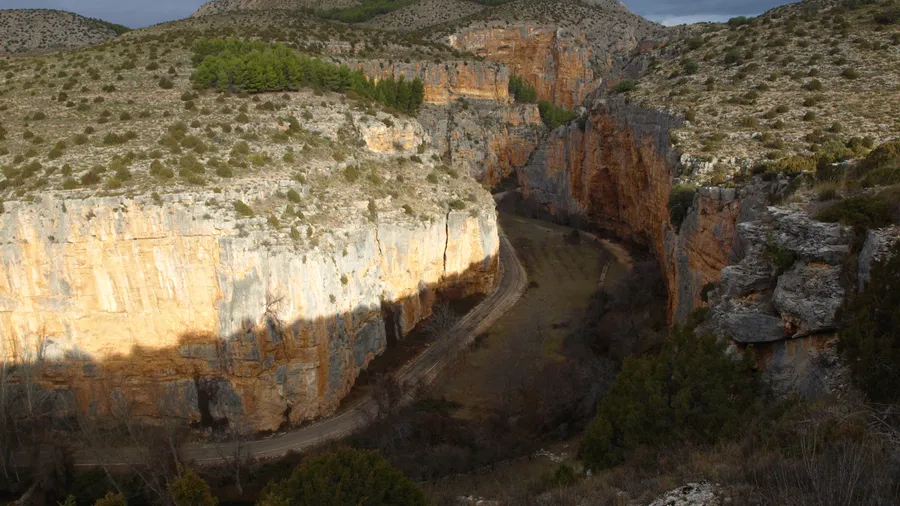
  • • Limestone canyon of the Piedra River with turquoise waters and an inland fjord atmosphere
  • • Monastery of Piedra about 3 km away: a park of waterfalls and the 50 m Cola de Caballo
  • • Highly prized reservoir for fishing: carp, barbel, largemouth bass, and pikeperch
  • • Summer swimming and non-motorized boating: kayak, canoe, sailing, and windsurfing
  • • Nuévalos and its castle, which resisted Peter I of Castile in the War of the Two Peters

Description

The La Tranquera Reservoir impounds the Piedra River at the westernmost edge of the Calatayud region, between Nuévalos, Carenas, and Ibdes, in the province of Zaragoza. The dam, a concrete gravity structure, was completed in 1960 to regulate irrigation in the Jalón valley, and today it holds a water volume of approximately 84 cubic hectometers and 536 hectares, managed by the Ebro Hydrographic Confederation.

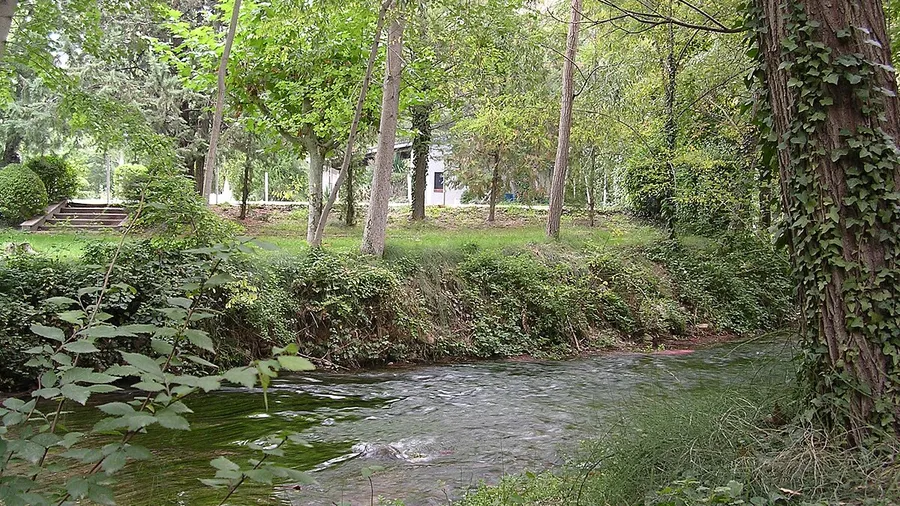
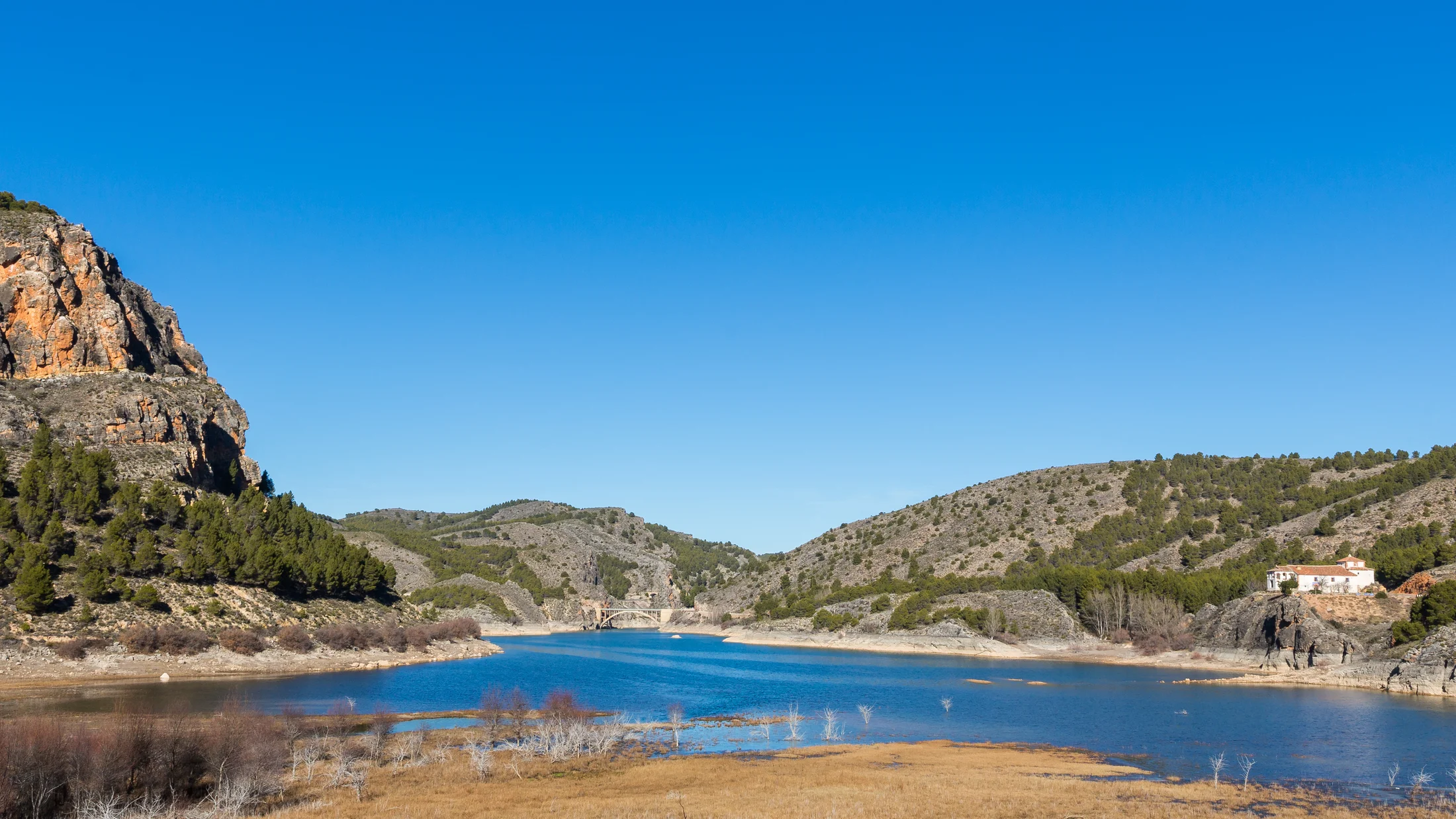
What makes La Tranquera special is the landscape. The water occupies a limestone canyon of the Sistema Ibérico and takes on a blue-green color that, on still days, reflects the rock cliffs and the riparian vegetation—poplars, aspens, and ash trees—with mirror-like clarity. The reservoir stretches in narrow arms between the walls, and navigating it or walking along its shores feels somewhat like an inland fjord, a type of landscape uncommon deep inland.

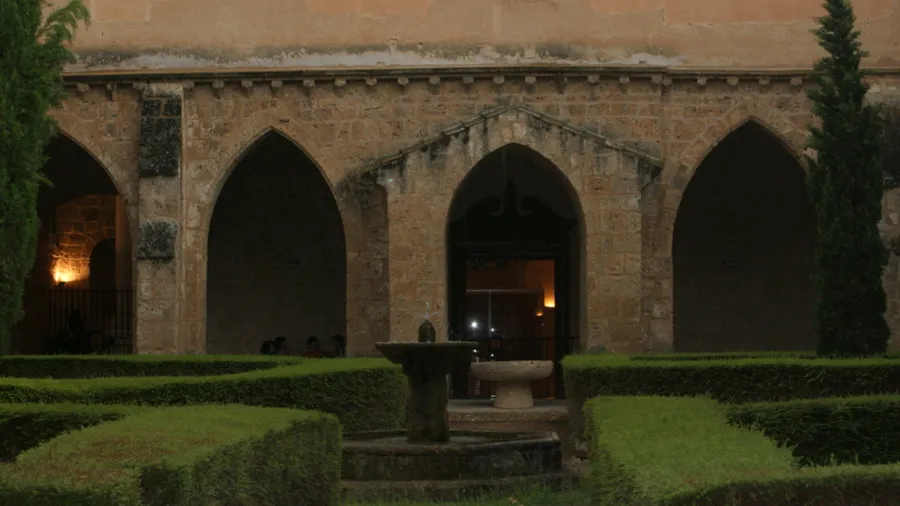
Less than three kilometers away lies the Monasterio de Piedra, one of Aragon's great attractions: an ancient Cistercian monastery surrounded by a park of waterfalls where the Piedra River plunges through grottos and leaps, with the 50-meter Cola de Caballo being its most iconic feature. This proximity has turned the reservoir's surroundings into a destination for nature and heritage getaways.

In the water, one can swim during the summer and practice non-motorized navigation—kayaking, canoeing, sailing, and windsurfing—freely, using one's own equipment. It is also a highly valued reservoir for fishermen: its waters yield carp, barbel, black bass, and pikeperch, and fishing is permitted with a license from the Autonomous Community of Aragon.

The setting is completed by small stone villages. Nuévalos, situated on the Piedra River, preserves remains of its medieval castle, linked to the Order of the Holy Sepulchre of Calatayud since 1156 and famous for having withstood the siege of Pedro I of Castile during the War of the Two Peters. Around it, the region gathers Mudéjar heritage, wineries from the Calatayud Denominación de Origen, and a simple mountain cuisine, with charcoal-grilled meat as the signature dish.
Practical information for La Tranquera Reservoir

Everything you need to know for your visit to La Tranquera Reservoir

How to get there
From Zaragoza, A-2 to Calatayud and the regional road towards Nuévalos (about 115 km, 1 h 15 min). From Madrid, A-2 to the Alhama de Aragón exit and then to Nuévalos (about 230 km, 2 h 30 min). During the season, there is a bus from Calatayud to Nuévalos. Access to the reservoir and bathing area is via Nuévalos.
Area Information
Calatayud region, west of the province of Zaragoza, in the Piedra river valley. The riverside municipalities are Nuévalos, Carenas, and Ibdes. The main attraction of the area is the Monasterio de Piedra, about 3 km away, and much of the tourism revolves around it; in the villages, there are hostels, rural houses, and restaurants serving simple cuisine, with grilled meat as the staple dish. About twenty kilometers away are the Calatayud Denominación de Origen wineries and the Jaraba spa.
Geography
Limestone canyon of the Piedra River in the Sistema Ibérico, Calatayud region (Zaragoza). Reservoir of about 84 hm³ and 536 ha in area, with the water sheet nestled between rock walls. Concrete gravity dam, finished in 1960. Karst relief of limestones, with cliffs over the water.
Flora & Fauna
Riparian vegetation—poplar, aspen and ash—on the banks, with holm oak and Mediterranean scrub on the slopes. On the limestone cliffs, rupicolous birds nest, such as the griffon vulture and peregrine falcon. In the water, continental fishing species: carp, barbel, black-bass and pikeperch.

Things to do in La Tranquera Reservoir

Find the best plans and things to do in La Tranquera Reservoir

What to see in La Tranquera Reservoir

Discover the must-see sights in La Tranquera Reservoir

Accommodations in La Tranquera Reservoir

Best accommodation options in La Tranquera Reservoir

Frequently asked questions about La Tranquera Reservoir

Get answers about La Tranquera Reservoir

Swimming in summer, fishing, and non-motorized water sports: kayaking, canoeing, sailing, and windsurfing. It is a great place to spend a day in nature and combine it with a visit to the Monasterio de Piedra, located about 3 km away. Boating and swimming are self-service, so it is advisable to bring your own equipment.
Yes. The reservoir is well-known among fishermen: it has carp, barbel, largemouth bass, and pikeperch, among other species. A fishing license from the Autonomous Community of Aragón is mandatory, which can be obtained online. It is advisable to check the fishing periods and regulations for each season.
Yes, in summer. The most accessible swimming area is next to Nuévalos; it is a natural gravel shore with free access. The reservoir water remains cool even in the warm months. It is swimming in a natural setting without facilities, ideal to combine with a picnic day.
General admission to the park and monastery is around €16 for adults (2025), with reduced rates for children and seniors. The visit lasts between 2 and 3 hours and includes the waterfall route, the cloister, and the gardens. In summer, it is advisable to book online. It is about 3 km from the reservoir.
In Nuévalos and nearby villages—Carenas, Ibdes—there are hostels, rural houses, and restaurants serving simple cuisine, with grilled meat being a staple. About twenty kilometers away are the wineries of the Calatayud DO. During high season, it is advisable to book accommodation in advance.