The essentials of Sierra de Cantabria

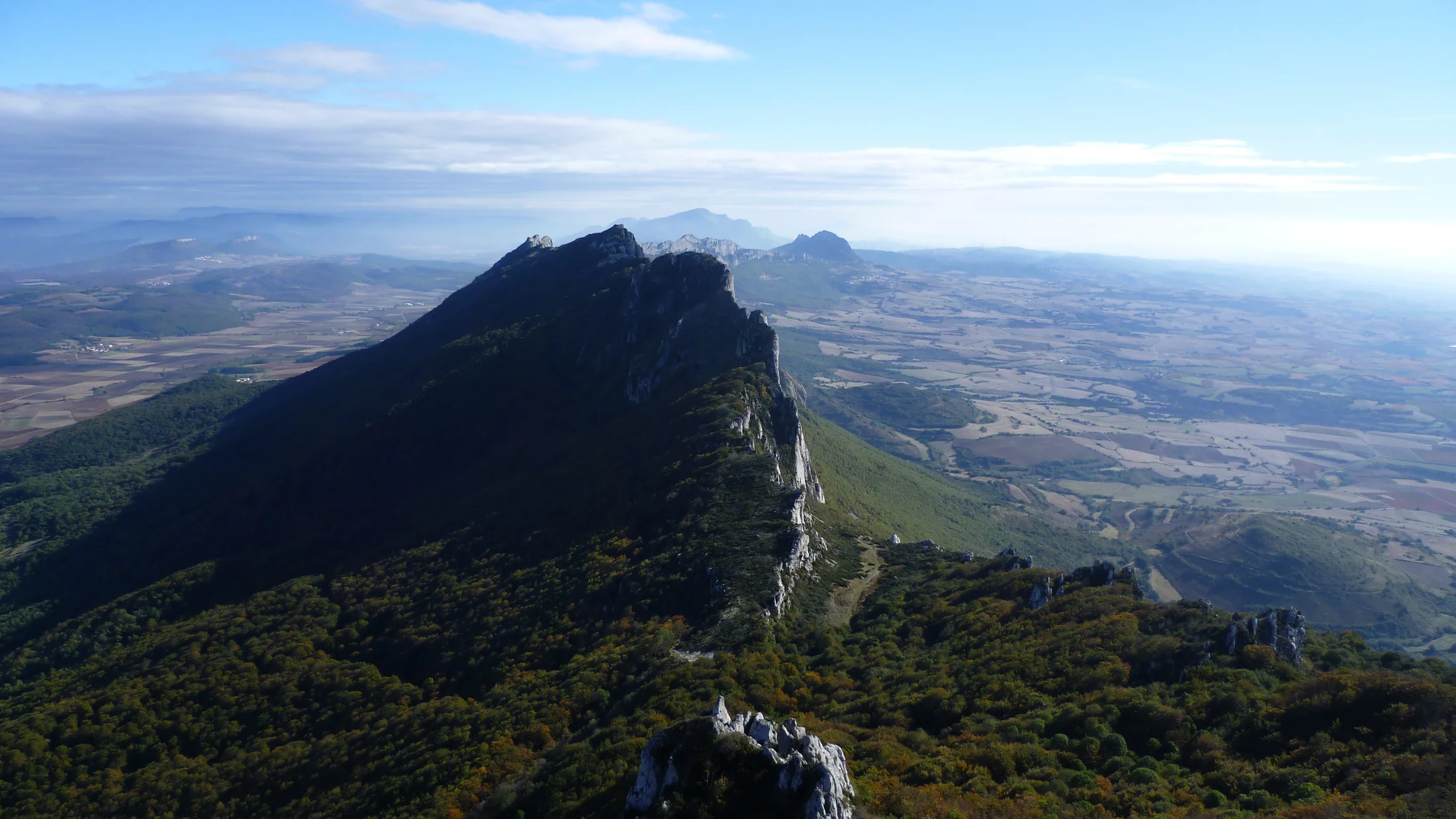
  • • Toloño summit at 1,454 m with simultaneous views of the Ebro and the Álava plains
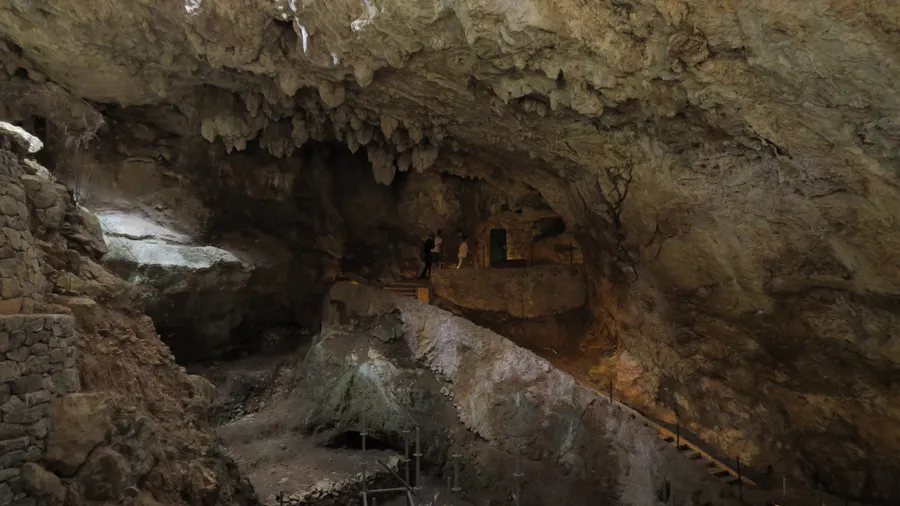
  • • Ninth-century cave chapel of the Virgen de Toloño, destination of a May pilgrimage
  • • Full GR-38 ridge traverse in 3 stages with mountain refuges
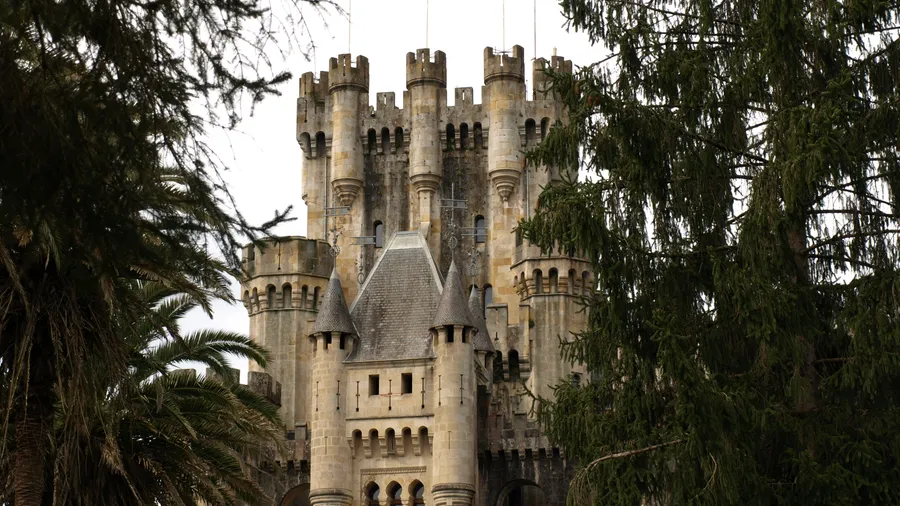
  • • Frank Gehry's Marqués de Riscal winery in Elciego at the foot of the sierra
  • • Atlantic beech and oak woodland with spectacular autumn colour

Description

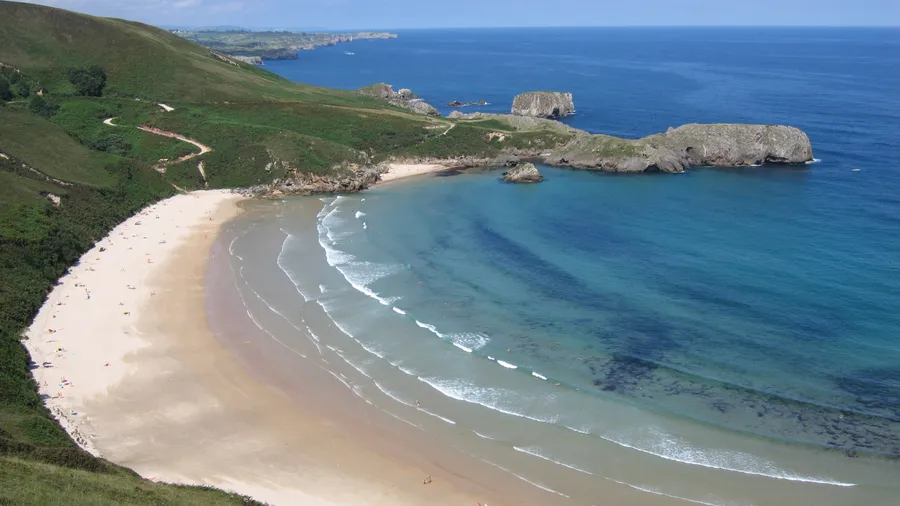
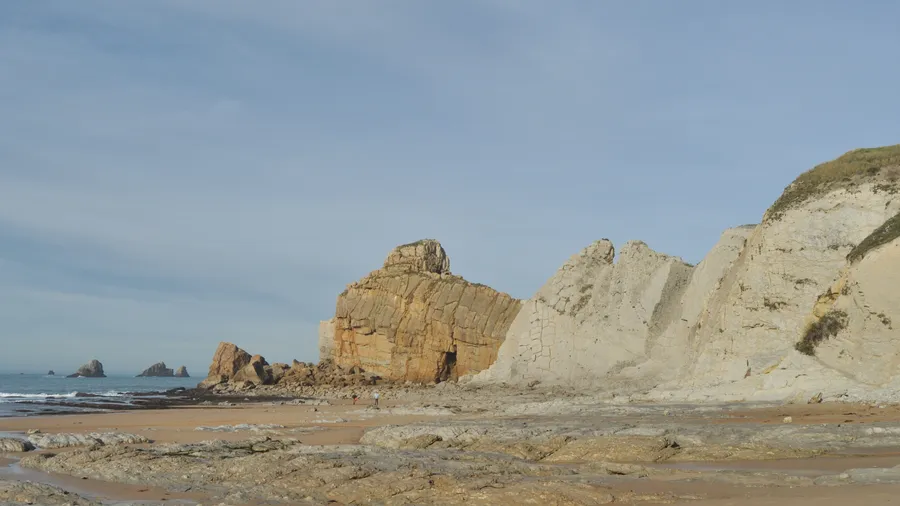
The Sierra de Cantabria is a mountain range forming a natural boundary between La Rioja and the Basque Country, running roughly 40 kilometres east to west from the Álava border to the upper Ebro. Its summits range from 900 to 1,454 metres at Toloño, the highest point, and create a decisive climatic barrier: the northern, Basque slopes receive Atlantic influence with over 1,200 mm of annual rainfall, while the southern, Riojan slopes open to a continental Mediterranean climate with hot summers and under 500 mm of rain. This dual character explains the diversity of landscapes visible from any point along the ridge.

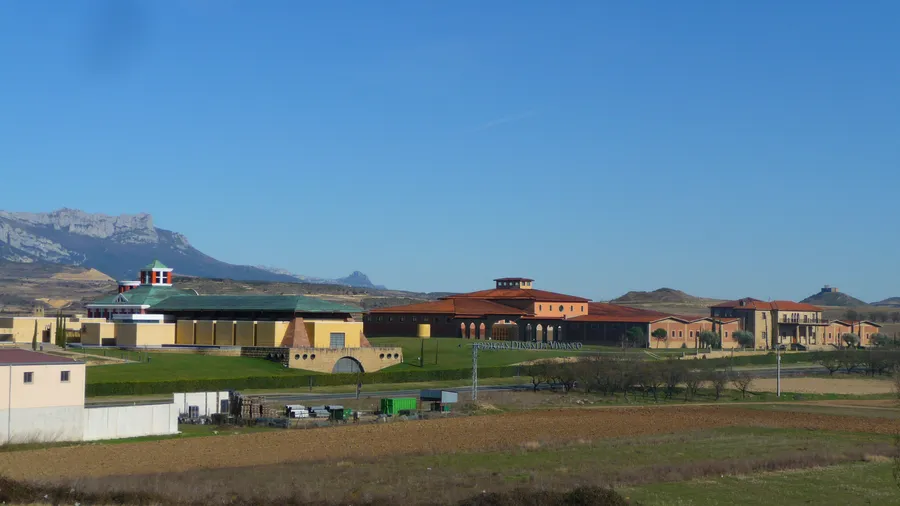
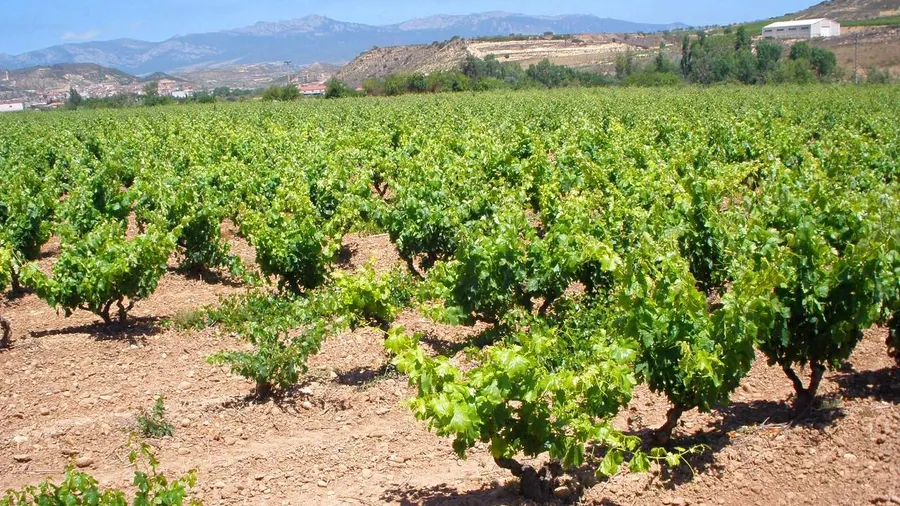
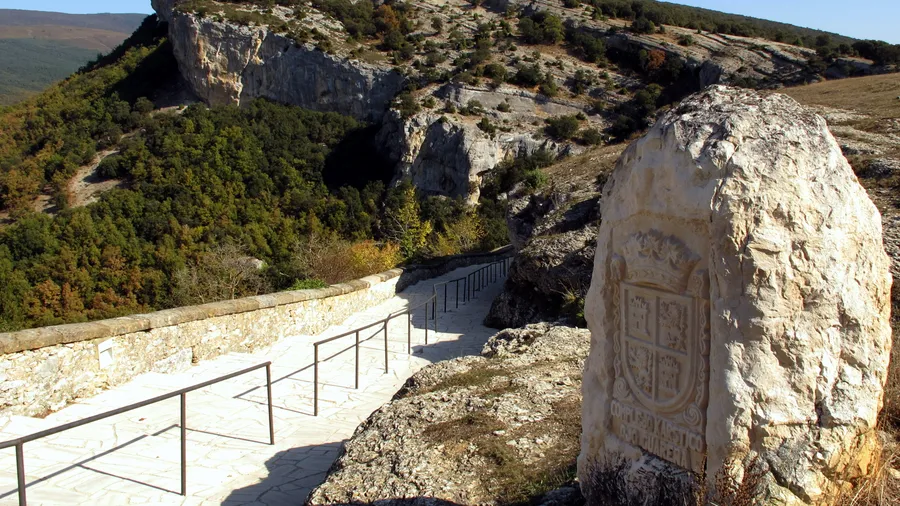
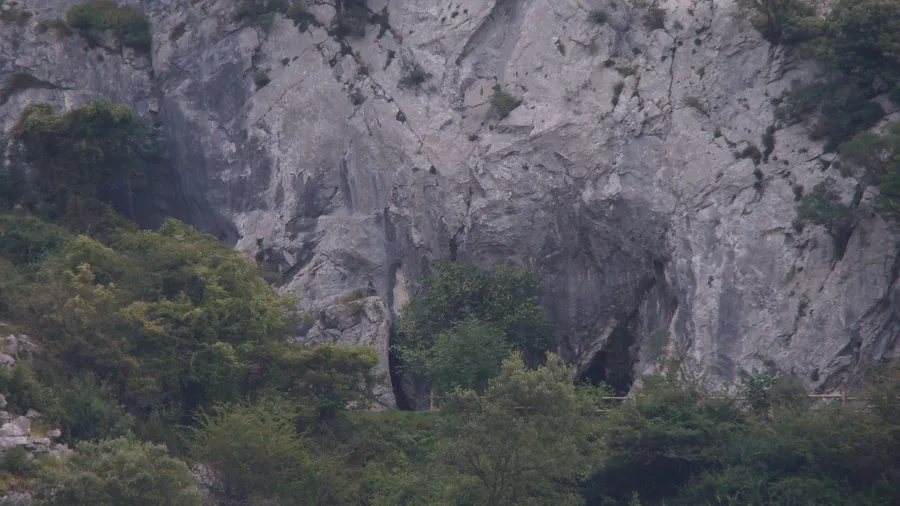
The sierra's human history is long and legible on the ground. The crags of Toloño shelter a ninth-century cave chapel dedicated to the Virgin of Toloño, the destination of an annual pilgrimage in May that draws hundreds of walkers from Labastida and other Rioja Alavesa villages. On the southern slopes, the wineries of Laguardia, Elciego, and Samaniego have for centuries exploited the sierra's protection from northern winds to cultivate vineyards ranked among the finest in the Rioja DOCa. The vertical journey from vineyard to wooded summit compresses several centuries of coexistence between livestock farming, viticulture, and forestry.

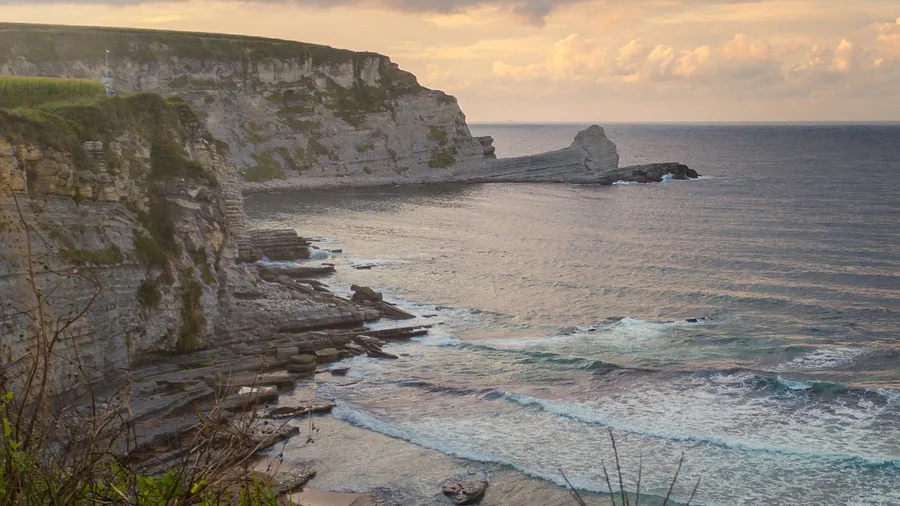
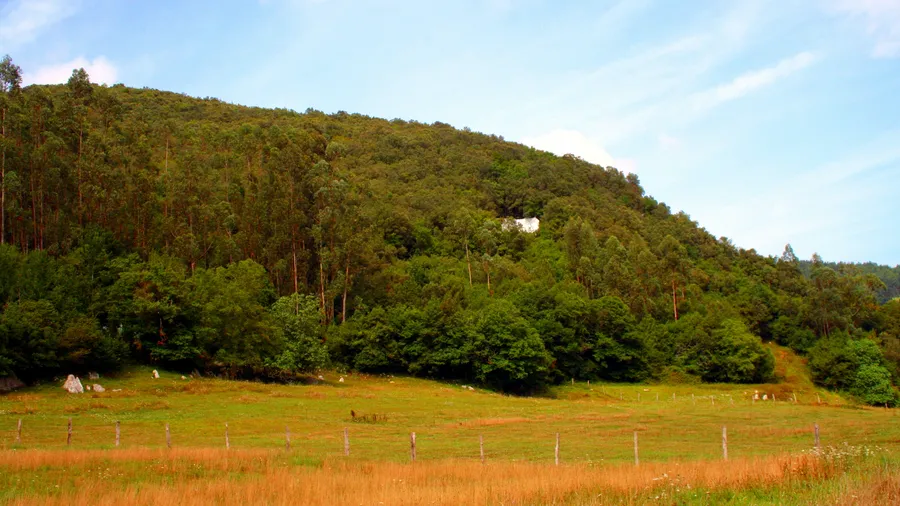
The northern slopes are dominated by beech forest (Fagus sylvatica) and sessile oak woodland (Quercus petraea) that turn gold and copper in autumn. The southern side transitions to holm oak (Quercus ilex subsp. ballota), kermes oak (Quercus coccifera), and broom scrub, with Spanish gorse (Genista hispanica) on the higher reaches. Wildlife includes roe deer (Capreolus capreolus), wild boar (Sus scrofa), griffon vulture (Gyps fulvus) — easily spotted riding thermals — and the Aesculapian snake (Zamenis longissimus), a species of restricted range on the Peninsula. The limestone crags host Alpine swift colonies (Apus melba) through the summer.

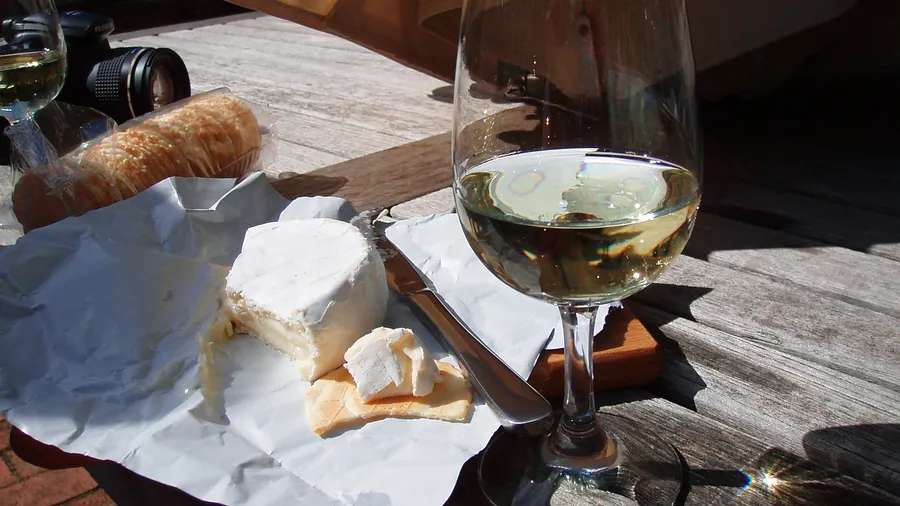
The most popular activity is long-distance hiking: the GR-38 crosses the crest from east to west and can be done in three stages using the Toloño and Conchas refuges. The ascent from Laguardia (800 m elevation gain over 10 km) and the route from Peñacerrada are the most-travelled approaches. Gastronomy is an equally strong draw: Rioja Alavesa wine, milk-fed lamb, pacharán sloe liqueur, and artisan cheeses from local farms can be combined with visits to architecturally striking wineries in Elciego (Marqués de Riscal, designed by Frank Gehry) and Laguardia. Wine-country hiking routes that descend from forest to high-altitude vineyards are the region's most distinctive offering.
Practical information

Everything you need to know for your visit to Sierra de Cantabria

How to get there
From Logroño, take the AP-68 to Haro, then the A-124 to Laguardia (65 km, 50 min). From Vitoria-Gasteiz, the A-3204 reaches Laguardia in 40 km (35 min). Bus service Vitoria-Gasteiz–Laguardia (Álava Bus line A9, 4 daily services on weekdays).
Area Information
Toloño refuge (capacity 20, open weekends) and Conchas refuge. Picnic area at Collado de Bernedo. Tourist offices in Laguardia and Peñacerrada provide maps and trail information.
Geography
E-W alignment of about 40 km; summits between 900 and 1,454 m (Toloño). Gentle north slope with dense woodland; abrupt south-facing slopes above the Ebro valley and Rioja Alavesa.
Flora & Fauna
Beech (Fagus sylvatica) and sessile oak woodland to the north; holm oak and broom scrub to the south. Roe deer, wild boar, griffon vulture, Aesculapian snake (Zamenis longissimus), and Alpine swift (Apus melba) colonies on limestone crags.

Things to do

Find the best plans and things to do in Sierra de Cantabria

20

Accommodations

Best accommodation options in Sierra de Cantabria

Loading accommodation options...

Frequently Asked Questions

Get answers about Sierra de Cantabria

Yes, and it is one of the most popular combinations in the area. The route from Laguardia to the Collado de Valdegobia (return, about 4 hours) allows you to be back before lunch. Wineries in town such as Ysios or Señorío de San Vicente offer afternoon tours with short notice, especially outside peak season.
Only if you want to complete the full ridge traverse (about 40 km). The Toloño and Conchas refuges allow it to be split into three comfortable stages. If you prefer day circular routes, both Laguardia and Peñacerrada offer 10–18 km options that require no overnight stay on the mountain.
The northern-slope beech forests typically change colour in the second half of October and the first week of November, depending on temperatures. Clear days after the first frosts produce the most photogenic conditions: raking morning light against intense golden tones with darker oaks that have not yet turned providing contrast.
There are no inhabited buildings within the sierra itself. The closest rural accommodation is concentrated in the Rioja Alavesa villages — Laguardia, Labastida, Samaniego — where you'll find guesthouses and small hotels with their own wine cellars. Peñacerrada, on the north side, also has a few rental houses suitable for groups.
The cave chapel is carved into the limestone about 200 metres below the summit. The path from the Toloño refuge is easy (15 min walk with no significant elevation change), though the final section requires care on wet limestone. No climbing gear is needed; trail shoes or hiking boots are sufficient.