1.Introduction: Why escape car-free from Madrid
Travel light and without a steering wheel opens up routes that traffic blocks. In Madrid, the network of Cercanías, Media Distancia, and intercity buses lets you plan car-free Madrid getaways focused on heritage, nature, and food. Daily services depart from Atocha, Chamartín, Moncloa, or Plaza Castilla. Cercanías Madrid has over 80 stations and carries hundreds of thousands of passengers daily according to Renfe 2024. Imagine the rumble of the train crossing the countryside as you read in peace.
You avoid tolls and parking fees, cut costs, and arrive in the historic center without stress. On weekends with events, the car-free alternative saves you circling for parking and gives you peace of mind if you return late. You also reduce emissions compared to a private vehicle (source: MITMA 2023). It’s perfect for families, short trips, or when you prefer walking and sitting on a terrace over driving.
In this guide, you’ll find how to get around (Cercanías, Media Distancia/Avant, and buses), where to sleep without a car, day and weekend destinations, and activities for all tastes. You’ll also get tips on schedules and tickets, ideas for families, and a final FAQ to answer common questions. Save this guide and choose your first getaway today.
Picuco te puede ayudar
Does something here catch your eye?
Tell us.
Write to us on WhatsApp or email: we answer questions, find the best options and help you sort out the booking.
2. Essential information: location, best time, and duration
Think in real door-to-door distances, not just kilometers. From central Madrid, 40–60 minutes gets you to Alcalá de Henares, Aranjuez, El Escorial, or Cercedilla; 30–35 minutes on the AVANT train reaches Segovia, and 33 minutes goes to Toledo (source: Renfe 2024). The area opens up to the Sierra de Guadarrama, the Sierra Norte, the Lozoya and Tiétar valleys, and neighboring provinces like Segovia, Ávila, Guadalajara, Toledo, and Cuenca, often with central stations.
Choose the station based on climate and light. Spring and fall are ideal for mountains and forests because of the temperature and colors; summer calls for reservoirs, villages with natural swimming pools, and local festivals; winter brings snow (Cotos, Navacerrada) and thermal or museum plans. Book ahead for long weekends, Semana Santa, and local holidays, when demand rises and schedules change.
Adjust the duration to your goal and energy. One day works for nearby cities with a compact historic center (Alcalá, Aranjuez), or nature that's easy to reach (Cercedilla); a weekend is productive in Segovia, Ávila, or Toledo for visits, walks, and long meals; on long weekends, extend to Cuenca or combine places like Segovia + La Granja or Rioja Baja via Media Distancia trains. Think in rhythms: fewer transfers, more time at your destination.
3.How to get there: Cercanías, regional trains, buses, and combinations
You travel better when you know the map of options. In Madrid, Cercanías is the commuter train integrated into the Regional Transport Consortium (CRTM) network; useful lines are: C-2 (Atocha/Chamartín–Alcalá de Henares/Guadalajara), C-3 (Atocha–Aranjuez) and C-3a (Atocha–El Escorial), C-8 (Chamartín–Cercedilla), and C-10 (Aeropuerto T4–Villalba). Frequency is typically every 15–30 minutes, and monthly/seasonal passes with current discounts are available (source: Renfe and CRTM 2024).
Regional Media Distancia and Avant trains connect heritage cities quickly and comfortably. Avant is a high-speed train for short journeys with assigned seating and mid-range prices: Toledo (33 min from Atocha), Segovia (30–35 min from Chamartín Clara Campoamor), or Ciudad Real; conventional Media Distancia reaches Ávila (~1 h 30) or Sigüenza (~2 h). Alvia/AVE bring you close to Cuenca (≈1 h) with mandatory reservation and dynamic fares.
Intercity buses cover valleys and towns without train stations with frequent departures from transport interchanges. ALSA, Avanza, Samar, Interbus, or lines managed by the Community of Madrid connect Buitrago del Lozoya, Chinchón, Manzanares el Real, Rascafría, or La Hiruela; buy online or at ticket counters and check exact stops at Plaza Castilla, Moncloa, Príncipe Pío, or Plaza Elíptica. For small towns, confirm the return schedule, which is sometimes in the afternoon.
Combining modes is easy if you leave buffer time. Do train + bus (Segovia + La Granja) or Cercanías + city bus (El Escorial + Valle de los Caídos) and calculate transfers with Renfe, CRTM, Moovit, Google Maps, or Rome2rio; save screenshots in case coverage fails. Check the last services of the day and have a backup plan.
4.Accommodation: central and rural options accessible without a car
Sleeping near the station multiplies your useful time. Hotels and hostels close to Atocha, Chamartín, or stations in small towns let you walk, drop your bag, and go out to dinner without rushing; in historic centers, you’re a step from museums and squares. Search for “near station” or filter by distance on the map and take advantage of non-refundable offers if your dates are firm.
The countryside also awaits you without needing to drive. Many rural houses, hostels, and small hotels are in towns with a bus stop or near a train station; check the actual distance to the stop (in minutes on foot) and ask if the accommodation offers a transfer or can coordinate a local taxi. Contact them via WhatsApp to finalize your arrival and communicate delays; you’ll be welcomed better.
Choose your location thinking about your feet and the services. Measure the meters to the stop, ask about local taxis, and check if there’s a supermarket, ATM, or pharmacy in the town; review flexible cancellation policies in case the weather changes. Use filters for “accessible,” “no elevator,” or “24-hour reception” if you’re traveling with a stroller or arriving late.
5. Recommended destinations (day and weekend trips)
Start with places with clear connections and intense experiences. From Madrid, in less than an hour you can step into World Heritage cities and cool valleys. In three hours you can reach canyons, beech forests, and medieval villages with just a backpack. You smell fresh bread leaving the station, knowing the whole day fits in your pocket.
Day trips (≤ 1 hour by public transport)
Alcalá de Henares. Take the Cercanías C-2 from Atocha/Chamartín, which takes 40–45 minutes. Walk around the University and the Cervantes House, with tapas on Calle Mayor. Ideal for literature, storks, and a well-marked historic center.
Aranjuez. Board the Cercanías C-3 from Atocha (45–55 minutes) and cross on foot the Prince's Gardens and the Royal Palace beside the Tajo River. Perfect for a picnic under shade trees and seasonal strawberries.
San Lorenzo de El Escorial. Take the C-3a to El Escorial (≈55–65 minutes) and then a local bus or walk to the Monastery and the Prince's House. A classic of architecture, views, and monastic silence in the lower sierra.
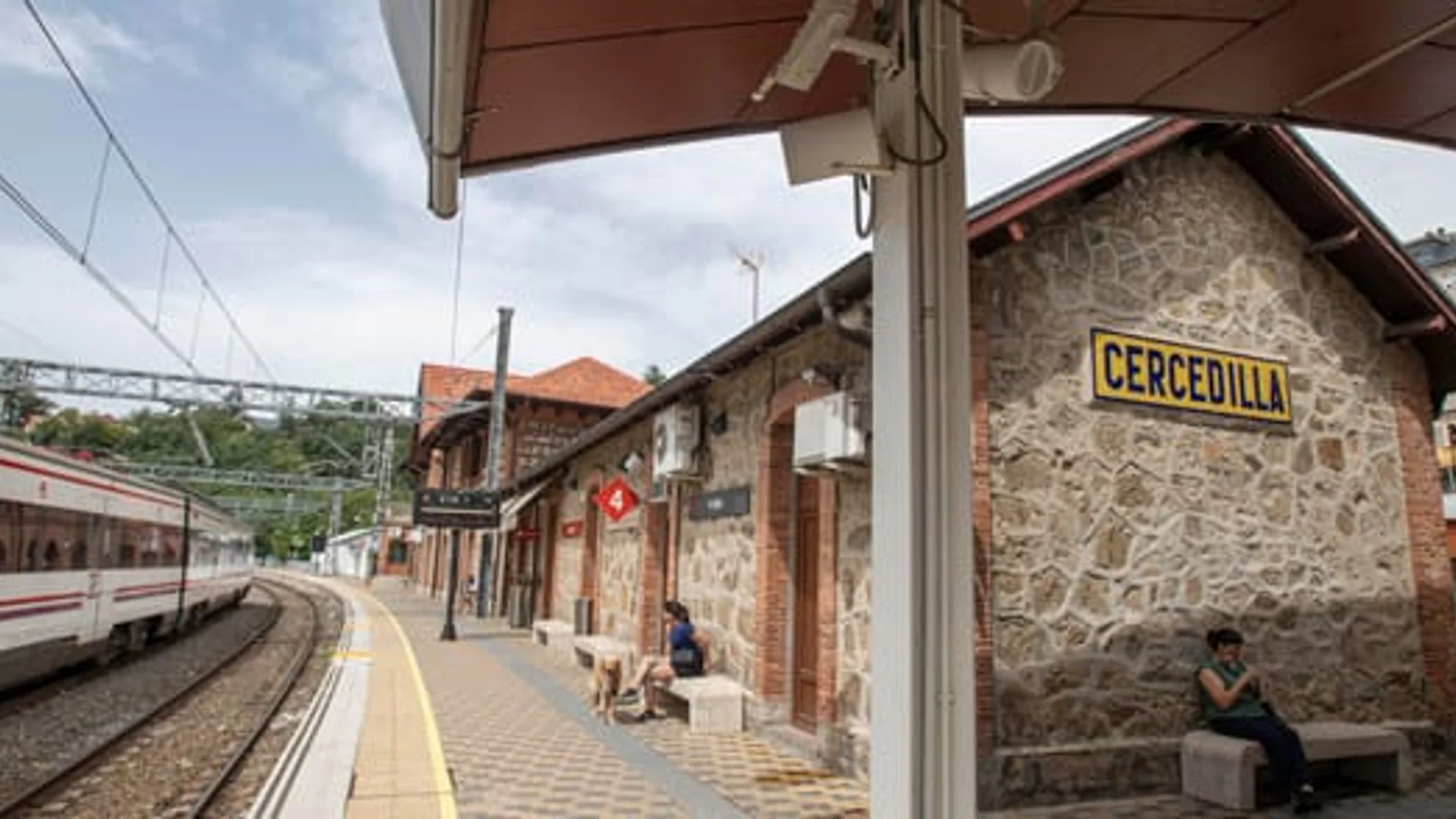
Cercedilla. Arrive on the C-8 to Cercedilla (≈1 hour 15 minutes). Walk along marked Roman roads or relax at wooden terraces. Accessible mountains on foot from the station with a village-in-the-hills feel.
Chinchón. Travel by bus from Conde de Casal or Plaza Elíptica (≈1 hour). Look over its arcaded main square, with anis liqueurs and roasted meats. Photogenic, close by, and full of small-town character.
Manzanares el Real. Take the 724 bus from Plaza Castilla (≈50–60 minutes). Visit the castle, with access to La Pedriza hiking trails from the village. Stone, water, and marked routes without a car.
Colmenar de Oreja. Bus from Conde de Casal (≈1 hour) to see its arcaded square, wine caves, and the Ulpiano Checa Museum. A pottery tradition and historic wineries.
Weekend trips (1–3 hours)
Segovia. Take the Avant from Chamartín (30–35 minutes), then a city bus to the aqueduct or a taxi; allow two days for the Alcázar, Cathedral, and old Jewish quarter, with a roast suckling pig lunch. Combine it with La Granja by bus.
Ávila. Media Distancia train from Chamartín (≈1 hour 30 minutes), then a short walk to the walls; a weekend for ramparts, convents, and roast meats. A golden sunset on Romanesque stone.
Toledo. Avant from Atocha (33 minutes), then the Alcántara Bridge is a 15–20 minute uphill walk; two days for the cathedral, synagogues, and El Greco. Wandering the streets is part of the plan.
Cuenca. AVE or Alvia train to Fernando Zóbel station (≈1 hour), then a city bus to the center; 1–2 nights for the Hanging Houses, gorges, and museums. Add a route through the Castle neighborhood at sunset.
Sigüenza. Media Distancia from Chamartín (≈2 hours) to the center; a weekend between its fortress-cathedral, castle, and medieval quarters. Bread with olive oil and slow walks.
Guadalajara. Cercanías C-2 (≈55–60 minutes) or Media Distancia, ideal for 24–36 hours: Infantado palace, parks, and tapas hopping. A good base for Brihuega during lavender season (extra bus needed).
La Granja de San Ildefonso. Take the Avant to Segovia + provincial bus (≈1 hour total local travel) for a weekend among gardens, fountains, and glass. Best when the water features are running.
Sepúlveda and the Hoces del Duratón. Take the Avanza bus from Moncloa to Sepúlveda (≈1 hour 45 minutes) as a base for canyon viewpoints and stone villages. Two days for Romanesque art and roasts.
Consuegra. Take the Samar bus from Plaza Elíptica (≈2 hours 15 minutes) for windmills and a castle, with La Mancha wines and wide horizons. Combine it with Orgaz if you have extra time.
Pedraza. Train to Segovia + provincial bus or shared taxi to Pedraza (≈1 hour additional). A walled village perfect for lighting candles in summer. A slow weekend among stone houses.
Nearby nature and hiking destinations
Sierra de Guadarrama. Reach Manzanares el Real on the 724 bus or Cercedilla on the C-8. Choose marked trails in La Pedriza, Siete Picos, or Fuenfría based on experience. Respect access quotas for sensitive areas. Good practice: start early and check weather reports.
Valle del Lozoya (Rascafría). Take bus 194 from Plaza Castilla. Walk through riverside forests or toward the El Paular Monastery. In summer, there are regulated swimming areas. Choose marked itineraries and avoid peak sun hours.
Hayedo de Montejo. Bus 191 to Montejo de la Sierra, then local transport to the Environmental Education Center. The beech forest requires a free permit with a daily quota (advance booking, Comunidad de Madrid). Visit in autumn or spring and follow the guided routes.
Valle del Tiétar (Ávila). Buses from Príncipe Pío (Samar) to Arenas de San Pedro. Then paths to pools, chestnut groves, and gentle viewpoints. The climate is milder year-round. Ideal for combining nature and white villages.
Charming villages and heritage sites near Madrid
La Hiruela. Bus 191/191B to La Hiruela. Walk through hill-village architecture, beehives, and traditional mills. Best in autumn or spring, with occasional local markets.
Buitrago del Lozoya. ALSA bus from Plaza Castilla (≈1 hour 15 minutes). Walk the river wall with the Picasso-Museum Eugenio Arias Collection. Don’t miss the riverside walk at sunset.
Patones de Arriba. Bus 197 to Patones de Abajo, then a well-marked uphill walk to the slate village center. Wear comfortable shoes. Visit on a weekday or early in the morning.
Rascafría. Bus 194 from Plaza Castilla. A pleasant town center beside the Lozoya river, with El Paular monastery and historic bridges. Best in spring and autumn, when the valley is green and quiet.
6. Main activities and attractions in each destination
Make a list, but leave room for surprise along the way. Options range from trails, viewpoints, and nature sports; to monuments with fixed hours; and tables where time is measured by long after-dinner talks. The fresh air on your face when you step off the train is the best guide.
Outdoor activities: routes, viewpoints, and sports
La Pedriza offers marked trails starting from Manzanares el Real with granite sections and viewpoints; take bus 724 and start at the La Pedriza Visitor Center. In Cercedilla, the historic paths of the Fuenfría run beneath pines and along Roman roads, with several well-marked variants from the station. For biking, rent in cities like Alcalá or Segovia and use nearby urban bike lanes and greenways, always respecting local rules.
Siete Picos and Cotos are high mountain landscapes accessible by bus in season, with marked itineraries and fast-changing weather; plan with official maps and avoid late departures in winter. In the Lozoya Valley, there are riverside walks, recreation areas, and regulated swimming spots, with controlled parking in summer and bus access. If you practice climbing or via ferratas, check permissions and local schools; prioritize equipped schools and avoid unofficial gear.
In canyons like the Duratón, the viewpoints of Sepúlveda and Villaseca offer panoramas of griffon vultures; respect nesting zones and signage. Wear shoes with grippy soles and windproof layers, and carry enough water; on hot days, choose shaded stretches and start early. Carry cash for rural taxis if you decide to cut the return short.
Important
This itinerary is for guidance only. Times and distances can vary depending on weather conditions, your fitness, and experience. Assess your abilities before starting the route. The mountains can be dangerous – always go prepared with the right equipment. We are not responsible for accidents or incidents.
Culture and heritage: guided visits, museums, and monuments
In Segovia, combine the Alcázar, Cathedral, and aqueduct with a guided tour that optimizes time and entry tickets; on Sunday afternoons, some museums are free. In Toledo, book the Cathedral and the Museo del Greco in advance and organize the old town by neighborhoods (Christian, Jewish, Mudéjar) to avoid backtracking. In El Escorial, the Monastery closes on some Mondays, and it’s best to arrive early to avoid queues.
Ávila shows its walkable city wall with accessible sections and seasonal hours; add the Cuatro Postes viewpoint at sunset. In Alcalá de Henares, visit the University, Corral de Comedias, and Casa de Cervantes, and consider a literature tour to get oriented. In Cuenca, the Hanging Houses and the Museum of Abstract Art stand in dialogue with the gorges, and the old town invites you to small museums with concentrated hours.
Remember that combined visits save money and steps if you group monuments by area. Check official websites for current schedules (Renfe, CRTM, and local tourism offices) and verify local public holidays. Bring headphones if you like audio guides and book time slots well ahead during holiday periods.
Local gastronomy: where to eat and typical dishes
Segovia invites you to try roast suckling pig and Segovian punch in traditional asadors, with set-price lunch menus at midday. Ávila boasts beef steak and Santa Teresa’s egg yolk sweets, plus “patatas revolconas” in bars across the city. In Toledo, look for carcamusas, marzipan, and stewed venison, with taverns on quieter side streets.
Alcalá de Henares is a land of courtesy tapas on Calle Mayor and Cervantine sweets; ask for the “tapa of the day.” In the mountains, roast lamb, migas, and artisan cheeses pair well with wines from Madrid and nearby La Mancha. Ensure a reservation on weekends and respect Spanish mealtimes: lunch 13:30–15:30 and dinner 20:30–22:30.
Activities for families and accessibility
Look for flat walks, interpretation centers, and areas with facilities. In Rascafría, the Monasterio de El Paular and the Bosque Finlandés offer easy routes; in El Escorial, gardens and walks without steep slopes are comfortable with a stroller. Urban parks like Alamedilla in Segovia or riverside areas in Aranjuez have bathrooms and picnic tables.
For accessibility, check monument information sheets: Ávila’s city wall has accessible sections, the Alcázar of Segovia offers some adapted routes, and several museums in Toledo have elevators. Cercanías and AVANT trains have reserved spaces and ramps; notify them if you need assistance at the station (Renfe’s Servicio Atendo). In summer, regulated natural pools and river beaches have lifeguards and walkways in high season.
7. Practical tips: tickets, schedules, luggage, and accessibility
Plan ahead and leave room for the unexpected. Buy AVANT/AVE tickets in advance for better prices, use Cercanías passes, and consider quarterly Media Distancia bonus passes (source: Renfe 2024). The CRTM Multi Card makes it easy to top up for intercity buses and metro; save your receipts on your phone.
Check the last trains and buses for your return trip before you leave. Allow 15–30 minutes for transfers between train and bus in intermediate cities, and review special holiday schedules; frequencies often drop on Sunday afternoons. Use Renfe, CRTM, Moovit, or Google Maps, and check the "Saturday/Sunday" tab to avoid surprises.
Carry a daypack, a light rain jacket, and sturdy footwear; include water and a snack. Keep your documents and tickets in a waterproof pouch, and write down local taxi numbers in case your plans change. If there are delays, request a delay certificate, review the change policy, and consider an alternative itinerary by bus or regional train.
8. Frequently asked questions (faq)
Where do I buy tickets and how do I combine transport? Buy AVANT/AVE/MD tickets at renfe.com or the app; Cercanías tickets at machines or with a pass. If you miss a connection, look for the next service and ask station staff; for bikes, Cercanías allows them for free during off-peak hours and some MD/Interurbanos services require a reservation or have limited spots (confirm with the company).
Is it safe to book far from the station and how do I coordinate check-in? Yes, if you verify the actual walking distance and local bus schedules; ask your accommodation about village transfers or taxis. Communicate your estimated arrival time and delay check-in if there's an issue; a video call can help locate the entrance without getting lost.
Which destinations are more accessible or suitable for a stroller and wheelchair users? Toledo, Segovia, and Alcalá have routes with ramps and adapted museums, although there are slopes and cobblestones; confirm access points. For families, prioritize riverside walks, parks, and interpretation centers with restrooms and shade; request Atendo assistance at stations if needed.
What do I do if it rains or there's a heat wave? Switch to indoor plans: museums, guided tours, churches, and restaurants with extended hours; carry a small umbrella. In peak season, book in advance, start early, and look for less crowded alternatives in the same area; Mondays are often quieter.
9.Conclusion and call to action
You've seen that nature, heritage, and good food fit in near Madrid without starting the car. Choose a destination based on your time, use the train and bus as your main options, and book in advance during peak seasons. Keep your plans flexible and let the trip set the pace.
Take the next step: pick a destination, buy your tickets, and save this guide for your next outing. Suggested mini-plan: Toledo on the AVANT on Saturday, a walk along the Tajo on Sunday, and a relaxed return at sunset. Book local experiences with Picuco and support the area's guides and producers.
Useful resources: Renfe (Cercanías, MD, Avant), ALSA and Avanza (buses), CRTM (timetables and passes), local tourist offices, Moovit/Google Maps/Rome2rio. Always check for updated schedules and holiday hours.