Garganta del Capitán (permit required)
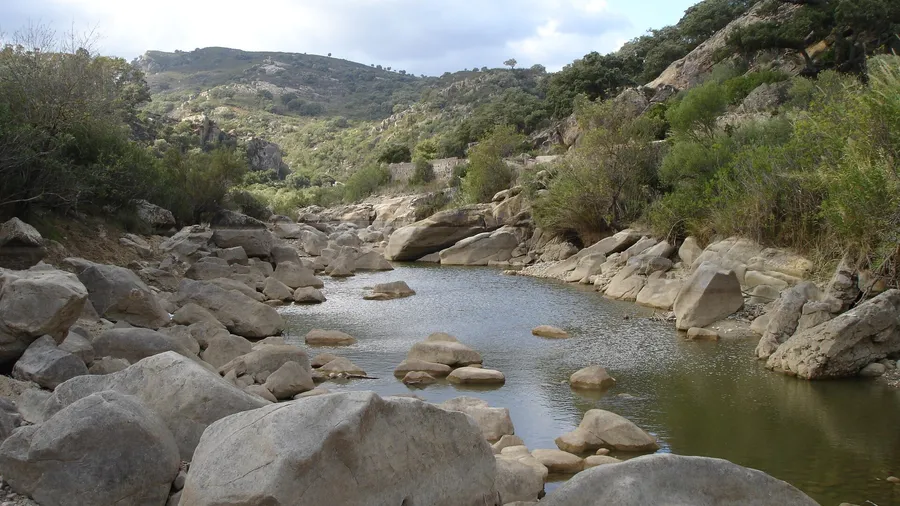
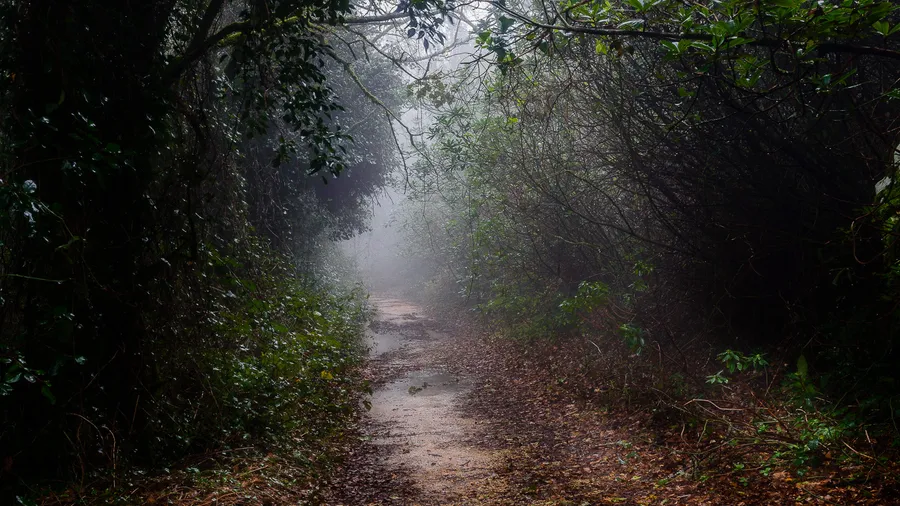
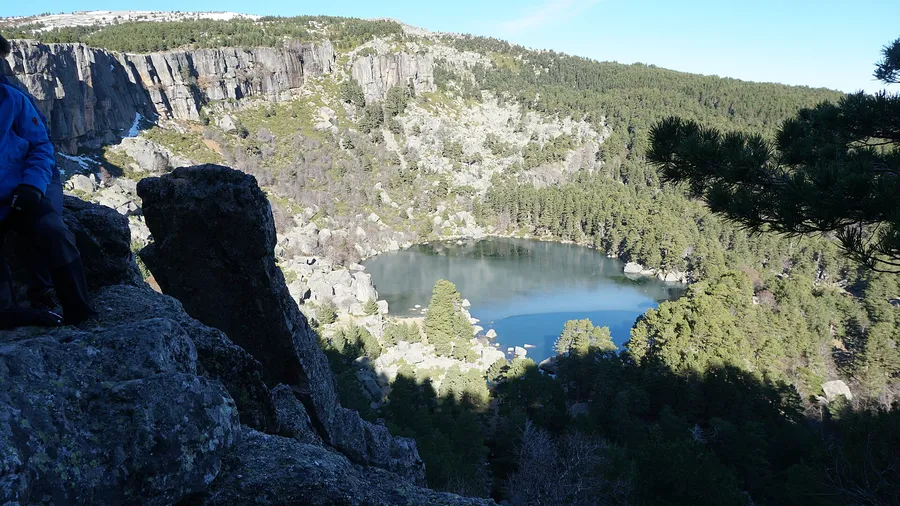
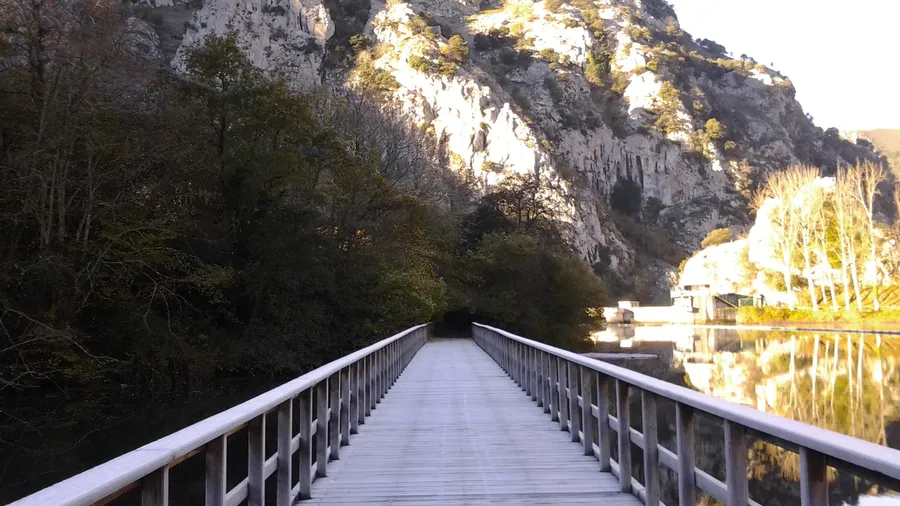
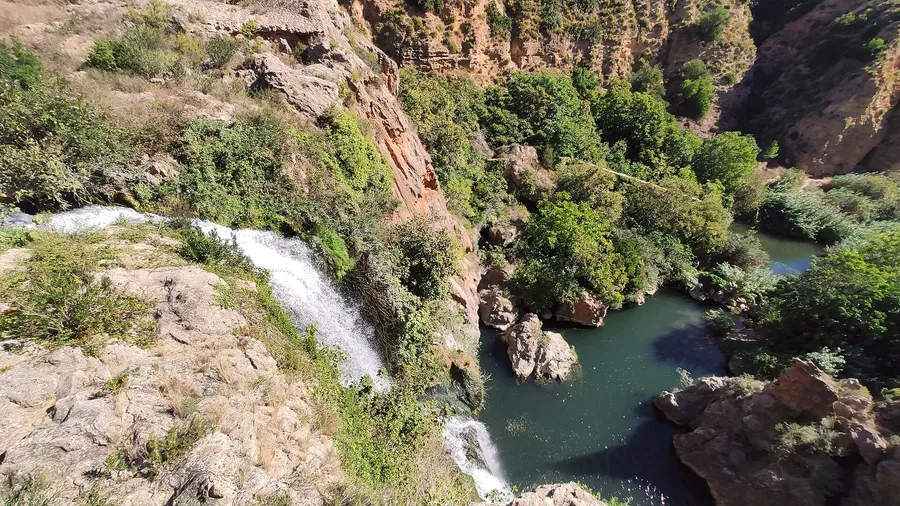
Trail through one of the most spectacular canutos, with rock walls, tree ferns and giant rhododendrons. Free permit required (Junta de Andalucía).
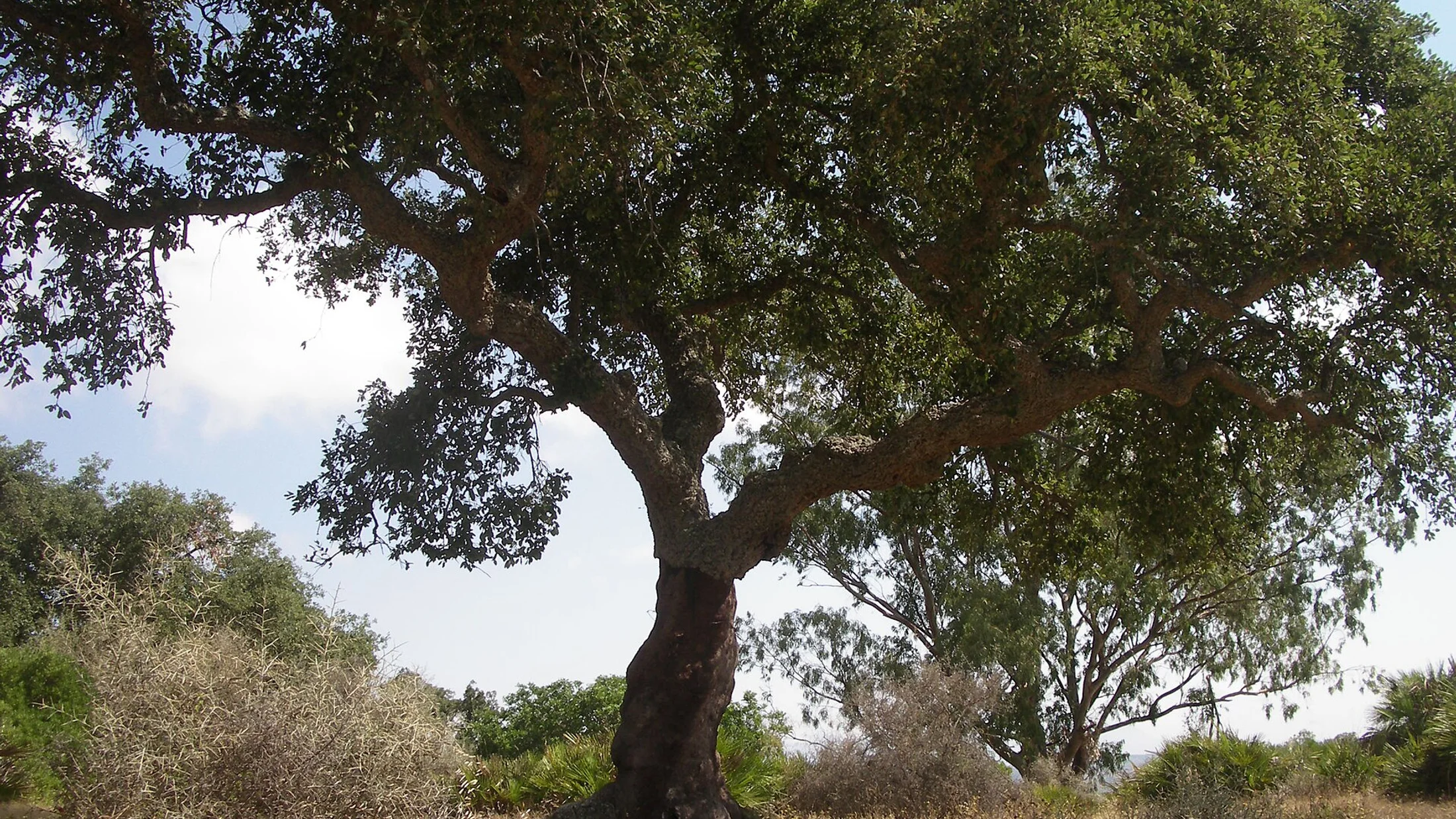
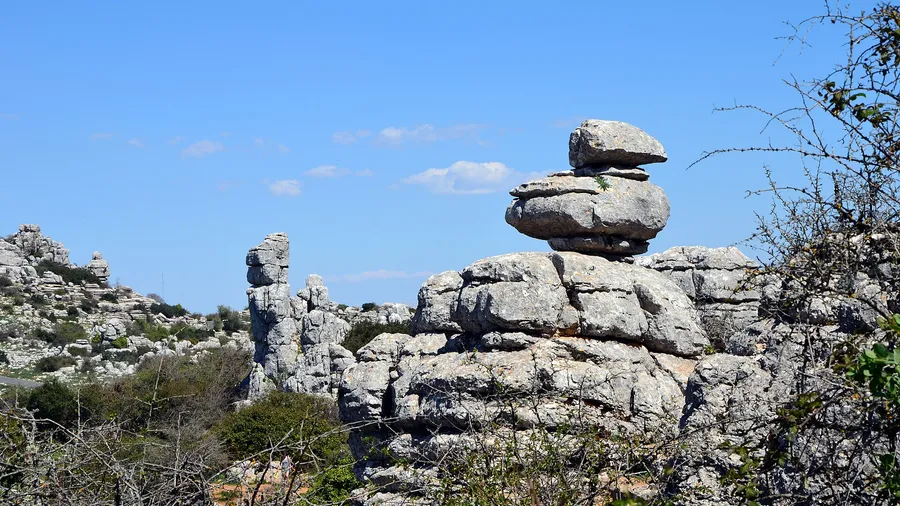
Europe's largest cork-oak forest, with jungle-like canyons and one of southern Spain's densest mushroom seasons.
From 45 € /person
No commitment · We design it with you
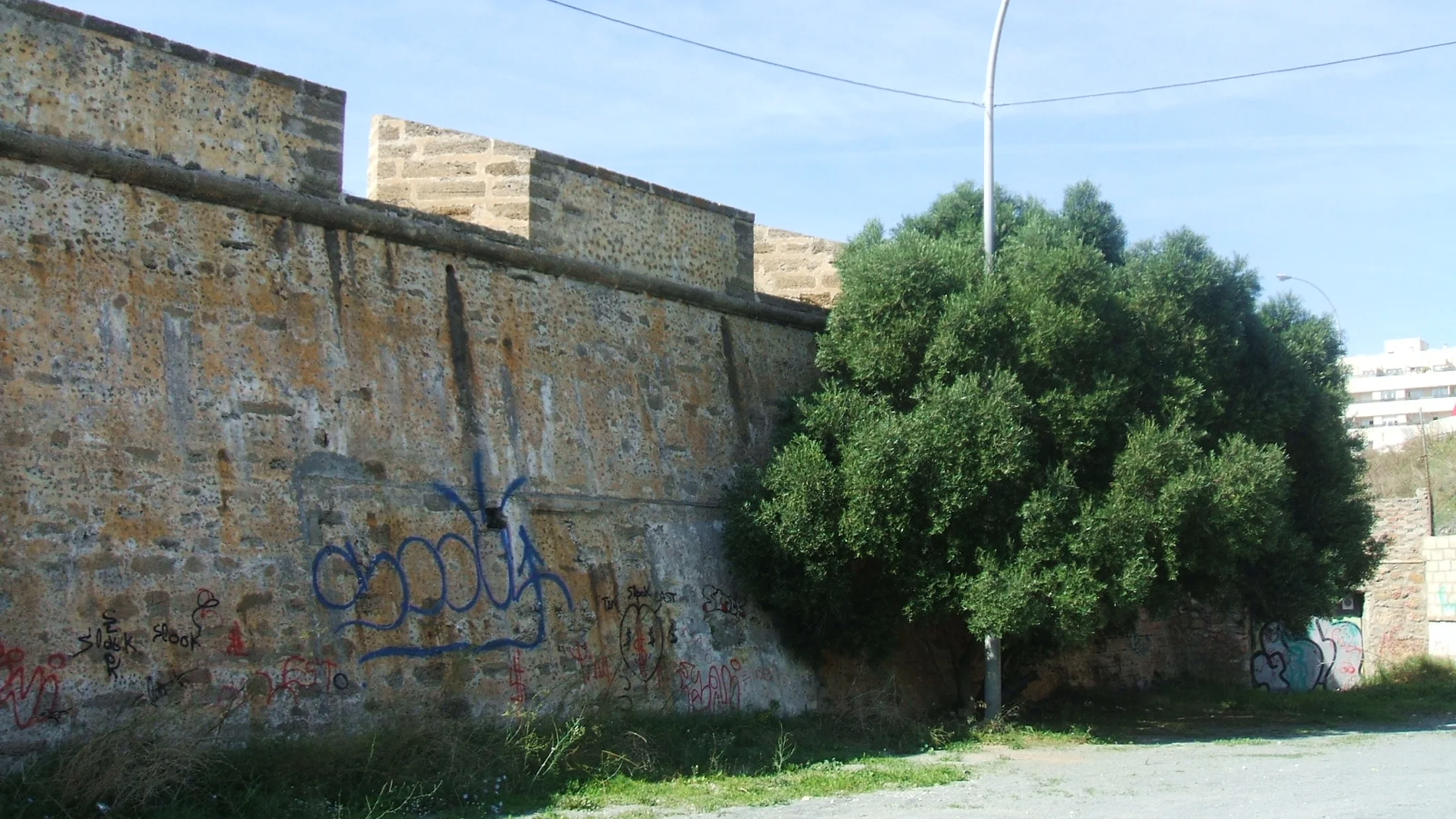
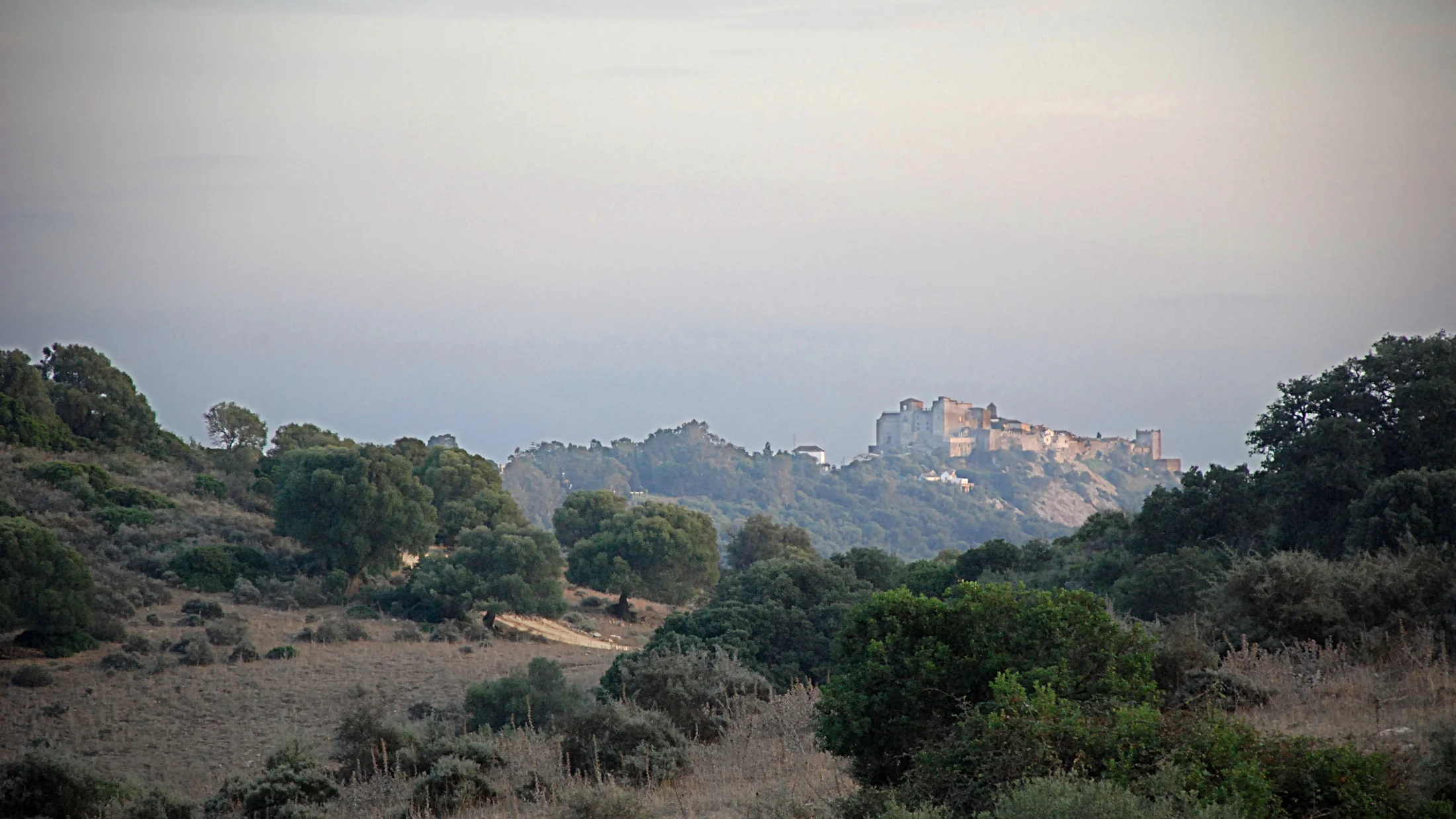
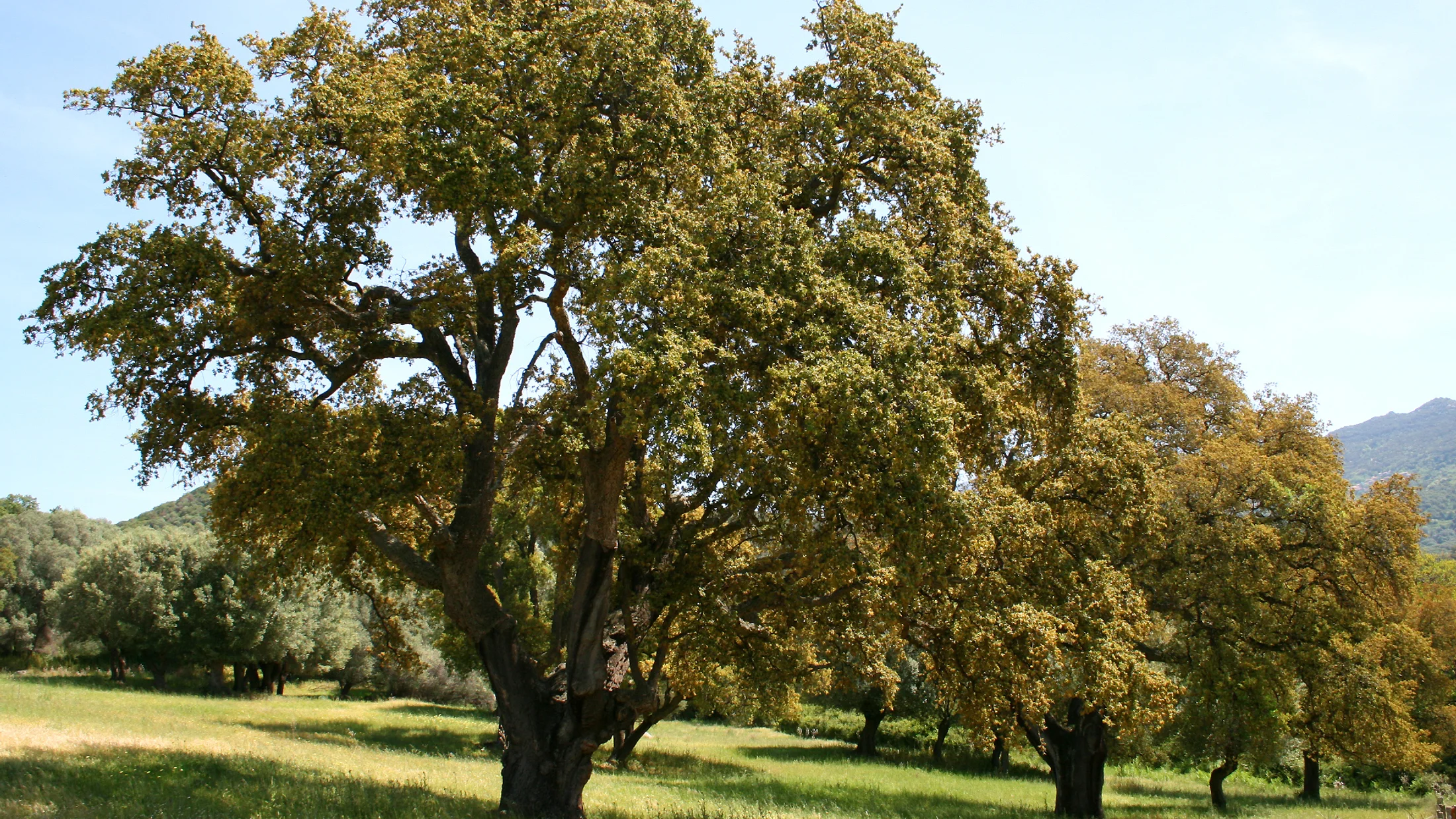
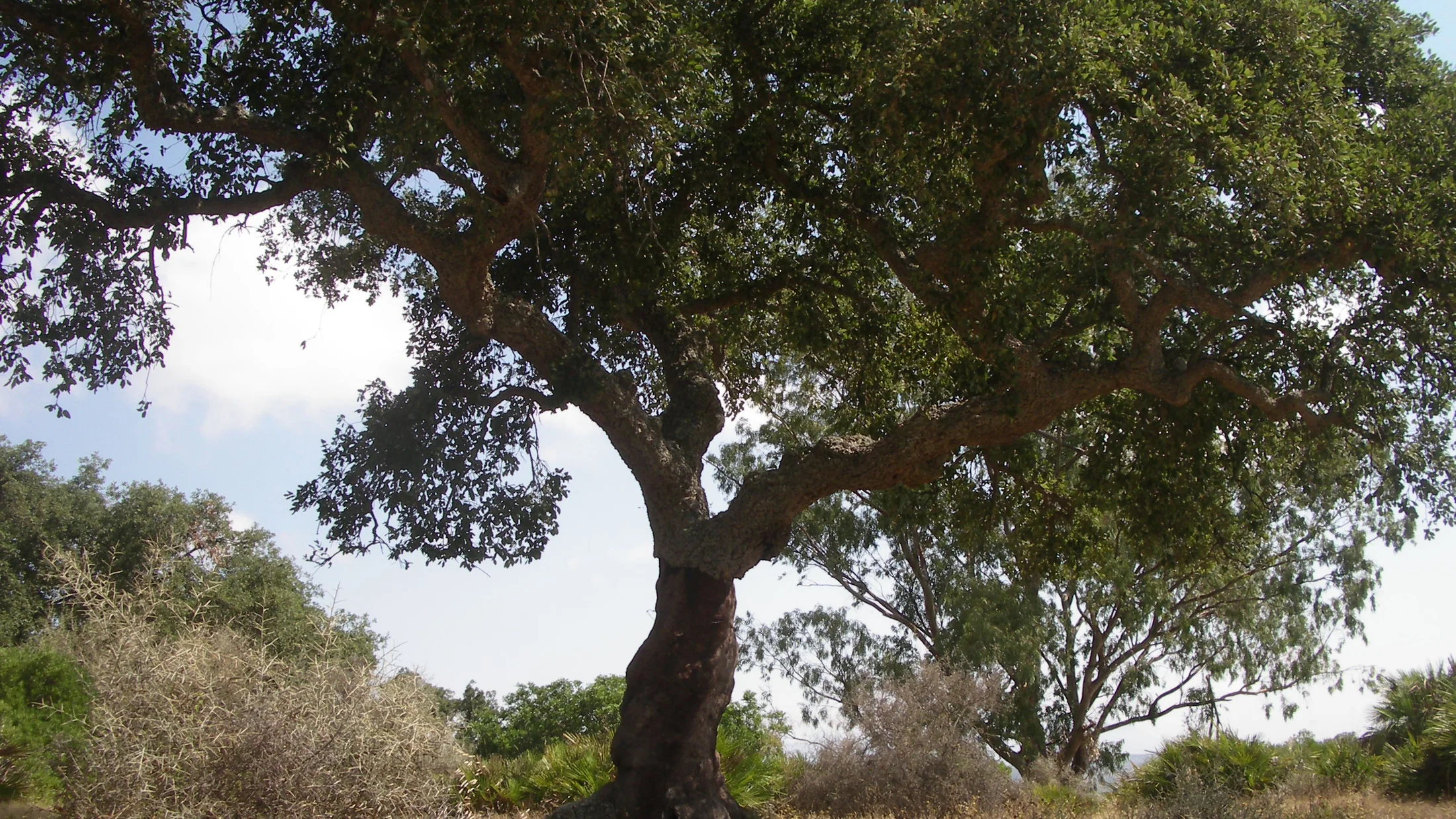
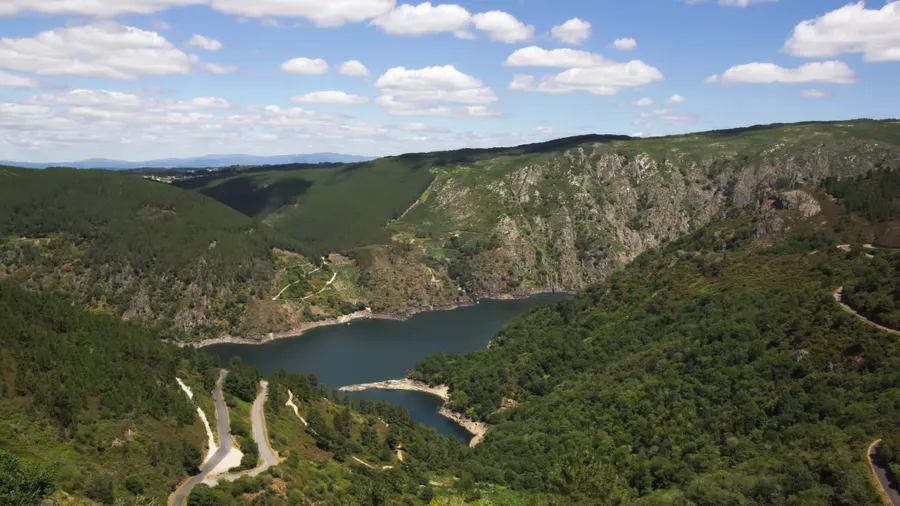
It is the largest cork oak forest in Europe and the largest continuous area worldwide. Doñana has 122,000 ha, Sierra de Grazalema 53,000. The park is structured around six parallel mountain ranges that are scarcely crossed by paved roads.
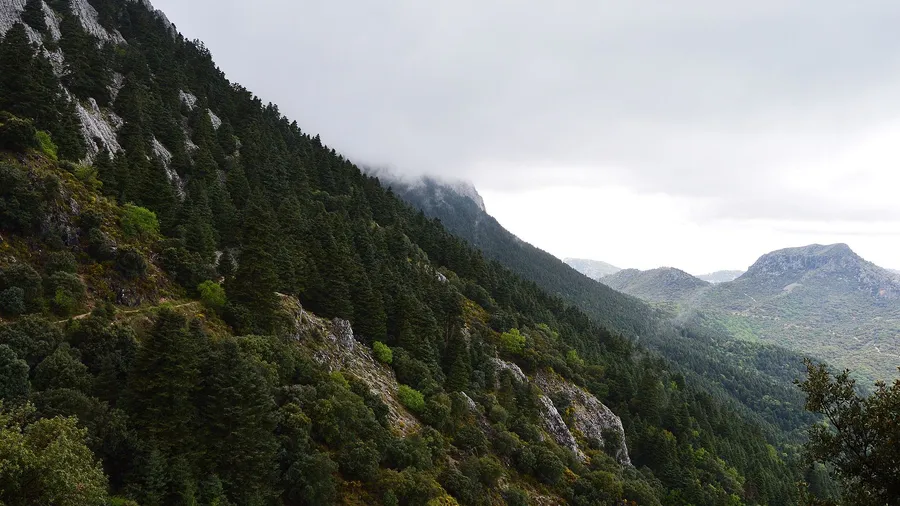
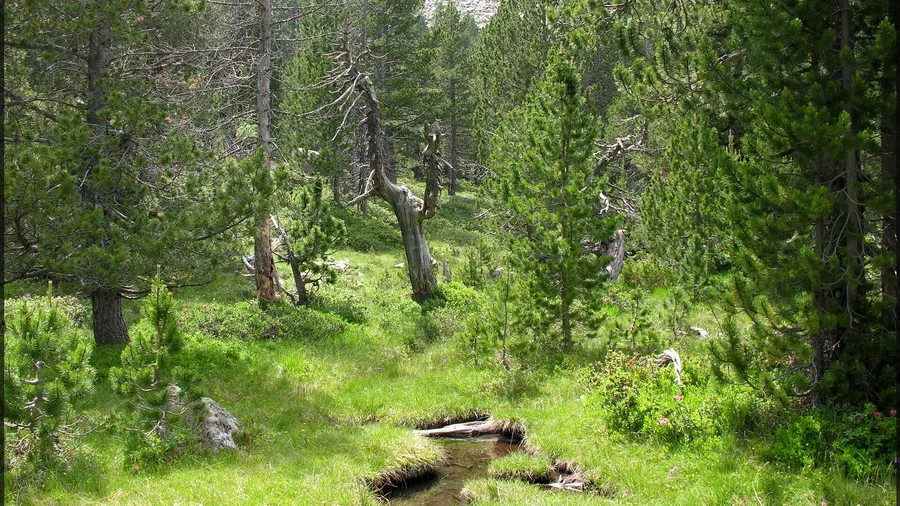
The gullies preserve species that the rest of the Iberian Peninsula lost during the glaciations: Pontic rhododendron, laurel, prickly ash, strawberry tree. It is the only continental laurisilva forest in Europe outside of the Canary Islands and Madeira.
Los Alcornocales boasts over 1,500 inventoried fungal species, among the highest numbers in the peninsula (studies by the CSIC and the University of Cádiz). Its main season runs from mid-October to late December.
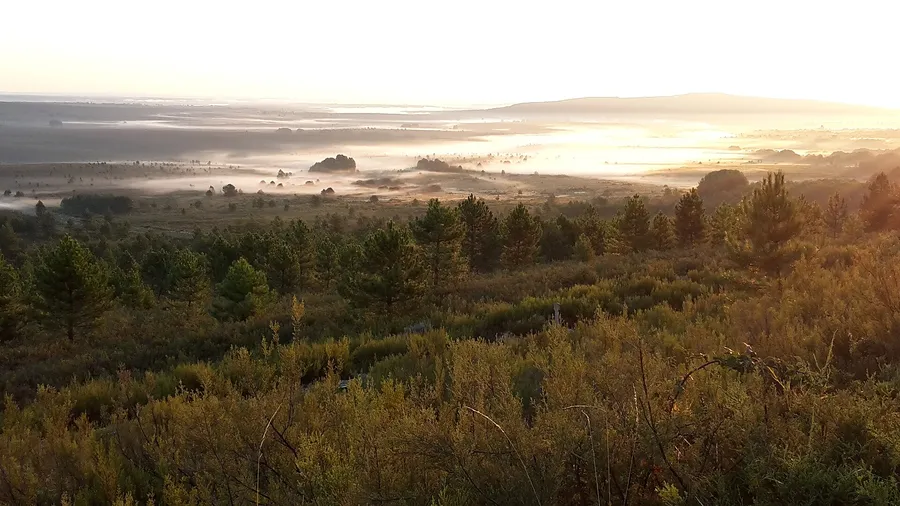
The park is located in the Strait corridor, Europe-Africa’s main migratory route. Griffon vultures, Egyptian vultures, kites, black storks and ospreys cross over in August-September. Mirador del Cabrito and Algarrobo are key points.
Fits if you want low-traffic nature, enjoy damp forest and have hiked before. Good for friend groups, couples and nature photographers. Autumn mycology draws a more senior, specialised crowd.
Doesn't fit if you want the beach nearby (it's 30 min away but the plan is inland). Not for very young children either: canutos have slippery, wet steps.
An editorial showcase of what the destination offers. Nothing to book here - we shape it when you write to us.
The active side: guided or self-guided activities, no sugar-coating the gradient.
What makes this place different: heritage, crafts, local history.
Eating well without the manual - local product, village pace.
Where you sleep - inns, rural houses, hotels with character in the valley.
Landscape unfiltered: what you see on foot, without the car.
Half-hour side trips if you've time left or it rains.
Moderate fitness: typical routes 7-12 km with 200-500 m elevation, medium pace. The challenge is mud and wet-rock steps, not climbing. Some canutos require scrambling minor cascades (optional rope, non-technical).
When: October to April is prime. November holds peak mycology, March is floral explosion. Summer is dry and many routes lose water, though still passable.
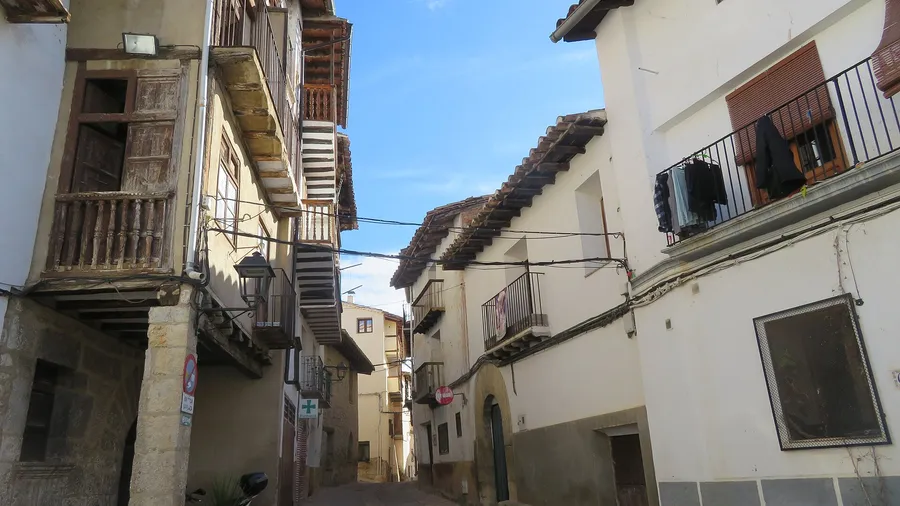
Access: Jerez airport (80 km), Seville (130 km) or Gibraltar (40 km). Usual base in Los Barrios, Alcalá de los Gazules, Jimena de la Frontera or Castillo de Castellar.
Permits: some canutos (Garganta del Capitán, Acebuches) require a free Junta permit. Apply online 10-15 days ahead.
Mycology: picking requires a free individual licence and respect for limits (3 kg/person/day). NEVER pick without proper identification.
Always carry a wicker basket and a knife (no plastic bags — they kill the spores). Start early: the light in the canuto at 9 AM is cinematic. Dine at La Sacristía (Los Barrios) or Mesón El Copo (Palmones) for red tuna. In Jimena, the square's bar is a reference.
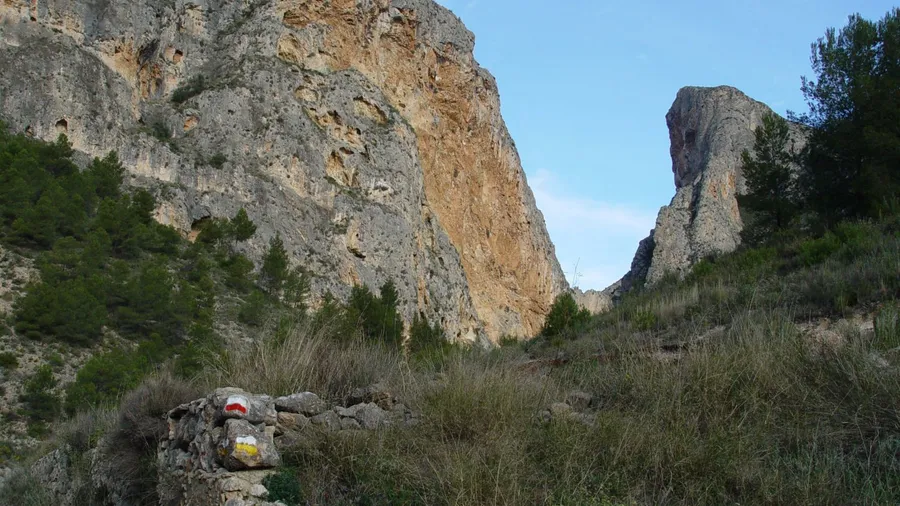
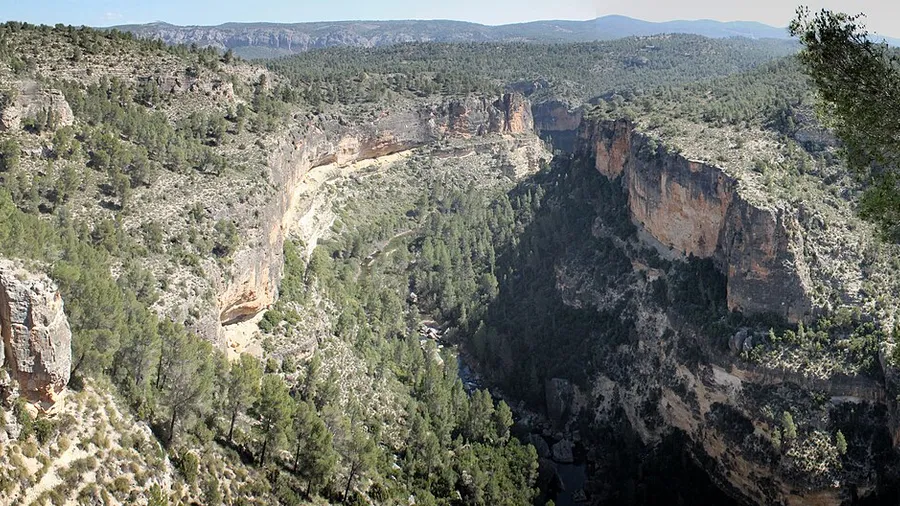
A canuto is a narrow, sunken river valley with vertical sandstone walls and a stream at the bottom. The funnel shape creates a damp, cool microclimate that preserves Atlantic vegetation that vanished from the rest of Cadiz millennia ago. Most famous: del Capitán, Acebuches, Garganta del Negro.
For restricted canutos (Capitán, Acebuches, La Sauceda) yes, free at juntadeandalucia.es. For the rest of the park no. Request 10-15 days ahead.
Yes, with a free individual licence (online form). Limit 3 kg/person/day and max 1 specimen per species for photography. NEVER pick without proper ID: some toxic species look very similar to edible ones. A guide is the only safe option.
For hiking: October to April (summer is dry and hot). For mycology: November and early December. For flowers: March. To avoid rain: April and May.
Rural houses and 2-3* hotels exist in the surrounding villages: Los Barrios, Jimena, Castellar Viejo, Alcalá de los Gazules. No new buildings allowed inside the strict park since 1989.
Quick filters
We'll shape it around you
Tell us how you travel - dates, group, pace, budget - and we'll design the trip exactly the way you need it.