Introduction: what village autumn foods are and why they matter
Autumn foods in the villages are what the land offers when nights grow cool and rains return. We're talking about local crops, wild foraging, and processed products: apples, pears, pumpkins, cabbages, turnips, chestnuts, mushrooms and fungi, along with ciders, compotes, and pickles; think of baskets full and hands with clean soil on them. If you follow seasonality, shop at weekly markets, and try traditional varieties, you'll notice better flavor and greater freshness.
They matter because they directly support culture, health, and the rural economy. Autumn seasonal products are nutrient-dense and travel fewer miles; the FAO notes that shortening food miles improves carbon footprint, and AESAN reminds us that fruit and vegetables form the foundation of a balanced diet. Additionally, spending with local producers keeps more value in the territory.
In this guide, you'll learn to recognize autumn foods, plan menus with autumnal gastronomy, and use safe preservation techniques. You'll get a clear calendar, simple autumn recipes, and a useful checklist for producers, cooks, and rural travelers. Take away concrete ideas you can apply starting today.
Picuco te puede ayudar
Does something here catch your eye?
Tell us.
Write to us on WhatsApp or email: we answer questions, find the best options and help you sort out the booking.
Basic concepts: season, terroir, and preservation
Seasonality: reading the natural calendar
Seasonality means following the climate’s rhythm: rain, daylight hours, and cold determine harvests and flavors. Identify prime windows for harvesting by observing flowering, skin and seed ripeness, and check local calendars from the Ministry of Agriculture or cooperatives; picture the first cold mist over a plot of crunchy cabbages. Prioritize what’s at its peak because it’s richer in aroma and texture, and you pay less for a product the field offers abundantly.
Terroir and local varieties
Terroir is the mix of soil, microclimate, and traditional farming that gives food its character. An apple from a valley with gentle mists turns juicier; one from the mountains, with cold nights, concentrates sugars and balanced acidity; think of a damp slope that smells of moss. Value local varieties like the reineta apple, conferencia pear, or old musquée pumpkins: they preserve genetic diversity and support meaningful farming practices.
Basic preservation principles
Good preservation controls moisture, temperature, and cleanliness to slow microbes. Keep roots at 4–10 °C and 85–95% relative humidity, use simple disinfection (water and a few drops of vinegar), and apply drying or “rooting” in boxes with dry sand; listen for the hollow thud of a cured squash. As a rule: cold to slow down, air to dry, salt or acid to stabilize, and FIFO rotation to avoid losing quality.
Seasonal calendar: autumn fruits, vegetables, roots and mushrooms
Autumn fruits: apple, pear and smaller fruits
From September to November, the apple reaches its peak, with Reineta and Fuji varieties ready when the stem detaches with a gentle twist. The Conference pear ripens when the neck is slightly soft and the green skin starts to yellow at home; picture a fruit bowl that fills the kitchen with scent at dusk. Eat fresh, cook compotes, and make cider if you have a good quantity; store in a cool, ventilated place in single layers and check every 3–4 days to remove damaged pieces.
Vegetables and greens: pumpkins, cabbages and turnips
Pumpkins reach their best after curing for 10–14 days at 20–25 °C, when the skin hardens. Cabbages and turnips concentrate their sweetness after the first frosts as starches turn to sugars; imagine the clean crunch of a freshly cut cabbage leaf. Use them for roasts with oil and herbs, stews with legumes, and creamy soups; pair pumpkin with sage and cheese, cabbage with bacon or chickpeas, and turnip with butter and mustard.
Roots and tubers: sweet potato, beetroot, carrot
The sweet potato improves after curing for 5–7 days at 28–30 °C and high humidity, which intensifies its sweetness. Beetroot and carrot keep for 2–3 months in boxes of damp sand, without leaves, in a cool, dark place; think of the earthy aroma that rises when you cut a cooked beetroot. Roast in the oven to caramelize, blend into purées with broth and spices, or pickle in 5% vinegar with spices for 24–48 hours for a tangy note.
Mushrooms and forest products: season and risks
Autumn mushrooms and fungi fruit from September to December after rains, depending on altitude: saffron milk caps, boletus, beefsteak or black trumpet are common. Use them in sautés, scrambles or gentle pickles, and dry thin slices to grind and flavor dishes; picture the light sizzle when frying mushrooms in a hot pan. Safety first: never eat without reliable identification and avoid contaminated areas; when in doubt, consult a local mycologist and discard.
Traditional Dishes and Emblematic Products of the Villages
Chestnuts: Uses and Preservation
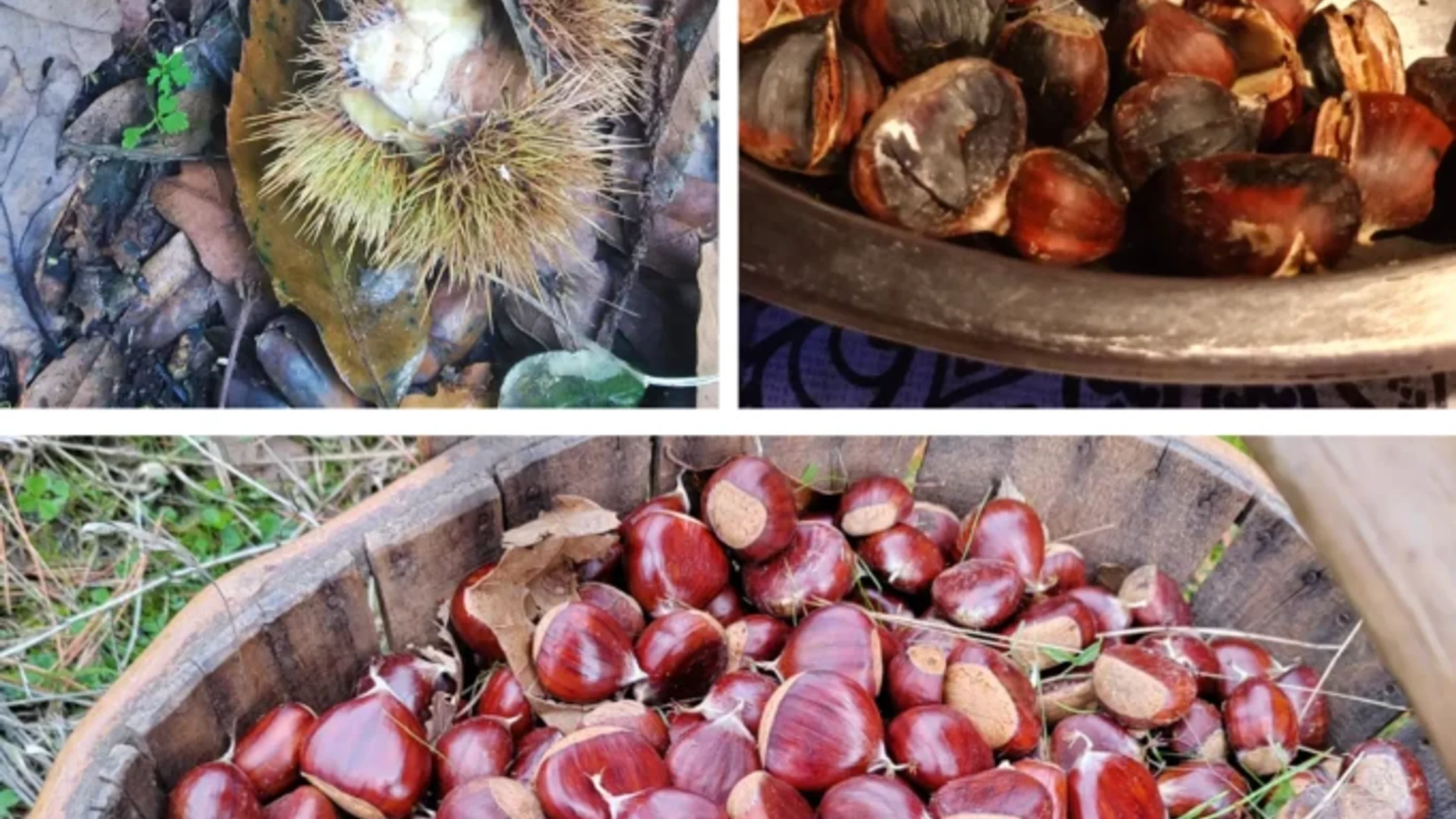
In autumn, chestnuts are roasted on a perforated grill, boiled with anise, or ground into flour for gluten-free cakes. Make a cut, blanch for two minutes, and peel while hot; imagine the sweet, smoky smell filling the square at a chestnut festival. Preserve in the freezer after peeling, or in a chamber at 0–2 °C for 2–3 weeks, and sell or cook chestnut cream and a savory purée with mushrooms.
Pumpkin: From Garden to Pantry
Choose butternut or muscat pumpkin for its dense flesh and few seeds. Cut in half, remove the seeds (toast them), and roast at 190 °C until soft; picture the matte skin wrinkling and the golden interior. Blend with stock for soups, freeze in portions, or dice and preserve in light syrup or spiced brine; store in a cool, dry place for 2–4 months if the skin is intact.
Mushrooms: Popular Dishes and Transformations
Clean with a brush or damp cloth, never soak, and trim the earthy stems. For a scramble, brown in oil over high heat and add beaten egg at the end; think of the aromatic steam rising from the pan. Preserve in oil with herbs after a quick blanch, pickle boletus in 3–5% vinegar, or dehydrate at 45–50 °C until they snap; avoid waste by using stems in broths.
Apple and Sweet Potato: Sweet and Savory
With apple, prepare tarts, compotes, and chutneys; with sweet potato, make purées, gnocchi, and roasted wedges. For savory dishes, pair white meats and cured cheeses with acidic compota, or sweet potato with legumes and yogurt; imagine the contrast between the toasted skin and the soft center. Preserve apple in dried slices and compotes in pasteurized jars for 15–20 minutes; freeze roasted sweet potato in dice for quick stir-fries.
Step-by-step guide: planning autumn menus with local produce
Principles for designing seasonal menus
Start with a simple rule: 70–80% autumn seasonal products and 20–30% pantry staples. Balance crunchy (cabbages), sweet (sweet potato), acidic (apple), and umami (mushrooms), and distribute plant and animal proteins according to budget; imagine a wooden table with ochre and green colors. Plan weekly rotation to avoid waste, cook base batches (stocks, sautés), and leave room for the unexpected from Thursday's market.
Example weekly menus (family, rural event, canteen)
Family menu: breakfast of toast with apple compote, lunch of bean stew with pumpkin and cabbage, dinner of mushroom stir-fry and pear and walnut salad. Rural event: pumpkin cream, game stew with sweet potato and beetroot, apple tart; think of long tables and simple tableware. Canteen menu: lentils with vegetables, sweet potato and cheese pie, seasonal fruit; substitute with turnip, cabbage, or quince based on availability without altering costs.
Sourcing: where and how to get local produce
Buy at weekly markets, cooperatives, and CSA groups; agree with producers on calendars and volume prices. Request harvest sheets, specify sizes, and transform scraps into soups or preserves; imagine sacks of chestnuts lined up in a cool storage room. Negotiate fixed-day deliveries, share logistics with another business, and pay on time: this ensures continuity and good quality.
Practical techniques: safe collection, cleaning, preservation and transformation
Safe collection and harvesting
For mushrooms and berries, use local guides and go with someone experienced; cut with a knife, do not pull up mycelium. Carry a basket, knife, gloves, water, a headlamp and a GPS or offline app; imagine the crunch of leaves under your boots in a beech forest. Respect quotas and private property, avoid roads and contaminated soils, and harvest at the optimal point: firm fruit, intact skin, and no bruises.
Cleaning and initial processing
Work on clean surfaces, with sharp knives and drinking water. Wash quickly, peel only if necessary, cut into regular sizes, and dry with cloths or a salad spinner; picture drops of water sliding off a shiny cabbage leaf. Blanch before freezing to deactivate enzymes, and separate by batches with a date for rotation and waste control.
Practical preservation methods
Choose the method according to the product and its use: drying for mushrooms and apples, freezing for roasted pumpkin, fermentation for cabbages. Pickle with 5% vinegar and 2–3% salt, pasteurize jars for 15–20 minutes, and cool quickly; imagine the “click” of a lid sealing properly. Keep records of times and temperatures, and check seals and smells before consuming.
Transformation and added value
Turn surplus into apple and pear jams, chestnut flour, mushroom preserves, and vegetable pâtés. Label with date and origin, calculate costs, and offer small formats for direct sale; picture a simple shelf with amber jars neatly arranged.
Common Errors to Avoid
Confusing Mushrooms and Other Identification Risks
Typical mistakes: confusing amanitas with russulas, or toxic species like Galerina marginata with similar edible ones. The golden rule is to identify by several features (cap, gills, spore print, habitat) and confirm with a guide and a local expert; picture a field table with a magnifying glass and open charts to examine them. If you are unsure, do not consume it and take the specimen to a mycological society or health center if symptoms appear.
Poor Preservation: Humidity and Contamination
Excess humidity causes mold and dull flavors, and dirty containers contaminate. Fix this with air circulation, clean containers, absorbent materials, and stable temperatures; think of an orderly storage space without condensation. Check weekly, remove damaged pieces, and adjust humidity with salt and ventilation.
Unbalancing Flavors and Textures in Recipes
Over-sweetening pumpkin, overcooking cabbages, or saturating mushrooms with oil ruins autumn gastronomy. Balance it with acids (vinegar, citrus), controlled cooking times, and just enough fat; picture a spoon gliding through a silky cream without heaviness. Taste and adjust with salt at the end, and add crunchy elements for contrast.
Practical checklist for producers, chefs, and rural travelers
For producers: harvest and storage
- Calendar by plot and variety
- Cut at optimal point, without damage
- Clean, ventilated crates; quick pre-cooling
- Storage at 0–10 °C depending on product and 85–95% relative humidity
- Traceability records and labels with date and batch
- Weekly sales plan and direct channel; imagine a fresh storage space without odors.
For chefs and hospitality
- Menus with 70–80% seasonal products
- FIFO rotation and technical sheets
- Mise en place by batches; stock of broths and sofrito
- Packaging and labeling with date; portion control
- Alternative ingredients depending on market; visualize an orderly walk-in refrigerator.
For responsible rural travelers and foragers
- Permits and local rules
- Basket, knife, gloves, water, offline map
- Do not collect in protected or contaminated areas
- Buy at local markets and ask about varieties and harvest
- Respect paths and close gates; imagine a clean trail at dusk.
Conclusion and next steps: recipes, workshops, and experiences to go deeper
Summary of key ideas
Eat what is at its peak, recognize the terroir, and choose local varieties. Plan menus with balance and rotation, and transform surplus to avoid waste. Preserve with hygiene, cold, acid, or dehydration, and record times. Harvest and buy responsibly, supporting those who care for the countryside.
Recommended recipes and workshops
Try pumpkin cream with sage, mushroom scramble, and spiced apple compote. Look for workshops on home preserving and mushroom identification at mycological associations, rural schools, or cultural centers; picture the friendly bustle of a community kitchen. Call, check dates, and book your spot.
Resources and next steps
Consult seasonal guides from the Ministry of Agriculture, practical manuals from FAO, and food safety bibliography from AESAN. Reach out to producer associations, neighborhood forums, and local markets to build a network; picture a map with contacts that grows each month. Take the first step this weekend: visit your local market and choose three autumn foods for your menu.