Roman Bridge of Córdoba

Roman Bridge of Córdoba: 16 arches from the 1st century BC over the Guadalquivir, free access, views of the Mosque-Cathedral at sunset and the Torre de la Calahorra.

Highlights

  • • Sixteen arches, four pointed and the rest semicircular
  • • Free access, on foot
  • • 16th-century sculpture of San Rafael in the centre of the parapet
  • • Torre de la Calahorra and Museo Vivo de al-Andalus at the southern end
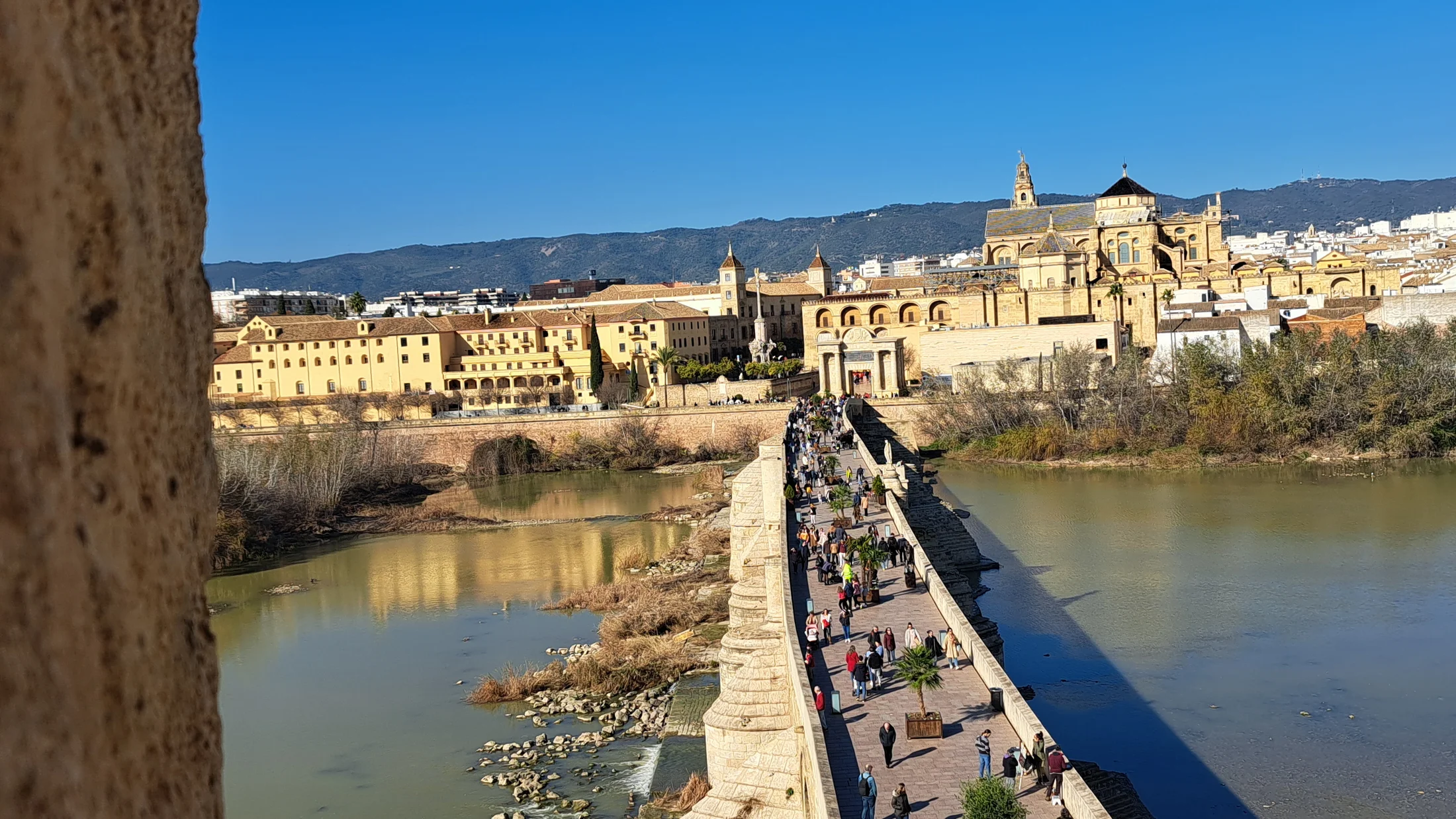
  • • View of the Mosque-Cathedral and the river, best at sunset

Description

The Roman Bridge of Córdoba crosses the Guadalquivir at the foot of the Mosque-Cathedral and you can walk across it free of charge. It has sixteen arches, four of them pointed and the rest semicircular, and it dates back to the 1st century BC, although the main structure is medieval and the most recent intervention was in 1876 (figures from the Córdoba tourist office, checked on 19 November 2026). In the centre of the parapet stands a sculpture of San Rafael, a 16th-century work by Bernabé Gómez del Río.

What to see and from where

The classic view brings together the Mosque-Cathedral, the river, the Puerta del Puente and the bridge itself, especially at sunset. At the southern end is the Torre de la Calahorra, a fortress of Islamic origin that now houses the Museo Vivo de al-Andalus, devoted to the coexistence of the Jewish, Christian and Muslim cultures.

What Where Admission
Roman Bridge Between the Bajada del Puente and the Ronda de Isasa Free
Torre de la Calahorra (Museo Vivo de al-Andalus) Southern end of the bridge €4.50 (€3 reduced; €2 for people born in or living in the province), with audio guide and access to the roof terrace

How long

Crossing it and coming back takes about 20 minutes; with the tower and photos, an hour. The Mosque-Cathedral is a stone's throw away, so it fits in before or after your visit.

What to combine it with

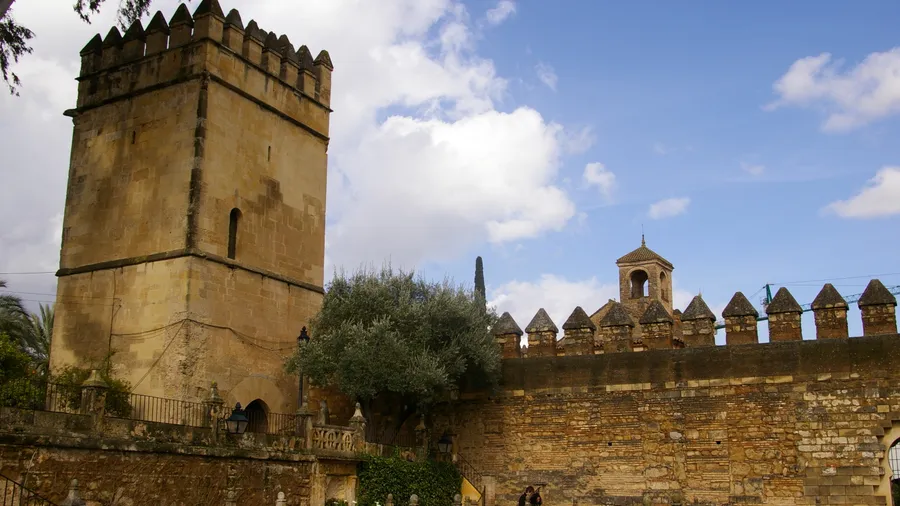
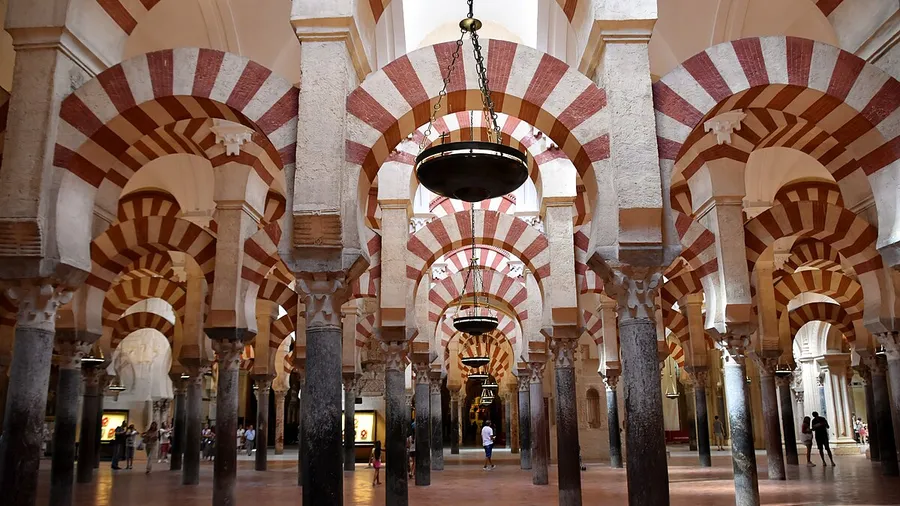
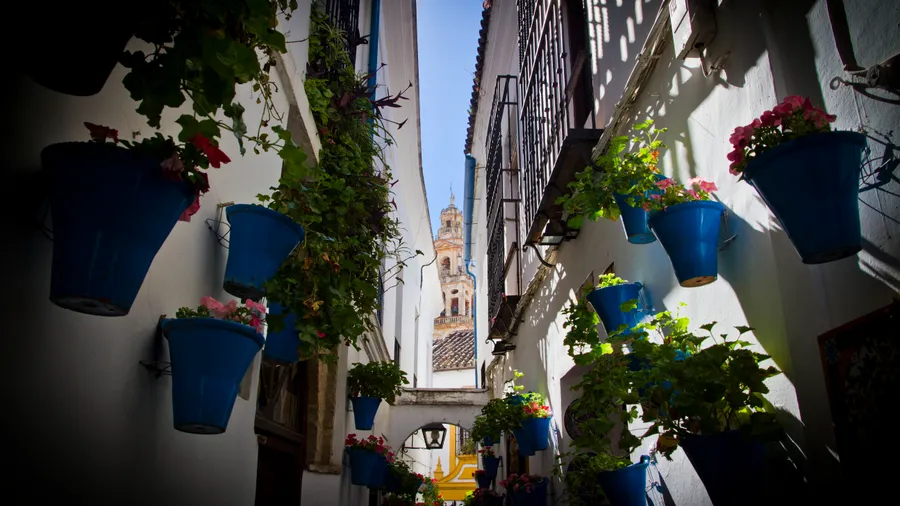
From the bridge you can walk to the Mosque-Cathedral, the Jewish Quarter and Synagogue and the Alcázar de los Reyes Cristianos. More ideas in what to do in Córdoba.

Key Information

Visit Duration

20 minutes to cross it; 1 hour with the Torre de la Calahorra

Recommended Seasons

Spring, Autumn

Pricing

Free

Accessibility

Medium

Kid-Friendly Pet-Friendly No Booking Required

Related Destinations

Guide

Essential information for visiting Roman Bridge of Córdoba

Location
Practical Information
Pricing
Free
Opening Hours
Bridge: open access at any time. Torre de la Calahorra: November to February, 10:00-18:00; October and March to May, 10:00-19:00; June to September, 10:00-14:00 and 16:30-20:30.
Visit Duration
20 minutes to cross it; 1 hour with the Torre de la Calahorra
Features & Services
  • Accessibility: Medium
  • Kid-Friendly: Yes
  • Pet-Friendly: Yes
  • Booking: No Booking Required
Planning Information

Recommended Seasons

Spring · Autumn

Best Time to Visit

At sunset, for the light on the river with the Mosque-Cathedral behind.

Visitor Tips

Go at sunset for the view of the Mosque-Cathedral with the river. Combine it with the walk to the Jewish Quarter, just a few steps away.

Historical Facts

The bridge was built in the 1st century BC and has undergone several remodellings. The main structure is medieval and the most recent intervention was in 1876. It has sixteen arches, four pointed and the rest semicircular.

Things to do

Activities and experiences near Roman Bridge of Córdoba

20

Frequently Asked Questions

Get answers about Roman Bridge of Córdoba

No. You cross it on foot and it is free. The Torre de la Calahorra, at the southern end, has its own admission charge.
Sixteen: four pointed and the rest semicircular, according to the Córdoba tourist office.
The first one was built in the 1st century BC. The main structure you see today is medieval and the most recent intervention was in 1876.
At sunset, for the light on the stone and the view of the Mosque-Cathedral and the river.
The Museo Vivo de al-Andalus, run by the Fundación Paradigma Córdoba, about the coexistence of the Jewish, Christian and Muslim cultures. Entry costs €4.50 (€3 reduced) and includes an audio guide and access to the roof terrace; from November to February it opens from 10:00 to 18:00 (checked on 19 November 2026 on the tower's website).