Your next autumn route starts here, not on the mountain
At the Navacerrada pass, the thermometer reads 8°C at dawn, and in two hours the sun warms the hillside to 18°C. That 10-degree thermal oscillation is typical of autumn in the Spanish mountain.
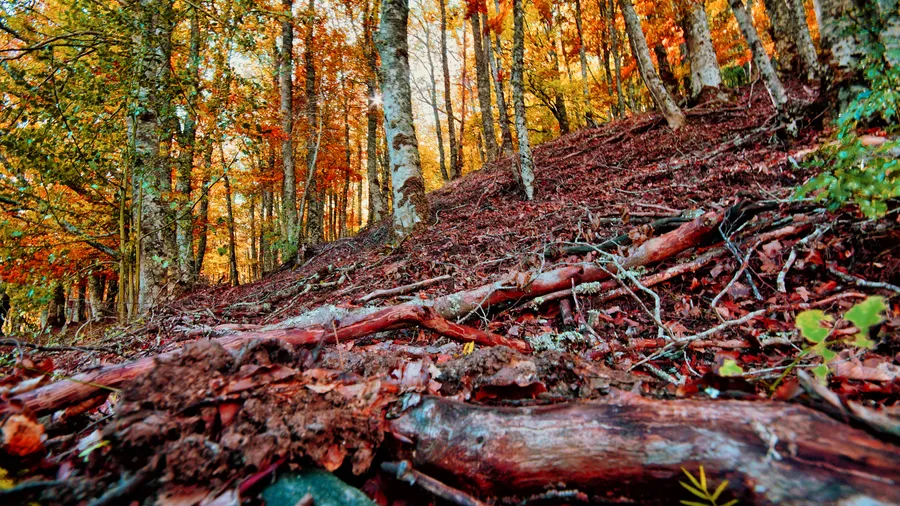
The first lights bounce between European beech trees in yellows and coppers, and your breath forms white clouds in the air. With that temperature fluctuation, your backpack has to be a smart ally: prepare layers for the cold and for the heat on the same route.
40% of the autumn incidents recorded by the Guardia Civil de Montaña are related to hypothermia or inadequate equipment. Almost all of them can be prevented with a well-thought-out backpack, and in the following pages you will see how to pack it.
Picuco can help you
Does something here catch your eye?
Tell us.
Write to us on WhatsApp or email: we answer questions, find the best options and help you sort out the booking.
Write to us
We guide you based on the type of plan you have in mind and reply by WhatsApp or email.
Clothing: The Art of Layering
Base Layer
In the Sierra de Gredos, the thermometer can jump 15°C between the shade and the sun. That is why the layering system works better than a single garment: it allows you to adjust your warmth according to what the path requires.
The base layer goes against your skin and a large part of your comfort depends on it. Choose synthetic materials or merino wool, never cotton. A long-sleeved thermal shirt regulates temperature and wicks moisture away quickly, so you avoid getting cold when you stop or slow down your pace.
For an autumn route in Gredos, carry a long-sleeved base layer and a spare one in your backpack. With short days and cold shade in the valleys, spare clothing weighs very little and will save you in a pinch.
Mid Layer
The mid layer is what keeps you warm when autumn turns cold halfway through your route. It goes over your shirt and under your waterproof jacket, and you choose it according to the cold and humidity you expect.
A fleece or a lightweight down jacket covers most autumn outings. If the day is mild and you are going to walk at a steady pace, a merino wool jumper regulates heat well and does not smell bad after several hours.
In the humid environments of the Cordillera Cantábrica, a synthetic jacket withstands humidity better than down. Carry it in your backpack even if you head out in the sun: it weighs very little and will save you if the weather changes.
Outer Layer
In autumn, rain arrives without warning and your outer layer decides whether you keep walking or return soaked. This part of the equipment covers the jacket and trousers that protect you from water and wind on the season's routes.
The waterproof and breathable jacket goes on the outside, with a Gore-Tex type membrane or similar. That membrane lets body vapour out and blocks the rain, so you don't end up soaked on the inside when you climb.
For your legs, some water-resistant hiking trousers will prevent the cold from wet clothing during descents and on muddy sections.
On exposed peaks, the adjustable hood protects you from the wind and sideways rain. Adjust the drawstring before heading out onto the ridge and check that it moves with you without blocking your view.
Before the route, check the seams and zippers of the jacket and test the set with your backpack on. If you are going on long autumn outings, always carry the jacket in your backpack even if the sun comes out.
Essential Technical Equipment
Navigation and Safety
In autumn, the fog erases the path and the canopy disappears in the valleys. To avoid depending on the signal, carry a detailed topographic map and a compass: when the terrain loses its landmarks, they are what brings you back to the path.
A GPS or a mobile phone with downloaded maps will serve you offline. Add an emergency whistle: three blasts are the international distress signal.
Finish your kit with a first aid kit that includes a thermal blanket. Check it before setting off and replenish what you used during the previous season.
Lighting
In autumn, sunset arrives earlier and the walk back to the car might find you in the dark. The light you carry in your backpack makes the difference between walking down calmly and walking down blindly.
A headtorch with extra batteries is essential: it leaves your hands free for the map or trekking poles. Add a backup torch and, if you can, choose a model with a red light option to preserve night vision.
Check the batteries before setting off and always store the headtorch in the same backpack pocket. This way, you can find it without turning anything else on.
Hydration and Nutrition
Hydration
On a long autumn route, water is heavy and gets cold: calculate between 2 and 3 L per person and protect it from the cold. Cold mornings can freeze the water in a normal bottle, so use insulated bottles.
A thermos with a hot drink, coffee, tea, or broth changes your mid-route break and allows you to drink something hot without stopping your march. If you plan to refill from streams, carry purification tablets and do not depend on finding potable water along the way.
Distribute the water in several containers and drink in small sips before you feel thirsty. Before setting off, check the temperature forecast and the expected duration of the route to adjust how much water you carry.
Nutrition
A handful of dried fruits mid-morning changes the mood of any autumn route. Carry energy snacks such as dried fruits, bars, and dark chocolate, and distribute them in the outer pocket of your backpack so you don't have to stop to look for them.
On routes of more than 6 hours, include hot meals. A thermos with broth or pasta will make you feel good when the day gets shorter and the cold bites during stops.
Always add extra emergency food, such as sealed energy bars. It takes up almost no space and covers you if the schedule is extended or the weather changes.
Footwear and Foot Care
On the stony paths of the Hayedo de Montejo, it is advisable to use boots with high-grip Vibram soles. Wet leaf litter and loose stone demand firm grip with every step.
Choose waterproof hiking boots with a breathable membrane: autumn alternates between rain and sweat, and your foot needs to dry. Carry two pairs of merino wool or synthetic socks and change mid-route if the terrain gets wet.
Keep a pair of spare socks in a waterproof bag. Prepare an anti-blister kit with adhesive tape, Vaseline, and Compeed and carry it in your backpack from the very first kilometre.
Climate Protection
In autumn, a route can start with cold and end with sun on your face. The temperature changes throughout the day, so it is advisable to wear light layers that you can put on and take off constantly.
For the first hours of the route, a warm woolly hat will take the chill off your head. When the sun beats down during the middle hours, switch to a cap with a peak. Lightweight, waterproof gloves will serve you well if the air is cold or if it starts to rain.
- A buff or neck gaiter also covers your face and head when the wind picks up.
- UV400 protection sunglasses protect your vision in open areas and with snow.
- SPF 50+ sunscreen and lip balm should be in your backpack all year round, including in autumn.
Put everything in an outer pocket of your backpack to have it at hand without stopping your trek.
Recommended Destinations in Spain for Autumn Hiking
Pyrenees
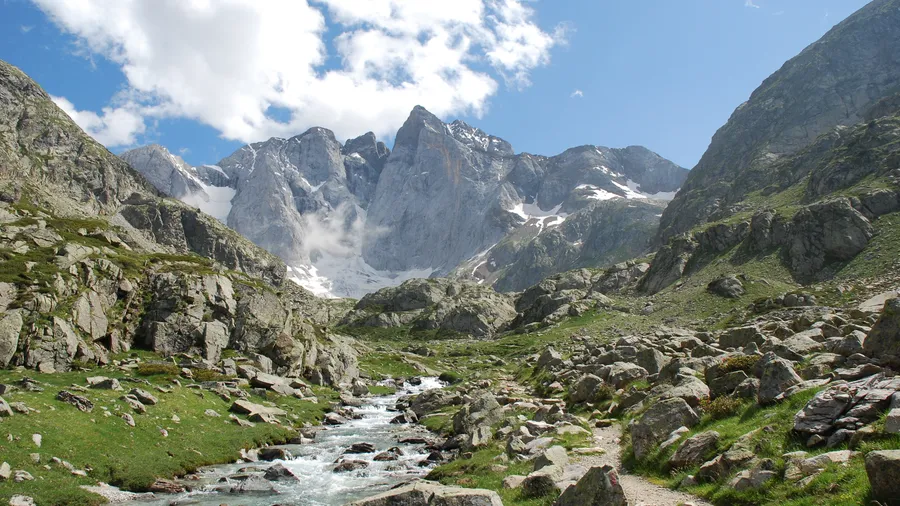
The park is spread across the municipalities of Broto, Bielsa, Fanlo, Puértolas, Tella-Sin and Torla-Ordesa, so you have several entry points depending on the valley you choose.
- Ordesa y Monte Perdido National Park: European beech forests in Cotatuero
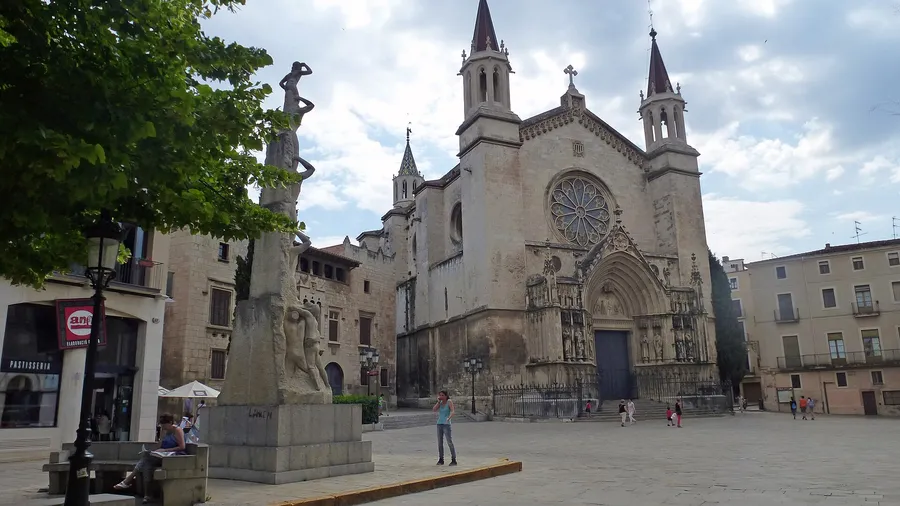
- Aran Valley: Spectacular autumn colours in October-November
Viella is its capital and a good starting point for organising routes in the area. Book accommodation in advance during those weeks and check the forecast before heading out: autumn in the Pyrenees changes quickly.
Sistema Central
Here you have two destinations for your hiking routes.
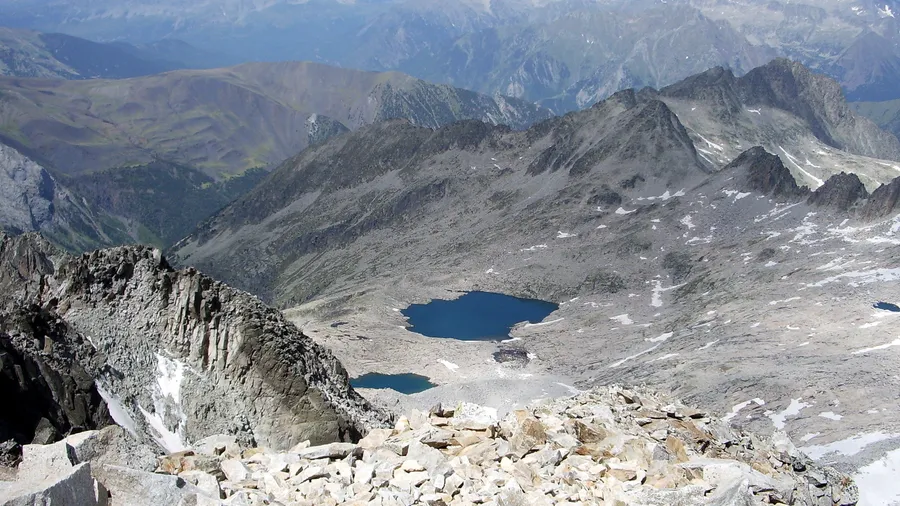
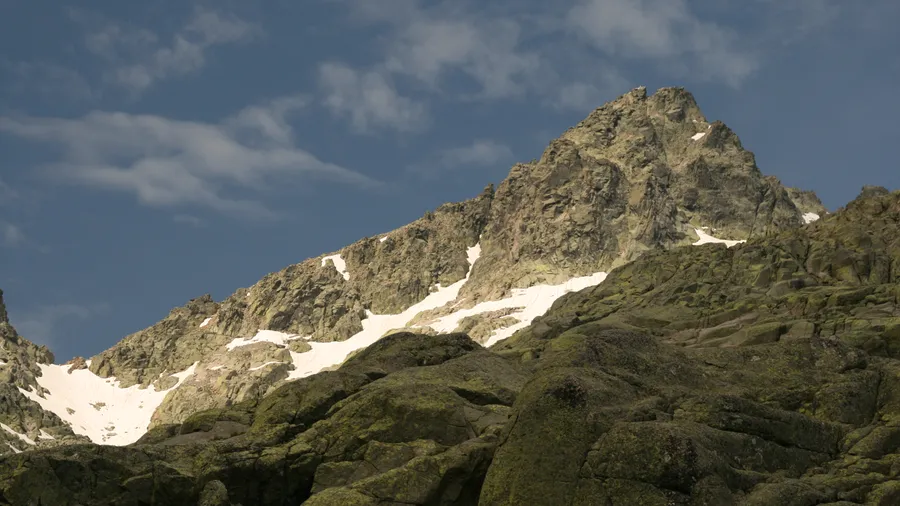
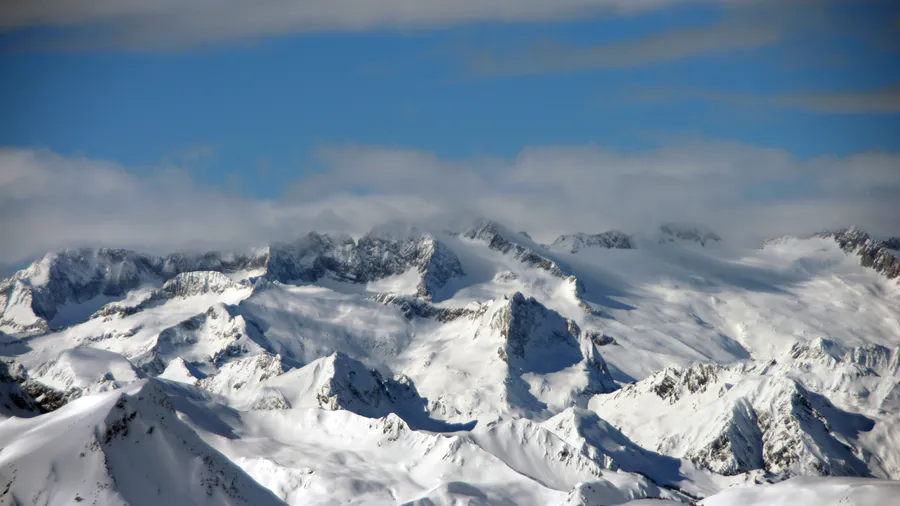
- Sierra de Gredos: The Laguna Grande with snowy peaks in the background
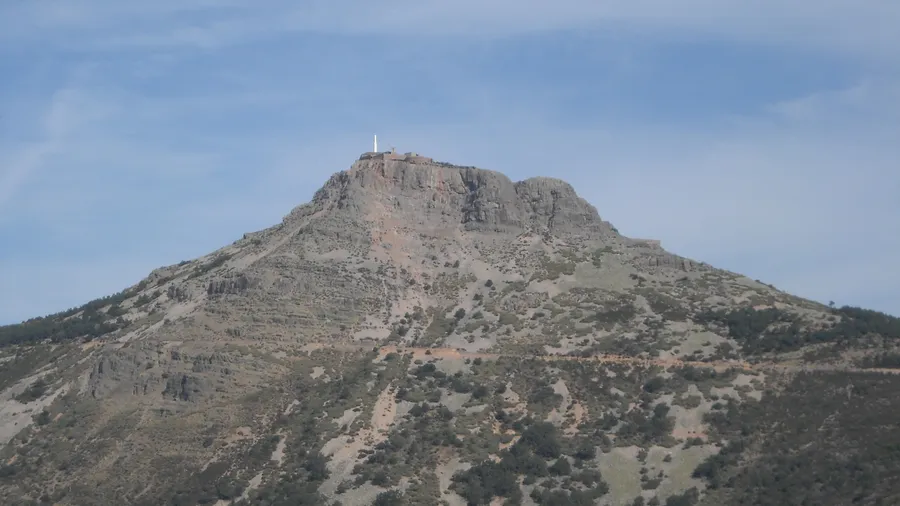
The Sierra de Guadarrama is a mountain range between the provinces of Madrid, Segovia and Ávila, spread across the Community of Madrid and Castilla y León. It has hiking routes and panoramic views.
The Sierra de Gredos extends between the provinces of Ávila, Cáceres, Madrid and Salamanca, and features an area declared a Regional Park of the Sierra de Gredos. Its highest point is Almanzor peak, at 2592 m altitude.
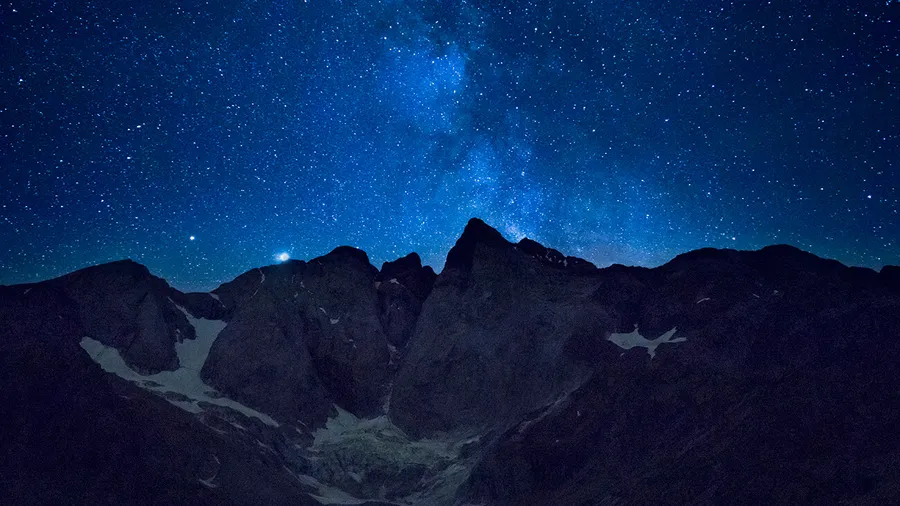
In the Circo de Gredos, within the municipality of Navalperal de Tormes (Ávila), lies the Laguna Grande de Gredos, of glacial origin and at 1940 m altitude, with snowy peaks in the background. It occupies a glacial overdeepening basin of 6.3076 ha (63,076 m²) and reaches a maximum depth of 6.5 m.
For more options, consult our guide to rural getaways near Madrid.
Cantabrian Mountains
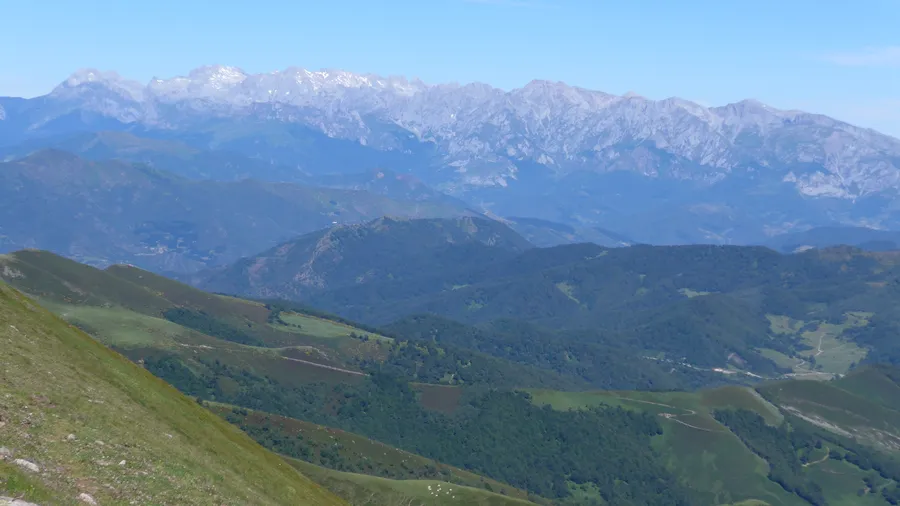
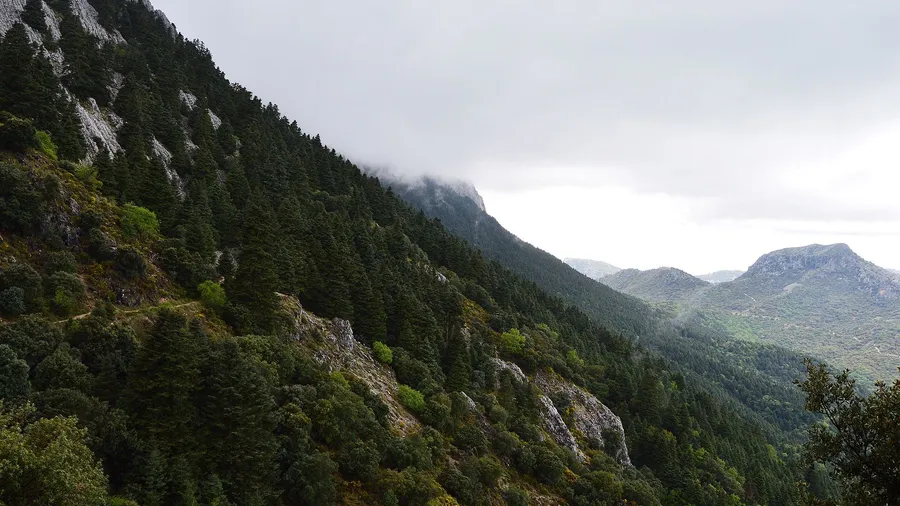
The Cantabrian Mountains bring together European beech and oak forests in autumn, summits that are already touching the first snows, and paths that are travelled with fewer people than in summer.
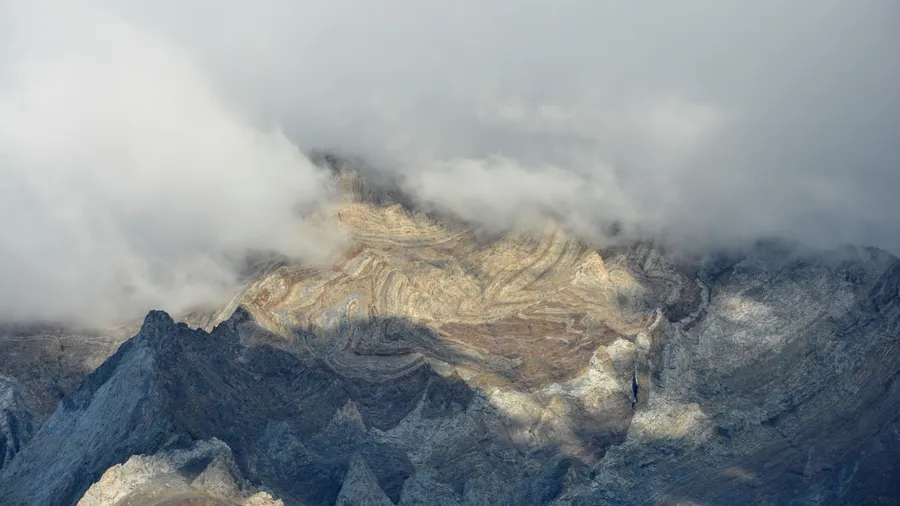
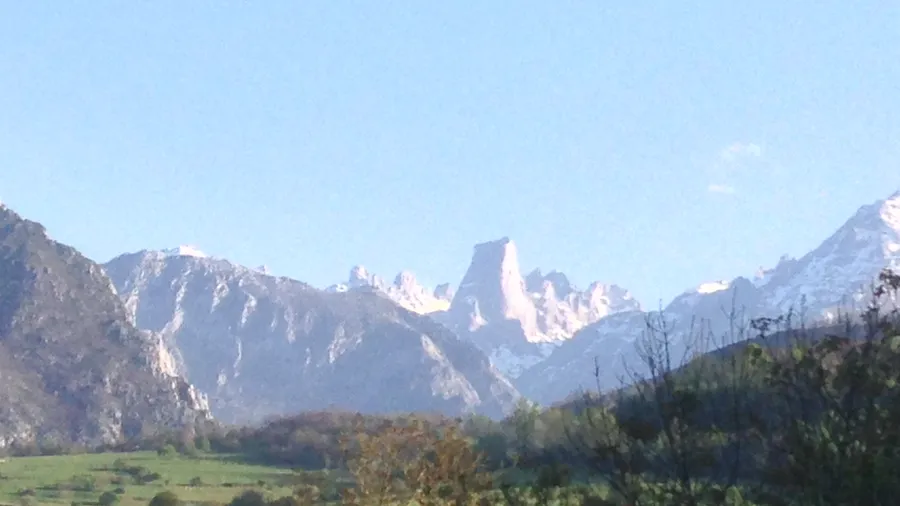
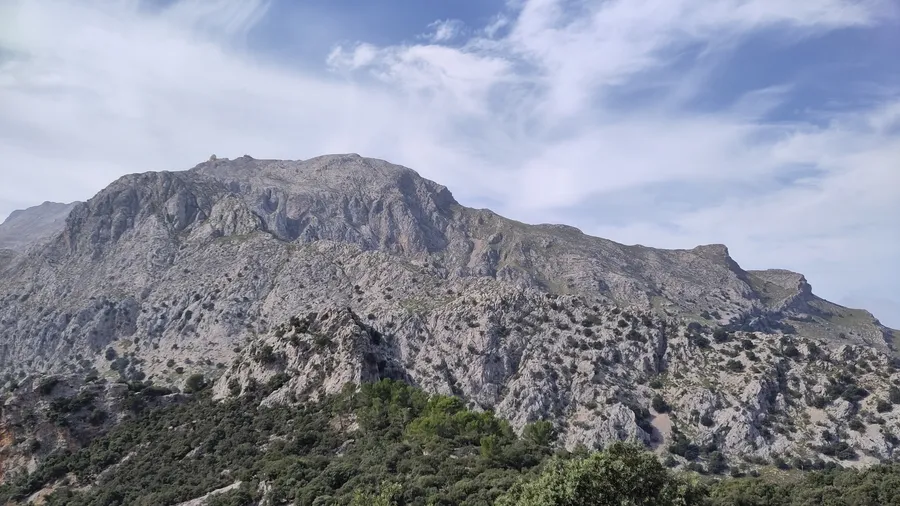
The Picos de Europa is a mountain massif of the Cantabrian Mountains.
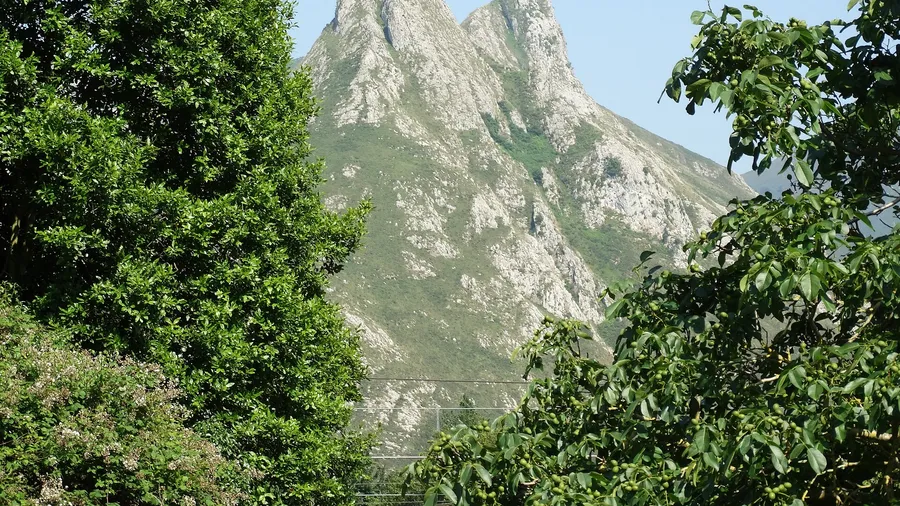
In Somiedo you will find mountain landscapes with native fauna. It has been a natural park since 1988 and a Unesco Biosphere Reserve since the year 2000, with summits such as Cornón (2194 m) and peña Orniz (2190 m).
Book accommodation in advance if you are going during an autumn long weekend and check the forecast: fog and rain can change the plan in a few hours.
Safety Considerations
Before setting off, check the detailed forecast for the area on AEMET. In autumn, the weather changes quickly in the mountains and that forecast decides whether the route stays on or is changed.
Let someone know about the route you are going to take and the time you plan to return. If you do not show up, that person will know where to look and from when.
The mobile phone goes in a waterproof case and with a power bank in the backpack. With rain and cold, the battery drops sooner than expected, and the phone is your way to ask for help.
Frequently Asked Questions about Hiking Equipment
What clothes should I wear for autumn hiking?
Dress in layers so you can adjust your warmth during each section of the trail. The 3-layer system works like this: a thermal base layer of merino wool or synthetic material, an insulating middle layer of fleece or down, and a waterproof outer layer.
Cotton gets soaked with sweat and rain, takes a long time to dry, and leaves you cold when the pace slows down.
Are high-cut boots necessary for hiking?
It depends on the terrain you are going to walk on. On well-marked trails, mid-cut boots are enough.
On technical terrain or with a heavy backpack, high-cut boots offer better ankle stability.
How much water should I carry on an autumn route?
In autumn, the heat is less intense, but the body continues to consume water while walking. Calculate according to the hours you are going to be moving.
For a half-day route (4-5h) carry a minimum of 1.5 L of water. For long routes of 6-8h the recommended amount is 2-3 L.
Fill your bottle before setting off and spread your sips throughout the day.
What is the difference between autumn and spring hiking?
Autumn provides 9-10 h of light compared to the 13-14 h of spring, so it is advisable to plan your route times. With less daylight margin, calculate your departure and return times before you start.
Autumn mornings are colder, so more warm clothing is needed. And there is a higher risk of rain, which requires you to foresee the equipment and the planning of the outing.
If you go out in autumn, check the report from the previous day and carry layers that you can put on and take off. Start early so you don't run out of light during the final section.
Where to go autumn hiking near Madrid?
The Sierra de Guadarrama, the Hayedo de Montejo and the Valle del Lozoya are the most convenient options for walking in autumn near Madrid.
Choose Guadarrama if you are looking for ridges and pine forests, Montejo if you want to see the beech forest at its best colour, and Lozoya if you prefer valley routes with villages nearby. Check bus and train schedules before setting off: in autumn the days are shorter and it is advisable to calculate your return while there is still light.
Quick Pre-Route Checklist
🎽 Clothing (3-Layer System)
Autumn hiking clothes are put together in three layers that you can put on and take off depending on the effort and the weather.
The first layer goes against the skin: thermal base clothing, without cotton. On top, a middle layer of fleece or down that retains heat when the pace slows down.
The third layer is a waterproof outer garment, the one that protects you from wind and rain. Don't forget accessories: a hat, gloves and a buff for your hands, head and neck during the first hours of the morning.
🥾 Footwear & Feet
The mud and humidity of autumn are first noticed in your feet, so start the route with well-chosen boots. Waterproof boots will keep you dry on muddy sections and are the foundation of any autumnal outing.
Also pack an anti-blister kit and use it as soon as you notice a rub, before it becomes a problem.
Before setting off, check that your boots are dry and that your socks do not have seams that chafe. With that sorted, the rest of the day depends on you.
🔦 Safety
In autumn, it gets dark earlier and the route can take longer than expected. That is why a headtorch with extra batteries goes in your backpack from the very beginning, not at the end.
Before setting off, download the map and the GPS offline on your mobile: there is no coverage on many trails. Go out with your phone fully charged and keep it close at hand, not buried at the bottom.
A first-aid kit and a whistle weigh very little and are useful for signalling in an emergency. Check them before every route and replenish anything that is missing.
🥤 Hydration & Energy
- 1.5-3L water
- Hot drink thermos
- Energy snacks
- Emergency food
☀️ Protection
In autumn, the sun seems weaker, but radiation still affects your skin. That is why sunglasses and sunscreen go in your backpack on any route during this season.
Add an SPF lip balm to protect your lips during the route. Lips crack with the wind and the sun, and a small stick takes up little space and is used often.
A multi-purpose knife completes the basic equipment: it is useful for cutting, opening, or adjusting whatever arises on the path. Check it before setting off and keep it in an accessible pocket of your backpack.
Conclusion
Autumn leaves the trails with fewer people than in summer and with a landscape that changes every week. With the right equipment, every outing becomes safe and memorable.
Every item in your backpack has to earn its place through functionality and reliability. If you do not use something, do not carry it.
Ready for your next autumn adventure? At Picuco, we help you find the best routes and guided experiences throughout Spain.