Highlights

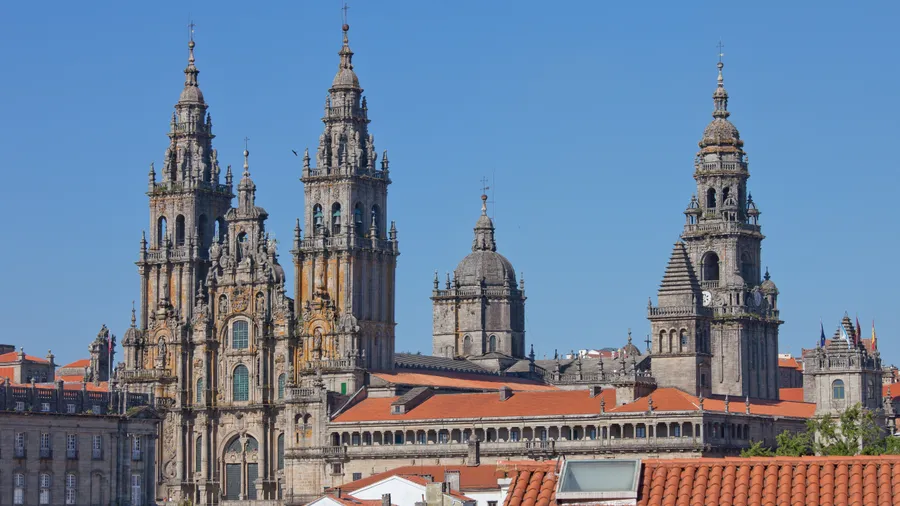
  • • 18th-century Baroque Obradoiro façade
  • • Pórtico de la Gloria, a Romanesque masterpiece
  • • Tomb of the Apostle Santiago in the crypt
  • • Located in Plaza del Obradoiro, historic center
  • • Accessible to people with reduced mobility
  • • Free general admission

Description

The Cathedral of Santiago de Compostela is an iconic monument located in the heart of Galicia, in the city of Santiago de Compostela. Primarily built in Romanesque style, this cathedral is the final destination of the historic Camino de Santiago, a pilgrimage route that has drawn travelers since the Middle Ages. The structure stands majestically in the Plaza del Obradoiro, incorporating architectural elements from different eras, including a notable Baroque façade on its main front.

When visiting the cathedral, you can admire the imposing 18th-century Baroque Obradoiro façade that opens onto the main square. Inside, the Pórtico de la Gloria stands out as a Romanesque masterpiece depicting biblical scenes with exceptional detail. Visitors can also access the crypt housing the tomb of the Apostle Santiago, a central figure in Christian tradition and the main reason for the pilgrimage. The interior atmosphere is filled with soft light and incense aromas, enhancing the spiritual and cultural experience.

The cathedral's history dates back to the 9th century when the supposed tomb of the Apostle Santiago was discovered. Since then, it became a place of great religious and cultural importance, leading to the construction of the current Romanesque cathedral in the 11th century. Over the centuries, the building has undergone modifications and expansions reflecting the artistic and social evolution of the region. The cathedral symbolizes the union of faith, history, and Galician identity.

For planning your visit, it is recommended to allow at least two hours to explore both the interior and the surroundings of the cathedral. Entry is free, although some specific areas may require tickets. The cathedral is accessible to people with reduced mobility and welcomes visits with children. No prior reservation is needed for general access. The best time to visit is in spring and summer when the weather is more favorable to enjoy Santiago de Compostela's urban and natural environment.

Key Information

Visit Duration

2-3 hours

Recommended Seasons

Spring, Summer

Pricing

Free

Accessibility

High

Kid-Friendly Pet-Friendly No Booking Required

Related Destinations

Guide

Essential information for visiting Cathedral of Santiago de Compostela

Location
Practical Information
Pricing
Free
Visit Duration
2-3 hours
Features & Services
  • Accessibility:High
  • Kid-Friendly:Yes
  • Pet-Friendly:No
  • Booking:No Booking Required
Planning Information

Recommended Seasons

Spring · Summer

Best Time to Visit

The best time to visit is in spring and summer when the weather is pleasant and cultural activities are in full swing.

Visitor Tips

To make the most of your visit, arrive early to avoid crowds, especially during peak season. Wear comfortable shoes for walking around the plaza and inside the cathedral. If you are interested in history, consider a guided tour to better understand the architectural and symbolic details. Please respect silence and dress codes inside the temple to preserve the atmosphere of reverence.

Historical Facts

The Cathedral of Santiago de Compostela was built in the 11th century over the supposed tomb of the Apostle Santiago, becoming a Christian pilgrimage center since the Middle Ages. Its Baroque façade was added in the 18th century, reflecting architectural evolution over the centuries.

Frequently Asked Questions

Get answers about Cathedral of Santiago de Compostela

Yes, the tomb is located in the crypt and is accessible to visitors during opening hours.
No advance booking is required for general entry, although some guided tours or specific areas may require reservations.
Yes, the cathedral has adapted access for visitors with reduced mobility.
No, pets are not permitted inside the cathedral.
Yes, the cathedral regularly holds masses; schedules can be checked on the official website or at the information point.