Castile and León

What to do in Castile and León

Plans, activities and things to see in Castile and León

Discover Castile and León

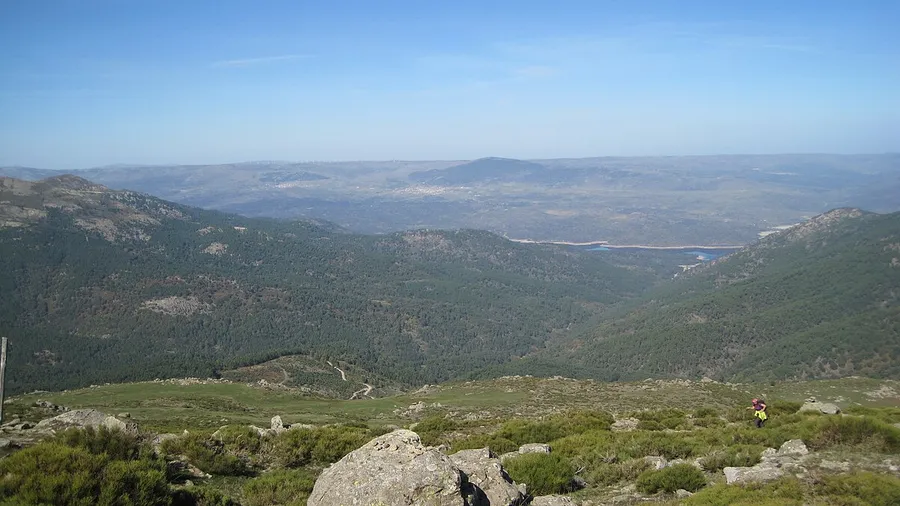
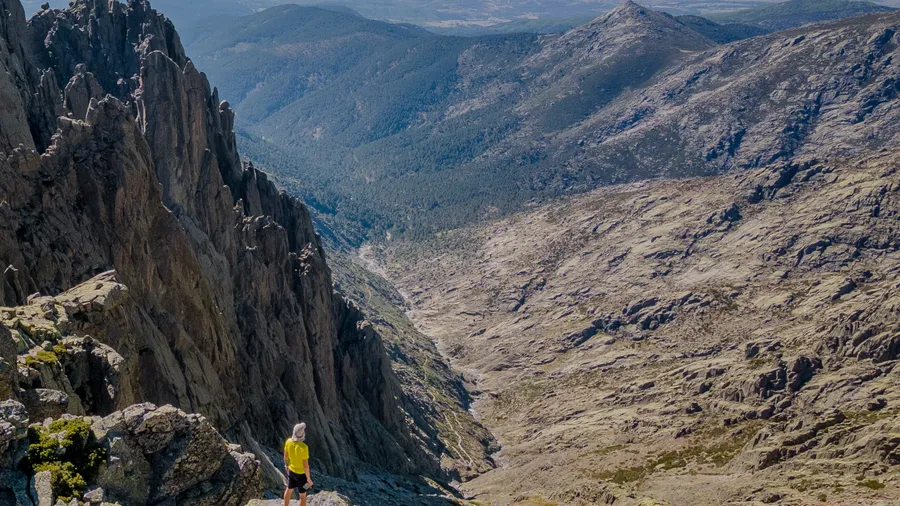
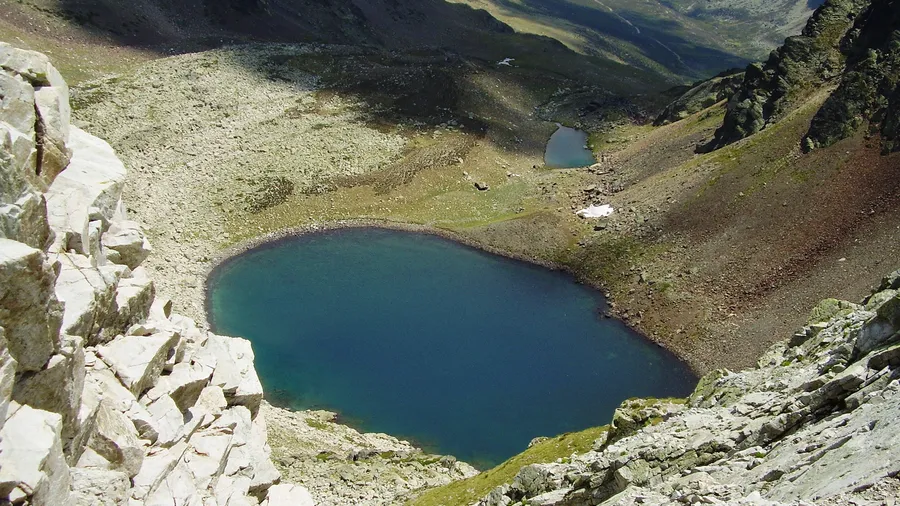
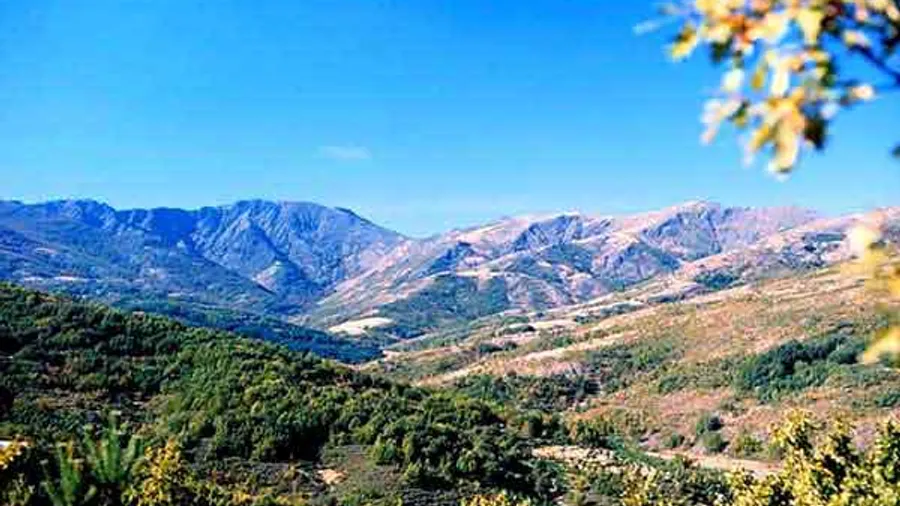
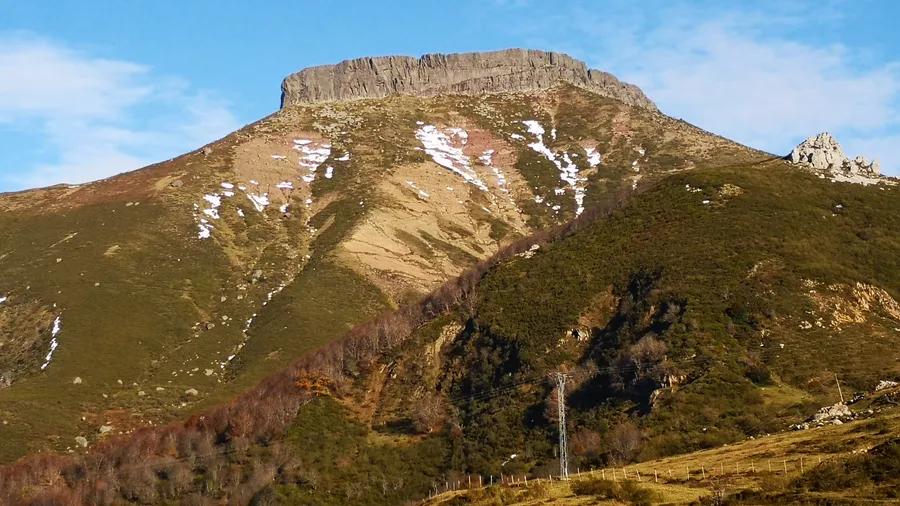
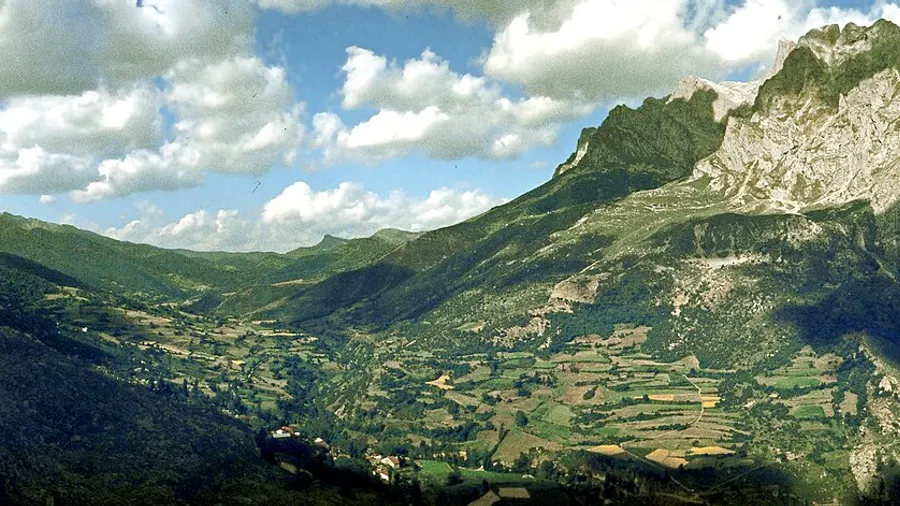
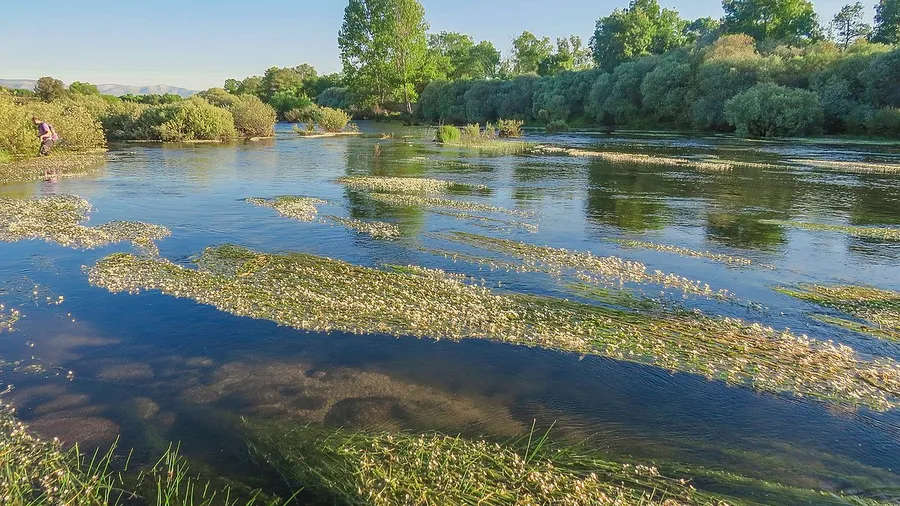
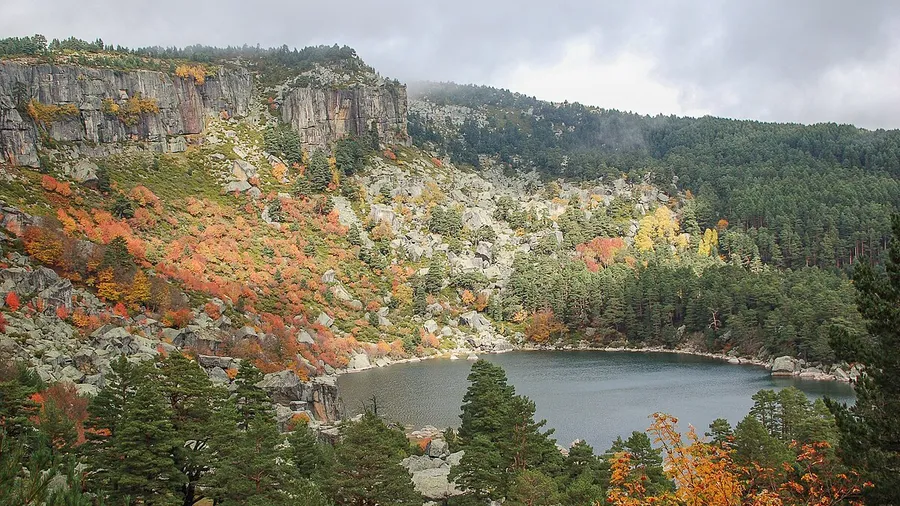
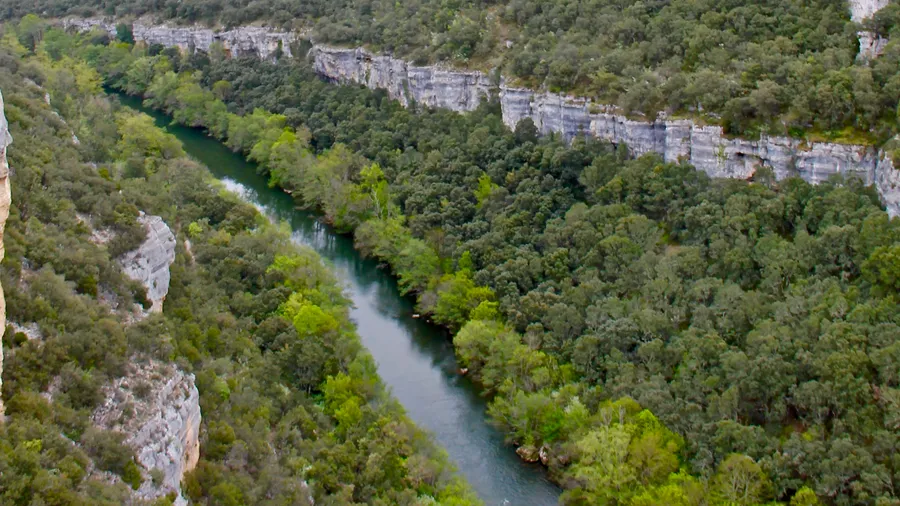
Castile and León is the largest autonomous community in the European Union, covering 94,226 km² that span from the peaks of Picos de Europa and Sierra de Gredos down to the cereal plains of the Duero valley. That range of terrain translates into an outdoor activity catalogue running from glacial hiking to horseback harvest rides, with rock climbing at Siete Picos and flatwater paddling on Iberian System reservoirs in between. The mountains concentrate most of the active offer. Picos de Europa has multi-day routes with staffed mountain huts, while Sierra de Gredos — with La Plataforma cirque at 1,800 metres — holds enough snow for snowshoeing through May. Hoces del Duratón Natural Park, where colonies of griffon vultures are visible from kayak or canoe, provides a setting hard to match anywhere else on the northern plateau. Beyond the mountains, the region has a well-established equestrian tradition. Horseback routes through the Maragatería in León or through the Soria pine forests let you cover ground at a pace no motor vehicle can replicate. The Duero reservoirs — Riaño, Aguilar de Campoo, Arribes — are reference points for flatwater kayaking and lake-side cycling. The French Way of St. James crosses the entire community from the Pyrenees to Castile, providing unmatched accommodation and waymarking infrastructure for walking and cycling. Zamora, Salamanca and Ávila serve as frequent starting points for cultural experiences combined with urban trails or wine routes through the Ribera del Duero, Rueda and Toro denominations.

Highlights

  • • High-mountain hiking in Picos de Europa with staffed mountain huts
  • • Snowshoeing in Gredos glacial cirque, snow conditions through May
  • • Kayak and canoe through Hoces del Duratón beneath griffon vulture colonies
  • • Horseback routes through Maragatería and the Soria pine forests
  • • Cycling the French Way of St. James, waymarked end to end
  • • Wine routes through Ribera del Duero, Rueda and Toro with cellar visits

Best time to visit

May to October for hiking and mountain activities. December to March for snowshoeing and cross-country skiing in Picos de Europa and Gredos. Wine routes are particularly rewarding in September-October during harvest season.

Practical tips

Book accommodation well ahead on the Camino de Santiago in July and August: pilgrim hostels fill before noon. For Gredos, approach from Arenas de San Pedro or Puerto del Pico to avoid weekend traffic jams at La Plataforma. If driving north towards Palencia or León, bring warm layers even in summer: temperatures can drop 15°C compared to the valley floor. Most wineries in the region's denominations accept walk-in visits on weekdays.

Plans and activities en Castile and León

Las mejores experiencias y planes disponibles en Castile and León

60

What to see en Castile and León

Rincones, lugares y puntos de interés que no te puedes perder

Destinations & areas

Zonas y destinos turísticos en Castile and León

Provincias y localidades de Castile and León

Descubre qué hacer en cada localidad de Castile and León
Frequently asked questions sobre Castile and León
June to October the La Plataforma cirque is snow-free and main trails are accessible without technical gear. In May and November snow persists at high elevations; snowshoes or approach crampons are recommended. Summer is the busiest period; starting before 8am avoids afternoon cloud build-up.
Yes. The French Way has several MTB-suitable sections between Burgos and Ponferrada, although surface conditions vary by segment. The Via de la Plata — crossing the region north to south — suits gravel or MTB better, as it uses more dirt tracks. Most pilgrim hostels accept bikes with advance notice.
The Arribes del Duero reservoirs and the river section from Miranda de Ebro to Zamora are flatwater (Class I-II), suitable for beginners with a guide. Hoces del Duratón is also Class I at normal flow. The Sistema Ibérico canyons require Class III experience or higher.
For trekking routes to the cirque and main summits (Almanzor, 2,592 m) a guide is not mandatory but recommended if you don't know the terrain and are going in autumn or spring. Rock climbing at sectors like Los Galayos requires intermediate-to-advanced technical ability; hiring a certified guide is the sensible call for newcomers.
The Burgos-to-León section of the French Way is approximately 185 km. On foot, at 25-30 km per day, that is 7-8 days. By bike, at 70-80 km per day, 2-3 days. Both cities have airports or high-speed rail connections for starting or ending a partial walk.
Related articles sobre Castile and León