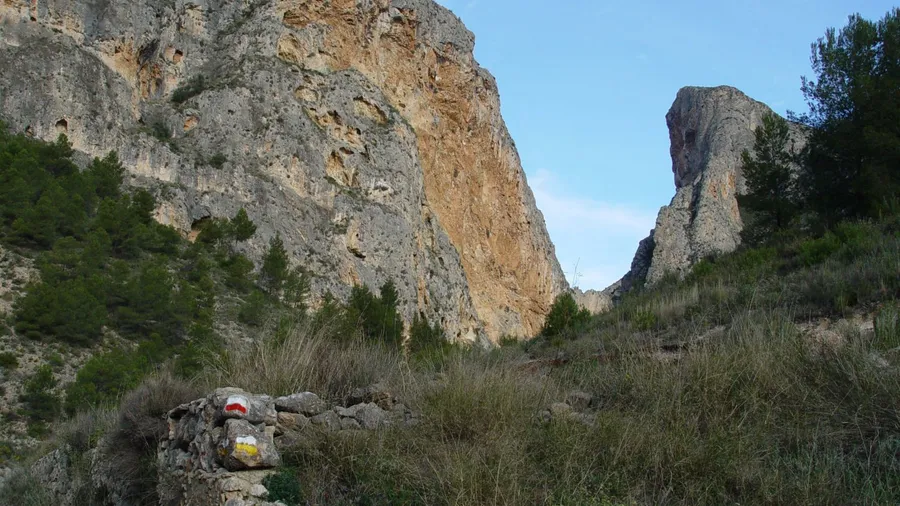
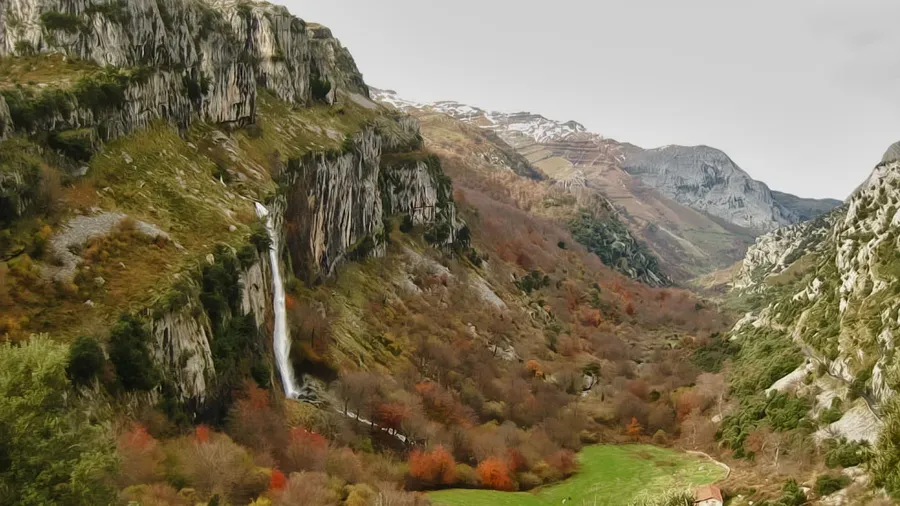
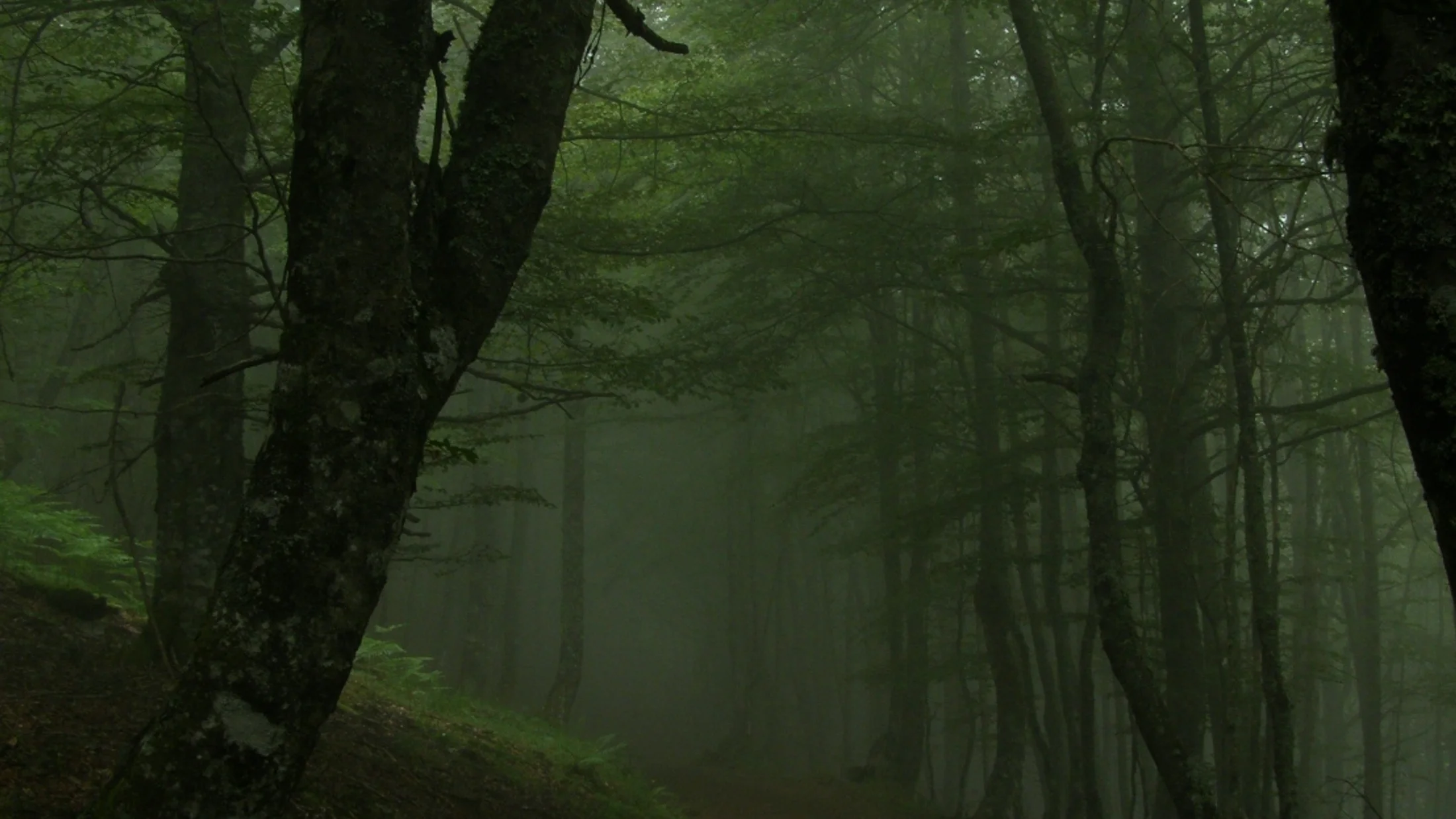
Tellao beech forest circular route
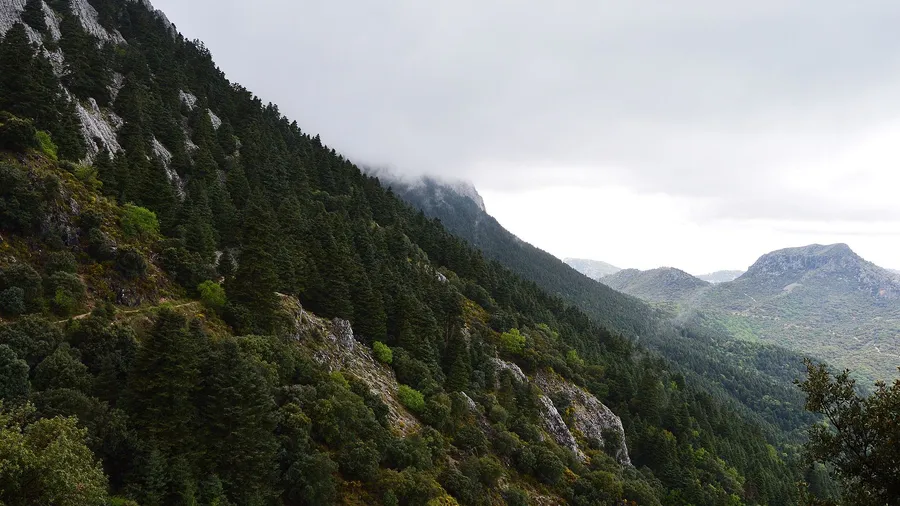
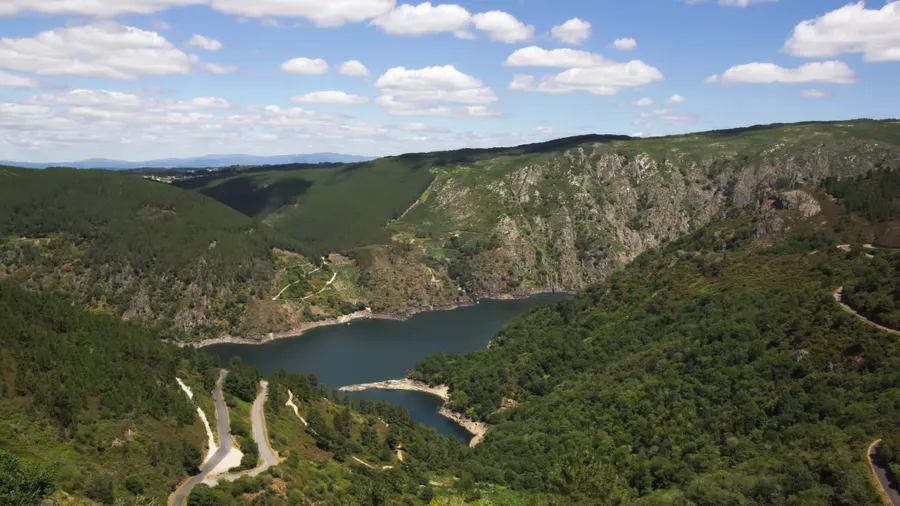
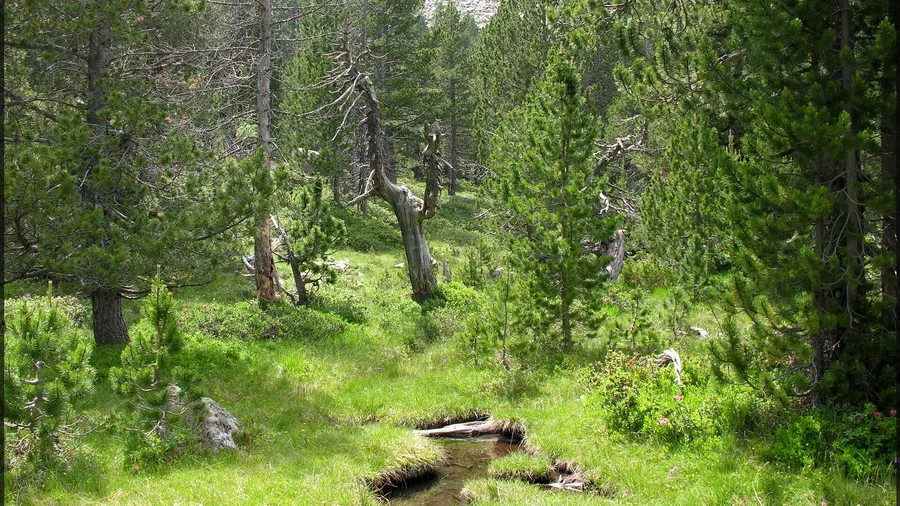
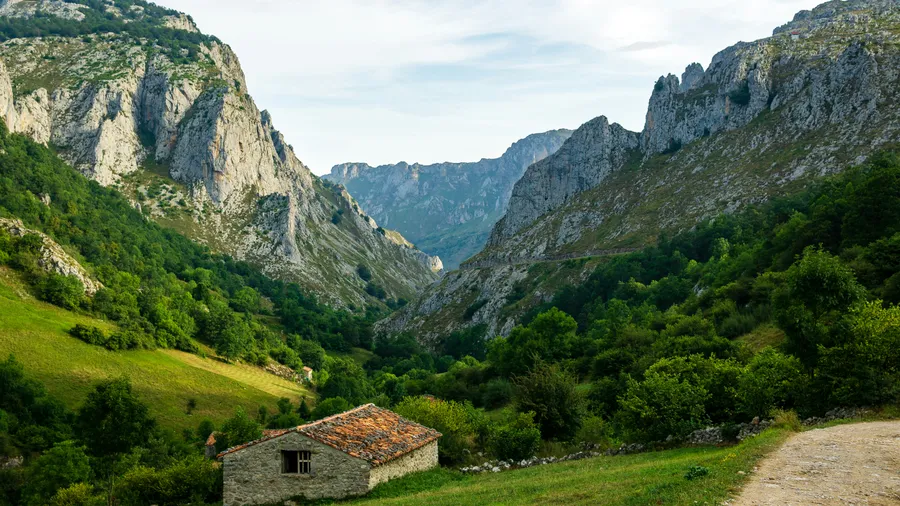
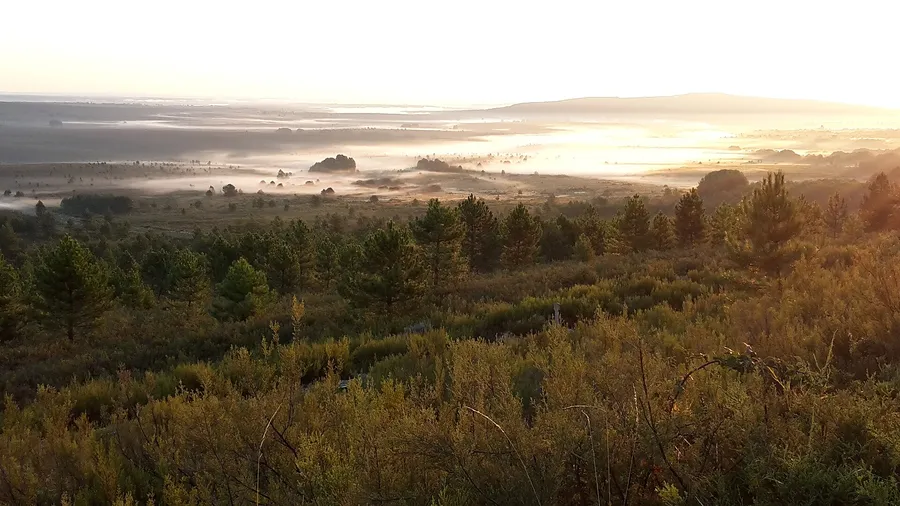
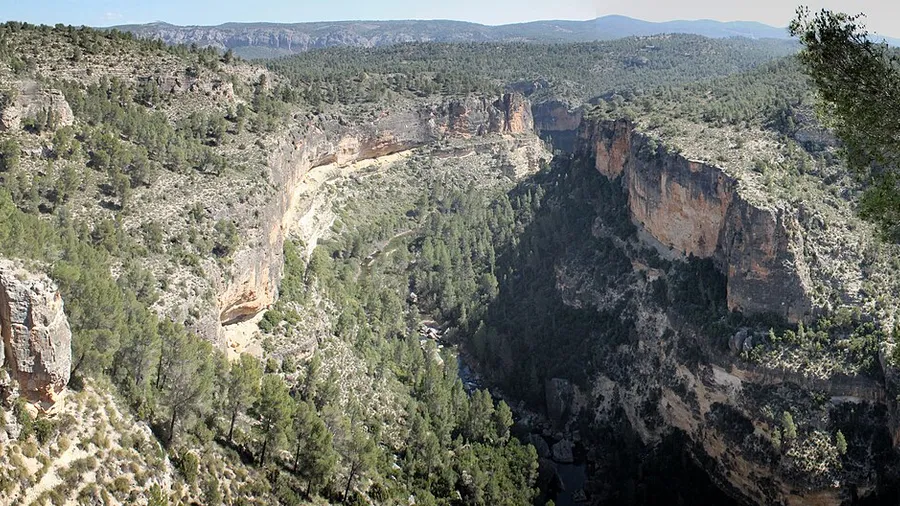
8 km circular through old-growth beech forest, ending at a valley viewpoint. 300 m accumulated elevation, easy to follow and very photogenic in October.
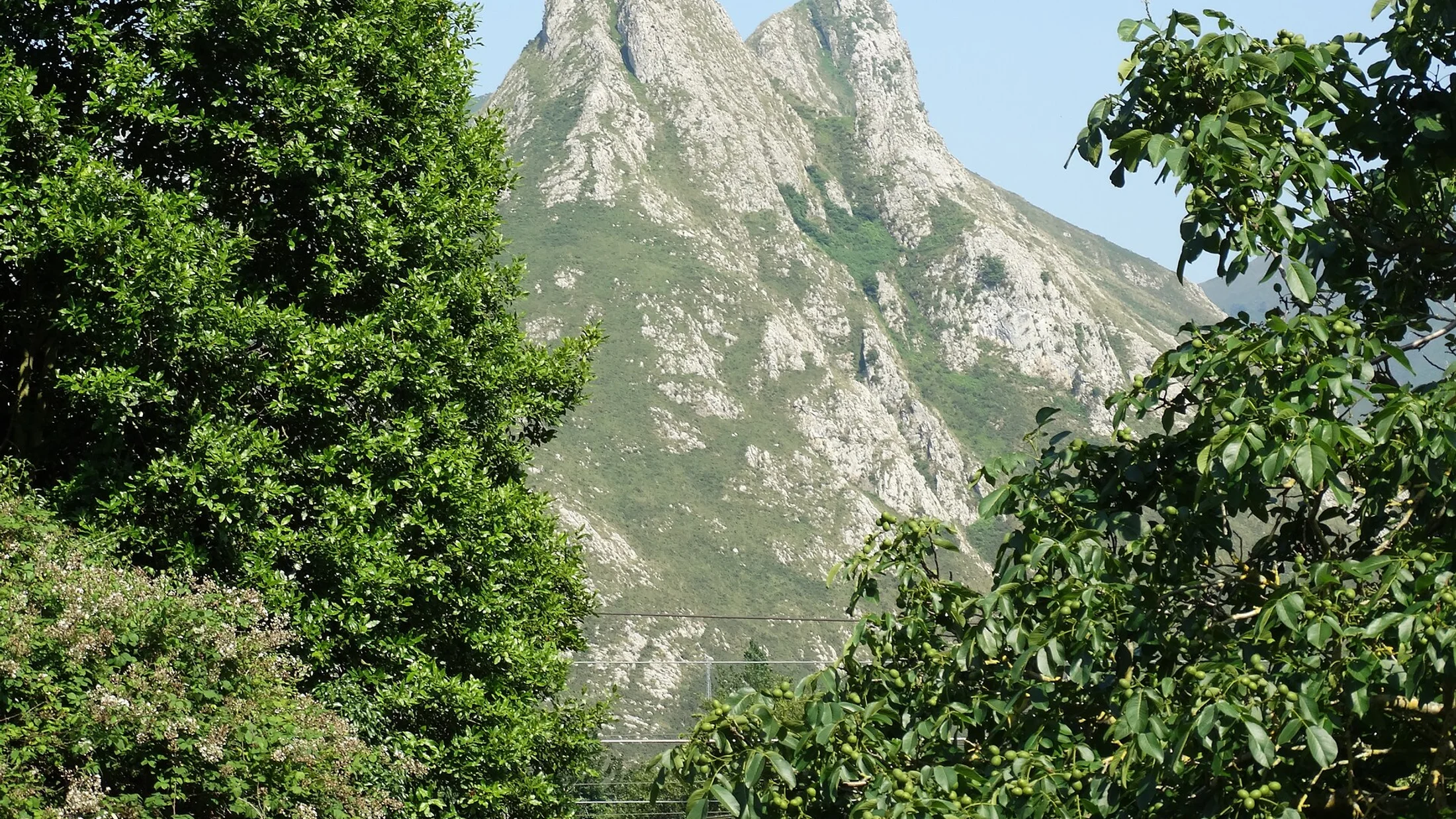
Remote cabins deep in an Asturian beech forest, stargazing and hiking among wolves and capercaillies.
From 140 € /person
No commitment · We design it with you
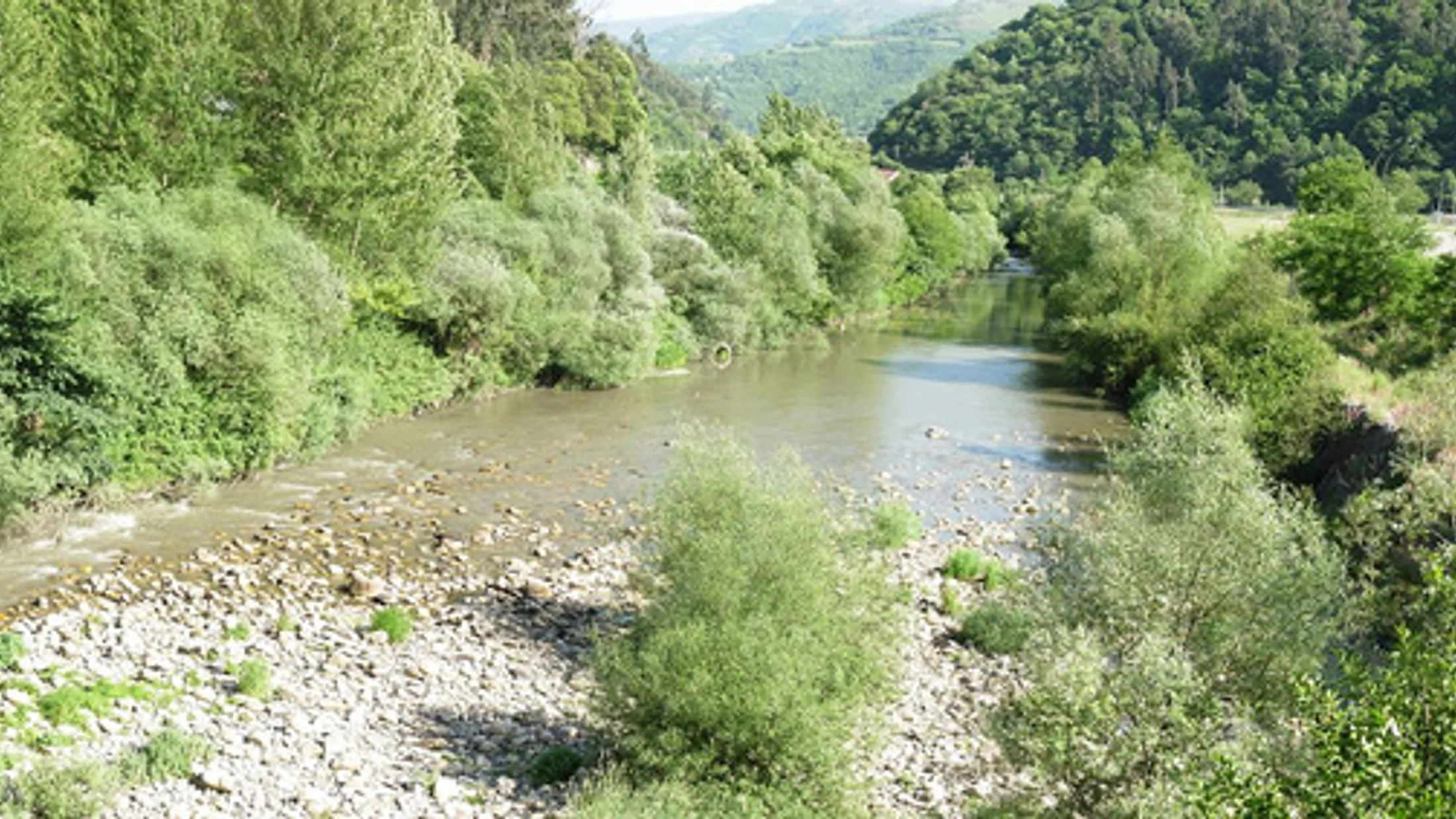
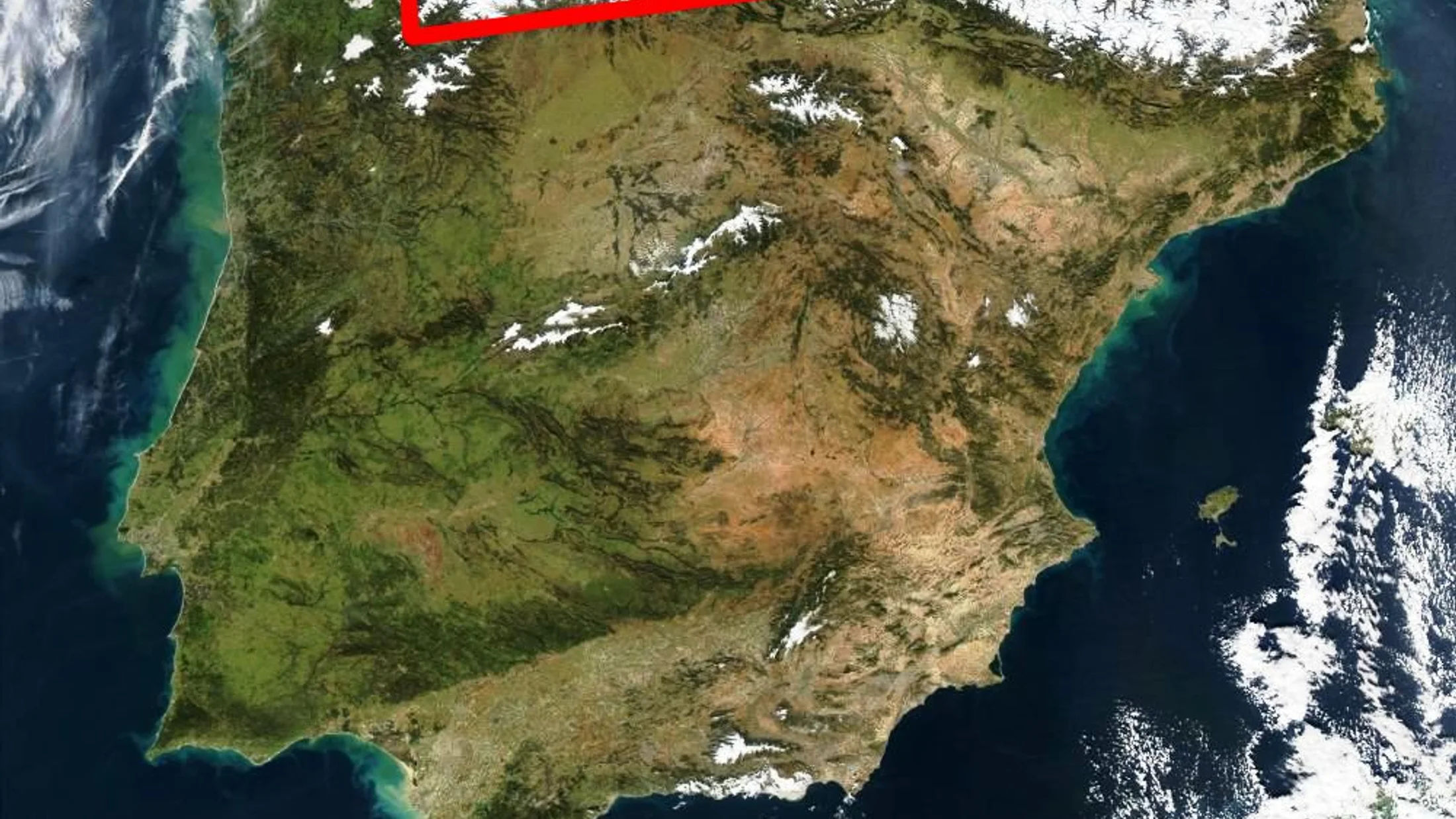
The Starlight Reserve Cordillera Cantábrica covers 16,700 km² of Asturias and León with skies certified free from light pollution. One of the largest in the world, and Alto Aller is at its heart.
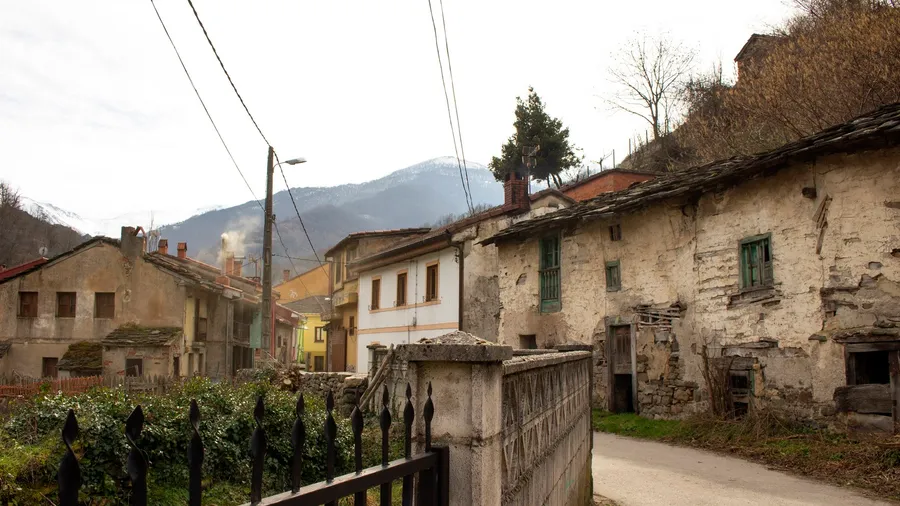
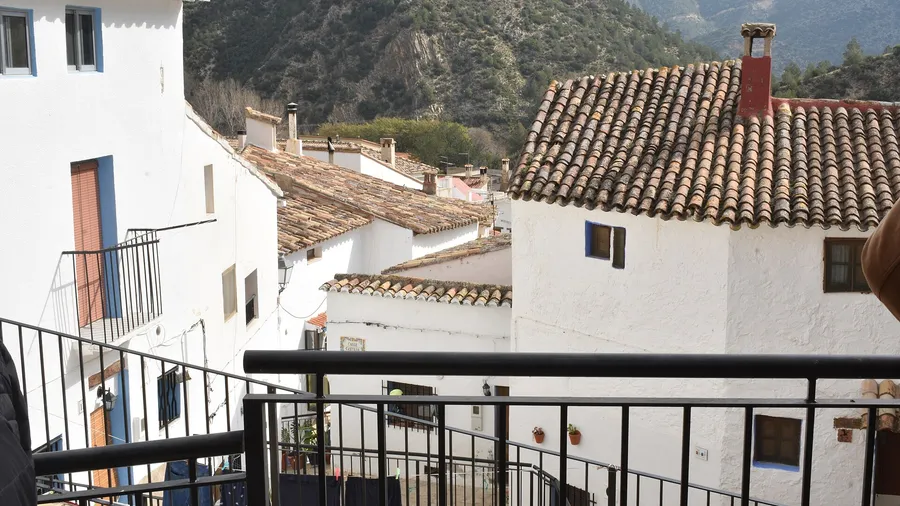
The cabins of Alto Aller are traditional wood and slate constructions, renovated – not prefabricated bungalows. Many still have exterior corridors, wood-burning fireplaces, and a single room. It is what it is: a cabin.
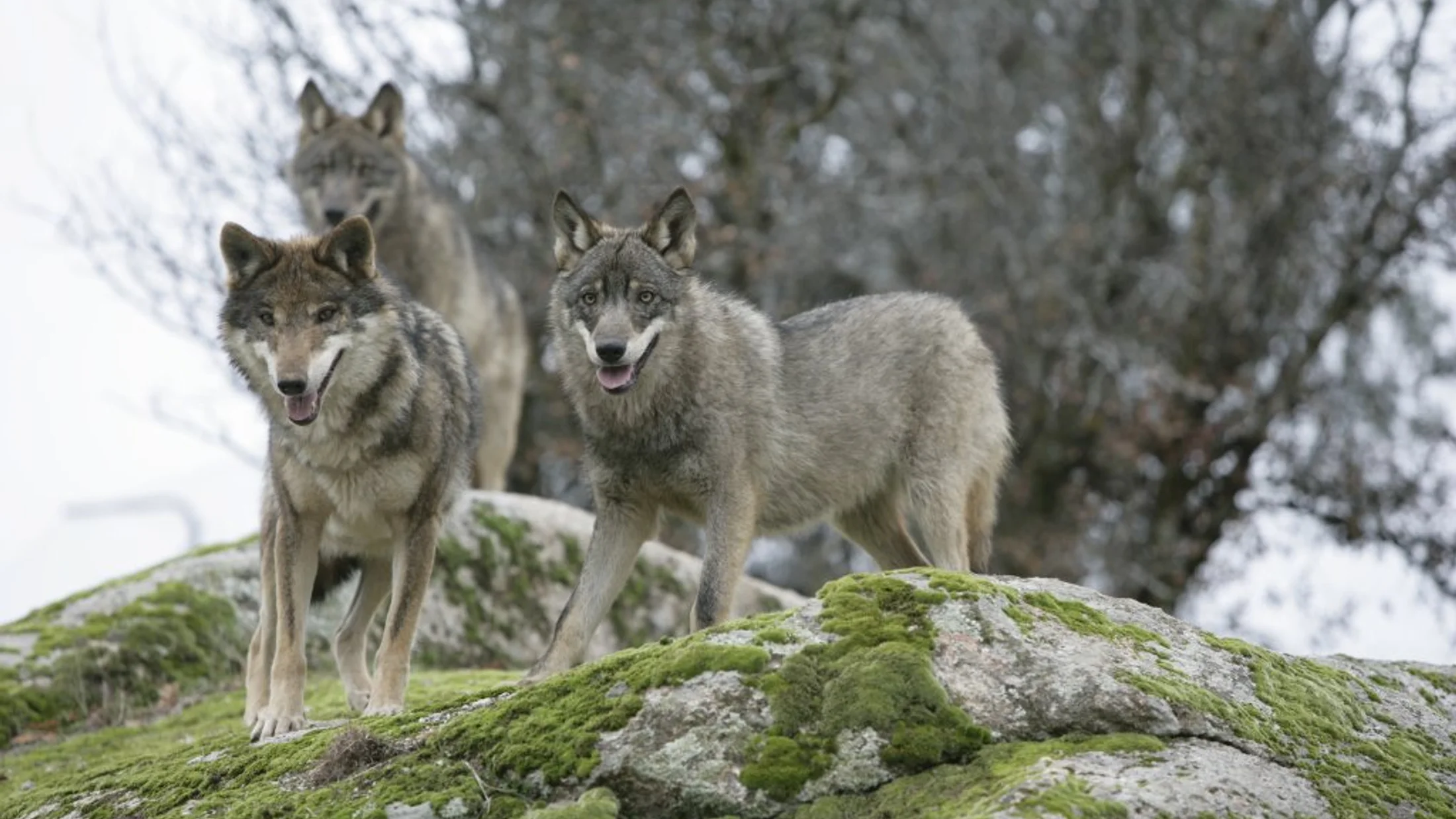
Asturias has the highest density of Iberian wolves on the peninsula and the Cantabrian capercaillie survives here in critical condition. Walking with a wildlife biologist doubles the probability of detecting tracks, droppings and, if you’re lucky, hearing its voice at dawn.
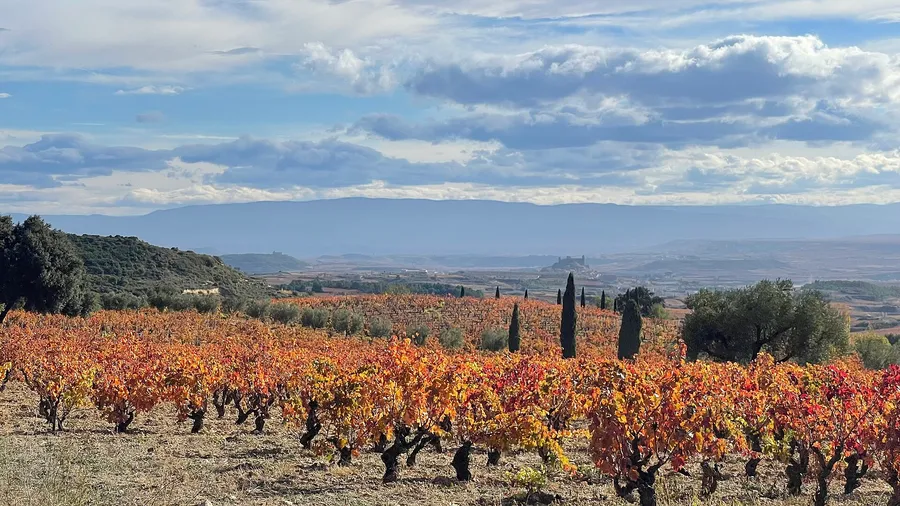
The beech forests of the Aller council —Tellao, Caleao— paint the entire hillside with copper and yellow between October 10th and 30th. Few areas of the country visually compete with this autumn palette.
Fits if you want real disconnection, fancy two nights without your phone and enjoy walking through damp forest. Good for couples, solo travellers and small groups keen on wildlife watching or astronomy.
Doesn't fit if you need a village with bars nearby, lift access at your lodging, or you expect dry weather. Asturian weather shifts every two hours, and the cabin is usually 20-40 min by car from the nearest shop.
An editorial showcase of what the destination offers. Nothing to book here - we shape it when you write to us.
The active side: guided or self-guided activities, no sugar-coating the gradient.
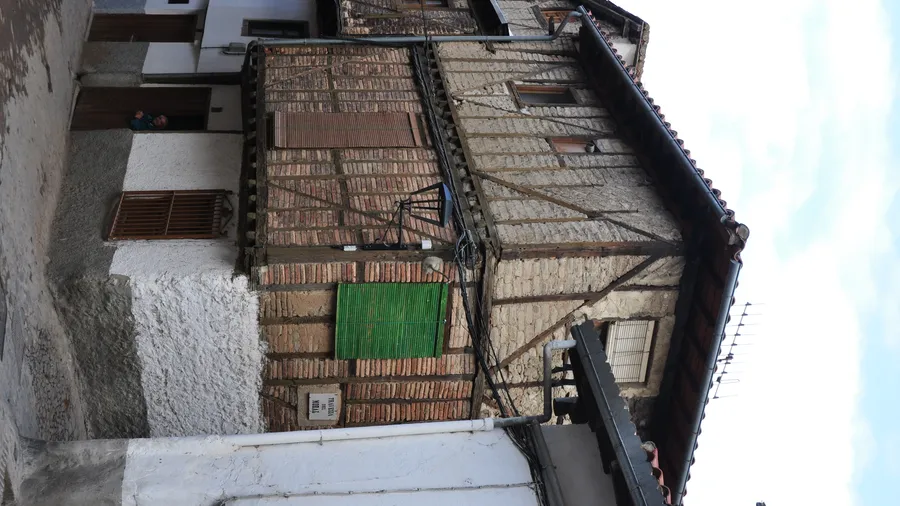
What makes this place different: heritage, crafts, local history.
Eating well without the manual - local product, village pace.
Where you sleep - inns, rural houses, hotels with character in the valley.
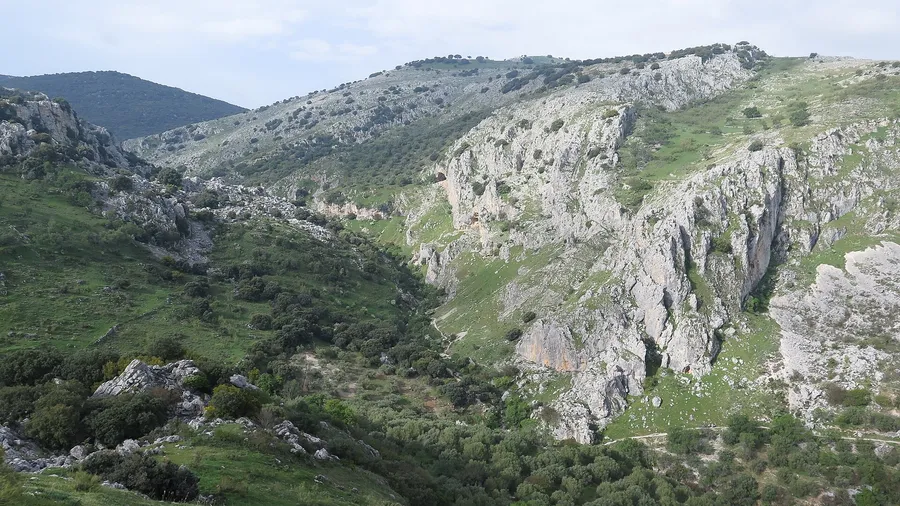
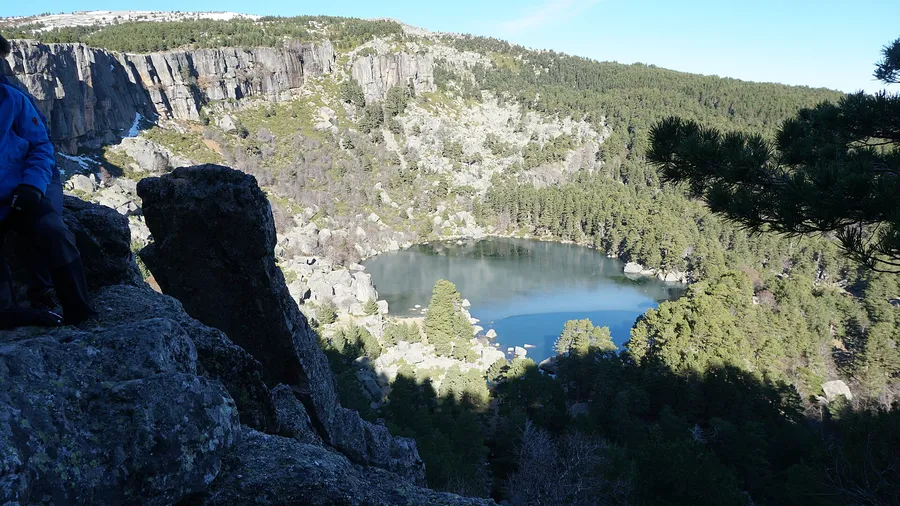
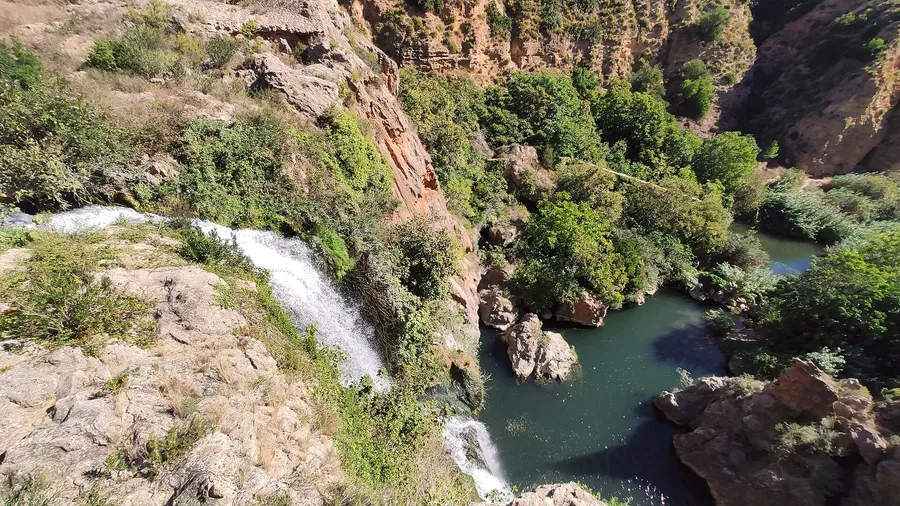
Landscape unfiltered: what you see on foot, without the car.
Half-hour side trips if you've time left or it rains.
Low-to-moderate fitness: typical route 6-10 km with 300-500 m elevation, slow pace, lots of stops for interpretation. The challenge is altitude (>1,500 m) and humidity on wet days.
When: May to October is prime time. June and September are the sweet spot (lush, fewer crowds, long days). Winter snow allows skiing at San Isidro/Fuentes de Invierno but cabin access becomes tricky.
Access: Asturias airport (90 km) or Oviedo (40 km). Cabin pick-up usually in Cabañaquinta or Moreda; rest by your own car.
Gear: waterproof and fleece always, grippy boots, headlamp, insect repellent in summer, binoculars handy for wildlife.
Ask your guide/host for the exact astronomical twilight time for the stargazing session. Book a table at Pidre or Casa Pepín (Moreda) for proper Asturian cuisine. If you stay one extra day, walk to Cuya Ría lagoon (8 km, easy, spectacular).
The Iberian wolf inhabits the area — Sueve reserve and upper council zones — but is elusive. Sighting probability: very low. Hearing at dawn/dusk in autumn-winter: medium with a local guide who knows the spots. No danger to humans.
Depends on the cabin: higher-altitude ones use solar panels with NO wifi (part of the charm). Lower ones have mains power but wifi is still weak. Mobile coverage is patchy.
September to March, around new or crescent moon. The Milky Way is most spectacular July to October. October and November tend to deliver clear skies after weather fronts.
As far as Moreda/Cabañaquinta, yes (good road). The last 5-10 km to the cabin can be forest track: your host will tell you if 4x4 is needed or meet you halfway.
It's Asturias, accept it: the cabin is a great refuge (fireplace, books, board games). Guides usually have a plan B: low-canopy forests, the mining museum in Moreda, a cider house in Cabañaquinta.
Quick filters
We'll shape it around you
Tell us how you travel - dates, group, pace, budget - and we'll design the trip exactly the way you need it.