Introduction: what is a rural getaway and why plan one
Definition and benefits of a rural getaway
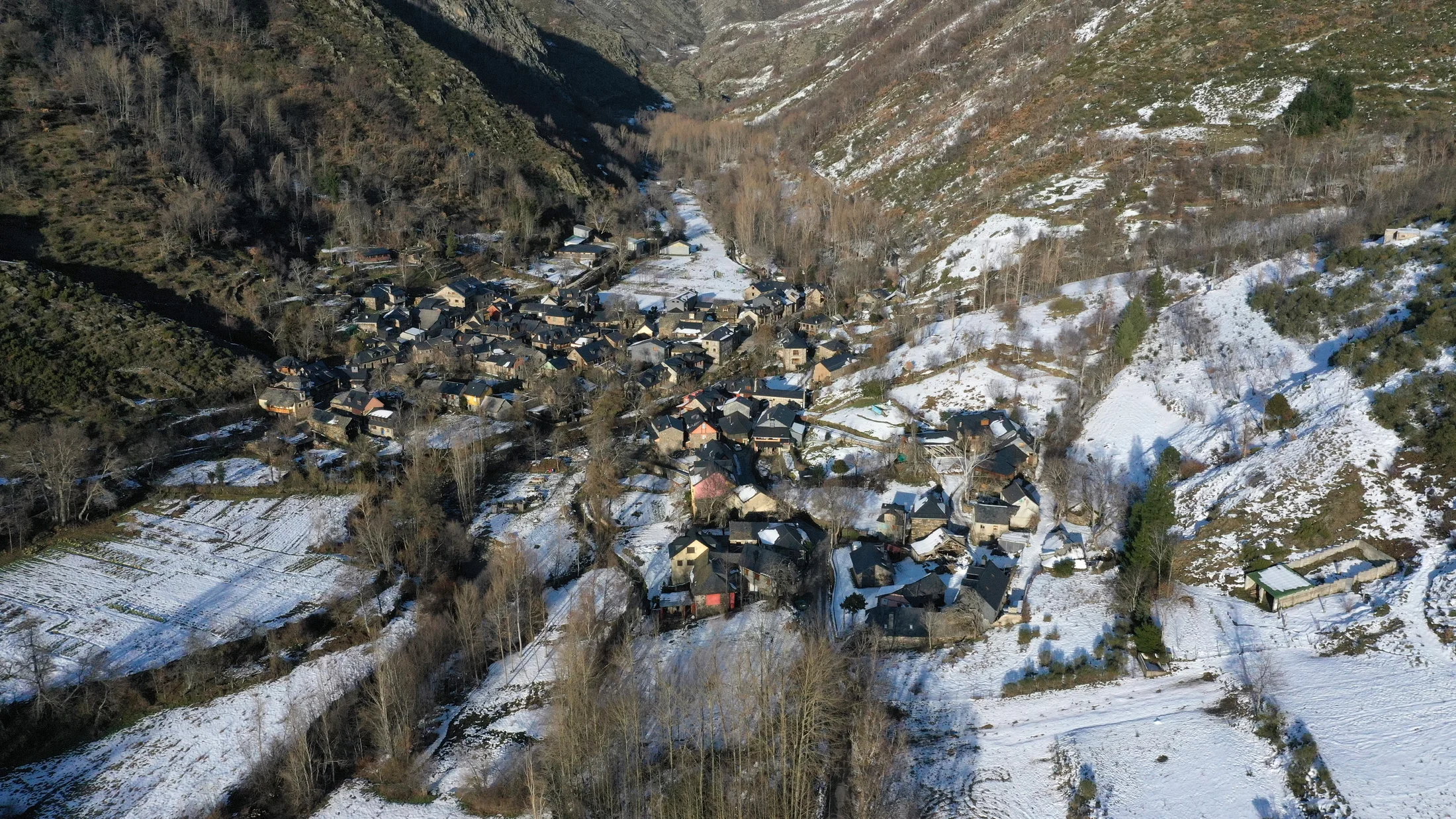
A rural getaway is your mindful pause in the countryside. It’s a short trip, usually lasting 1 to 3 nights, to reconnect with nature, local culture, and slower rhythms, away from the noise and rush of city life. Picture waking to the smell of wood smoke and a hiking trail just 200 metres from your door. With light planning, genuine desire for rest, outdoor activities, and close contact with hosts, you can enjoy these experiences at moderate prices of €25–50 per person per night during mid-season, according to INE data and specialist travel platforms.
Why plan ahead: experiences and safety
Planning helps avoid surprises: fully booked accommodations during public holidays, closed mountain roads due to snow, or restaurants with no available tables. Check the weather with AEMET up to 72 hours in advance, confirm access routes with DGT, and book activities that require permits or limited spots. A family calling the guide the day before often secures a time slot, while improvising might leave you out of the group.
What you’ll find in this guide
This guide gives you clear steps to plan your rural getaway: choose your destination and accommodation, set your budget, book activities, and prepare a backup plan. You’ll get checklists for gear, safety, and return, plus expert tips to avoid common mistakes. By the end, you’ll have a ready-to-use mini route plan to start today.## Key concepts: types of getaways, seasons and expectations
Types of rural getaways and common goals
Choose the purpose before the map. Relax: look for rural accommodation with a fireplace, spa and a quiet setting; prioritise gentle walks and reading. Adventure: explore areas with marked hiking trails, rock, biking or calm waters; book local guides and equipment. Cultural and gastronomic: focus on regions with ethnographic museums and weekly markets; plan wine tastings, visits to wineries or cheese dairies. The fresh grassy breeze as you open the window sets the pace.
Impact of seasons and weather
The season determines the menu. Spring and autumn favour hiking and biking due to mild temperatures and lower crowds; summer calls for early starts, seeking rivers and shade; winter brings snow, routes requiring tyre chains and short days. Check AEMET for daylight hours, rain and wind warnings, and adjust layers, waterproofs and schedules accordingly. The crackle of frost underfoot is a signal to set off early and return with margin.
Adjust expectations: duration, budget and pace
Two hours by car, a weekend delivers if you limit travel and choose 1–2 key activities. Adjust budget: accommodation £25–£50 per person per night, local meals £12–£20, guided activity £25–£60; allow 10–15% buffer. Define pace: relaxed (leisurely walk, long meal, afternoon nap) or active (two short activities, light dinner). The sun dipping behind the hill signals when to stop without regrets.## Choose destination and accommodation by profile (family, couple, pets, group)
For families: safety and fun
Think about safety and fun. Look for accommodations with family rooms, cots, and enclosed outdoor areas, and destinations with short hiking trails, school farms, or nearby interpretation centres. Ask: are there handrails, protected sockets, microwave, and high chair? Check distance to the nearest medical centre (in km) and supermarkets. The smell of freshly baked bread in the morning makes it easy to gather together to plan your day.
Couples and romantic getaways: privacy and experiences
Privacy matters. Isolated cabins, complete country houses, or studios with hot tubs and views are solid choices; pay attention to porch orientation, blackout curtains, and fireplace. Book evening experiences: wine tasting at a winery, thermal bath, or a walk through a nearby forest. The golden light coming through the window transforms a simple dinner into an unforgettable moment. Confirm flexible check-in and discreet extra services (picnic breakfast, massages).
Pets and groups of friends: logistics and rules
For pets, ask for written policy: allowed size, extra charge, enclosed spaces, and rules in protected areas. For groups, define room and bathroom distribution, and kitchen shift rotation; confirm parking for 2–3 cars and a large table. Checklist for the host: quiet hours, firewood included, real Wi-Fi (in Mbps), authorised barbecue, and bins. The smell of wet earth under paws will remind you to bring old towels and a portable water bowl.## Step-by-step guide to planning your getaway
Step 1: Define purpose, duration and budget
Start with why. Write down whether you're seeking relaxation, adventure, or culture; set your dates and duration (ideal: 2–3 days within <250 km), and estimate a realistic per-person budget with 10% set aside for unexpected costs. Use a simple spreadsheet or shared note apps for tasks, payments, and wishlists. Just sketching ideas on paper already lightens the mind.
Step 2: Research and choose destination and accommodation
Research using reliable sources: official tourism websites, local offices, recent reviews, and IGN maps for access points. Compare accommodations by location, facilities, heating, summer shade, and cancellation policy; cross-check photos with Street View where available. Call and ask for confirmation by message. The sound of a nearby river hints which room to choose for better sleep.
Step 3: Book, confirm and prepare a backup plan
Book in advance: 3–6 weeks for regular weekends, 8–10 weeks for public holidays. Confirm check-in, bedding, firewood, pet policy and 24-hour contact details; store everything in a digital folder. Prepare a backup plan for bad weather: a local museum, a shorter alternative route, or a traditional inn’s menu. A raindrop on the roof can become an excuse for a hot soup in the square.## Luggage and what to bring: essential checklist by activity and weather
Universal basic checklist
Pack light and organised. Essentials: DNI, health card and insurance, cash and card, mobile phone with charger and external battery, basic first aid kit, sunglasses, headlamp, reusable water bottle, multi-tool knife, rubbish bags, microfibre towel, earplugs. Base layer: technical t-shirt, second warm layer and windproof jacket; explain "layers": system of garments that retain heat and dry quickly. The dry feel of merino wool helps maintain comfort.
Gear by activity (hiking, water, cycling)
Each activity requires its key item. Hiking: boots with marked sole, walking poles, physical map. Water: closed sandals, lightweight towel, waterproof bag. Cycling: certified helmet, gloves and spare inner tube. Budget alternatives: simple rain jacket and battery-powered torch; quality: 2.5-layer membranes and rechargeable headlamp. "Membrane" is fabric that blocks rain and lets vapour escape. The smell of sunscreen will remind you to reapply every two hours.
Weather and duration adaptations
Cold: hat, gloves, neck gaiter and thermal socks; rain: 10,000 mm waterproof jacket and rucksack cover. Heat: hat, lightweight t-shirt, salts and SPF 50 sunscreen. For longer stays, double up on technical socks and add soap for quick washes; for weekend trips, mix versatile outfits. Skin will appreciate a dry garment at the end of the day. Minimise weight using multi-functional clothing and matching colours.## Local activities and experiences: how to choose and book
Where to find reliable local activities
Start near those who live there. Tourist offices, local associations, municipal social media networks, and local guides offer realistic seasonal schedules. Check recent reviews and local festival calendars. The church bell at noon will signal the ideal time for a guided visit. Ask about availability, prices, and whether there are family or midweek discounts.
How to evaluate and prioritise activities
Choose with both mind and heart. Consider: duration, difficulty, cost, accessibility, and distance from your accommodation; mix nature with culture and rest. Plan a maximum of two main activities per day and leave room for spontaneity. The crunch of gravel underfoot will tell you when to speed up or stop. Prioritise providers with small groups and sustainable practices.
Bookings: timing, cancellations and communication with providers
Book with clear timing: 7–10 days ahead in mid-season, 14–21 in high season. Review cancellation policies, rain, and minimum group sizes; request written confirmation and share special needs (coeliac diet, boot size). Pay a reasonable deposit (20–30%) and keep receipts. The guide’s voice on the phone conveys trust that an email doesn’t always. Note down an emergency number that works outside office hours.## Safety, permits and sustainability in rural areas
Basic safety and risk prevention
Safety starts before you set out. Share your itinerary with someone, charge your phone and keep an offline map; learn basic signals and first aid. Use apps such as AEMET, IGN maps and 112 for emergencies; in the mountains, mark your return with a light margin. The smell of ozone before a storm warns of rapid changes. Carry a thermal blanket and whistle; they weigh little but can make a big difference.
Permits, regulations and respect for protected areas
Some areas require permits: access to reserves, fishing, mushroom picking or regulated parking; check the website of the natural area, local council or National Parks Network. Respect signage, hunting hours and temporary closures due to wildlife. "Protected area" means a sensitive habitat: stay on the trail and keep quiet. The silence of the forest is part of our shared heritage. Keep your dog on a leash and always clean up after it.
Sustainability and supporting local economy
Minimise your impact and contribute to the place. Shop at local stores, try seasonal produce and hire local guides; avoid single-use plastics and bring a rubbish bag. "Leave no trace" means returning with everything you brought and not picking plants or breaking stones. The scent of mature cheese from the local dairy is employment and culture. Ask about community initiatives: volunteering, markets or interpretive trails.
Picuco te puede ayudar
Does something here catch your eye?
Tell us.
Write to us on WhatsApp or email: we answer questions, find the best options and help you sort out the booking.
Common mistakes when planning a rural getaway and how to avoid them
Mistakes in advance planning and solutions
Hastiness is common. Mistakes: booking late, not reading the small print, ignoring negative reviews or underestimating track access. Solutions: booking checklist, call the host, check roads using DGT, and confirm heating, real Wi-Fi, and opening hours. Don't click 'book' at midnight—set a deadline to decide and another to review conditions.
Mistakes during the getaway and how to respond
Reality changes. If heavy rain hits, prioritise museums, workshops, or covered markets; if an activity is cancelled, check alternatives with the tourist office or your guide. Keep a cash reserve and save tickets for refunds. The sound of raindrops on the porch invites you to reorganise calmly. Learn to pause and adjust routes according to light and energy levels.
Post-getaway mistakes and learning
No review means no improvement. Note what worked, actual transfer times, and useless gear; save reliable contacts for repeat visits. Leave honest, helpful reviews with specific details and photos. The smell of clean clothes when unpacking marks the end of the journey. Recover lost items by contacting the host immediately and record improvements for next time.## Practical checklists: before you leave, during your getaway, and when you return
Checklist before you leave (reservations, documents, home)
Focus on the essentials. Check your reservations and cancellations; save addresses and phone numbers; DNI, cards, and cash; medication, first aid kit, and insurance; offline maps and chargers; inform someone of your plans; fuel or charge; home: gas and water turned off, windows, plugs, and fridge checked. The click of the door closing confirms everything is in order. Leave a spare key with a trusted person.
Checklist during your getaway (daily and end-of-stay)
Daily routine, enjoyment secured. Check the AEMET weather report, charge batteries, water, and snacks; respect accommodation rules, sort waste, and plan according to daylight. When leaving: turn off the fireplace, do basic clean-up, take out rubbish, and return keys. The crackle of wood in the heater confirms it’s safe to sleep. Confirm check-out time and check sockets and drawers.
Checklist when you return (insurance, reviews, belongings)
Close the loop with learning. Review charges, tolls, and deposits; handle insurance if needed; wash and dry equipment; return the first aid kit. Write reviews with useful details and keep a list of improvements for next time. The smell of coffee at home helps you sort memories. Gather photos and share provider contacts that worked well with your group.## Conclusion and next steps: bookings, savings, and useful resources
Quick summary and call to action
Define your purpose, choose a nearby destination, book with flexibility, and prepare a backup plan. Start today: open your calendar, set your dates, and create your checklist.
Tips to save and optimise bookings
Book in advance, travel in low season or midweek, and negotiate longer stays. Compare accommodations by included amenities, and cook one meal at your rural stay.
Recommended resources and tools
AEMET for weather, IGN for maps, 112 for emergencies, and the National Parks Network for permits. Use a checklist template and a shared notes app to coordinate your plan.