Highlights

  • • Main façade with Gothic rose window
  • • Sacristy with paintings by El Greco and Velázquez
  • • Baroque altarpiece in the main chapel
  • • Blend of Gothic and Mudéjar styles
  • • Located in Toledo's historic city center

Description

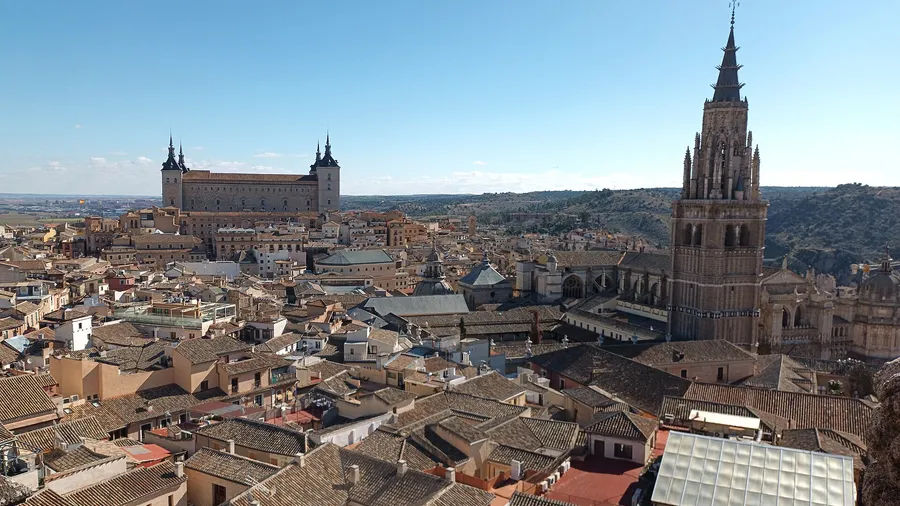
The Cathedral of Toledo, known as the Primate Cathedral of Spain, is an iconic monument located in the heart of the city. Primarily built in Gothic style between the 13th and 15th centuries, its architecture also reflects Mudéjar and Renaissance influences, visible in ornamental details and its structure. This religious building symbolizes the ecclesiastical and cultural power of Toledo, a city that was Spain's historic capital and a crossroads of Christian, Jewish, and Muslim cultures.

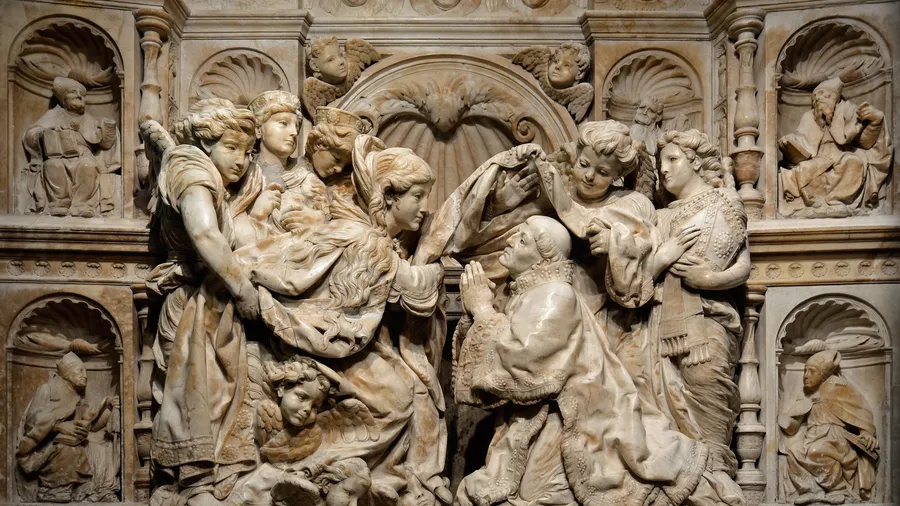
Visitors touring the cathedral can admire its imposing main façade, with towers reaching skyward and a central rose window filtering natural light. Inside, the spacious and luminous naves stand out, along with the intricately carved wooden choir and the main chapel featuring a Baroque altarpiece. The sacristy houses a remarkable collection of paintings by artists such as El Greco, Velázquez, and Goya, adding significant artistic value to the ensemble. Additionally, stained glass windows, sculptures, and liturgical objects narrate the religious and artistic history of the region.

Toledo, located in Castilla-La Mancha, was an important political and cultural center during the Middle Ages. The cathedral reflects this history, being built over an ancient mosque, evidencing the coexistence and transformation of traditions. The blend of architectural and artistic styles testifies to the passage of different eras and cultures, making the cathedral a space where one can understand Spain's historical evolution.

For the visit, it is recommended to dedicate between 1 and 2 hours to explore its main spaces and admire the artworks. The cathedral is adapted to facilitate access for people with reduced mobility. Pets are not allowed inside. Purchasing tickets in advance is advisable to avoid queues, especially during peak season. The best time to visit is in spring and autumn, when the weather is pleasant and the city less crowded.

Key Information

Visit Duration

1-2 hours

Recommended Seasons

Spring, Autumn

Accessibility

High

Kid-Friendly Pet-Friendly Booking Required

Guide

Essential information for visiting Toledo Cathedral

Location

In this area

Practical Information
Visit Duration
1-2 hours
Features & Services
  • Accessibility:High
  • Kid-Friendly:Yes
  • Pet-Friendly:No
  • Booking:Booking Required
Planning Information

Recommended Seasons

Spring · Autumn

Best Time to Visit

Spring and autumn are the best seasons to visit the cathedral, with pleasant temperatures and fewer tourists than in summer.

Visitor Tips

To make the most of your visit, arrive early to avoid crowds and enjoy the natural light streaming through the stained glass. Wear comfortable shoes to explore the interior and the historic surroundings. Check mass schedules to avoid visiting during services and respect the worship atmosphere.

Historical Facts

The Cathedral of Toledo was built between the 13th and 15th centuries over an ancient mosque, reflecting the city's cultural and religious transition. It is a prominent example of Spanish Gothic with Mudéjar elements, and its sacristy houses works by leading painters of the Spanish Golden Age.

Frequently Asked Questions

Get answers about Toledo Cathedral

Yes, the sacristy is open to the public and visitors can see works by El Greco, Velázquez, and Goya.
Yes, the cathedral has adapted access for visitors with reduced mobility.
No, pets are not allowed, except guide dogs.
It is recommended to book in advance to avoid queues, especially during peak season.