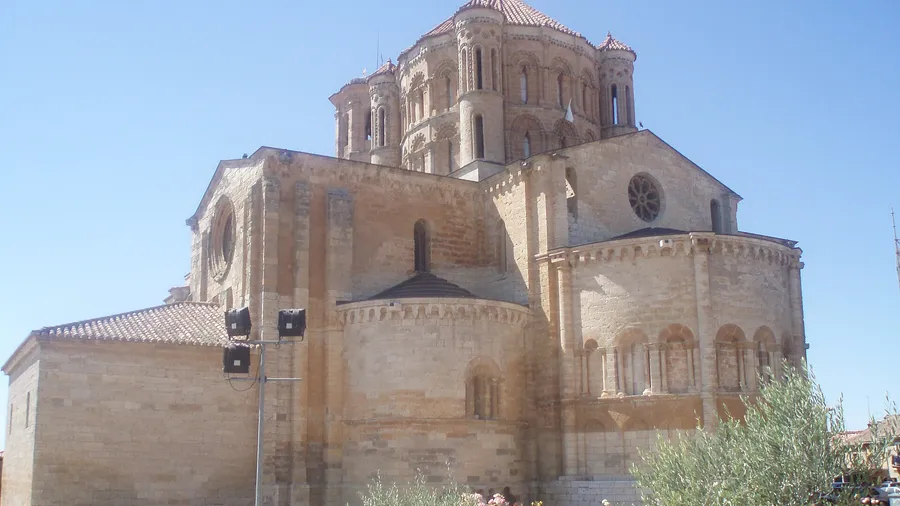
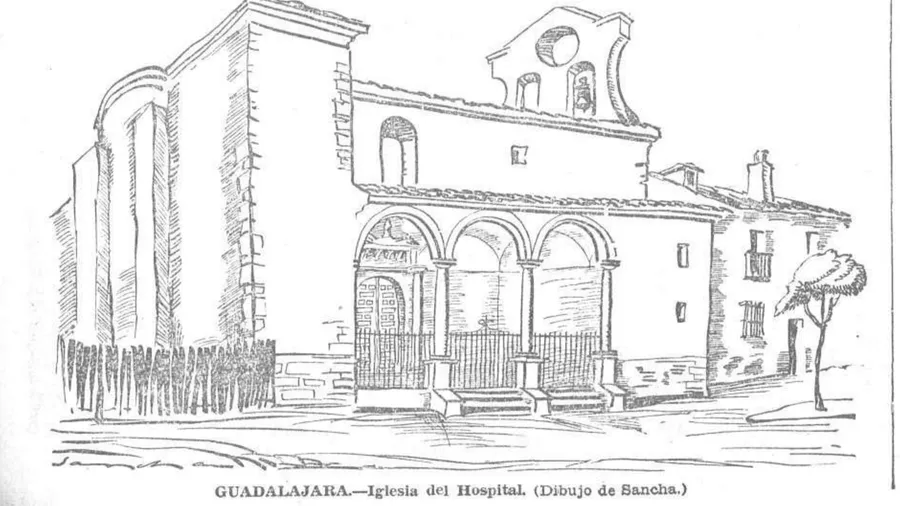
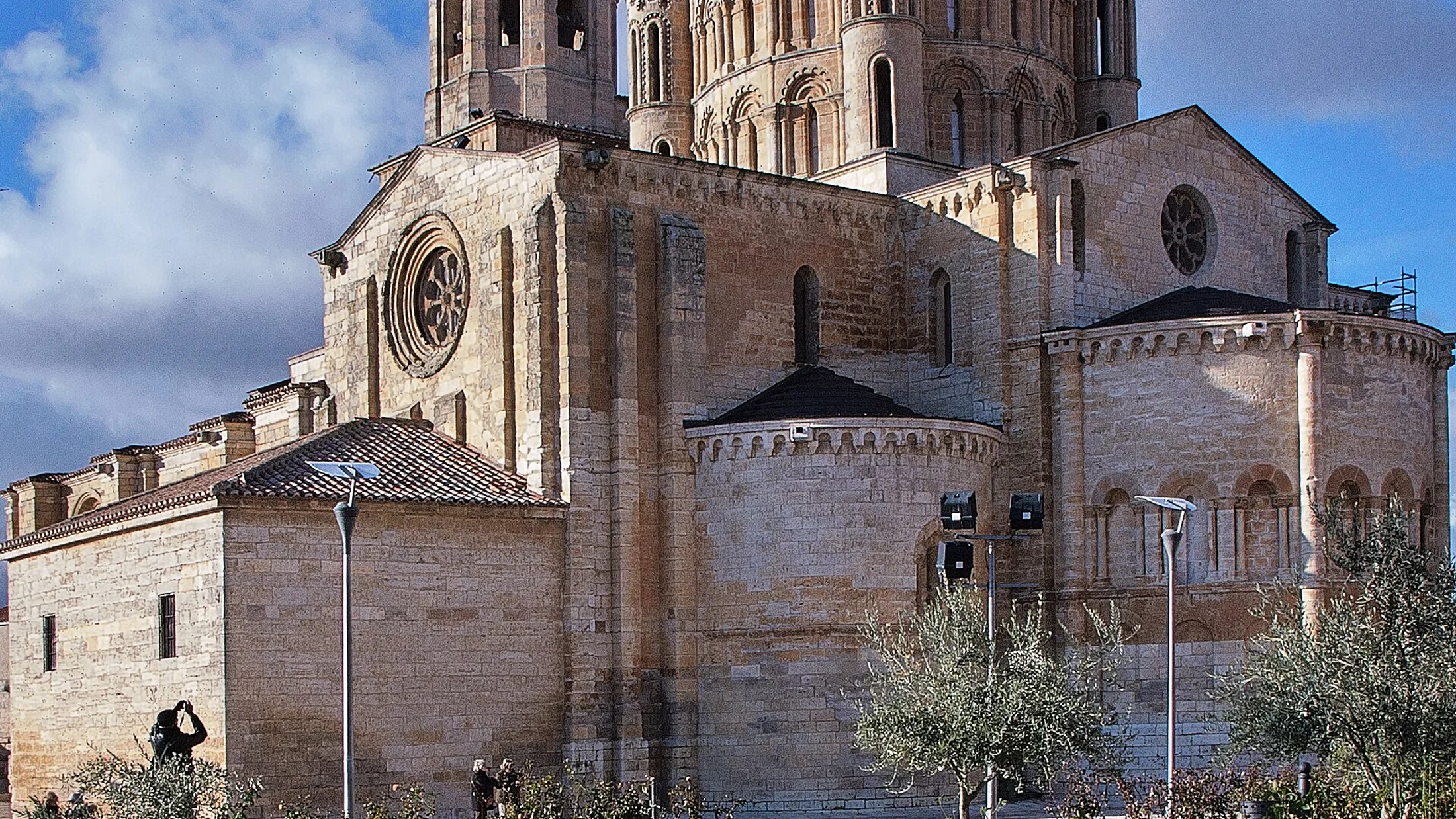
Romanesque Collegiate Church of Santa María la Mayor
12th-century temple with a polychromed Portico of Majesty doorway. One of the jewels of Castilian Romanesque architecture.
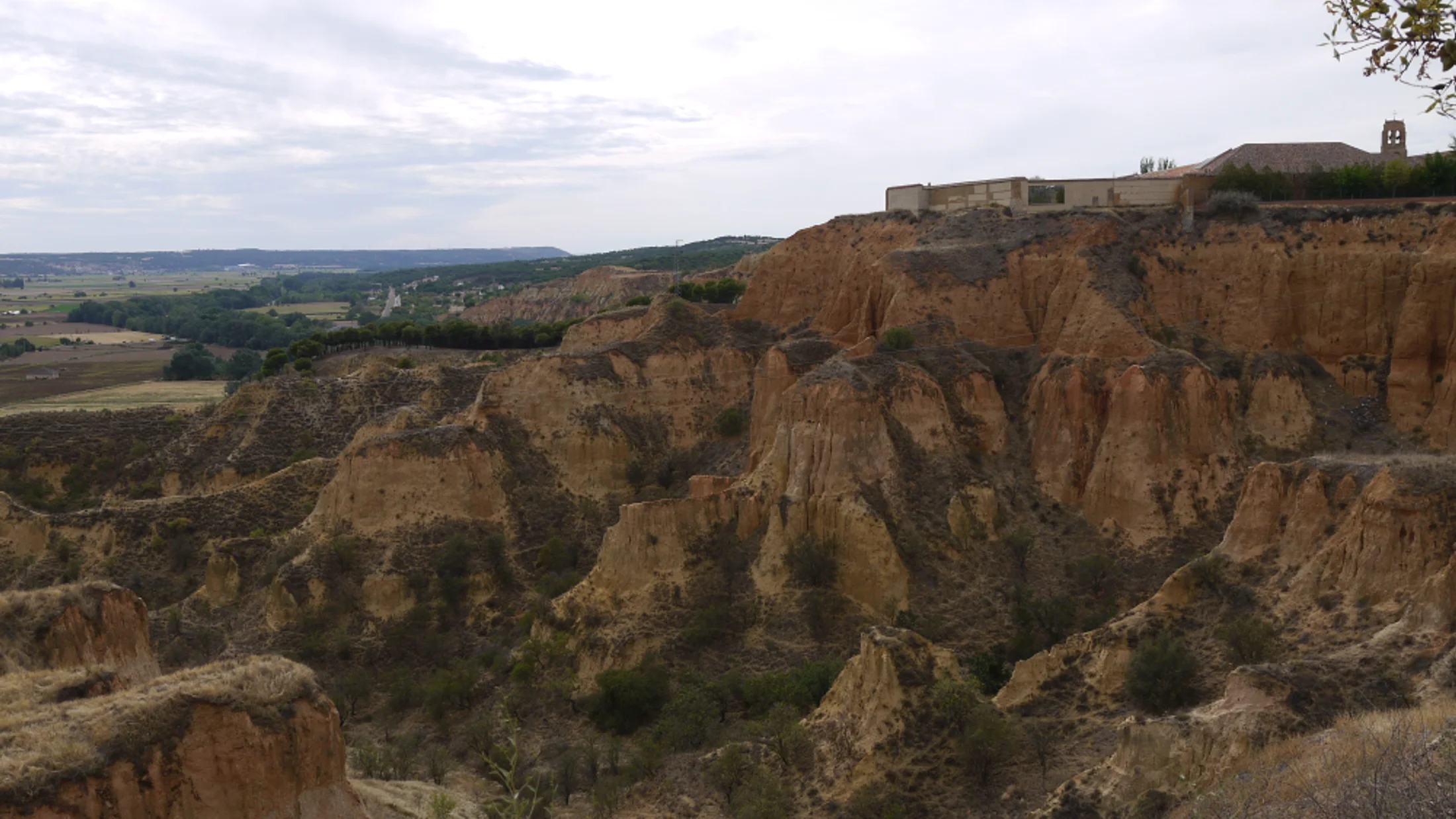
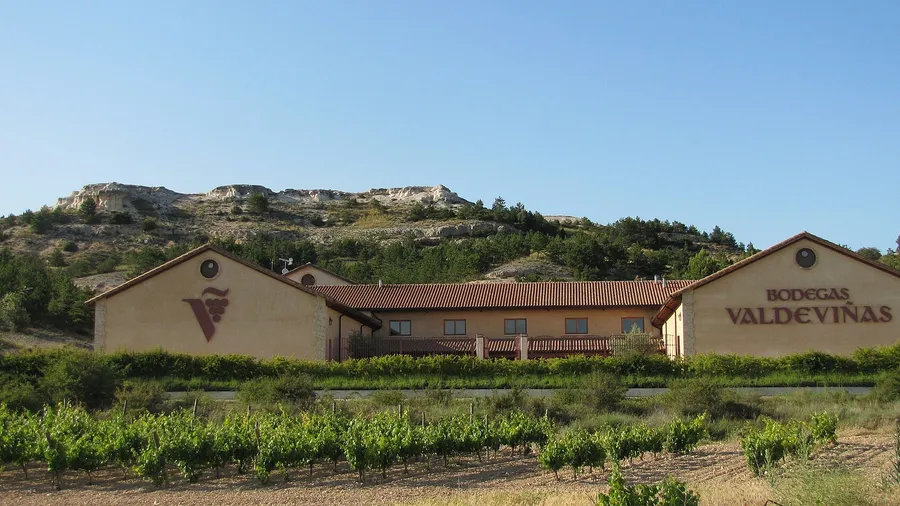
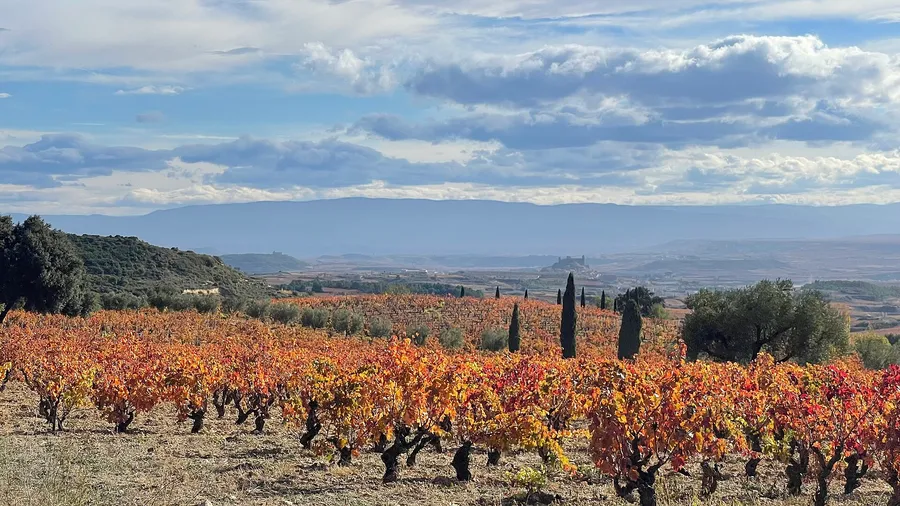
Officially recognized in 1987, although the winemaking tradition dates back to Roman and medieval times. It covers 8,000 hectares in Zamora and a small part of Valladolid.
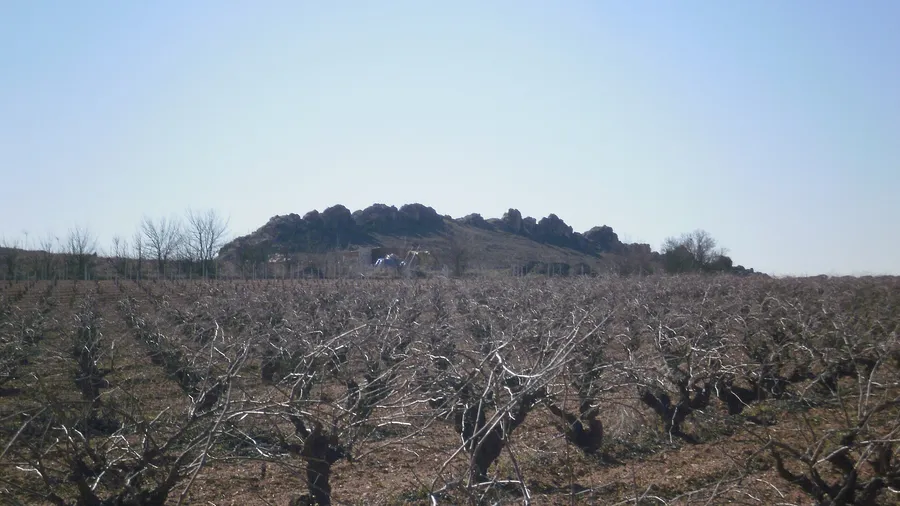
Sandy soils where phylloxera did not thrive: hundreds of hectares of standing, century-old vines—a global rarity.
A unique variety, related to Tempranillo but adapted to heat and drought. Wines with 14-15° natural alcohol content and firm tannins.
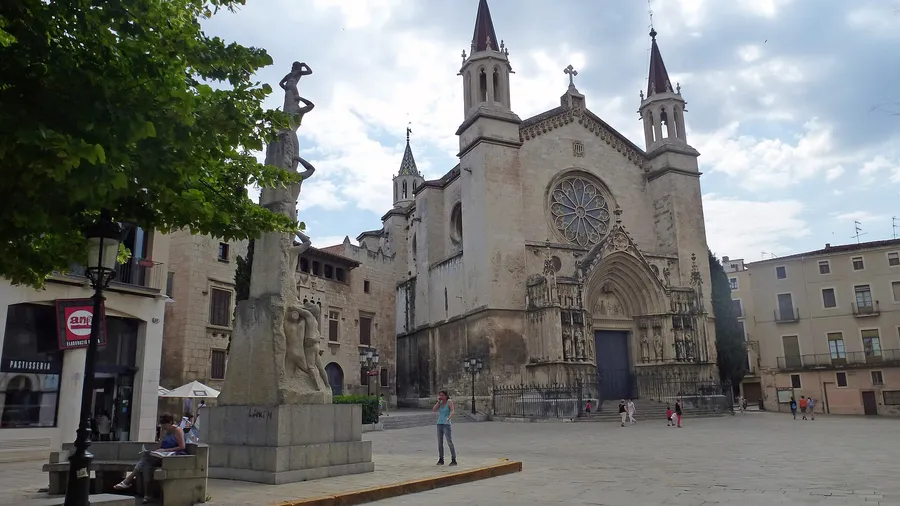
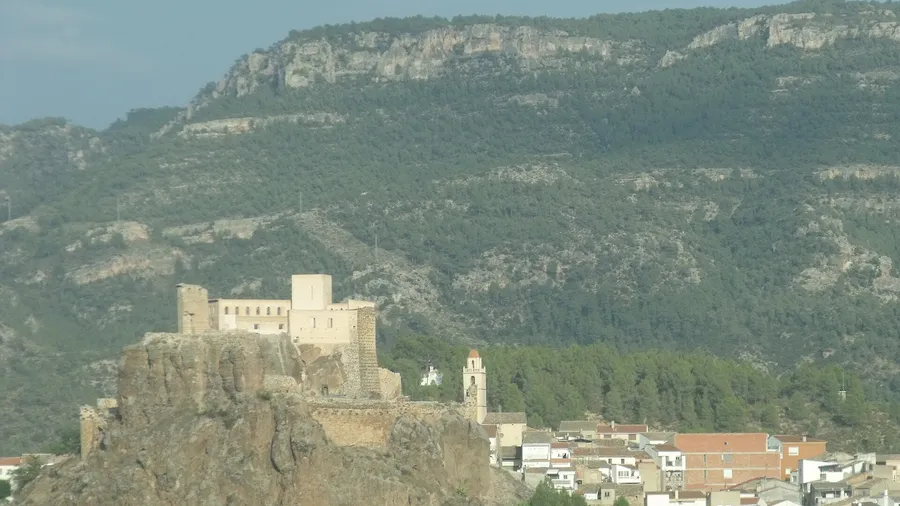
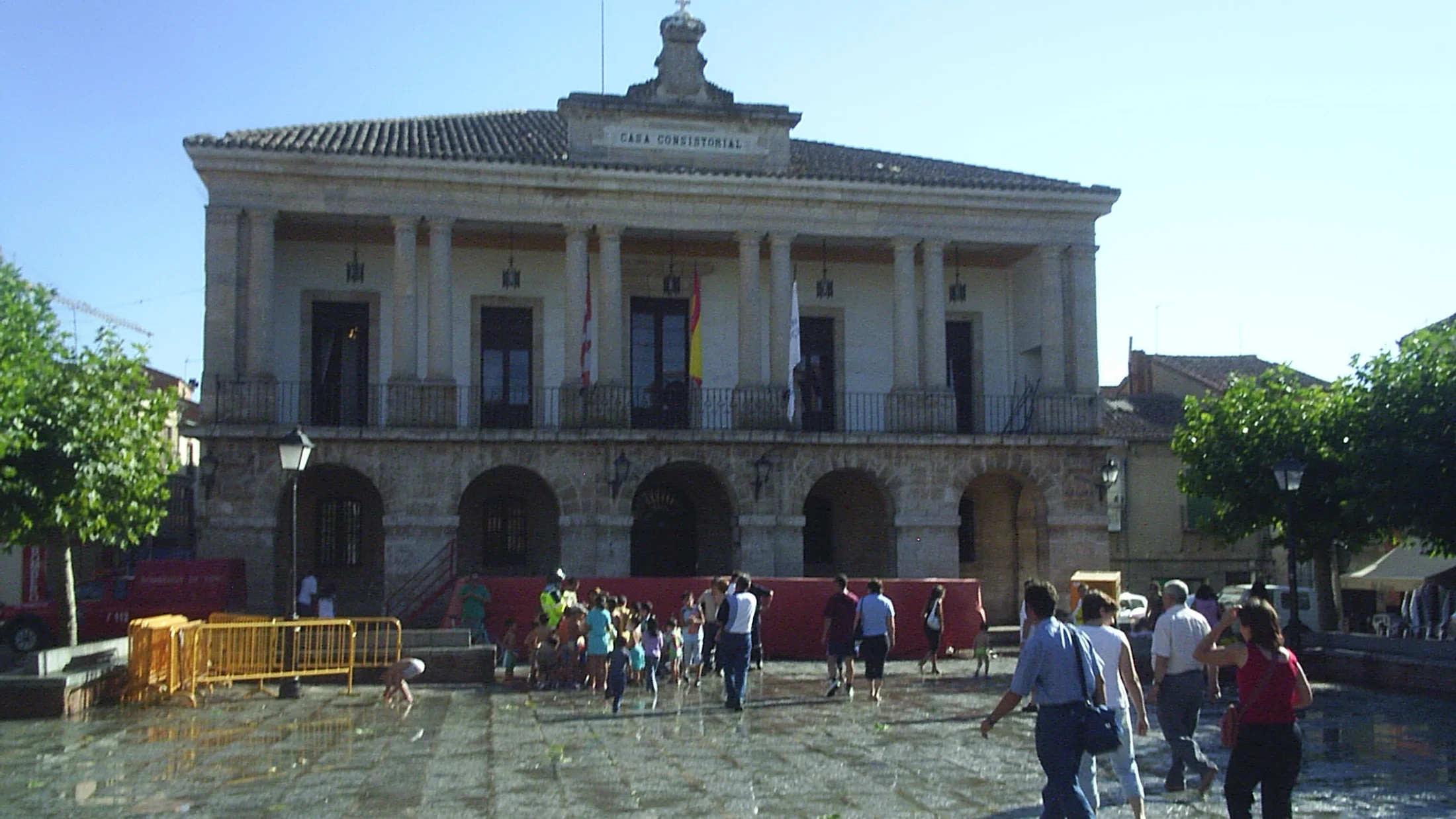
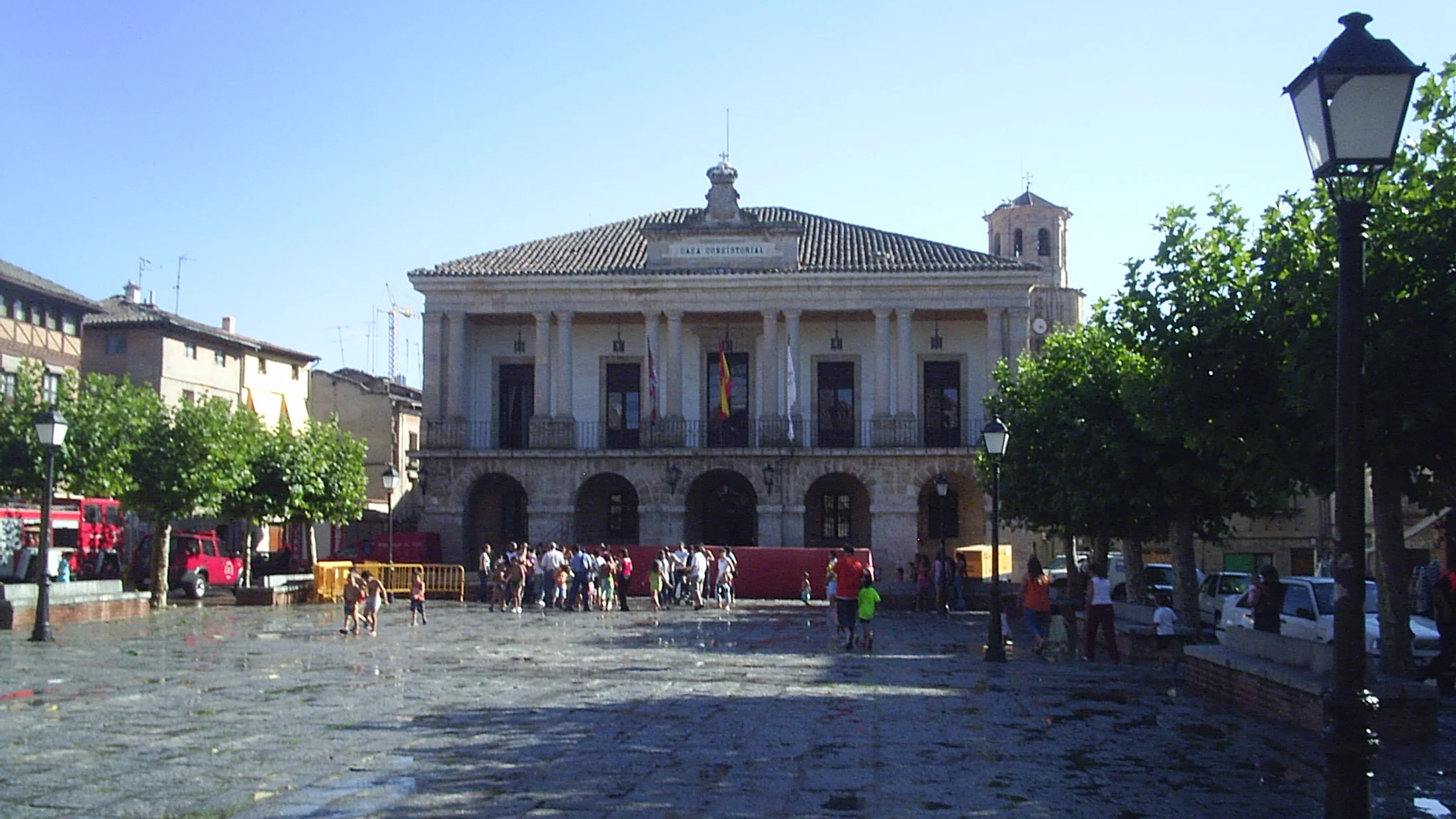
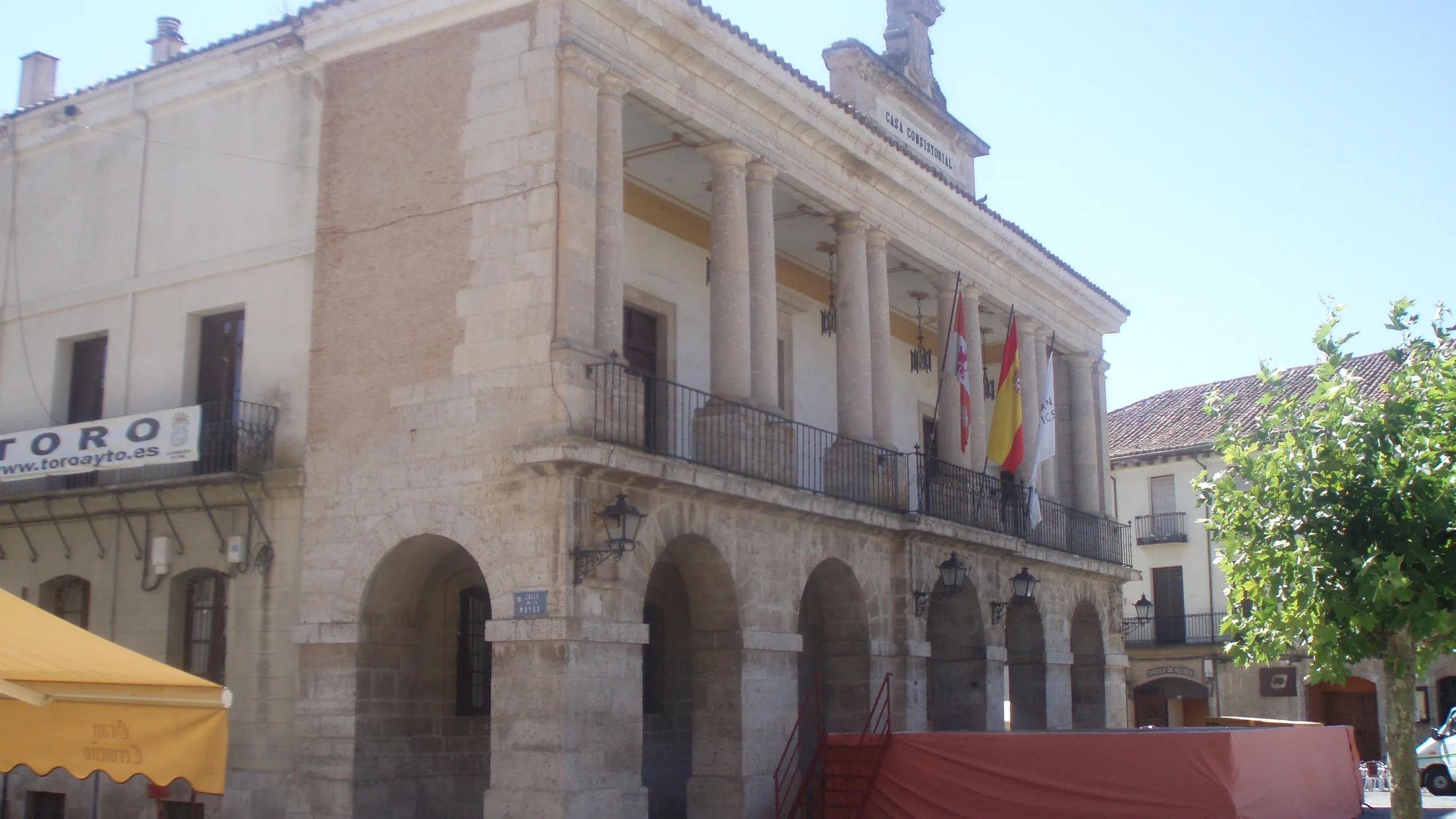
Toro has been declared a Historic-Artistic Site since 1963. Romanesque Collegiate Church from the 12th century, walls and Renaissance palaces.
An editorial showcase of what the destination offers. Nothing to book here - we shape it when you write to us.
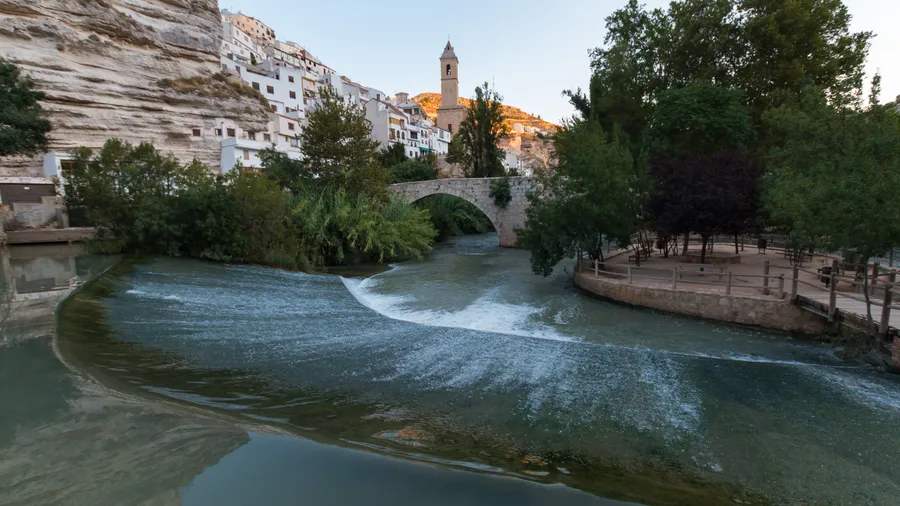
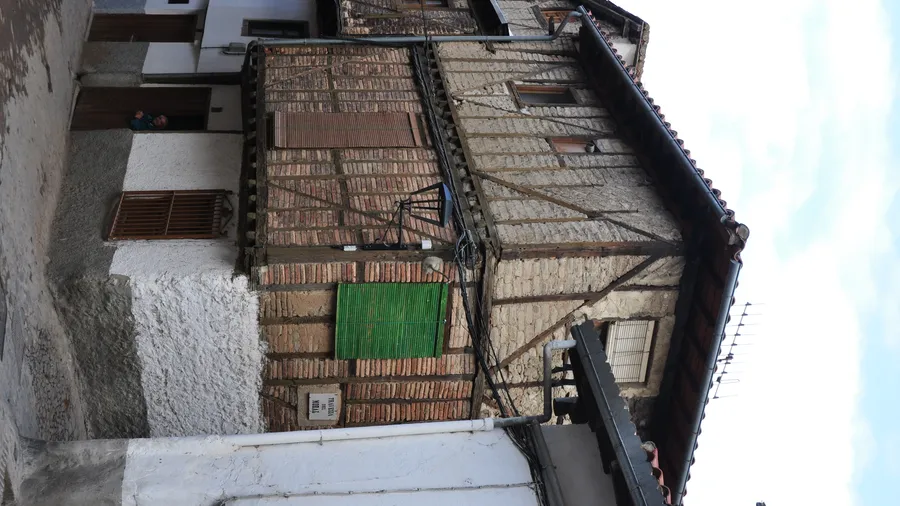
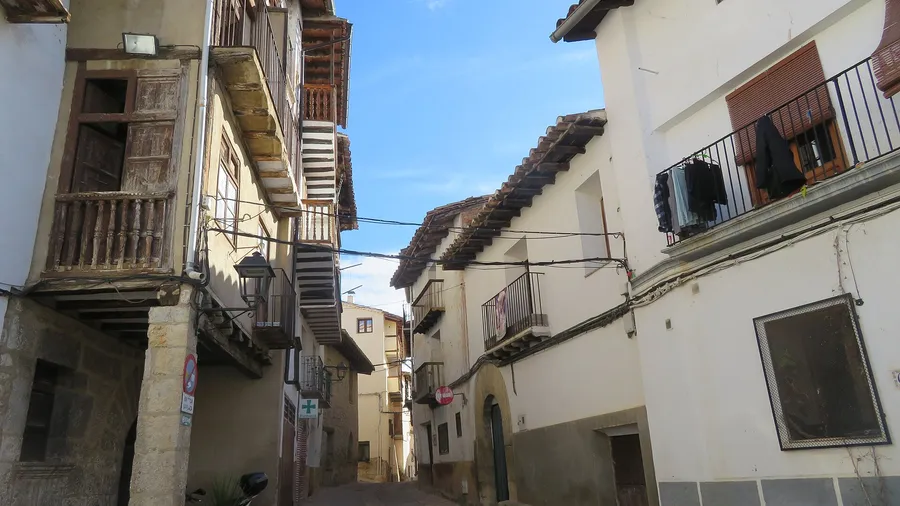
What makes this place different: heritage, crafts, local history.
Eating well without the manual - local product, village pace.
Where you sleep - inns, rural houses, hotels with character in the valley.
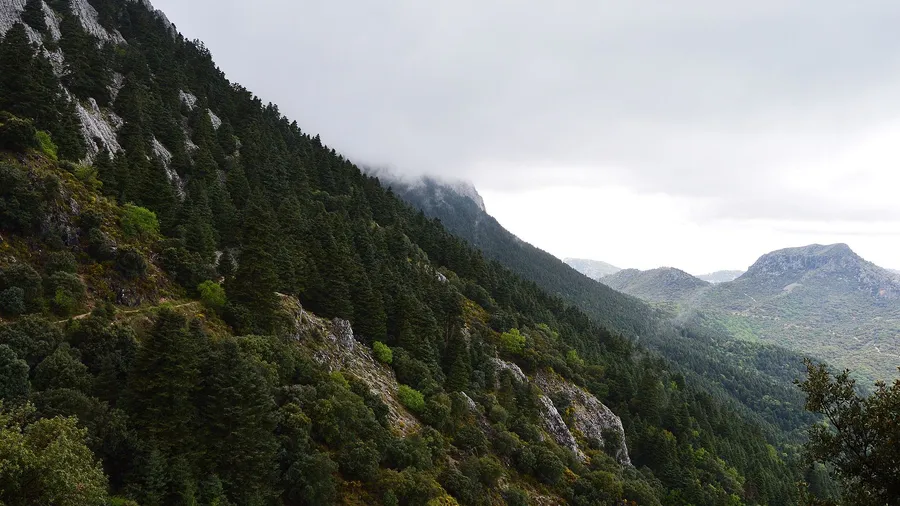
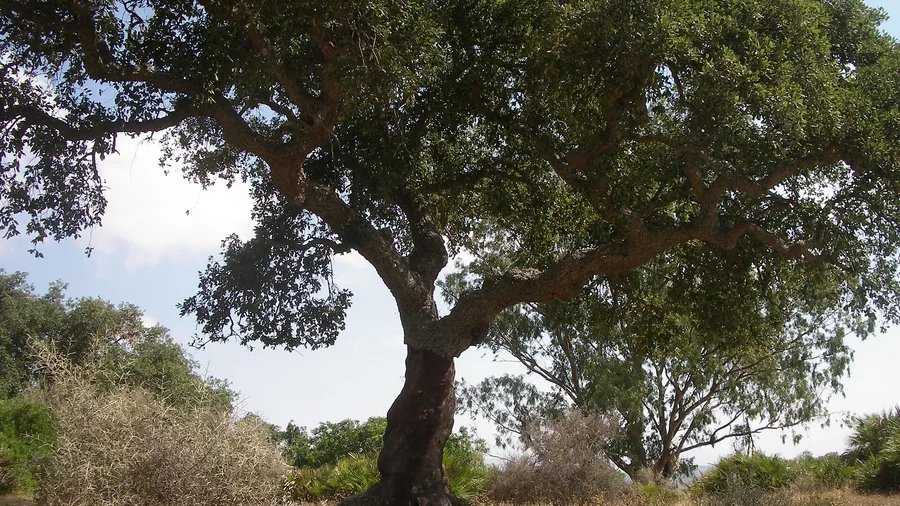
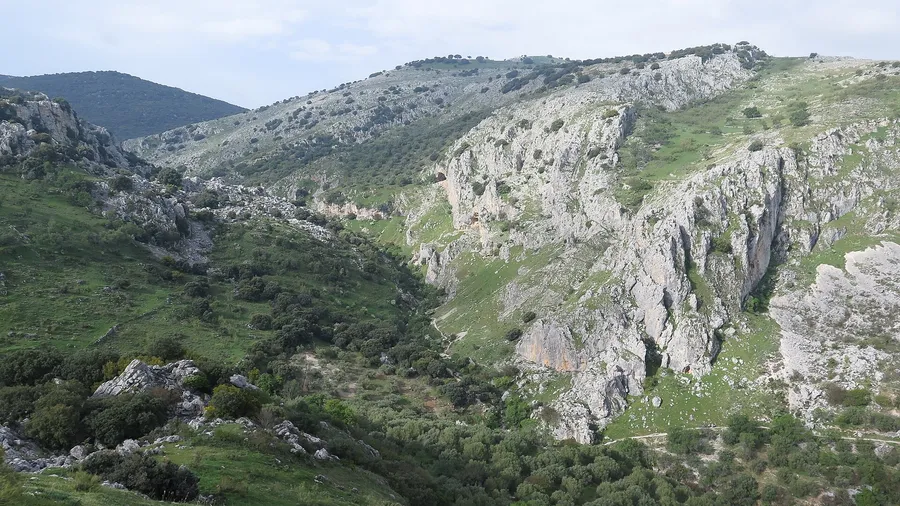
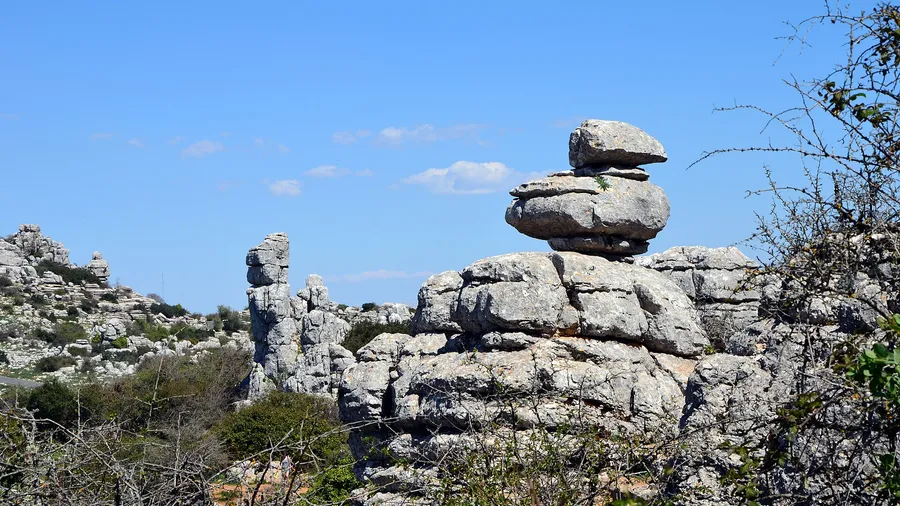
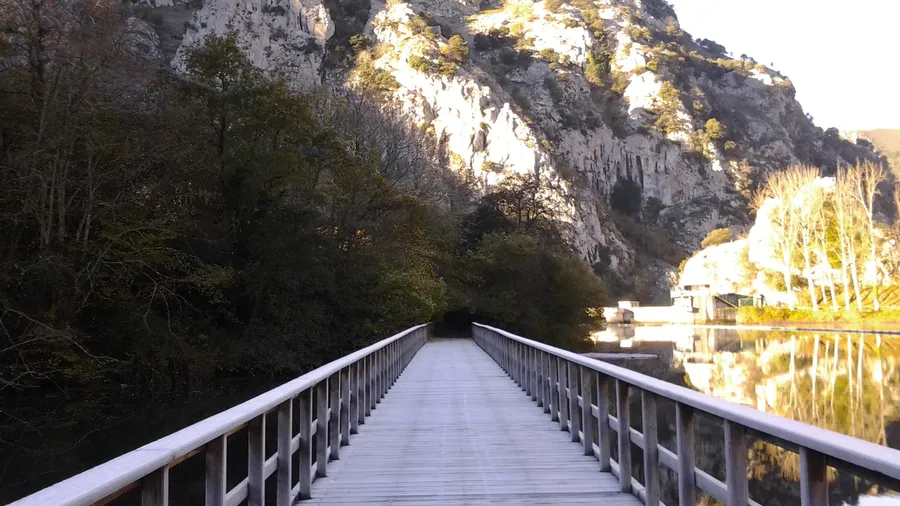
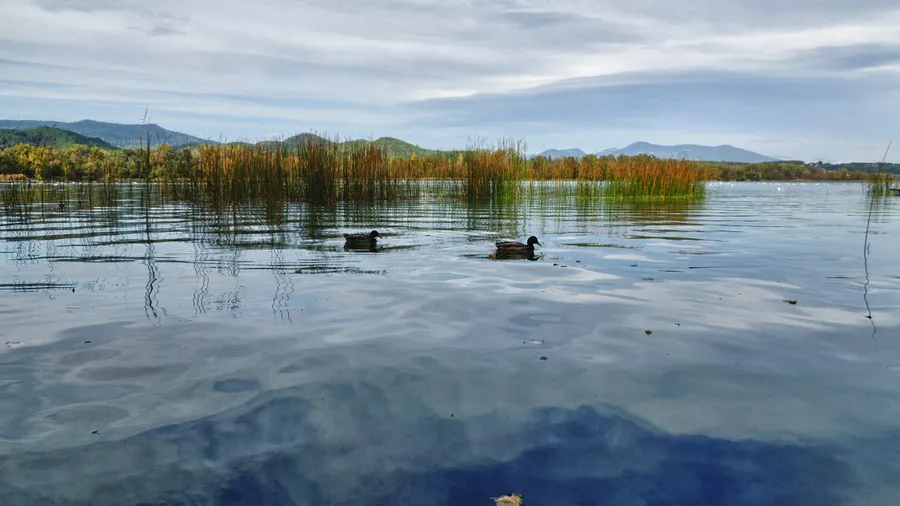
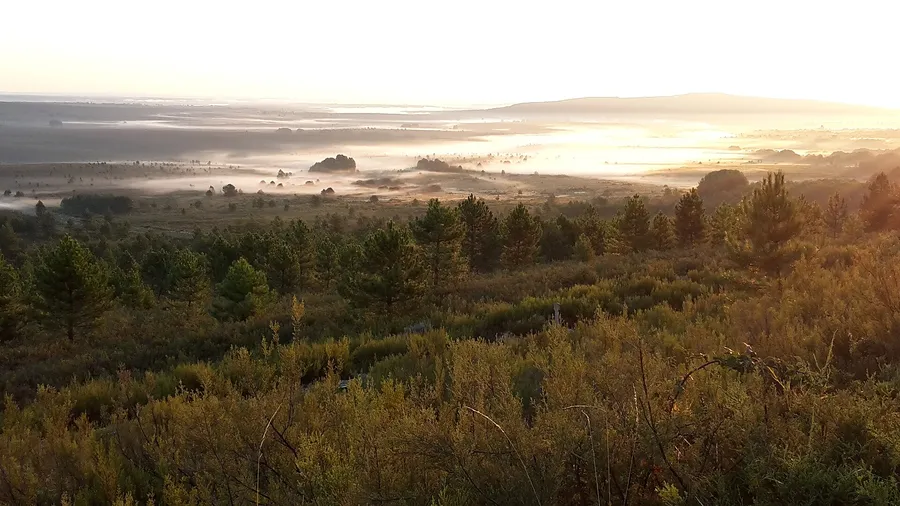
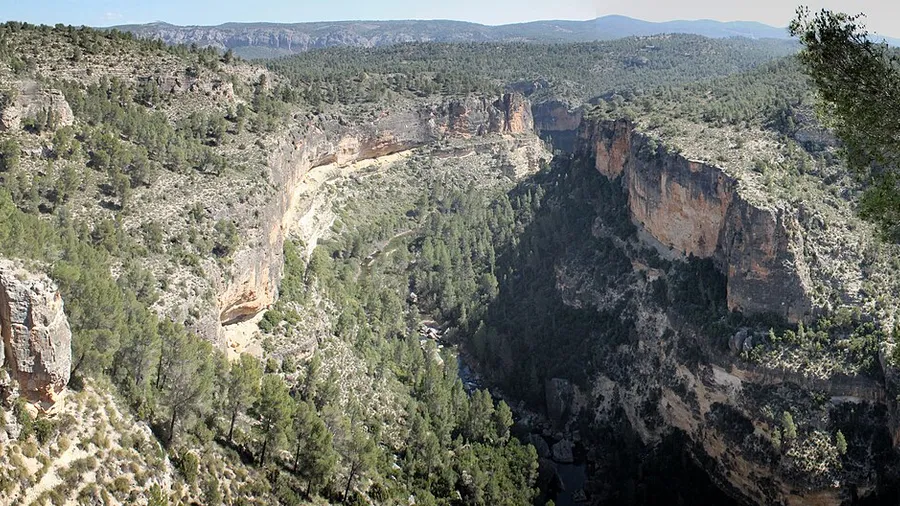
Landscape unfiltered: what you see on foot, without the car.
Best time: April-October. September-October coincides with harvest. Cold dry winters; hot but dry summers.
Access: A-6 from Madrid (2h15 to Toro). From Valladolid, A-11 direct (40 min). No useful train connection.
Bookings: essential. Most Toro wineries open by appointment; some (Estancia Piedra, Vega Sauco) accept small groups on Saturdays.
Food: roast lamb and suckling pig are must-haves. Roadside mesones and town-centre restaurants; book on weekends.
Two at a comfortable pace: a morning visit with tasting, lunch and an afternoon visit. Three is tight and exhausts the palate.
Same basin, different DOs. Toro uses Tinta de Toro (rustic, alcoholic) on sandy soils; Ribera works Tinto Fino on limestone. Bolder wines in Toro, more refined in Ribera.
Some allow kids on the vineyard and cellar tour but not on the tasting. Ask when booking.
Yes. Small charming hotels, inns and rural houses. Wineries with rooms are few — book weeks ahead.
Almost impossible. There's a bus from Zamora but no transport between wineries. A car or private driver is sensible.
Roughly 15 September – 10 October. Larger wineries mechanise; some small ones still hand-pick and accept participative visits.
Quick filters
We'll shape it around you
Tell us how you travel - dates, group, pace, budget - and we'll design the trip exactly the way you need it.