Cabo de Gata: the virgin coastline of Almería
Getaways

Cabo de Gata: the virgin coastline of Almería

Europe's only desert hides a turquoise coastline, asphalt-free coves, and extraordinary marine biodiversity.

3-5 nights
Almería

No commitment · We design it with you

§02 — The place

Desert, turquoise coves and the pace of life by the salt flats.

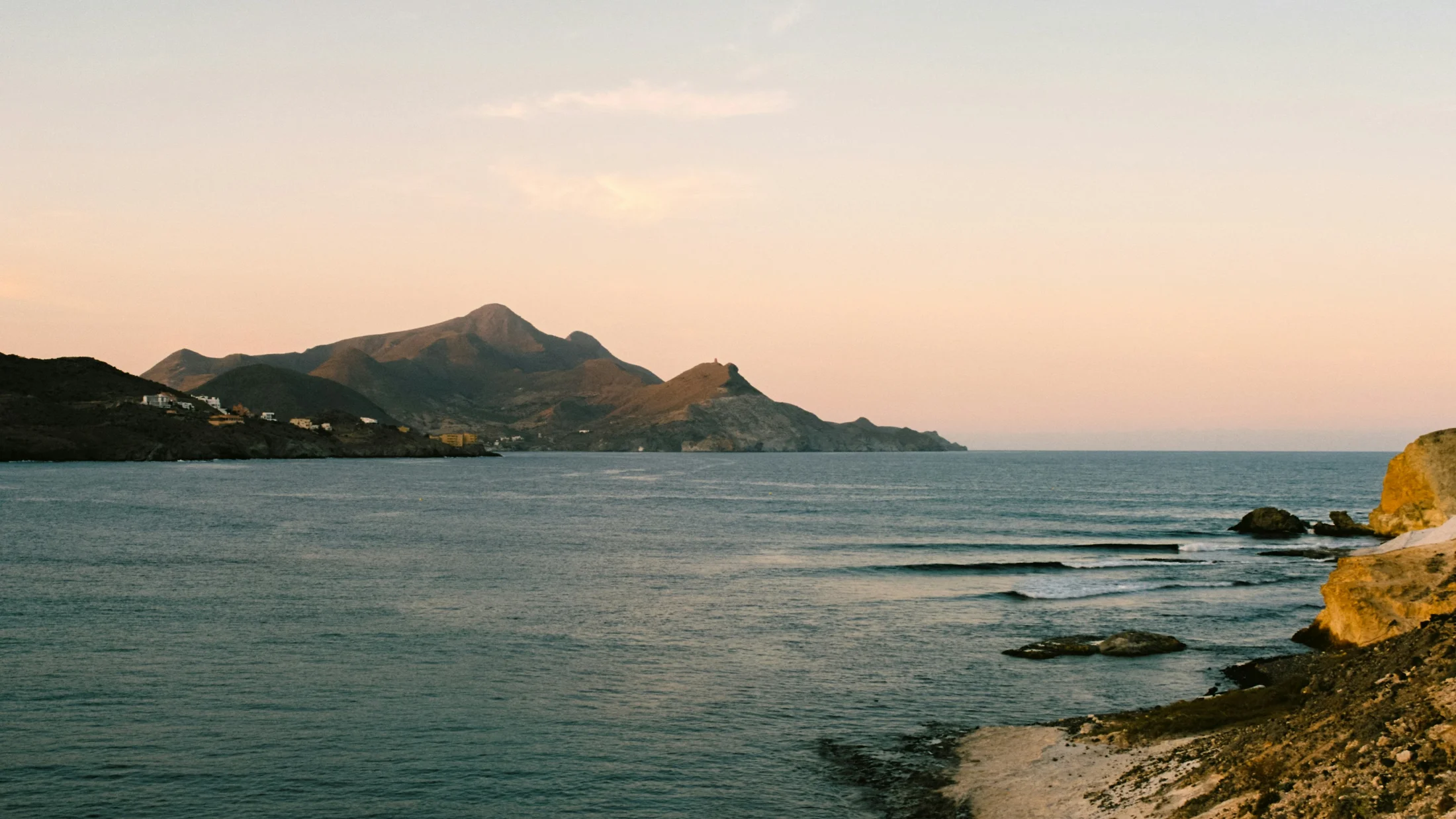
Cape de Gata is disorienting: arid like a piece of Africa, with turquoise coves that seem to come from the Aegean and white villages that empty at two in the afternoon. Here you wake up early to have Mónsul all to yourself, snorkel among sea bream, eat fresh fish on a terrace in San José, watch the flamingos cross the salt flats at sunset and enjoy anchovies with a snack on a terrace without rushing. It’s volcanic landscape, the Mediterranean Sea and the silence of a fishing village: the slow pace that calls for a long getaway without an agenda.
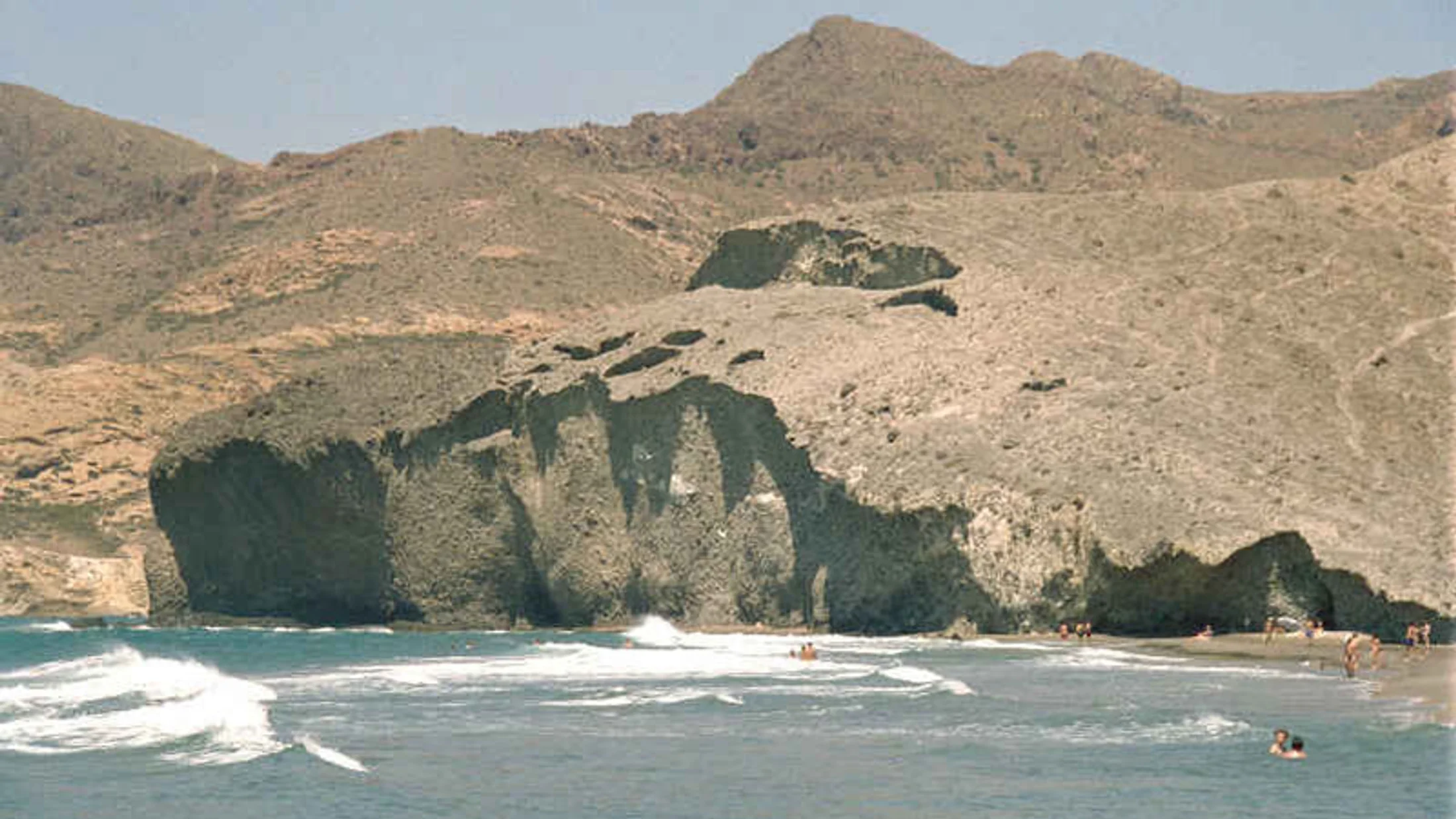
Mónsul Beach, volcanic icon of the park
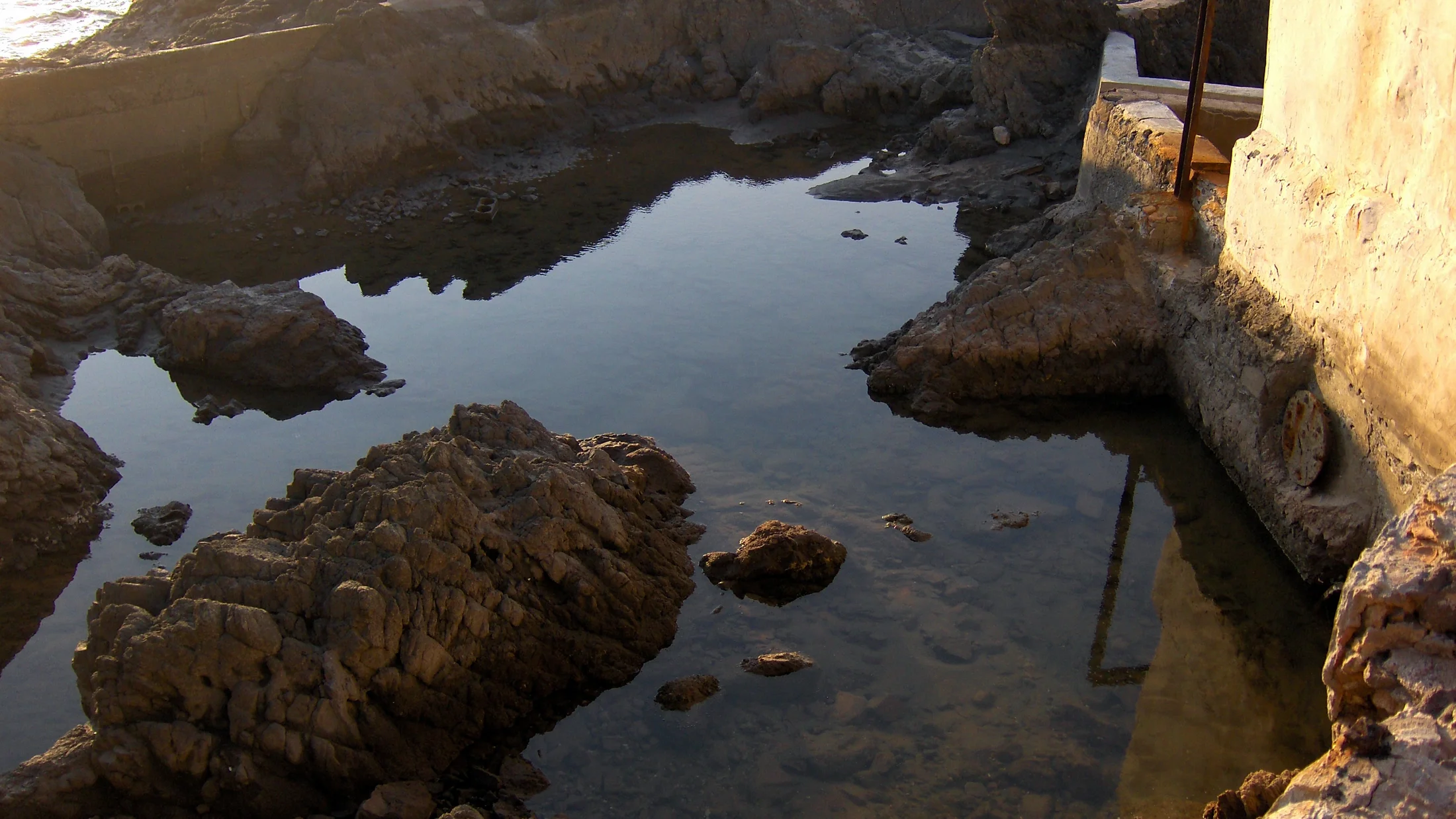
Cabo de Gata salt flats, flamingo habitat
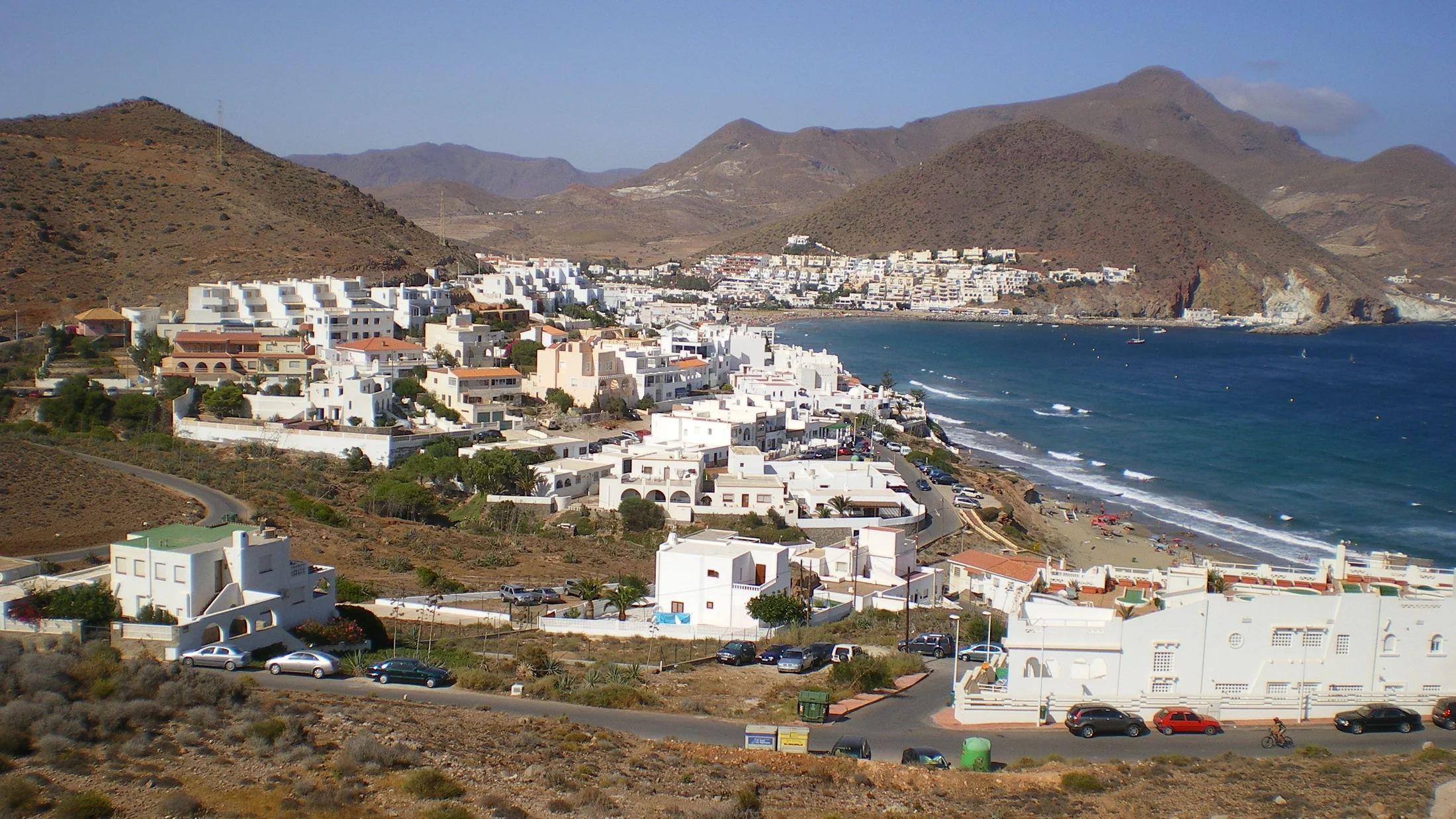
San José, a base town for exploring the coves.
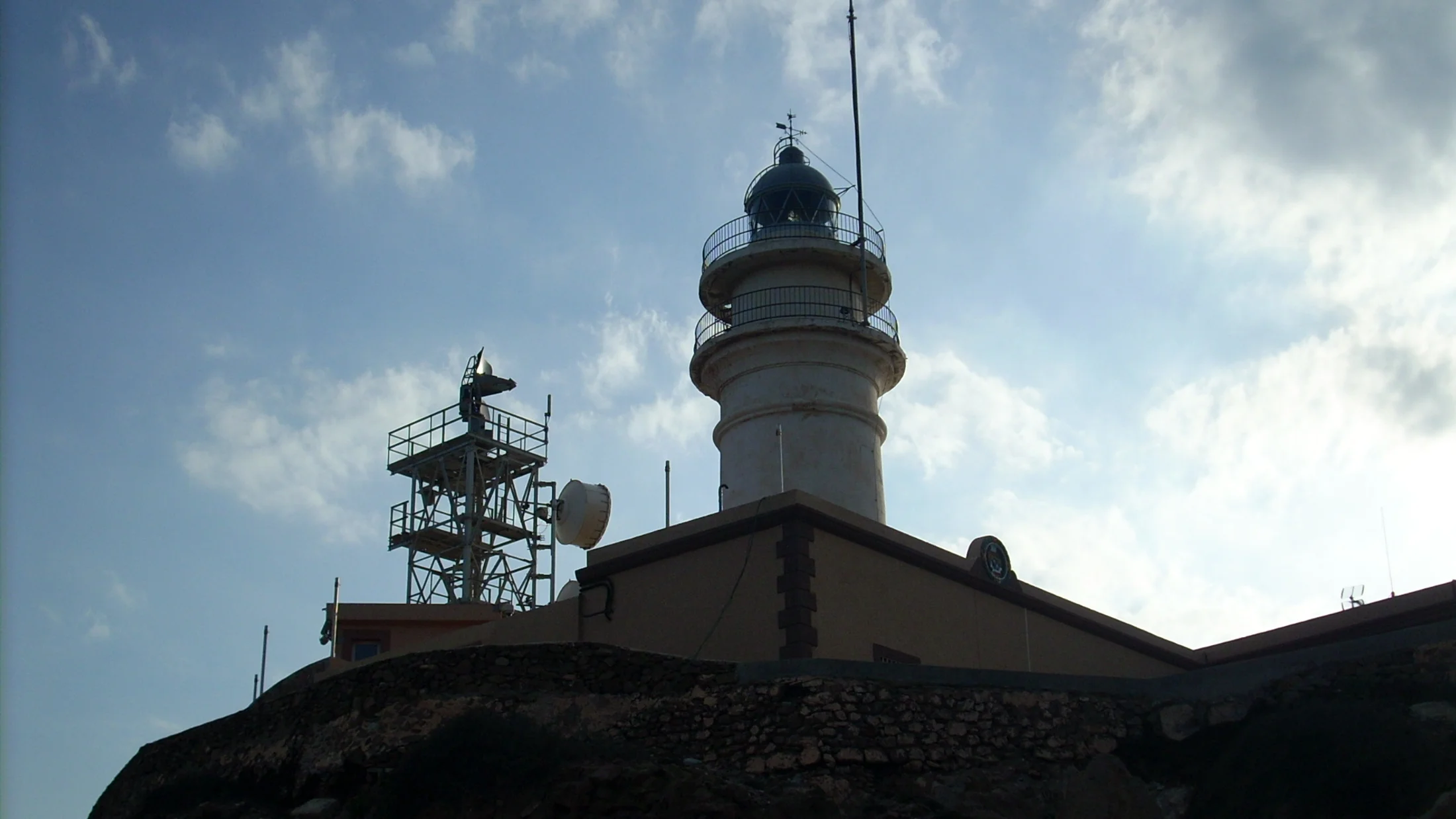
Cabo de Gata Lighthouse, an unmissable viewpoint at sunset.
§03 — Why it stands out

Why it stands out

  1. 01

    The only desert in mainland Europe.

    200 mm of rainfall per year, vegetation of prickly pears and palm trees, volcanic ravines. Unique landscape on the continent and a frequent film location (Sergio Leone, Indiana Jones, Lawrence of Arabia).

  2. 02

    First Maritime-Terrestrial Natural Park of Andalusia

    Declared in 1987, a UNESCO Biosphere Reserve. 38,000 hectares including 12 nautical miles with Posidonia meadows and one of the best-preserved fishing grounds in Spanish Mediterranean.

  3. 03

    Mónsul Cove, film location

    Golden sand, black volcanic rock and the large dune. Scenes from Indiana Jones and the Last Crusade were filmed here. It’s a 5–10 minute walk from the parking area — and it's best to arrive early.

  4. 04

    Flamingos in the salt flats, almost at beach level.

    The salt flats of Cabo de Gata, in operation since Roman times, are home to 300+ pink flamingos between March and October. Two signposted observatories, free of charge, just a few meters from the Mediterranean Sea.

§04 — Who it fits

Who it fits

With friends Adventure Ecotourism Romantic Disconnection
Suits couples looking for arid landscapes and a slow pace, groups of traveling friends, photographers and snorkeling and diving enthusiasts: the marine fauna (groupers, octopuses, Posidonia meadows) is among the best preserved in the Spanish Mediterranean. It’s not the best option for families with very young children in high summer: temperatures exceed 40 °C, the coves have little shade and many fill up quickly due to capacity limits. Nor is it ideal if you’re looking for lively beach bars or a Costa del Sol-style beach life: it's quite the opposite. If you’re traveling with young children or need greenery and mild temperatures, consider the eastern Cantabrian coast or the Sierra de Cazorla; if you’re looking for nightlife and restaurants open until two in the morning, Cádiz capital or Málaga would be a better fit.
No commitment · We design it with you
§05 — What you can live

What you can live here

An editorial showcase of what the destination offers. Nothing to book here - we shape it when you write to us.

Adventure

The active side: guided or self-guided activities, no sugar-coating the gradient.

Featured

Guided snorkeling in Cala de Mónsul

Two-hour morning outing with a guide and equipment (mask, snorkel, short wetsuit). The volcanic walls enclosing Mónsul concentrate seabream, salps and occasionally a curious grouper. Best between June and September, when the water is over 22 °C. Suitable for swimmers with no prior experience.

Kayak from La Isleta del Moro to Los Escullos

Three hours in a double kayak along the most spectacular volcanic coast of the park. We’ll pass by La Isleta, El Arrecife del Dedo and cathedral-sized caves only accessible from the sea. Equipment and guide included. No prior experience necessary – the crew adapts the pace to suit the group.

Coastal path Las Negras – Cala San Pedro

Four-hour round trip hike along the balcony path to the most iconic cove in the park: Cala San Pedro, inaccessible by road, with a freshwater spring and a small summer community. Bring at least 2 L of water per person and set off before 9:00 AM in summer. No shade.

Diving at Punta de la Polacra

Guided immersion in the northernmost part of the park, with vertical walls of 20–30 meters, grouper, conger eels and Posidonia meadows. Departure by boat from Las Negras. Open Water certification or higher required. Full equipment included.

Culture & heritage

What makes this place different: heritage, crafts, local history.

Featured

Old gold mines of Rodalquilar

Abandoned mining town from the mid-20th century, now partially repopulated. You can freely explore the main quarry and the marked trail between the old facilities — remnants of cyanide processing, hoppers and workers' houses. Lunar landscape, free and almost always empty.

House of the Volcanoes (Rodalquilar)

Geological interpretation center of the park. Models, videos and samples explaining why Cabo de Gata is what it is: a volcanism from 16 million years ago now stopped and eroded. Free entry. Good for an extremely hot morning.

Mojácar town, white balcony

40 km north of the park: white village perched on a hill overlooking the Mediterranean, with narrow streets and a viewpoint at Plaza Nueva. Combine the visit with a stop at Mojácar Playa beach for lunch. Good for a half-day trip outside the park.

Food & drink

Eating well without the manual - local product, village pace.

Featured

Catch of the day at the San José fish market.

Several restaurants in the harbor buy directly from the boat and post their daily specials each morning. Expect grilled sardine skewers, grilled monkfish, red shrimp or red mullet. It’s best to reserve for dinner – it gets crowded in August. Average price 30–40 € per person.

Red tuna from the Carboneras almadraba (in season)

From late May to July, the red tuna caught by the traps of the Strait arrives at the fishmongers and restaurants in the area. Tartar, tataki or simply grilled — ask about its origin. Out of season it is also worked frozen, it’s not the same.

Snack on a terrace with anchovies in San José

A snack on a terrace along San José promenade before lunch: local aperitif, well-cured Cantabrian anchovies (Almeria cuisine champions them as a prized ingredient), olives and boquerones. A short plan, perfect before heading to the beach.

Where to sleep

Where you sleep - inns, rural houses, hotels with character in the valley.

Featured

Rural hotel in Las Negras

Quiet fishing village, still with half the tourism of San José. Small rural hotels (8–15 rooms), whitewashed, with a pool and breakfast featuring local products. A good base for Cala San Pedro, Cala del Plomo and the northern area of the park.

Restored country house in the countryside.

Old agricultural estate renovated, away from the coastal towns (Níjar, Rodalquilar, El Pozo de los Frailes). Large rooms, swimming pool, palm-tree garden, absolute silence at night. Designed for couples and small groups arriving by car who don’t want the hustle and bustle of town.

Boutique hotel in San José

If you want to go down for dinner and walk back, San José is the most convenient hub. Boutique hotels with 15–25 rooms, terrace overlooking the harbor, well-cared for breakfast. It fills up six months in advance in August and prices double; much more manageable in May or September.

Nature

Landscape unfiltered: what you see on foot, without the car.

Featured

Mónsul Cove (early start required)

The iconic cove of the park: golden sand, the large dune and the black volcanic rock that appears in Indiana Jones and the Last Crusade. In summer there is limited capacity and a shuttle bus from San José; it’s advisable to arrive at the parking lot before 9:00 AM. There is no beach bar or services — bring everything from home.

Genoveses Cove

The longest and flattest cove in the park, set in an amphitheater of dunes and eucalyptus trees. Shallow, calm waters ideal for floating and gentle snorkeling. Like Mónsul, in July and August access is only by shuttle bus from San José. No services available.

Cabo de Gata Salt Flats and Flamingos

Salt pans in production since Roman times and today also a protected wetland. Between March and October you can see 300+ pink flamingos, as well as avocets, terns and black-winged stilts. Two signposted and free observatories at the roadside. Best visited first thing or last thing in the day.

Sunset at the Lighthouse of Cabo de Gata

The lighthouse and the Arrecife de las Sirenas viewpoint — volcanic rock formations jutting out into the sea — are the best spot to watch the sunset. The road ends here. In summer it fills up 30 minutes before dusk; in autumn you might have it almost to yourself.

30-60 min away

Half-hour side trips if you've time left or it rains.

Featured

Almería city: Alcazaba and Fortress-Cathedral

35 km from the park. La Alcazaba is the second largest Muslim fortified enclosure in Spain (after the Alhambra) and the Cathedral, a church-fortress built to defend against Berber attacks. Half a day is plenty of time. Park outside the town center and walk up.

Mojácar and the Dead Man's Beach

Half-day trip to the north of the park: white village of Mojácar and, along the way, the spectacular beach of los Muertos (Carboneras) — 1 km of white cliffs and dark blue water, with no buildings in sight. A 10-minute walk from the parking area, without shade.
§06 — The practical side

Weekend practicalities

Best season
Spring · Summer · Autumn
Fitness level
Easy
Typical length
3-5 nights
More practical details

Physical level & requirements

Basic physical condition. Closed footwear or rock shoes for volcanic rock: many coves have large, slippery stones when entering the water. From some parking areas you need to walk 15–30 minutes on sand or dirt track to the cove (Mónsul, Genoveses, San Pedro). Well-marked coastal trails, almost always flat.

How to get there

Best time to visit: April–June and September–October, with still warm water in September and much fewer crowds. July and August: perfect water temperature for snorkeling but extreme heat (40 °C+), limited capacity in Mónsul and Genoveses with mandatory shuttle bus and parking closed. A car is essential – public transport between towns is almost non-existent. Book accommodation well in advance; San José, Las Negras and Agua Amarga are the hubs. Always carry water, a cap and high sunscreen; some coves have no shade or services.

Recommendations

Wake up early for Mónsul: people start arriving around 10:00 AM. Bring your own mask and snorkel—the quality of the snorkeling spots makes good equipment worthwhile. Watch the sunset from the Faro viewpoint or from the Arrecife de las Sirenas. Have dinner in Agua Amarga or La Isleta del Moro (fresh fish from the auction, relaxed atmosphere). In summer, fill up the car early if you’re going to remote coves: the nearest gas station could be 30 km away.
§07 — Questions

Frequently asked questions

Is it worth going in August?

The water is perfect and the atmosphere is great, but the heat is intense (40 °C+) and since 2019 there have been limited capacities in Mónsul and Genoveses with a mandatory shuttle bus and parking lots closed. If you can choose, September and June are much more comfortable.

Do I need a car?

Yes. Public transportation between the towns in the park is scarce or nonexistent. Without a car, you’re limited to just one cove, and the point of the plan is to hop between Mónsul, Genoveses, Las Negras and Agua Amarga.

Are the coves for nude bathing or general swimmers?

Everyone gets along well here. San José and Mónsul are mainly for bathers; Cala del Plomo, Cala San Pedro and the areas of Los Muertos are traditionally nudist. The rule is mutual respect, and no one looks at you strangely for being dressed or undressed.

Is it a good idea with young children?

In spring or autumn, yes: quiet coves, little swell, lots of space. In July and August it gets complicated: extreme heat, little shade and 15–30 minute walks with sand to several coves. For very young children we recommend the Cantabrian coast or Cazorla first.

Where is the best snorkeling?

The best spots are Cala de la Media Luna (next to Mónsul), Arrecife de las Sirenas (Faro) and the area of La Isleta del Moro. Bring your own mask and, if possible, a short wetsuit: the water is cooler than it looks and you’ll be able to stay longer.

Other getaways that might fit you

Quick filters

7 getaways
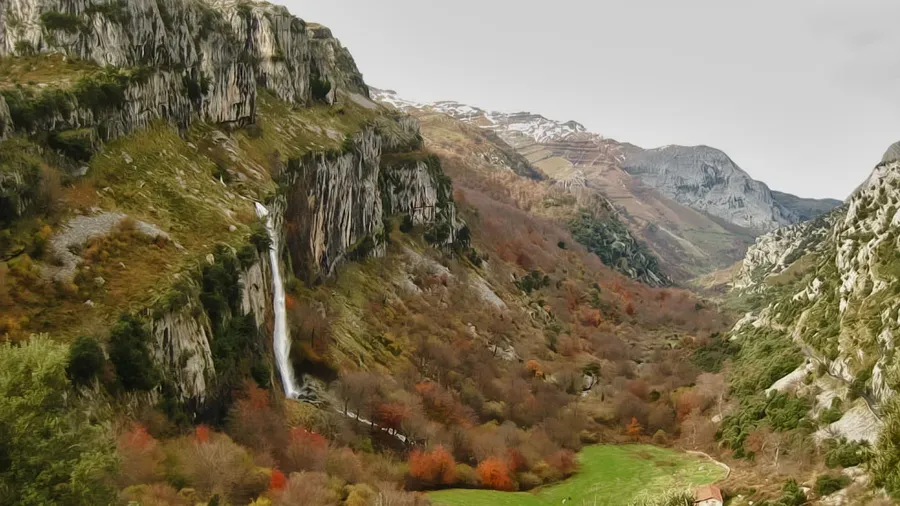
La Canal de Navarrés: waterfalls and natural pools
Anna With friends

La Canal de Navarrés: waterfalls and natural pools

The water paradise of inland Valencia: waterfalls, lakes and natural pools hidden between villages, an hour from the coast. From the Chella falls to the Quesa pools, a county made for cooling off and walking.

1-2 noches From 50 €

Sort With friends

Adventure in Sort

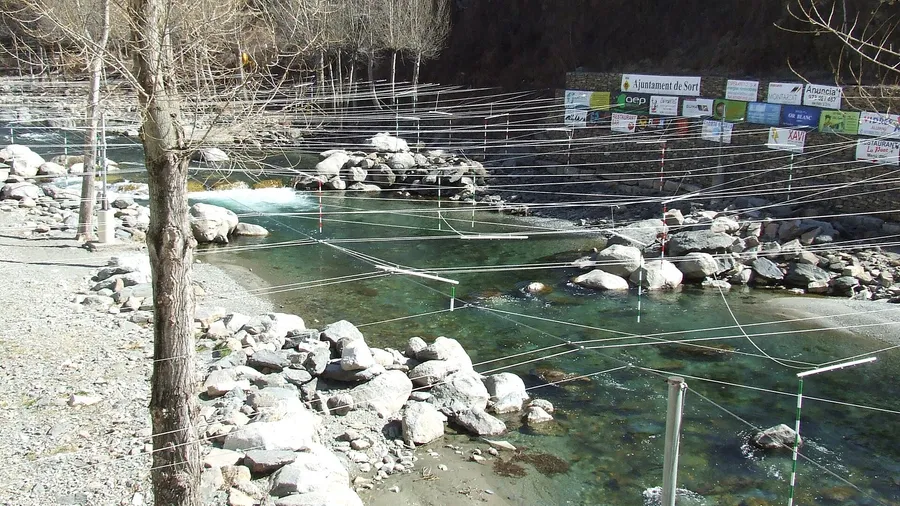
The Pyrenees' adrenaline weekend: rafting on the Noguera Pallaresa, a 35-metre bungee jump and canyoning, with Sort as base for groups of friends.

1-3 noches From 125 €

Logroño With friends

Logroño with Friends

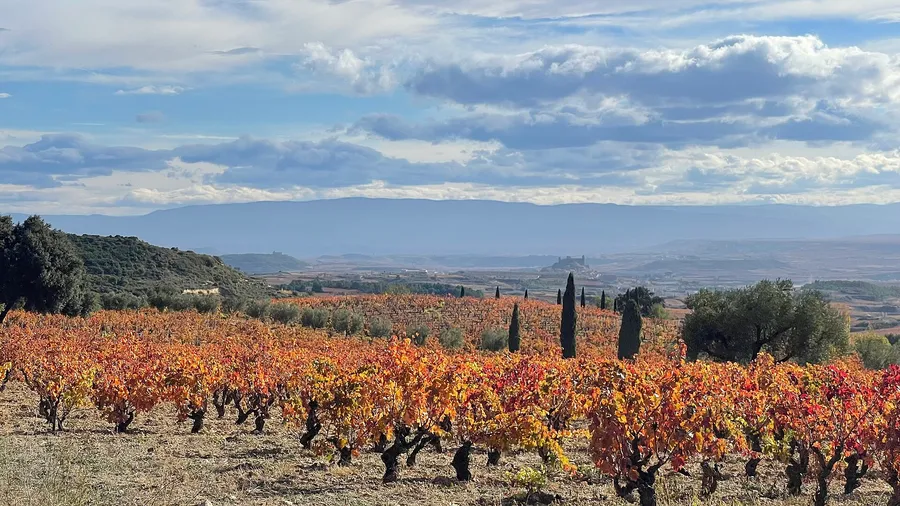
The weekend with friends or the bachelor party that mixes daytime adrenaline with Calle Laurel by night, based in Logroño and the Rioja Alta vineyards.

1-3 noches From 115 €

Lleida With friends

Hiking and trekking in Aigüestortes

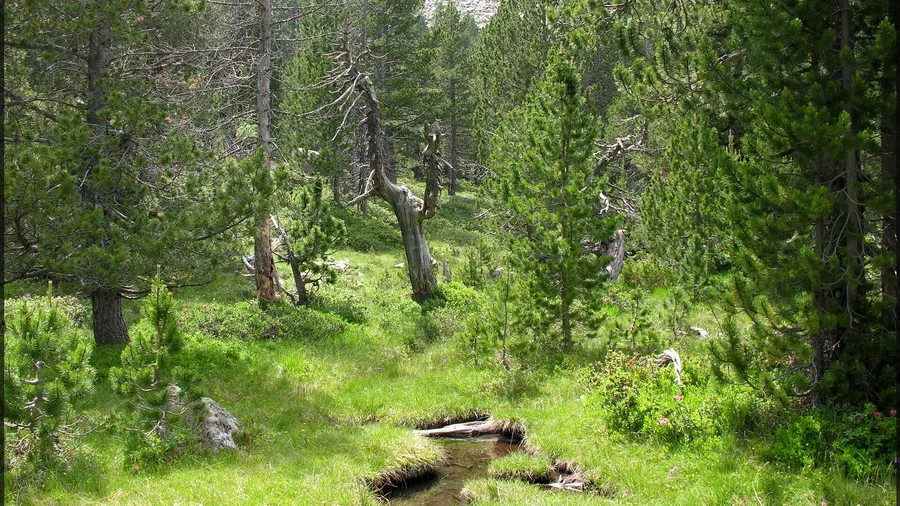
Hiking and trekking in the only national park in Catalonia: almost 200 glacial lakes, Els Encantats overlooking Estany de Sant Maurici and the planell d'Aigüestortes, with 4x4 access from Espot and the Vall de Boí.

1-4 noches From 165 €

Principality of Asturias With friends

Senda del Oso by bike and with family

Flat 22 km greenway through old mining tunnels, the Trubia and Quirós valleys, and the bear enclosure of Proaza. Comfortable Asturian nature, on foot, by bike or e-bike.

1-3 noches From 75 €

Active Tourism in Eastern Cantabria: the Asón Valley
Cantabria With friends

Active Tourism in Eastern Cantabria: the Asón Valley

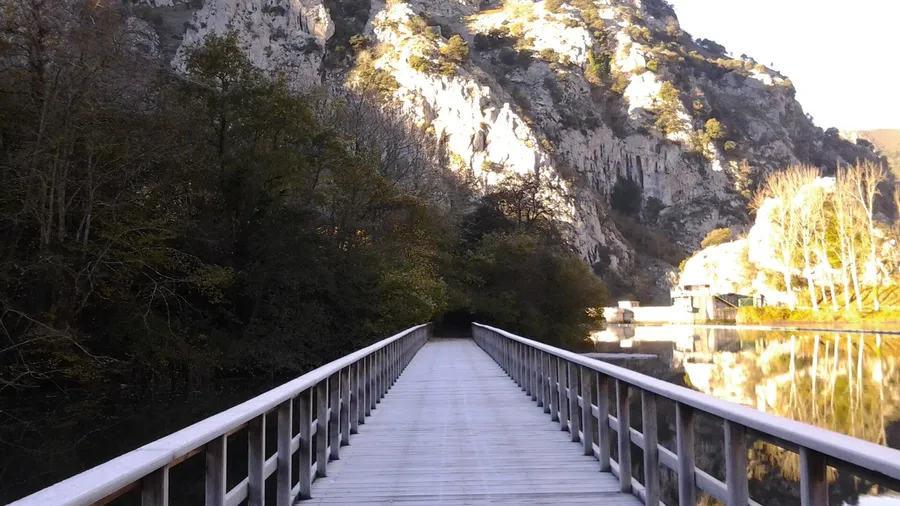
Birthplace of Spanish speleology: gorges, a 50-meter waterfall, and local guides in Cantabria's most active valley, just 1 hour from Bilbao.

2-3 noches From 130 €

Cares River Trail and Picos de Europa
Asturias With friends

Cares River Trail and Picos de Europa

The Cares Trail and the classic long-distance treks that include it: the most spectacular gorge of the Cantabrian range and the historic paths that cross Picos de Europa through it.

1-4 noches From 550 €

We'll shape it around you

Tell us how you travel - dates, group, pace, budget - and we'll design the trip exactly the way you need it.

Tell us about your trip

Send us your preferences and we'll put together a personalised proposal.

Campos obligatorios

¿Cómo prefieres que te contactemos?

Trip preferences (optional)

¿Cuándo te gustaría viajar?