Ribeira Sacra on foot

Ribeira Sacra on foot

Two canyons, a relict birch wood, Romanesque monasteries and heroic vineyards. Ribeira Sacra on foot, no filters.

From 70 € /person

1-3 nights
Galicia

No commitment · We design it with you

§02 · The place

Walking along the canyon's edge, with monasteries in the distance

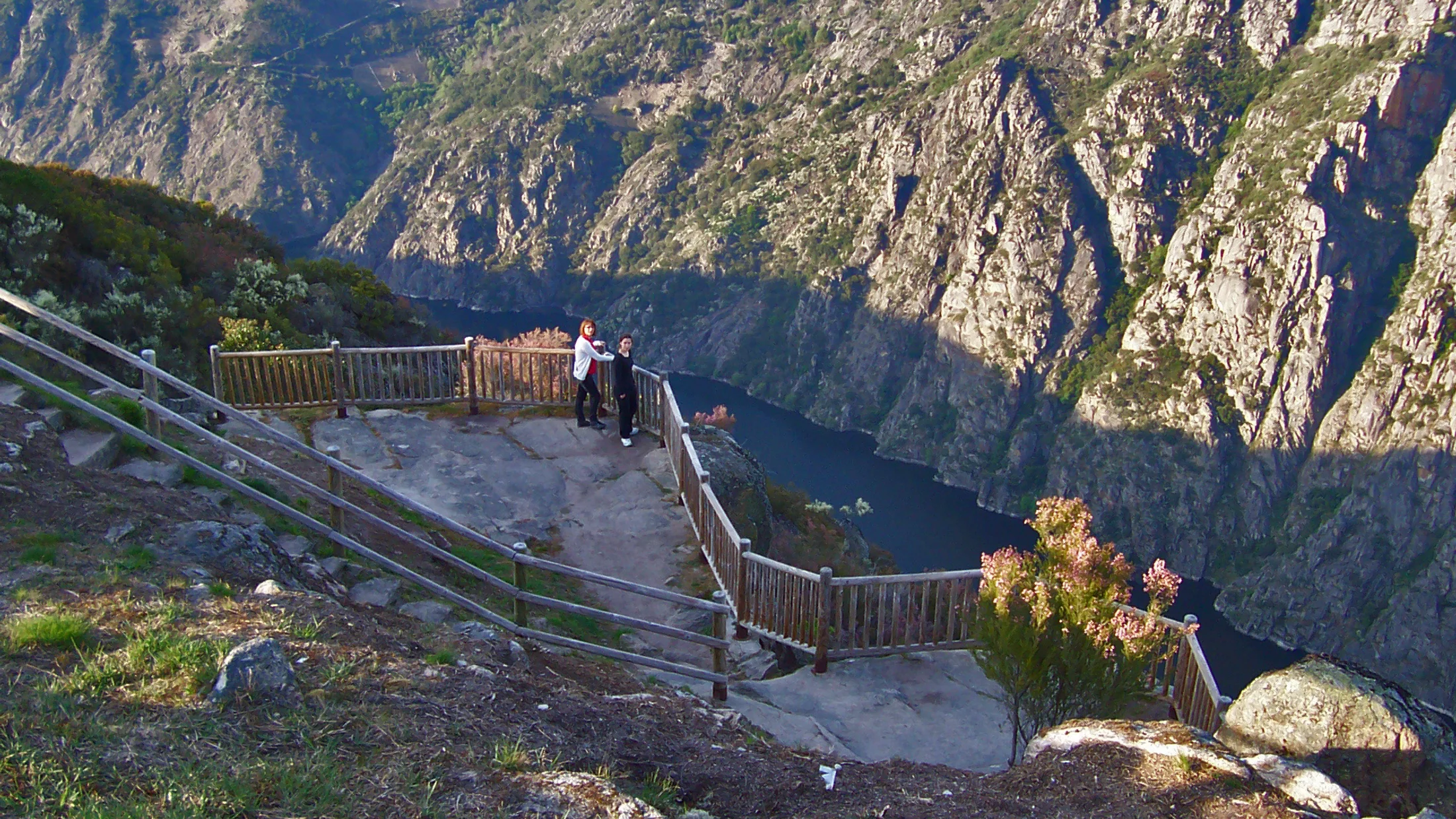
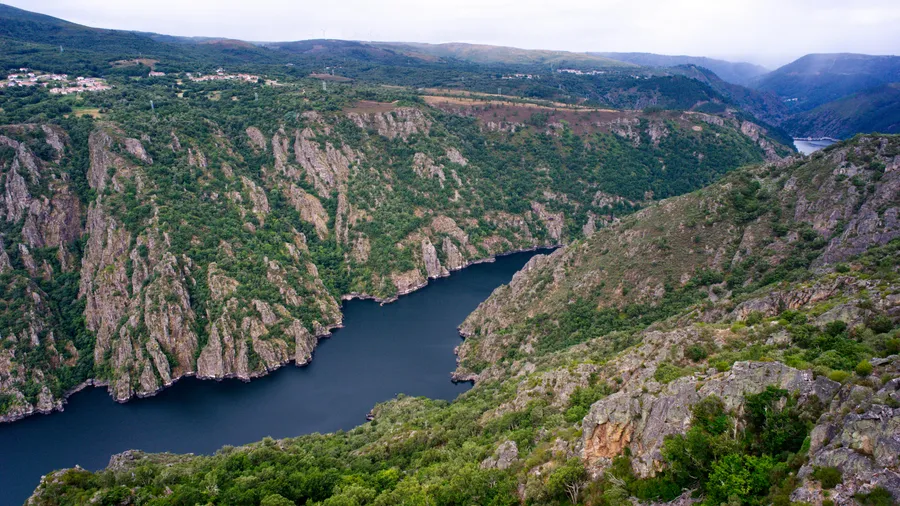
You don't understand the Ribeira Sacra from a car. You have to drop into the Mao walkway, step on Gabín's birch wood in autumn when the leaves crunch, lean out from the mirador and see the Sil 500 metres below. Here the 12th-century Romanesque monks chose silence, and winegrowers still harvest on terraces that drop at 80% gradient. You walk, you sit, you look. It all sinks in.
File:Mirador Balcones Madrid (río Sil) (3427953403).jpg
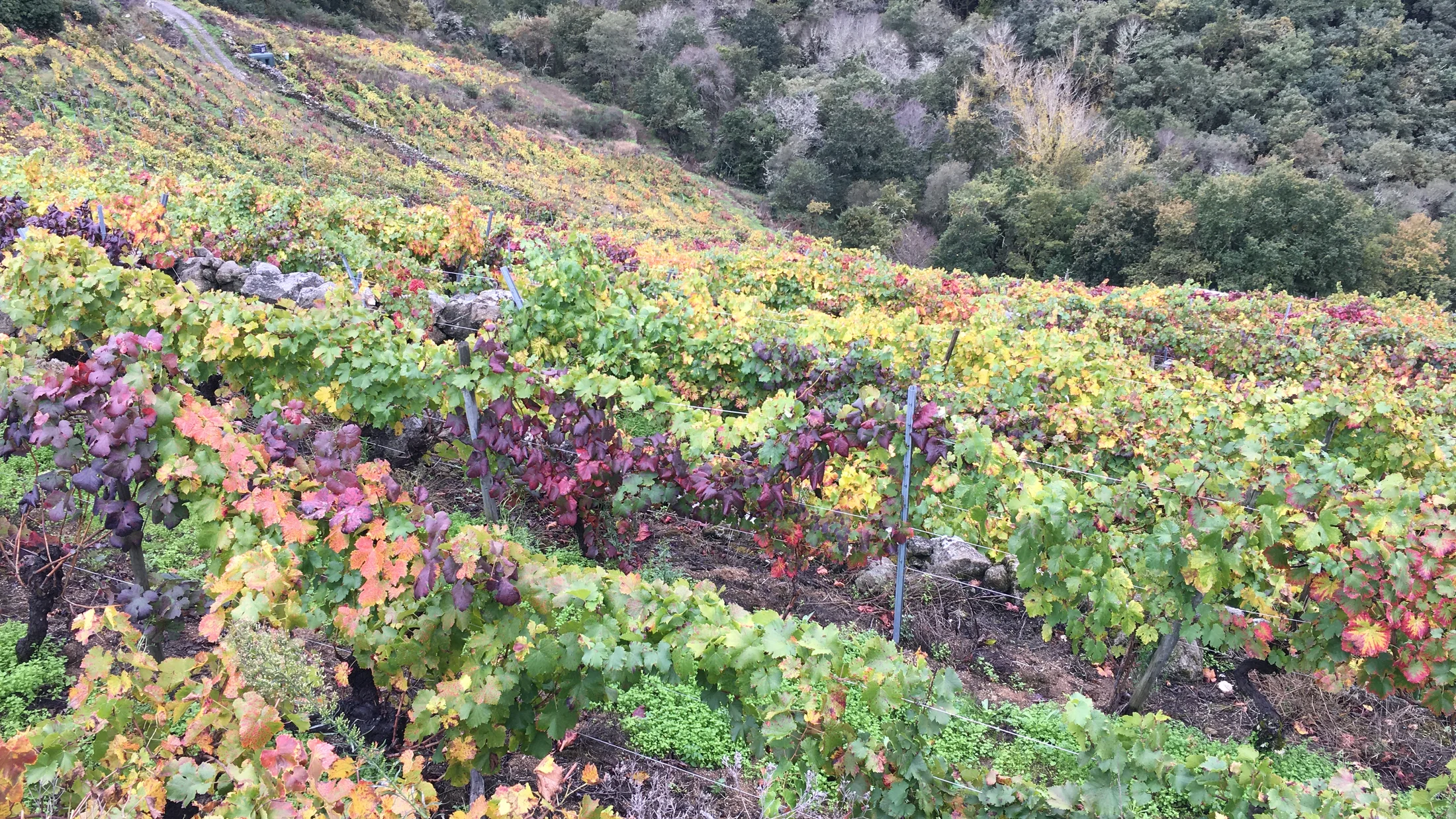
File:Viñedos cerca del Canón del Sil en la Ribeira Sacra 03.jpg
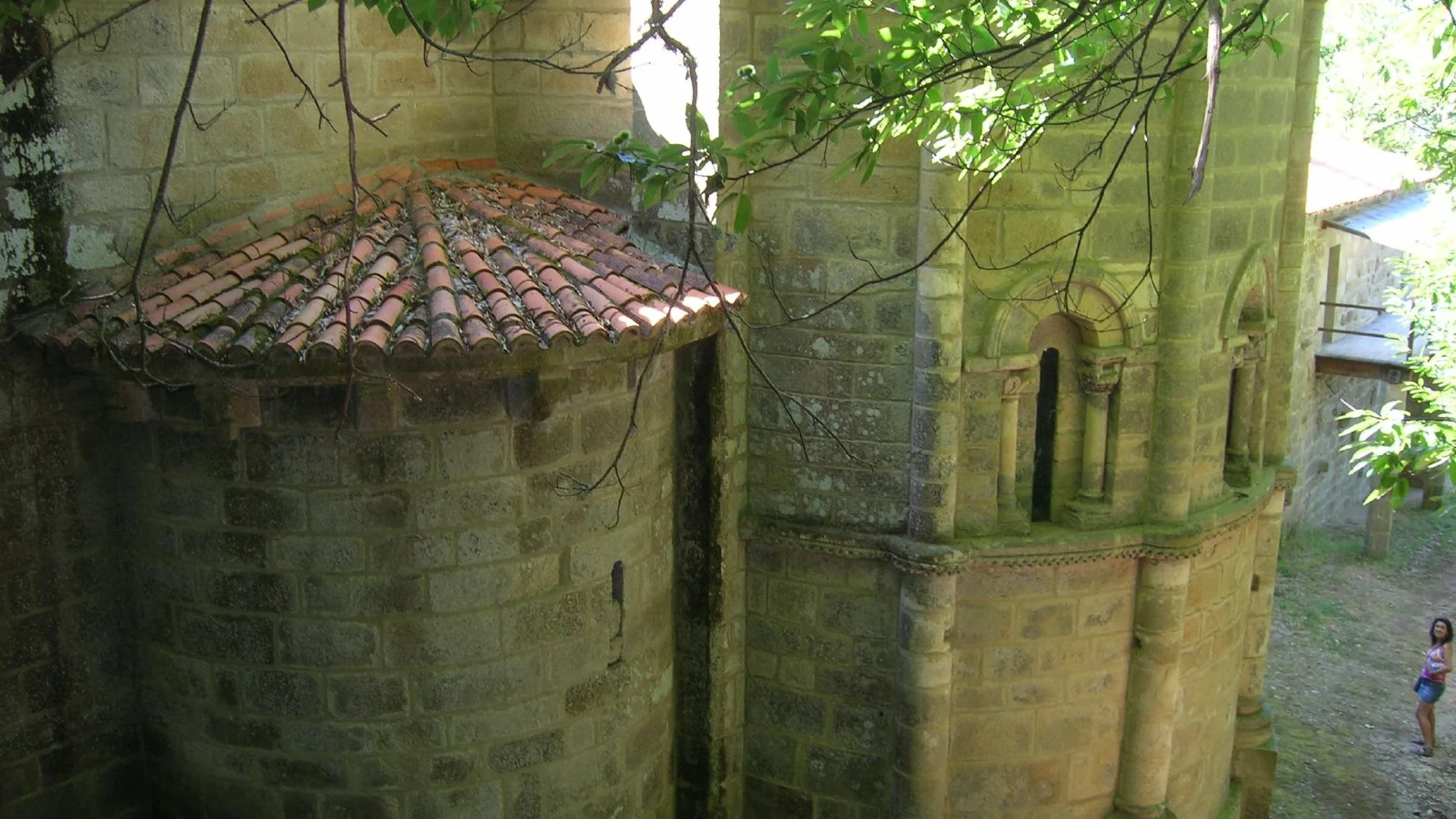
File:Monasterio de Santa Cristina de Ribas do Sil.jpg
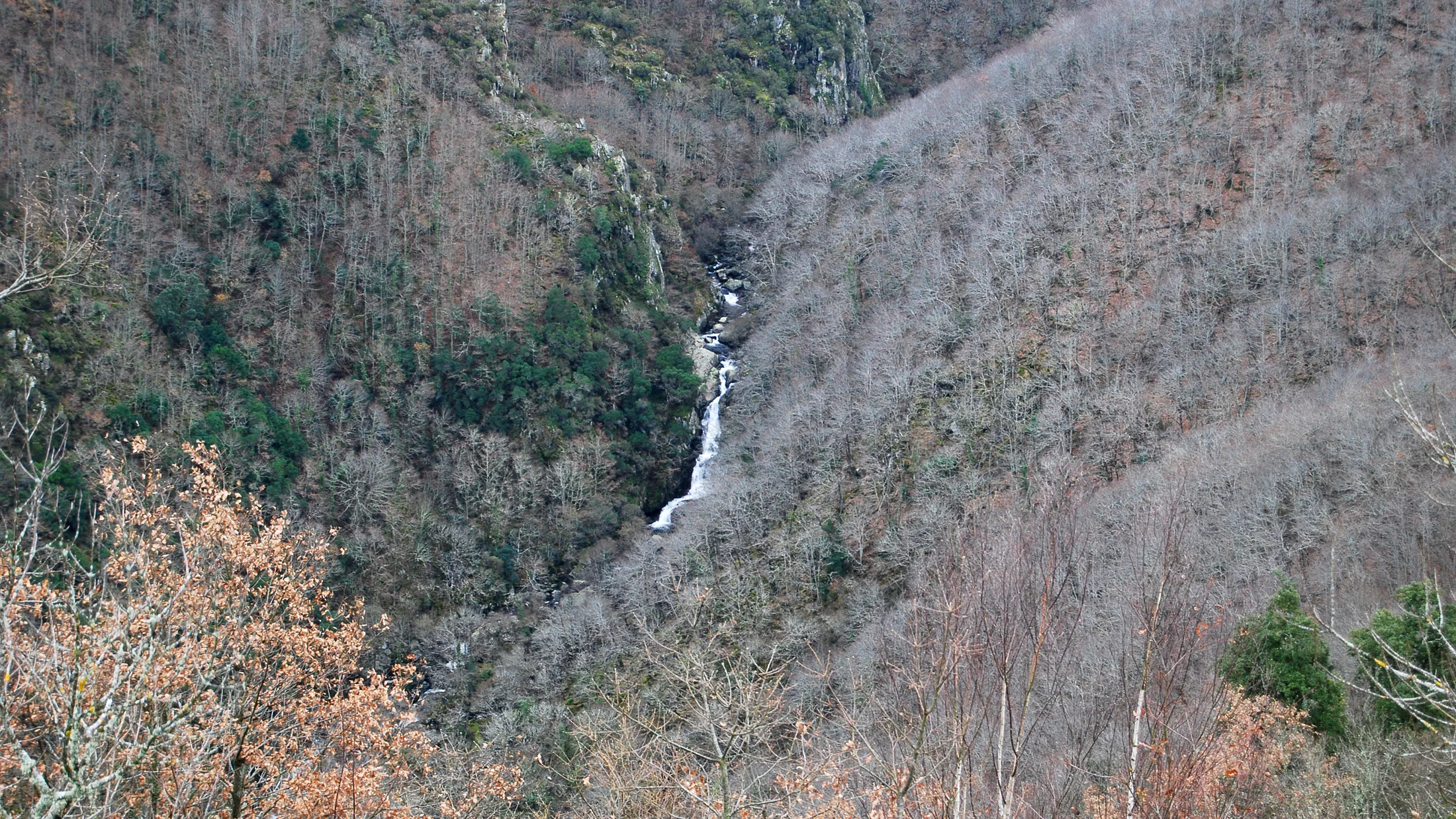
File:Canon do Mao   panoramio.jpg
File:Canon do Mao panoramio.jpg
§03 · Why it stands out

Why it stands out

  1. 01

    A hiking route, not a day trip.

    16.5 km circular route with +947 m elevation gain connecting the Mao footbridge and the Gabín grove. This isn’t a stroll: it's a day in the mountains with a changing landscape every hour. Local guide throughout the entire route.

  2. 02

    Forest you won't find anywhere else.

    The alder grove of Gabín preserves one of the last relic birch forests of the Iberian Northwest: a forest that has survived since the post-glacial cold climates. Walking in that silence is half the journey.

  3. 03

    Living Romanesque heritage

    The Ribeira Sacra boasts one of the highest densities of rural Romanesque churches in Europe—18 documented monasteries—and has been a UNESCO candidate since 2020. It’s not a museum: many are still in use or have been renovated as guesthouses.

  4. 04

    Heroic vineyard with appellation of origin.

    The slopes of the Sil and Miño rivers grow Mencía and Godello on slate terraces with gradients exceeding 60%. The DO Ribeira Sacra protects this cultural landscape: hand harvesting, baskets lowered by cable, impossible viticulture that is still practiced.

§04 · Who it fits

Who it fits

With friends Adventure Ecotourism Romantic Disconnection History Local Life Gastronomy

Fits if you walk comfortably 5-6 hours on mixed terrain (walkways, forest track, some steep ramps), you're drawn to rural Romanesque architecture and the wine cultural landscape, and you prefer a rural guesthouse or refurbished monastery over a large hotel. Works solo, as a couple with steady legs or with a group of hiking friends.

Does not fit if you're travelling with small children —for that profile we have the Ribeira Sacra in family hub, with short walks and a catamaran on the Sil—, you need a pool and resort, or you're after high mountain: the elevation gain here is canyon-style (sharp ups and downs, but non-technical).

No commitment · We design it with you
§05 · What you can live

What you can live here

An editorial showcase of what the destination offers. Nothing to book here - we shape it when you write to us.

Adventure

The active side: guided or self-guided activities, no sugar-coating the gradient.

Featured

Circular hike: Mao Canyon + Gabín birch wood

16.5 km and +947 m of gain joining wooden walkways over the Mao river and the relict birch wood of Gabín. Full day on the hill with local guide, landscape shifting hour by hour.
Sil miradors at dawn

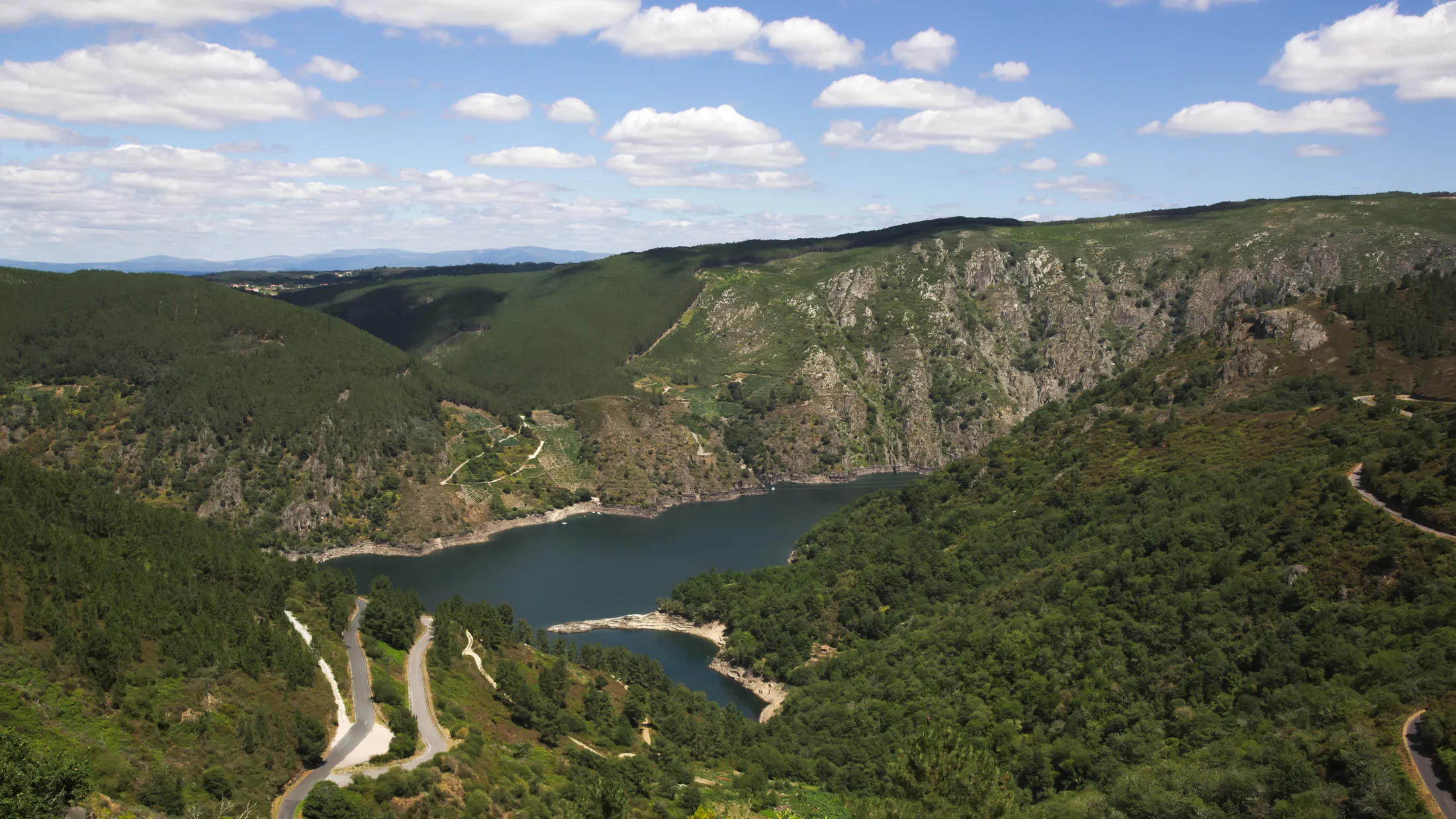
Early start to Balcones de Madrid and Vilouxe: low light over the canyon before anyone arrives. It's the defining Ribeira Sacra picture, and seeing it without the crowd shifts the whole experience.

Culture & heritage

What makes this place different: heritage, crafts, local history.

Featured

Guided visit to a Romanesque monastery

The Ribeira Sacra holds 18 documented monasteries from the 12th-13th centuries. With a guided visit the details click: why the hermits chose this canyon, what each capital symbolises, how the community worked.

Villages of the Sil banks

Tiny stone and slate hamlets clinging to the slopes. Some with fewer than twenty residents in winter. This is where you understand how people have lived here —and why staying still costs so much—.

Food & drink

Eating well without the manual - local product, village pace.

Featured

Mencía and Godello tasting at a winery

Ribeira Sacra appellation: fresh, mineral red Mencía and full-bodied, slate-driven white Godello. Most wineries pour both and show you the terraces. If you come at harvest, ask to see the baskets winched down on cables.

Galician hill food

Caldo gallego, lacón with greens, zorza empanada, O Cebreiro cheese. Nothing fancy, all hearty: what your body wants after a day in the canyon.

Where to sleep

Where you sleep - inns, rural houses, hotels with character in the valley.

Featured

Rural houses overlooking the canyon

Small refurbished stone houses, usually with fewer than ten rooms, in villages overlooking the canyon. Home-cooked breakfast, local host, terrace with views. The honest pick for a walking trip.

Refurbished monastery guesthouse

Some Romanesque monasteries have been refurbished as guesthouses. Sleeping in a cell with a cloister next door is not the same as sleeping in a hotel. Ask us when you book and we'll match you with one available for your dates.

Certified local guide

Certified mountain guide who knows the canyon and the local Romanesque well. Handles logistics, pace and historical context. For Ribeira Sacra on foot, it isn't decoration: it's what makes the day work.

Nature

Landscape unfiltered: what you see on foot, without the car.

Featured

Mao walkways

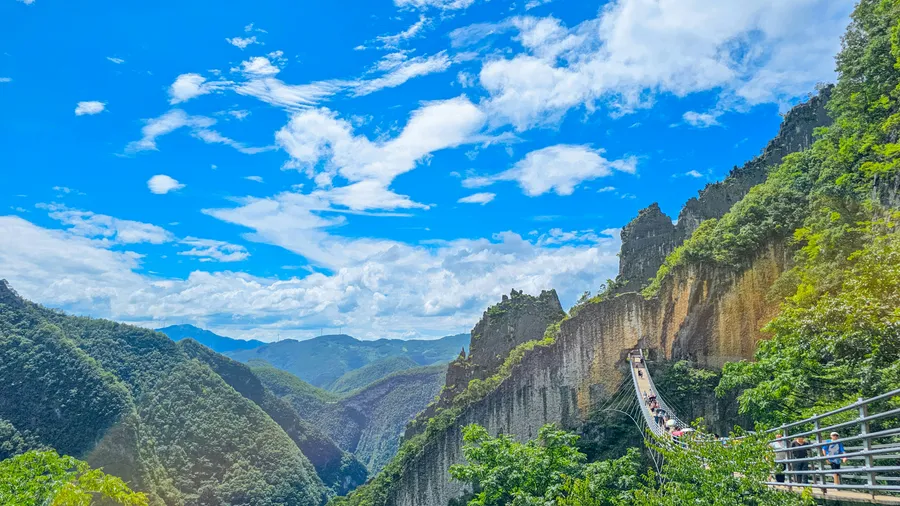
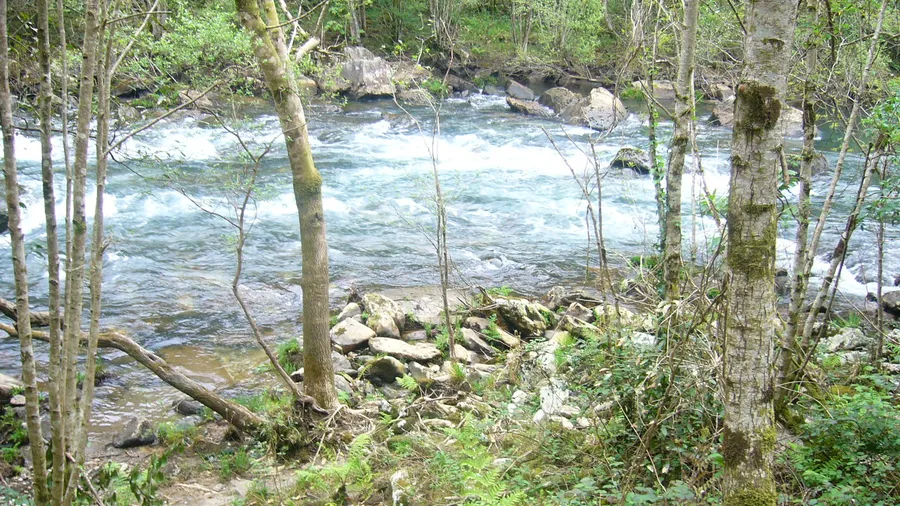
Several kilometres of wooden walkways suspended over the Atlantic forest of the Mao canyon. No traffic, river flow alongside, ferns and centuries-old oaks. A section to take slowly.

Relict birch wood of Gabín

One of the last relict birch forests in north-west Iberia, a survivor of post-glacial cold climates. In autumn it turns entirely golden; in spring it smells of wet earth and silence.

30-60 min away

Half-hour side trips if you've time left or it rains.

Featured

Catamaran on the Sil canyon

If you want to drop to the canyon bottom without effort, the Sil reservoir runs a catamaran. Just over an hour gliding between vertical walls and hanging vineyards. A good half-day to rest the legs on day two.

Thermal Ourense

Ourense city has free public thermal baths on the Miño's banks (As Burgas, Outariz). 40 minutes from the canyon. Perfect to close a long day on the hill: 40°C water under the stars.
§06 · The practical side

Weekend practicalities

Best season
Spring · Autumn
Fitness level
Moderate
Typical length
1-3 nights
More practical details

Physical level & requirements

Regular hiker's fitness. The Mao Canyon + Gabín loop is 16.5 km circular with +947 m of cumulative elevation gain —steep ups and downs, non-technical—. Mix of wooden walkway, forest track and trail. No exposed sections or technical gear. If you can put in 4-5 hours of hill walking without falling apart, you're set.

How to get there

Best season

Spring (April-June): the Mao forest explodes in green, rivers run with volume. Autumn (October-November): the birch wood turns golden and it's harvest. Summer can be humid-hot in the canyon bottoms and the miradors fill up; winter brings persistent rain and some sections get slippery.

Gear

Mid-mountain boots with grippy sole (walkways slick when damp), poles recommended for the gradients, raincoat always, headlamp for dawn/dusk sections. Carry water: springs are scarce on some segments.

Access

Nearest airport: Santiago (130 km) or Vigo (140 km). By train, to Monforte de Lemos or Ourense. Car essential to move between miradors and monasteries —internal public transport is sparse—.

Permits

The Mao canyon and Gabín birch wood are protected Natural Space. No access restriction for walkers; stick to marked paths and stay on the walkways.

Recommendations

Get up early for the Balcones de Madrid and Vilouxe miradors: low morning light over the Sil is unmatched and you'll be alone. Book the guided monastery visit a few days ahead —slots are limited—. If you come in autumn, look for a winery that opens its doors at harvest: watching baskets winch down terraces on cables is one of those memories that sticks. And eat a big breakfast: on many routes you'll find nothing open between the trailhead and dinner.

§07 · Bookable packages

Bookable packages

§08 · Questions

Frequently asked questions

Is the Mao + Gabín route technical?

No. It's 16.5 km circular with +947 m gain, but on walkway, track and waymarked trail. No exposed sections. What it does demand is stamina: count 6-7 hours with stops.

Best time to walk the Ribeira Sacra?

Spring (April-June) and autumn (October-November). Summer gets muggy in the canyon bottoms and miradors are crowded; winter is wet and some sections turn slippery.

Can I sleep in a monastery?

Yes, there are refurbished monasteries operating as guesthouses —we don't name a specific one because availability shifts by season—. Ask us when you book and we'll match you with one that fits your dates.

Do I need a car?

Effectively yes. Public transport between miradors, wineries and trailheads is very limited. Our package includes guide logistics, but to move freely between stages a car is realistic.

Does this work with small kids?

This hub is built for adult hikers: 16 km and almost 1,000 m of climb is a lot for children. For families we have a dedicated hub (Ribeira Sacra in family) with short walks and a Sil river catamaran.

Mencía or Godello?

Both. Mencía is the classic red of the heroic vineyard, fresh and mineral; Godello is the emblematic local white, with body and slate minerality. Most wineries pour both.

More trips in the area

Quick filters

2 getaways
Ribera Sacra with the Family
Galicia Family

Ribera Sacra with the Family

Canyons, Romanesque monasteries, and a catamaran on the Sil River — a slow weekend deep in inland Galicia, perfect for traveling with children.

2-3 noches

The Lighthouse Way (Galicia)
A Coruña Birdwatching

The Lighthouse Way (Galicia)

200 kilometers along the Costa da Morte, connecting lighthouses between cliffs, wild beaches, and fishing villages in northwestern Galicia.

7-9 noches From 790 €

We'll shape it around you

Tell us how you travel - dates, group, pace, budget - and we'll design the trip exactly the way you need it.
Tell us about your trip

Send us your preferences and we'll put together a personalised proposal.

Campos obligatorios

¿Cómo prefieres que te contactemos?

Trip preferences (optional)

¿Cuándo te gustaría viajar?