Cares River Trail and Picos de Europa
Getaways
Featured

Cares River Trail and Picos de Europa

The Cares Trail and the classic long-distance treks that include it: the most spectacular gorge of the Cantabrian range and the historic paths that cross Picos de Europa through it.

From 550 € /person

1-4 nights
Asturias

No commitment · We design it with you

§02 — The place

A balcony carved into the rock, cured cheese in a cave and a village without roads.

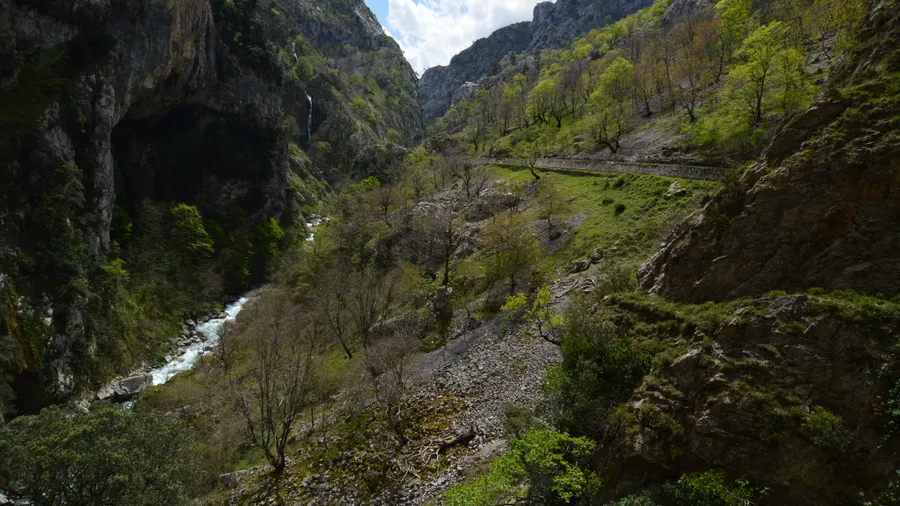
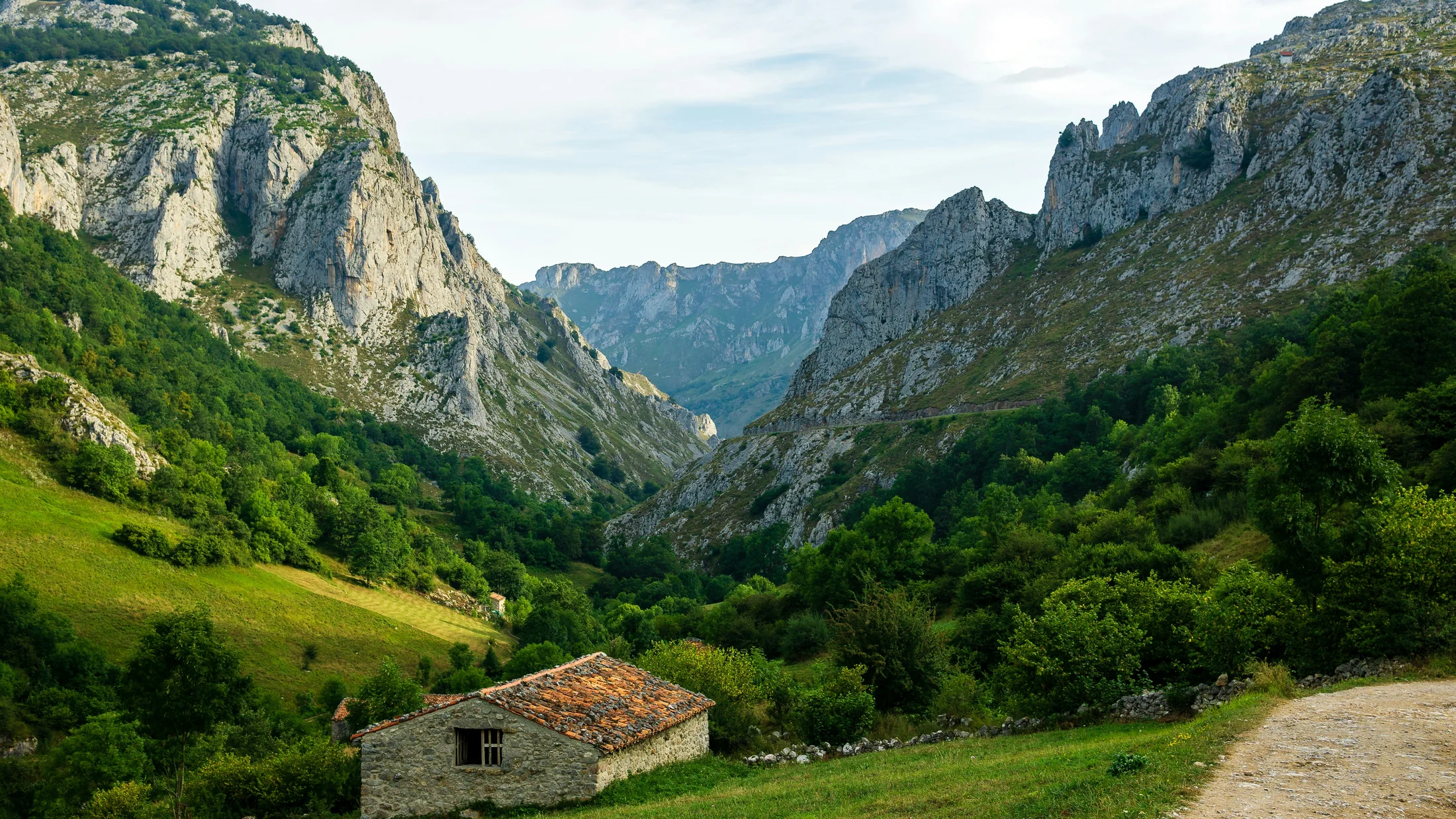
It’s coming to Picos to walk twelve kilometers along a path carved with pick and dynamite into the canyon wall to maintain a hydroelectric canal, with the Cares River two hundred meters below. Then going down to Bulnes by funicular, ordering a plate of Cabrales cheese that has aged for months in a natural cave at eight degrees, and sleeping in an inn in Sotres with views of the massif. In the morning, the Lakes of Covadonga forty minutes away.
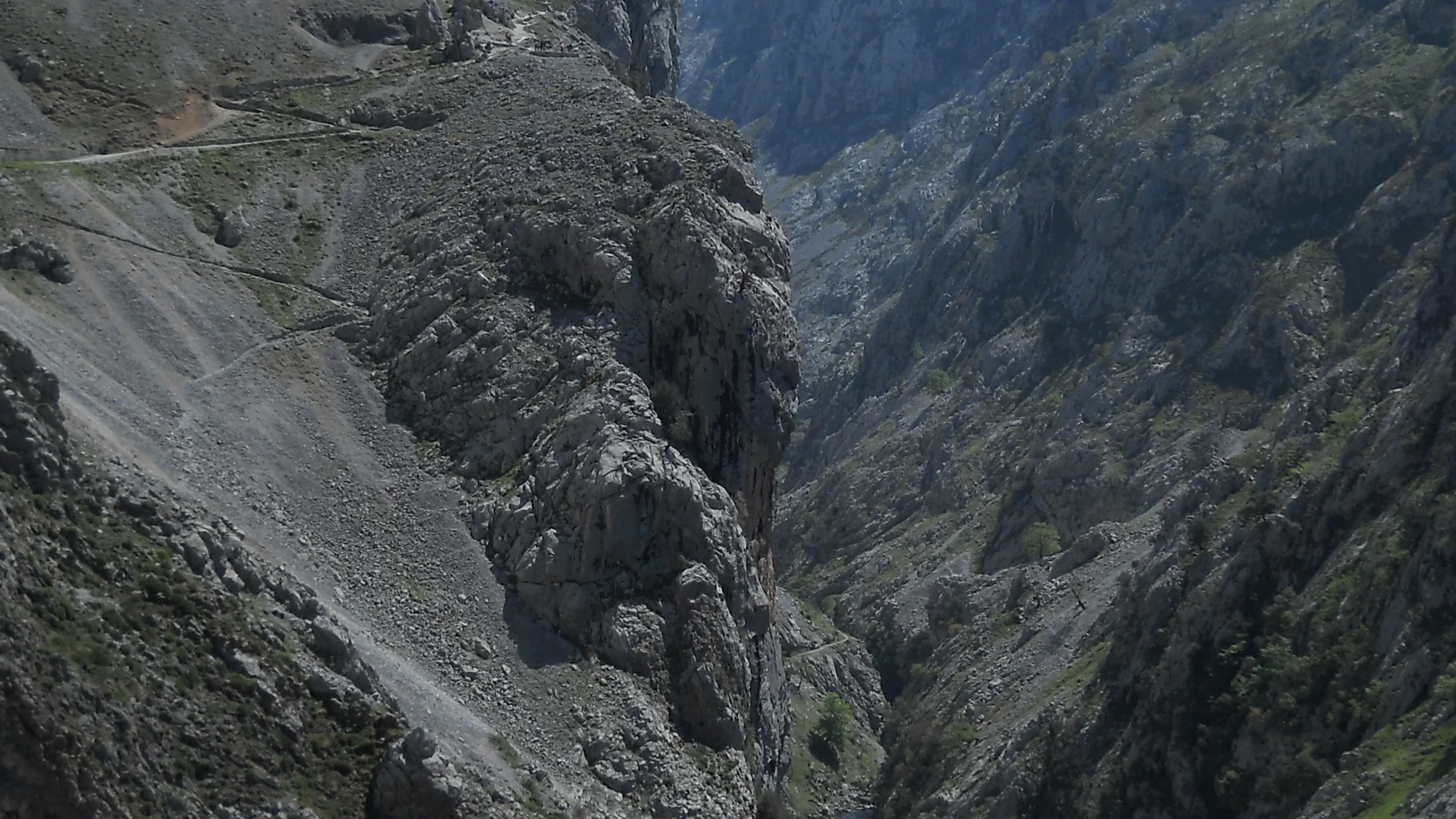
The Balcón del Cares trail, carved into the canyon wall.
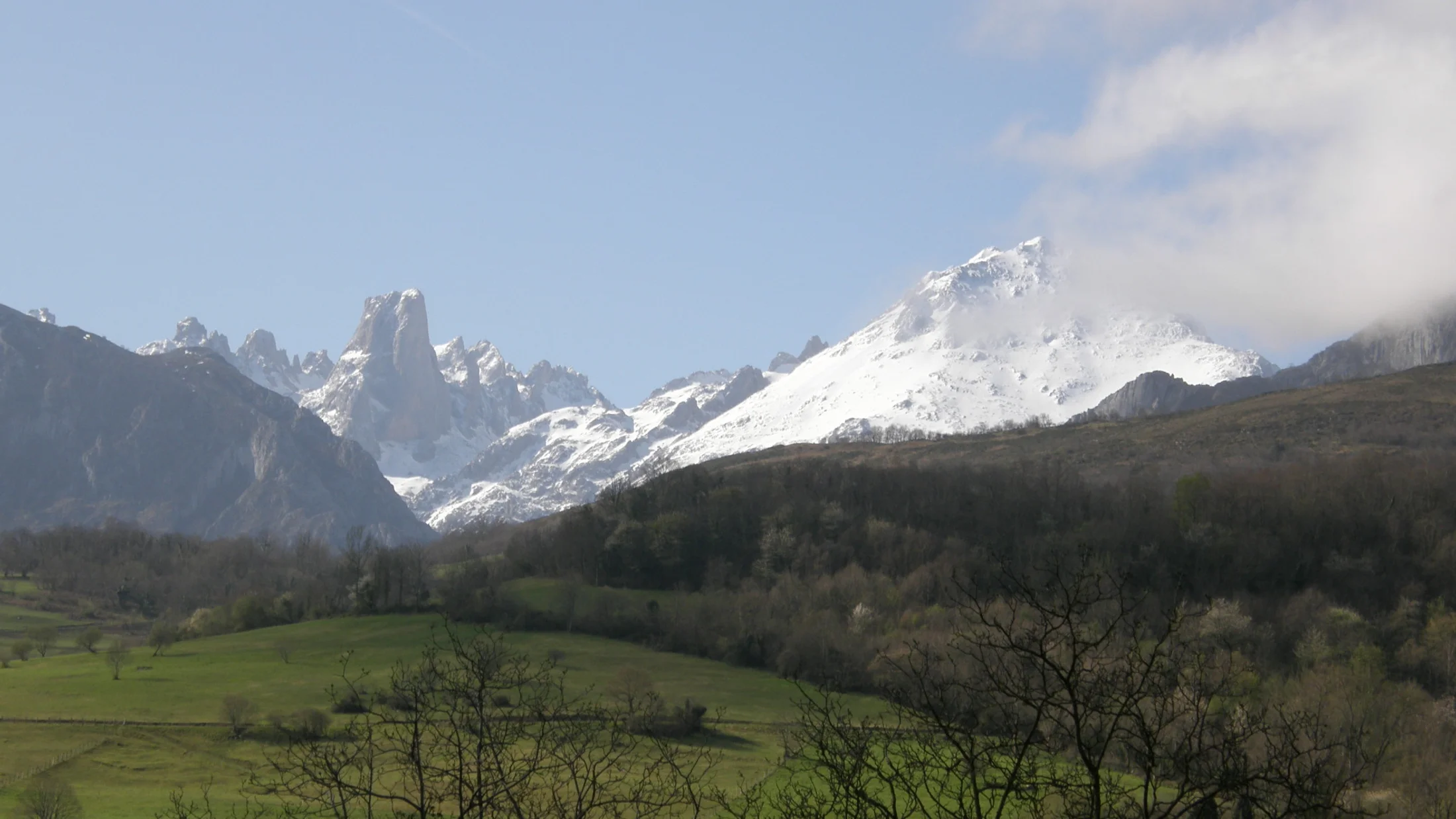
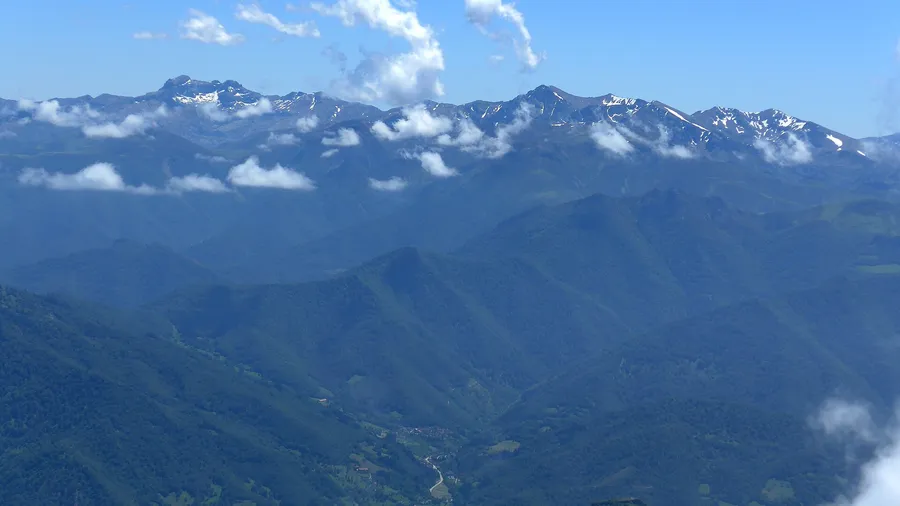
The Orange of Bulnes (Picu Urriellu), 2,519 m, symbol of Picos.
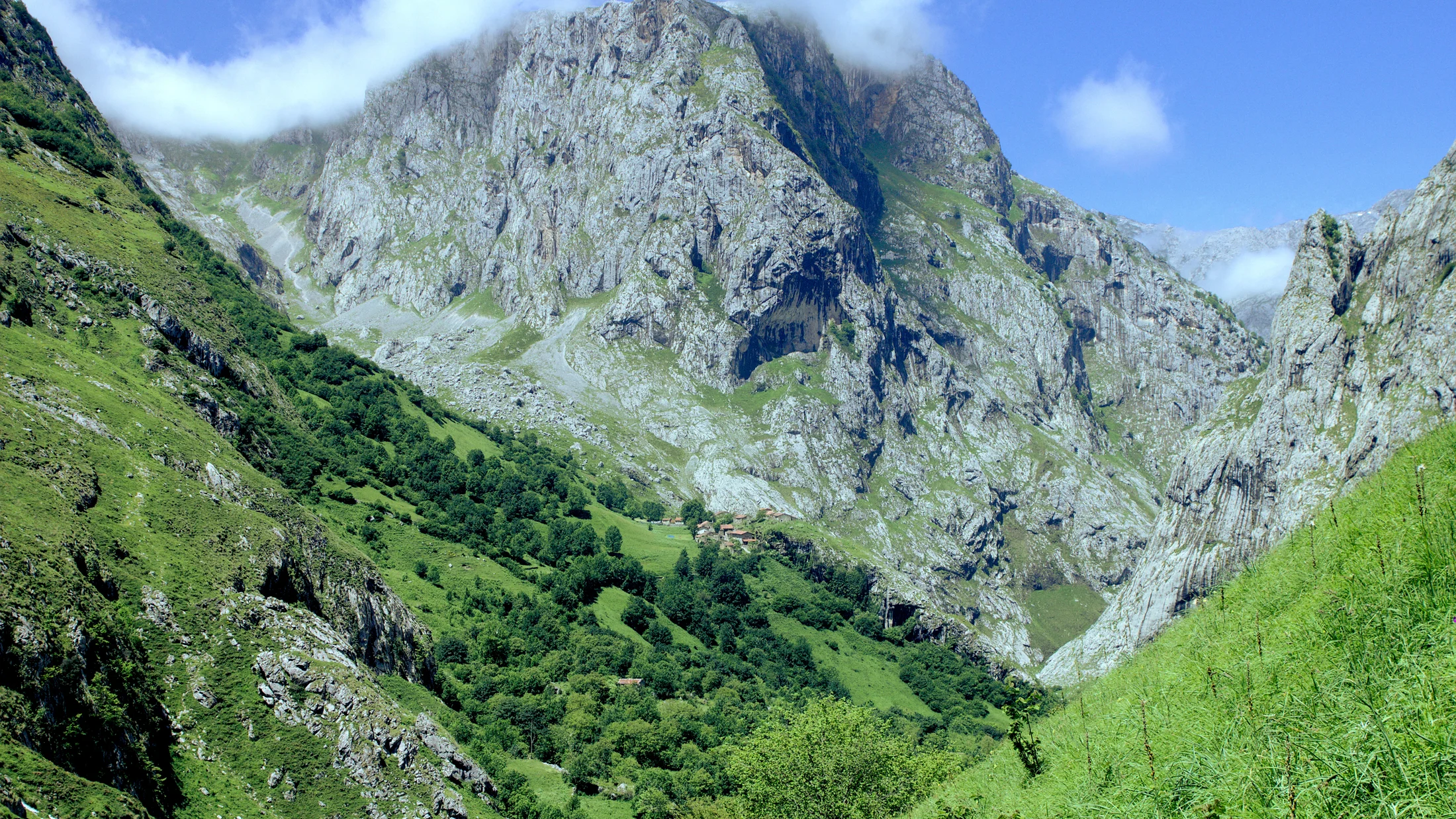
Bulnes: the last town in Spain without road access.
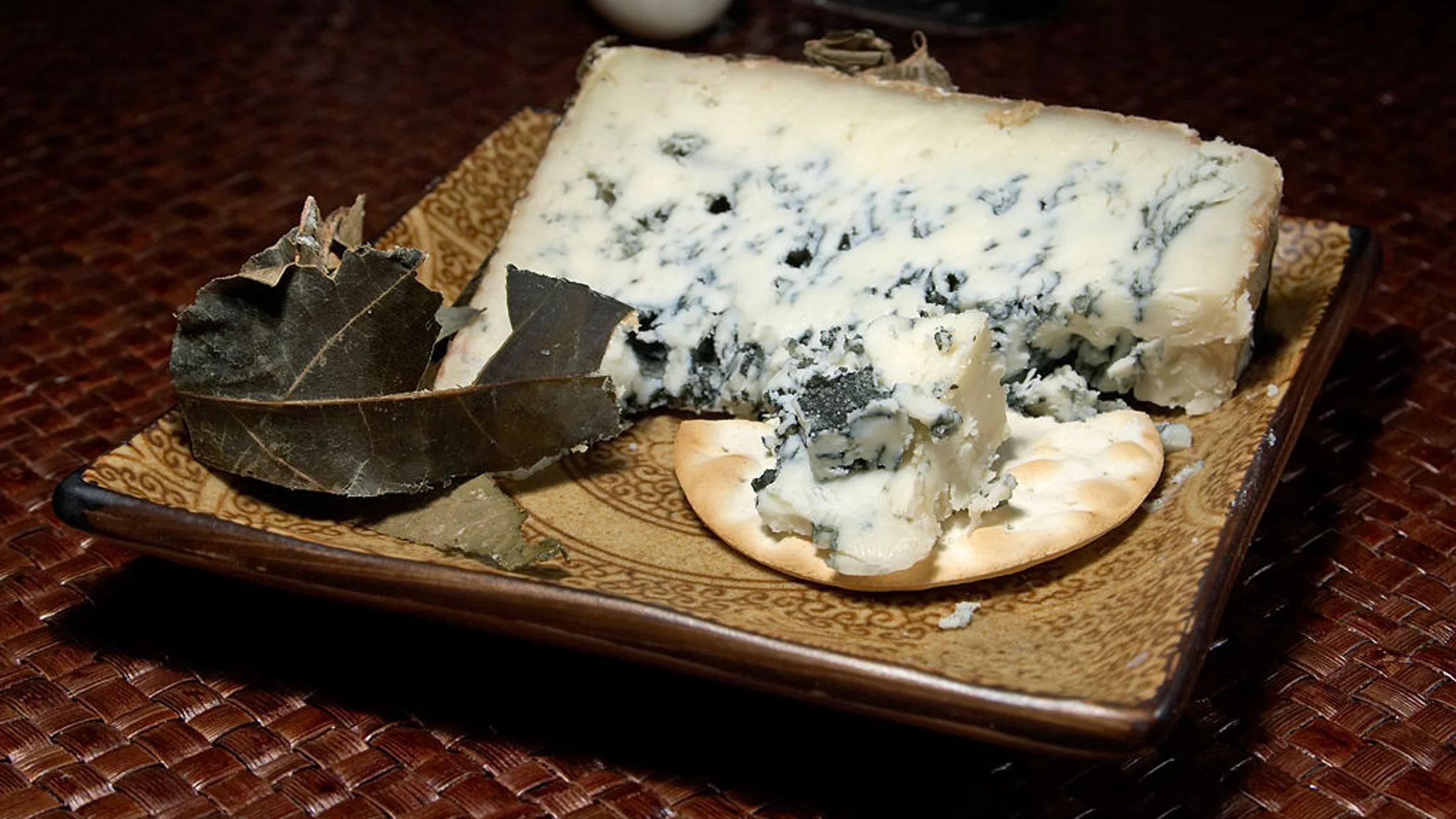
Cabrales D.O.P. cheese, aged in natural caves at 8-12 °C.
§03 — Why it stands out

Why it stands out

  1. 01

    A path carved with pickaxe and dynamite in the 1940s.

    The Cares Route was built between 1945 and 1950 to maintain the hydroelectric canal running from Caín to Poncebos. Twelve kilometers of a balcony carved into the vertical wall of the canyon, sometimes 200 meters above the river.

  2. 02

    Bulnes: the last town in Spain without a road.

    Until 2001, the only access was a two-hour walk from Poncebos through the Tejo Gorge. That year, the underground funicular of Bulnes opened, ascending 400 meters in elevation in 7 minutes. There is still no road access.

  3. 03

    Cabrales D.O.P. cheese aged in a natural cave

    Blend of cow’s, sheep’s and goat’s milk, with no added colorings or molds. It matures for 2 to 4 months in natural crevices of the mountains at 8-12 °C and 90% humidity. The Penicillium azul appears naturally, from the cave air.

  4. 04

    Picos de Europa: Spain's first national park (1918)

    Declared by Alfonso XIII as Picos de Europa National Park; expanded in 1995 to the three massifs (central, western, eastern). 67,000 hectares between Asturias, Cantabria and León.

§04 — Who it fits

Who it fits

With friends Adventure Disconnection Photography
Suited for hikers in good physical condition, active couples, fit groups of friends and landscape photographers. The Ruta del Cares is 12 km linear with exposure (not suitable for severe vertigo) and limited shade. This is NOT a destination for families with young children (sheer drops without continuous protection), limited mobility or those seeking an effortless getaway. For families with young children we recommend Cantabria with kids or Cazorla for families; for a slow-paced getaway without long walks, check out eastern Cantabria (Asón).
No commitment · We design it with you
§05 — What you can live

What you can live here

An editorial showcase of what the destination offers. Nothing to book here - we shape it when you write to us.

Adventure

The active side: guided or self-guided activities, no sugar-coating the gradient.

Featured

Cares Route: Cain → Poncebos

The iconic Picos balcony trail. 12 km linear, 4-5 hours, medium difficulty (not technical). Excavated into the canyon wall in the 1940s to maintain the hydroelectric channel. We recommend doing it from Caín → Poncebos early in the morning (less heat and fewer people). Bring a headlamp for the tunnels.

Hike up to Bulnes on foot (PR-PNPE 22)

The Tejo Trail: 4 km, 2-hour ascent from Poncebos through the gorge, +400 m elevation gain. Until 2001 it was the only way to reach the village. Stone path, shaded, no exposure. Descent is faster (1h15). Can be combined with the funicular for ascent or descent.

Bulnes Funicular

2.2 km underground tunnel that climbs 400 meters in elevation in 7 minutes. It opened in 2001 to end the isolation of the village. Approximate round-trip fare €22. Departs from Poncebos every 30 minutes. Ideal plan: ride the funicular up, have a snack on a terrace in Bulnes, and hike down through the Tejo gorge.

Vega de Urriellu (climb to Naranjo de Bulnes)

Serious challenge for fit hikers: 6-7 hours, +1000 m elevation gain from Pandébano (the highest accessible parking lot). You reach the base of Picu Urriellu (2,519 m), symbol of Picos. Vega de Urriellu refuge for a meal or overnight stay. Only from June to October and with good weather.

Hike to Cabaña Verónica shelter

Climb to the most legendary refuge in Picos: a semi-dome formerly used by the military, now repurposed at 2,325 m in the heart of the central massif. Access from the Fuente Dé cable car (4-5 hours walking via Covarrobres’ Horcadina). 18 spaces; advance booking essential. For experienced high-mountain hikers.

Culture & heritage

What makes this place different: heritage, crafts, local history.

Featured

Covadonga Sanctuary and the Holy Cave

The Basilica of Covadonga (1901, Neo-Romanesque style) and the Holy Cave carved into the rock with the Virgin of Covadonga and the tomb of Don Pelayo. Symbolic origin of the Reconquest (722). Free entry. Combine with the Lakes (10 minutes by car uphill).

Park House (Cangas de Onís)

Visitor center of the Picos de Europa National Park in Cangas. Permanent exhibition on karst geology, fauna (rebeco, urogallo, oso pardo), traditional grazing and the history of Spain’s first national park (1918). Maps, interactive panels. Free entry. A good plan for uncertain weather.

Food & drink

Eating well without the manual - local product, village pace.

Featured

Visit to the Cabrales cave with tasting

Descend into a natural cave where Cabrales D.O.P. cheese matures at 8-12 °C and 90% humidity. The cheesemaker explains the process (milk blend, no added colorings or molds, 2-4 months in crevices) and it is paired with cider. Several cheesemakers offer tours in Arenas, Tielve and Sotres. Prior reservation essential.

Lebaniego stew in Potes

If you cross over to Liébana (Cantabrian side), the *cocido lebaniego* is a local dish: small chickpeas from Potes, kale, potato, filling (bread, egg and chorizo), black pudding, ribs and *compango*. Served in three courses. Best places in Potes and surroundings. A hearty dish, not for before a walk.

Traditional cider house in Arenas or Cangas.

Dinner at an Asturian cider house: chorizo in cider, fava beans with clams, cachopo and Cabrales cheese with freshly poured cider. In Arenas de Cabrales (near the Cares) or Cangas de Onís (near the Lakes) there are family-run cider houses with honest cooking. Book for weekends during peak season.

Bean stew and street-style sandwich.

Two Asturian classics for long days of walking: fabada (white beans from the farm, chorizo, black pudding, lacón) or pitu de caleya (slow-cooked free-range rooster). Many restaurants in Cangas de Onís and Arenas have them as the daily menu in autumn-winter. Enjoy with local wine or cider.

Where to sleep

Where you sleep - inns, rural houses, hotels with character in the valley.

Featured

Rural guesthouse in Sotres

Sotres (1,045 m) is the highest inhabited town in Asturias, a base for many routes of the central massif (Vega de Urriellu, Cabrales). Family-run guesthouses with few rooms, communal dinners, views of Peña Maín. Without major services – a small grocery store, two bars, a church. For those seeking silence and wanting to set off on foot from the doorstep.

Rural hotel in Cangas de Onís

Cangas is the town with the most services on the Asturian side (5,500 inhabitants): first capital of the Kingdom of Asturias, Roman bridge over the Sella River, restaurants, supermarket, gas station. 25 minutes from Covadonga and 35 from Poncebos. A good base for those who want to sleep centrally and explore Lagos, Cares and the coast.

Mountain refuge (Vega de Urriellu or Cabaña Verónica)

For advanced hikers: overnight stay in a high-mountain guarded refuge. Vega de Urriellu (1,953 m, 96 beds) at the foot of Naranjo, or Cabaña Verónica (2,325 m, 18 beds) in the heart of the central massif. Book well in advance with FEDME during summer. Bring your own sleeping bag and headlamp; dinner/breakfast served by the warden. Experience, not comfort.

Nature

Landscape unfiltered: what you see on foot, without the car.

Featured

Lakes of Covadonga (Ercina and Enol)

40 minutes from Cangas de Onís, two glacial lakes at 1,100 m altitude among beech meadows and pastures with local cows. In summer (July-September) access is only by shuttle bus from Cangas. Princess viewpoint and short route between the two lakes (Vega de Enol-Ercina, 1h).

Cable Car Viewpoint (Fuente Dé)

Fuente Dé Cable Car in Liébana (Cantabria): 753 m of elevation gain covered in 4 minutes to the 1,823 m viewpoint. Views of the central massif of Picos de Europa. From the top, easy walk to Áliva or challenging route to Cabaña Verónica. The cable car does not operate in strong winds; check conditions on the day of your visit.

Lloroza Wells

Small glacial lagoons in the central massif, at 2,000 m, fed by snow. Circular route of 3-4 hours from the Cable Car Viewpoint (Fuente Dé), passing through Horcadina de Covarrobres. Moonscape of limestone rock, arid terrain, chamois wildlife. One of the most photographed panoramas in Picos.

30-60 min away

Half-hour side trips if you've time left or it rains.

Featured

Oviedo: old town and pre-Romanesque architecture

1 hour 15 minutes from Cangas: Oviedo Cathedral (9th-16th centuries), Cámara Santa with the Cross of Victory, and Asturian Preromaneque (Santa María del Naranco and San Miguel de Lillo, UNESCO World Heritage site, on the slopes of Naranco). Fontán Market and Gascona Street for dinner. A good plan if the weather is bad in the mountains.

Llanes and the Cliff Coast

45 minutes from Arenas: Llanes (medieval seaside town, memory cubes painted by Ibarrola, San Pedro promenade) and Pría blowholes (water jets erupting from holes in the cliff face with high tide and waves). Gulpiyuri Beach (inland cove connected to the sea). A complete change of scenery in half an hour.
§06 — The practical side

Weekend practicalities

Best season
Spring · Summer · Autumn
Fitness level
Moderate
Typical length
1-4 nights
More practical details

Physical level & requirements

Moderate to good physical condition. The Cares Route isn't technical but it’s 4-5 continuous hours with exposure on many sections and little shade. Not suitable for people with severe vertigo. Children from 10-12 years old with a good head for heights and close supervision; younger than that, it’s better to choose another destination. If you hike up to Bulnes or Naranjo, the elevation gain and duration increase significantly (Vega de Urriellu is 6-7 h with +1.000 m of elevation gain).

How to get there

Best time to go: May-June and September-October (mild temperatures, fewer crowds). July and August are crowded with lines on the trail. Avoid winter: sections with ice and landslides. Access to Caín: from León via Posada de Valdeón (CL-637); be careful on the road to Caín, it’s narrow with sections without passing lanes. Access to Poncebos: from Asturias via Arenas de Cabrales (AS-264). The Caín-Poncebos route is 12 km linear, 4-5 hours, +200 m / -300 m cumulative elevation gain. Bring at least 1.5 L of water, trekking shoes, a headlamp for the tunnels, and sun protection. There are no drinking water sources on the trail.

Recommendations

Hike the Cares Gorge from Caín to Poncebos: it’s easier on the knees with less downhill and the canyon opens up in front of you instead of closing behind. Book a return shuttle in advance (Posada de Valdeón ↔ Cangas de Onís bus service during peak season). Spend a whole morning in Bulnes: take the cable car up (~22 €) and walk down on PR-PNPE 22 (~2 h). If you have an extra day, go up to the Mirador del Cable in Fuente Dé (cable car from Liébana, Cantabria): 1.823 m in 4 minutes, with views of the three massifs. Have dinner in Sotres or Arenas de Cabrales: lamb, lebaniego stew or pitu de caleya.
§07 — Questions

Frequently asked questions

Is it possible to hike the Ruta del Cares trail round trip in a day?

Yes, but it’s 24 km and an 8-9 hour hike, best done if you're used to it. Most people only do the outbound leg (12 km, 4-5 hours) and return by shuttle or car parked at the other end. The most convenient option: leave a car in Poncebos, take a shared taxi to Caín in the morning, and hike the route from Caín → Poncebos.

Is it dangerous to hike the Cares Trail with children?

The trail isn’t technical, but there are sections with vertical drops of tens of meters without continuous protection. We don’t recommend it for children under 10 years old. Between 10 and 14, assess your child’s comfort with heights and walk closely beside them on the wall side. For families with very young children, we have better destinations in Cantabria or Cazorla — ask us.

Is there a luggage transfer service between towns?

Not for the Cares Trail (it’s only on foot). For the GR-202 and longer treks through Picos, there are taxi porter services between Posada de Valdeón, Caín, Sotres and Cangas, which the Concierge can arrange.

What do we do if it rains or is foggy?

The Cares Trail can be done with light rain (be careful of wet rocks on exposed sections), but it’s best to change plans if there's a storm or dense fog. Alternatives with shelter: visit a Cabrales cheese factory with a tasting, explore Cangas de Onís and the Sanctuary of Covadonga, or go up Fuente Dé (the cable car doesn’t operate in strong winds; check the forecast). Sotres and Arenas have good cider houses to wait out the rain.

Where is it better to stay, Asturias or León?

If you’re focusing your trip on the Cares + Bulnes + Cabrales + Covadonga area, stay on the Asturian side: Arenas de Cabrales, Sotres, Cangas de Onís or Poncebos. If you combine it with Fuente Dé and Liébana, consider a couple of nights on the Cantabrian side (Potes). Posada de Valdeón (León) is a good base only if you plan several routes through the central massif.

Other getaways that might fit you

Quick filters

7 getaways
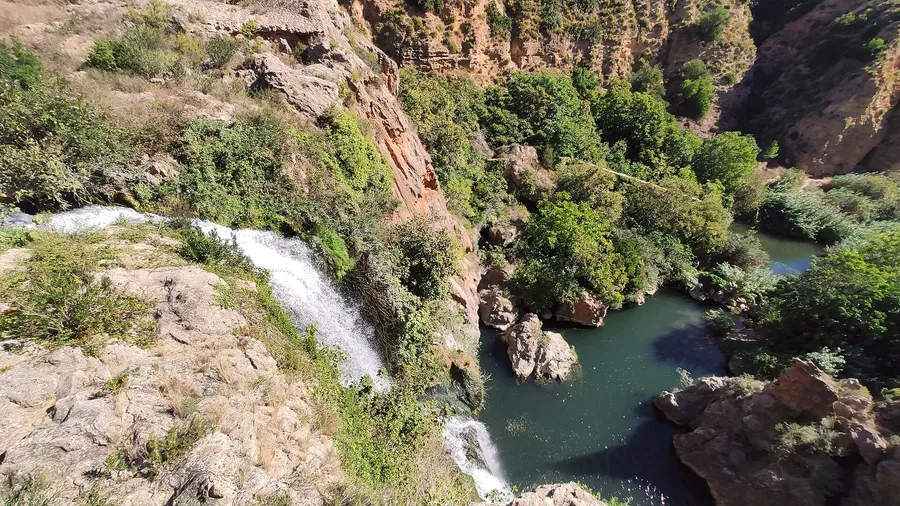
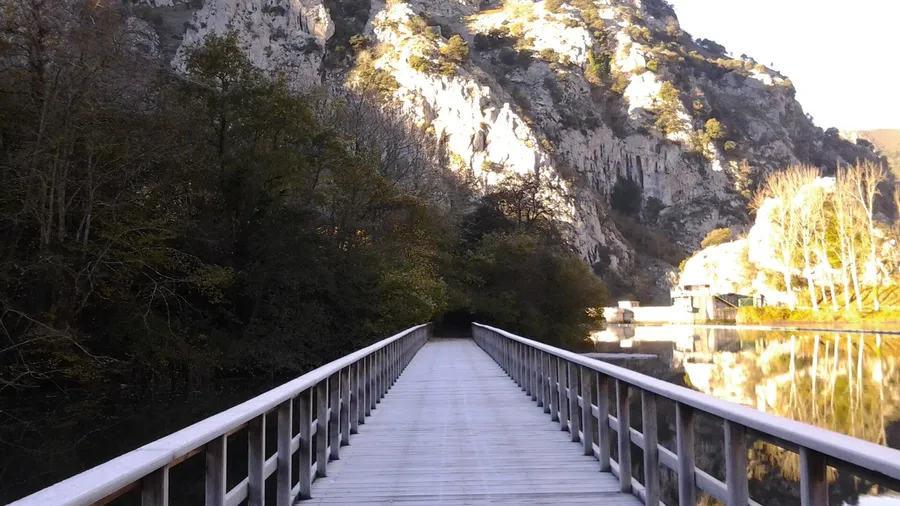
La Canal de Navarrés: waterfalls and natural pools
Anna With friends

La Canal de Navarrés: waterfalls and natural pools

The water paradise of inland Valencia: waterfalls, lakes and natural pools hidden between villages, an hour from the coast. From the Chella falls to the Quesa pools, a county made for cooling off and walking.

1-2 noches From 50 €

Sort With friends

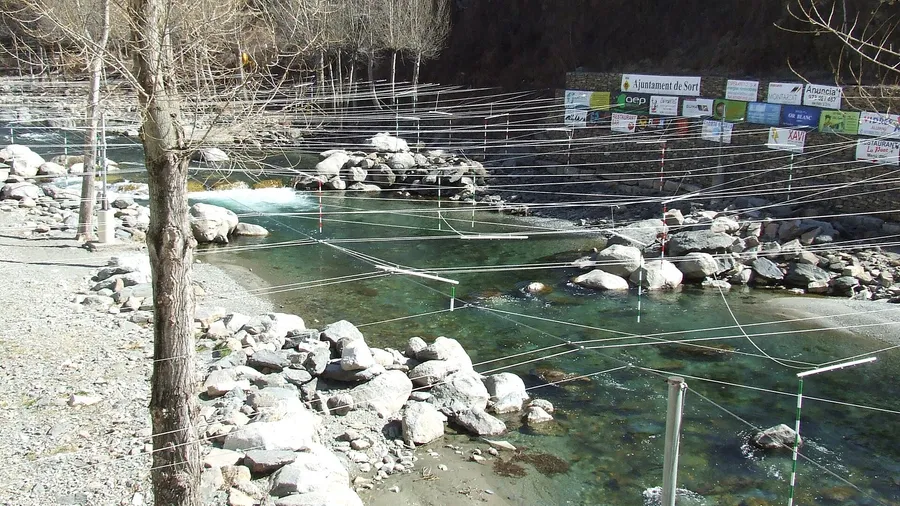
Adventure in Sort

The Pyrenees' adrenaline weekend: rafting on the Noguera Pallaresa, a 35-metre bungee jump and canyoning, with Sort as base for groups of friends.

1-3 noches From 125 €

Logroño With friends

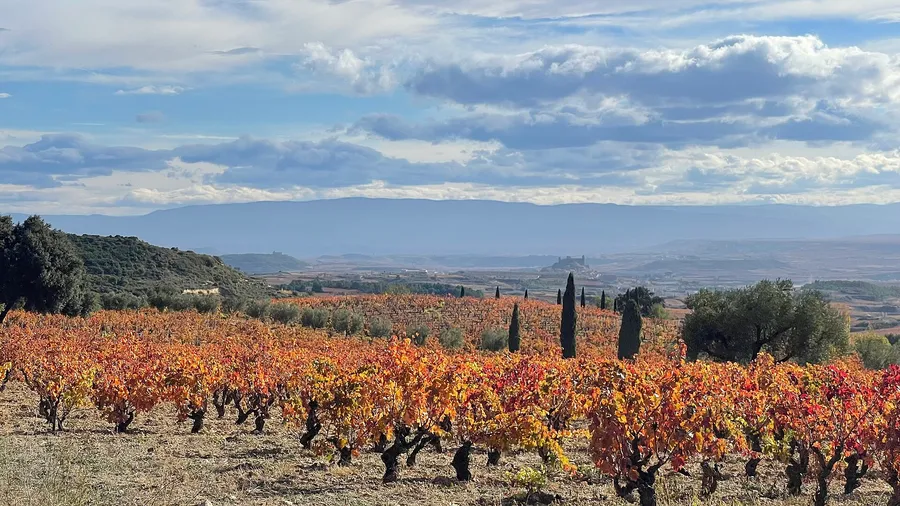
Logroño with Friends

The weekend with friends or the bachelor party that mixes daytime adrenaline with Calle Laurel by night, based in Logroño and the Rioja Alta vineyards.

1-3 noches From 115 €

Lleida With friends

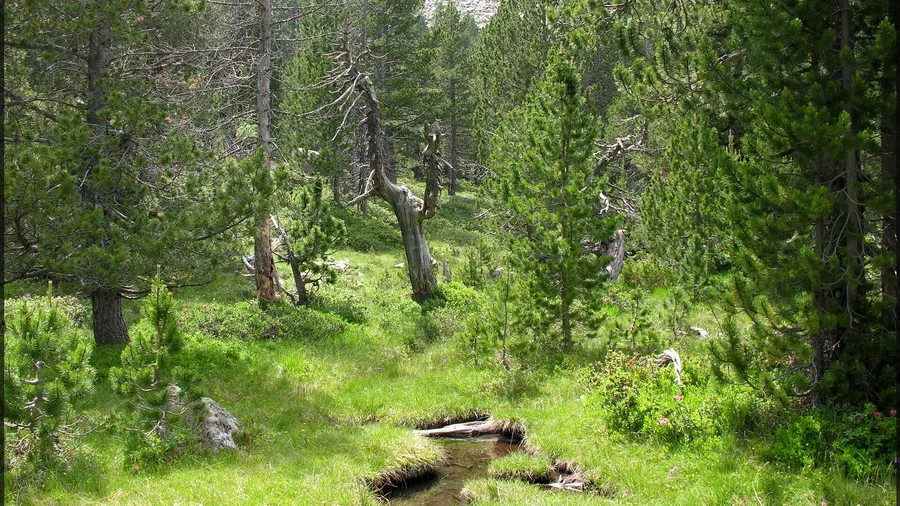
Hiking and trekking in Aigüestortes

Hiking and trekking in the only national park in Catalonia: almost 200 glacial lakes, Els Encantats overlooking Estany de Sant Maurici and the planell d'Aigüestortes, with 4x4 access from Espot and the Vall de Boí.

1-4 noches From 165 €

Principality of Asturias With friends

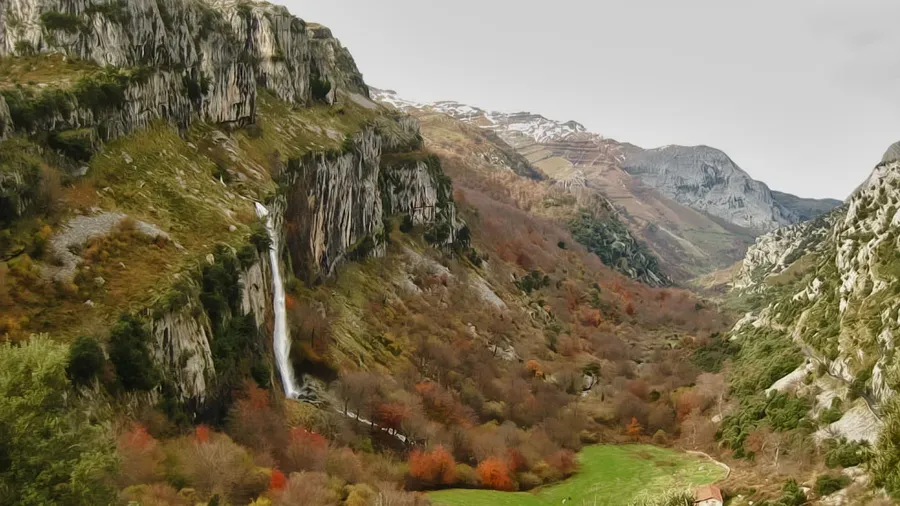
Senda del Oso by bike and with family

Flat 22 km greenway through old mining tunnels, the Trubia and Quirós valleys, and the bear enclosure of Proaza. Comfortable Asturian nature, on foot, by bike or e-bike.

1-3 noches From 75 €

Active Tourism in Eastern Cantabria: the Asón Valley
Cantabria With friends

Active Tourism in Eastern Cantabria: the Asón Valley

Birthplace of Spanish speleology: gorges, a 50-meter waterfall, and local guides in Cantabria's most active valley, just 1 hour from Bilbao.

2-3 noches From 130 €

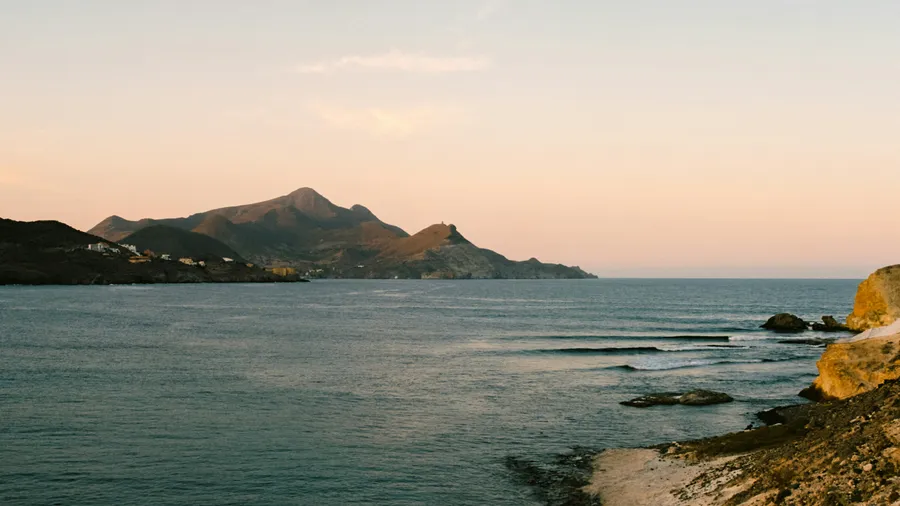
Cabo de Gata: the virgin coastline of Almería
Almería With friends

Cabo de Gata: the virgin coastline of Almería

Europe's only desert hides a turquoise coastline, asphalt-free coves, and extraordinary marine biodiversity.

3-5 noches

We'll shape it around you

Tell us how you travel - dates, group, pace, budget - and we'll design the trip exactly the way you need it.

Tell us about your trip

Send us your preferences and we'll put together a personalised proposal.

Campos obligatorios

¿Cómo prefieres que te contactemos?

Trip preferences (optional)

¿Cuándo te gustaría viajar?