Guided mushroom outing
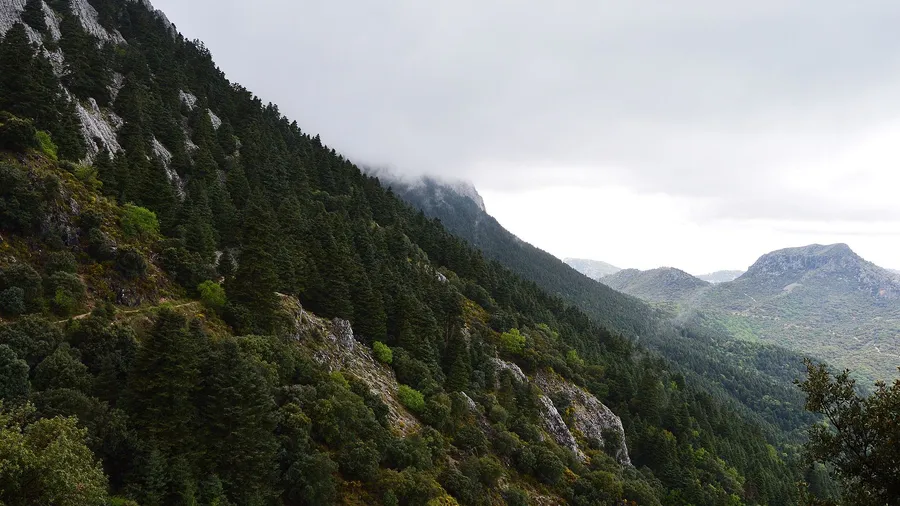
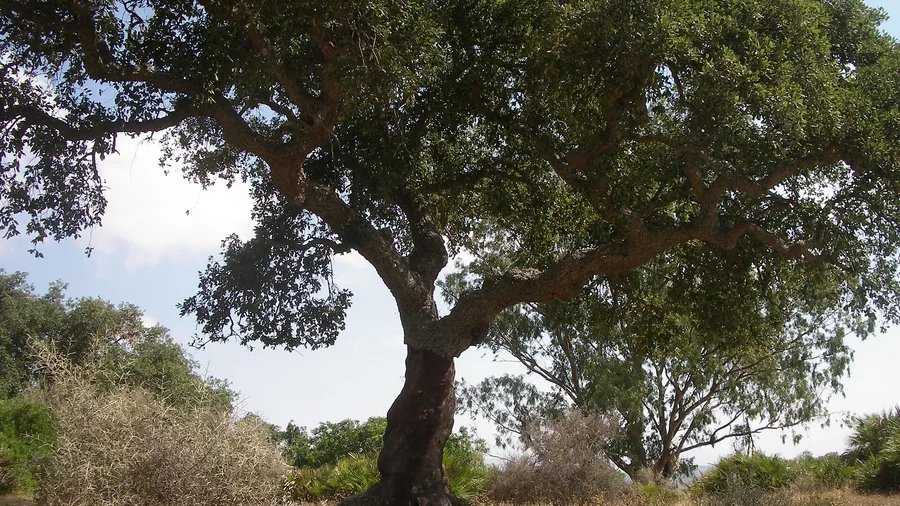
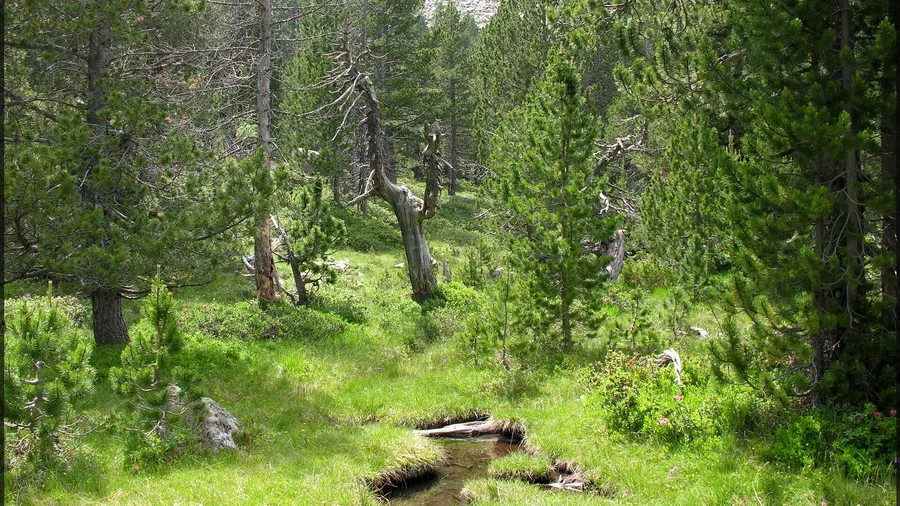
4-5 h with a certified mycologist, in pine and oak zones. Wicker basket gathering, on-site identification and a final classification and tasting workshop.
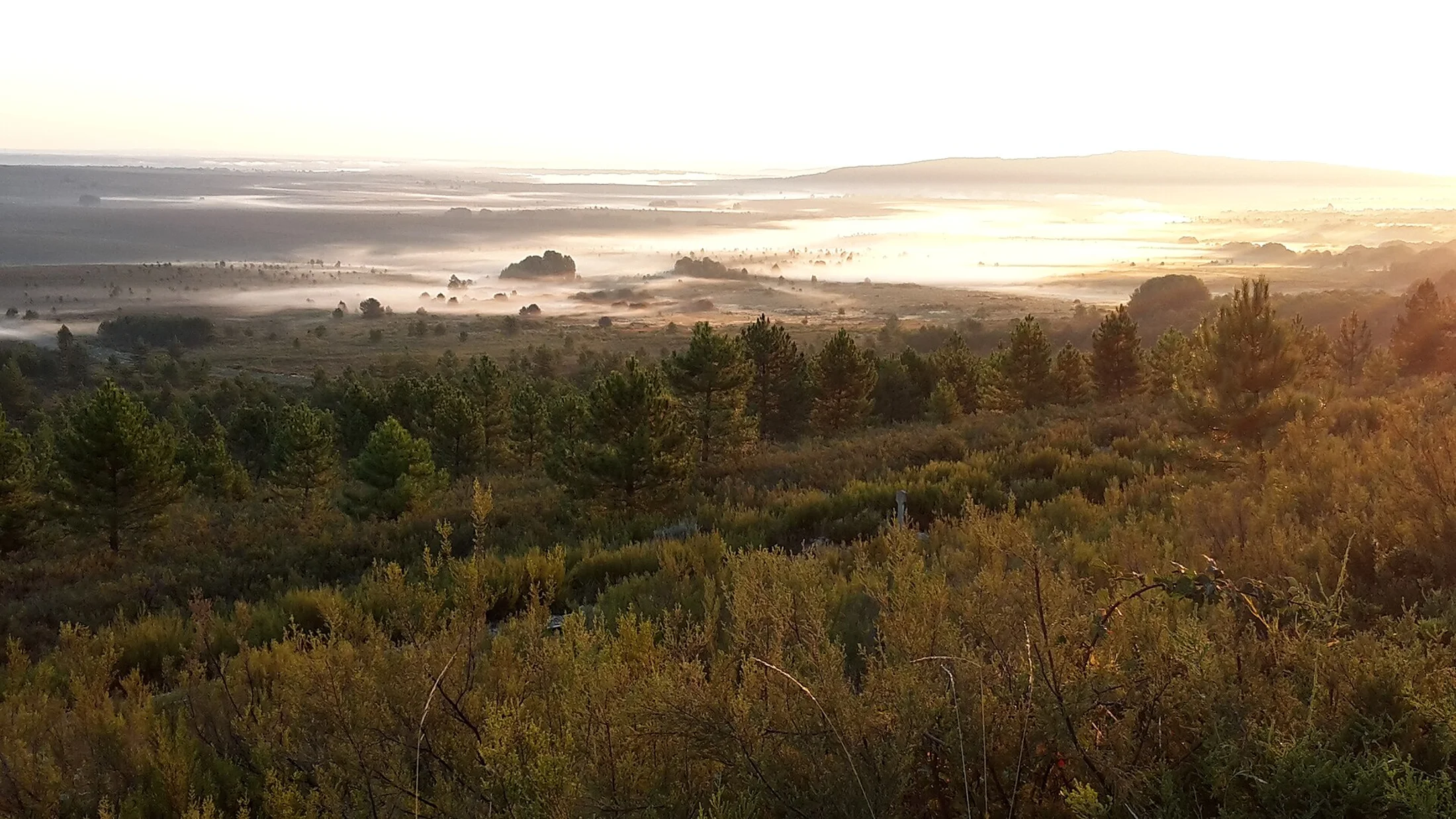
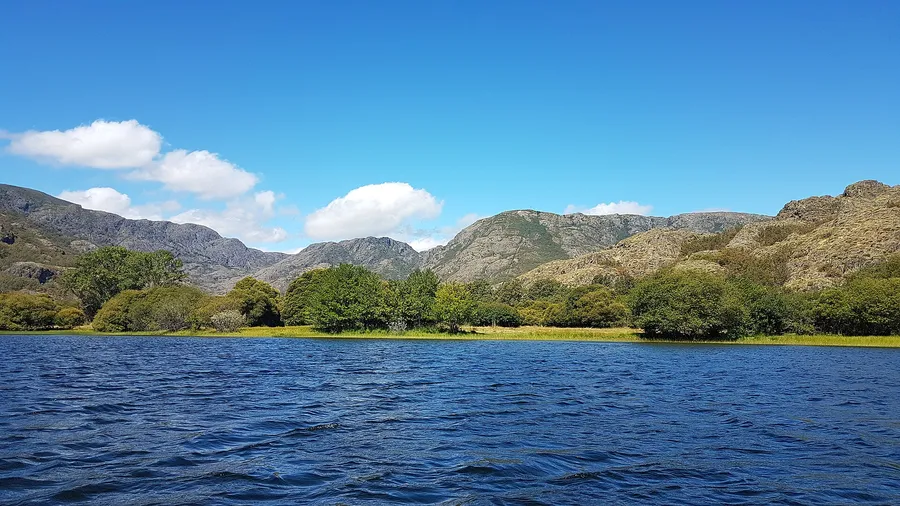
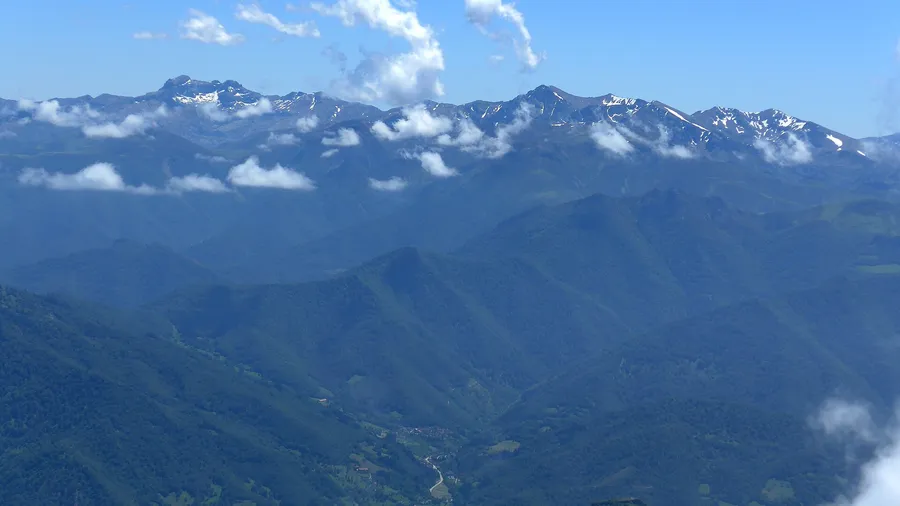
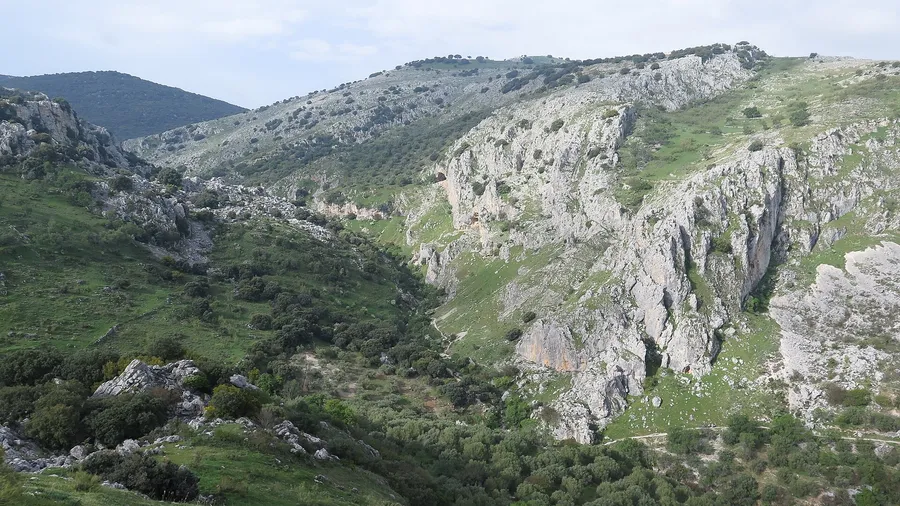
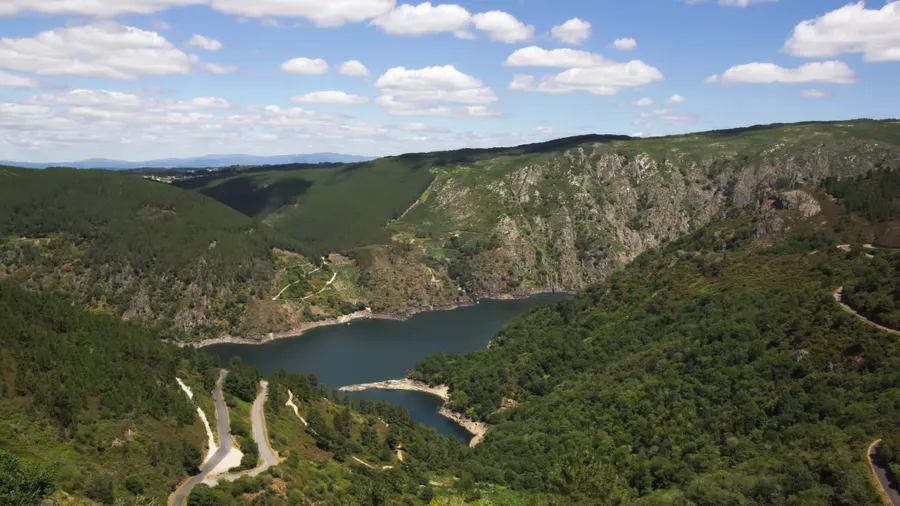
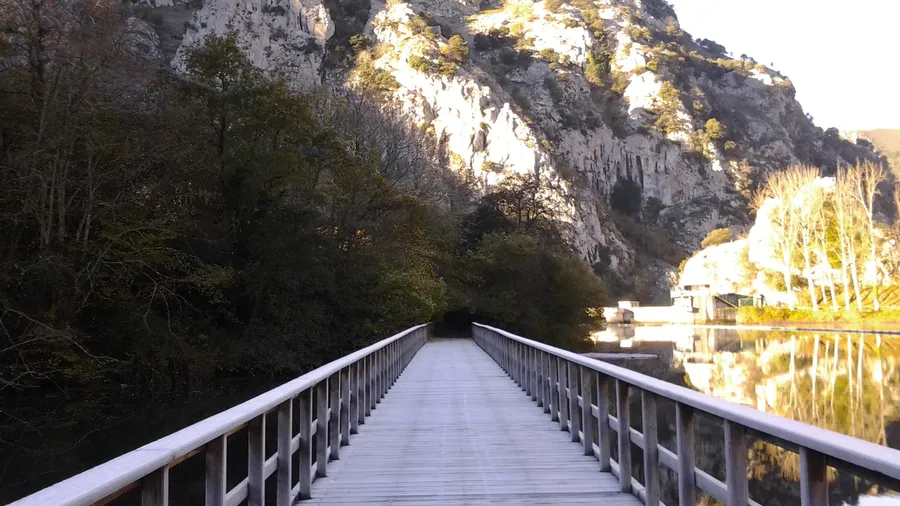
Iberian wolf reserve, 800+ mushroom species and slate hamlets in Zamora's wildest sierra.
From 155 € /person
No commitment · We design it with you
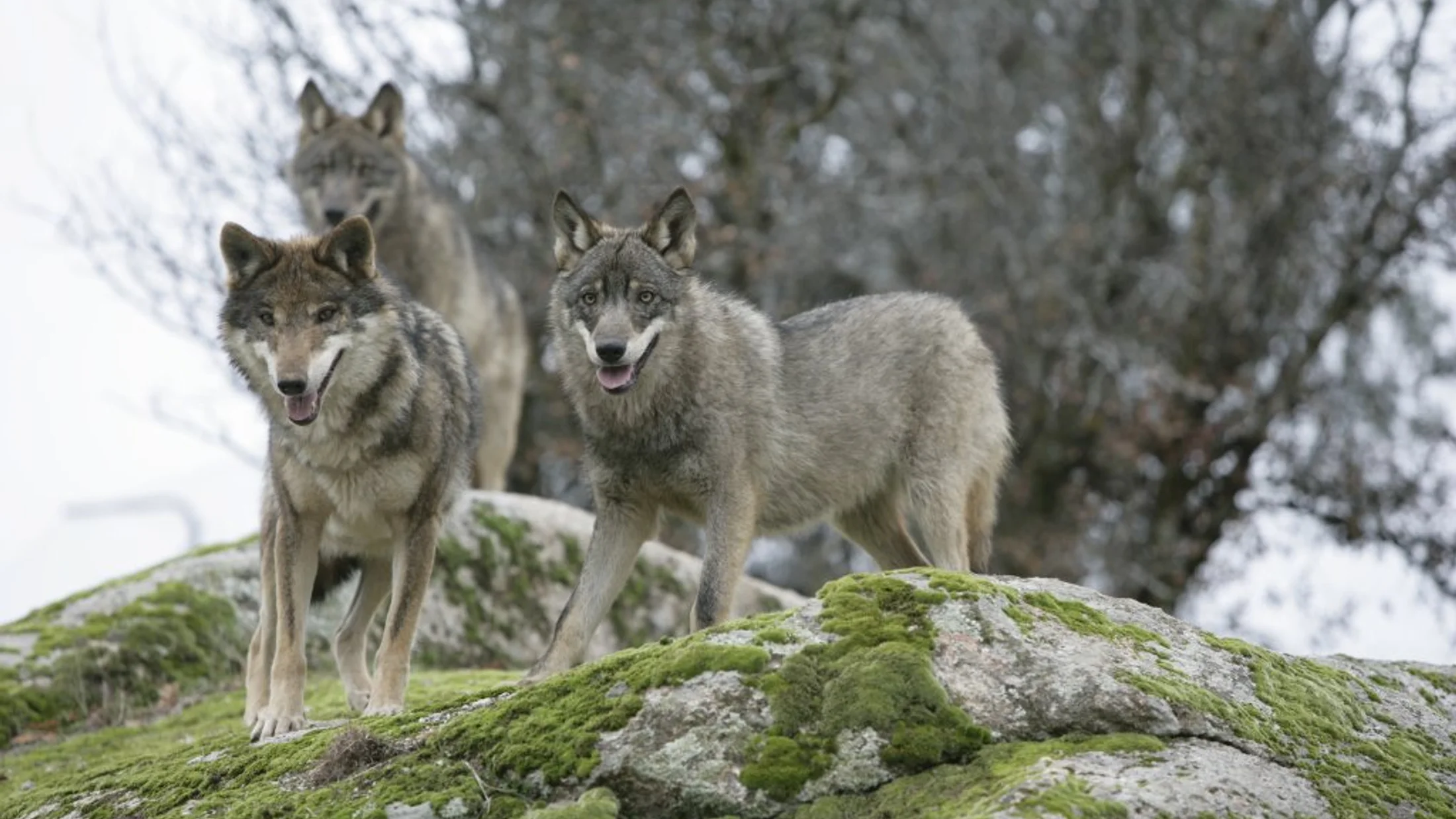
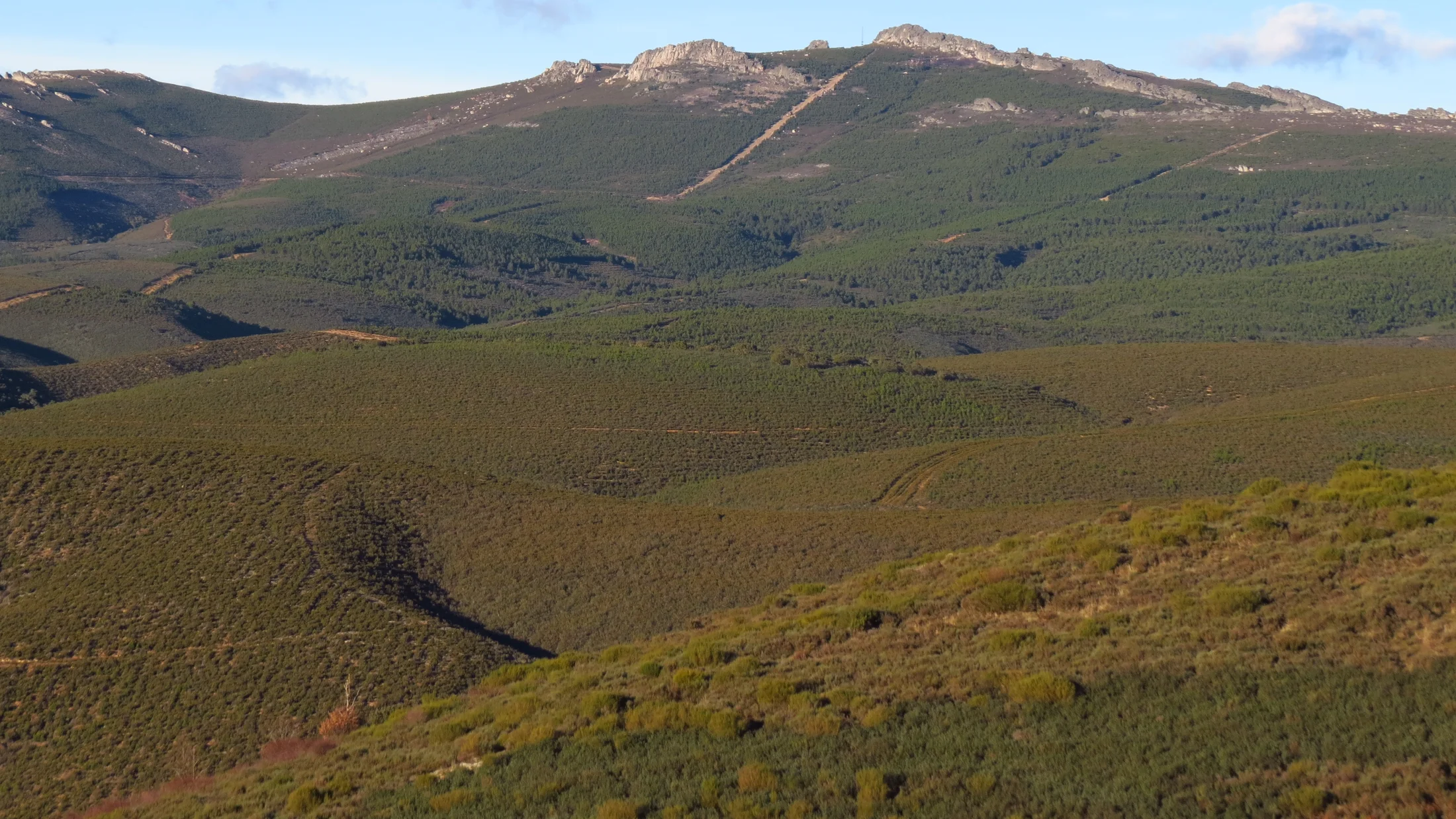
La Culebra is home to around 70 wolves in 67,000 ha (density ~1 wolf/1,000 ha), the largest concentration outside of Eastern Europe. The Fundación Patrimonio Natural CyL (2026) study confirms 12 stable breeding packs.
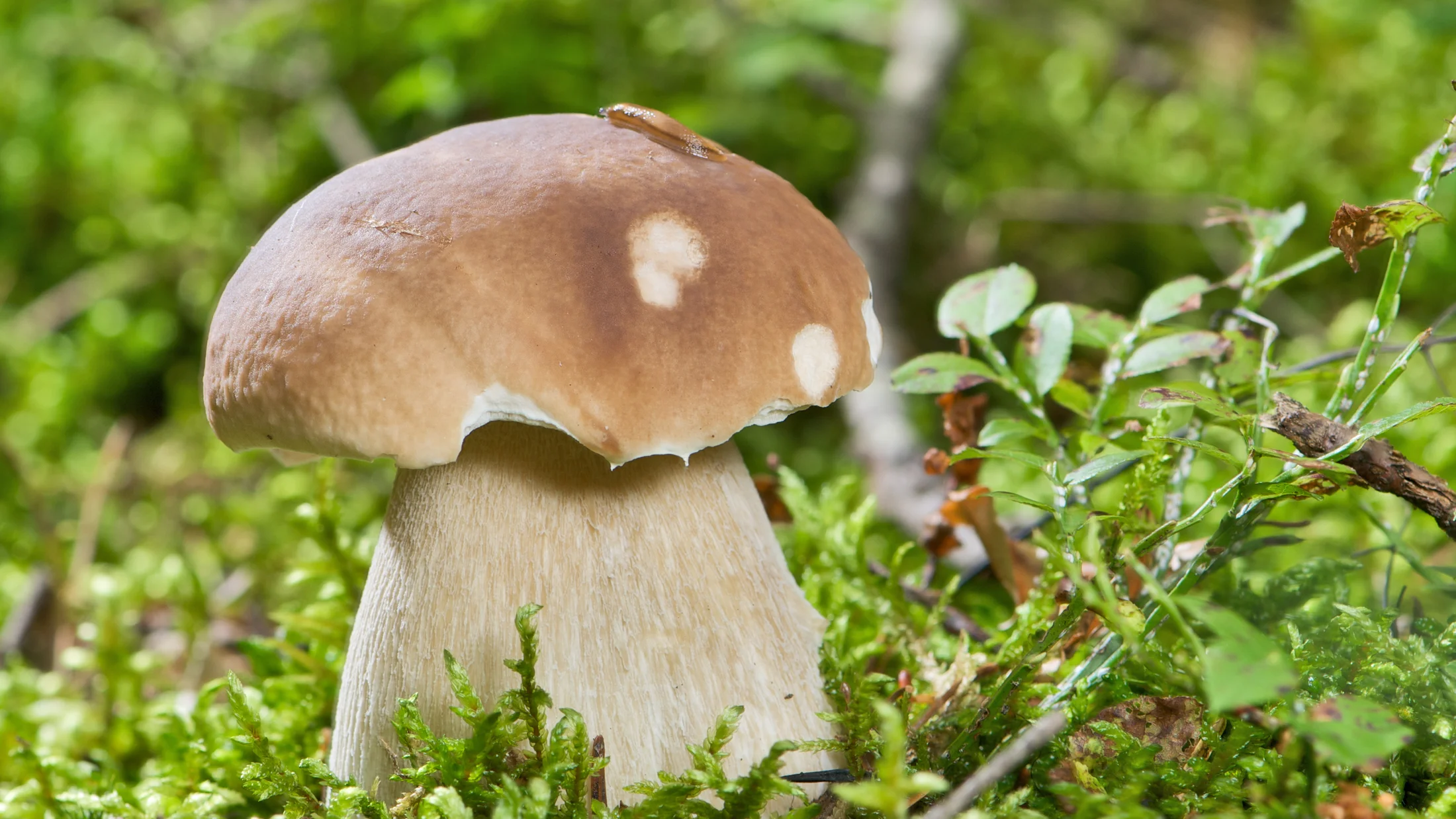
The official mushroom inventory of the Reserve exceeds 800 species, with monographs from the Ungilde Mycological Center. It is among the five richest mycologically diverse areas in Spain, along with Soria, the Navarran Pyrenees and the mountains of Cazorla and Aracena.
Opened in 2015, it is the only center in Spain dedicated to the Iberian wolf with wolf observatories in semi-captivity on 22 ha of fenced land. It allows you to see them with near certainty and understand the livestock-wildlife conflict. Online reservation required.
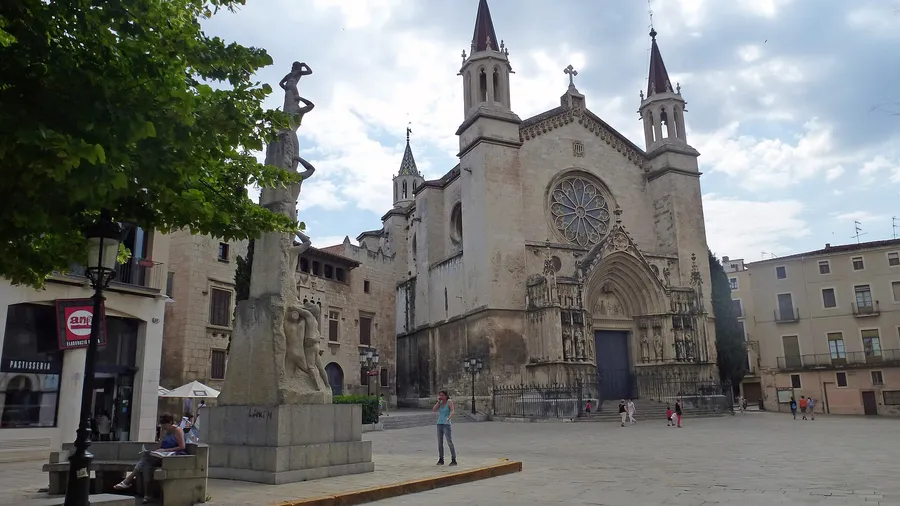
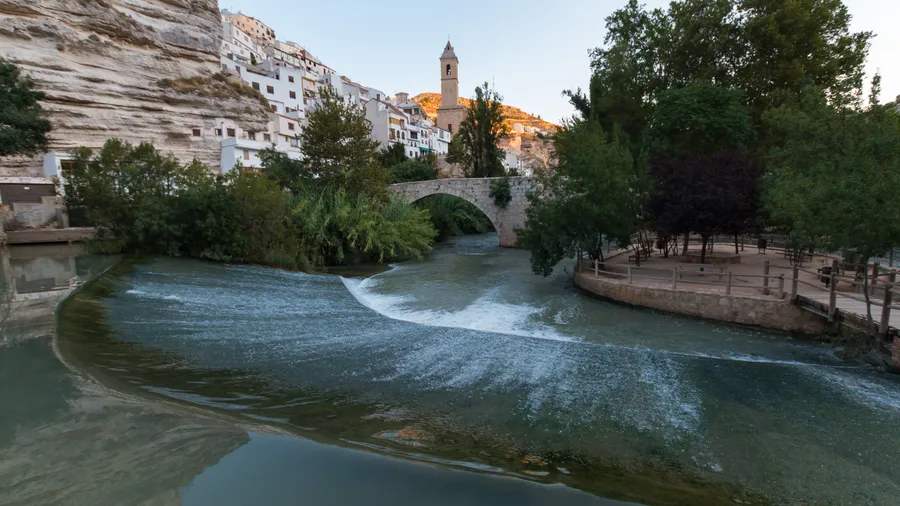
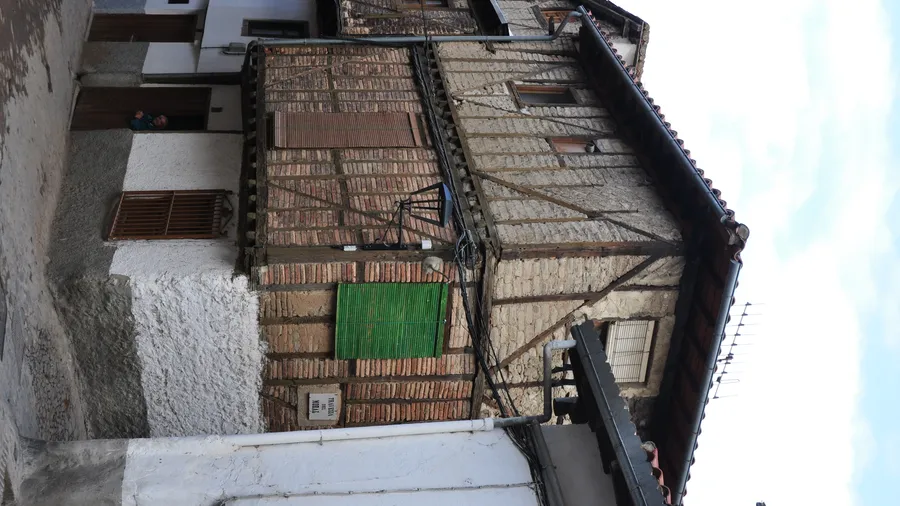
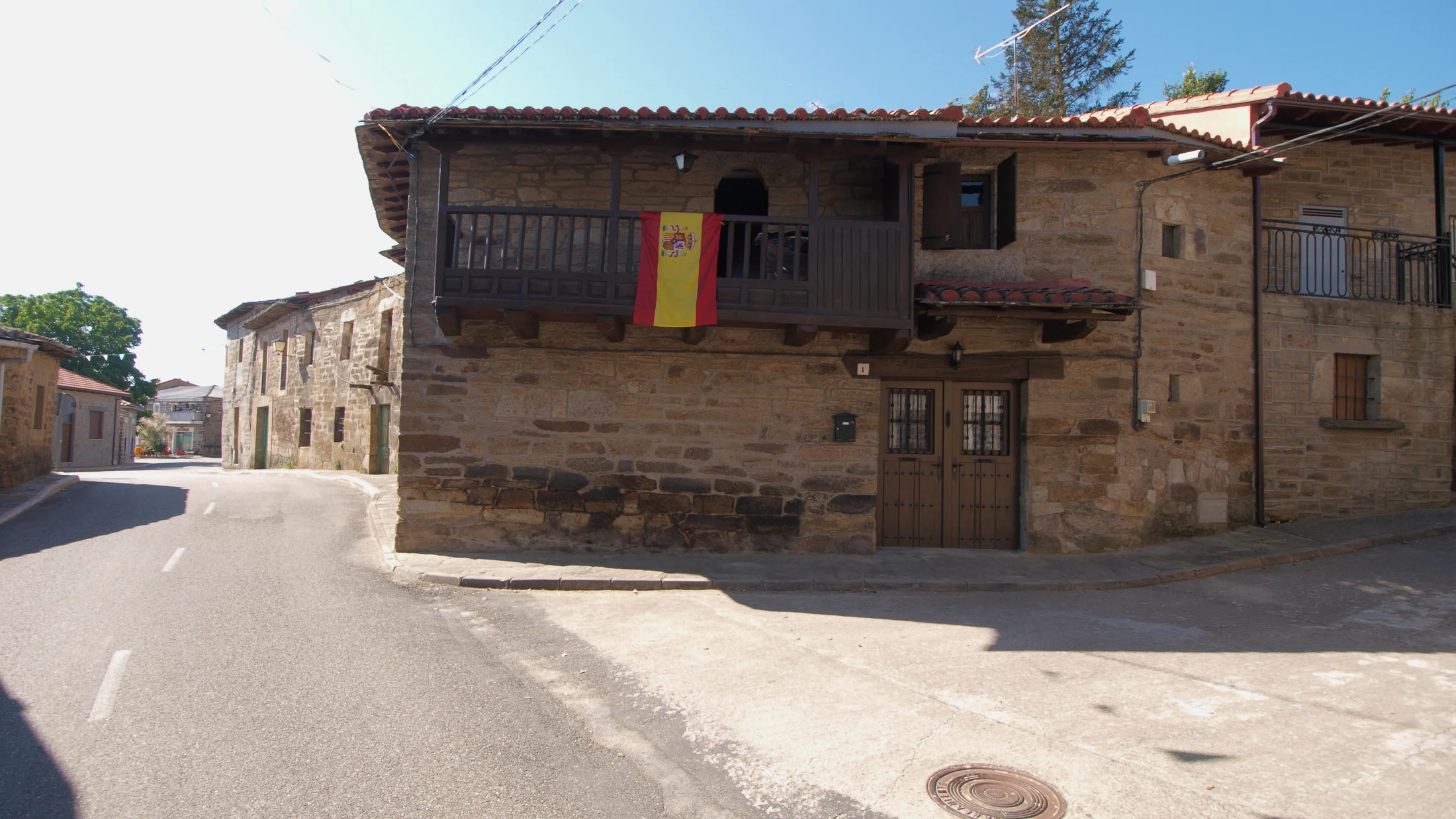
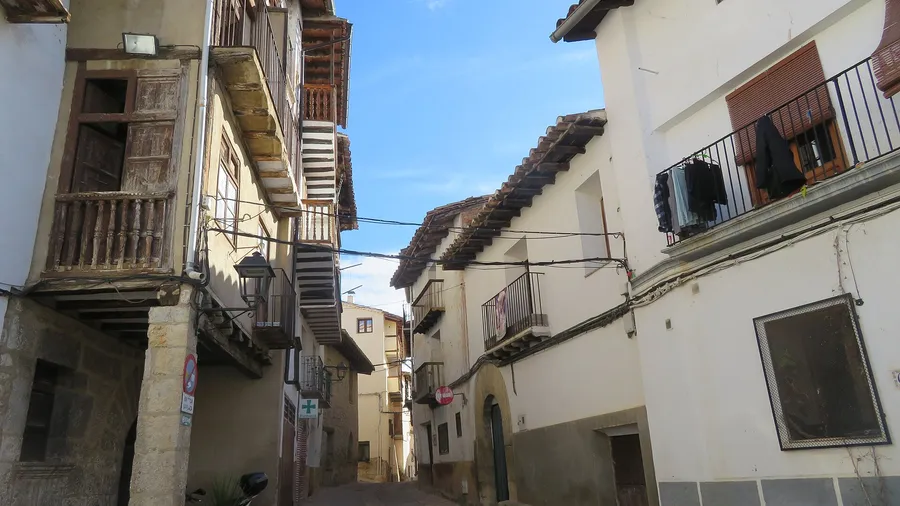
Villardeciervos (declared a Historic Site) and Mahide preserve cobbled streets, houses with black slate from the area, and popular architecture from the 18th century. Far removed from mass tourism, they maintain everyday life and a cultural density rare in these parts.
Fits if you're interested in mycology (as curiosity or serious hobby) and/or wildlife watching. Good for small groups with a naturalist bent and photographers. Days are quiet but demand early rises and patient stillness.
Doesn't fit if your plan is urban culture or wine tourism. Nor if you need hotel comfort: lodgings are simple inns and rural houses in Tábara, Villardeciervos, Mahide or Puebla de Sanabria.
An editorial showcase of what the destination offers. Nothing to book here - we shape it when you write to us.
The active side: guided or self-guided activities, no sugar-coating the gradient.
What makes this place different: heritage, crafts, local history.
Eating well without the manual - local product, village pace.
Where you sleep - inns, rural houses, hotels with character in the valley.
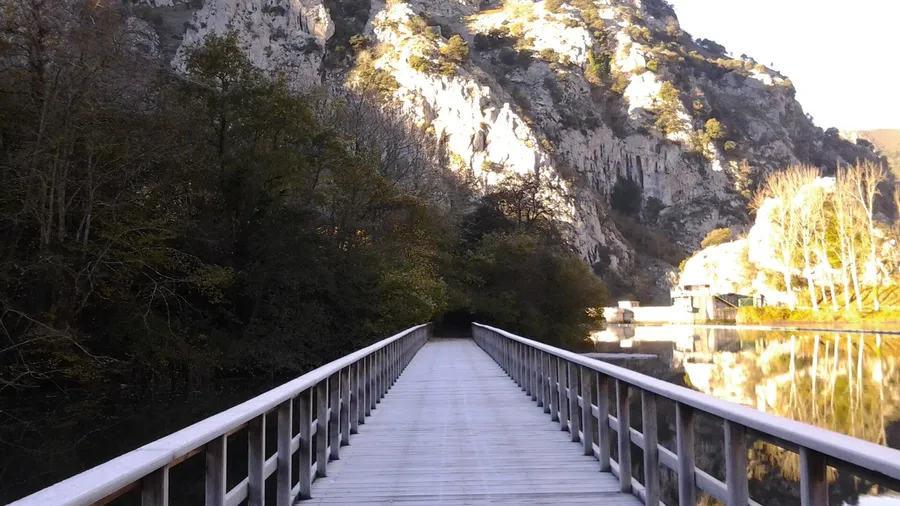
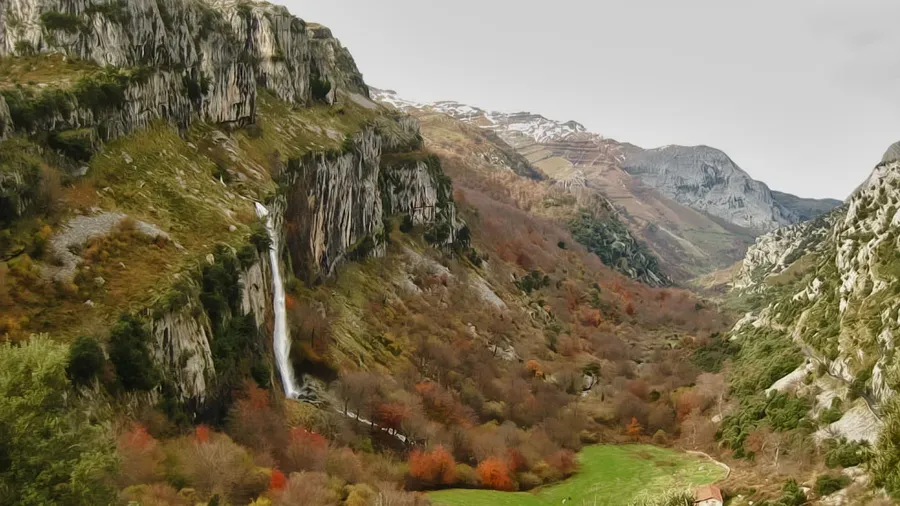
Landscape unfiltered: what you see on foot, without the car.
Half-hour side trips if you've time left or it rains.
Low-to-moderate fitness: mycology days are gentle 4-8 km walks with little elevation, slow pace for searching. Wildlife observation points require staying still on a hilltop for 1-2 hours (cold included).
When: peak mushroom season runs October 15 to November 30. For the wolf: October-March, increasing odds in cold months. The deer rut is in September (also spectacular).
Access: Zamora city 80 km. Madrid 320 km (3h15 via A-6 and N-631). Car essential: no useful public transport in the sierra.
Mycology permits: mandatory free licence from Castilla y León Junta, online. Limit 5 kg/day. NEVER pick without safe identification.
Wolf observation: requires a specialist Reserve guide (Iberian Wolf Centre in Robledo, local biologists). Never go alone: ethical and effective.
Book 4-6 weeks ahead for November: the small network of rural houses fills up. Pair with a visit to the Iberian Wolf Centre (Robledo) which has observation points for semi-wild wolves. Dine at Posada Real La Cartería (Puebla de Sanabria) or one of the inns in Tábara.
Real but low probability: even with a specialist guide on a 3-4 hour session with good light, around 20-30%. Spotting tracks, scat and territorial scratches is almost certain. Hearing howl choruses at dusk in autumn-winter: medium-high probability. Patience and a local guide are key.
It burned around 30,000 ha (45% of the Natural Park). Natural regeneration is already starting: oak resprouts, new heather and, above all, an explosion of saprophytic and opportunistic mushrooms in the first 2-3 years. Wildlife has redistributed but remains present.
Yes, with a free Junta de Castilla y León licence (online at https://micocyl.es). Limit 5 kg/day. ALWAYS pick with a guide or solid knowledge: lethal toxic species (Amanita phalloides) live in the oak zones. Wicker basket mandatory — no bags.
Yes but modest. Posadas reales in Puebla de Sanabria (3-4 establishments), rural houses in Villardeciervos, Tábara and Mahide. The Wolf Centre in Robledo has a café. Restaurants in every main village. No chain hotels.
Yes, a good combo. Puebla de Sanabria is 35 km from Villardeciervos and has the area's prettiest old town, the medieval castle and access to Lake Sanabria (the peninsula's largest glacial lake). One extra day suffices.
Quick filters
We'll shape it around you
Tell us how you travel - dates, group, pace, budget - and we'll design the trip exactly the way you need it.