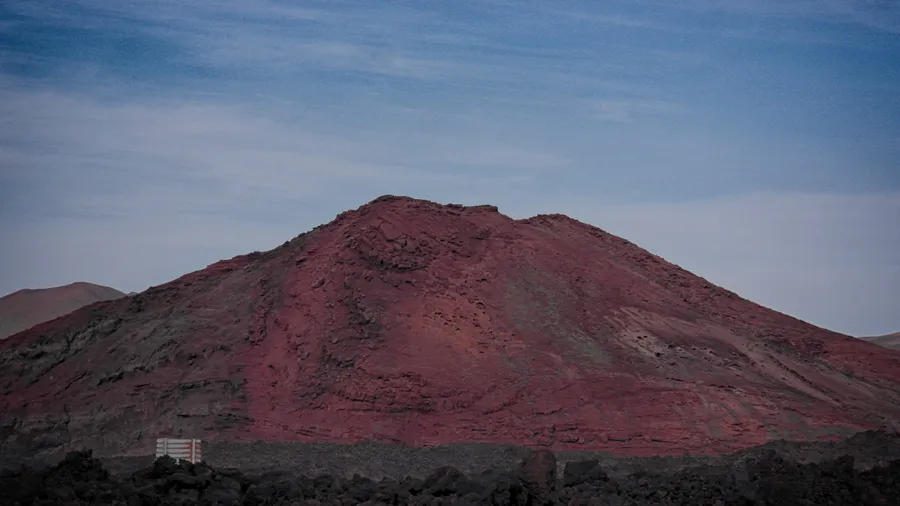
Lanzarote is an island that resembles another planet. Declared a UNESCO Biosphere Reserve in 1993, this 846 km2 island unfolds a landscape dominated by over 300 volcanic cones, seas of solidified lava, black-sand beaches and an Atlantic light that bathes everything in an almost unreal clarity. But what makes Lanzarote truly unique is the symbiosis between nature and art achieved by artist César Manrique, whose vision turned the island into a habitable work of art.
Timanfaya National Park is Lanzarote's volcanic epicentre. The eruptions of 1730-1736 -- six consecutive years of volcanic activity that buried a quarter of the island under lava -- created a lunar landscape of more than 50 km2 where underground temperatures still reach 600 °C at barely 13 metres depth. The Ruta de los Volcanes traverses this mineral desert by bus (walking inside the park is not permitted for safety), but at the Echadero de los Camellos, at Timanfaya's gates, you can ride a camel and gaze from its back at a horizon of craters stretching to the sea. At midday, when the sun falls vertically on the black lava, the heat rises in visible undulations turning the landscape into a mirage.
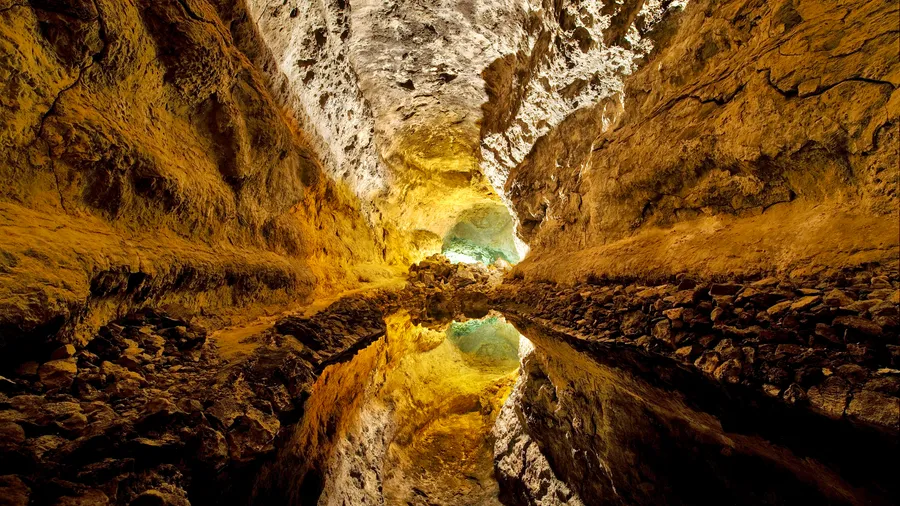
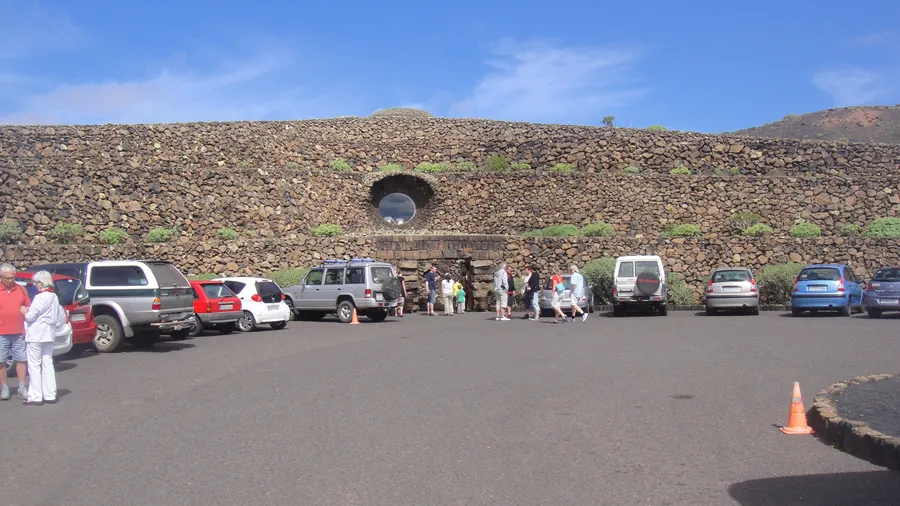
César Manrique (1919-1992) is Lanzarote's modern soul. Painter, sculptor and architect, he dedicated his life to integrating art and nature on the island where he was born. His creations -- Jameos del Agua, a volcanic grotto transformed into an auditorium and garden where the blind albino crab (Munidopsis polymorpha) lives; Cueva de los Verdes, a 6-kilometre volcanic tube with theatrical lighting; Mirador del Río, a glass balcony over the Chinijo archipelago -- are not conventional museums but spaces where geology and design merge seamlessly. Manrique also championed the ordinance banning advertising billboards across the entire island and limiting building heights, preserving a landscape free from the visual pollution affecting other Spanish coasts.
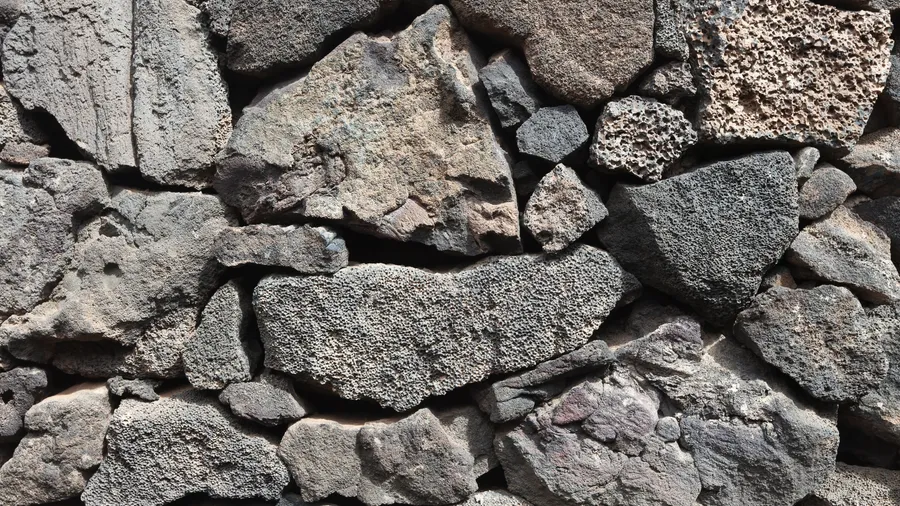
La Geria is another Lanzarote miracle. In this wine-growing area in the island's centre, winemakers cultivate volcanic Malvasía grapes inside semicircular hollows dug into picón (volcanic ash), sheltered by dry-stone walls called zocos. This unique agricultural landscape, stretching like a lunar tapestry of miniature craters, produces white wines with Denomination of Origin that have won international recognition. Visiting a La Geria winery at sunset, with the vineyards silhouetted against the pink sky and volcanoes behind, is one of the most iconic images of the Canaries.
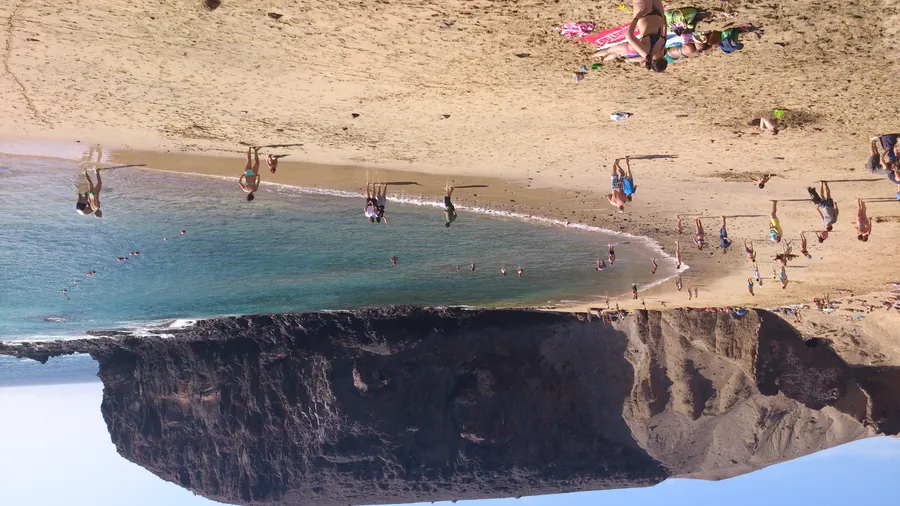
Lanzarote's beaches offer surprising diversity. Papagayo, in the south, is a cluster of golden-sand coves with crystalline waters protected as a natural monument. Famara, in the northwest, stretches 6 kilometres of wild sand beneath the imposing Risco de Famara (671 m), a cliff that attracts surfers and paragliders from across Europe. In the north, the beaches of Órzola and Caletón Blanco offer white sand and calm waters in a dramatic volcanic setting.
The Chinijo archipelago, off Lanzarote's northern coast, includes the island of La Graciosa -- the eighth inhabited Canary Island, with barely 750 residents and sand streets with no tarmac. La Graciosa can be visited by ferry from Órzola (25 minutes) and explored by bicycle or on foot along pristine beaches like Playa de las Conchas, a golden-sand crescent sheltered by the volcano Montaña Bermeja.
Lanzarote proves that a volcano does not destroy: it transforms. The island is a living testament to how nature and human creativity can converse to create a landscape unlike anywhere else on Earth.