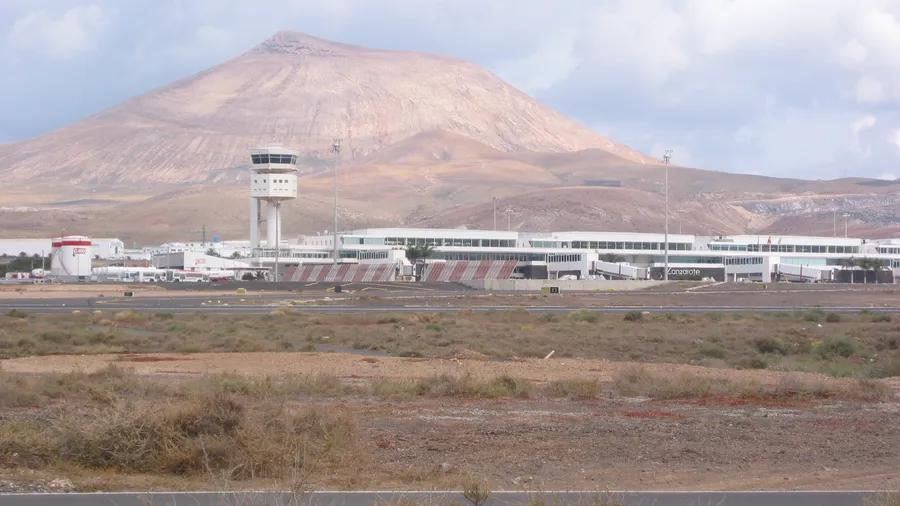
Stands out for

  • • Hike to the 604-meter crater of the Volcán de la Corona
  • • Walk through a 6-km volcanic tunnel inside the crater
  • • Stroll through stone-walled traditional vineyards
  • • Enjoy panoramic views of the Chinijo Archipelago and La Graciosa
  • • Traverse the Famara cliffs with wind sounds as your companion

Description

Context The trek takes place in northern Lanzarote, centered on the Volcán de la Corona, a 604-meter volcanic cone designated a Natural Protected Monument. This area blends dramatic volcanic landscapes, green valleys, and centuries-old vineyards, with a total elevation gain of approximately 300 meters. The wind carries the scent of dry earth and resilient lichens thriving on volcanic soil.

The experience During the guided hike, you’ll walk on paths of volcanic rock and earth, ascending to the crater of the Volcán de la Corona to enjoy sweeping views of the Chinijo Archipelago and La Graciosa. You’ll explore a 6-kilometer-long volcanic tunnel within the crater, pass through vineyards protected by stone walls, and conclude the journey with breathtaking vistas from the Famara cliffs, where the wind echoes through the landscape.

For whom This activity is suitable for hikers with moderate experience and good physical fitness, as well as families with children over 7 years old who are accustomed to long walks. It is not recommended for individuals with limited mobility or those unprepared for sustained uphill climbs.

Local context The vineyards along the route reflect Lanzarote’s deep-rooted agricultural tradition, where stone walls shield grapevines from wind and arid conditions. The local community continues these time-honored practices, seamlessly integrating them into the volcanic landscape and enriching the cultural depth of the experience.

Key Info

Difficulty

Moderate

Setting

Outdoors

Best season

All year round

Recommended Age Range

Ages 6+

Kid-friendly Booking required

Practical Guide

Everything you need to know about Guided Volcanic Trekking in Northern Lanzarote

Location
Expert Recommendations

Bring appropriate footwear for rocky terrain and comfortable, breathable clothing for the dry climate. Complete the hike in the morning to avoid midday heat and make the most of natural light. Carry ample water and apply sunscreen regularly. A camera is highly recommended to capture the expansive views. Be prepared for challenging ascents and descents on volcanic terrain.

Physical Requirements

Moderate physical activity, hiking for 3 to 8 hours with ascents and descents on volcanic terrain and cliffs

About the Area

The route is located in northern Lanzarote, within a protected volcanic zone featuring traditional vineyards and coastal cliffs. The meeting point is in Ye, easily reachable by car from Puerto del Carmen or Costa Teguise. Nearby attractions include other volcanic formations, lush green valleys, and opportunities to explore local agricultural heritage.

Offers

Best available offers for Guided Volcanic Trekking in Northern Lanzarote

Visita guiada por el Volcán de la Corona, 4 horas

From
€45

Nearby Accommodations

Find where to stay near Guided Volcanic Trekking in Northern Lanzarote

Loading accommodation options...

Nearby Destinations

Destinations where you can enjoy Guided Volcanic Trekking in Northern Lanzarote

Frequently Asked Questions

Get answers about Guided Volcanic Trekking in Northern Lanzarote

Two options are available: a half-day version (3–4.5 hours) and a full-day version (6–8 hours), both with moderate difficulty and hiking on volcanic terrain.
Yes, children aged 7 and older who are used to walking and have moderate physical fitness can participate, as the route includes inclines and uneven ground.
Wear comfortable footwear suitable for rocky, uneven terrain. Bring outdoor clothing, sun protection, and plenty of water—these are essential for the hike.
Shade is minimal along the trail. It’s best to hike in the morning to avoid heat and to reduce the risk of sun exposure.
Not recommended due to steep gradients and rocky, uneven paths that make access difficult for those with reduced mobility.