Stands out for

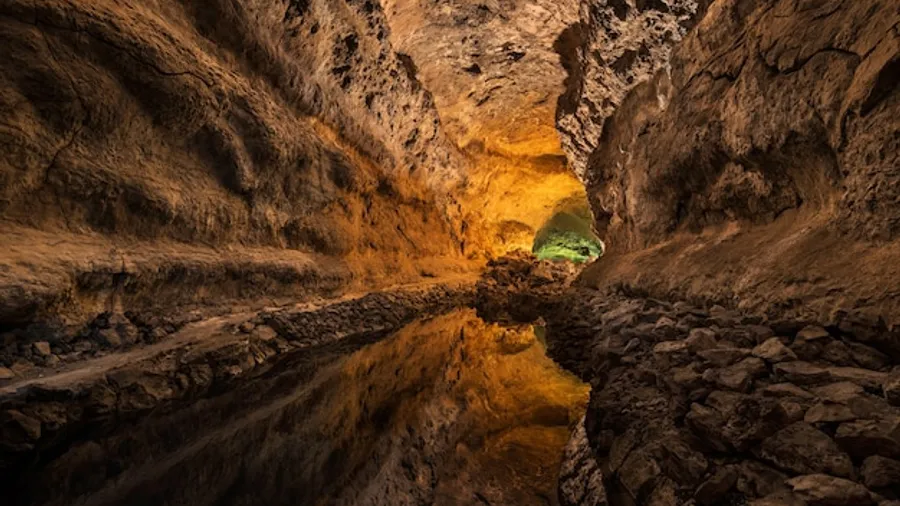
  • • Exploration of volcanic tubes with underground lakes
  • • Hike to lookouts with views of La Graciosa and the Atlantic
  • • Walk through the Cactus Garden featuring endemic flora
  • • Juxtaposition of cave darkness and natural light at lookouts
  • • Volcanic trails with moderate elevation and rocky textures

Description

Context Lanzarote presents a unique volcanic landscape where lava tubes form subterranean caves such as Jameos del Agua and the Cueva de los Verdes. These formations, with over 6 kilometers of passageways, allow visitors to explore a hidden world beneath the surface. The hiking experience is enhanced by ascents to natural lookouts like Risco de Famara, which rises 500 meters above sea level, offering sweeping views of the Atlantic Ocean and the island of La Graciosa. The wind carries the scent of volcanic earth and sea salt.

The Experience The activity begins with a transfer from central locations in Lanzarote to the caves, where you’ll walk through lava tunnels, observing underground lakes and geological formations. Next, you’ll ascend along volcanic trails toward lookouts that open onto expansive, sunlit vistas. The contrast between the darkness of the caves and the natural light at the lookouts is striking. The tour concludes with a walk through the Cactus Garden, where flora adapted to the arid climate adds texture and color to the journey.

For Whom This activity is suitable for individuals in good physical condition who enjoy moderate hiking and exploring natural, subterranean spaces. It is not recommended for those with claustrophobia or difficulty walking on uneven terrain.

Local Context Local communities hold these volcanic formations in high regard for both their natural and cultural significance. The Cactus Garden, designed by artist César Manrique, exemplifies the integration of art into the volcanic landscape. Conservation of the caves is essential to protect endemic biodiversity and Lanzarote’s geological heritage.

Key Info

Difficulty

Moderate

Setting

Best season

All year round

Recommended Age Range

All ages

Booking required

Nearby Destinations

Practical Guide

Everything you need to know about Underground Hiking and Volcanic Lookouts in Lanzarote

Location
Expert Recommendations

Bring appropriate footwear for volcanic terrain, wear layered clothing to adapt to temperature shifts between caves and open air, use sun protection, and carry ample water. The best time to visit the caves is in the morning, and for the lookouts, late afternoon. Avoid touching rock formations in the caves to preserve them. Book early to secure a spot, especially during high season.

Physical Requirements

moderate physical activity, includes underground walks and ascents to viewpoints

About the Area

The activity takes place in Lanzarote’s protected volcanic zone, including the Parque Natural de los Volcanes and Risco de Famara. Nearby attractions include Cueva de los Verdes, Parque Nacional de Timanfaya, vineyards in La Geria, and volcanic beaches. Meeting points are typically in Arrecife or central areas, with transport and accommodation options nearby.

Offers

Best available offers for Underground Hiking and Volcanic Lookouts in Lanzarote

Excursión bajo tierra y miradores por Lanzarote

From
€42

Nearby Accommodations

Find where to stay near Underground Hiking and Volcanic Lookouts in Lanzarote

Loading accommodation options...

Frequently Asked Questions

Get answers about Underground Hiking and Volcanic Lookouts in Lanzarote

Yes, booking in advance is recommended to ensure access to Jameos del Agua and Cueva de los Verdes, especially during peak season.
Wear comfortable, durable hiking shoes, layered clothing to adapt to temperature changes between caves and outdoors, sun protection, and carry enough water.
No, due to confined spaces and uneven paths in the caves, this activity is not recommended for individuals with claustrophobia.
The full tour lasts between 5 and 9 hours, including transfers, visits to caves, lookouts, and botanical gardens.
Yes, it’s available all year, but spring and autumn offer milder weather to avoid intense heat.