The essentials of Parque Natural de los Collados del Asón

  • • 70-metre Cascada del Asón reachable on foot from Fuente las Varas in 45 minutes
  • • Unique hypogenic karst on the Cantabrian coast with still-uncharted cave systems
  • • Centuries-old beech and oak woodland filling the valley floors
  • • Griffon and Egyptian vultures visible at the collados during migration seasons
  • • Direct connection to UNESCO-listed Covalanas and Cullalvera caves, 12 km away

Description

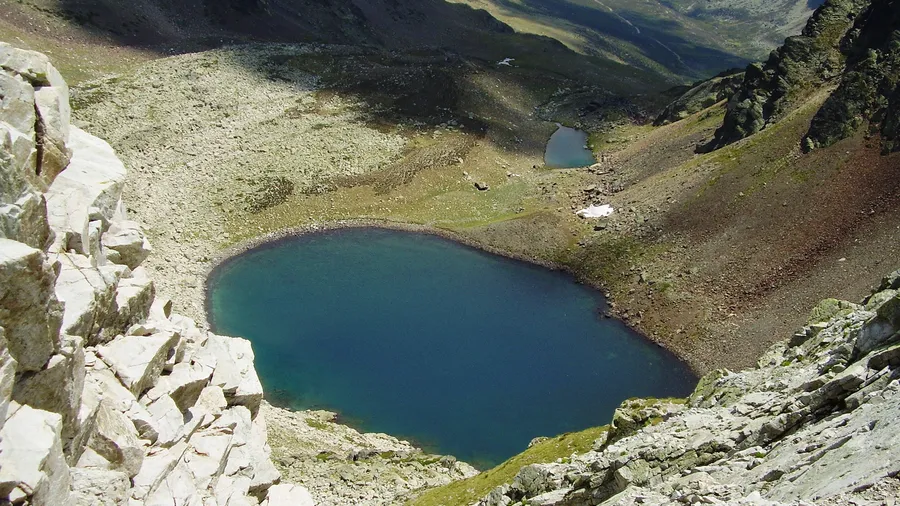
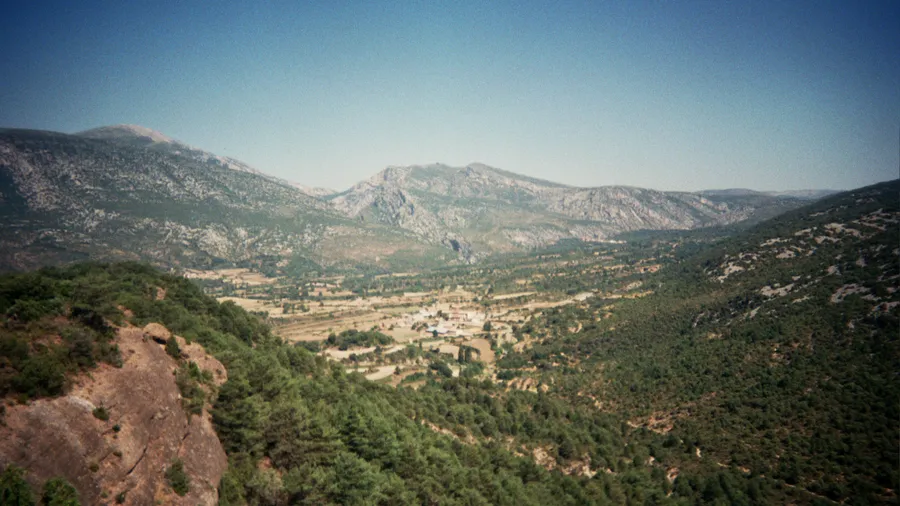
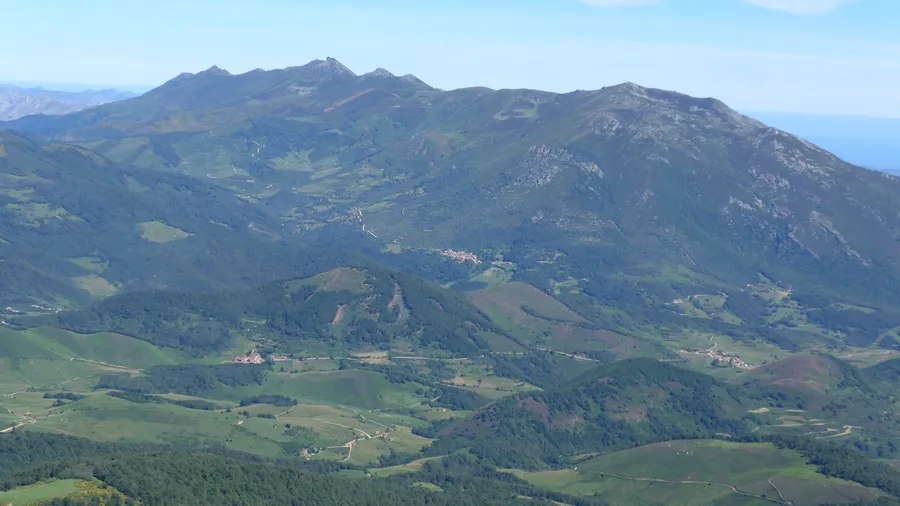
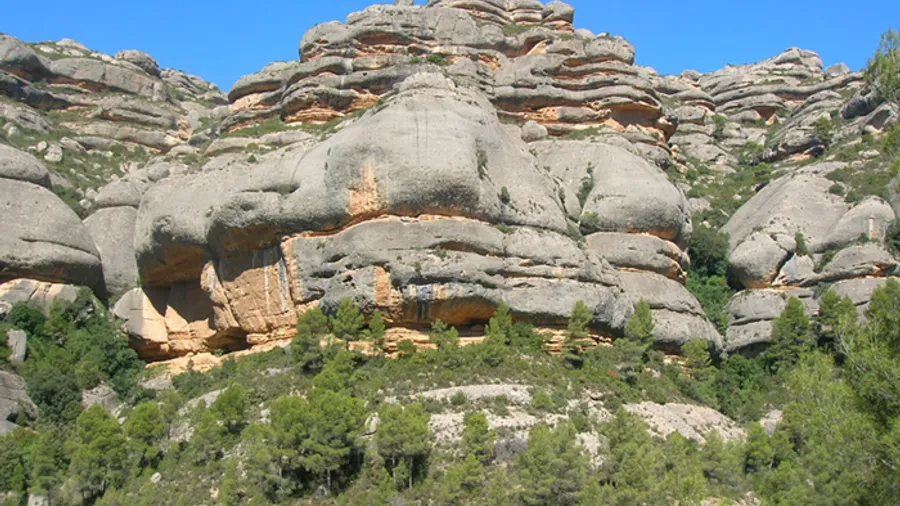
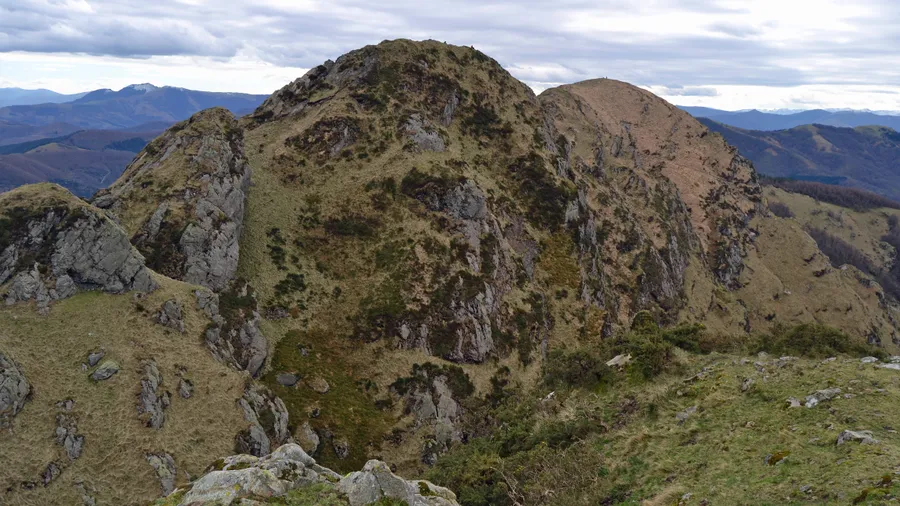
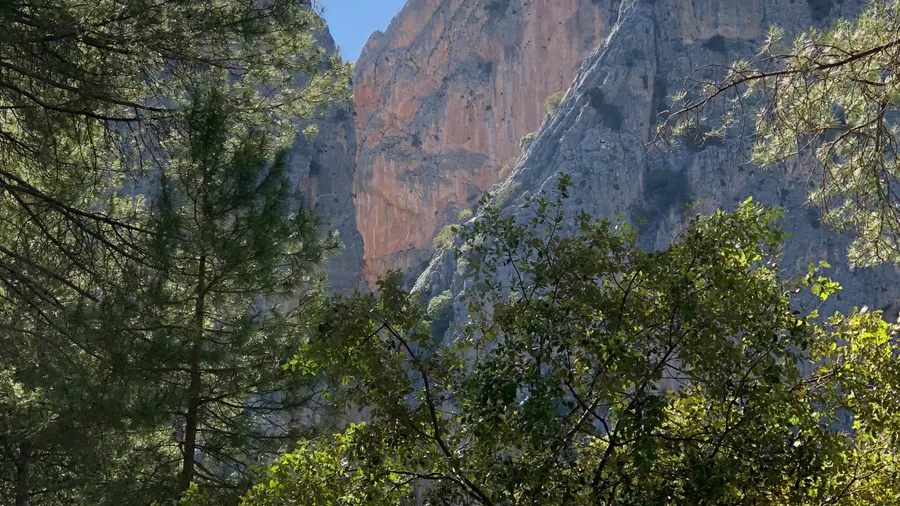
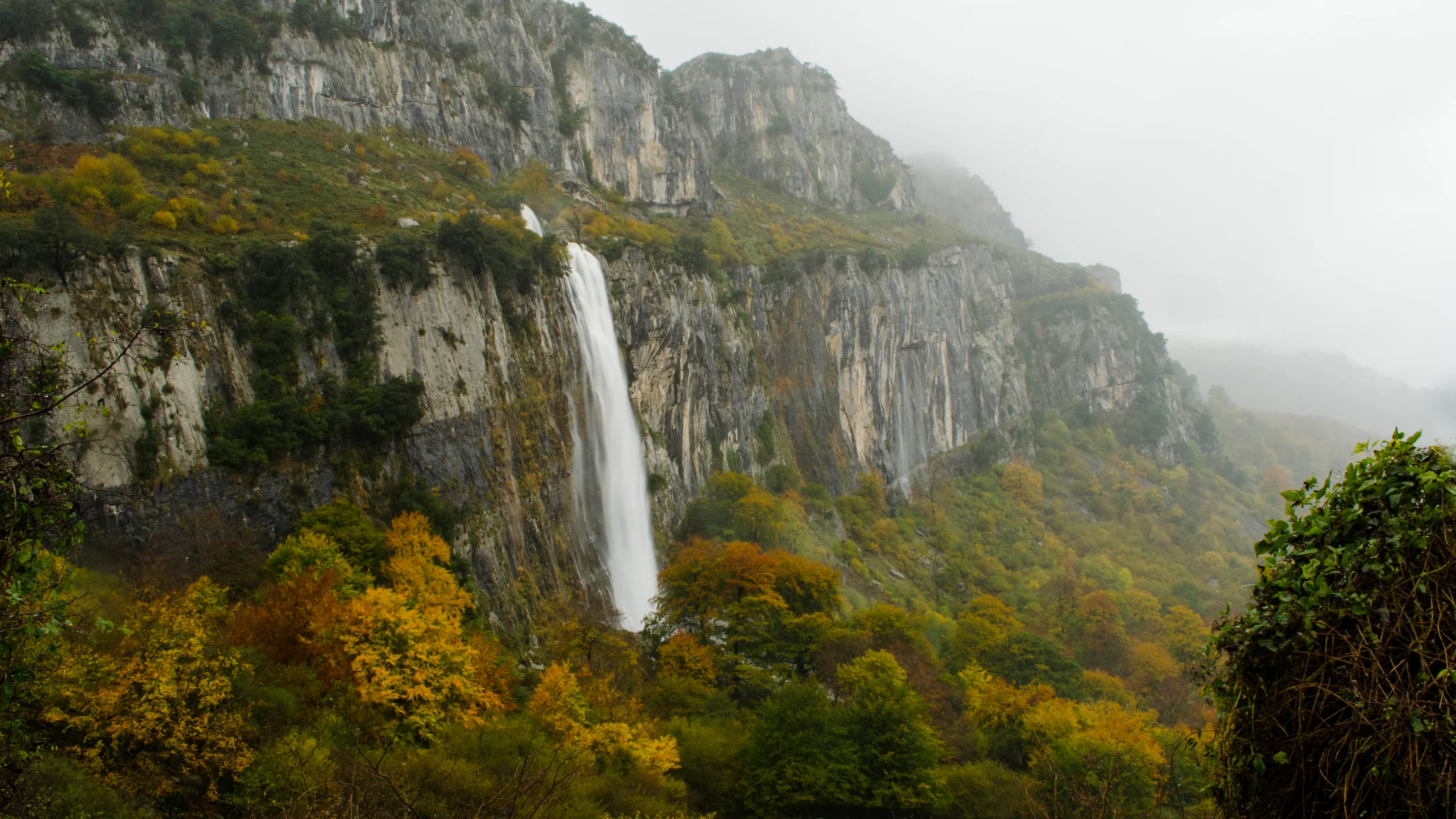
Parque Natural de los Collados del Asón covers 1,166 hectares in the eastern tip of Cantabria, where the limestone summits of the Punta del Caballo massif reach 1,613 metres and the waters of the Asón River emerge directly from inside the rock. This geological singularity makes the area one of the finest examples of hypogenic karst on the Cantabrian coast: water rises from deep aquifers and bursts outward as a cascade, creating the Cascada del Asón, a 70-metre waterfall visible from the main access trail that begins at the Fuente las Varas car park.

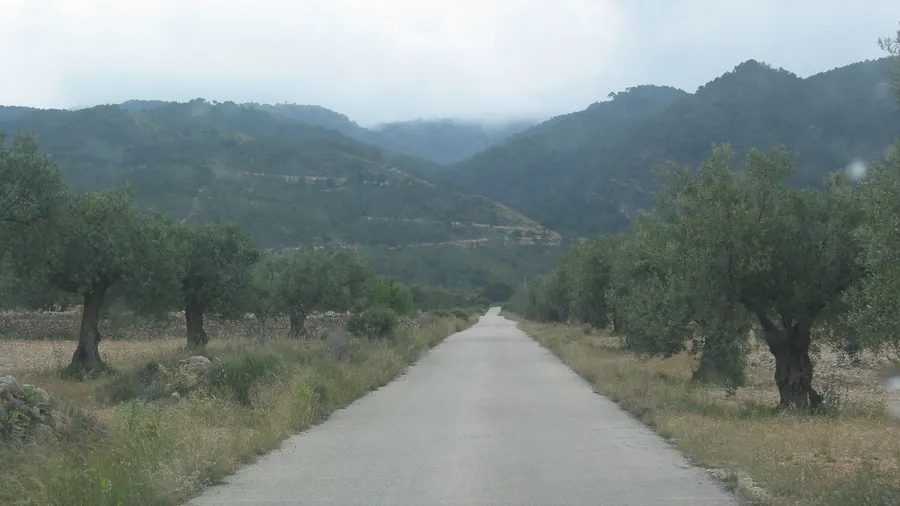
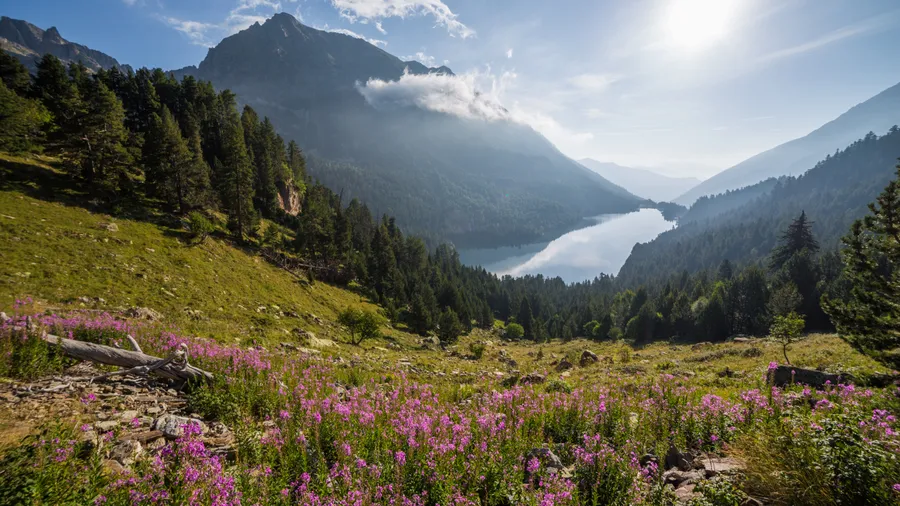
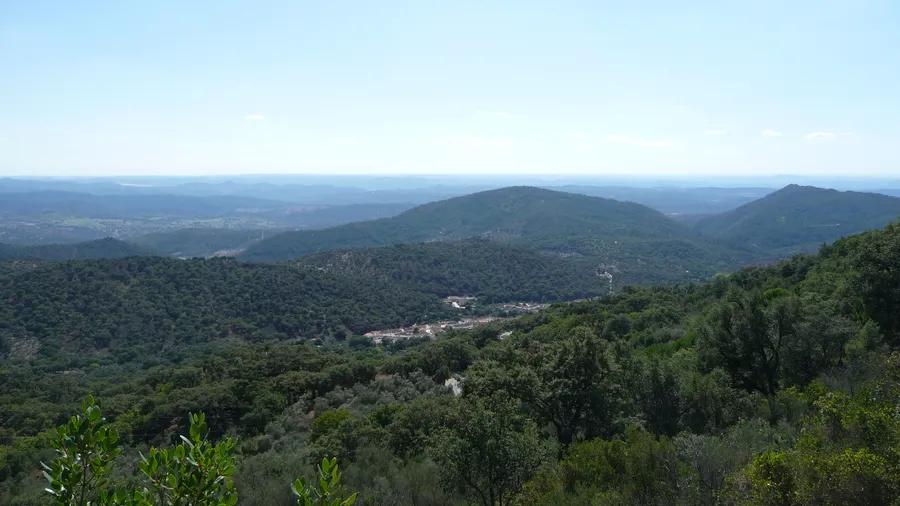
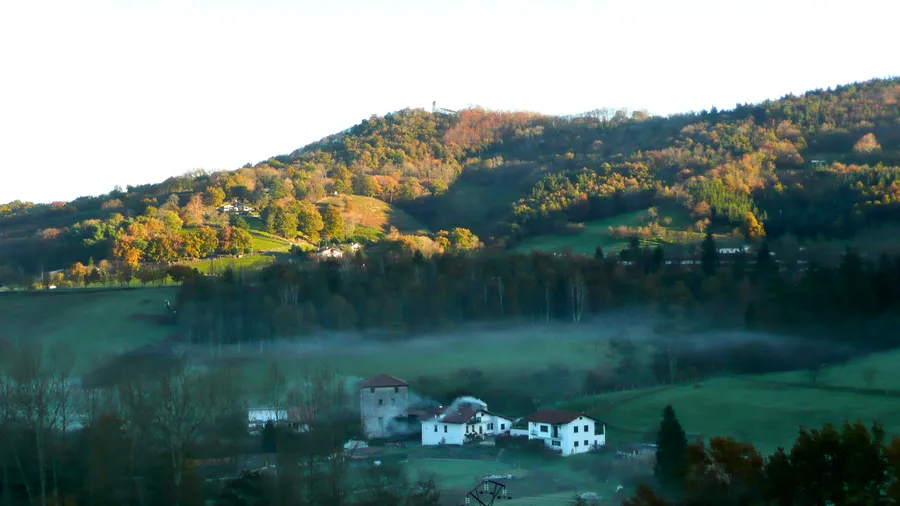
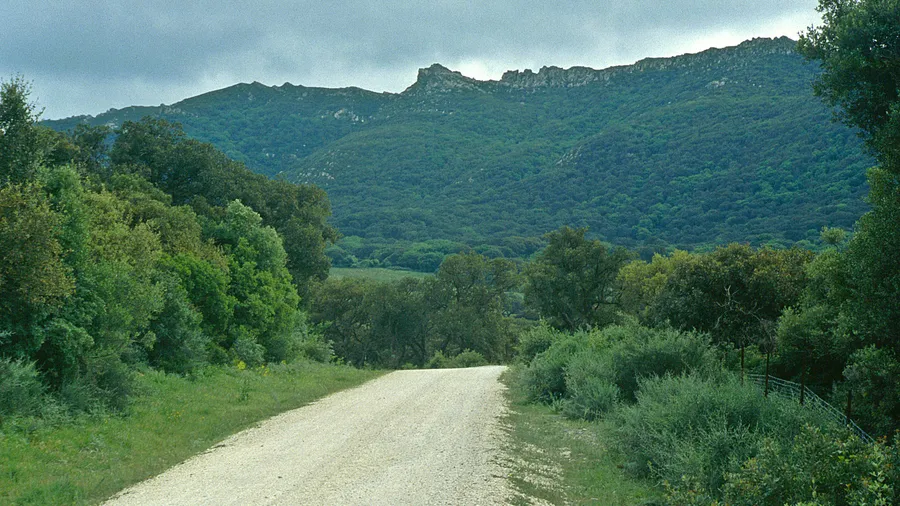
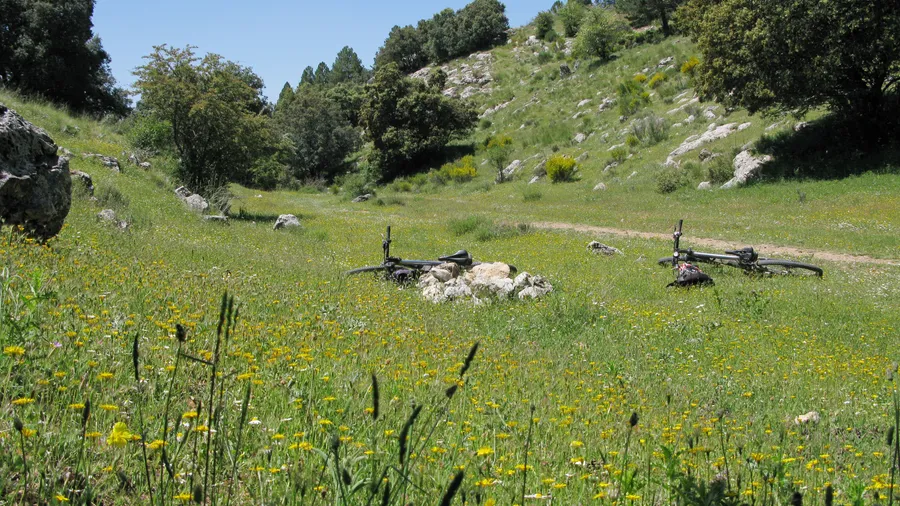
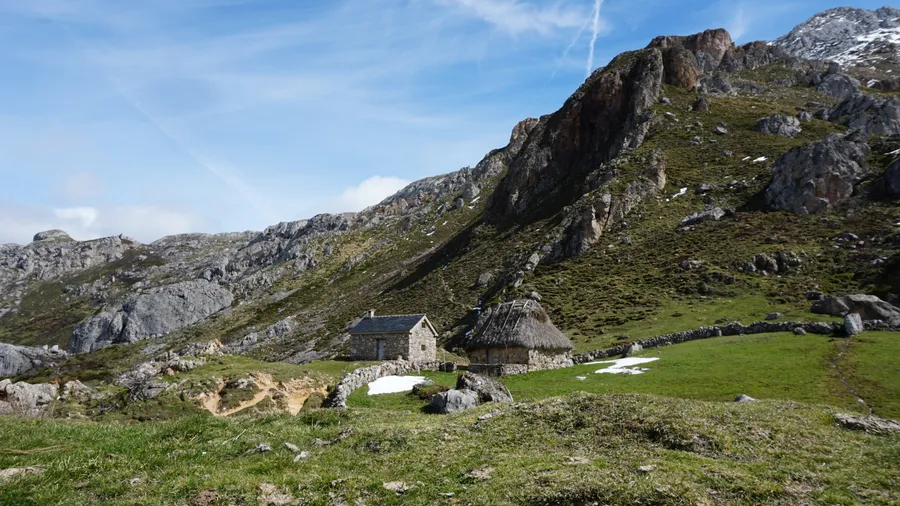
The terrain combines high-mountain meadows known locally as jous with limestone cliffs up to 300 metres high and mixed woodland of English oak (Quercus robur), beech (Fagus sylvatica) and hazel (Corylus avellana) in the valley bottoms. The park's average altitude exceeds 900 metres above sea level, producing a cooler and wetter microclimate than the Cantabrian coast, with up to 1,800 mm of annual rainfall in the most exposed northwestern areas. In spring, snowmelt feeds countless streams that cascade down the limestone slopes, threading white lines through the deep green of the beech forest. Springs at the base of the cliffs keep the Asón flowing even in the driest summers, ensuring clean water throughout the year.

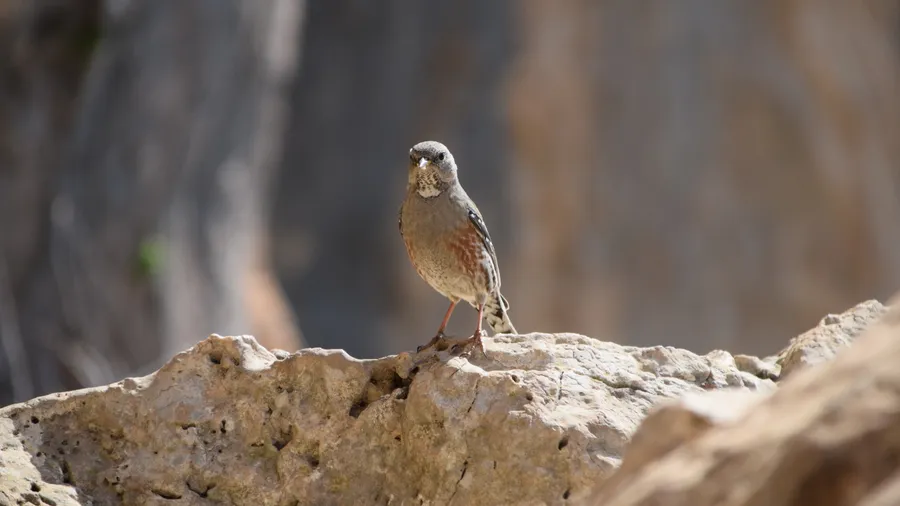
Wildlife includes stable populations of roe deer (Capreolus capreolus), wild boar (Sus scrofa) and Eurasian otter (Lutra lutra) along the lower Asón. Griffon vultures (Gyps fulvus) nest on the higher crags, with a colony of 8 to 12 breeding pairs recorded in recent surveys. During spring and autumn migration, Egyptian vultures (Neophron percnopterus) cross the collados alongside small groups of red kites (Milvus milvus) that use the Asón corridor as a flyway between the plateau and the Bay of Biscay. The park also protects colonies of Schreibers' bat (Miniopterus schreibersii) in karstic cavities, some still uncharted by local speleologists.

The trail network totals around 18 km of marked paths. The PR-CA 1 is the main route: starting from Fuente las Varas, it climbs 200 metres over 2.5 km to reach the waterfall, where the roar of the water and the ambient humidity make the air feel almost tangible. Those seeking more challenge can continue to the upper collados, where on clear autumn days the view extends all the way to the Bay of Biscay. Caving in controlled-access caves and nature photography from viewpoints near the car park round out the park's activity offer.

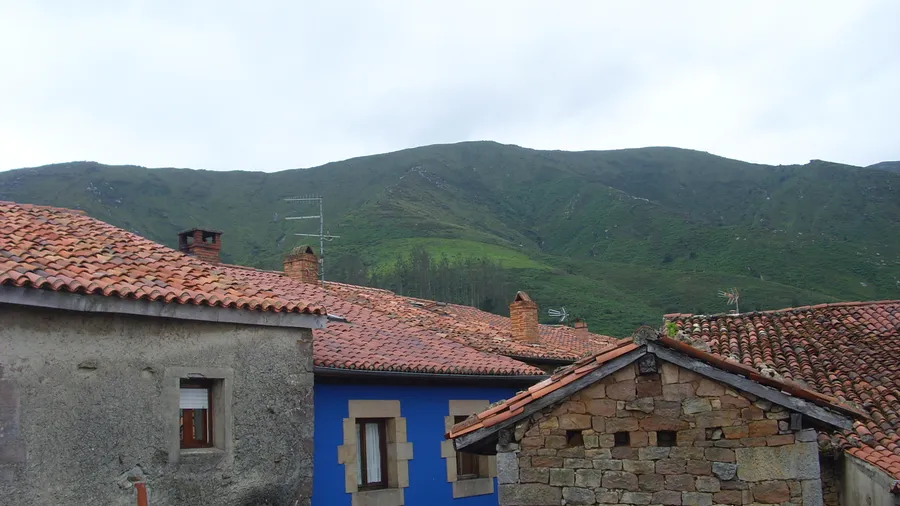
The base town of Ramales de la Victoria, 12 km to the southwest, allows you to pair the visit with the UNESCO World Heritage caves of Covalanas and Cullalvera and their Palaeolithic rock art. The area also features several restored water mills along the Asón, evidence of the river's historical role powering industry in this corner of eastern Cantabria.
Practical information

Everything you need to know for your visit to Parque Natural de los Collados del Asón

How to get there
From Santander take the A-8 towards Bilbao and exit at Ramales de la Victoria (60 km, ~50 min). From there the CA-268 leads to Fuente las Varas, where free parking is available next to the visitor centre. From Bilbao the drive is 45 km via the A-8 towards Santander, exit Ampuero.
Area Information
Visitor centre at Fuente las Varas with a permanent karst exhibition. Free car park with capacity for 40 vehicles. The town of Ramales de la Victoria, 12 km away, offers accommodation, restaurants and full services.
Geography
Limestone massif with summits between 1,200 and 1,613 m. Hypogenic karst featuring springs, sinkholes and high-mountain depressions (jous). The Asón River rises from a spring at the base of the main cliff at 650 m altitude.
Flora & Fauna
Beech (Fagus sylvatica) and oak (Quercus robur) woodland in the valleys. Erica vagans heathland on the summits. Wildlife: roe deer, wild boar, otter, griffon vulture, Egyptian vulture, Schreibers' bat (Miniopterus schreibersii).

Things to do

Find the best plans and things to do in Parque Natural de los Collados del Asón

20

Accommodations

Best accommodation options in Parque Natural de los Collados del Asón

Loading accommodation options...

Frequently Asked Questions

Get answers about Parque Natural de los Collados del Asón

The PR-CA 1 trail from the Fuente las Varas car park to the base of the waterfall is 2.5 km with 200 m of elevation gain, taking around 45 minutes at a comfortable pace. The path is well marked and in good condition throughout the year, though muddy sections can appear on the earthen stretches after rain.
Most cavities within the park are closed to the general public to protect bat colonies and geological formations. To visit the Covalanas and Cullalvera caves near Ramales de la Victoria, you need to book in advance at the relevant visitor centre, especially during summer months when demand is highest.
Coverage is limited or absent across much of the park, particularly in valley bottoms and on trails far from the main car park. Download your route maps offline before you set off and let someone outside the park know your planned itinerary.
Griffon vultures are resident year-round and can be seen soaring above the limestone cliffs at any time. However, March to May is the most active period, coinciding with the breeding season. In September and October, passing Egyptian vultures add extra interest for birdwatchers visiting the collados.
Wild camping is not permitted within the natural park. The nearest campsite is in Ramales de la Victoria, 12 km from the main entrance. For longer stays, rural guesthouses and small hotels can be found in the nearby municipalities of Arredondo and Ruesga.