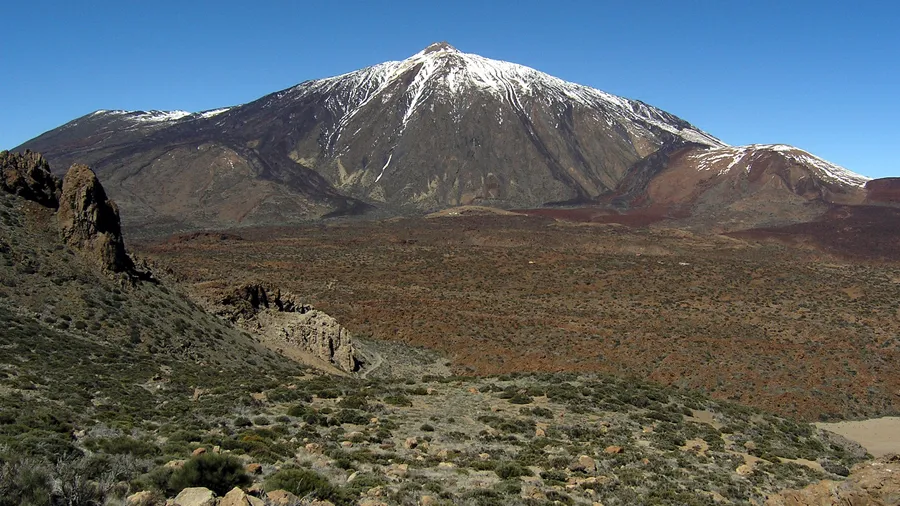

Guided Summit Expedition to Teide with Cable Car in La Orotava

Stands out for

  • • Cable car ascent to 3,555 meters with panoramic views
  • • 90-minute guided hike across volcanic trails to the summit
  • • Official permit required to protect the National Park
  • • Unique volcanic landscape with striking colors and textures
  • • Educational commentary on geology and Canarian culture along the route

Description

Context The guided summit expedition to Teide takes place within the Teide National Park, a UNESCO World Heritage Site. This volcano, standing at 3,718 meters, is Spain’s highest peak and features a striking volcanic landscape with rare geological formations. Access to the summit requires a special permit, which limits visitor numbers to help protect the fragile environment. The air is crisp and clean, carrying the distinct mineral scent of volcanic rock.

The Experience The journey begins at the base station of the cable car in La Orotava, where you’ll meet your guide and prepare for the ascent. The cable car swiftly ascends to 3,555 meters, offering panoramic views of Tenerife and neighboring islands. From there, you’ll begin a 90-minute guided hike across rugged, volcanic terrain toward the summit. Along the trail, your guide shares insights into the region’s geology and local culture, while the constant wind whispers through the rock formations. At the summit, you’ll witness a surreal lunar landscape of dramatic colors and textures before descending via cable car.

For Whom This expedition is suitable for individuals in good physical condition with prior experience in high-altitude hiking, including children over 6 years old who are accustomed to demanding walks. It is not recommended for people with cardiovascular issues, limited mobility, or those unable to tolerate strong winds and cold temperatures.

Local Context Teide is a powerful natural and cultural symbol of the Canary Islands. Guides share stories about the volcano’s formation and its deep connection to Canarian traditions. The local community strongly values the conservation of the park and respects its unique, protected environment.

Key Info

Difficulty

Hard

Setting

Outdoors

Best season

All year round

Recommended Age Range

Ages 6+

Kid-friendly Booking required

Nearby Destinations

Practical Guide

Everything you need to know about Guided Summit Expedition to Teide with Cable Car in La Orotava

Location
Expert Recommendations

Dress in layers suitable for cold and windy conditions, wear proper hiking boots, and carry enough water. Book in advance to guarantee your spot and summit permit. The best time for the expedition is early morning to avoid crowds and make the most of clear light. Be prepared for rapidly changing weather and always follow your guide’s instructions and park regulations.

Physical Requirements

demanding physical activity, high-altitude hiking

About the Area

Teide National Park on Tenerife is a protected area featuring dramatic volcanic landscapes and clearly marked hiking trails. The cable car base station is located in La Orotava, accessible by private vehicle or public transport. Nearby attractions include the Teide Solar Observatory and the historic town of La Orotava, where visitors can enjoy local cuisine and explore additional hiking routes.

Offers

Best available offers for Guided Summit Expedition to Teide with Cable Car in La Orotava

Teleférico + excursión a la cumbre del Teide, 6h

From
€128

Nearby Accommodations

Find where to stay near Guided Summit Expedition to Teide with Cable Car in La Orotava

Loading accommodation options...

Frequently Asked Questions

Get answers about Guided Summit Expedition to Teide with Cable Car in La Orotava

Yes, it is recommended to book at least 48 hours in advance to secure a cable car seat and obtain the required summit access permit.
Wear proper cold-weather clothing, sturdy hiking boots, sun protection, and carry enough water, as the summit can be very cold and windy.
No, there are no water sources between the upper cable car station and the summit, so you must bring sufficient water for the entire hike.
The hike is considered high difficulty, with uneven rocky terrain and a 160-meter elevation gain. It is best suited for hikers in good physical condition with prior mountain experience.