The essentials of Sierra de Peña Sagra

  • • Cornón de Peña Sagra at 2,047 m, one of Cantabria's highest peaks outside Picos de Europa
  • • ZEPA reserve with golden eagle, Egyptian vulture, griffon vulture and Cantabrian chamois
  • • Classic 15 km trek with 1,340 m elevation gain from Puerto de Piedrasluengas
  • • Tudanca village, a designated Cultural Interest Site with Cossío's museum-home
  • • Hillside beech forests turning ochre in autumn between 800 and 1,600 metres

Description

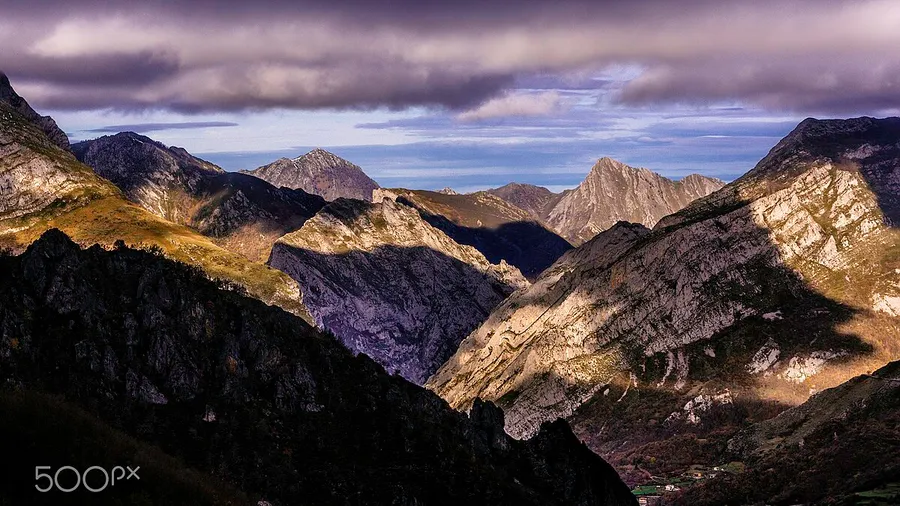
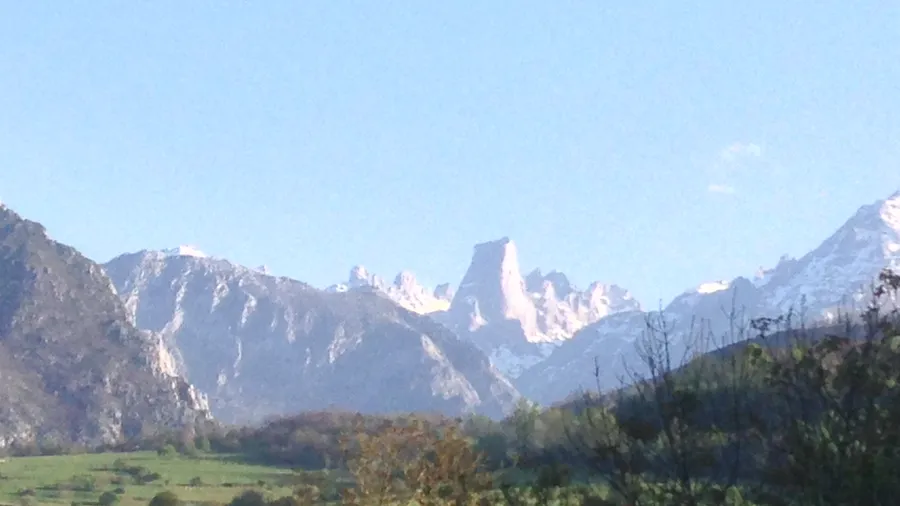
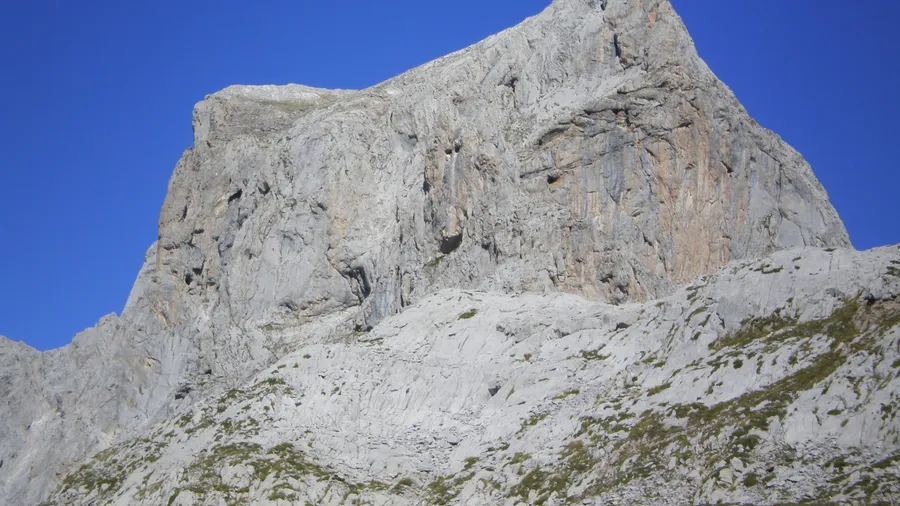
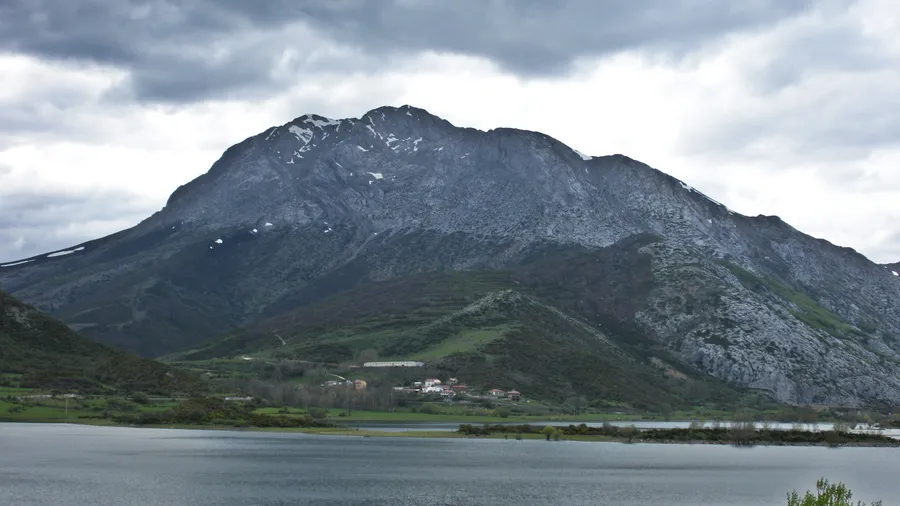
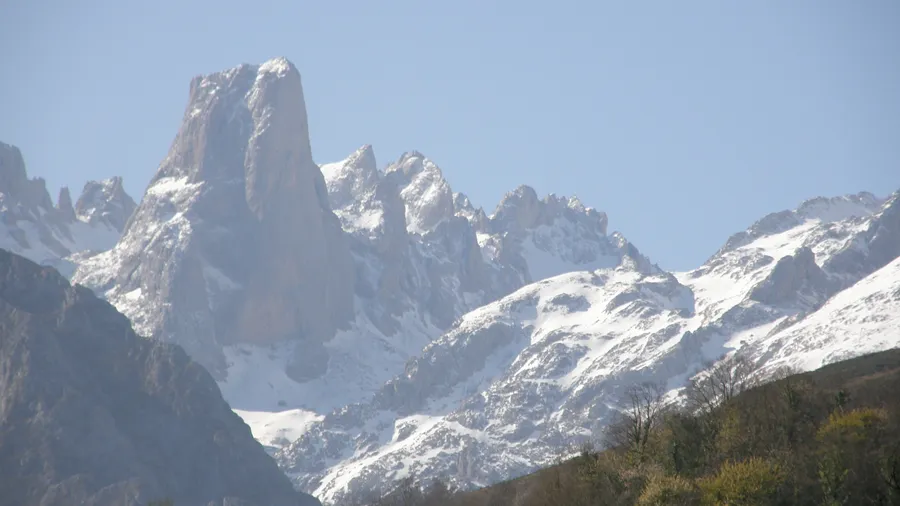
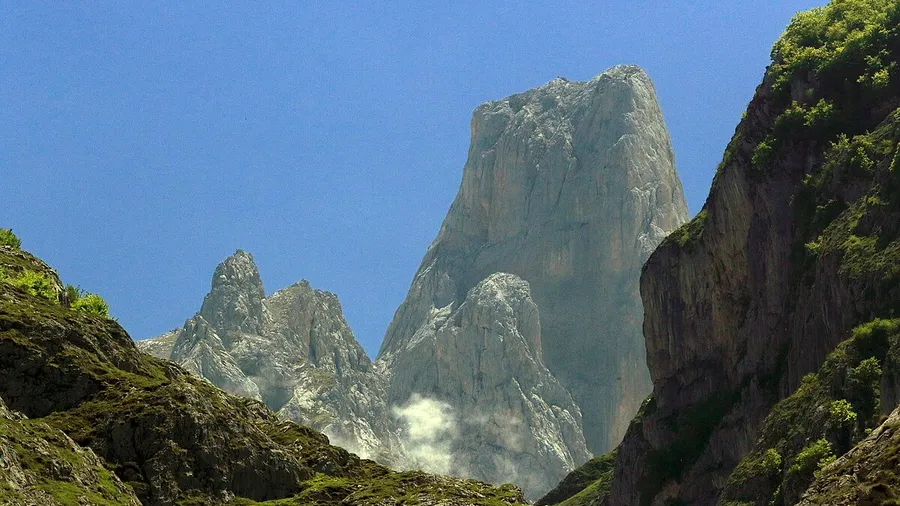
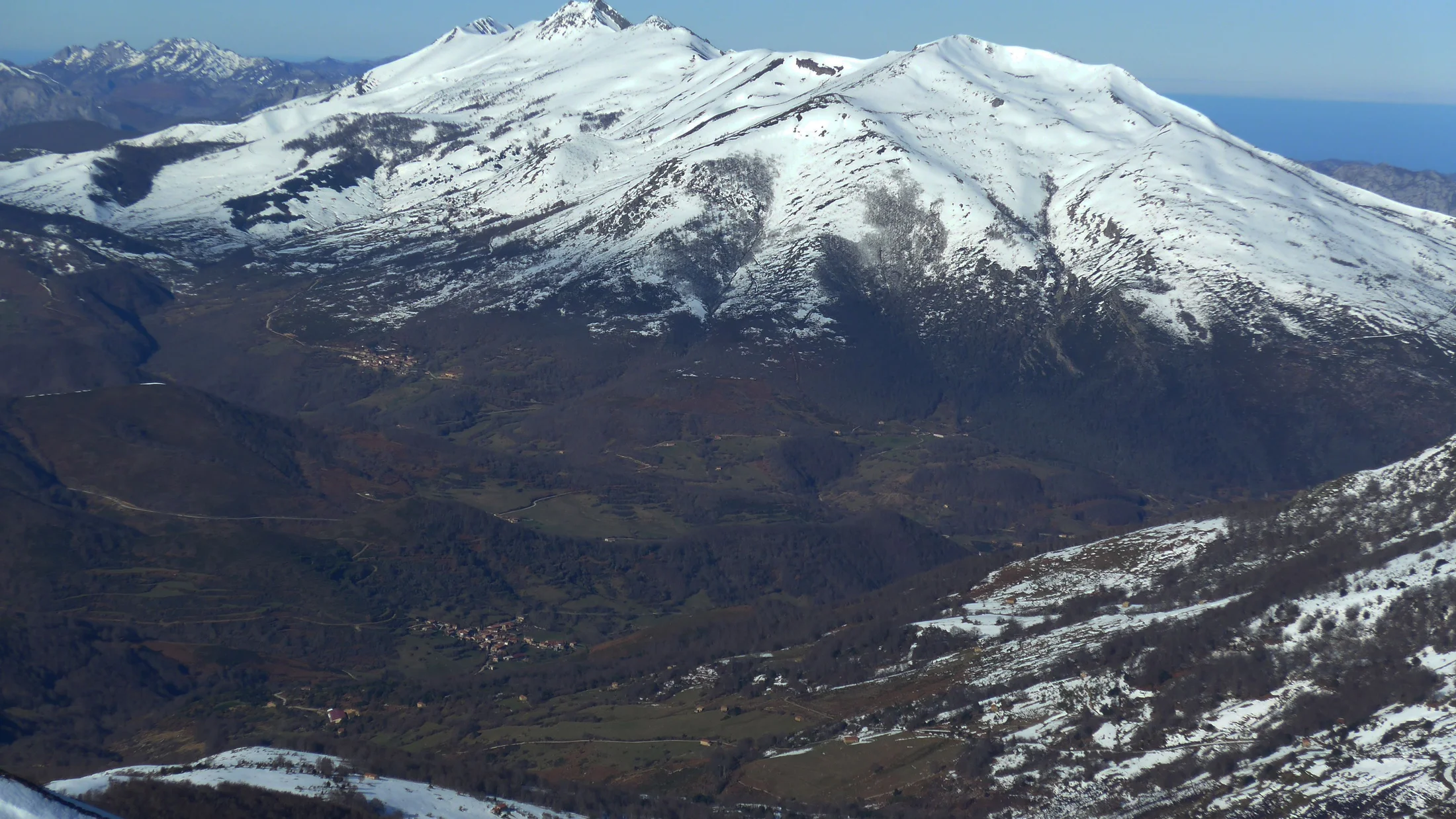
Sierra de Peña Sagra is a 16-kilometre ridge that separates the headwaters of the Nansa valley from the Liébana valley and Polaciones in south-western Cantabria. Its main summit, Cornón de Peña Sagra, stands at 2,047 metres and ranks among the most prominent peaks of the Cantabrian Mountains outside the Picos de Europa. For 15 consecutive kilometres the ridge stays above 1,800 metres, with intermediate summits at Cascuerres (1,561 m), El Tumbo (1,841 m), Picu Paraes (1,934 m) and Cantu Trespeñuela (1,961 m), forming a natural barrier that separates Atlantic climates to the north from more continental influences to the south.

The range is classified as a ZEPA (Special Protection Area for Birds), a designation reflecting the ecological value of its high-mountain habitats for species such as golden eagle, Egyptian vulture, griffon vulture and wallcreeper. Above 1,600 metres, alpine meadows support a stable population of Cantabrian chamois, whose silhouettes against the ridgeline are one of the area's most recognisable images. Iberian wolf holds territory in the hillside forests, and native trout and Pyrenean desman — one of the peninsula's most unusual mammals — inhabit the lower streams.

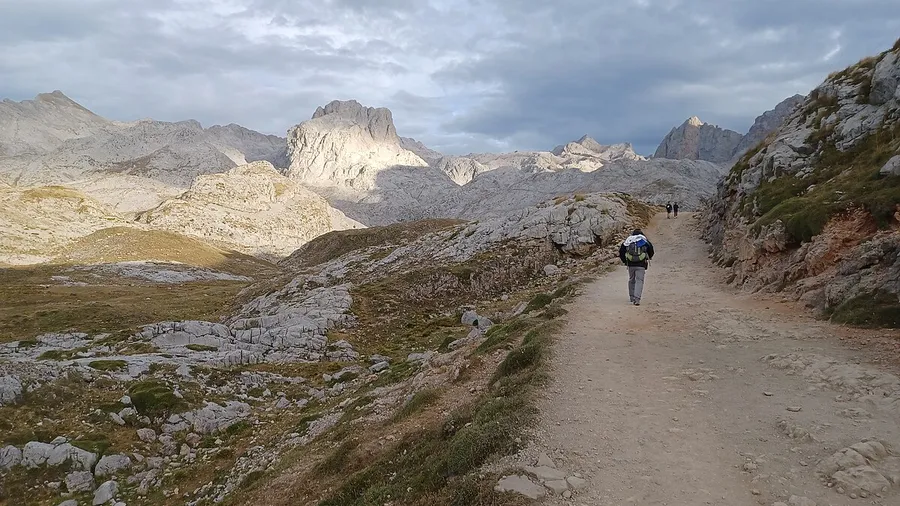
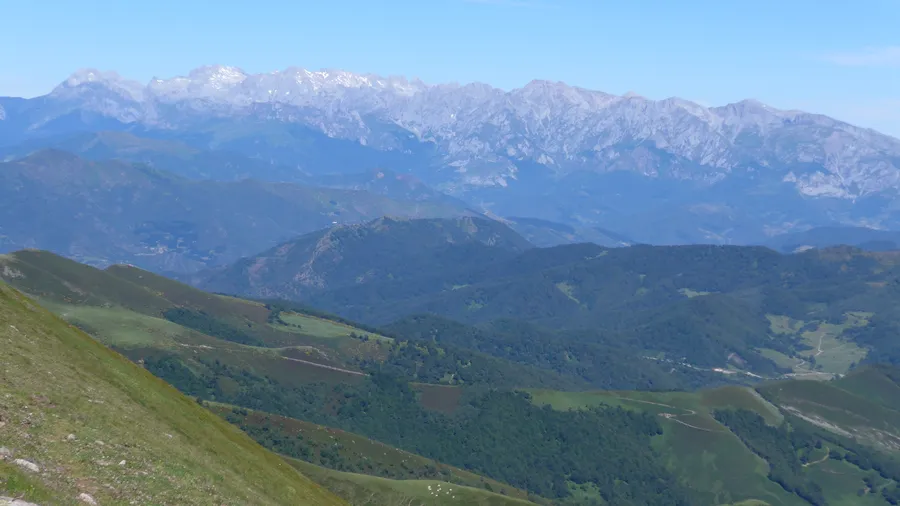
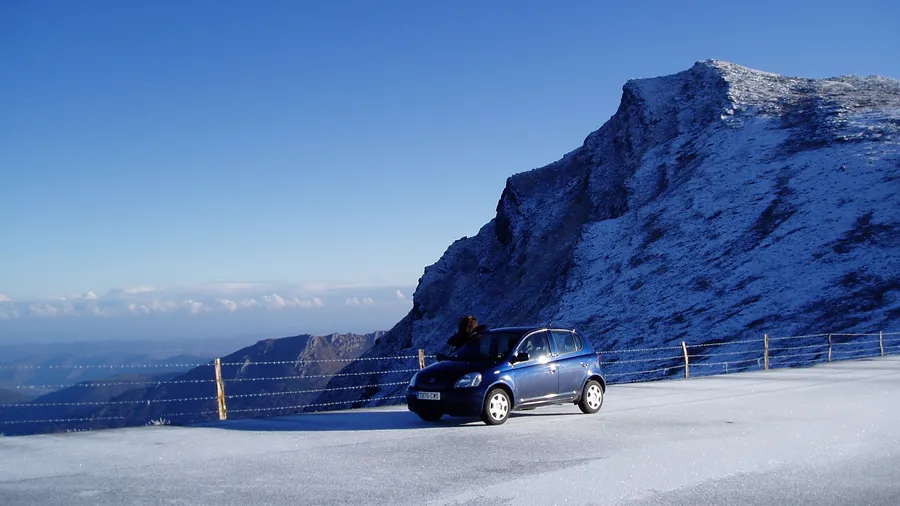
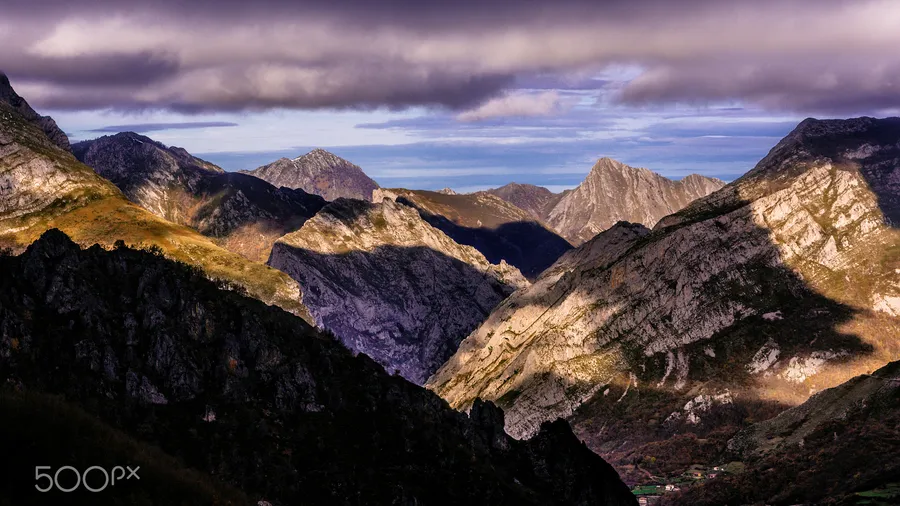
The classic route to the Cornón starts at the Puerto de Piedrasluengas: a linear out-and-back trek of about 15 kilometres with 1,340 metres of cumulative elevation gain, requiring seven to eight hours. The first stretch passes through beech woods that turn ochre and garnet in autumn, while above 1,600 metres the landscape opens into alpine grassland where short turf crunches underfoot and wind blows steadily. On clear days the summit panorama stretches from the Picos de Europa to the east to the Cantabrian coast to the north, a layered vista in which successive mountain ranges fade to ever-lighter blue before merging with the horizon.

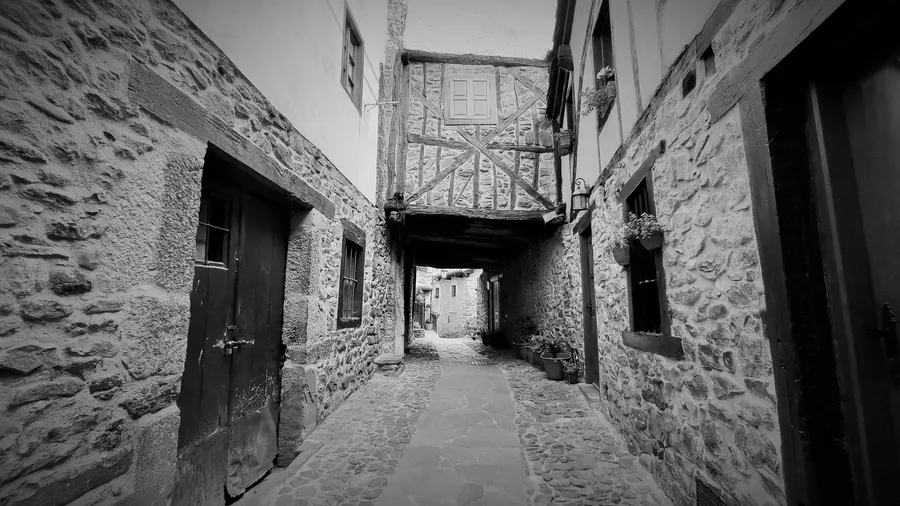
The villages ringing the sierra — Cabezón de Liébana, Polaciones, Tudanca and the Nansa valley settlements — retain stone-and-timber architecture shaped by mountain conditions. Tudanca, designated a Site of Cultural Interest, houses the museum-home of José María de Cossío, a literary figure linked to the Generation of '27 who documented rural Cantabrian life. Local cuisine centres on cocido montañés bean stew, Liébana cheeses, pear orujo spirit and game casseroles served in roadside inns and village mesones, settings where fireplace warmth and the scent of burning wood define the dining experience.

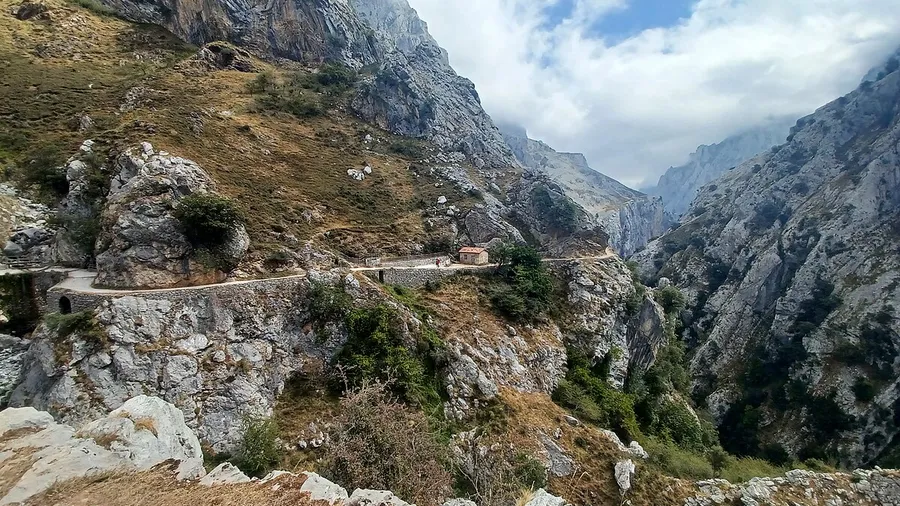
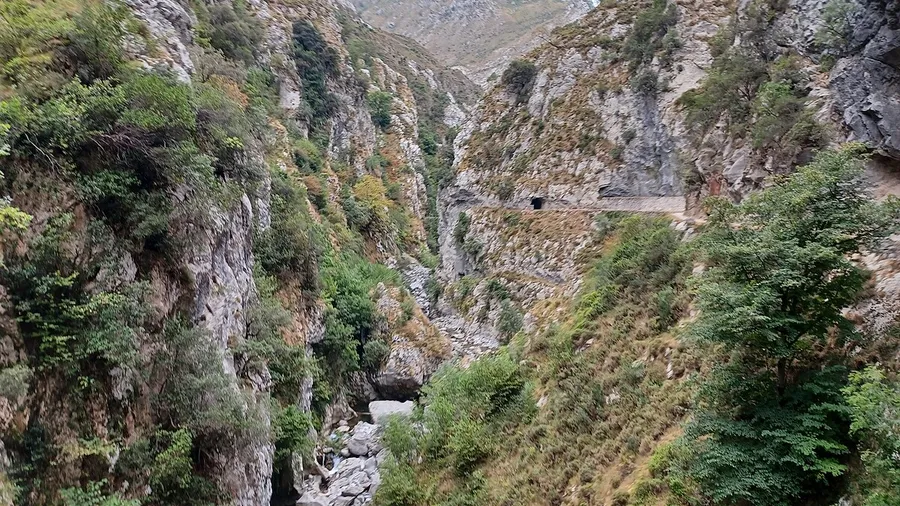
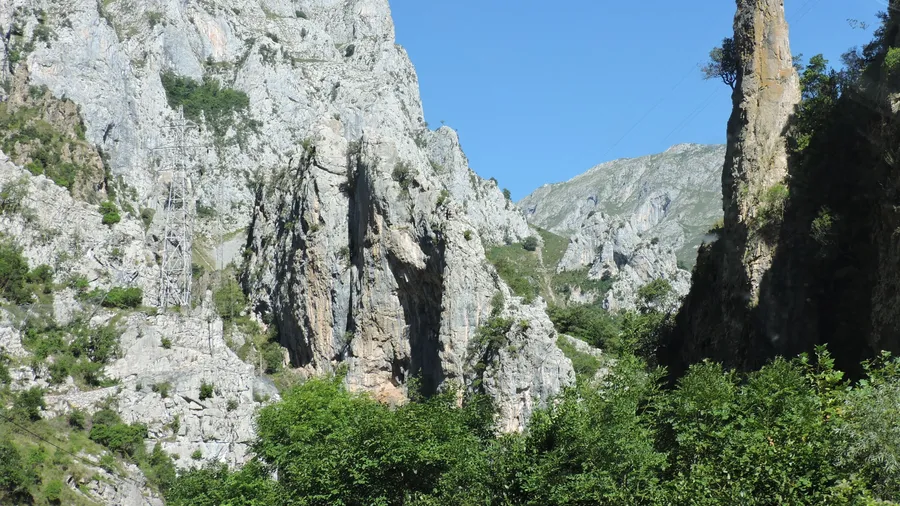
Peña Sagra's geology reflects the tectonic complexity of the Cantabrian Mountains: Carboniferous limestone, sandstone and quartzite alternate in strata visible on the mountain's cross-sections, making it a point of interest for geology enthusiasts. Cols between the main summits support alpine grassland where snow lingers well into June in wetter years, and late snowfields feed streams that rush down to the valleys below.
Practical information

Everything you need to know for your visit to Sierra de Peña Sagra

How to get there
From Santander, the A-67 and CA-184 reach Puerto de Piedrasluengas in about two hours. From Potes (Liébana), the N-621 and local roads connect with the southern base of the range in 45 minutes. No direct public transport to the pass.
Area Information
The range lies between the municipalities of Cabezón de Liébana, Polaciones and Tudanca. Puerto de Piedrasluengas (1,353 m) is the main access point. No visitor centre on the range itself; tourist information in Potes.
Geography
A 16 km ridge in the Cantabrian Mountains between the Nansa, Liébana and Polaciones valleys. Sustained altitudes above 1,800 m for 15 km. Highest peak: Cornón de Peña Sagra (2,047 m).
Flora & Fauna
Cantabrian chamois and Iberian wolf at higher elevations. Golden eagle, Egyptian vulture and griffon vulture (ZEPA reserve). Native trout and Pyrenean desman in the streams. Beech, oak and alpine meadows by altitude.

Things to do

Find the best plans and things to do in Sierra de Peña Sagra

20

Accommodations

Best accommodation options in Sierra de Peña Sagra

Loading accommodation options...

Frequently Asked Questions

Get answers about Sierra de Peña Sagra

The route from Piedrasluengas to the Cornón covers 15 km return with 1,340 m of cumulative elevation gain, placing it in the hard category. It takes seven to eight hours, requires good fitness and mountain experience. The final stretch across alpine grassland has no shade and is exposed to wind.
Cantabrian chamois are commonly found on the grasslands above 1,600 metres. They are spotted fairly regularly in the early morning when they graze in clearings among the rocks. Binoculars of at least 8x42 help pick them out at a distance without disturbing them.
Yes. Trails through the Nansa valley and lower paths towards Tudanca offer routes of 6 to 10 km with moderate elevation gains of 300–500 m. A stroll through Tudanca village, a designated Cultural Interest Site, suits all levels and pairs well with a visit to Cossío's museum-home.
Summer temperatures at higher elevations range from 12 to 20 °C, but weather shifts are frequent and fast. Fog can close in on the summit within minutes even in July. Always carry waterproof warm clothing and check the forecast before setting out.
The nearest options to Puerto de Piedrasluengas are rural guesthouses in Cabezón de Liébana and the Nansa valley settlements. Potes, 45 minutes by car, offers a wider range of hotels, guesthouses and restaurants. Tudanca has charming rural accommodation that combines mountain access with village heritage.