The essentials of Sierra de la Sagra

  • • Summit at 2,383 m with views of Sierra Nevada, Cazorla and the Castilian plateau
  • • 1,280-metre elevation gain from Puebla de Don Fadrique (14 km round trip)
  • • Laricio pine forest with yew and maple in north-facing ravines
  • • Light-pollution-free skies for stargazing from the mountain pass
  • • Stable griffon vulture colony and Iberian ibex on the limestone cliffs

Description

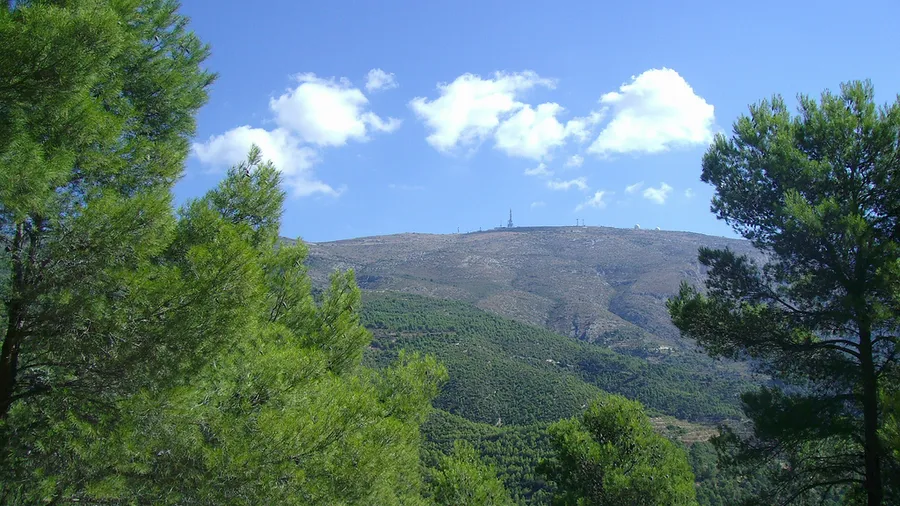
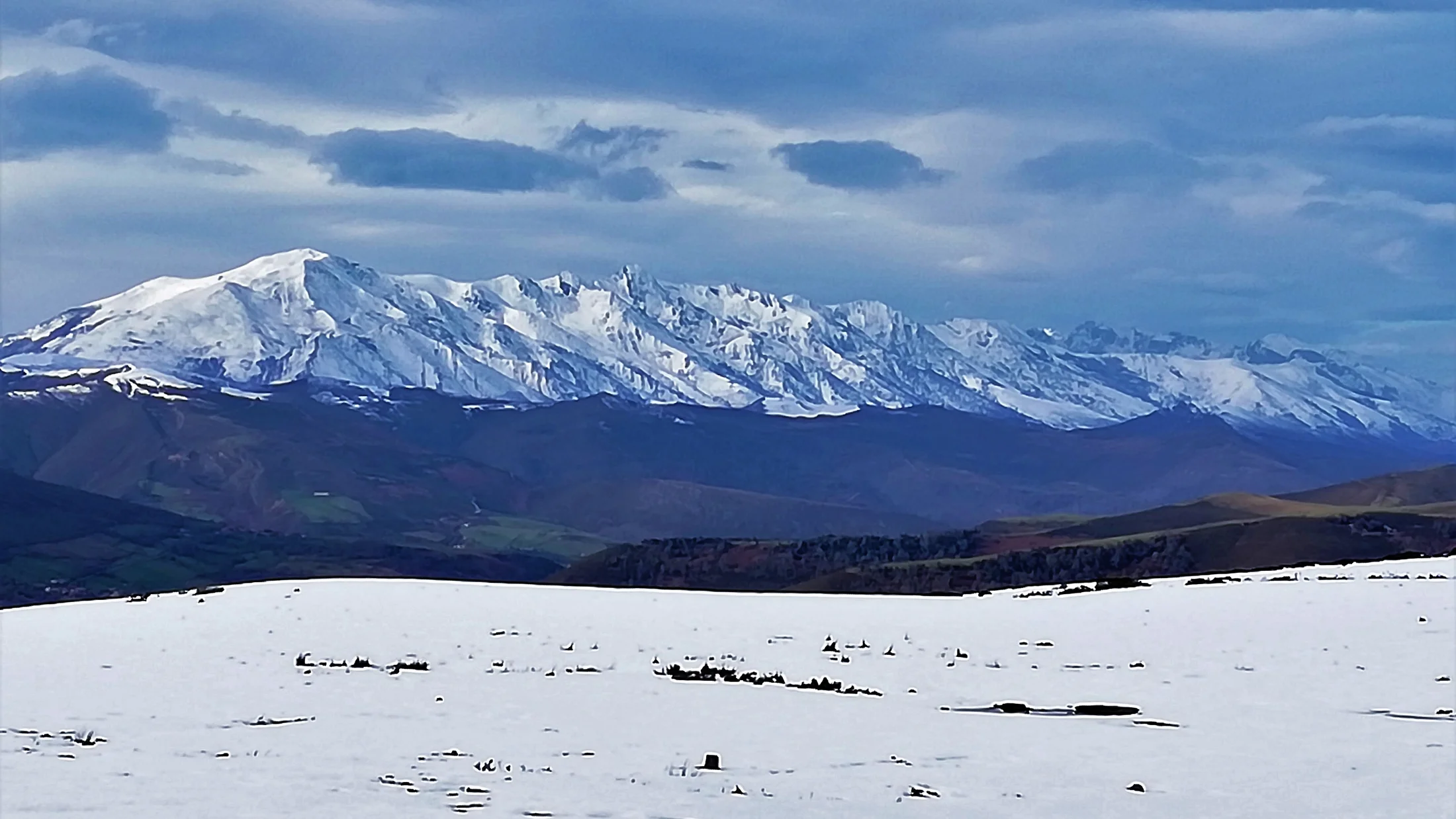
Sierra de la Sagra commands the northeastern Granada plateau from its 2,383-metre summit, the highest point in Granada province outside Sierra Nevada. This limestone massif rises in isolation above the Hoya de Baza basin, visible from over 60 kilometres in every direction, and forms part of the eastern edge of the Baetic Mountain Range. Its conical profile and geographic solitude give it an almost volcanic character that contrasts sharply with the surrounding steppe plains. The Guardal River springs from its lower slopes and feeds traditional irrigated farmland that has sustained local villages for centuries. On clear days the silhouette cuts against a clean sky that, after dark, becomes one of the darkest firmaments in southeastern Spain.

The standard ascent departs from Puebla de Don Fadrique (1,100 m) along a forest track through a laricio pine woodland before reaching the ridge line. The cumulative elevation gain is around 1,280 metres over approximately 14 kilometres return, a demanding day that rewards with 360-degree views: Sierra Nevada's snowfields to the south, the Castilian plateau to the north, and the Cazorla and Segura ranges to the east. In winter the summit holds snow and demands crampons, while summer heat on the plateau makes an early start essential. Stone cairns mark the upper trail, though navigation can be tricky in fog or snow; carrying a GPS device or a downloaded track is advisable.

The landscape around La Sagra marks a transition between high mountain and continental steppe. North-facing ravines shelter yew, maple and Portuguese oak that survive thanks to moisture trapped by the rock walls. Wildlife includes Iberian ibex, golden eagle and a stable colony of griffon vulture nesting on the limestone cliffs. In spring the lower slopes fill with flowering thyme, lavender and gorse, and the scent of pine resin accompanies the first kilometres of the climb. After dark, the absence of light pollution turns the area into a first-rate stargazing site: from the Collado de la Sagra, clear nights reveal the Milky Way with the naked eye.

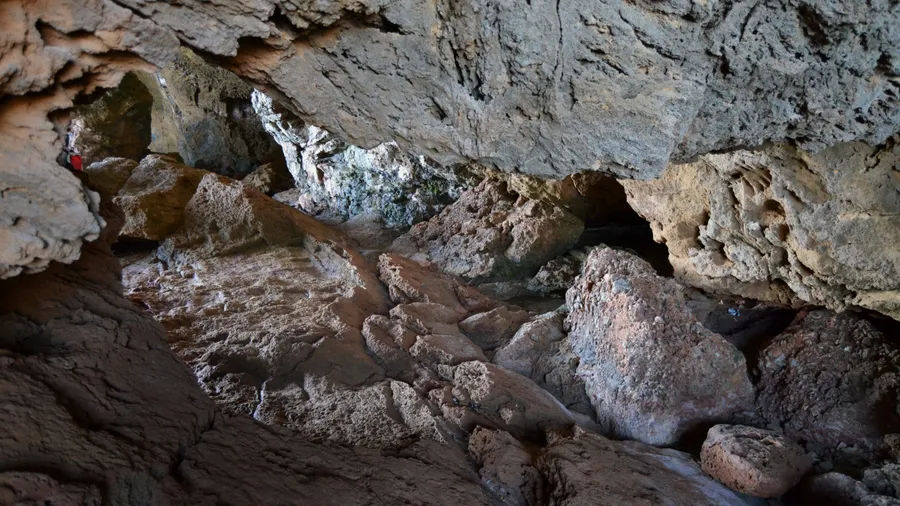
The geology of La Sagra tells the story of an ancient seabed. The Cretaceous limestones that form the summit were deposited over 65 million years ago and still hold visible ammonite and belemnite fossils along certain trail cuts. Karst processes have carved sinkholes, limestone pavements and small caves on the southern face, where runoff has dissolved the rock over millennia. This geological structure also explains the scarcity of surface water: rainfall filters quickly into deep aquifers.

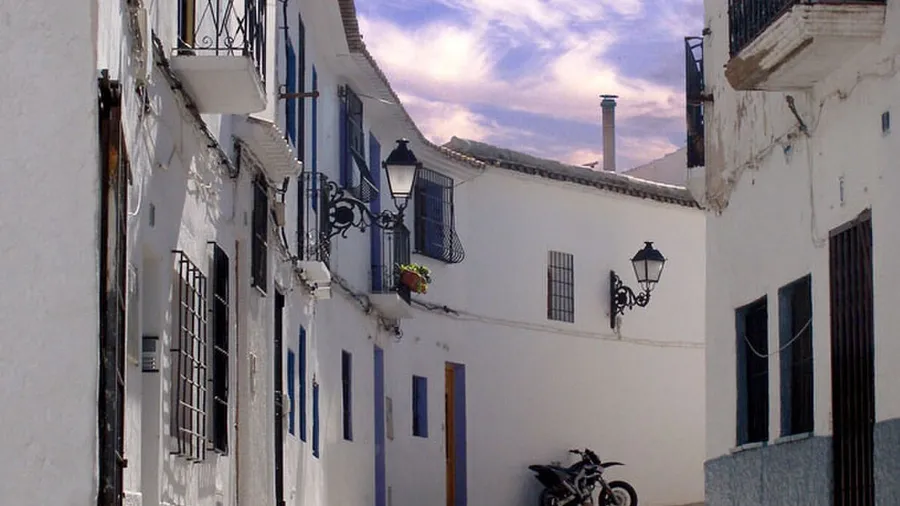
Puebla de Don Fadrique, a 30-minute drive from the trailhead, serves as the usual base. The village offers rural guesthouses, a petrol station, grocery shops and a couple of restaurants serving migas, gachas and local Segureño lamb. There are no mountain refuges or water sources above the tree line, so planning food and water supply is an essential part of any outing. The local tourism office stocks updated maps and can advise on trail conditions. Huéscar, 40 kilometres away, provides more accommodation and services for those seeking a base with greater variety.
Practical information

Everything you need to know for your visit to Sierra de la Sagra

How to get there
From Granada, take the A-92 to Baza (110 km) and continue on the A-330 to Puebla de Don Fadrique (65 km further). The total drive takes about 2 hours. There is no public transport to the mountain base. From Murcia, access via the RM-15 and A-330 takes around 2.5 hours.
Area Information
No visitor centre on the mountain. Puebla de Don Fadrique's tourism office provides maps and trail condition reports. No refuges or water sources in the upper zone. Mobile coverage is patchy above 1,500 m.
Geography
Isolated limestone massif on the eastern edge of the Baetic range, summit at 2,383 m above the Hoya de Baza. Conical profile visible from 60 km. The Guardal River rises on its slopes. Karst terrain with ravines, cliffs and limestone pavement.
Flora & Fauna
Laricio pine forest up to 1,800 m. Moist ravines host yew, Montpellier maple and Portuguese oak. Wildlife includes Iberian ibex, golden eagle, griffon vulture (breeding colony on cliffs), fox and wild boar. Raptor migration corridor.

Things to do

Find the best plans and things to do in Sierra de la Sagra

20

Accommodations

Best accommodation options in Sierra de la Sagra

Loading accommodation options...

Frequently Asked Questions

Get answers about Sierra de la Sagra

The route from Puebla de Don Fadrique involves 1,280 metres of elevation gain over roughly 14 kilometres return. It is a long day that requires good fitness and mountain experience. The trail has no technical sections in summer, but in winter the summit may demand crampons and an ice axe due to accumulated snow and ice.
There are no reliable water sources above the pine forest. You need to carry all your water from the start, with a recommended minimum of 2 litres per person in spring or autumn and up to 3 litres in summer. Seasonal streams may appear in the forest zone, but they cannot be depended upon.
Yes. The Collado de la Sagra area and the surrounding plateau have very low light pollution, making the Milky Way visible to the naked eye on clear nights. The best months for observation are June to September, when the galactic centre is visible. There is no formal astronomical infrastructure, but the dark skies draw amateur astronomers with portable telescopes.
Puebla de Don Fadrique is the usual base, about 30 minutes by car from the forest track entrance. It offers several rural guesthouses, a hostel and some tourist apartments. Booking ahead is advisable during bank holidays and Easter. Huéscar, 40 minutes away, provides more services but adds travel time to the trailhead.
Yes, but conditions change considerably. Above 1,800 metres snow is common from December to March, and the summit can be icy. Crampons, poles and winter mountain clothing are essential. Daylight hours are shorter, so an early start is important. The access track may be closed or muddy; check with Puebla's tourism office beforehand.