The essentials of Parque Natural del Turia

  • • Turia River Route: 27 flat km between Vilamarxant and Quart de Poblet, suitable for cycling and walking
  • • Over 150 vertebrate species, including kingfisher, otter and short-toed snake eagle
  • • Gallery forest of poplars, elms and willows over the riverbed within the metropolitan area
  • • Hydraulic heritage of weirs, irrigation channels and medieval mills along the river
  • • Pont de la Barca Interpretation Centre with guided birdwatching and environmental workshops

Description

The Turia Natural Park stretches along 35 kilometres of the middle course of the Turia River, between the municipalities of Pedralba and the city of Valencia, covering 4,692 hectares. Declared a natural park in 2007, it is the second protected area in the Valencia metropolitan area after La Albufera. The river forms a green corridor connecting the interior Camp de Turia county with the western districts of the capital, passing through the municipal areas of Pedralba, Vilamarxant, Riba-roja de Túria, l'Eliana, Benaguasil, Llíria, Manises, Paterna and Quart de Poblet. This river corridor serves as a daily-use space for residents of one of the most densely populated areas in the Valencian Community.

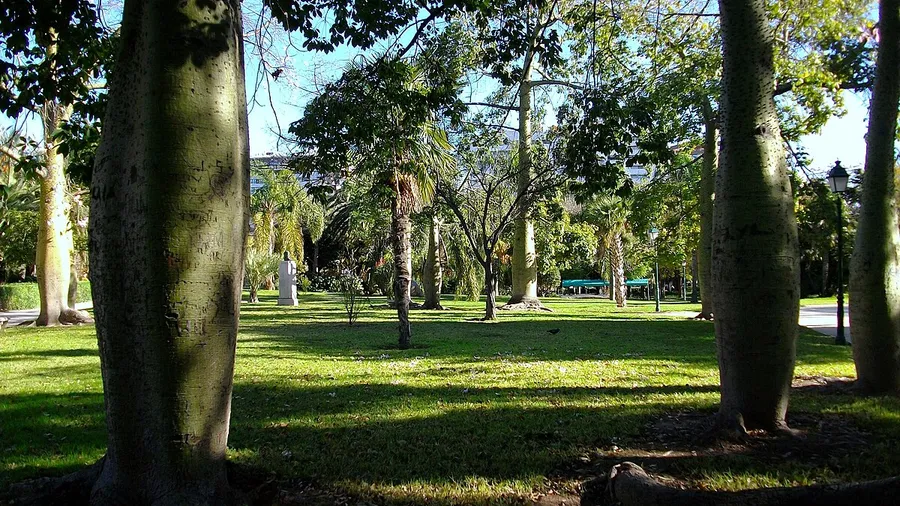
The Turia riverbanks support a well-preserved gallery forest of poplars, elms, ashes and willows that form a closed canopy over the watercourse. On spring mornings, light filtering through the leaves creates a cool atmosphere that contrasts with the orange groves extending on both sides of the river. The park's three main woodland areas — Aleppo pine forest on the slopes, Mediterranean scrub on the ridges and riparian forest by the water — form a habitat mosaic that sustains notable biodiversity for a peri-urban space.

The park holds over 150 registered vertebrate species: 107 birds, 18 mammals, 13 reptiles, 5 amphibians and 10 fish species. The common kingfisher is the river's most emblematic species and is easily spotted from the bankside trails. Grey and purple herons frequent the quieter stretches, and the short-toed snake eagle soars over the pine woods in spring and summer. Among mammals, the otter has been detected in several river sections, alongside genets, foxes and badgers. In the still-water pools, the Spanish terrapin basks on fallen logs. The flora exceeds 650 catalogued species, including wild orchid populations in forest clearings.

The trail network covers over 25 kilometres along both riverbanks, with sections suitable for walking, running and cycling. The Turia River Route, spanning 27 kilometres, is the main axis and connects Vilamarxant to Quart de Poblet along a flat, well-signposted route. Six official trails allow exploration on foot, by bicycle or on horseback, with difficulties ranging from family strolls to technical routes through the densest woodland. The Pont de la Barca Interpretation Centre in Vilamarxant organises guided birdwatching, environmental education workshops and themed routes covering the river's hydraulic heritage: weirs, irrigation channels and mills documenting centuries of agricultural water use.

The park's cultural heritage includes Iberian sites such as the Tossal de Sant Miquel in Llíria, Roman and medieval hydraulic infrastructure remains, and traditional farmhouses that maintain citrus and horticultural cultivation on the edges of the protected area. The coexistence of farming, recreational use and conservation is one of the Turia's defining traits: a park that is not isolated from its surroundings but woven into the daily life of over a million people living nearby.

Practical information

Everything you need to know for your visit to Parque Natural del Turia

How to get there
From Valencia, the V-30 and A-3 roads provide access to the park municipalities in 20–30 minutes. The Pont de la Barca Interpretation Centre is on the CV-50, km 87.2, in Vilamarxant. MetroValencia (lines 1 and 2) reaches Manises and Quart de Poblet. Signposted access points also from Riba-roja de Túria and Benaguasil.
Area Information
The Pont de la Barca Interpretation Centre (Vilamarxant) is the park's main reference point, with a permanent exhibition and guided activities. Riba-roja de Túria, Manises and Vilamarxant offer accommodation and dining. Designated picnic areas at several points along the river.
Geography
Turia River corridor between Pedralba (170 m elevation) and Quart de Poblet (40 m). Quaternary alluvial terrace flanked by limestone slopes with pine woods. Valley width ranges from 200 m to 1.5 km. Meanders, pools and weirs regulate the river flow.
Flora & Fauna
Riparian forest: poplars, elms, ashes and willows. Slopes: Aleppo pine with rosemary, kermes oak and lentisk scrub. Over 650 flora species. Fauna: otter, genet, fox, badger. Birds: kingfisher, grey heron, purple heron, short-toed snake eagle. Reptiles: Spanish terrapin. Fish: barbel and eel.

Things to do

Find the best plans and things to do in Parque Natural del Turia

20

Accommodations

Best accommodation options in Parque Natural del Turia

Loading accommodation options...

Frequently Asked Questions

Get answers about Parque Natural del Turia

Yes. The Turia River Route covers 27 flat, well-signposted kilometres between Vilamarxant and Quart de Poblet, suitable for any type of bicycle. You can also ride on the park's forest tracks. Some narrow riverside trails are reserved for pedestrians, so check the signposting.
Swimming is prohibited outside designated areas. Although some stretches have natural pools, park regulations restrict open-water swimming to protect aquatic wildlife and water quality. Check with the Interpretation Centre whether any areas are open for swimming during the summer season.
From central Valencia, take MetroValencia (lines 1 or 2) to Manises or Quart de Poblet, both about 20 minutes away. From the station, park entrances are signposted and a short walk. By car, the V-30 and A-3 roads reach the various park municipalities in 20–30 minutes.
Otters have been detected in several stretches of the river within the park, but they are elusive and most active at dawn and dusk. The best chances of a sighting are in the quieter sections between Riba-roja and Vilamarxant. Guided tours from the Interpretation Centre include information on the best observation points.
Yes. Several sections of the riverbank trails are flat, paved and accessible for pushchairs and wheelchairs. The designated picnic areas have tables, shade and drinking fountains. The Pont de la Barca Interpretation Centre runs environmental education workshops for children at weekends and during school holidays.