Highlights

  • • Elevation of 905 meters above sea level
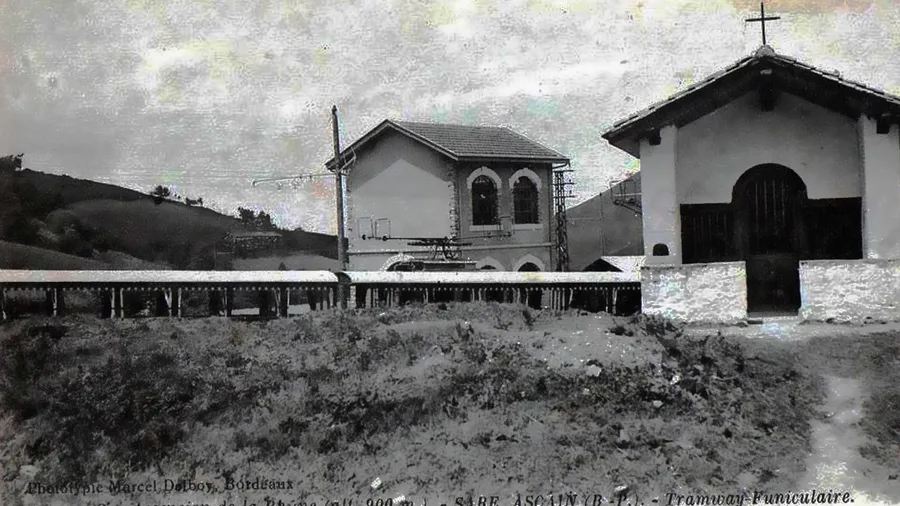
  • • Historic rack railway from the early 20th century
  • • Panoramic views of the Cantabrian Sea and the Pyrenees
  • • Trails to explore the summit and surroundings
  • • Archaeological remains on the mountain slopes
  • • Natural border area between Spain and France

Description

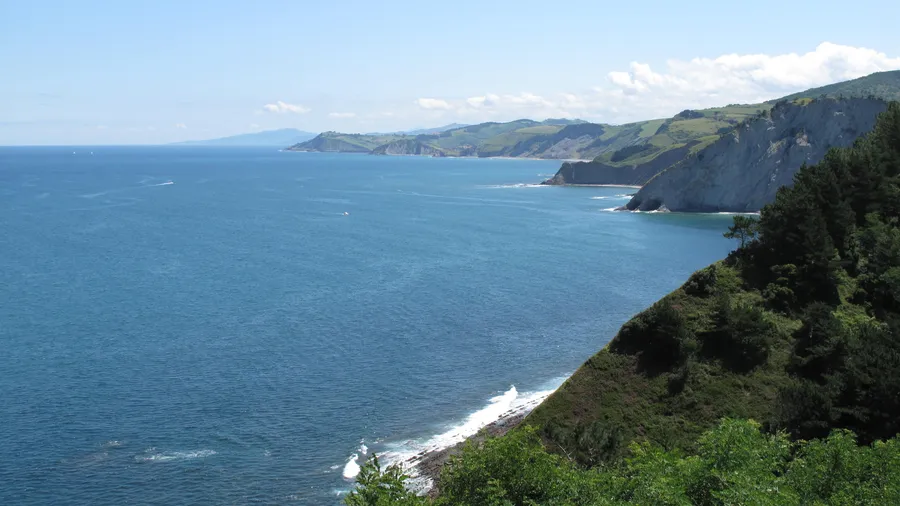
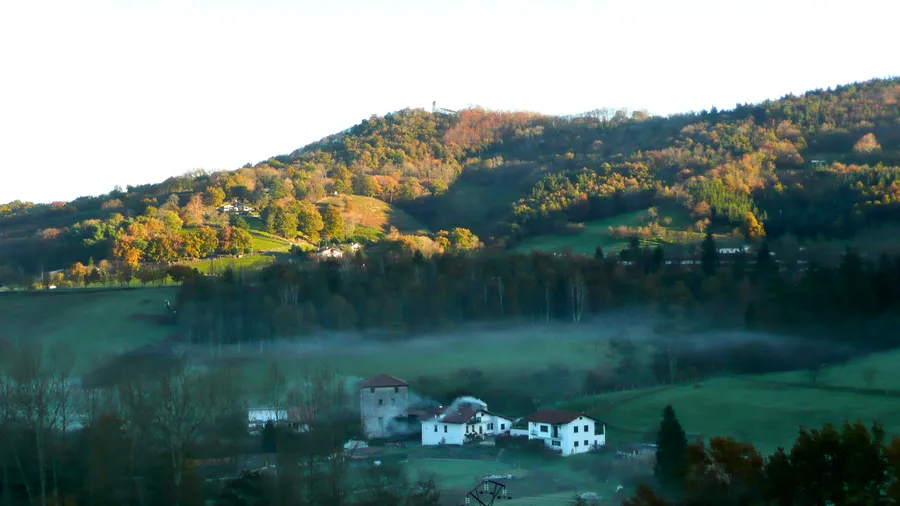
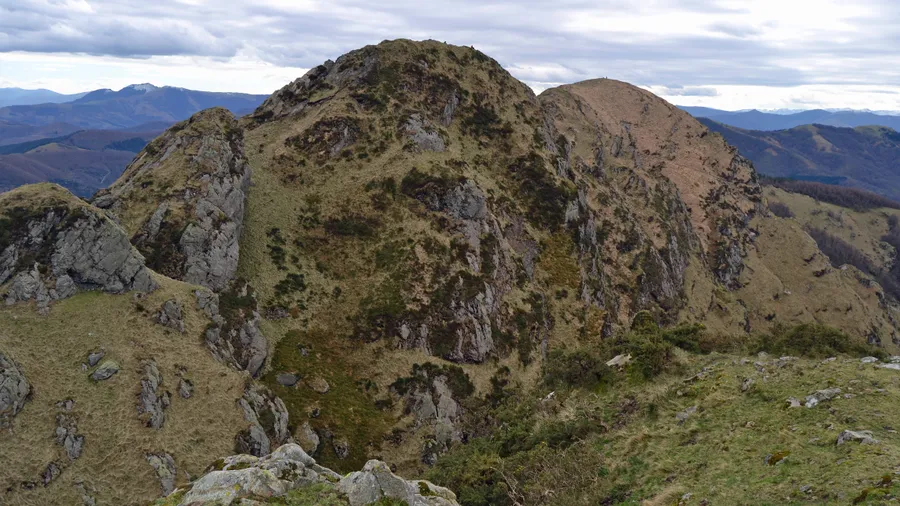
La Rhune is a 905-meter mountain located on the border between Navarra and the French Basque Country, within the western Pyrenees massif. It stands as an iconic landmark marking the natural and cultural division between Spain and France, offering a landscape blending meadows, forests, and expansive views of the Cantabrian Sea and surrounding mountains.

Visitors can reach the summit via a historic rack railway dating back to the early 20th century. This train covers approximately 4.5 kilometers, passing through wooded areas and alpine meadows, allowing guests to enjoy the natural surroundings effortlessly. At the top, there are trails to explore, a small shelter, and several viewpoints showcasing panoramic vistas of the Basque coast, the Pyrenees, and on clear days, even the Atlantic coastline.

Historically, La Rhune has been significant for local communities, serving as a natural boundary and reference point. The mountain also holds cultural value, with prehistoric settlement remains on its slopes and the Basque tradition alive in the region. The rack railway is not only a transport means but also an industrial heritage reflecting early 20th-century engineering and tourism.

When planning your visit, check train schedules and weather conditions, as fog can limit visibility. Hiking to the summit is possible but requires physical preparation and time. La Rhune is family-friendly and offers picnic and rest areas. Pets are not allowed on the train, so plan alternatives accordingly. Train tickets have a cost, and while advance booking is not necessary in low season, it is recommended during summer and weekends. Accessibility for people with reduced mobility is limited due to the terrain and train nature.

Key Information

Visit Duration

3-4 hours

Recommended Seasons

Spring, Summer

Accessibility

Low

Kid-Friendly Pet-Friendly Booking Required

Related Destinations

Guide

Essential information for visiting La Rhune

Location
Practical Information
Visit Duration
3-4 hours
Features & Services
  • Accessibility:Low
  • Kid-Friendly:Yes
  • Pet-Friendly:No
  • Booking:Booking Required
Planning Information

Recommended Seasons

Spring · Summer

Best Time to Visit

The best time to visit La Rhune is in spring and summer, when the weather is more stable and views are clearer, facilitating train use and hiking routes.

Visitor Tips

To make the most of your visit, wear clothing suitable for temperature changes and comfortable walking shoes. Check the weather forecast before ascending, as fog can reduce visibility. If hiking, plan enough time and bring water. During summer, book train tickets in advance. Don't forget sunscreen and a camera to capture the panoramic views.

Historical Facts

La Rhune's rack railway was inaugurated in 1924 and is one of the few of its kind still operating in Europe. The mountain has served as a natural and cultural border between Spain and France for centuries, with archaeological evidence dating back to prehistoric times on its slopes.

Frequently Asked Questions

Get answers about La Rhune

Yes, there are hiking routes to reach the summit on foot, though they require good physical condition and sufficient time.
Booking is not mandatory but recommended during high season to guarantee a spot.
No, pets are not permitted on the rack railway for safety and comfort reasons.
The train ride lasts approximately 35 minutes each way.
There is a small shelter with basic services, but it is advisable to bring your own food and drinks.