Basque Country

What to do in Basque Country

Plans, activities and things to see in Basque Country

Discover Basque Country

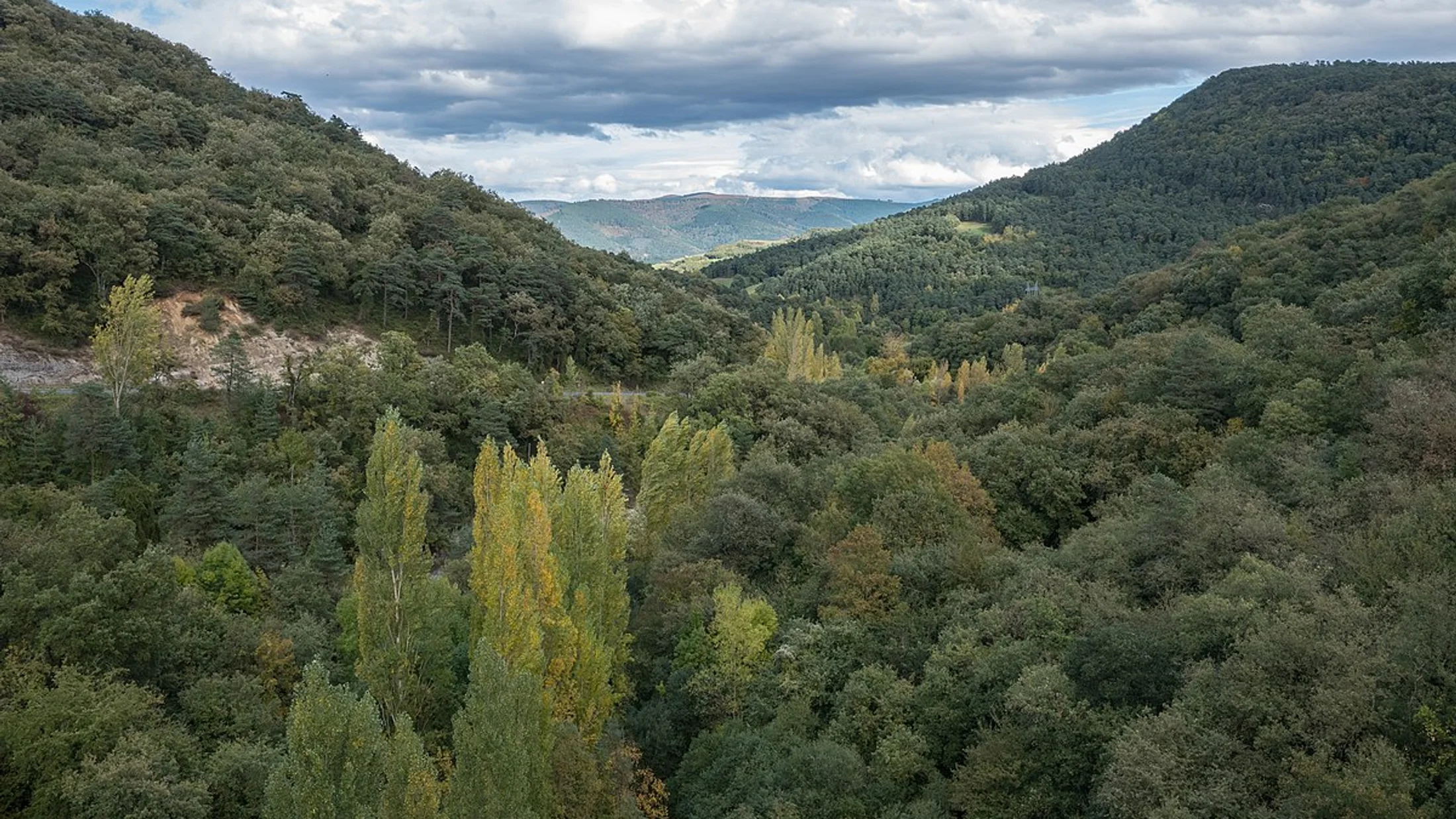
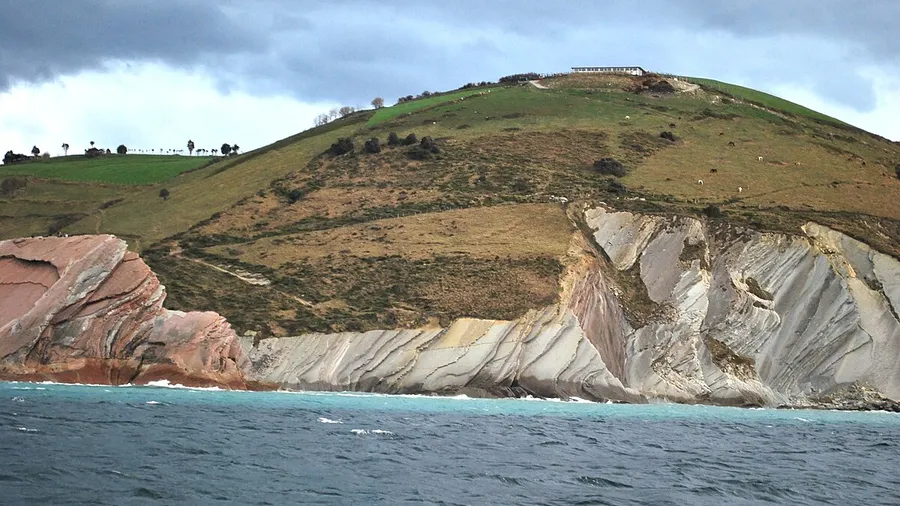
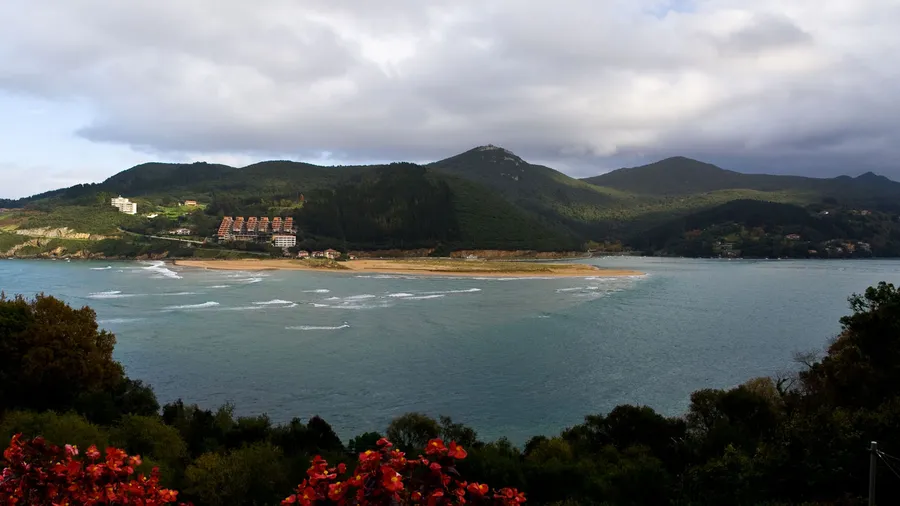
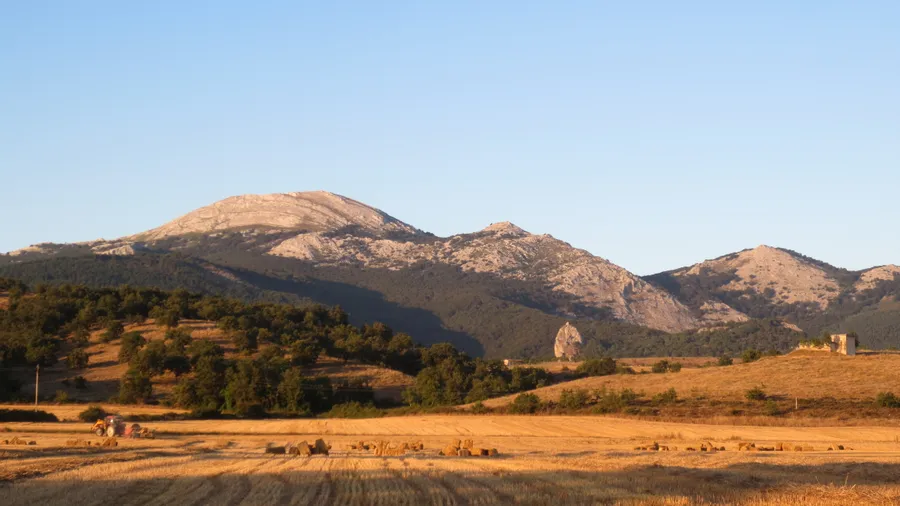
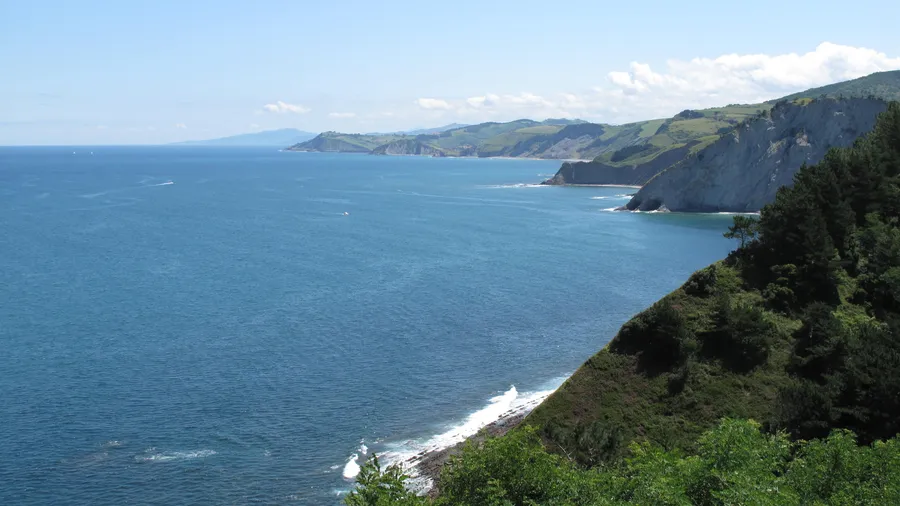
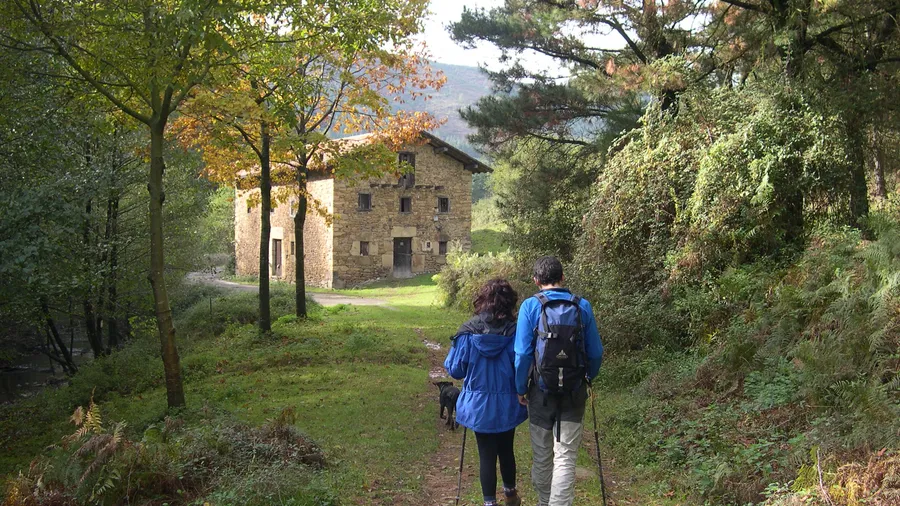
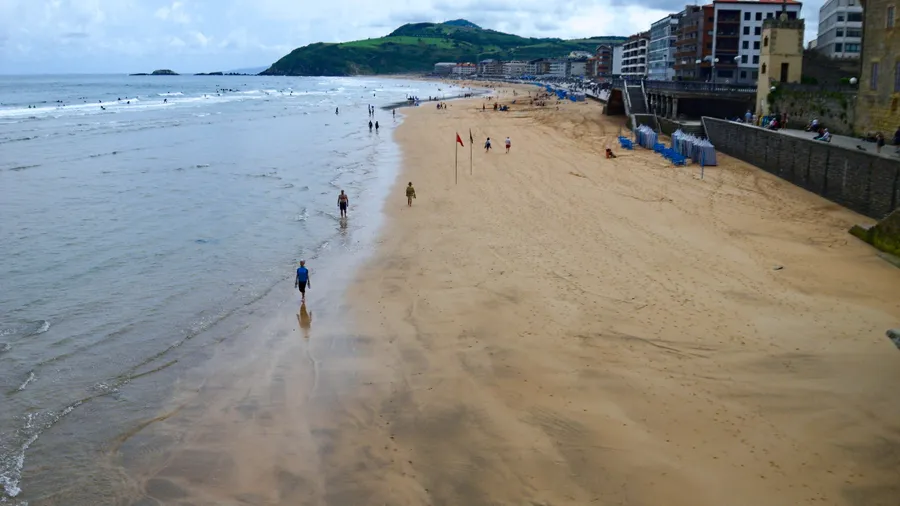
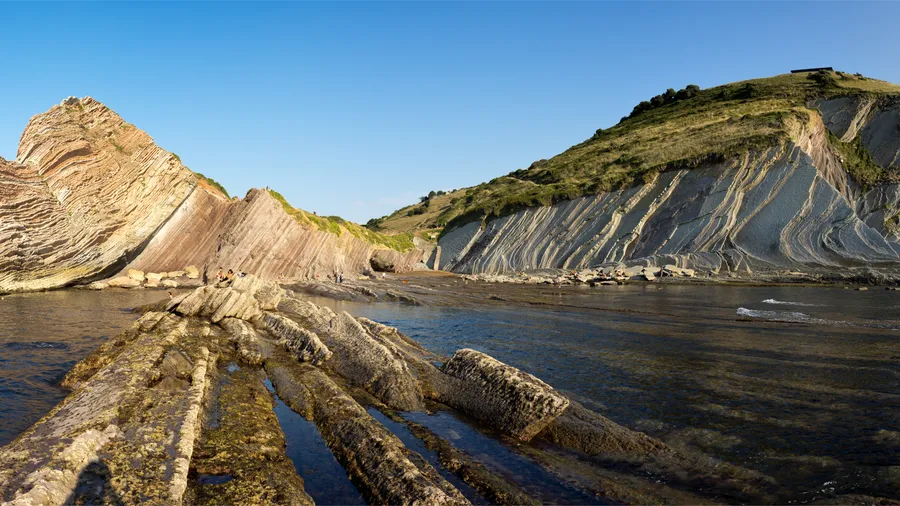
The Basque Country spans three provinces —Álava, Gipuzkoa and Bizkaia— across just 7,200 km² where the Cantabrian coast, the Álava plain and the pre-Pyrenean foothills coexist. The variety of ecosystems within such a short distance makes it possible to combine morning surfing with afternoon hiking without leaving the same area. Mundaka, on the Gernika estuary, has the longest left-hand wave in Europe: up to 400 metres of ride on big-swell days. The sandbar at the river mouth creates a hollow wave that has placed the Mundaka championship on the world surf circuit for decades. A few kilometres away, the flysch coast of Zumaia exposes 60 million years of geological strata in vertical cliffs over 100 metres high, explored by kayak or boat. Mount Gorbeia (1,482 m) is the high point of the Basque Country and the centre of a natural park bridging Álava and Bizkaia. Its short-grass summits and centuries-old beech forests allow ascents that are technically accessible but physically demanding. The Via Verde del Plazaola, a 39-kilometre former railway line converted into a cycling and walking track, links Irún to Pamplona through tunnels and iron viaducts overlooking the Araxes river. Basque cuisine is an activity in its own right. Pintxos —product-driven bites on bread, not improvised tapas— encode culinary technique in every bar counter in Donostia or Bilbao. Txakoli wine routes along the coast and Rioja Alavesa routes inland form a gastronomic circuit that combines winery, market and restaurant in the same day.
Highlights

  • • Surfing at Mundaka: Europe's longest left-hand wave, up to 400 metres of ride
  • • Sea kayaking beneath Zumaia's flysch cliffs, 60 million years of exposed geology
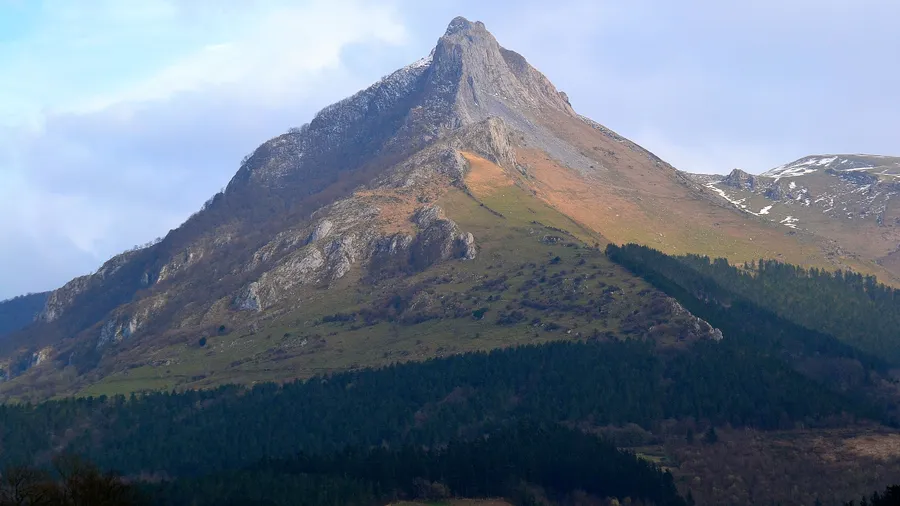
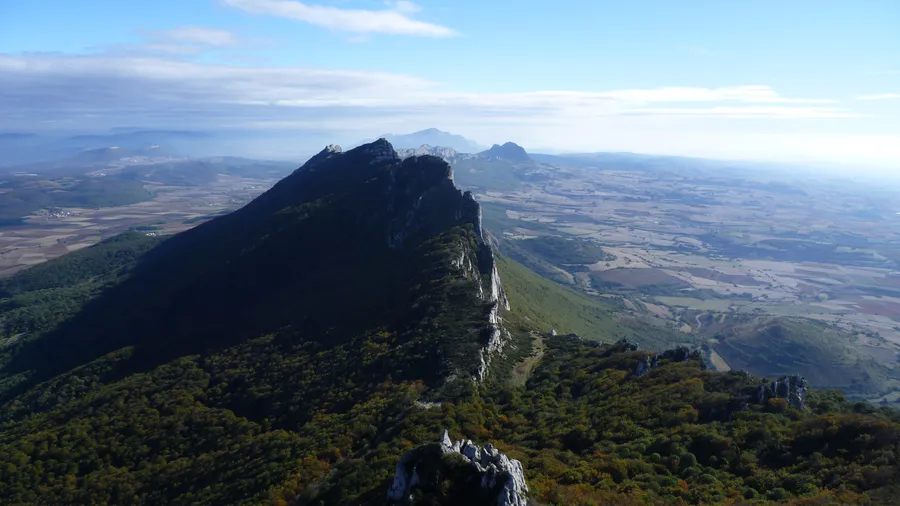
  • • Ascent of Gorbeia (1,482 m), the Basque Country's high point through ancient beech forest
  • • Via Verde del Plazaola: 39 km cycling through viaducts and tunnels of the pre-Pyrenees
  • • Txakoli wine routes and Rioja Alavesa wineries with guided tastings
  • • Pintxos routes in Donostia and Bilbao: product-driven cuisine at every counter

Best time to visit

October to March for surfing at Mundaka with consistent swell. April to June for hiking in Gorbeia and beech forests with fresh spring growth. August and September for cycling the Via Verde and flysch visits with long days and stable weather.

Practical tips

To surf Mundaka, parking in the village is limited; take the bus from Gernica or arrive before 9am during swell season. The Via Verde del Plazaola has no bike rental on the Basque section; arrange rentals in Lekunberri or Lecumberri at least a day ahead. For the Zumaia flysch, boats depart from the harbour on suitable tides: check schedules the day before as they depend on sea level. In Donostia, the best pintxos are often outside the most touristic part of the Parte Vieja; ask your accommodation about bars in the Gros neighbourhood.

Plans and activities en Basque Country
Las mejores experiencias y planes disponibles en Basque Country
60

What to see en Basque Country
Rincones, lugares y puntos de interés que no te puedes perder

Destinations & areas

Zonas y destinos turísticos en Basque Country
Frequently asked questions sobre Basque Country
The Mundaka wave works from October to March with northwest swells of 2 metres or more. Summer is quiet: the estuary has little swell and many swimmers. For reliable surf on the sandbar, choose days with offshore wind (south or southeast) and a rising mid-tide.
Yes. Boat trips run from Zumaia harbour covering the cliffs in 1.5-2 hours. The coastal paths of the Flysch Geozone also allow views of the strata from the clifftop. Kayaking gives a ground-level perspective from the base of the rock and access to some caves.
The standard route from the Barazar pass (Álava) covers 12 km with 750 m of elevation gain. It is a full-day hike with no technical difficulty: marked trail, no scrambling or exposure. The Bizkaia approach via Zeanuri is longer (16 km, 900 m) but passes through the Aldape beech forest, one of the densest in the Basque Country.
It is the former Plazaola mining railway (Irún-Pamplona), converted into a greenway from the 1990s. The 39 km Basque section crosses 6 tunnels and 4 viaducts between Lekunberri and Lecumberri. It can be cycled on a trekking bike (no technical skills needed) or walked; the full section takes 3-4 hours by bike.
Pintxos routes in Donostia (Parte Vieja) and Bilbao (Casco Viejo) are easy to do independently with a map of the best bars in each neighbourhood. There are also 3-hour guided tours with explanation of produce, history and food pairings. Tours add context on seasonal ingredients and preparation techniques.