Urkiola in half a day: nearby nature, clear summits and well-marked routes
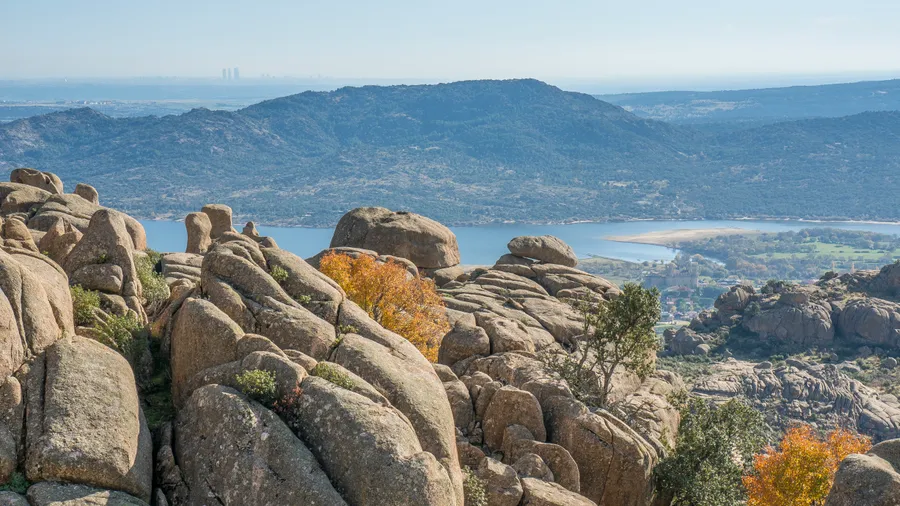
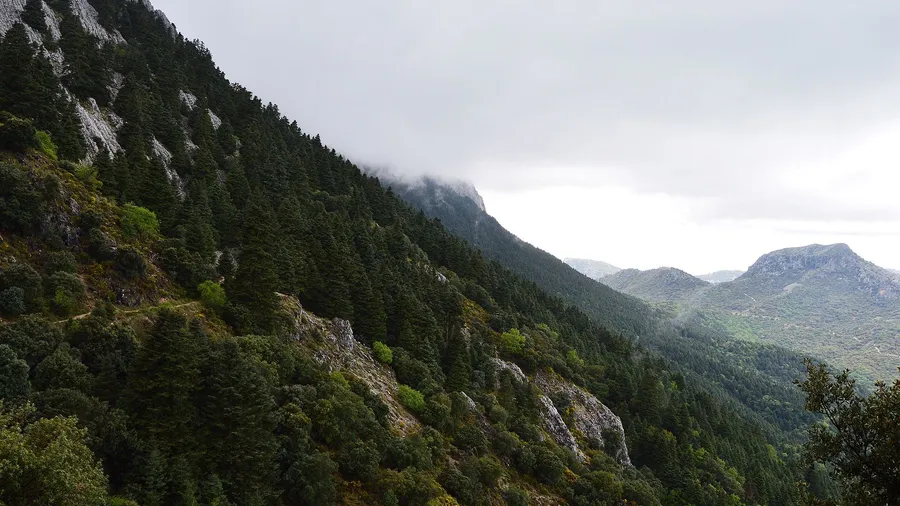
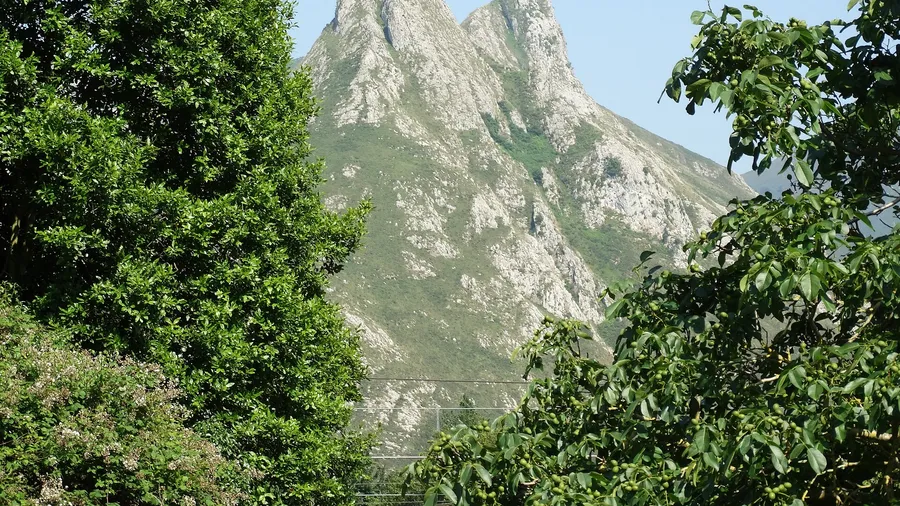
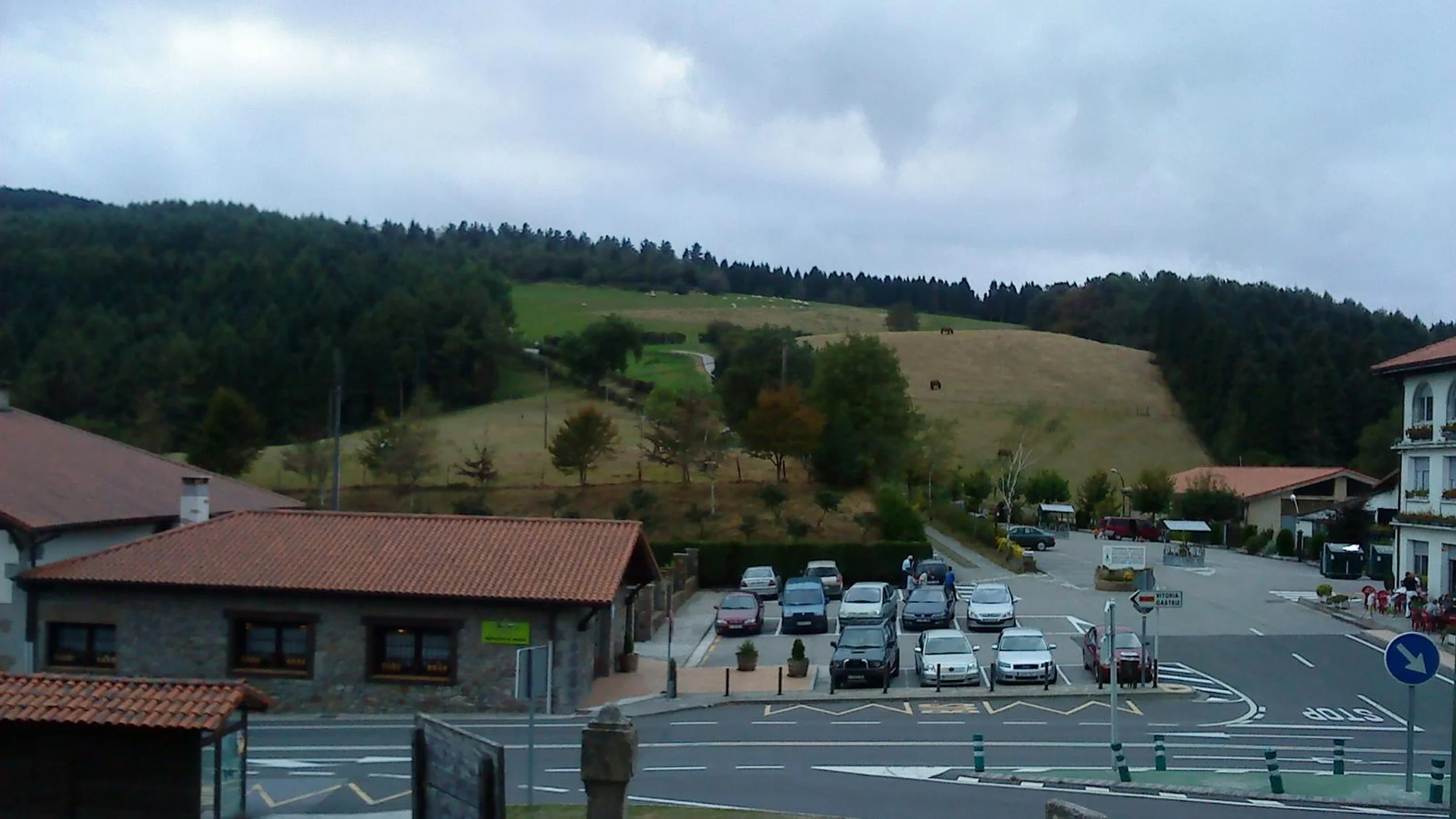
Urkiola is that getaway that fits into your schedule and leaves you with a smile on your face. From Bilbao, in 45–55 minutes by car you reach the Urkiola pass, in Abadiño, and you are already breathing beech forest, limestone rock and the clean wind of the mountain range. If you are looking for half-day Urkiola hiking routes, you will find variety here: gentle ridges, meadows where livestock grazes peacefully and paths through oak and European beech that climb without rush to viewpoints with views of Anboto, Alluitz or Gorbeia. Imagine the tinkling of cowbells in the background while your footsteps crunch on damp leaves. In 3–5 hours you complete a rewarding route, you return to Bilbao at a good hour and you have time left for a late lunch or a stroll through the Casco Viejo.
Urkiola, declared a Natural Park in 1989, protects a karst massif that has forged trades and traditions: herding, historic quarries and sanctuaries along the way. The Sanctuary of the Santos Antonios de Urkiola, next to the pass, has been a place of pilgrimage and a crossroads; its large stone cross overlooks like a mountain lighthouse. On clear days, the silhouette of Mari —the Basque goddess associated with Anboto— seems to be drawn in the clouds. This cultural context adds a layer to your steps: you are not just walking through a map, you are walking through a lived territory.
For half a day from Bilbao, Urkiola works for three practical reasons. First, logistics: clear road access and public transport options with bus routes from Durango via Areatza and Urkiola via Legutio. Second, the modularity of its routes: you can reach a summit and return via the same path, or complete a small circuit without getting lost. Third, the reward: you reach modest but panoramic summits, or gentle traverses of meadows and ridges without technicalities. A fresh gust at the Saibigain cross is worth more than a thousand stories.
In this guide, I propose three real routes, which fit between having breakfast at home and having a snack on your way back:
- Saibigain via the pass: the classic direct route with rounded views.
- Saibi and Saibitxiki (circular): a short loop to add two summits and vary the landscape.
- Urkiolagirre and Larrano: gentle ridge and meadows at the foot of Anboto, ideal if you like wide panoramas.
All three start from or touch the surroundings of the Sanctuary of Urkiola and share obvious tracks, marked crossings and firm terrain. I will give you distances, times and estimated elevation gains, as well as tips for choosing a direction, avoiding fog and managing water. Atlantic fog is fickle in the mountain range: a low cloud can turn a bright meadow into a world of greys in minutes. If you prefer forest and shade, you will find sections of European beech forest; if you are drawn to the ridge, you will have simple ridges with clean rock.
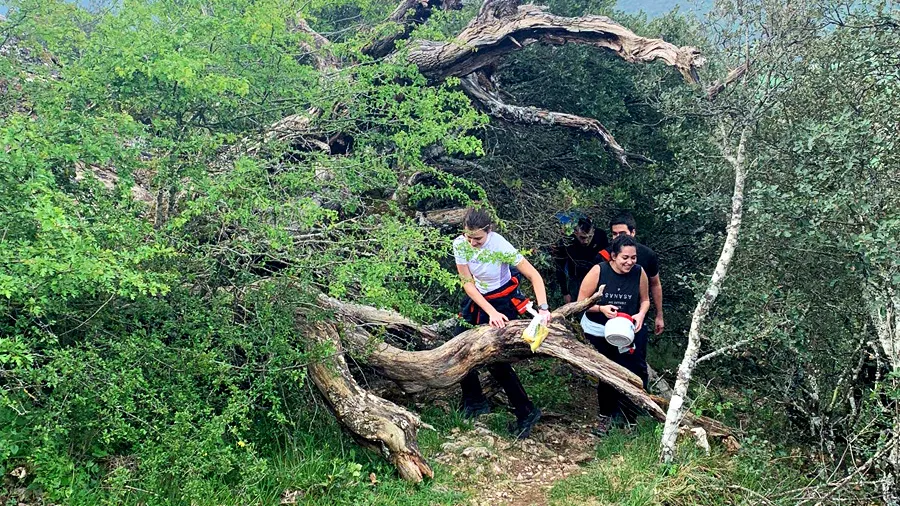
Urkiola is also a living community: shepherds with dogs, groups that go up on Sundays, schoolchildren discovering the beech forest and climbers in Atxarte when nesting allows. Your visit adds up if you respect closures, greet the flock from a distance and give back to the valley what it gives you: silence, low impact and perhaps a purchase in Durango or in the local farmhouses. If you are unsure whether to leave late or early, choose the morning: the light over Anboto in the early hours makes the early wake-up call worth it and leaves you margin for the unexpected. Bring a plan B if the wind blows or the fog closes in; here, deciding to turn back is also part of the game.
In the logistics section, I explain how to arrive efficiently, when to avoid traffic jams and how to coordinate schedules if you depend on trains and buses. Then, if you are tempted to extend your trip, I give you ideas for accommodation in Durango or nearby farmhouses, and gentle plans like the Sanctuary or the viewpoints at sunset. Choose your pace: Urkiola has a path for every rush and for every calm.
Picuco can help you
Does something here catch your eye?
Tell us.
Write to us on WhatsApp or email: we answer questions, find the best options and help you sort out the booking.
Write to us
We guide you based on the type of plan you have in mind and reply by WhatsApp or email.
How to get there without wasting time from Bilbao
Urkiola is just a step away from Bilbao if you choose your transport wisely. By car, you can reach the pass directly and quickly, and there is parking next to the Sanctuary.
If you go by public transport, combine Euskotren to Durango and then a bus to the pass. Calculate that last leg before leaving so you don't waste the morning waiting.
Car: times, routes and recommendations
From Bilbao, the Urkiola Pass is about 42 km and 45–55 minutes away under normal conditions.
If you prefer to avoid the toll, follow the N-634 to Durango and then the BI-623. The AP-8 has tolls, so calculate a small cost and confirm the updated rates before leaving if you use Vía-T or dynamic tolls.
When you open the car door at the pass, a fresh breeze blows through the European beech trees. To do half-day routes with plenty of light, leave early and arrive between 8:30 and 9:00, or opt for the afternoon and arrive between 14:30 and 15:30.
Driving on secondary roads adds scenery, but also curves. If you get motion sickness, prioritise the motorway and take short breaks. The last stretch has sharp bends: drive smoothly and allow extra time for the descent.
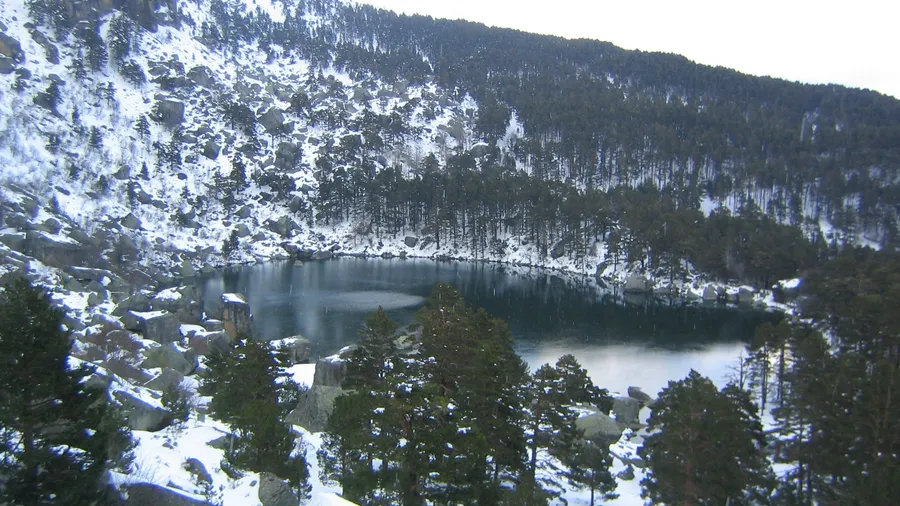
In winter, check the weather report before leaving: the snow line can drop to 800–1,000 m and the pass may record ice.
Public transport: bus, train and combinations
The Euskotren line towards Durango leaves every hour (60 minutes) on weekends and takes 40–50 minutes from the central stations of Bilbao. The total per trip is between 1 h 15 min and 1 h 50 min.
For a half-day outing, take trains between 7:30–9:00 and you will start walking between 9:30 and 10:30. At the Durango station, the smell of coffee mixes with that of damp wood when you head out for the next leg.
The day before, check the updated schedules on Euskotren (www.euskotren.eus) and Bizkaibus, and save the phone number of a local taxi from Durango in case the bus doesn't line up on the way back.
Parking and basic rules in the Park
Getting an early start solves almost all parking issues in Urkiola. The Urkiola Sanctuary, at the pass, has a large and free car park that fills up by mid-morning on weekends.
In Atxarte (Abadiño), you enter the gorge and the cliffs. Spaces are limited and the road is narrow, so respect the signage and any possible closures due to nesting. Climbing has restrictions: you cannot climb on the 4th and 5th spurs of Atxurtu between 1 January and 15 September, nor in Sagastakoba from 1 March to 30 June, nor in the yellow zone of the Labargorri-Eguzkiarre wall from 1 January to 30 June.
There are car parks next to the valley and the farmhouses, without invading access to estates.
Do not park in narrow ditches or on meadows: the terrain is fragile and emergency access must remain clear. Keep your dog on a lead near livestock and stay on the marked paths to avoid erosion.
Itxina is located northwest of the Gorbea natural park, in the municipality of Orozko (Bizkaia). Its highest peak is Lekanda (1,302 m) and the easiest access to the interior is through the "eye of Atxular", in the north-eastern part.
Where to extend your getaway: where to sleep and what to see nearby
If you want to turn the half-day trip into an overnight stay, the surroundings of Durango and the valleys of Atxarte and Atxondo offer accommodation and gentle plans that complete the experience. You sleep near the routes and the next day you can continue walking without having to return to Bilbao.
At the end of the day, the sun tints the ridges of Anboto orange. Book in advance if you are going on a weekend or a long weekend, and choose your accommodation according to the route you want to do the next day.
Where to sleep: Durango and rural options
Durango is a great solution for the night if you arrive late from Bilbao.
The town works well as a base to have dinner without a car and head out early the next day. If you leave Bilbao on a Friday afternoon, book there to arrive without rushing and have an early breakfast.
If you prefer the silence of a caserío, the rural houses of Abadiño, Atxondo, Mañaria or Otxandio have cosy rooms, breakfast with local produce and personal service. Atxondo brings together the ancient municipalities of Apatamonasterio, Arrazola and Axpe, and was a significant commercial centre due to the black jasper and copper from its mines.
The valley can be explored on foot via the old mining railway line, which operated until 1920: the greenway follows its path from Apatamonasterio. On the slopes of Pagazelaiburu, daffodils bloom between February and April.
Choose according to who you are travelling with. Couples appreciate caseríos with few rooms and a fireplace, near viewpoints or the Sanctuary for stargazing. Families look for gardens and multiple rooms, and it is worth asking about cots and breakfast times. Hikers need flexible check-in and the ability to leave their car or backpack after the route.
Activities and attractions: viewpoints, wildlife and the Sanctuary
Inside the Sanctuary, the smell of incense contrasts with the fresh resin of the forest upon exiting. Outside, Atxarte is a gorge of limestone walls, perfect for observing griffon vultures and choughs; please respect the signage regarding nesting during the season.
The Larrano meadows are high grasslands at the foot of Anboto, with Larrano at 981 m.
On the slopes, flocks of latxa sheep and cows graze, while the griffon vulture, the falcon and the red-billed chough soar overhead. Keep your distance, keep dogs on a lead, and bring some binoculars if you enjoy observing. Beech and oak forests cover the ground with ferns and mosses; in autumn, intense colours and mushrooms arrive, provided you respect local collection regulations.
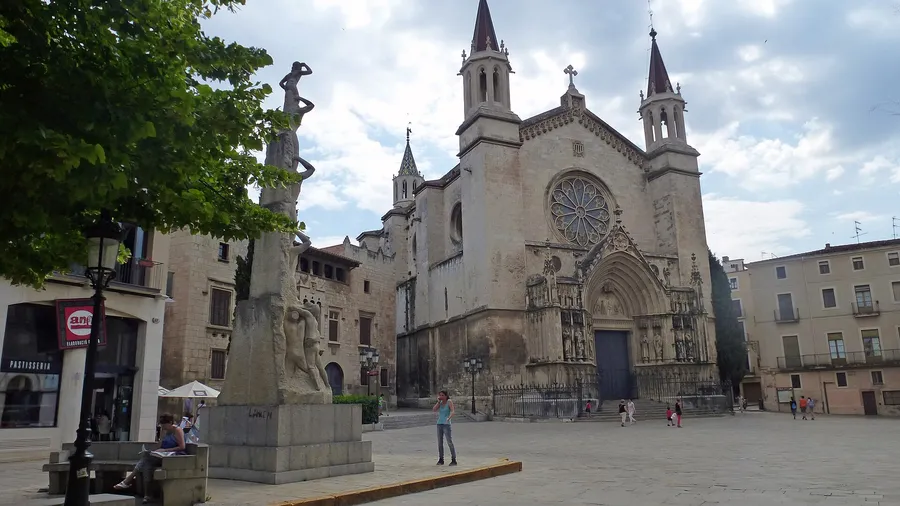
Durango completes the morning with its historic centre, the baroque tower of Andra Mari and the atmosphere of a Basque square.
For half a day, you have several combinations: a morning in Saibigain and an afternoon in the Sanctuary and viewpoint; a circular Saibi–Saibitxiki route with a walk in Atxarte to see the walls at sunset; or Urkiolagirre–Larrano and dinner in Durango.
Three perfect routes for half a day: from the pass to peaks and meadows
Three hiking routes depart from the Urkiola pass or its surroundings and can be completed in half a day, with moderate elevation gain. They are ideal for those arriving from Bilbao with the morning ahead of them who want to be back in time for lunch.
Choose the proposal according to the time you have and the elevation gain you feel like tackling.
1. Saibigain: direct path and panoramic views
A well-marked path leaves from Puerto de Urkiola and climbs to Saibigain through beech forests and moorlands.
The route starts next to the Toki Alai Interpretation Centre. At the top, a post-Civil War stone cross, an interpretation table, and a summit box await you. On clear days, the sea can be seen from the summit. The breeze at the cross smells of cut grass and warm stone.
The round trip takes 1 h 15 min, with 200 m of elevation gain: the path is obvious and the ground consists of rock and soil.
Go early to avoid the heat and the midday fog in summer. In dense fog, follow the cairns and the main path and do not stray from the track. Wear footwear with gripped soles, as the rock can be polished and wet after rain.
2. Saibi and Saibitxiki (Circular): classic half-day option
A circular route leaves from Urkiola that combines two summits in half a day: Saibi and the small Saibitxiki. Climb to Saibigain via the direct route or via Asuntze and, after the summit, follow the ridge towards Saibitxiki, offering another perspective of the valley.
The route passes by Saibi (at 1.9 km) and Saibitxiki (at 3.0 km). The difficulty is moderate, with a couple of short rocky sections on the ridge and without serious exposure. A soft hum of insects among the heath accompanies the short ridge.
Do it in a clockwise direction: climbing via the direct route to Saibi, continuing to Saibitxiki, and descending via Asuntze improves elevation management. The return journey closes via a track and path towards the Asuntze moorlands, with easy terrain until the pass.
The paths are marked with cairns, but at the moorland crossings, you must pay attention to your direction. The best panoramas towards Anboto are seen from Saibigain and from the col between both summits, so plan a short stop at Saibitxiki to have a snack sheltered from the wind. If fog appears, reduce your ambition and return via the ascent path to Saibi.
3. Urkiolagirre and Larrano: gentle ridge and high meadows
The Urkiolagirre–Larrano route traverses an easy ridge and high mountain meadows, designed for those who want a gentle route with a mountain atmosphere. It starts behind the Santuario de Urkiola and ends at the same car park, with the option to return via the same path.
From the Sanctuary, you climb via Asuntze to Urkiolagirre, near 1,000 m, a wide and comfortable summit. You continue south/southwest through hills and obvious paths until you overlook the Larrano moorlands, below the north face of Anboto.
It is 9–11 km of moderate difficulty: the ridge has no technical sections, but it does have open and windy stretches. There is a spring around the Sanctuary; in the moorlands, there may be seasonal points that are unreliable. The best time is spring, summer, and autumn.
With clear skies and little wind, you will enjoy the ridge more. If a gale blows, stick to Urkiolagirre and return. In fog, carry a map or an app and pay attention at the changes in the hills. The terrain has irregular limestone in sections: avoid smooth trainers and use poles on the descents.
Practical tips for a perfect half day
A light and well-thought-out backpack is more efficient than one loaded with "just in case" items. Carry basic equipment tailored to what you are going to do: it weighs less and you will actually use it.
Watch the ground and the rock carefully. Interpreting the terrain well avoids scares and saves you time on the path.
Decide the route early, when setting off or even before getting in the car in Bilbao. Leaving decisions until the last moment often costs minutes and a few detours.
Essential equipment for a half-day excursion
A light and well-thought-out backpack solves half the excursion in Urkiola. Whether you set off from Bilbao in the morning or after work, what you carry on you makes the difference in a windy pass.
Start with footwear: hiking boots or trainers with good soles, never smooth ones. Add a waterproof or windbreaker layer even if it is summer, because the pass is windy. Calculate 1–1.5 l of water per person: there are no reliable fountains on the route.
For food, a sandwich, fruit, and something savoury work well for short and effective stops. Carry your mobile with a high battery, a map or an app with the track downloaded offline, and a small power bank. Add a hat and sunscreen; in winter, thin gloves and a warm hat.
A mini first-aid kit with plasters, an elastic bandage, and your usual painkiller covers the basics. In summer, carry more water and add a cap, sunglasses, and a spare t-shirt. In winter, a thermal layer, gloves, and a buff, plus microspikes if there is ice on the tracks. With rain, a backpack cover and a waterproof bag for your mobile and documentation.
If you set off after work, prepare your backpack the night before and leave the car positioned to save minutes on the way there.
Signage, maps and route reading
In Urkiola, the main crossings have posts and markings, but some variations arrive without paint and are guided by cairns. The terrain mixes forest tracks, meadow paths, and obvious ridges, so it is advisable to know how to read it before setting off.
The Sanctuary, the large cross, the Asuntze meadows, and the ridge lines serve as visual references. The usual routes are direct ascents to Saibigain/Urkiolagirre and connections via the ridge. The GR-12 crosses the Urkiola park; its red/white markings can serve as a partial guide on certain sections.
Carry official maps from the Diputación or mountain apps with IGN maps. Download the track and activate flight mode to save battery. Check your location at crossings, not just at the summit.
Before each crossing, look up: the best line usually follows the crest. In fog, reduce your ambition and return via the known itinerary. Wild camping is prohibited within the limits of the natural park.
Safety and what to do in an emergency
Before setting off, inform someone of your plan and your estimated return time. Set a return time even if you haven't reached the summit. Check the weather report and any wind or fog warnings in the mountains.
In case of emergency, call 112 (SOS Deiak in Euskadi). Stay calm, seek shelter from the wind, and provide coordinates if you can, using a mapping app or the 112 app.
In case of minor injuries, immobilise, keep the person warm, and assess if you can descend accompanied; do not continue along ridges with sprains.
If you are in a group, mark stops at safe points and regroup before reaching the ridges. Assign a "sweeper" to ensure no one is left behind. With dogs, keep them leashed near livestock and in nesting areas, and avoid bringing them close to horses or cows with calves.
Frequently asked questions
How long do these routes take?: times and difficulty
Saibigain, round trip, totals 1 h 15 min of walking and 200 m of elevation gain, with easy-moderate difficulty.
The path starts next to the Toki Alai Interpretation Centre. At the top, you have a panoramic view from the summit, and along the way, you pass through livestock areas, forests, and a site of historical interest from the Civil War.
If you are short on time, climb Saibigain and return via the same path. On windy or foggy days, choose the shorter option.
By public transport, the journey from Bilbao takes 1 h 15–1 h 50.
Are they suitable for beginners?: level and recommendations
Yes, with nuances: there are options for beginners and others that require more experience. Saibigain via the pass is the best to start with, featuring an obvious path, moderate elevation gain, and the possibility of turning back whenever you want.
The Saibi–Saibitxiki circular adds a couple of rocky sections but without exposure. It is suitable for beginners with basic physical fitness if you allow 1 h 53 min and take breaks. Urkiolagirre–Larrano is longer and more exposed to the wind: it is advisable to have done similar climbs and know how to manage simple navigation.
The smell of damp earth under the European beech forest accompanies the steady pace of a beginner. With little ones, Saibigain works for children used to walking; avoid hot or foggy days. Not with strollers: it is better to use a backpack carrier and take short routes through the Larrano plains if you have doubts.
Keep water and food close at hand and agree on a realistic turnaround point. For a half-day trip from Bilbao, leave early to reduce the pressure of the clock. Carry a map or an app with the route and set a maximum return time. If there is fog, choose well-known out-and-back itineraries.
What is the best time to go?: climate and seasons
Choose your date according to what you are looking for and pack your backpack accordingly.
In spring, there are intense greens, flowering, and mild temperatures, with possible showers. Bring a waterproof jacket and watch out for mud in the European beech forests. In summer, mornings are cool and afternoons are hot: the pass ventilates well, but carry water and a cap and check the forecast for developing storms.
Autumn is the season of the European beech forests, with low light and ground covered in leaves. Keep an eye on daylight hours and moisture on the rock.
In winter it is cold, the days are short, and there may be ice or snow. A pair of microspikes and a thermal layer make all the difference. Northwesterly winds and fog are common and can reduce visibility in minutes.
In summer, it is advisable to start early to avoid the heat and full car parks. In winter, make the most of the middle hours of the day.
What restrictions or rules should you know?
Urkiola is a natural park and protects habitats and traditional activities, so it is advisable to know its rules before the route. Most are common sense and can be summarised in one idea: leave the mountain as you found it.
Overnight stays require authorisation and are not permitted in sensitive areas.
Zero waste: everything that goes up must come down, including cigarette butts. Respect closures, private tracks and meadows, and do not access farms with a vehicle.
For climbing and access to the walls of Atxarte, there may be temporary restrictions due to nesting; check the signage on-site. If the car park is full, do not invade narrow ditches: change areas or wait for the midday shift change.
If you come across a flock, give way, do not approach with dogs and close the gates. Stay on the marked paths to avoid erosion and the trampling of flora.
Can I combine the routes with visits to Durango or other activities?
Yes. The Urkiola routes fit into half a day, leaving the other half free to complete the day with other activities.
The transfer from Urkiola to Durango is 15 min by car (11.9 km).
Durango has varied dining options; it is advisable to book if you go on a weekend. On hot days, reverse the order: an early plan in the mountains and the afternoon in the shade of the arcades of Durango.
Book your experience — discover active tourism activities in Spain with local providers.
Conclusion
Urkiola fits into a short getaway: easy access from Bilbao, clear routes and a mix of ridges, beech forests and meadows. In half a day you can summit Saibigain, link Saibi and Saibitxiki or trek Urkiolagirre to the Larrano pastures.
Before setting off, decide on your time slot and choose the itinerary according to your mood. Carry light equipment: enough water, a windbreaker, a map or app and a clear return time.
If you go by car, arrive before 9:00 or after 14:30. By train, combine Euskotren to Durango with a bus or taxi.
You can round off the day with a walk through the Sanctuary or a visit to Durango. Urkiola is not exhausted in a single visit: in another season, the same path tells a different story.