Why the train turns the journey into part of the game
On a train with children, nobody is driving: you watch the landscape and they move around, peer out and ask questions. The journey stops being a chore and becomes the first activity of the day.
Tourist trains for families combine safety, comfort and surprise. Many have a historical or natural theme, with staff dressed in period costume and stops designed for children. Most offer spacious seats, onboard toilets and space to get up and stretch your legs, which reduces fatigue for the little ones.
Compared to the car, you avoid traffic jams and motion sickness from curves. Compared to the plane, you avoid queues and can keep more things at hand. And you learn without even noticing: railway history, geography from the window and contact with the local communities that maintain this heritage.
Two stops help you understand it as a family. At the Madrid-Delicias Railway Museum, you can see what a wooden carriage is like. The Sóller Railway, running since 1912, shows how a rack railway works and why a narrow-gauge track winds better through the mountain.
This guide brings together practical fact sheets for 10 tourist trains in Spain, itinerary ideas for half a day, a full day and a weekend, and specific tips. To use it, choose the area, compare durations and seasons, check accessibility and estimated prices, and combine the train with a nearby activity.
Picuco can help you
Does something here catch your eye?
Tell us.
Write to us on WhatsApp or email: we answer questions, find the best options and help you sort out the booking.
Write to us
We guide you based on the type of plan you have in mind and reply by WhatsApp or email.
Where they are and when to go: the family mind map
Tourist trains are spread across Spain with a high concentration in the north and in Catalonia, good options in the centre and some proposals in the islands. Choose according to your starting point and the time of year: the experience changes significantly.
In the Atlantic north, you have El Transcantábrico for luxury and scenery, and mining trains and museums with occasional trips over mining and industrial heritage. Spring and late summer work best, when the rain is milder. The Tren de la Robla travels through León, Palencia, Cantabria, Burgos and Vizcaya.
Catalonia adds the Cremallera de Núria for mountains and snow, the Cremallera de Montserrat (in the Bages region, Barcelona province) and the Tren dels Llacs between Lleida and La Pobla de Segur as a classic scenic route. Spring and autumn avoid heat and snow, except for Núria, which also works well in winter. In the centre, the Tren de la Fresa travels the Madrid–Aranjuez route and offers services on spring and autumn weekends.
In the Balearic Islands, there are the Ferrocarril de Sóller and its tram to Port de Sóller. Spring and autumn are the most comfortable seasons; in summer, it is advisable to book early and avoid peak hours.
To organise your day, check the duration of each journey:
- Short journeys of 1–2.5 h round trip or half a day: the Cremallera de Montserrat takes about 15–20 min per journey from Monistrol-Vila, the Ferrocarril de Sóller about 60 min between Palma and Sóller, and the Tren de la Fresa about 50–60 min between Madrid and Aranjuez, with round-trip services during the day.
- Full day of 4–8 h with stops and visits: the mining trains with museum and workshops.
- The Tren dels Llacs (Lleida–La Pobla de Segur) allows for excursions or picnics, and the outbound journey lasts nearly two hours.
- Several days with luxury and overnight stays on board: El Transcantábrico (7–8 days, Atlantic north) and Tren Al Ándalus (6–7 days, Andalucía).
The calendar rules. In spring (March–May) there is flowering in valleys and mild temperatures; the Tren de la Fresa typically operates some weekends, so it is advisable to confirm at the Museo del Ferrocarril de Madrid. In summer (June–August) there is more crowds and heat on the coast and in the islands, and you should book in advance; in the Pyrenees, the days are longer and the nights cool, a good time for the Tren dels Llacs.
Autumn (September–November) brings colours to forests and vineyards, the end of the harvest in La Rioja and Rioja Alavesa, and pleasant temperatures in Andalucía for the Tren Al Ándalus. In winter (December–February) you have snow in Núria and tranquillity in Montserrat outside of public holidays; some seasonal trains do not operate or reduce frequencies, so check the official calendars.
Public holidays and local events increase prices and occupancy and change the schedules of museums and funiculars: Holy Week in Andalucía, May and October long weekends in Madrid and Catalonia, harvest festivals in Rioja in September or summer fairs on the coast. On the north coast, bring a light raincoat even in summer; in high mountains, an extra layer saves the afternoon when the wind cools the platform.
How to get there, check schedules and make connections without stress
Getting to the starting point is already part of the plan. Choose the most direct means depending on the city and the type of train, and calculate the connection time before buying your ticket.
For urban departures such as Madrid-Delicias, Palma or Lleida, the Cercanías, the metro or the urban bus will leave you just a few minutes' walk away. For rack railways and mountains, such as Montserrat or Núria, combine the regional train with the rack railway itself.
These are the most commonly used connections:
-
In Madrid, the Tren de la Fresa departs from the area around the Railway Museum, at the Madrid-Delicias station, depending on the season and the location of the Railway Museum.
-
For Barcelona–Montserrat, take the FGC R5 to Monistrol de Montserrat.
-
If you are coming from another region, the AVE or Alvia to Madrid, Barcelona or Lleida reduces travel times; calculate an extra 30–45 min for connections.
-
In Mallorca, arrive by flight or ferry to Palma; the Sóller Railway departs from the Sóller Station, in Plaza de España (interchange).
-
A car is useful for mining trains or poorly connected valleys; look for car parks near rack railway stations or museums.
Check schedules and sales on the official websites of each operator: the Madrid Railway Museum for the Tren de la Fresa, the Sóller Railway and FGC for the rack railway and Tren dels Llacs. Many tourist trains open sales for specific seasons and weekends.
Buy online to secure seats on key dates. At the ticket office, arrive with a 30–45 min margin.
If you are travelling with a wheelchair, confirm by email in advance: many tourist trains have portable ramps and multi-use spaces. Folding strollers are usually accepted on board on platforms or at the ends of the carriage, preferably compact umbrella types. On rack railways and historic trams, access may have high steps, so ask for assistance at the station and arrive with a margin.
Print your tickets or carry offline screenshots: in mountain areas, coverage may fail just as you board. For premium experiences such as El Transcantábrico or Al Ándalus, ask in writing about the conditions for admitted ages, cots or extra beds, cancellation and insurance.
Sleeping near the station: accommodation that makes life easy
Sleeping a stone's throw from the station cuts down on transfers and improves rest for the whole family. In historic railway destinations, the station is usually in the centre or at the foot of the mountain, so look for accommodation that you can reach on foot or with a short transfer by bus or taxi.
City family hotels work well for early morning departures: flexible check-in, early breakfast, and luggage storage. You will find them in Madrid, Palma or Lleida. Apartments with a kitchen allow you to have dinner early and prepare breakfast, and the washing machine takes care of mountain clothes; they work well in Sóller, Aranjuez or Monistrol. If you are looking for nature on your doorstep and nocturnal silence, rural houses and mountain hotels fit perfectly in Núria (valley) and around the Tren dels Llacs.
Note these points before booking:
- The station, 5–10 min walk or 10–15 min by bus.
- Cot or sofa bed, microwave, bottle warmer, high chair at breakfast and children's menus nearby.
- Parking if you arrive by car and luggage storage to leave your bags after check-out and catch the last train.
- Interior rooms in central areas and breakfast from 7:00 if your train leaves early.
- With babies, blackout curtains for naps and controlled indoor noise.
Book in advance during high season (Easter, summer, May and October long weekends) and during local events such as the harvest in Rioja or patron saint festivals. Compare train+hotel packages, when they exist, with separate purchases to see if they are worth it.
Use "families", "free cot" and "kitchen" filters, and check the photos of the bathroom to plan how to bathe the little ones. In the mountains, ask about adjustable heating and a ventilated space to leave boots and wet clothes. In departure cities (Madrid, Barcelona, Palma, Lleida), compare accommodation near transport hubs; in valleys like Núria or Montserrat, check the websites of the mountain complexes themselves and the lift schedules.
10 trains where the train is the adventure for children
1. Strawberry Train: a historic journey to Aranjuez from Madrid
The Strawberry Train connects Madrid and Aranjuez on a period journey, with wooden carriages and stewardesses dressed as in the 19th century serving typical products from Aranjuez. It departs from the area around the Railway Museum, at the Madrid-Delicias station, and in about 50–60 minutes it leaves you next to the gardens and the Royal Palace.
Children are captivated by the historic carriages, the staff dressed as in the 19th century, the strawberry theme and the large windows to look out over the Tajo river plains. The train operates on weekends in spring and autumn, and the trip is made round trip in one day.
The family plan fits well: take the morning train, stroll through the Príncipe Garden and its ponds, make a brief visit to the Royal Palace with its featured rooms, eat a picnic or an early menu of the day and return on the afternoon train. Book in advance, arrive 30 minutes early and bring a cap for the gardens. Boarding is assisted and there is limited space for strollers, so it is advisable to check the availability of ramps.
2. Sóller Railway: classic wooden train through Mallorca
A train in motion since 1912 crosses 13 tunnels and reaches Sóller in about 60 minutes. It is the Sóller Railway, a private narrow-gauge line that departs from Palma and hooks children from the very first tunnel.
The wooden carriages, the tunnels and the viaducts are the main attraction for children. As it emerges into the orange groves of the valley, the train is filled with light.
In Sóller you can connect with the tram to Port de Sóller and see the sea. The train takes approximately 1 h and the tram between Sóller and the Port takes 15–20 min.
The tram departs from Sóller next to the historic train station, in the town centre, and in Port de Sóller next to the promenade. It costs 10 € per trip and runs every 30 minutes from 08:00 until 19:30 (last one at 20:35).
It is advisable to travel in the direction of travel and near the window to let in the breeze in summer. There are high steps on the historic rolling stock: ask for help in Palma or Sóller for strollers.
In the old depot of that same station, there is a pictorial exhibition, "50 landscapes of Mallorca".
An itinerary that works: leave Palma on the first train, stroll through the Plaza de Sóller, take the tram to the port to splash about on the beach and return in the mid-afternoon. Buy in advance during high season to ensure adjacent seats.
3. Tren dels Llacs: Pyrenean lakes and picnic with views
The Tren dels Llacs covers 89 kilometres between Lleida and La Pobla de Segur. The ascent is slow and lasts about 2 h, so children have time to count tunnels and look for eagles above the cliffs.
On board, there is a tour guide who explains the history, geology and nature of the route. It is a comfortable plan for families: alpine landscapes without effort, peaceful stations and space to move around. According to the tourist service, there are stops to stretch your legs in Tremp or La Pobla.
It runs on selected Saturdays from spring to autumn, so plan for a full day including the return trip and stops. The ticket allows you to return to Lleida on a regular FGC train up to six days later, and you can transport bicycles. Book on the official website and buy your tickets well in advance.
A mini-itinerary that works: go up in the morning, have lunch in Tremp, stop by a playground near the station and continue to La Pobla for an afternoon snack with views of the water before heading down. Bring a hat, sunscreen, a light windbreaker and closed-toe shoes for easy walks, as well as snacks to avoid queues at your destination.
4. The Transcantábrico: slow luxury through the north, with nods to families
The Transcantábrico is a hotel train that travels along the Cantabrian Sea between San Sebastián, Bilbao, Santander, Oviedo, Gijón and Santiago de Compostela, with variable routes. The full journey lasts 8 days (7 nights) between San Sebastián and Santiago de Compostela. There are also short routes of 4 days (3 nights) from Oviedo to San Sebastián or from Santiago de Compostela to Gijón.
The suites have a double bed, air conditioning, telephone, minibar, wardrobe, luggage rack and a bathroom with a hydromassage shower and sauna. The train includes four lounge cars, seven sleeping cars, one dining car and generator and service vans.
The pace is gentle, with short guided visits and time to rest on board. At low speed, the murmur of the Atlantic seems to seep through the joints of the carriages.
Some departures accept minors: confirm minimum ages and crib availability before booking. The usual season is spring–autumn.
The indicative price is €9,900 (2026) and €11,100 (2027) per person in Grand Luxury Suite, 8 days/7 nights. Places are very limited (28 travellers per departure), so it is advisable to book in advance.
If your little one is restless, consider shorter railway sections or experiences in the same region: narrow-gauge trains along the coast, local railway museums and mining trains.
5. Al Ándalus Train: cultural Andalusia on historic rails
The Al Ándalus Train carries lounge cars and dining cars from the 1920s, restored and originally built in France for the British royalty. It travels for 7 days and 6 nights between Seville and Madrid, with stops in Córdoba, Jerez de la Frontera, Cádiz, Mérida, Cáceres, Toledo and Aranjuez. Granada, the Alhambra and Ronda are no longer part of the current route.
The historic carriages and cabins call to children, and the trip leaves quality time for adults. The visits are iconic and abbreviated, designed so as not to exhaust the little ones. The carpeted floors cushion footsteps while the olive grove and mountain landscapes pass by in slow panoramas.
Spring and autumn are the best seasons, when the heat is more manageable for families. Book early, because departures sell out. Before booking, check the policy for minors and the availability of extra beds.
If the whole week doesn't fit, you have an alternative: a trip through Andalusia linking cities on regular trains. The mini-itinerary could be Seville 2 nights (Royal Alcázar and park), Córdoba 1 night (Mezquita and courtyard) and Ronda 1 night (bridge and viewpoints), with transfers on conventional trains and a pace adapted to the little ones.
6. Robla Train: railway history and landscapes of the interior North
It is a vintage train with modern comforts: three lounge cars, bar service and large windows to take in the landscape.
Renfe tickets for round trips must be requested when booking or in advance.
Families will find views of the landscape, a relaxed pace and visits to industrial sites, caves and villages. The trip is complemented by mining museums, short nature routes, castles and recreational areas. In the workshops, it smells of metal and the old whistle sounds: it feels like a living museum.
With children, it is advisable to alternate the journey with free play in parks or meadows near the stations to burn off energy. A basic itinerary works well: a train day towards the interior, a visit to a railway or mining museum, a relaxed lunch and a short walk to a viewpoint before returning or staying overnight.
7. Núria Rack Railway: the train that climbs to the valley of play
The Núria Valley Rack Railway climbs from Ribes de Freser and Queralbs up to the sanctuary and the Núria lake. It overcomes a steep gradient with a system of teeth on the track: the rack, a gear that allows it to climb steep slopes.
During the journey, you can hear waterfalls. Upon arrival, the fresh air smells of damp grass or snow depending on the season.
In winter there are sledges and ski debuts; in summer, outdoor games. The ticket costs between 15 and 35 € per adult, return, and it is advisable to buy it online due to capacity limits. Train users have free parking.
You can download a free audio guide with the SmartGuide app, in Catalan, Spanish, English and French. Bring layers, a cap and sunscreen, even on mild days: it gets chilly up there.
The plan that works best is to take the first rack railway, walk in a circle around the lake, have a picnic and stop for a good while in the play park. If you go in winter, book the sledges and play areas in advance.
8. Montserrat Rack Railway: iconic mountain and brief adventure
The Montserrat Rack Railway climbs from Monistrol de Montserrat to the monastery in about 15–20 minutes and overcomes a 600 m gradient between conglomerate peaks. It is the only means of transport that reaches the centre of the Montserrat Mountain Sanctuary grounds, with a route of more than five kilometres.
With little ones, it is an easy plan: it doesn't last long and mixes nature and culture. As the mountain appears, the train feels like a panoramic lift.
Up there you have the monastery, a museum, a large square for running, viewpoints and two funiculars, Sant Joan and Santa Cova, to expand the adventure. The stations have ramps and lifts, and folding strollers are not a problem. There is free parking with 900 spaces for cars and coaches.
It is advisable to leave early and avoid summer middays and public holidays. Return tickets for adults (14 to 65 years) cost between 9,00 € and 15,00 € depending on the season, and there are combined tickets with funiculars.
A mini-itinerary that works: the first rack railway of the day, a brief visit to the monastery, the Sant Joan funicular for a view and a short marked path, a snack and the descent before rush hour.
9. Wine Train (La Rioja): landscape and culture adapted for little ones
Departures are scheduled on specific weekends during the harvest season, and you can return on Sunday.
Each edition is different, so check the official calendars and family proposals before booking. The approximate price is 109 euros for adults and 89 euros for children.
Vineyard landscapes, wine museums with children's workshops, and wineries with non-enological activities work well with little ones. In autumn, the air smells of grape must and dry leaves in the vineyards.
To adapt the day, prioritise interactive museums, gentle cycling routes through the vineyards, and early meals. Avoid long tastings and look for juice workshops and outdoor games.
If there is no scheduled departure, take a regular train to Logroño or Haro and visit the family museums. Combine it with an urban park and a stroll through the historic centre.
10. Northern mining trains: living heritage to explore with a helmet
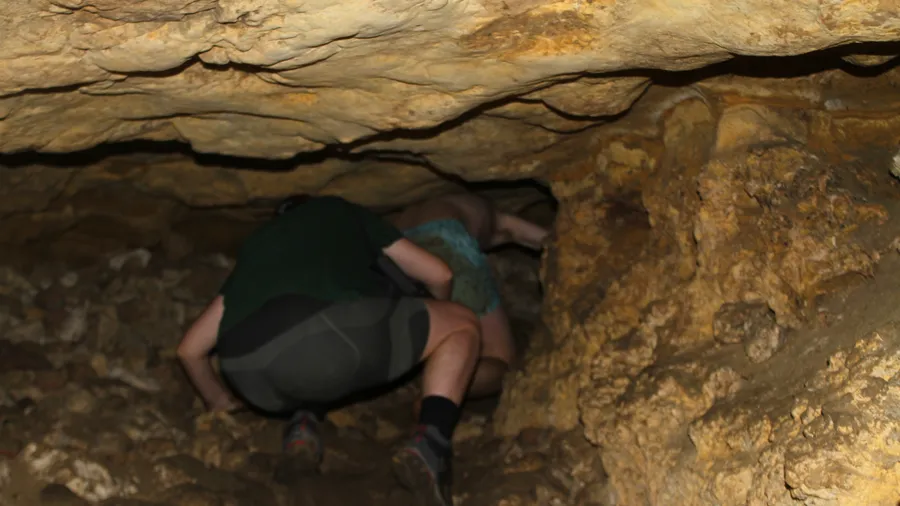
In Spain, there are trains that enter real mining galleries, such as the route through the Socavón Emilia. Many are combined with rolling stock museums, so the visit takes up a good part of the day.
The route through the Socavón Emilia is the longest train journey through a real mining gallery in Spain. Children are fascinated by the helmets, the lamps, and wagons very different from passenger ones, and they listen to miners' stories with adapted demonstrations.
Prices change depending on the centre: in El Soplao, children aged 4 to 16 pay €12.50; in the Samuño Ecomuseum, €4. It is advisable to book a spot by telephone or via the website.
Always follow the rules inside the galleries, and wear closed footwear and a light jacket. You can complete the plan with mineral workshops, nearby parks, and recreational areas by rivers.
An itinerary that works: mining train and museum in the morning, lunch nearby, and an afternoon of games in a riverside park. If it rains, swap the afternoon for a regional railway museum.
At El Cadavíu station, there are two car and bus parking lots, with spaces for people with reduced mobility, and a parking and overnight area for motorhomes with basic equipment.
Suggested activities and itineraries for families
Activities and attractions at every stop
Combine the journey and the stops: this way children associate the train with play and discovery. Plan blocks of 60–90 minutes per activity to avoid the "I want to go home now" feeling.
In Núria, there is a perimeter circuit around the lake. The Tren dels Llacs runs the line between Lleida and La Pobla de Segur, with Tremp as an optional stop. In Aranjuez, the Jardín del Príncipe has shade and ducks for free play.
The railway museums in the departure cities (Madrid-Delicias, Gijón) and the interpretation centres of the valleys complete the day. The Asturias Railway Museum, in Gijón, occupies part of the old Gijón Norte station, in the Plaza de la Estación del Norte. The Madrid Railway Museum, in Delicias, is housed in a large central shed with locomotives, railcars and passenger carriages.
In Aranjuez, there are palaces with shortened tours and educational materials. On special days, wood workshops or "little drivers" workshops and scavenger hunts through historic stations are organised.
Choose according to age. For 5–8 years, short routes with an objective (viewpoint, lake), trams and mining trains. For 9–12 years, light challenges (counting tunnels, birdwatching) and museums with experiments and photography.
The getaway framework that works best: departure in the morning, two dosed activities and return before exhaustion sets in.
Suggested itineraries: half day, full day and weekend
A timetable skeleton avoids unforeseen events and waiting while hungry or sleepy. Pack sandwiches in your backpack and the plan will hold up on its own.
Half day (4–5 h). Depart on the first or second train, between 8:00 and 10:00. Reserve 60–90 min for the main activity: a garden, a park or a short funicular. Afterwards, a snack, a heavy afternoon tea or a 30 min picnic. Close with a short walk back and the return train, between 12:00 and 14:00 or between 16:00 and 18:00.
Full day (7–9 h). Take the morning train, between 8:00 and 9:30. Dedicate 60 min to a shortened cultural visit, a palace or a monastery, with family-friendly materials. Eat early, between 12:30 and 13:30, and leave 90 min for a playful activity: park, lake or beach. An ice cream or a 30 min snack and return before sunset.
Weekend. Split the half day and the full day into two days and leave Sunday morning for the return train. This way, children arrive home without the accumulated fatigue of two consecutive days.
-
Day 1: transfer to the destination and tourist train in the afternoon; quiet dinner and rest.
-
Day 2: morning of nature or museum and return after lunch.
This way the trip does not drag on and children arrive home without becoming exhausted.
This plan fits with the mining trains of the north, with the combinations in Rioja and with the mountains of Catalonia. Choose only one activity in the morning and leave the rest for another getaway.
With children aged 0–4 years, allow 60–90 min naps between activities. From 8 years onwards, you can add a second funicular or a slightly longer route (≤4 km, little gradient).
Always reserve a "wildcard" in the planning in case a viewpoint is more attractive than expected. Calculate the departure after lunch and confirm the return train schedule before leaving home.
Practical tips for travelling on tourist trains with little ones
Essential checklist for tourist trains for children
A train trip with children is enjoyed more if sleep, hunger, and cold or heat are sorted before boarding. Prepare two or three "lifesavers" for unforeseen events and stress goes down while fun goes up.
Before setting off, gather the documentation and tickets: ID or passport if applicable, health cards and printed or downloaded tickets to use offline. Also save the confirmations for schedules and activity bookings.
For health and weather, carry a mini first-aid kit with plasters, a thermometer, paediatric antipyretic, sunscreen and mild repellent. Layered clothing works well: windbreaker, cap or hat and an extra garment for the little ones.
Food and water solve a good part of the waiting. Pack filling snacks (fruit, nuts if there are no allergies, sandwiches) and reusable bottles; for bottles or baby food, thermoses and access to a microwave in the accommodation or in picnic areas.
For entertainment and comfort, pack small books, a notebook and pencils, cards and stickers, and downloaded audiobooks. A light blanket or muslin for the nap and an eye mask if there is a lot of light complete the kit.
Regarding onboard logistics, a folding umbrella-style stroller and a baby carrier for tunnels and stairs made of historic material will save you trouble. Add bags for rubbish and wet clothes, wipes and hand sanitiser.
Book adjacent seats in advance and choose a window seat and facing the direction of travel if the little ones get motion sickness. Arrive 30–45 min before to board without rushing and store the strollers.
Two tricks that work: prepare a "crisis kit" with two favourite snacks, a surprise toy and tissues, and use it only during long waits. Adjust the nap to the outbound or return journey so that the return is calmer.
Frequently asked questions
Before boarding a tourist train with children, these quick answers help you prepare the day and resolve the most common doubts about schedules, bookings and safety onboard.
What ages are suitable for these trains?
You can also travel with babies, as long as the journey is short and you carry a baby carrier. Beyond that, age changes the experience: between 4 and 10 years is when the theme and the landscapes are enjoyed most.
If you choose a luxury train, confirm the policies for minors and the availability of cots with the operator beforehand. This way you avoid surprises when boarding and adapt the trip to your children's age.
Can I bring a baby stroller?
Yes, you can bring a baby stroller, better if it is folding and lightweight. On trains with historic material there may be high steps, so it is advisable to go with help.
Arrive at the station with plenty of time and ask the station staff for help to carry the stroller on and off.
Are there children's menus or microwaves?
Not all tourist trains have catering onboard. Before setting off, bring snacks and plan meals at the destination, especially if the trip coincides with the children's mealtime.
In premium experiences there are usually adapted menus for children, but you have to request them in advance. Ask when booking and confirm the menu a few days before the trip.
How to get discounts for children and families?
Many tourist train operators have reduced rates for minors and family packs. Before booking, check the calendars and seasonal promotions for each train.
Buying in advance usually offers better prices. If you are travelling in a group, compare the family pack with individual tickets: sometimes one option or another works out better depending on the number of children.
What do I do if the weather changes suddenly?
The weather on a tourist train trip can change in a few hours, and it is wise to plan for this when travelling with children. Bring extra layers of clothing for the little ones: a sweatshirt and a raincoat take up little space and solve a cool morning or a sudden rain shower.
Before setting off, have an indoor alternative plan ready, such as a nearby museum or a shortened version of the route. This way, if the sky closes in, the day still makes sense for the whole family.
Before buying tickets, check the train's change and cancellation policies. And save useful phone numbers on your mobile to consult them offline when coverage fails at the station or mid-journey.
How do I organise transfers without stress?
Transfers are easier to manage if you plan them before you leave. Buy combined tickets when they are available: you save time in queues and gain time with the children.
Leave 20–30 min between the train and the funicular or the rack railway. That margin absorbs delays and lets you walk without rushing.
Check the last return service so you don't schedule the end of the day too tightly. This way, you return with a margin and without rushing.
Book your experience — discover active tourism activities in Spain with local providers.
Conclusion
Travelling by train with children is play, learning, and rest for the whole family. With the selection of tourist trains, model itineraries, and the checklist, you have a clear plan to enjoy without surprises.
Choose the season according to the destination, buy in advance, and combine the journey with an outdoor activity or a brief visit. For the trip, bring layers, water, snacks, and extra time to board calmly.
If you are unsure between several options, start with the shortest and most central ones (Aranjuez, Montserrat, Sóller) and expand to mountains or luxury once you see that the format suits your family.
Travel without rushing: the train, this time, is already the adventure. The gentle rattling and the landscape framed by the window turn every kilometre into a story.