What to do in Spain

Plans, activities and things to see in Spain

Discover Spain

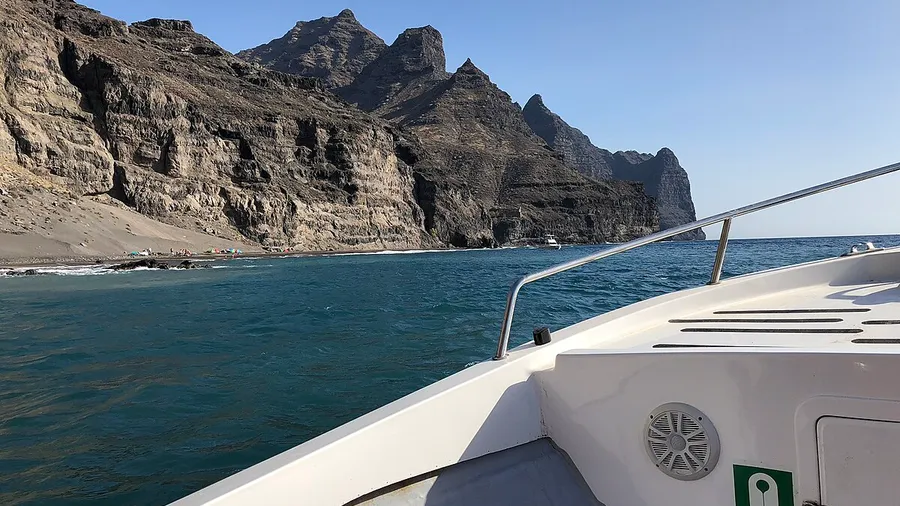
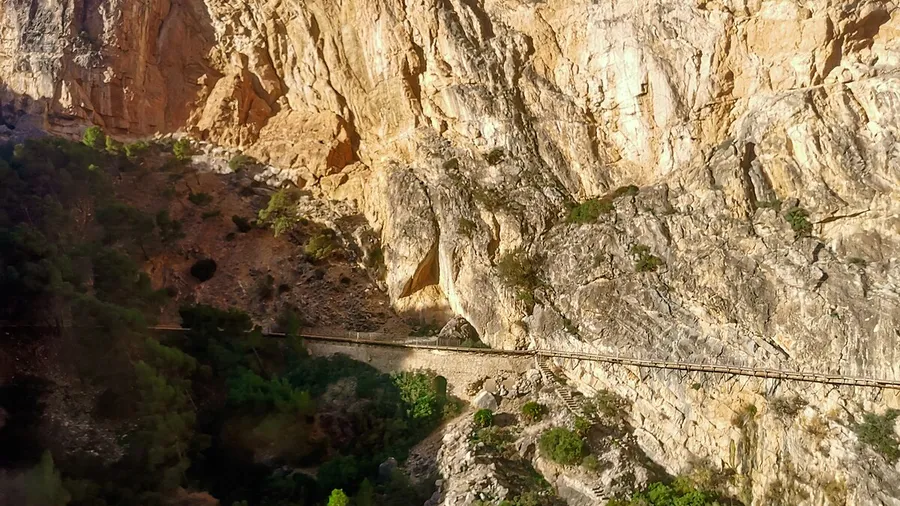
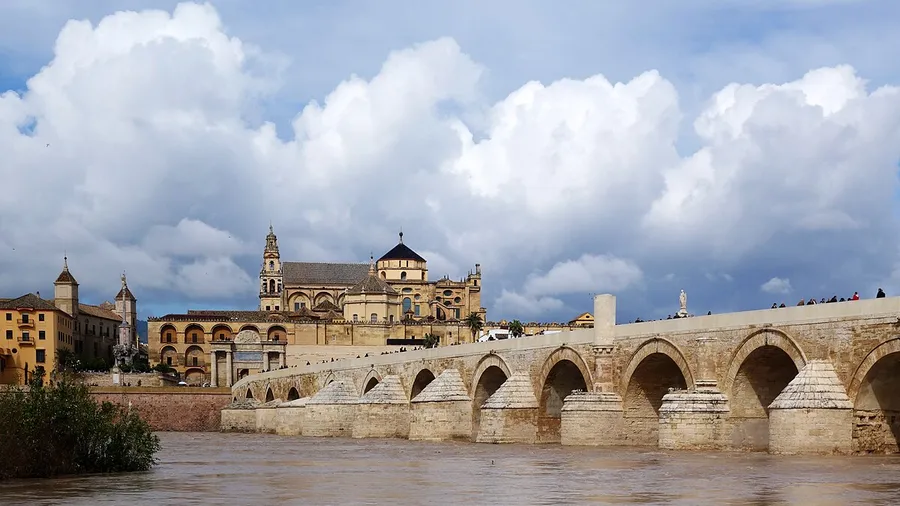
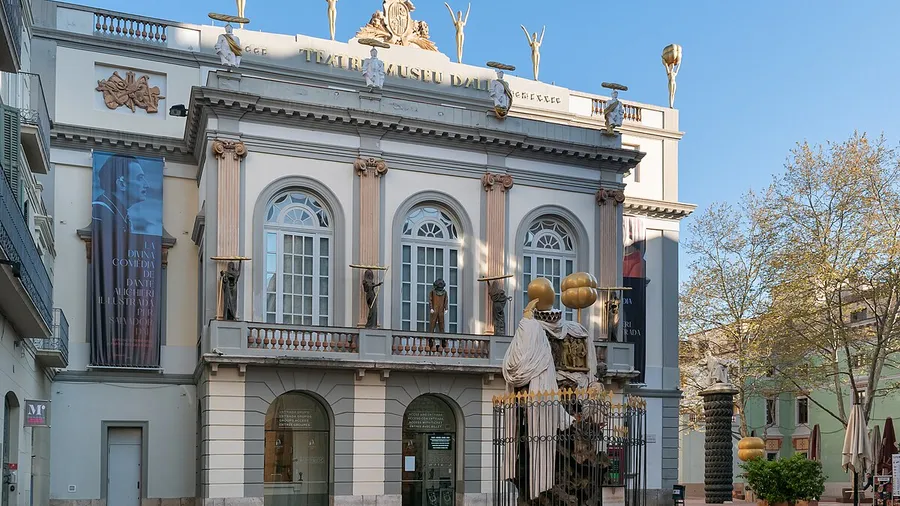
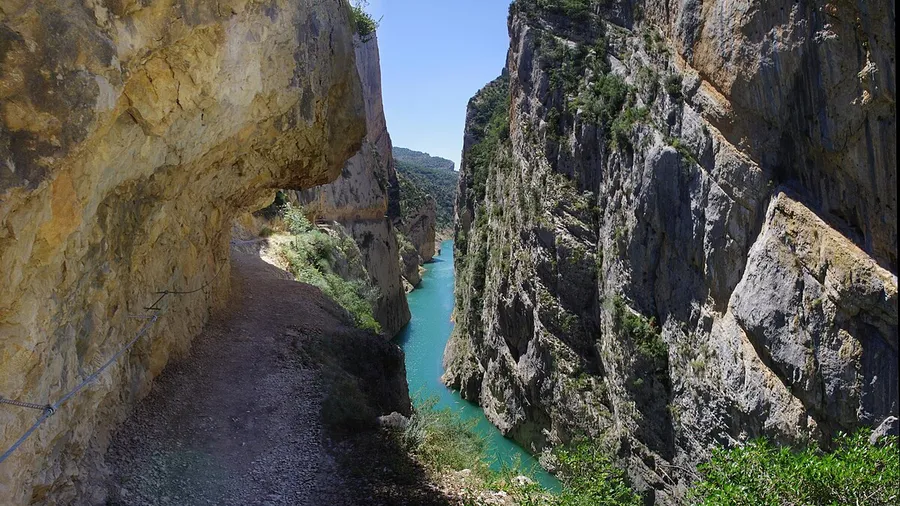
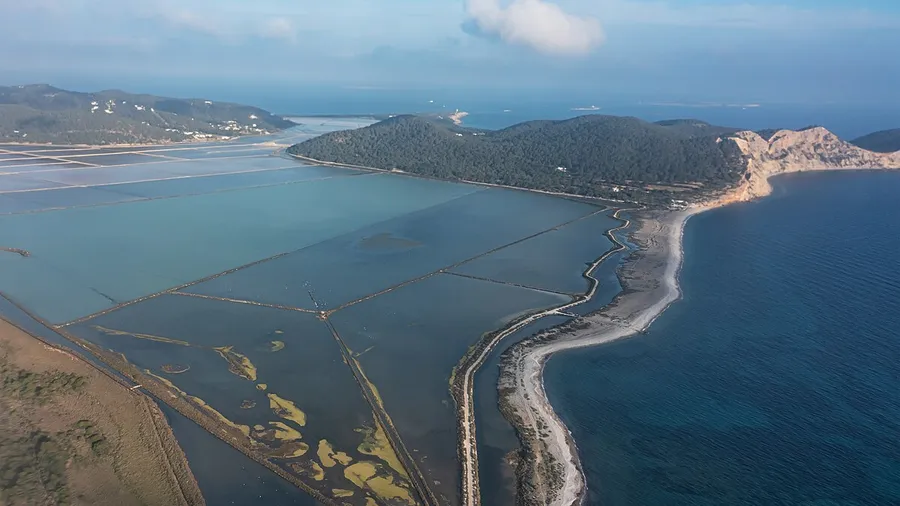
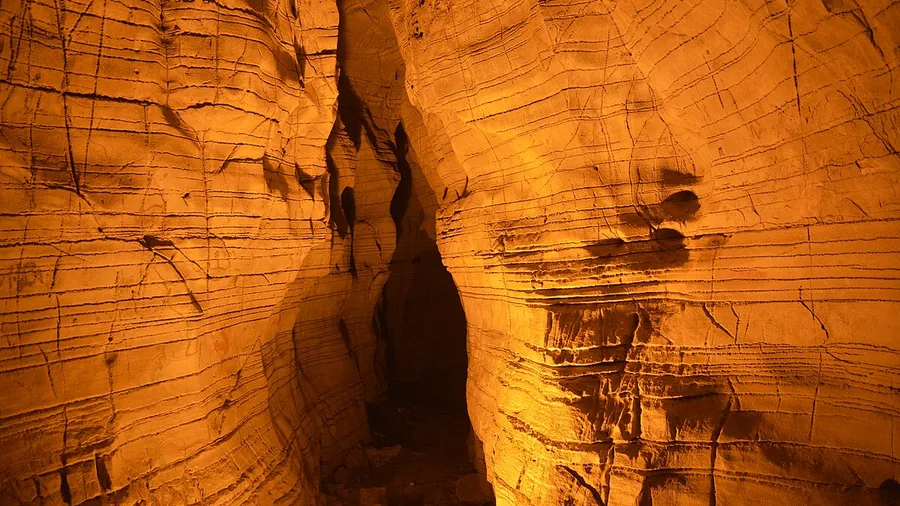
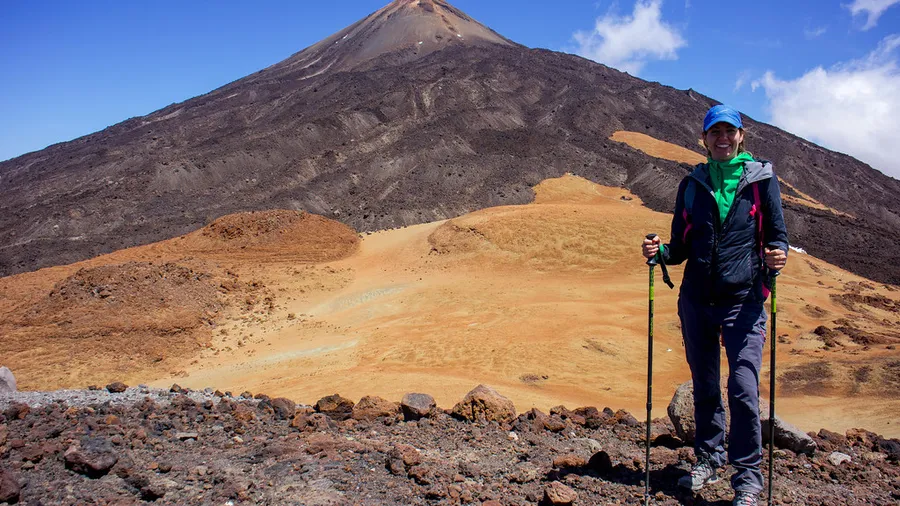
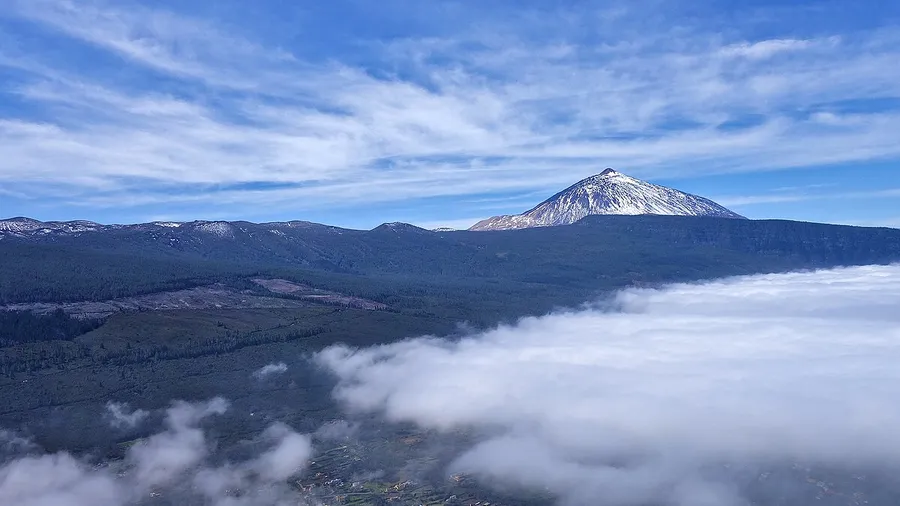
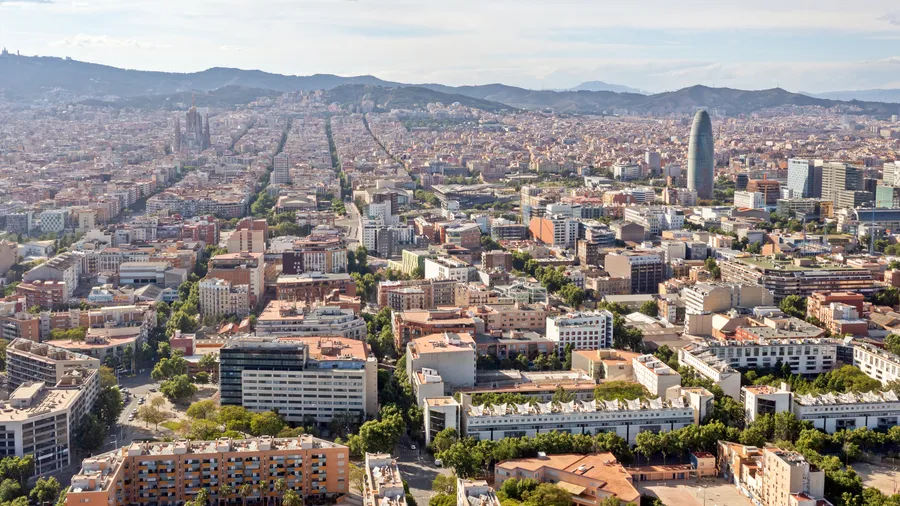
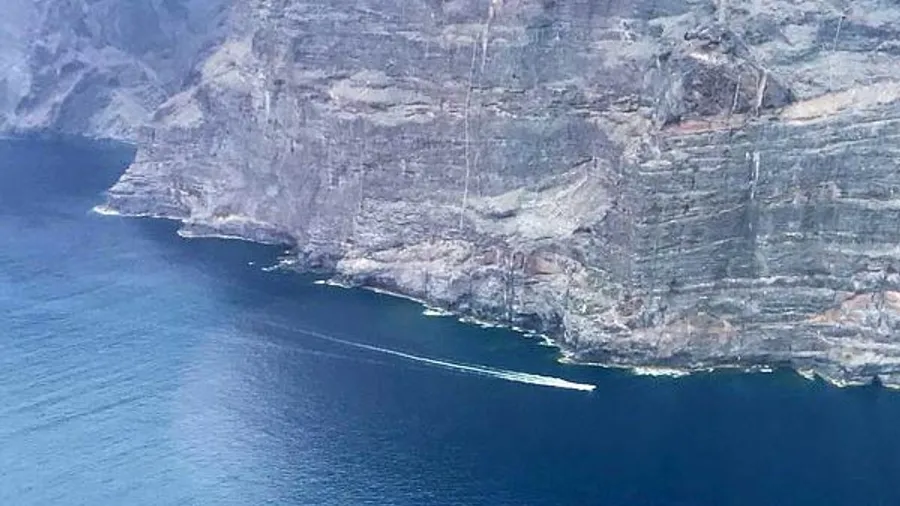
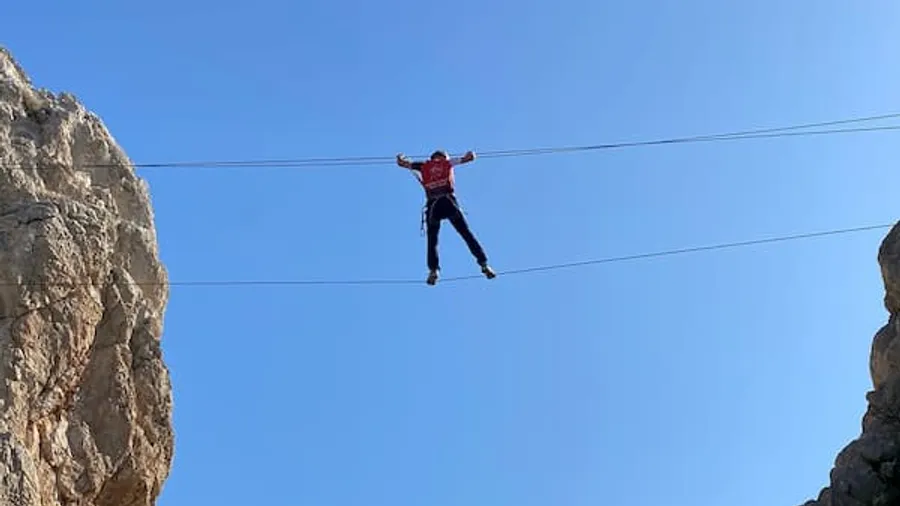
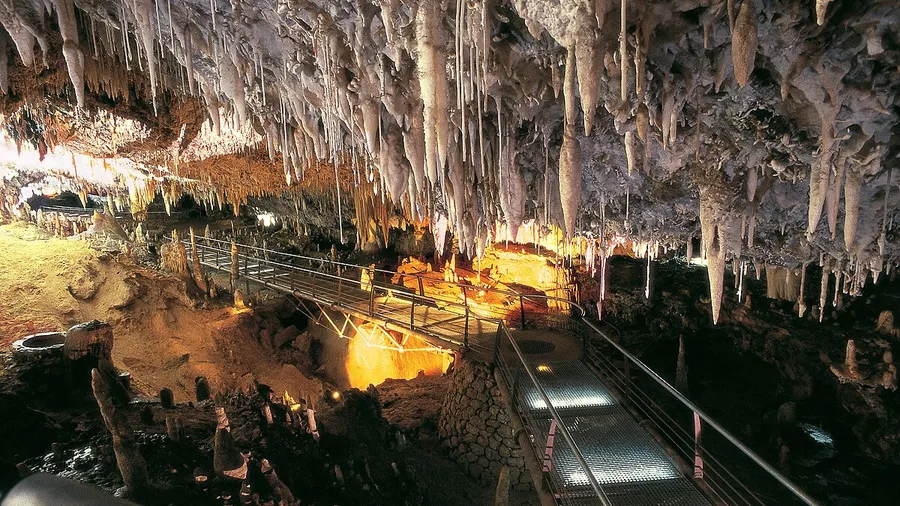
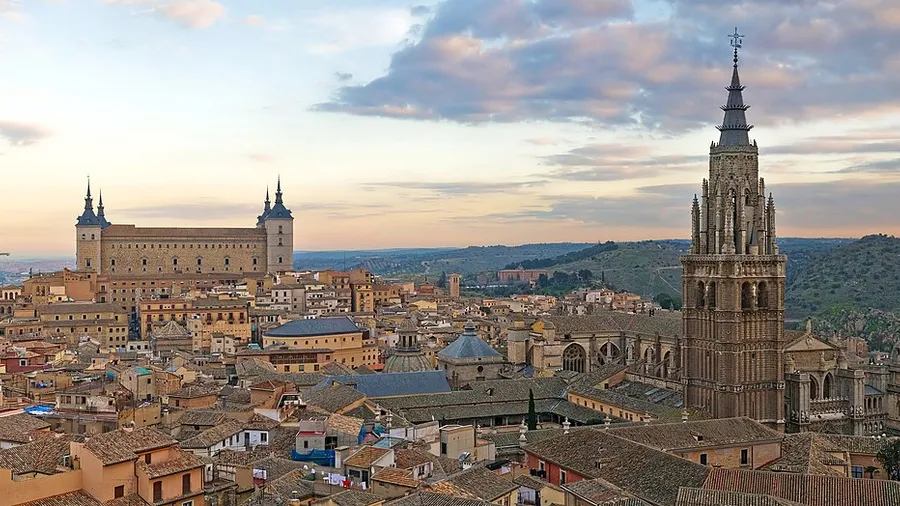
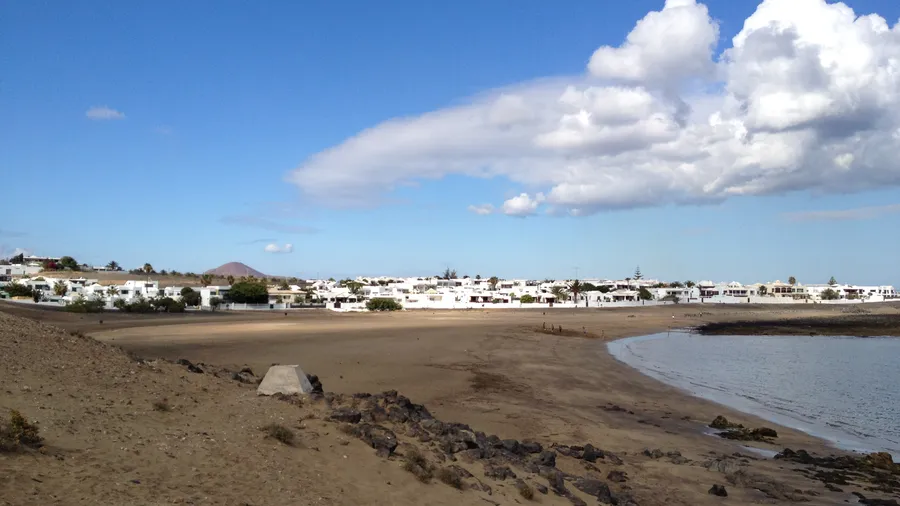
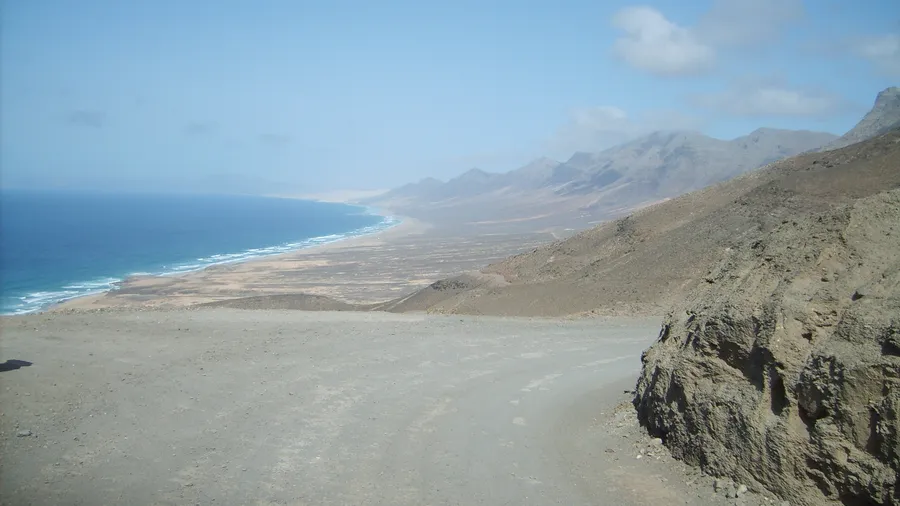
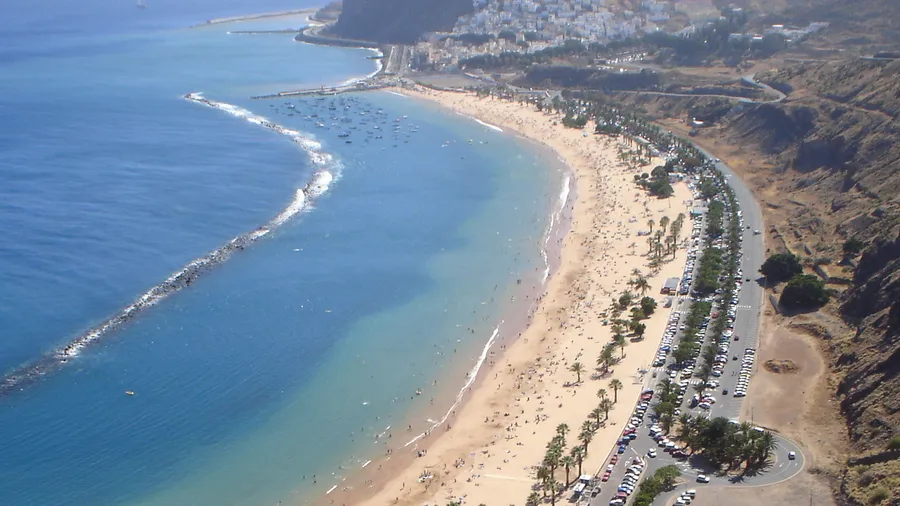
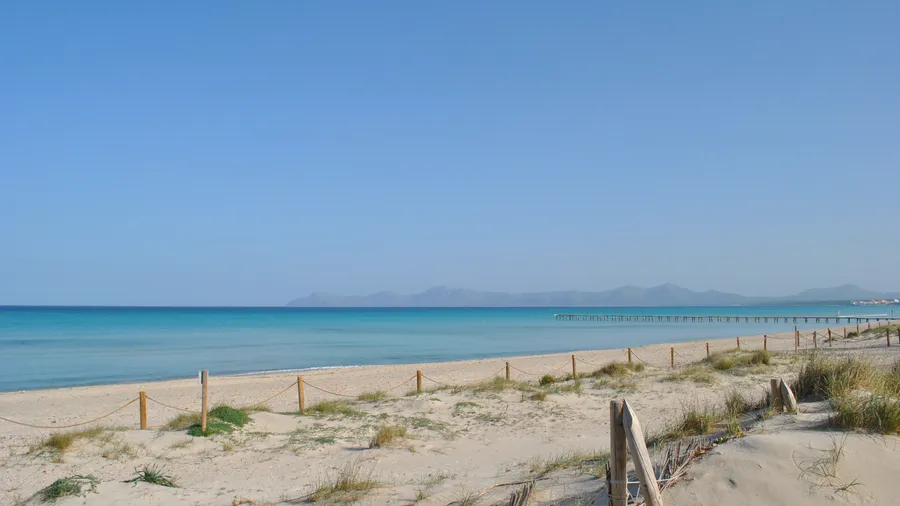
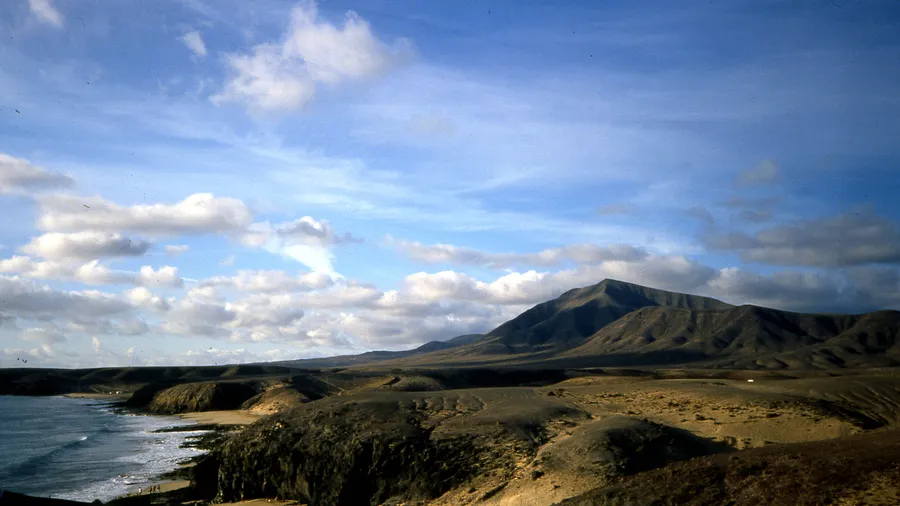
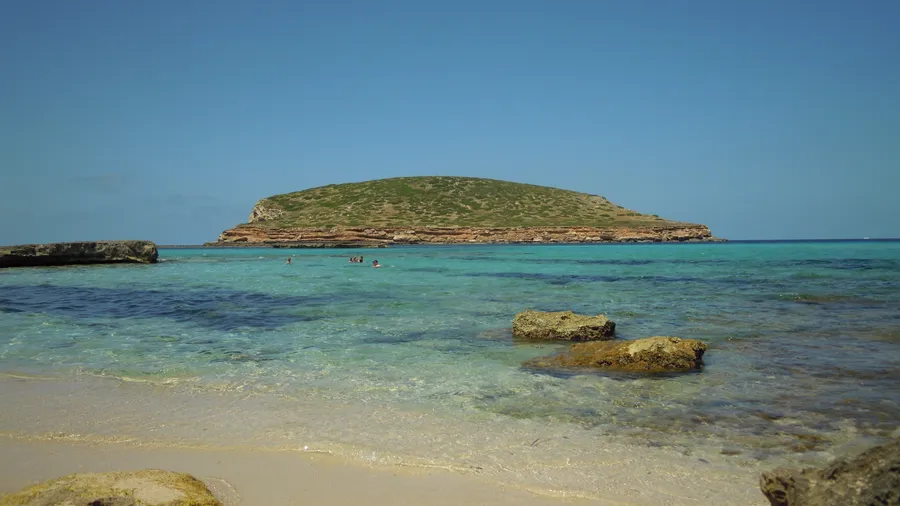
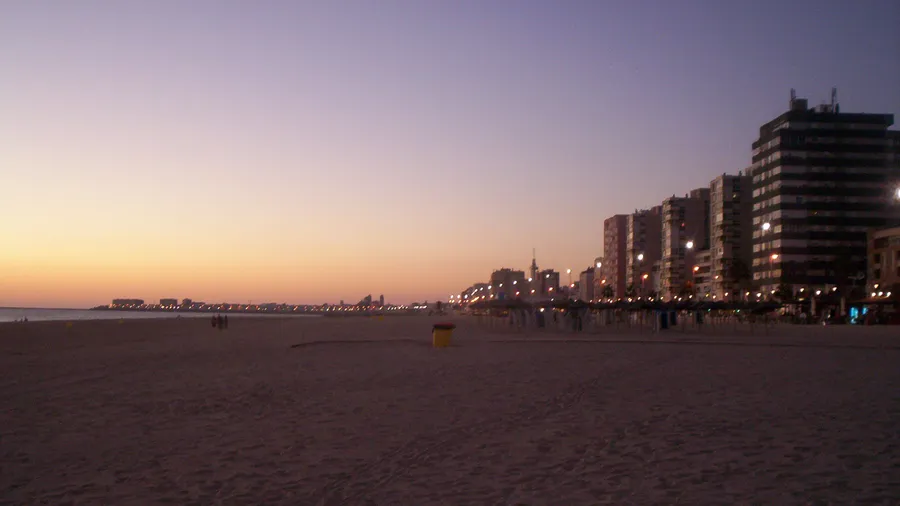
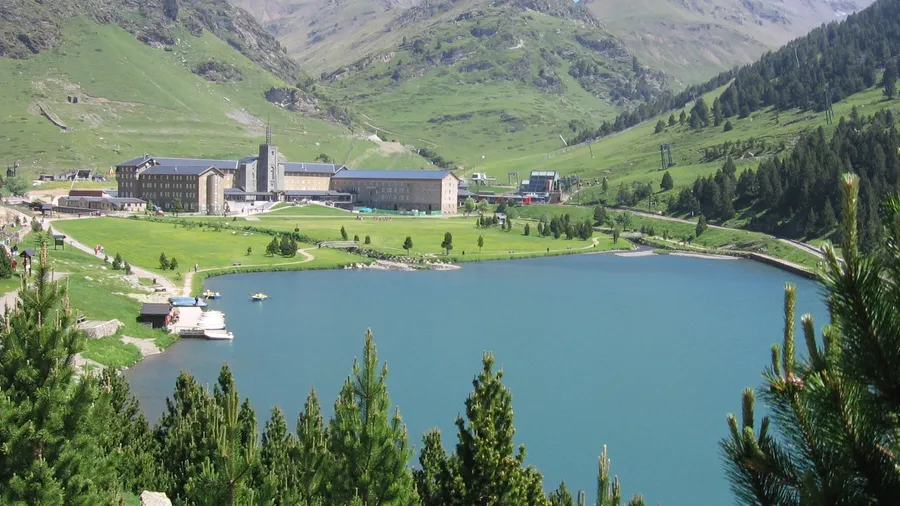
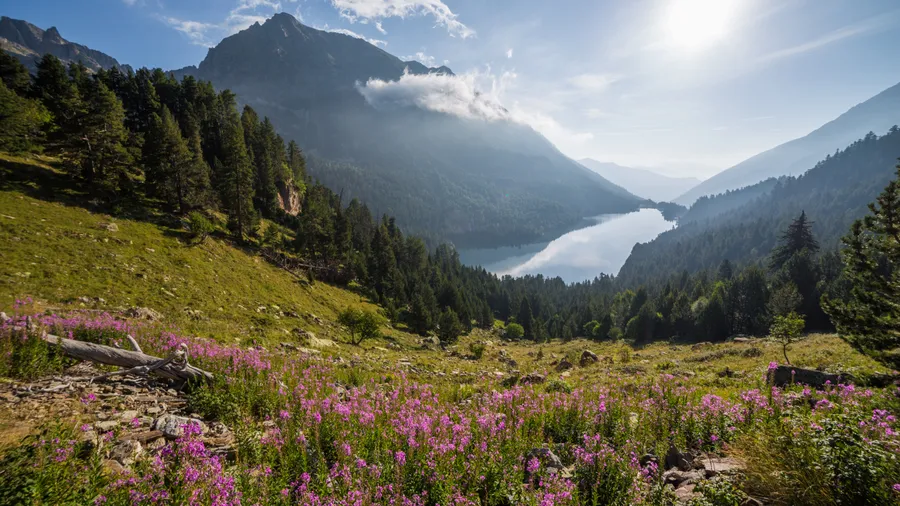
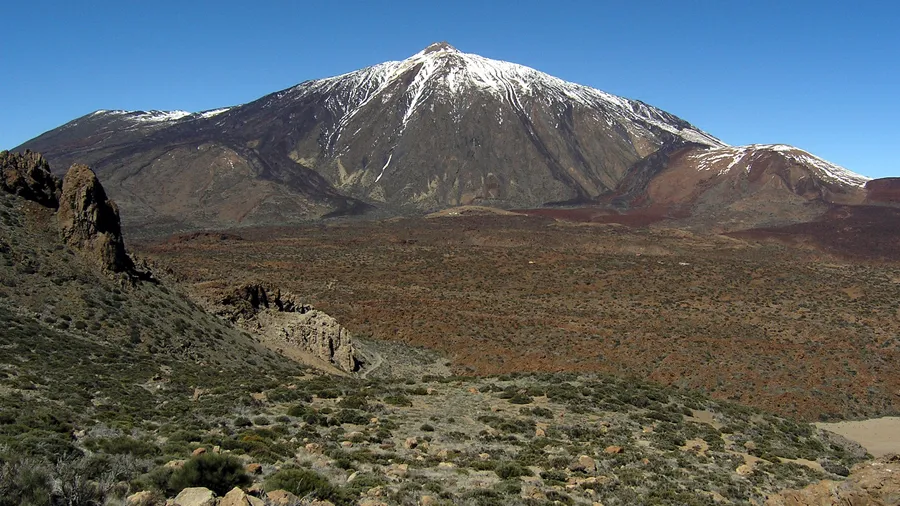
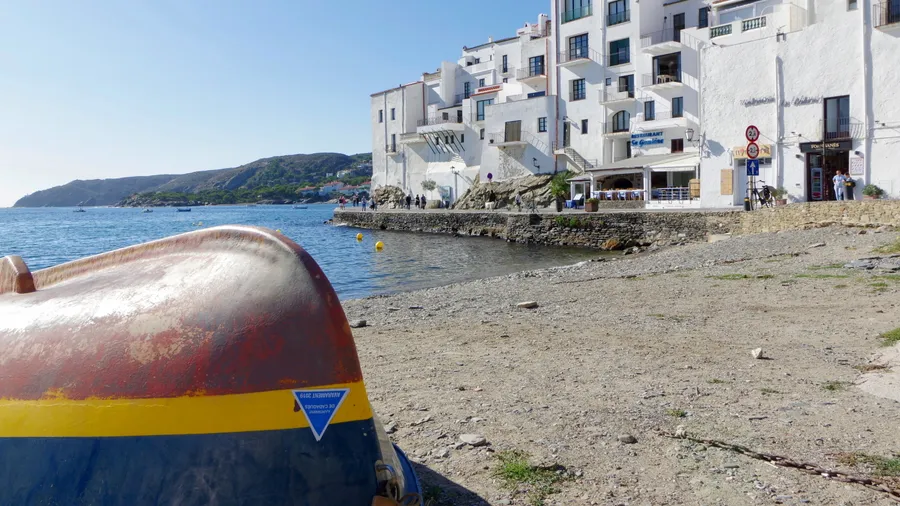
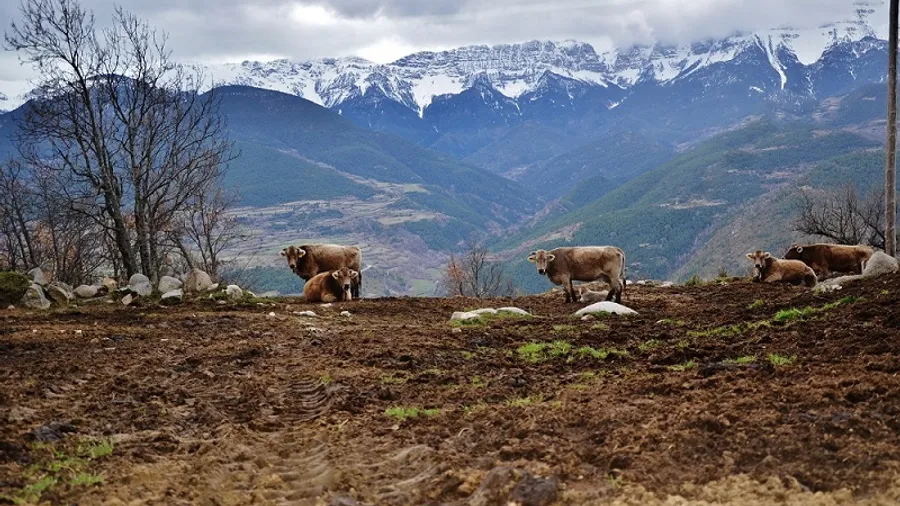
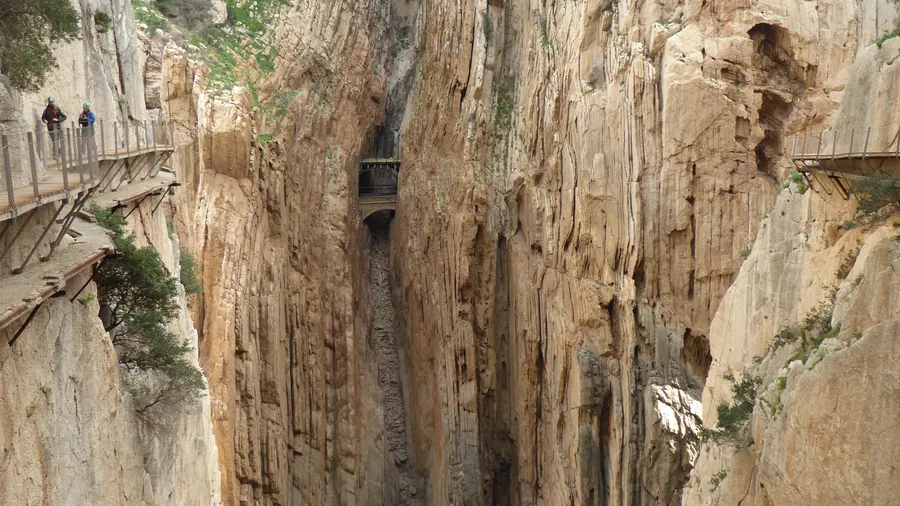
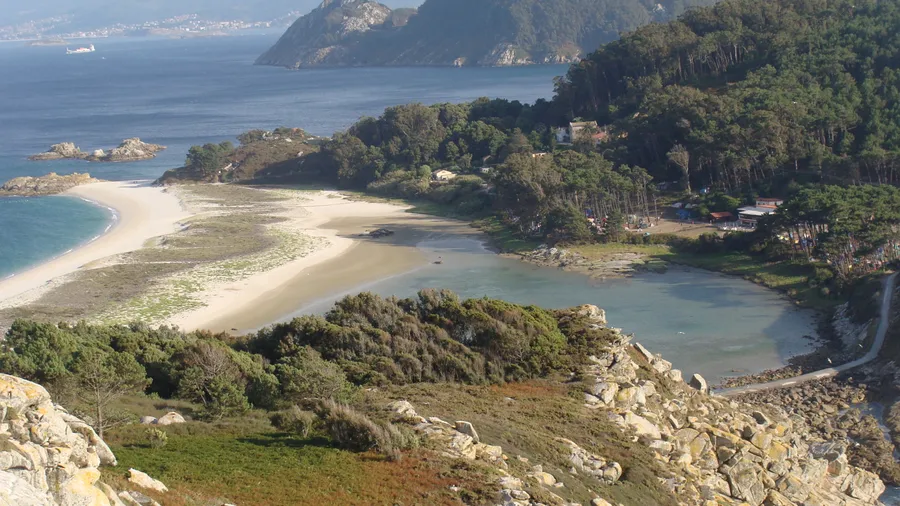
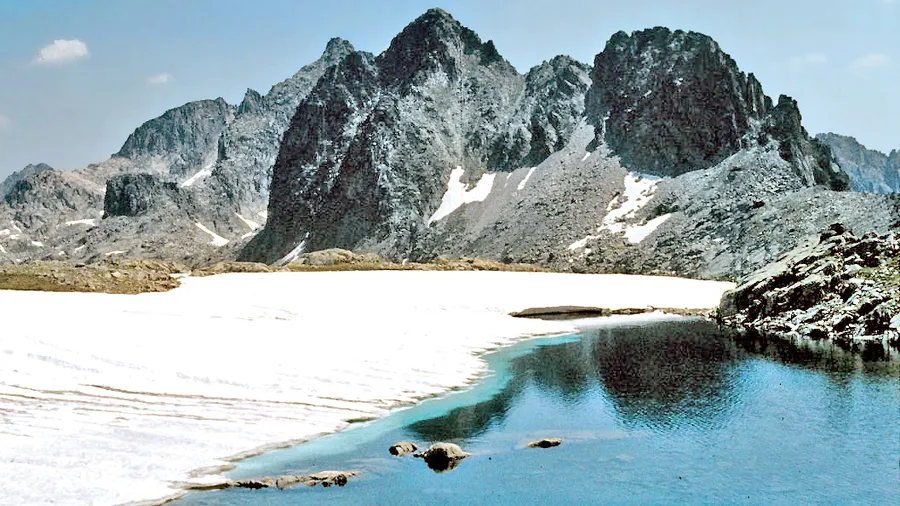
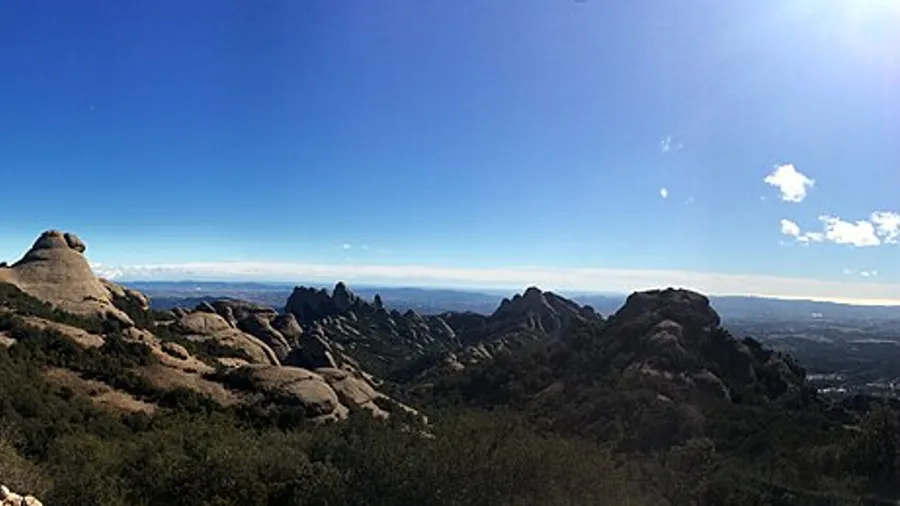
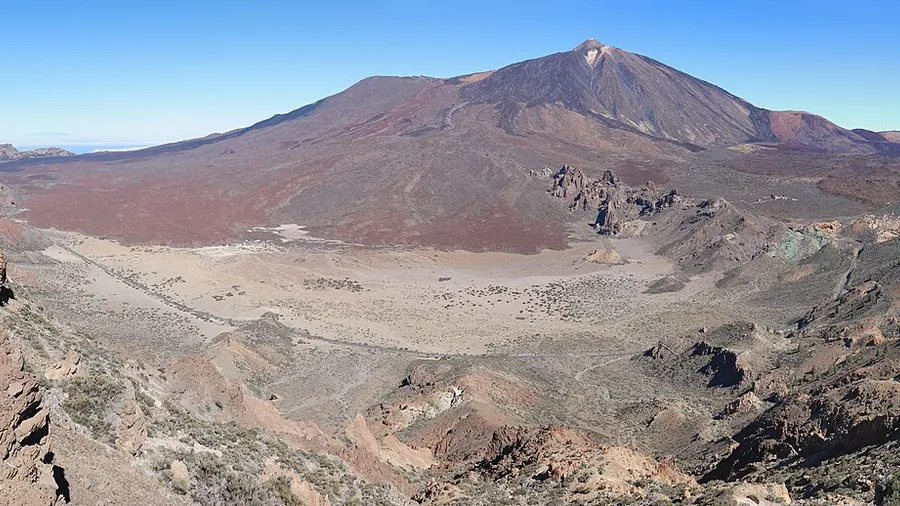
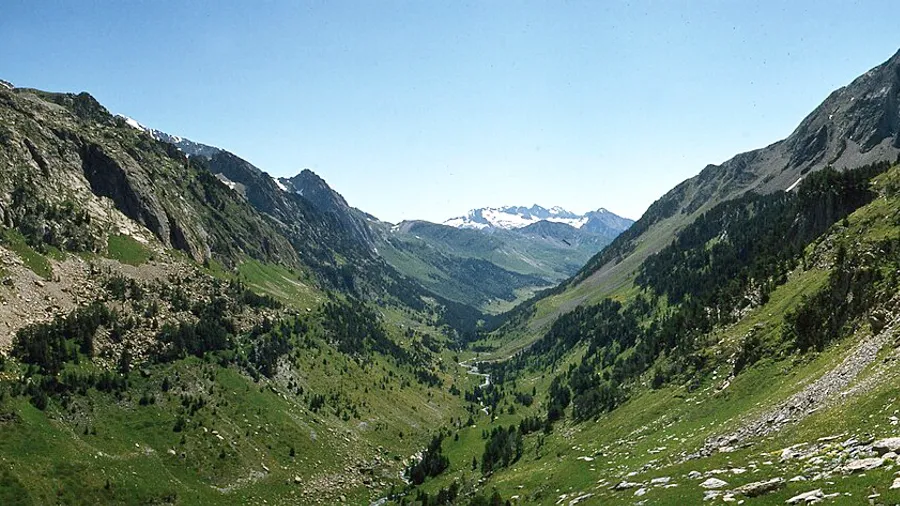
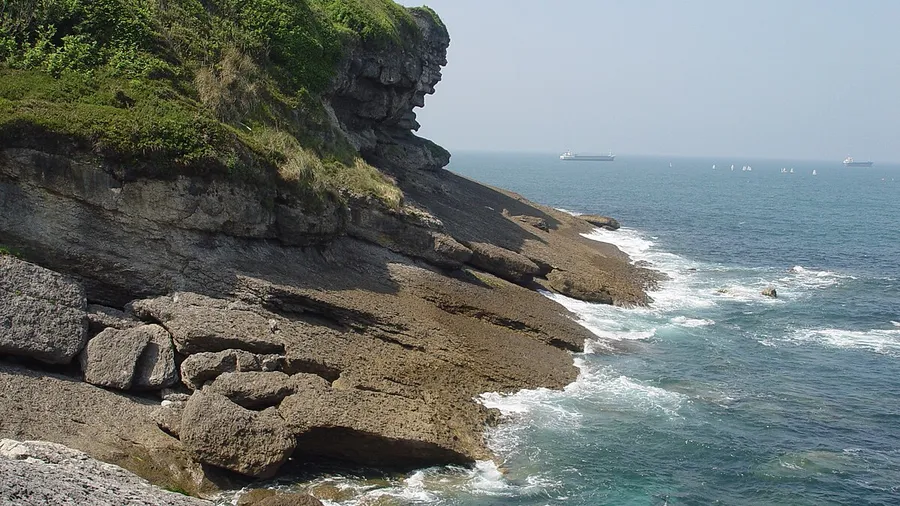
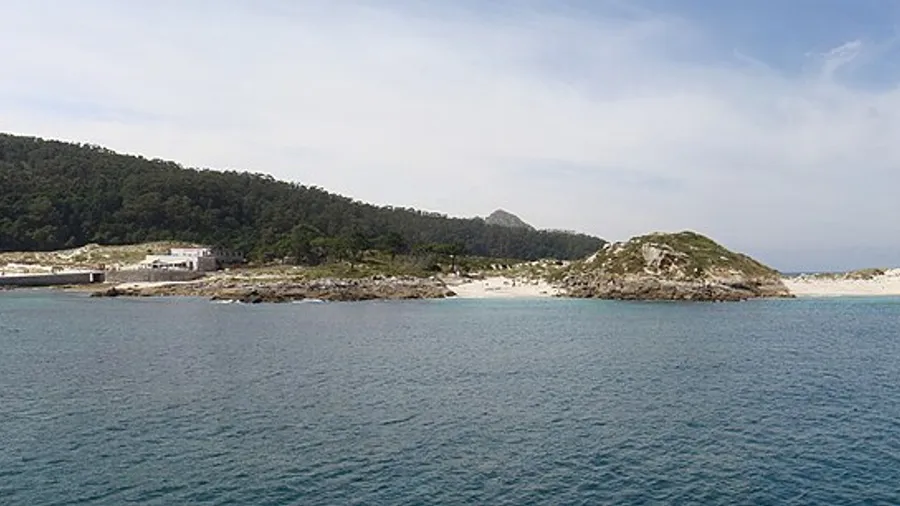
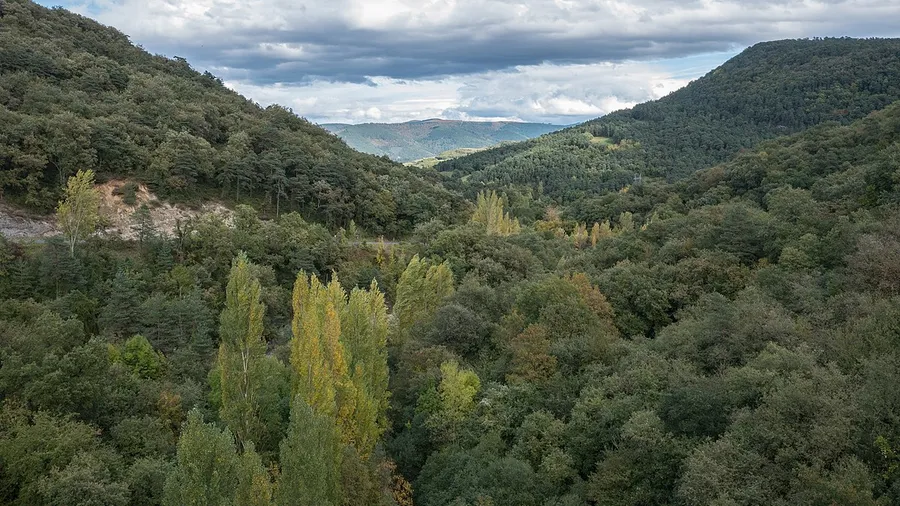
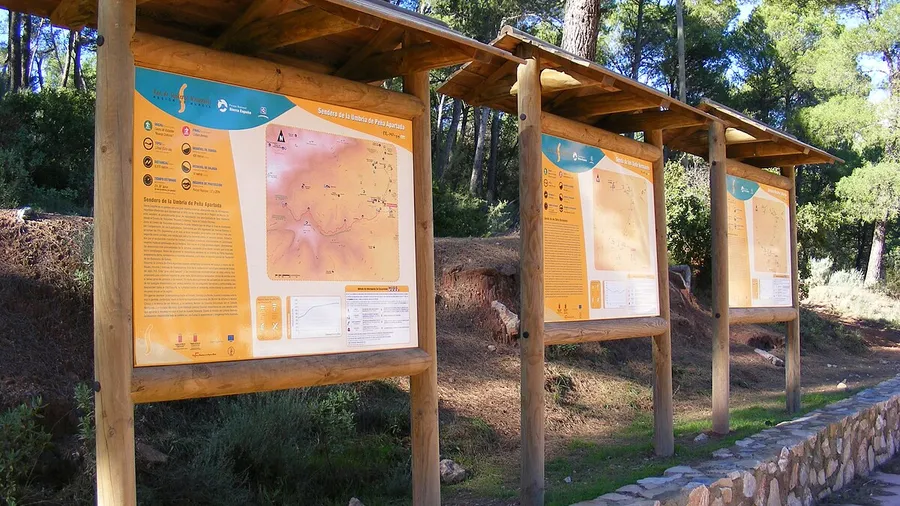
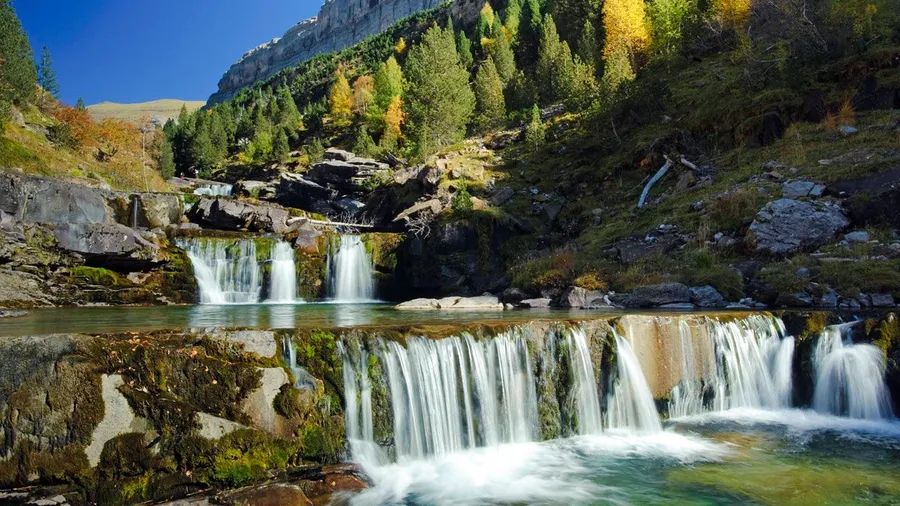
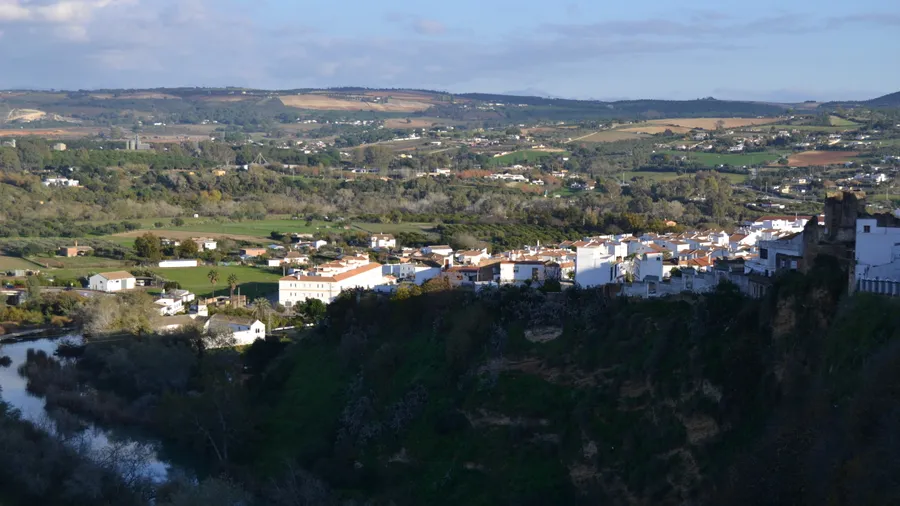
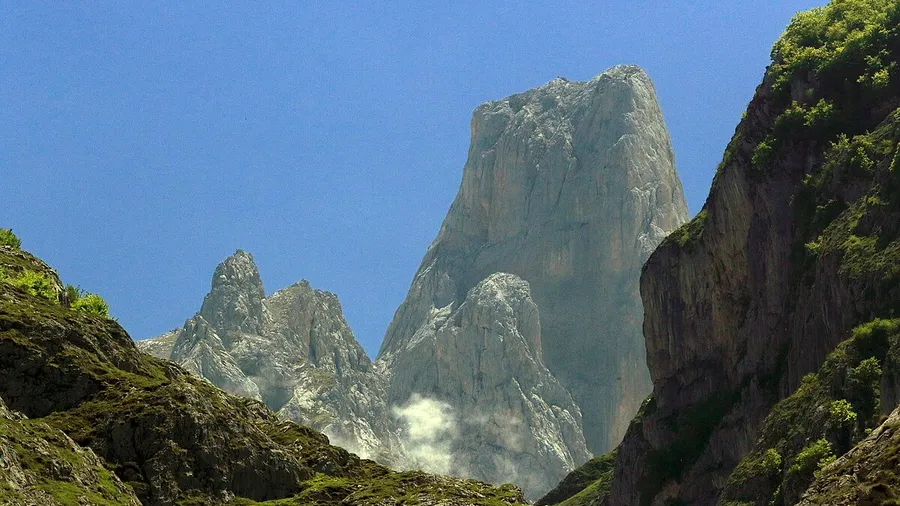
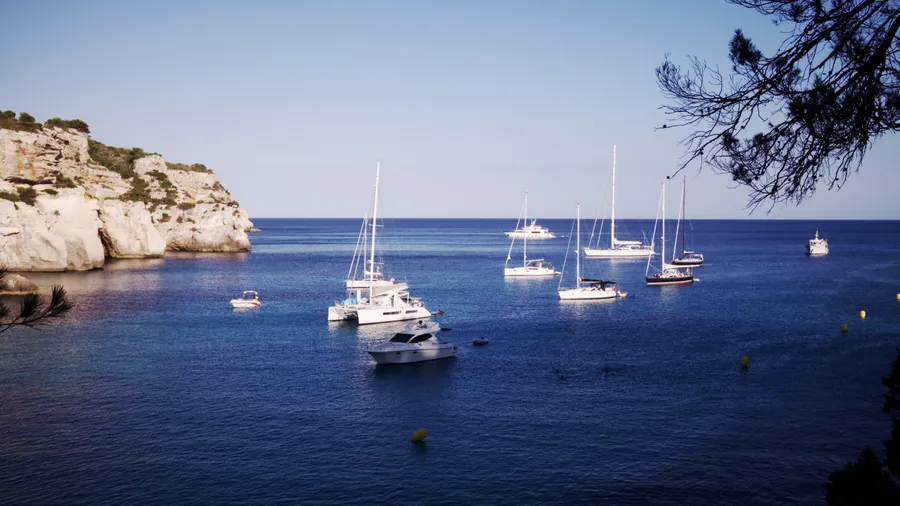
Spain occupies most of the Iberian Peninsula and includes two archipelagos — the Canary Islands in the Atlantic and the Balearic Islands in the Mediterranean — plus the autonomous cities of Ceuta and Melilla on the North African coast. Spanning 505,990 km2 with over 8,000 km of coastline, the country packs geographic diversity hard to match anywhere in Europe: from the Picos de Europa (2,650 m) and the Pyrenees (Aneto, 3,404 m) to the volcanic beaches of Lanzarote, the central plateau, the olive groves of Jaen and the marshlands of Donana. The outdoor activity catalogue mirrors that variety. In the north, canyoning in Sierra de Guara, surfing in Mundaka and sea-kayaking along the Galician rias. Inland, via ferratas in Cuenca highlands, horseback riding across the Extremaduran dehesa and rock climbing in Riglos. Along the Mediterranean coast, scuba diving in the Medes Islands, sailing off the Costa Brava and paddle boarding on the Mar Menor. In the south, caving in Cueva de Nerja, kiteboarding in Tarifa and whale watching in the Strait of Gibraltar. Layered onto that geography are 50 biosphere reserves, 16 national parks and over 1,800 protected natural areas covering 27% of the territory. The network of certified trails (GR, PR, SL) exceeds 60,000 km and connects villages, valleys and summits across every autonomous community. Beyond nature, the cultural heritage — 49 UNESCO World Heritage Sites — and regional gastronomy add a layer of local experience that rounds out every getaway.

Highlights

  • • 16 national parks and over 1,800 protected natural areas
  • • 8,000 km of Atlantic, Mediterranean and volcanic coastline
  • • Certified trail network exceeding 60,000 km
  • • 49 UNESCO World Heritage Sites
  • • Surfing, canyoning, diving, climbing and sailing across the entire territory
  • • Distinctive regional gastronomy in every autonomous community

Best time to visit

Spring and autumn are the most versatile seasons for outdoor activities nationwide. Summer works best in the north (Galicia, Asturias, Cantabria, Basque Country). Winter opens the ski and snowshoe season in the Pyrenees and Sierra Nevada.

Practical tips

Book peak-season activities (July to August on the coast, Easter inland) at least two weeks ahead. Carry sunscreen and water even on short routes. Check local weather forecasts before mountain or water activities. Outside major cities, having a car makes reaching most starting points much easier.

Plans and activities en Spain

Las mejores experiencias y planes disponibles en Spain

60

What to see en Spain

Rincones, lugares y puntos de interés que no te puedes perder

Destinations & areas

Zonas y destinos turísticos en Spain

Comunidades y regiones de Spain

Descubre qué hacer en cada comunidad y región de Spain
Frequently asked questions sobre Spain
It depends on the area. Spring (April to June) and autumn (September to November) bring mild temperatures almost everywhere. Summer is ideal for the north and Atlantic coast, while winter offers skiing in the Pyrenees, Sierra Nevada and the Cantabrian Mountains.
Most operators offer beginner-level options requiring no previous experience. They always provide technical gear and a certified guide. The most common requirements are minimum age, basic fitness and the ability to swim.
Andalusia (over 1,100), Catalonia (over 950) and Madrid (over 670) lead in volume. Regions like Asturias, Cantabria and Aragon offer high-quality mountain and nature activities with fewer crowds.
Yes. The catalogue includes family-friendly options: easy trails, kayaking on calm waters, horseback riding and cave visits. Each listing shows the recommended minimum age and difficulty level.
You can book directly with the provider or through affiliated marketplaces. If an activity shows Request information, the provider typically replies within 24 to 48 hours after the contact form.
Related articles sobre Spain