Zumaia Flysch Viewpoint
Highlights
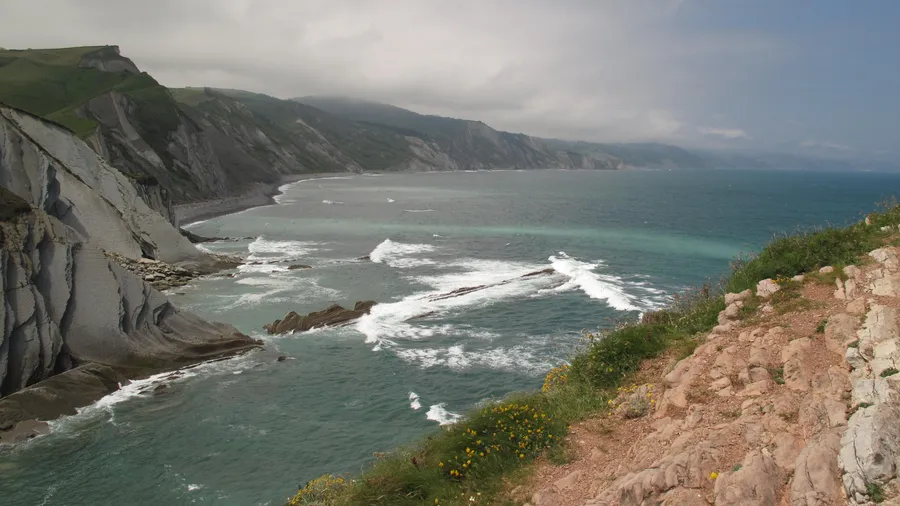
- • Flysch formations dating back 60 million years
- • Fossil record of the K-T dinosaur extinction boundary
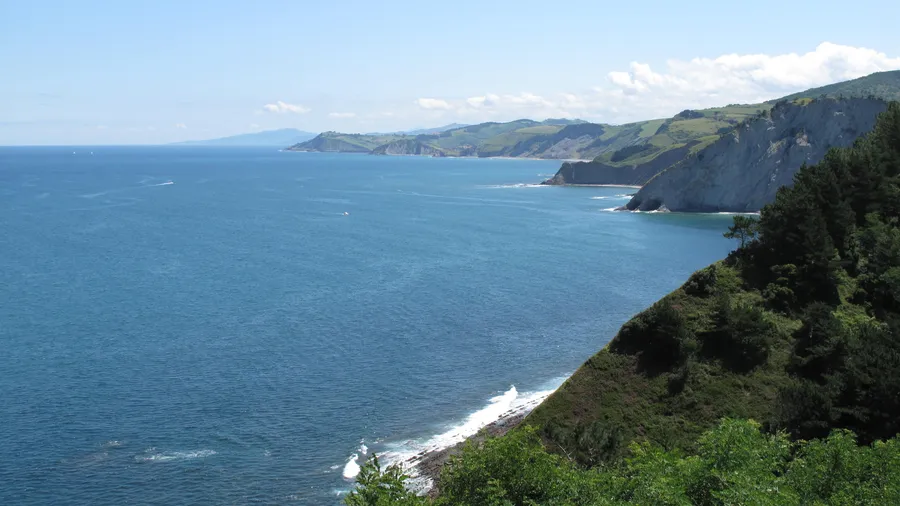
- • Panoramic views of the Cantabrian Sea and cliffs
- • Part of the Basque Coast Geopark
- • Free public access
- • Coastal vegetation and seabirds in the natural surroundings
Description
Key Information
Visit Duration
1-2 hours
Recommended Seasons
Spring, Autumn
Pricing
Free
Accessibility
Medium
Related Destinations

Guide
Essential information for visiting Zumaia Flysch Viewpoint
Location
Practical Information
- Pricing
- Free
- Visit Duration
- 1-2 hours
Features & Services
- Accessibility:Medium
- Kid-Friendly:Yes
- Pet-Friendly:Yes
- Booking:No Booking Required
Planning Information
Recommended Seasons
Spring · Autumn
Best Time to Visit
Spring and autumn are the best seasons to visit the viewpoint, offering mild weather and ideal light to appreciate geological details.
Visitor Tips
To make the most of your visit, wear comfortable shoes and clothing suitable for the coastal climate, as it can be windy and humid. Don't forget a camera to capture the rock layers and sea views. Respect signage and avoid getting too close to cliff edges for safety. If interested in geology, consider visiting the Basque Coast Geopark interpretation center in Zumaia for more information.
Historical Facts
The Zumaia flysch is a sedimentary formation dating from the Late Cretaceous to the Paleogene, about 60 million years ago. This geological record includes the K-T boundary, marking the mass extinction that ended the dinosaurs and allowed mammals to evolve. Studies in this area have been key to understanding environmental and biological changes of that period.
Frequently Asked Questions
Get answers about Zumaia Flysch Viewpoint