Why the Basque Country hooks you if you like to keep moving
In the Basque Country, you can go surfing in the morning and hiking in the afternoon without changing provinces. It is a small territory with great variety: an Atlantic coast with waves, limestone mountain ranges an hour from the beach, and cities where pintxos are part of the route.
That leaves you room for the wetsuit, the boots, and a bar of pintxos as the sun sets.
This active tourism guide helps you decide what to do, when to go, and how to combine it with the local gastronomy. It brings together 10 experiences for couples, families, and groups, with time ranges and levels, and references to official resources such as AEMET (aemet.es), Euskalmet (euskalmet.eus), and the network of natural parks, such as the Aizkorri-Aratz Natural Park.
There are routes that start next to the Toki Alai Interpretation Centre, just a few metres from the car park, or at the port of Urkiola, next to the Sanctuary, where there is also parking. The mountain routes offer panoramic views, historical interest, livestock areas, and forests; the best time to travel them is spring, summer, and autumn.
You can plan your trip day by day or in combinable modules according to your level and the changing weather. Book the essentials in advance and leave room to improvise according to the weather forecast. If you are looking for individual ideas, check out paragliding, hiking, or a getaway to San Sebastián.
Picuco can help you
Does something here catch your eye?
Tell us.
Write to us on WhatsApp or email: we answer questions, find the best options and help you sort out the booking.
Write to us
We guide you based on the type of plan you have in mind and reply by WhatsApp or email.
Where it is, when to go, and what weather to expect
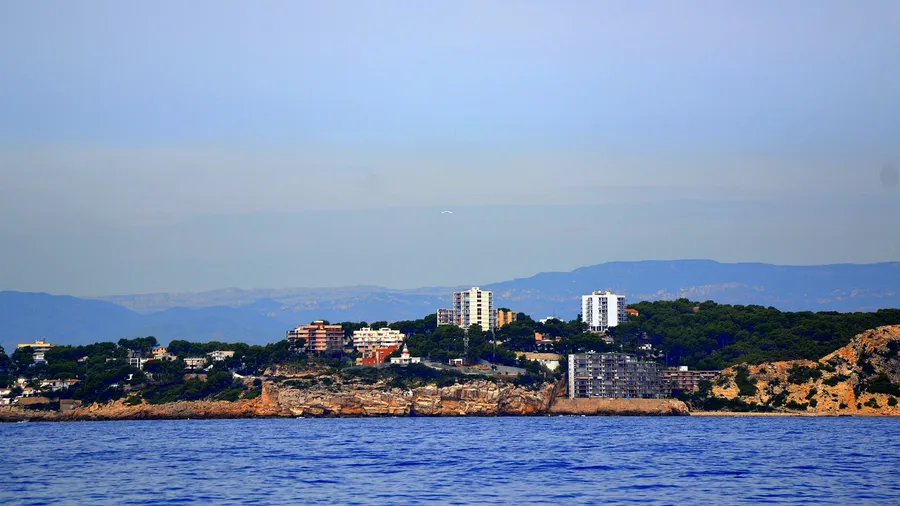
Euskadi is organised into three territories: Bizkaia, Gipuzkoa, and Álava. Bizkaia (Bilbao and its estuary), Gipuzkoa (San Sebastián-Donostia), and Álava (Vitoria-Gasteiz and Llanada Alavesa) bring together coast, valleys, and mountains within short distances.
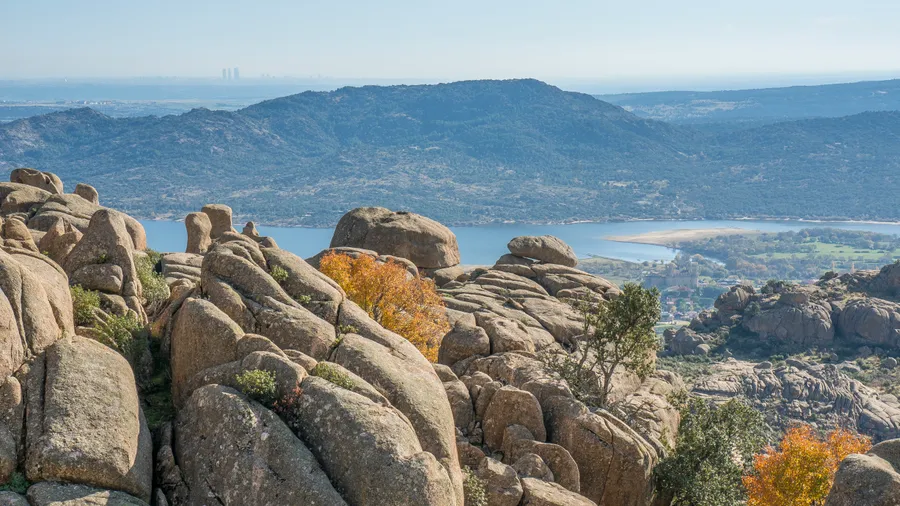
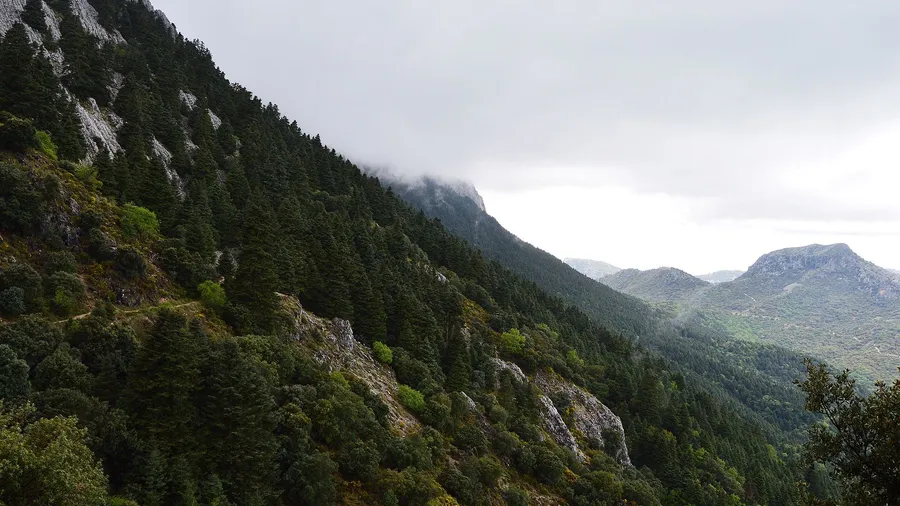
The Cantabrian coast runs from west to east between cliffs, estuaries, and long beaches. Urkiola, Aizkorri, Aralar, and Gorbeia are limestone ranges.
The climate depends on the orientation and the relief. On the coast, winter goes from 8 to 13 °C and summer from 20 to 25 °C, with distributed rain and peaks in autumn and spring. In the interior, the temperature range increases: cold mornings and mild afternoons in spring and autumn. The dominant N-NW wind cools the coastal afternoons and dictates sea and air activities.
Check the local forecasts the day before and the same morning. If the coast wakes up with crosswinds, move to the interior for a route through forests and return at sunset, when the breeze drops.
When to go according to the activity
Surfing enjoys its best season from September to March, with swells that demand intermediate and advanced levels. For kayak and SUP, aim for June–September: the water is at 18–22 °C, the tides are moderate, and the swell decreases. In spring and autumn, wear a full wetsuit.
Spring combines coast and mountain with flowering and fewer people; bring a windbreaker and a thermal layer. Summer is more stable at the beach and offers beautiful sunsets: book in advance, get up early for the routes, and avoid the middle hours of the day. Autumn brings clear light, powerful surf, and beech forests in red, along with storms and slippery ground. In winter, there is consistent surf and lonely mountains; watch out for ice on paths and mountain passes and calculate the hours of daylight.
Reference routes
Aralar is a mountain range of 208 km² divided between Navarra (two thirds) and Guipúzcoa (one third), with a maximum altitude of 1431 m.
Before heading out to a protected area, check the parketxes (park centres) and the rules of the Basque Country Natural Parks Network.
How to get there and move around without wasting time
You can reach the Basque Country by train, plane or car, and each option changes the day's plan. The Alvia from Madrid to Bilbao-Abando takes around 4 h 50 min, and from Barcelona, the AVE/Alvia to San Sebastián takes about 5 h 45 min. From Barcelona, the AVE/Alvia to Vitoria-Gasteiz takes 4 h 50 min (Alvia 00664, Barcelona Sants 12:10 – Vitoria-Gasteiz 17:00).
The train accommodates wheelchair users and babies from 0 to 3 years old travel without occupying a seat. If you are coming from France, the TGV/TER arrives in Hendaya and you cross with Euskotren line E2 (Hendaia–Donostia) in 37–40 min.
By car, there are tolls on part of the route; consider a model with a bike rack for the coast-mountain links. The smell of coffee from the service area tastes like resuming your route when the greenery appears.
To move between base towns, use regional buses: Lurraldebus in Gipuzkoa, Bizkaibus in Bizkaia and Álava Bus in Álava, in addition to intercity companies that link with airports. Renfe Cercanías/Media Distancia has limited bike spaces and, for long distance, requires the bike to be packed; check the current conditions. Some bus lines allow boards and bikes in the hold: bring a cover and arrive in advance.
Without a car, taxis and private transfers link parks and beaches; ask for a fixed price and pick-up point. To save time, check the tide map and the wind report the night before and decide between beach or mountain at sunrise. Buy flexible tickets during weeks of variable weather and keep tracks and schedules downloaded in offline mode in case coverage fails in narrow valleys.
Sleep well to perform better: accommodation that works
The base you choose sets the rhythm for each day. Decide on your accommodation according to your main activity and your budget, and not the other way around.
For hikers and surfers on a tight budget, refuges and hostels are practical. Confirm that they have lockers and what rules apply to wet equipment. In rural houses, ask about the drying room, space for bikes and the outdoor shower if you are returning from the beach.
Each activity requires something different:
- If you are going to surf, prioritise proximity to the beach and lockers, and avoid transfers with a wet wetsuit.
- For hiking, look for accommodation near park access points and with controlled parking, so you reduce morning driving.
- For cycling, ask about safe routes from the door and if they allow e-bikes and overnight charging.
- For paragliding, choose a base near the take-off and landing sites, in wide valleys to have alternatives.
In high season (July–August and long weekends), book in advance and read the cancellation conditions. On the coast, being central implies noise; in the valley, there are narrow paths, so coordinate your check-in. If you expect to arrive late after the activity, consider half board and confirm adapted schedules.
10 experiences to live among waves, forests and pintxos tables
1. Mundaka: the most famous left in the Cantabrian Sea
Mundaka has the reference left wave of the Cantabrian Sea: it breaks at the mouth of the Urdaibai estuary, tubular and fast. It is a wave for intermediate-high levels with experience in point breaks.
The wave works with mid-high tides, W–NW swell and S–SE winds. The best months to surf are from October to March.
Before entering, observe the bar from the viewpoint and assess your level. Enter the water only if you meet that level and respect the priorities.
There is a strong current at the bar and rocks. Enter accompanied and with your leash in good condition.
To learn or improve away from the main peak, choose nearby sandy beaches such as Laida or Bakio, with schools and rentals. Bakio is the longest beach in Bizkaia, 982 m long and 65 m wide, with golden sand and moderate swell; it is easily accessible on foot and by car, and has parking.
There are local companies with qualified instructors and guided sessions on neighbouring beaches; confirm schedules according to the tide. Combine your surfing morning with a visit to Gernika, or with a sunset in San Juan de Gaztelugatxe.
2. Zarautz: infinite sand and accessible surf culture
Zarautz has 2.5 km of open beach, with sandy bottoms and scattered peaks. It serves for starting in surfing or for consolidating intermediate manoeuvres.
Zarautz is one of Europe's best breeding grounds for surfers.
In Zarautz there are gentle waves from June to September, and from April to September the best conditions for learning to surf occur.
In spring and autumn, moderate swells arrive to help you progress. Next to the promenade, it is common to rent softboards and wetsuits.
For a wide view, go up to the Santa Bárbara viewpoint or walk along the sea wall towards Getaria. At sunset, the sea mist tints the boards lined up on the shore with silver.
Respect the marked zones, spring tides and lateral currents.
You can reach it easily on foot, and in 25 min by road or train you are in San Sebastián for an afternoon in the city. You can complete the day with a visit to Getaria to try grilled fish and local txakoli.
3. San Sebastián: beach, stroll and rewarding pintxos
In San Sebastián, the pintxos bars of the Parte Vieja are very popular.
The day plan works like this: in the morning, paddle or swim in the bay; in the mid-afternoon, a walk up Mount Urgull (1 h 30 min, full circular route); on the way back, a pintxos route. The mountain is climbed from the port, Zuloaga square (next to the San Telmo Museum) or the Nuevo promenade. The paths have stone steps that can be slippery with moisture.
At the summit are the Mota Castle and the House of History (free museum), and the summit is crowned by the figure of the Sacred Heart. The wet slabs of the old town reflect neon lights and voices while you choose your next bite.
The mini-pintxos route passes through 31 de Agosto street, Fermín Calbetón and Plaza de la Constitución, alternating classics (gildas, tortilla, anchovies) with seasonal creations. Go between 19:30 and 22:00 to find a spot without being overwhelmed; on weekends, arrive before 20:00. The bars in the Parte Vieja open daily, with higher attendance between 19:30 and 22:00.
Order one or two pintxos per venue and move on: save your appetite for 4–5 stops. A classic pintxo costs 2–3 €, so confirm prices on-site.
4. Zumaia and the flysch: kayaking among fossil cliffs
In Zumaia, you paddle close to stratified rock cliffs, with caves and inlets that the tide changes every day. The Geoparque de la Costa Vasca brings together thirteen kilometres of cliffs with flysch-type sedimentary rock outcrops and has been a UNESCO World Heritage site since 2015.
In Zumaia, you can go kayaking, with rentals available during the summer season (July and August).
The boat departure depends on the state of the sea.
Before entering the water, check the tide tables, avoid undertows at the ledges, and keep your distance from the walls when there is swell. After kayaking, walk a section of the cliff path towards Deba, with marked viewpoints and stairs in critical sections; bring a lightweight windbreaker.
5. Urkiola Natural Park: limestone ridges and European beech forests
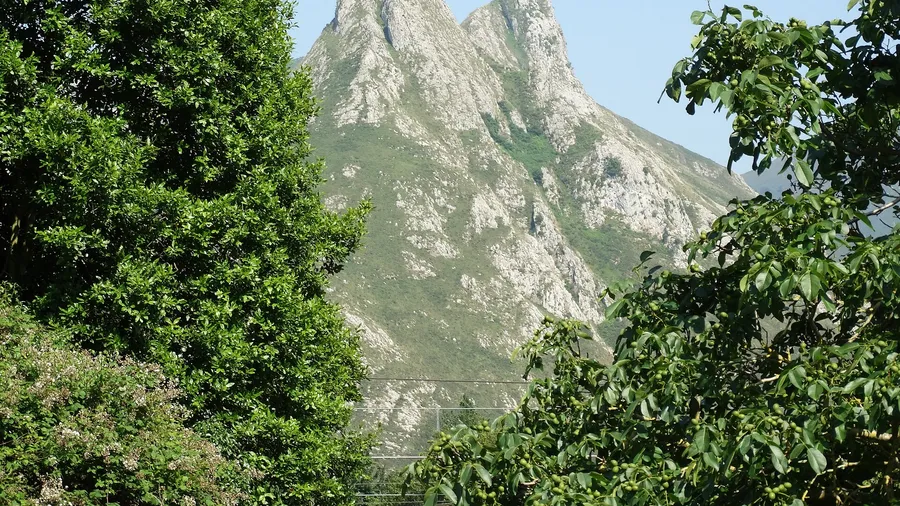
Urkiola is a natural park between Bizkaia and Álava with limestone walls, wide cols, and shady forests. Urkiola includes Anboto and the Mari cave.
The Urkiolagirre–Saibigain route starts next to the Toki Alai Interpretation Centre: 4 km, 1 h 15 min and 270 m of elevation gain. From the summit, you can see the sea on clear days. After the rain, the scent of damp European beech rises from the soft ground.
Anboto is climbed via the normal route, with between 800 and 870 m of accumulated elevation gain and rocky terrain. You reach it via the BI-623 road between Durango and Otxandio. From May to October, conditions are optimal; in winter, equipment and experience are required.
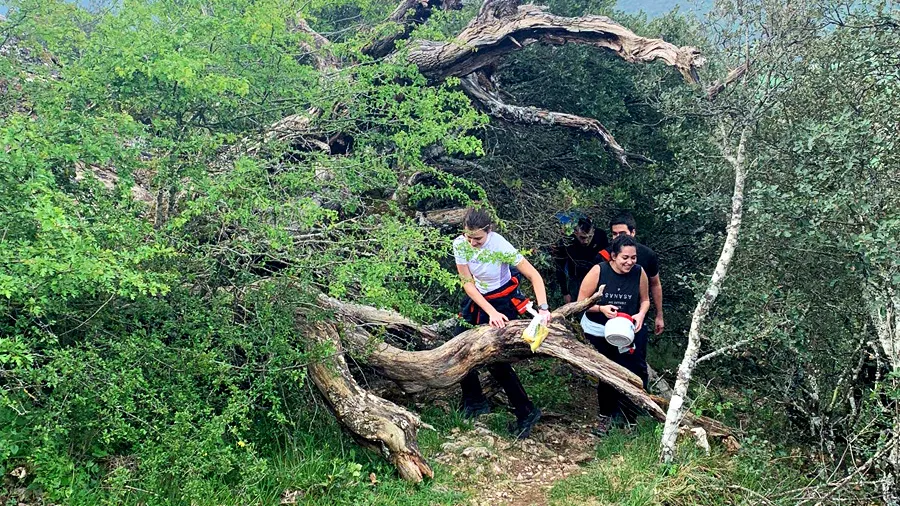
The technical difficulty is moderate depending on the route: marked tracks and paths in the cols and easy scrambles on the ridges. Bring boots with a gripped sole, a raincoat, a map or track, and a headtorch. Thick fog is frequent, so monitor the weather and avoid the ridges during strong winds. In Anboto, respect the livestock and do not stray from the path due to the fragile karst terrain.
The Urkiola parketxe provides updated information and recommendations regarding fauna and flora. For families, choose short circular circuits from the sanctuary and marked picnic areas. For a full day, arrive early, link two summits, and eat at a caserío with a menu after the route. Staying in rural houses in Atxondo or Abadiño allows you to set off early without the weekend traffic.
6. Mount Txindoki: the Basque Matterhorn with total views
Txindoki stands at 1,346 m and has a pyramidal silhouette that can be seen from half of Gipuzkoa. The classic path starts from Larraitz and adds 948 m of positive elevation gain, in 3.5–4.5 h round trip.
The route combines tracks, grassy slopes, and a final rocky section without exposure if the ground is dry. The physical difficulty is moderate and the technique is simple when dry; the ground is slippery after rain and the summit cone is demanding.
In summer, it is advisable to get up early due to the heat on the slopes. In winter, bring light crampons if there are ice patches. Put walking poles, a raincoat, and a loaded map or track in your backpack.
Fog is frequent: if it surprises you at the summit, descend a few metres to regain orientation and partial views. From May to January, cheese from the herds is sold at the Zirigarate mountain hut.
Txindoki works well as a plan B on days with crosswinds on the coast or as the central day of a 3–5 day itinerary through Gipuzkoa. There is organised parking in Larraitz and fountains at the start; respect the pastures and the livestock.
7. Vía Verde del Plazaola: tunnels and valleys by bicycle
The Vía Verde del Plazaola follows the route of the old Plazaola railway, known as El Plazaola or Tren Txiki. It consists of 24.7 km of adapted track in long stretches for cycling, with a compacted surface and gentle slopes.
The valley holds prehistoric monuments, mines, ironworks and mills, and a large part of the river and its tributaries is a Protected Biotope.
Inside the tunnels, light is insufficient in most of them, so bring lights and a high-visibility vest. The damp freshness smells of cold stone and moss.
Road traffic is closed except for authorised vehicles, such as logging trucks and heavy machinery during the week.
Check the condition of the surface after rain. You can end the day with a stroll through Tolosa or at a nearby cider house during the season.
8. Paragliding on the coast: flying over beaches and cliffs
The take-off is smooth and the landing is made on sand or in a meadow.
In Sopelana, the paragliding take-off and landing can vary depending on the wind direction: the departure and arrival points change between Sopelana and the Azkorri bunker. Before flying, the pilot checks the helmet, the approved harness and communications, and follows the breeze cycle throughout the flight. Wear closed footwear; it is a standard requirement.
Prices range from 80 to 130 € per person depending on the duration and whether you include photos and video. Confirm the conditions the day before booking.
You can fly in the morning and spend the afternoon at the beach, or do a short route at sunset for photos.
9. Hondarribia: peaceful paddle, lively port and seafood cuisine
Hondarribia overlooks the Txingudi Bay, a protected estuary with flat waters for paddle surfing and gentle kayaking. It is about 20 km east of San Sebastián and works well as a 2–3 night base to explore the eastern coast: Jaizkibel, Pasaia and Donostia.
There are SUP and kayak departures for all levels, with 1–2 h guided options ideal for families. You will find SUP board and kayak rentals at the club and on the Ondarreta beach, right by the shore. In the early hours, the splash of the paddle silences the murmur of the port.
Before entering the water, check the tide and the thermal wind and always wear your life jacket. During spring tides, avoid the currents near the mouth of the estuary.
10. Coastal paths: balconies to the Cantabrian Sea for everyone
The Zarautz–Getaria–Zumaia itinerary has a length of between 12 and 14 km depending on the variations. You walk with the Cantabrian Sea on one side and vineyards on the other, and it serves both for a short morning or an entire day.
The suggested itinerary leaves Zarautz via the promenade and the vineyards towards Getaria, skirts the Getaria mouse from above and continues west towards Zumaia via a cliff path. The section from Getaria to Zumaia goes via the Camino de Santiago del Norte, through agricultural tracks at a higher elevation.
The views accompany the entire route: Zarautz beach, the most extensive in the Basque Country, the Getaria headland and, beyond Zumaia, the cliffs. For photos, aim for the Santa Bárbara viewpoint, the vineyards overlooking the bay and the flysch layers.
Do not invade the edges or go down to platforms at high tide. Bring a windbreaker and water; in summer, get up early to have shade and tranquillity.
To eat, grilled fish in Getaria, a seafood menu in Zumaia and ice cream in Zarautz if you do the route in reverse.
What to choose by discipline: surf, mountain, bike, sea and air
Choose a discipline according to your level and you will have a 1 to 5-day plan that works. Here is the summary by activity to help you decide before booking.
Surfing is practised in Zarautz, Sopela, La Arena, Bakio and Mundaka. You will progress in 2–3 days with lessons and free swimming, using a softboard to start and a 3/2 wetsuit in summer, 4/3 in spring/autumn and 5/4 with boots in winter. Look for schools with qualified instructors and insurance included, and confirm the tides before entering the water.
Hiking is practised in Urkiola, Aralar and Aizkorri. There are family routes of +200 m, such as the Urkiolagirre–Saibigain route, with 270 m of elevation gain and 1 h 15 min. Bring boots and poles, a raincoat, a map or track and a headtorch; in winter, microspikes if there is ice. Wet limestone is very slippery and it is advised not to climb Anboto with rain, ice or dense fog. You can arrive by public bus Bizkaibus, Lurraldebus or Alavabus depending on the province.
On a bike, the Vía Verde del Plazaola runs between Andoain and Leitza, passing through Plazaola. You need a helmet, lights for tunnels and a raincoat; with an e-bike, a charger and battery key. Rent with assistance and tracks, and ask about return transfers.
At sea, kayaking and SUP are started with a guide, checking tides and wind, with a life jacket, wetsuit depending on the season and neoprene boots. You can rent SUP boards and kayaks at the club and on the Ondarreta beach, right at the water's edge; there are also activities on the Urumea river with kayaks, river boards or dragon boat training.
In paragliding, your weight must be within the range and you fly with a qualified pilot; the instructors hold sports technician qualifications. Fit in a plan of one morning of flying followed later by the beach or a coastal walk.
Mix disciplines to rest muscle groups and adapt to the weather. If the Cantabrian Sea is rough, head up to the beech forest; if there is low cloud in the valley, look for a window of breeze on the coast.
Nature and table: how to balance pintxos, markets and local flavours
In the Basque Country, gastronomy carries as much weight as choosing a summit or a beach: planning meals is part of the trip. The formula that works best is a route in the morning and pintxos late in the evening, between 19:30 and 22:00, when the dining rooms are less full and the bars are less crowded.
If the activity has been long, look for a menu of the day in inland villages between 13:30 and 15:30. You will regain your strength and have time left for a short siesta. Before heading out, buy fruit, cheese and bread at the market to snack on up high and distribute the weight between the backpacks.
The markets dictate your day. In Bilbao, the Mercado de la Ribera for produce and then the Casco Viejo. In Donostia, the Mercado de La Bretxa for fruit and seafood, in the Parte Vieja, and that same Parte Vieja for pintxos. In Gernika, the Monday market with vegetables and shepherd's cheese.
Choose menus with carbohydrates, protein and flexible schedules: many coastal venues maintain continuous kitchen service in summer. For special diets, such as vegan or gluten-free, call the day before; at the pintxo bars, ask for recommendations and check the sauces.
You can combine Txindoki in the morning and a cider house in the afternoon, during the season from January to April, with Atlantic cod omelette, chuleta, cheese and walnuts.
Book weekends and holidays, especially in summer and during the cider house season, and confirm shifts and cancellation policy. Carry cash in small villages and split the group into two to enter small venues more easily.
Practical advice: equipment, safety, bookings and sustainability
Essential equipment for each activity
A well-fitted backpack and layered clothing solve almost any plan in the Basque Country. From there, each activity requires its own material.
For surfing, the wetsuit ranges from 3/2 to 5/4 depending on the season, with booties in winter, a leash and a softboard or an evolving board. If you are travelling without equipment, rent at a school.
For hiking, bring waterproof boots, poles, a lightweight raincoat, thermal wear, a headlamp, a map or offline track and a minimum first-aid kit. For cycling, and especially on the Vía Verde del Plazaola, add a helmet, lights, a reflective vest for the tunnels, a spare camera and a multi-tool; with an e-bike, a charger and a key.
Paragliding requires mid-cut trainers, a windbreaker and sunglasses; on a tandem flight, the operator will provide you with a helmet and harness. For kayaking and SUP, a short or long wetsuit depending on the water, a life jacket, neoprene boots, a cap, mineral sunscreen and a waterproof pouch for your mobile.
Pack in dry bags by activity and leave a change of dry clothes in the car. Avoid carrying the "just in case" items that you never use: if you are in doubt, prioritise renting and test the material at your destination.
Safety and levels: how to evaluate routes and operators
Safety starts by choosing an activity suited to your level: be honest about your experience to avoid scares. Before booking, check what will be required of you and if it fits with what you have done so far.
On routes, assess the elevation gain/loss (+/−) and the terrain (dirt, rock, mud), the estimated time, escape routes, and the forecast weather. Avoid ridges with strong winds and canyons after rain. At sea, check the tides and swell periods, and do not enter powerful breakers alone or near rocks.
Before setting off, share your itinerary and carry a whistle, a thermal blanket, and an extra battery. In an emergency, call 112.
When hiring an operator, ask for guide and instructor certifications, civil liability insurance and its coverage, the student/monitor ratio, a contingency plan, and the cancellation policy. Check reviews, photos of the equipment, and the operator's experience in the area, and be wary of unrealistically low prices. Be prepared to change plans if the weather report worsens.
Bookings, permits and practical organisation
In summer, during bank holidays and weekends, book in advance: the weather forecast is king and it is wise to have an indoor Plan B in case the rain arrives. For guided activities, do so 2–4 weeks in advance in July–August and with 3–7 days in mid-season.
For accommodation, choose a flexible policy if you depend on the weather and confirm the check-in times and early breakfast times. Natural parks may regulate access and parking during peak periods, so check the official parking areas before going.
Carry your ID, cards, insurance, and federated licences if they apply to you. Use timetable apps (Euskotren, Lurraldebus), download tracks and offline maps, and carry a paper copy of key routes.
If you need a guide, compare options on Picuco and confirm the conditions in writing.
Sustainability: respect for the environment and those who care for it
You are walking through an environment that is not yours, and moving well includes leaving the place better than you found it. In the Basque Country, the coast and the mountains receive many people: a few gestures make a difference.
Stay on the paths, do not go down to the flysch platforms at high tide, and do not feed the wildlife. Respect signage and schedules: there are temporary closures due to nesting or risk, and it is best to follow the railings on cliffs.
For linear routes, prioritise the train or the bus; for take-offs and parking, carpool. Reduce single-use plastics and carry a refillable water bottle.
Support the community: buy in markets, caseríos, and cooperatives, and choose family-run accommodation and local schools with good practices. Look for local seals and commitments, such as municipal tourism sustainability programmes, and pay attention to the recycling in accommodations.
Frequently asked questions
Do I need permits for routes and activities in natural spaces?
Walking along marked paths and beaches generally does not require a permit, but there are exceptions for conservation and capacity limits. Natural parks may regulate access and parking during peak periods and in nesting areas. Find out more at the parketxes and on the websites of the Red de Parques Naturales de Euskadi.
For regulated activities such as paragliding or guided kayaking in a geopark, operators manage the authorisations: check that they are up to date. If you are organising a sporting event, a large group, or a film shoot, you may need to submit a prior request to the town hall or the provincial council.
On the coast, respect seasonal markings and surf and swimming areas. Also check the regulations for wild camping, which is generally prohibited, and for drones, which have restricted zones.
Before travelling, consult AEMET or Euskalmet for possible closures due to adverse weather.
What physical level do I need for the most common activities?
Most activities in the Basque Country are divided into three levels, and many fall into the easy category. Coastal walks with +200–300 m of elevation gain and 2–4 h, SUP in protected bays, and Plazaola by e-bike require little more than a desire to walk. These are suitable for families, with stops included.
The moderate level already requires a weekly habit: Txindoki (+948 m) or circular routes in Urkiola. The advanced level is reserved for exposed ridges after rain, powerful surfing in Mundaka, and long days with 1,000–1,300 m of positive elevation gain.
Prepare your body with 3–4 weeks of progressive walking and cycling or swimming 2–3 times a week. Carry GPX tracks, weather and tide apps, and offline maps. If you are in doubt, choose the most conservative option on the first day and adjust upwards according to how you feel.
How do I get between the coast and the mountains without a car?
Combine trains and buses with linear routes: this way you link the coast and the mountains without a car. The Euskotren E2 connects Hendaia and Donostia in 37–40 min, with direct service without transfers every hour, from 05:33 to 22:33, on a 23.3 km route.
The murmur of the train in the coastal tunnels accompanies the digestion of the pintxos. Plan your outbound and return times to avoid long waits and get up early to make the most of the daylight hours. Rechargeable passes help you save on every journey.
If you travel with equipment, there are rules you should know. On Renfe MD, spaces for bicycles are limited. For boards, bring a cover and arrive in advance for the hold. For paragliding take-offs or valley–ridge links, consider local transfers.
Download schedules in PDF and offline tracks in case coverage fails at the mountain passes.
What is the indicative budget for a week of active tourism?
A week of active tourism in the Basque Country can cost between 450 € and 2,800 € per person, depending on how you travel. The difference lies in accommodation, how many activities you book, and whether you share a car.
With a low budget, 7 days will cost 450–700 € per person: hostels or shared houses, self-guided activities, public transport, and simple meals. At a medium level, between 800 and 1,400 €, you combine varied accommodation, 2–3 guided activities of 40–90 € and a shared car. If you choose the high budget, 1,600–2,800 €, this includes hotels with sports services, a private guide or intensive courses, and outstanding restaurants.
You can save on set menus and markets, on equipment rental via packs, and on self-guided routes with a good track. It is worth investing in safety: qualified guides and equipment in good condition, as well as insurance and accommodation that avoid transfers.
In high season, book in advance to get better prices and flexible policies.
How do I safely book surf schools, guides and operators?
Before paying, ask for the provider's registration number and insurance coverage. Choose surf schools, guides and operators with certifications, insurance and demonstrable local experience.
Check reviews, the guide/client ratio, the included equipment and the Plan B for weather. Also look at the cancellation and modification policy, and request the itinerary, level requirements, necessary equipment and what to bring.
Pay using secure methods and avoid full advances without a clear policy. Confirm 24–48 h before in case the schedule changes according to tides, wind or rain.
Consult the experiences and available outings on Picuco to compare options.
Book your experience — discover active tourism activities in Spain with local providers.
Conclusion: build your plan and get out there
With two or three days you already have a plan: gentle surfing in Zarautz, a coastal walk and pintxos in Donostia. If you have four or five, add Txindoki or Urkiola and an afternoon of kayaking. With six or seven, add Plazaola by bike and a flight in Sopela if the breeze is with you.
Before leaving, check the weather forecast and the tides, and book the critical things in advance during high season. If you are bringing sports equipment, choose accommodation with sports services. Travel light, get up early, stay hydrated and eat well: gastronomy is an ally of performance.
Respect trails, fauna and local communities; buy in markets and farmhouses and share a car or use the train and bus when you can. Organise the itinerary in blocks according to the forecast, leave margin for a Plan B and prioritise active mornings with afternoons of dining and strolling.
If you want to play it safe, book experiences in advance to secure spots on key days.