Why Skyrunning in Spain Belongs on Your Calendar
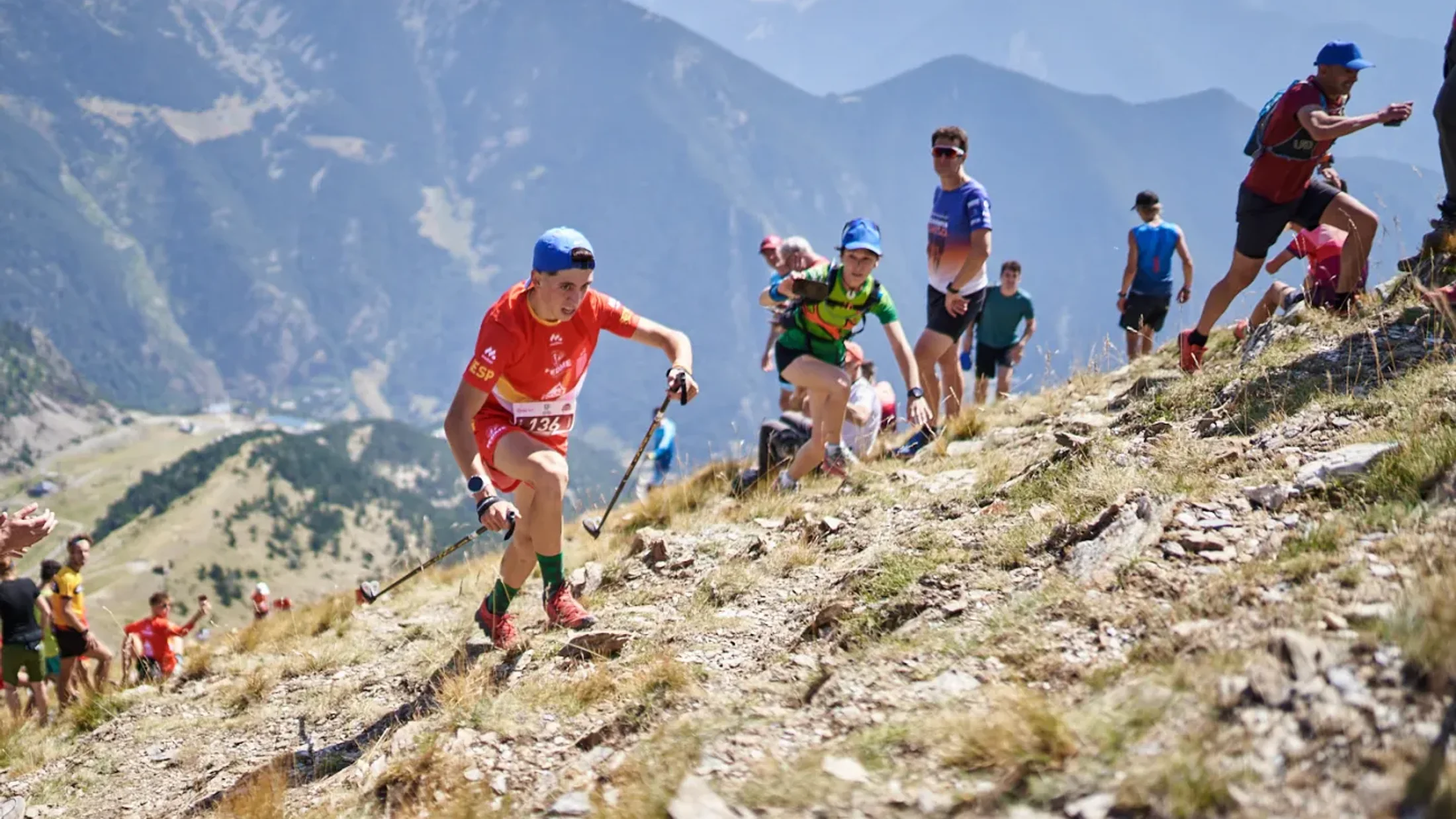
Skyrunning Spain means running high, steep and technical mountain routes where the sky feels within reach. You’ll find eight must-do races here, chosen for their history, competitive level, technical difficulty, scenery, broad regional spread, travel logistics and fair value. One gust of wind across a rocky ridge and you’ll smell wet pine and basalt dust in the same breath. You’ll get a clear definition of what skyrunning is, the level you need, quick selection tips, how to read each race card, eight detailed race profiles, a location map idea, practical prep advice and an FAQ to finish.
We picked these races using transparent, runner-first criteria:
- History and recognition (Skyrunner World Series/ISF ties and local prestige)
- Field depth and competitiveness
- Technicality (exposure, grade, rock, ridge lines)
- Landscape quality (protected parks, summits, volcanic terrain)
- Territorial representation (Basque Country and Canary Islands)
- Logistics and access (airports, ferries, public transport)
- Value for money (services included vs. fee; confirm on official sites)
You can scan the race cards for distance, elevation gain, skill fit and travel notes, then decide quickly. If you want to compare more mountain experiences by region, browse Picuco to explore options before you commit.
Picuco te puede ayudar
Does something here catch your eye?
Tell us.
Write to us on WhatsApp or email: we answer questions, find the best options and help you sort out the booking.
What Skyrunning Is and How It Differs from Trail Running
Skyrunning is high-mountain running over technical terrain at altitude, born in the Italian Alps in the early 1990s under Marino Giacometti. The International Skyrunning Federation (ISF) sets the framework: steep gradients, ridges and hands-on sections define the sport more than distance alone. Imagine stringing summits together while your shoes bite into wet rock like crampons in miniature. Trail running covers a spectrum of off-road races, often smoother and less exposed, while ultratrail focuses on long distances (usually over 50 km) regardless of technicality.
Key disciplines you’ll meet in Spain:
- Vertical Kilometer (VK): 1,000 m of vertical gain over a route typically ≤5 km; pure ascent against the clock.
- SkyRace: usually 20–35 km with heavy
D+(positive elevation), technical paths, and occasional scrambling. - SkyMarathon: marathon distance (~42 km) but with alpine terrain and big
D+(often ≥2,000 m). - Ultra SkyMarathon: ≥50 km with sustained technical features and exposure.
Expect surfaces to include scree (loose stones), volcanic lava flows, compact soil, ridge rock and rooty laurel forest. Organizers may mark short fixed-rope sections; helmets are rarely mandatory but can appear on exposed traverses. The ISF and national federations (consult ISF rules and the Spanish RFEA mountain running guidelines) define cut-offs, mandatory kit and conduct. Learn baseline terms now: D+ (climb), D- (descent), exposure (fall risk due to steep drops), technical grade (how tricky footing and scrambling are), and heat index (combined load of temperature and humidity). In Spain, skyrunning often blends Atlantic humidity (Basque Country) and volcanic gradients (Canary Islands), offering variety within one country.
The Fitness and Skills You Need to Tackle Skyrunning
You need a strong aerobic engine, resilient legs for steep climbs and bulletproof downhill control. A practical baseline for SkyRace-level events is 2,000–3,000 m D+ weekly across 6–8 hours in the hills, rising to 3,000–4,000 m D+ for SkyMarathon, adjusted to your background. The hiss of your breath on a rocky ascent should feel controlled, not desperate. Add strength for ankles, hips and core to buffer uneven landings and long descents.
Develop mountain craft alongside fitness. Practice power hiking with poles (efficient uphill walking), downhill braking and side-stepping on loose scree, and three-point contact for short scrambles (two feet, one hand). Simulate race days with back-to-back hill sessions, e.g., Saturday 1,500 m D+ at steady effort, Sunday downhill repeats focusing on cadence and foot placement. Test yourself with benchmarks:
- VK-style session: 1,000 m
D+continuous climb in ≤75–90 minutes depending on target race. - Downhill control: 800–1,000 m
D-without quad blow-up, maintaining form on variable terrain. - Heat/humidity exposure: 45–60 minutes at warm midday conditions to probe hydration and pacing.
Altitude matters less in Basque courses (summits ~1,500 m) and more in Canary routes when training on Teide’s flanks (>2,000 m), though most races run lower. If exposure, rock or route finding worry you, book a technique course or a certified mountain guide for a day to learn safe footwork and line choice. Prioritize safety: carry the mandatory kit, check weather alerts (AEMET), know your cut-offs and withdraw early if you lose downhill control—injuries happen when fatigue meets exposure.
Quick Tips to Choose Your Skyrace in Spain
Choose with your goal in mind: compete for time or savor the landscape at your own pace. Start where your skills match the terrain, not where social media is loudest. One cool breeze at a foggy ridge can humble a rushed decision. Use these quick filters:
- Experience level:
- New to skyrunning: start with a VK or a SkyRace 20–25 km on marked, less exposed trails.
- Intermediate: SkyMarathon with mixed rock and forest if you’ve banked ≥2,500 m
D+per week. - Advanced: technical courses with ridges, scree and big
D+if you handle exposure calmly.
- Terrain preference:
- Basque Country: humid, slippery rock, rooted forest, grassy ridges.
- Canary Islands: volcanic rock, laurel forests, heat, sharper gradients, and microclimates.
- Timing and climate:
- Spring–early summer: Basque classics thrive with cooler temps and green slopes.
- Autumn–winter: Canaries offer stable weather; watch for heat and trade winds.
- Logistics and budget:
- Península: fly to Bilbao/Vitoria for Basque races; rent a car for rural areas.
- Canaries: fly into Tenerife (TFN/TFS), Gran Canaria (LPA), La Palma (SPC), La Gomera (GMZ via Tenerife ferry). Book early for lower fares.
- Registration reality:
- Lottery or capped fields fill fast—join newsletters and set calendar alerts.
- Check cancellation and transfer policies before paying.
If you’re stepping up, combine a VK on Saturday with an easy long run Sunday to learn how your legs handle steep grades. Match race features to recent training—not hoped-for fitness—and you’ll arrive confident.
How to Read the Race Cards in This Article
Each race card distills the information you need to decide fast. Read top-to-bottom, but lock onto distance, D+, and technicality first. A single shaft of sunlight through laurel trees can make you forget the numbers, so note them before you dream. Here’s how to interpret fields:
- Location: region and nearest travel hubs; consider drive times.
- Distance and elevation gain (
D+): the main effort indicators; steepness often beats distance. - Registration/price: how to get a bib (lottery, first-come) and what’s included; confirm details on official sites.
- Best time to go: weather window for training and race day.
- Recommended level: candid fit for beginner/intermediate/advanced technical runners.
- Why it’s unmissable: history, atmosphere, scenery and competitive draw.
- Logistics: getting there (airports, ferries), local transport and lodging tips.
- What to do: race-day strategy (pacing, poles, nutrition) and side activities (short hikes, local food, viewpoints).
Prioritize alignment: if you’re solid on wet rock but heat-sensitive, lean Basque; if you love volcanic ridges, pick Canary routes with early starts. When in doubt, compare two cards side-by-side by D+ per 10 km (steepness ratio) and surface type.
Eight Essential Skyrunning Races in Spain
Zegama-aizkorri: the Basque classic that defines atmosphere
Zegama-Aizkorri in Gipuzkoa (Basque Country) is a SkyMarathon around 42 km with roughly 2,700 m D+, cresting Aizkorri (1,551 m, IGN). Bibs go via a watched lottery and elite invitations; fees and rules vary yearly, so confirm on the official channels. Cowbells echo on the Urbia meadows like a living metronome. The race is iconic for mud-slick trails, narrow ridges and an atmosphere locals simply call “Zegama is Zegama.”
- Location: Zegama (Gipuzkoa); nearest airports Bilbao (BIO), Vitoria (VIT), San Sebastián (EAS).
- Distance/
D+: ~42 km / ~2,700 m. - Registration: annual lottery; check deadlines months ahead.
- Best time: late spring window; train for wet rock and variable temps.
- Level: advanced technical runners with strong downhill control.
- Why go: Skyrunning heritage, Skyrunner World Series links, fan-lined climbs, elite fields.
- Logistics: book rural guesthouses early within 20–40 minutes’ drive; rental car helps with limited public transport.
- What to do: pace conservatively to Sancti Spiritu climb; use short steps on greasy limestone; try local Idiazabal cheese after.
Ideal for runners who want the definitive European SkyMarathon experience and don’t mind rain, roots and rambunctious crowds.
Gorbeia Suzien: technical, fast and beloved in the Basque hills
Gorbeia Suzien runs through the Gorbeia Natural Park straddling Bizkaia and Álava, with SkyRace distances typically around 30–35 km and significant D+. Expect steep grassy ramps, limestone outcrops and forest paths that turn slick after rain. Mist beads on beech leaves like a thousand tiny flags on race morning. Registration opens months in advance; spots go quickly, so set reminders and confirm the current format.
- Location: Zeanuri/Areatza area (Bizkaia/Álava).
- Distance/
D+: often ~32 km / ~2,300–2,500 m (yearly variations—verify). - Registration: first-come until capacity; fees posted on official site.
- Best time: early autumn; cooler temps, changing colors.
- Level: intermediate to advanced; comfortable on wet, uneven terrain.
- Why go: technical but runnable balance, strong local field, classic Basque pastures and ridges.
- Logistics: fly to Bilbao (BIO), stay in Areatza or Zeanuri; rental car for flexible morning access.
- What to do: practice pole timing on steep grass; use aggressive-lug shoes; protect ankles with proprioception drills.
A great second step after a VK or shorter SkyRace, with a real skyrunning Spain flavor and community warmth at the finish line.
Gomera Paradise Trail / 2026 Worlds: the Canary jewel with global eyes
La Gomera skyrunning is all about ravines (barrancos), laurel forests and brutal gradients rising from the Atlantic. The Paradise Trail offers multiple formats that inspired La Gomera to host the 2026 Skyrunning World Championships (ISF announcement referenced by Spanish media and Cabildo notes). Trade winds carry salty air up fern-lined valleys like a cool, invisible escalator. Formats change, but expect SkyRace to SkyMarathon efforts with chunky D+ and hands-on moments.
- Location: La Gomera (Canary Islands); hub San Sebastián de La Gomera.
- Distance/
D+: varied (check current year); steep profiles with frequent 700–1,200 m climbs. - Registration: opens months out; world-champs year will tighten capacity—monitor announcements.
- Best time: late autumn to spring for milder heat; acclimate to humidity.
- Level: intermediate to advanced; confident with steep volcanic paths and humidity management.
- Why go: unique terrain, world-stage energy, compact island logistics, skyrunning history in the Canaries.
- Logistics: fly to Tenerife South (TFS) or North (TFN); ferry from Los Cristianos to San Sebastián (about 50–60 minutes). Book lodging in town or Valle Gran Rey early.
- What to do: travel with poles and a soft-flask system; stash salt tabs; protect feet for long volcanic descents.
Ideal if you want a destination race with credible international depth and a compact travel footprint.
Subida a Tágara: a Tenerife vertical kilometer with volcanic bite
The Subida a Tágara in Tenerife is a Vertical Kilometer-format ascent packing 1,000 m D+ into a short, sharp route. It channels the essence of the vertical kilometer Spain scene: pure uphill against the clock, minimal logistics, maximal burn. Warm air smells faintly of pine resin as you drive into the highlands. Registration is typically straightforward; start lists fill as VK enthusiasts target their time trials.
- Location: Tenerife (Guía de Isora highlands).
- Distance/
D+: VK format—~3–5 km / 1,000 mD+. - Registration: first-come; verify mandatory gear and start waves.
- Best time: cooler months (autumn–spring) or early starts in summer.
- Level: all levels with hill legs; especially VK specialists and climbers.
- Why go: clean test of uphill engine, quick trip format, friendly local scene within Tenerife’s skyrunning calendar.
- Logistics: fly to TFN/TFS; rent a car; stay in Adeje/Guía de Isora or mountain villages.
- What to do: warm up 20–30 minutes; use light poles if allowed; pace by sustainable breathing, not heart rate spikes.
Perfect as a first taste of skyrunning or as a tune-up for longer SkyRaces on the island.
Mazucator Sky: La Palma’s demanding volcanic challenge
Mazucator Sky unfolds on La Palma—La Isla Bonita—across volcanic spines, forested slopes and ridge paths with panoramic ocean views. Expect mid-distance SkyRace or SkyMarathon formats with substantial D+ and rough footing on lava flows. The air carries a tang of sea and pine when the clouds break over the ridge. Registration windows and courses vary—check the official channels and local safety notes.
- Location: La Palma (Canary Islands); likely access via Santa Cruz de La Palma or Los Llanos area.
- Distance/
D+: SkyRace/SkyMarathon formats with significant climbs and technical descents. - Registration: standard online entry; confirm cut-offs and mandatory kit due to heat/terrain.
- Best time: autumn–spring; avoid peak summer heat unless very heat-adapted.
- Level: intermediate to advanced; strong ankles and downhill skills required.
- Why go: rugged beauty, quiet trails, and a serious test in the landscape that made Canary skyrunning famous.
- Logistics: fly to SPC (La Palma); public buses are limited—rent a car. Book rural casas near start/finish.
- What to do: choose rock-protective shoes; tape toes to prevent lava-rock hot spots; carry two flasks plus spare soft bottle.
A smart choice if you like technical descents, island culture and fewer crowds than big-name races.
Santa Cruz Extreme / Anaga Marathon: fern tunnels and knife-edge paths
Santa Cruz Extreme and the Anaga Marathon traverse Tenerife’s Anaga Rural Park, a UNESCO Biosphere Reserve. You’ll meet laurisilva (ancient laurel forest), balcony trails and ridgelines cut by deep ravines. Moist air beads on your eyelashes inside green “tunnels” of fern and laurel. Course options vary from SkyRace to SkyMarathon profiles; both share technical descents and steep repeats.
- Location: Tenerife, Anaga Rural Park (north-eastern peninsula); start/finish often near Santa Cruz or La Laguna.
- Distance/
D+: multiple formats; SkyMarathon often ~42 km with largeD+. - Registration: online, sells out; read environmental rules for protected areas.
- Best time: late autumn to spring; summer heat and humidity can be oppressive.
- Level: intermediate to advanced; comfort on wet roots, narrow paths and sudden grade changes.
- Why go: dramatic scenery, true skyrunning Spain terrain, easy access from TFN and Santa Cruz lodging.
- Logistics: fly TFN (closer) or TFS; tram/bus link Santa Cruz–La Laguna; car improves pre-dawn access.
- What to do: short, fast steps on slippery laurel soil; poles help on sharp climbs; carry a shell for wind on ridges.
Choose this if you want technical variety and a cultural weekend split between mountains, black-sand beaches and Guachinche food.
Entremontañas Paralelo 28: Gran Canaria’s hot and rocky test
Entremontañas Paralelo 28 brings multiple distances over Gran Canaria’s central highlands, with sharp climbs through pines and rocky barrancos. Expect exposed sun, gritty volcanic sand and abrupt transitions from forest shade to open ridges. Dry wind rasps across your ears on the plateau above the ravines. Registration typically opens in phases; confirm which course fits your skyrunning goals.
- Location: Gran Canaria; central-north municipalities with mountain access.
- Distance/
D+: several options (short SkyRace to longer marathon-like formats). - Registration: tiered entries; read refund/transfer rules.
- Best time: cooler months (November–March) or early-morning summer starts.
- Level: intermediate; advanced if you target the longest, most technical courses.
- Why go: classic Canary gradients, heat management practice, friendly organization with village support.
- Logistics: fly to LPA; mountain towns are 40–60 minutes by car; book early near race HQ.
- What to do: hydrate early, sip every 8–10 minutes; ice in soft flasks if available; choose a hat and light sleeves for sun.
Great for testing heat strategies and rocky footwork before tackling the archipelago’s flagship events.
Anaga Marathon: a fitting finale to a Canary skyrunning season
Many runners treat the Anaga Marathon as a season closer in Tenerife, a symbolic “last dance” among ridges and cloud forest. The marathon profile, often with >2,000 m D+, rewards resilient legs and clean technique on damp, narrow balcony trails. Low cloud curls like steam over knife-edge ridges at dawn. Entries go fast due to the calendar slot and the course’s reputation; check mandatory kit and environmental guidelines.
- Location: Anaga, Tenerife (north-east), with logistics centered on Santa Cruz/La Laguna corridors.
- Distance/
D+: ~42 km, bigD+and repeated steep pitches. - Registration: early and hotly contested; study cut-offs.
- Best time: late autumn; cooler temps, less daylight—carry a headlamp if pace is borderline.
- Level: advanced; strong descenders with polished footwork on wet rock and root.
- Why go: iconic microclimates, rewarding finale feel, easy weekend travel from mainland Spain and Europe.
- Logistics: TFN airport nearby; consider staying in La Laguna for early access and post-race cafés.
- What to do: break climbs into time blocks; micro-bite nutrition (every 15–20 minutes); protect quads with eccentric strength training beforehand.
Pick this if you want to close your year on technical singletrack with ocean views and lively plazas a tram ride away.
Where These Races Sit on the Map
Visualize an interactive map with two clusters: Basque Country (Zegama-Aizkorri, Gorbeia Suzien) on the peninsula, and the Canary Islands group (Tenerife, La Gomera, La Palma, Gran Canaria). Airport icons mark BIO, VIT and EAS for the Basque hub; TFN/TFS for Tenerife, LPA for Gran Canaria, SPC for La Palma, plus the ferry line from Los Cristianos to GMZ for La Gomera. A sea breeze line could trace common ferry routes, while a ridge icon notes mountainous spines.
Add switchable layers:
- Difficulty: color by
D+/10 km (steepness) and exposure. - Best season: month bands to avoid heat or heavy rain.
- Race type: VK, SkyRace, SkyMarathon, Ultra.
Tooltips summarize distance, D+, and a one-line “why go.” Optional overlays point to protected areas like Anaga Rural Park and Gorbeia Natural Park, reminding runners to respect regulations. For planning, include estimated drive times from airports and note limited public transport in rural valleys.
Practical Steps to Choose and Prepare Your Skyrace in Spain
Plan with intent: match your current fitness and skill to the race profile, then let your training shape the final 10%. A faint smell of damp earth after a pre-dawn hill repeat tells you you’re on track. Prioritize vertical and footwork:
- Training focus:
- 8–12 weeks of hill-centric work; build to 2,500–3,500 m
D+weekly (intermediate), 3,500–4,500 m (advanced). - One VK-style session midweek; weekend long run with ≥1,000–1,500 m
D+. - Downhill drills: short repeats on technical trail; add plyometrics and eccentric strength (step-downs, Nordic ham curls).
- 8–12 weeks of hill-centric work; build to 2,500–3,500 m
- Nutrition and hydration:
- 45–60 g carbs/hour baseline; practice up to 70–90 g if gut-tolerated.
- Sodium plan for islands: 300–600 mg/hour depending on sweat rate; test in heat.
- Essential gear:
- Aggressive-lug shoes with rock protection; light poles if allowed; 1–1.5 L carry capacity.
- Mandatory kit varies: usually waterproof shell, thermal, whistle, phone; confirm with the race.
- Climate adaptation:
- Canary heat: 2–3 heat sessions/week for 10–14 days (overdressed easy runs or midday easy jogs).
- Basque humidity: practice on wet rock; choose sticky rubber and short, quick steps.
- Travel and lodging:
- Book flights/ferries early; stay within 20–40 minutes of start.
- Check road closures and parking plans; consider bib pick-up hours.
- Registration and admin:
- Create a calendar of opening dates; read transfer/refund rules carefully.
- Verify insurance coverage for mountain races (accident + rescue), often required in Spain.
Simple checklists:
- Initiation: 1 VK or 20–25 km SkyRace, 2,000–2,500 m
D+weekly, poles practice, one heat/humidity test. - Intermediate: 30–42 km, 2,500–3,500 m
D+, downhill repeats, carb plan 60–70 g/h, sticky outsole. - Advanced: 40–50 km technical, 3,500–4,500 m
D+, ridge confidence, 70–90 g/h fueling, heat + wet prep.
Frequently Asked Questions
How do I register for these races?
Most open entries several months ahead, either first-come or by lottery (Zegama-Aizkorri). Join newsletters, set calendar alerts and create an account on the official registration platform beforehand to move fast.
When should I book flights and lodging?
As soon as you pick a target—ideally when registration opens. For popular races and islands, book 3–6 months ahead to secure close lodging and fair prices, and confirm flexible rates if your bib is not guaranteed.
What equipment is mandatory?
Typically a waterproof shell, thermal layer, whistle, phone, cup/soft flasks and nutrition, with variations by weather. Check each race’s mandatory kit list the week before; some add headlamps or extra layers if forecasts worsen.
Are poles allowed in skyrunning races?
Often yes, but rules vary by race and section. If allowed, learn efficient pole technique and rubber tip covers to protect fragile surfaces in protected areas.
Do I need insurance for skyrunning in Spain?
Yes, many Spanish races require accident and rescue coverage; some offer day licenses. Confirm your policy includes mountain running with rescue and repatriation if needed.
What is the best way to reach the Canary Islands races?
Fly to Tenerife (TFN/TFS), Gran Canaria (LPA) or La Palma (SPC). For La Gomera, fly to Tenerife and take the Los Cristianos–San Sebastián ferry. Rent a car for early starts and rural access.
What is the cancellation or bib transfer policy?
Policies vary widely: some allow name changes until a set date, others offer partial refunds or deferrals. Read the conditions before paying and save a copy; consider travel insurance with race-fee coverage.
Book your experience — discover verified active tourism activities in Spain with Picuco’s trusted providers.
Conclusion: Lace Up and Go Vertical
These eight events capture the full arc of skyrunning in Spain—from fan-thundered Basque ridges to volcanic barrancos above the Atlantic. You now know what skyrunning is, what level it demands, and how to choose a race that matches your skills and travel plans. One cool breath on a morning ridge can seal your decision. Pick a date, build your vertical, and secure your logistics early so the only surprise on race day is how strong you feel on the final climb. To continue planning, check official race pages for current formats and consult Picuco’s activity listings for complementary mountain experiences and training escapes across Spain.