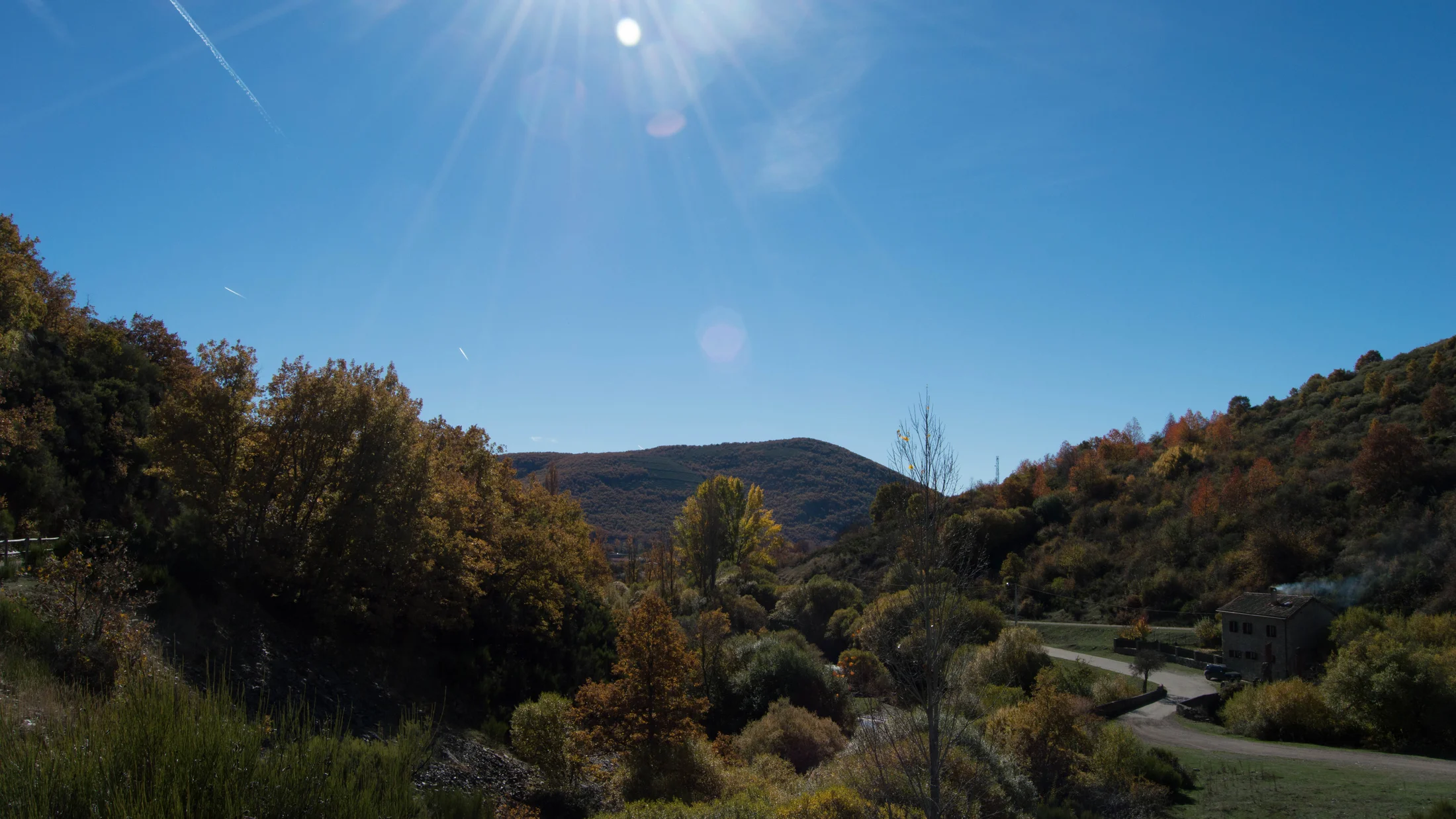
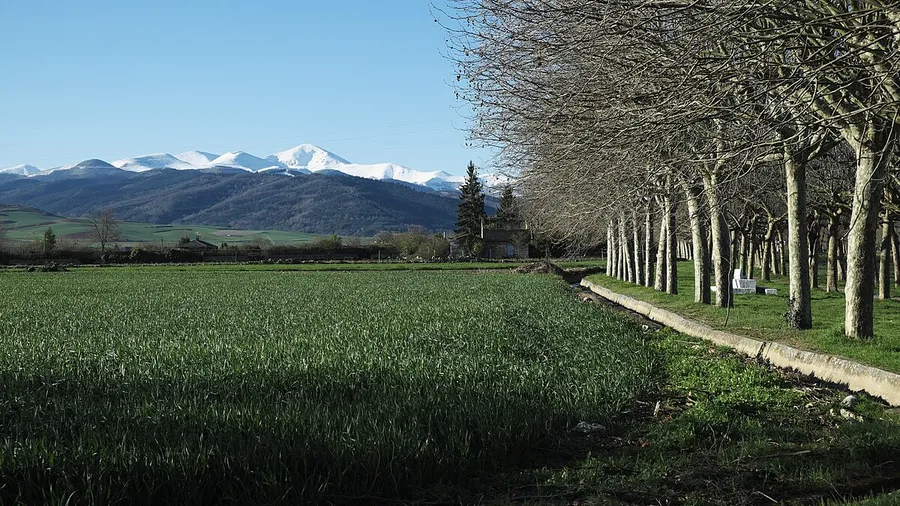
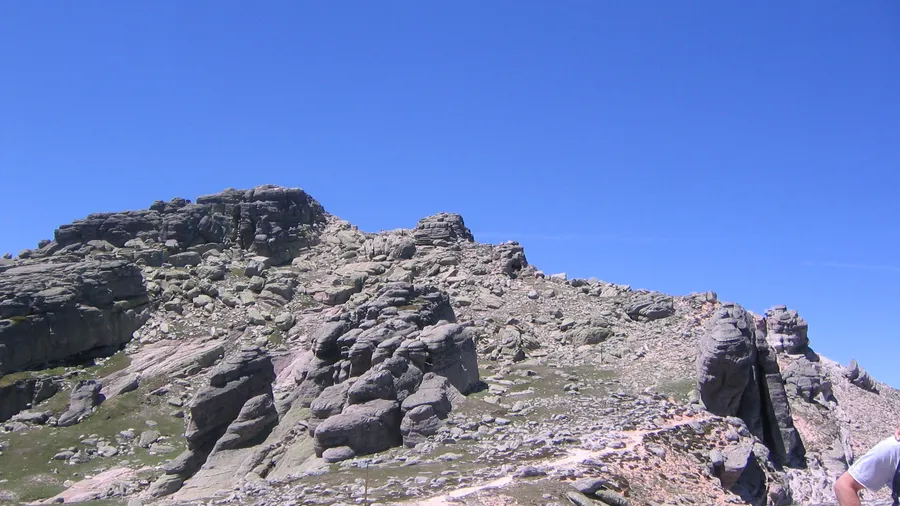
The Sierra de la Demanda spans across the provinces of Burgos, La Rioja, and Soria, covering over 81,000 hectares in the northwestern end of the Iberian System. Three mountain groups shape this territory: the San Millán, Mencilla, and Neila ranges, with peaks exceeding 2,000 metres. San Lorenzo peak, at 2,270 metres, crowns the chain and offers views reaching both mesetas on clear days. The sierra presents sharp contrasts: the northern face receives abundant rainfall that sustains dense forests, while the drier southern slopes host open pine woodlands and mountain scrub.
Beech forests on the northern slopes give way to oak groves and extensive Scots pine forests further south. Wild cherry trees and holly grow in the ravines, while highland heathlands cover the most wind-exposed areas. The Lagunas de Neila, a group of seven glacial lakes sitting at nearly 2,000 metres, form one of the most distinctive landscapes on the northern meseta: dark water surfaces enclosed by rocky cirques where silence is only broken by the occasional vulture. The Lagunas Glaciares de Neila Natural Park protects this high-mountain ecosystem, with marked trails along the shores that allow visitors to observe the peat-bog vegetation growing at the water margins.
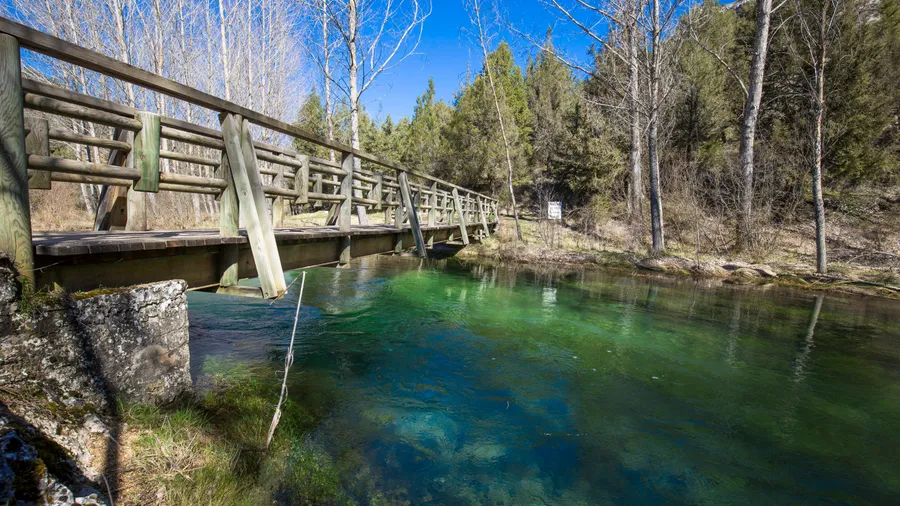
Wildlife includes red deer, roe deer, wild boar, and wildcat, alongside protected species such as the Pyrenean desman and the otter, which inhabits the Arlanzón and Pedroso rivers. Raptors dominate the skies: golden eagle, peregrine falcon, Egyptian vulture, and eagle owl among 90 recorded bird species. In spring, amphibians take over the high-altitude ponds, with palmate newts and western spadefoot toads leading the chorus. The red deer rut between September and October draws observers to the valleys at dawn each year, when bellowing echoes off the rock walls.
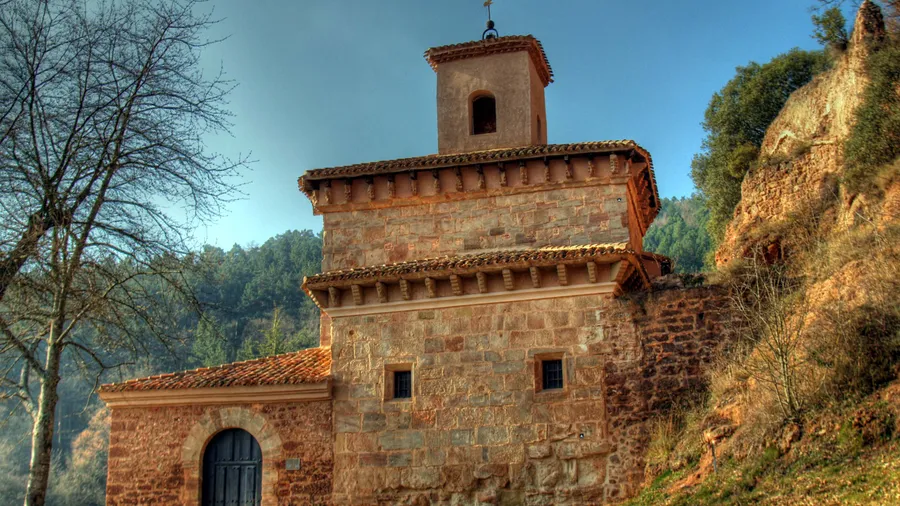
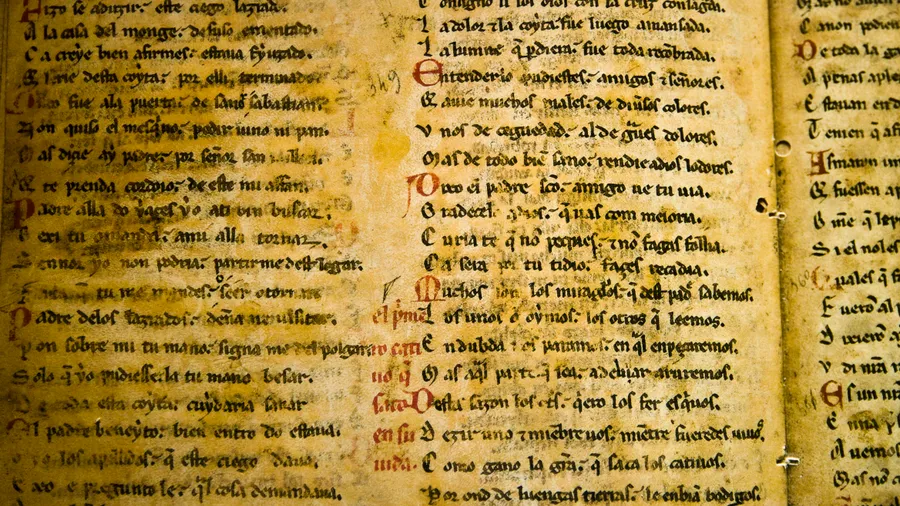
Architectural heritage is concentrated in small stone villages that seem frozen in time. The Romanesque porticos of Pineda de la Sierra, Vizcaínos, and Jaramillo de la Fuente rank among the best-preserved in Castile, with carved capitals depicting biblical scenes and plant motifs from the twelfth century. Nearby, the early medieval necropolises of Revenga and Cuyacabras display anthropomorphic tombs carved directly into sandstone, evidence of communities that inhabited the sierra between the ninth and eleventh centuries. San Millán de la Cogolla, home to the Yuso and Suso monasteries — a UNESCO World Heritage Site — marks the place where the Glosas Emilianenses were written, the earliest known annotations in both Castilian Spanish and Basque.
The Valdezcaray ski resort near Ezcaray has 22 runs and 16 km of skiable terrain between 1,500 and 2,000 metres altitude. In summer, the GR 93 and GR 190 trails traverse the sierra from east to west, linking villages where sheep cheese is still handmade and transhumance continues, with flocks moving up to highland pastures each June. Ezcaray, the best-known town on the La Rioja side, combines colonial-era architecture with mountain cuisine restaurants. The scent of pine resin accompanies every step along these paths, particularly strong on hot July afternoons when the sun warms the bark of centuries-old pines.