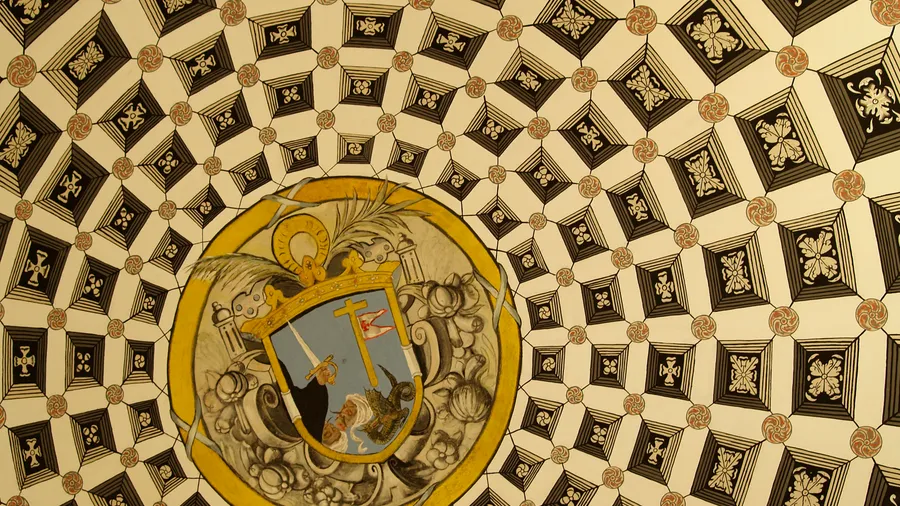
Yuso Monastery
Highlights
- • UNESCO World Heritage Site alongside Monasterio de Suso
- • Collection of medieval codices, including the Glosas Emilianenses
- • Well-preserved Renaissance and Baroque architecture
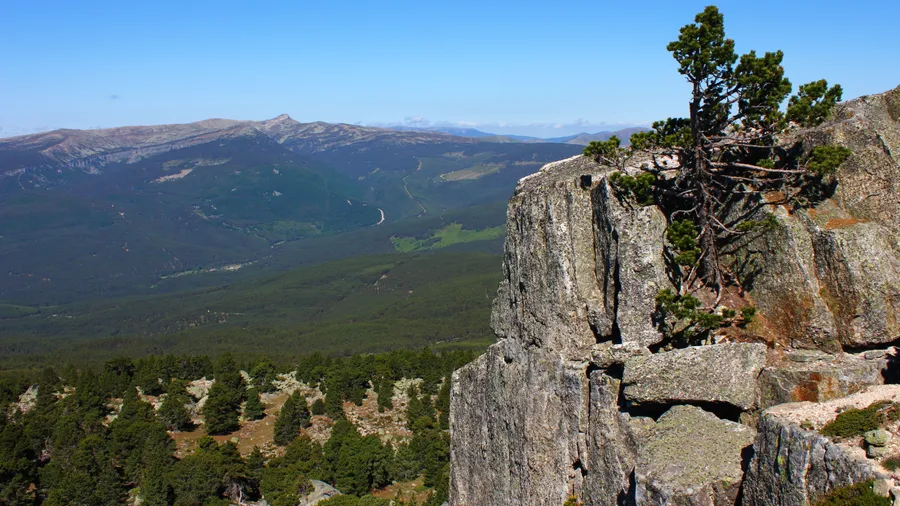
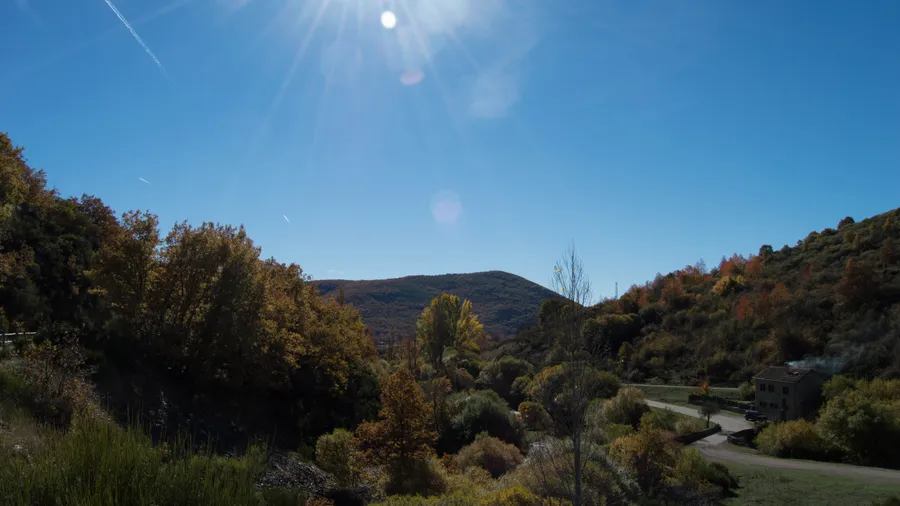
- • Located in the Sierra de la Demanda, a protected natural area
- • Important cultural and religious center since the Middle Ages
Description
Key Information
Visit Duration
1-2 hours
Recommended Seasons
Spring, Autumn
Pricing
Free
Accessibility
Medium
Related Destinations
Guide
Essential information for visiting Yuso Monastery
Location
Practical Information
- Pricing
- Free
- Visit Duration
- 1-2 hours
Features & Services
- Accessibility:Medium
- Kid-Friendly:Yes
- Pet-Friendly:No
- Booking:Booking Required
Planning Information
Recommended Seasons
Spring · Autumn
Best Time to Visit
Spring and autumn are the best seasons to visit the Monasterio de Yuso, thanks to mild weather and the surrounding natural landscape.
Visitor Tips
To make the most of your visit, wear comfortable shoes and clothing suitable for both indoor and outdoor areas. Book in advance to avoid waiting and check updated opening hours. Take the opportunity to also visit the nearby Monasterio de Suso, which complements Yuso in history and architecture. If you are interested in culture and history, consider a guided tour to better understand the codices and the monastery's context.
Historical Facts
Founded in the 6th century, though the current structure dates from the 16th century, the Monasterio de Yuso is renowned for housing the Glosas Emilianenses, the earliest texts written in a Romance language showing the evolution of Spanish. Together with the Monasterio de Suso, it was declared a World Heritage Site in 1997, underscoring its importance in Spain's religious and cultural history.
Frequently Asked Questions
Get answers about Yuso Monastery