Highlights

  • • Highest altitude in La Rioja at 2,271 meters
  • • Glacial lagoon on the northern face of the peak
  • • Abundant snow during winter
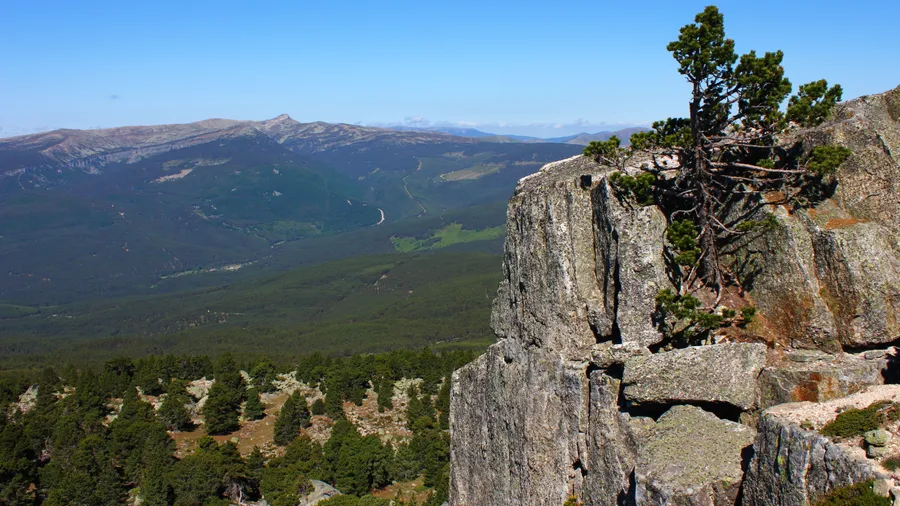
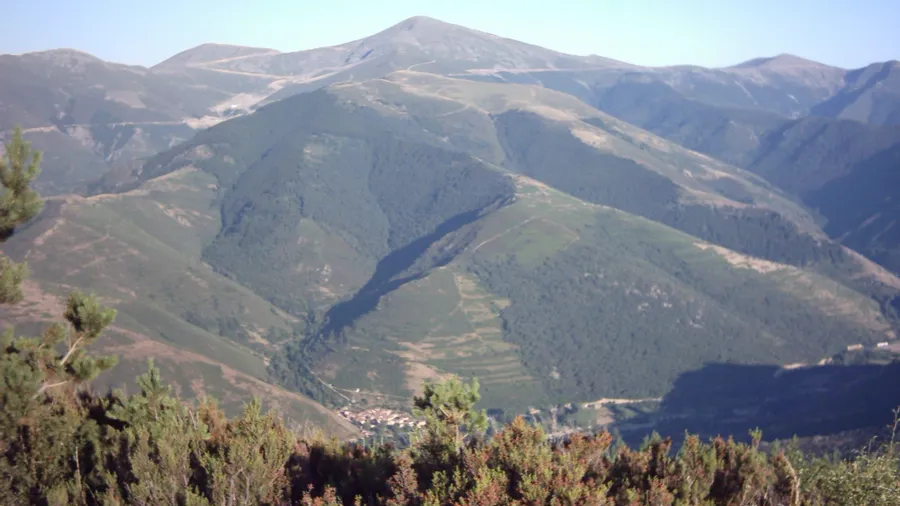
  • • Panoramic views of the Sierra de la Demanda
  • • Medium difficulty hiking routes
  • • Protected natural environment with rich biodiversity

Description

Pico San Lorenzo, standing at 2,271 meters, is the highest peak in La Rioja and part of the Sierra de la Demanda. This mountain is notable for its rugged terrain and significance within the region's natural landscape, offering an environment where nature reveals itself in its purest form. Its proximity to forests and meadows provides a fresh, wild atmosphere, with clean air and the sound of wind rustling through the leaves.

As you ascend, you can observe a glacial lagoon on the northern face of the peak, a remnant of the glacial past that creates a striking contrast with the surrounding rocks and vegetation. In winter, the mountain is covered in snow, transforming the landscape into a serene white scene that attracts hikers and nature lovers. The route to the summit offers panoramic views of the Sierra de la Demanda and, on clear days, nearby mountain ranges can be seen.

Pico San Lorenzo holds geological and natural importance as part of a mountain system that has influenced La Rioja's climate and biodiversity. The glacial lagoon is evidence of the glaciations that shaped the terrain thousands of years ago. Additionally, the mountain has served as a landmark for local communities, which have developed traditions and activities connected to this environment.

When visiting Pico San Lorenzo, it is advisable to plan your hike with appropriate mountain clothing and footwear. The ascent can take between 3 and 5 hours, depending on the starting point and pace. There is no entrance fee, and access is free. Checking weather conditions before the climb is recommended, especially in winter when snow can make the route challenging. The mountain is suitable for hikers with intermediate experience and does not offer accessibility services for people with reduced mobility.

Key Information

Visit Duration

3-5 hours

Recommended Seasons

Spring, Summer, Autumn

Pricing

Free

Accessibility

Low

Kid-Friendly Pet-Friendly No Booking Required

Related Destinations

Guide

Essential information for visiting San Lorenzo Peak

Location
Practical Information
Pricing
Free
Visit Duration
3-5 hours
Features & Services
  • Accessibility:Low
  • Kid-Friendly:No
  • Pet-Friendly:Yes
  • Booking:No Booking Required
Planning Information

Recommended Seasons

Spring · Summer · Autumn

Best Time to Visit

The best time to visit is spring and autumn when the weather is more stable and snow does not hinder access. Summer offers pleasant temperatures but may have more visitors.

Visitor Tips

To enjoy your climb to Pico San Lorenzo, wear comfortable and sturdy footwear along with clothing suitable for temperature changes. Check the weather forecast before setting out and carry enough water and food. In winter, consider using crampons or snow poles. Respect the natural environment and do not leave any waste during your excursion.

Historical Facts

Pico San Lorenzo has been a geographical landmark for La Rioja's communities since ancient times. Its glacial lagoon is a remnant of the Quaternary glaciations that shaped the Sierra de la Demanda and its current biodiversity.

Frequently Asked Questions

Get answers about San Lorenzo Peak

One of the most common routes starts at the Puerto de Montenegro, featuring a medium difficulty trail that takes between 3 and 5 hours.
For most times of the year, proper mountain clothing and footwear suffice, but in winter, snow gear is recommended.
Yes, the lagoon is located on the northern face and is accessible during the ascent, though it may be frozen in winter.
There are no services or shelters at the summit, so it is important to bring water and provisions.