Santa María la Real de Nájera Monastery

Highlights

  • • Flamboyant Gothic cloister with unique sculptural details
  • • Royal pantheon of the kings of Navarra
  • • Church blending Romanesque and Gothic styles
  • • Founded in the 11th century by García Sánchez III
  • • Located in the Najerilla river valley
  • • Restorations preserving its historical value

Description

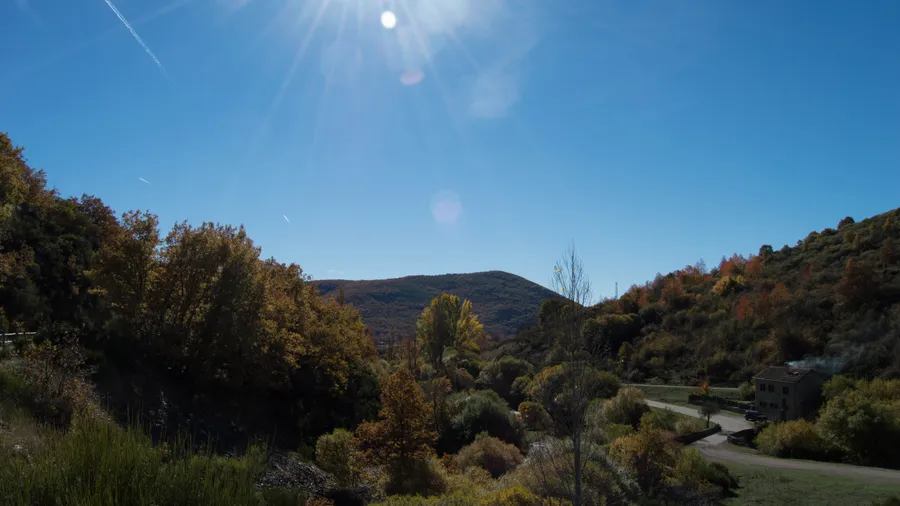
The Monastery of Santa María la Real de Nájera is a monumental complex located in La Rioja, founded in the 11th century by King García Sánchez III of Navarra. This Benedictine monastery was a significant religious and political center, serving as the royal pantheon for the kings of Navarra and a key site in the medieval history of the region. Its location in the Najerilla river valley offers a landscape of vineyards and mountains that frames the building with an air of serenity and tradition.

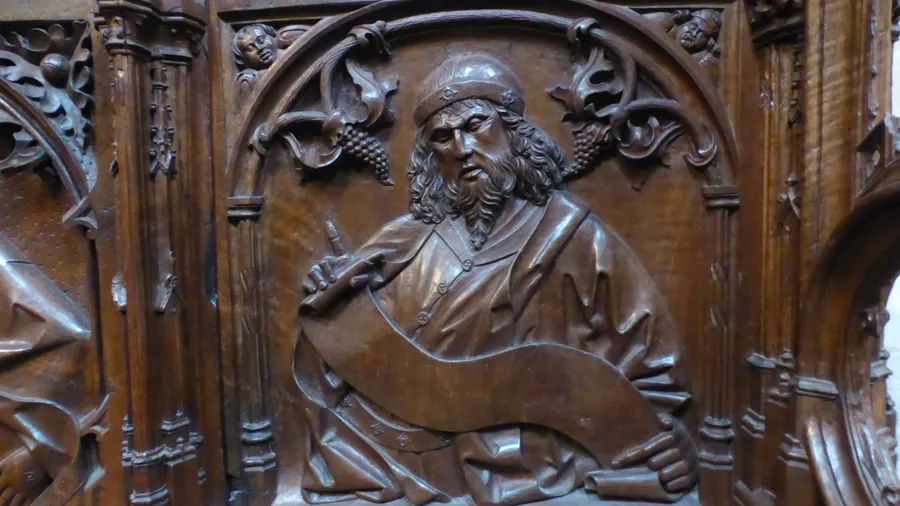
As you explore the monastery, you can admire its flamboyant Gothic cloister, one of the jewels of late Gothic architecture in Spain, with its elaborate capitals and tracery reflecting the European artistic influences of the time. Also notable are the monastery church, blending Romanesque and Gothic styles, and the royal pantheon, where the remains of several Navarrese monarchs rest. The carved stone and sculptural details convey the history and spirituality that have marked this place for centuries.

The monastery stands within a historically significant context for Navarra and La Rioja, witnessing the consolidation of the Kingdom of Navarra and the territorial and political disputes of the Middle Ages. Its role as a royal pantheon and monastic center reflects the close relationship between religious and civil power at that time. Furthermore, the monastery has been restored and preserved over the centuries, maintaining its artistic and cultural value.

For a practical visit, it is recommended to dedicate between 1 and 2 hours to tour the complex, paying attention to architectural and sculptural details. Admission is free and usually does not require prior reservation. The monastery is accessible to people with reduced mobility in the main areas. Visits with children and pets are allowed, always respecting the site's rules. The best time to visit is in spring and autumn, when the weather is pleasant and the natural surroundings are in full bloom.

Key Information

Visit Duration

1-2 hours

Recommended Seasons

Spring, Autumn

Pricing

Free

Accessibility

High

Kid-Friendly Pet-Friendly No Booking Required

Related Destinations

Guide

Essential information for visiting Santa María la Real de Nájera Monastery

Location

In this area

Practical Information
Pricing
Free
Visit Duration
1-2 hours
Features & Services
  • Accessibility:High
  • Kid-Friendly:Yes
  • Pet-Friendly:Yes
  • Booking:No Booking Required
Planning Information

Recommended Seasons

Spring · Autumn

Best Time to Visit

Spring and autumn offer pleasant temperatures and vibrant natural surroundings, ideal for visiting the monastery and its environs.

Visitor Tips

To make the most of your visit, wear comfortable shoes and bring a camera to capture the details of the cloister and church. Check the weather beforehand, as the natural surroundings are part of the attraction. If visiting during peak season, try to arrive early to avoid crowds. Take the opportunity to explore Nájera's historic center, which complements the cultural experience.

Historical Facts

The Monastery of Santa María la Real was founded in the 11th century by King García Sánchez III of Navarra and served as a royal pantheon, reflecting the political and religious importance of the region during the Middle Ages. Its flamboyant Gothic cloister is an example of late Gothic art that reached La Rioja from Europe.

Frequently Asked Questions

Get answers about Santa María la Real de Nájera Monastery

The monastery is usually open during the day, but it is recommended to check specific hours before your visit.
Yes, pets are allowed provided respect and cleanliness are maintained within the premises.
The main areas of the monastery are accessible to people with reduced mobility.
Booking is not necessary, although it may be advisable on special occasions.
Photography without flash is generally permitted, but it is advisable to follow the staff's instructions.