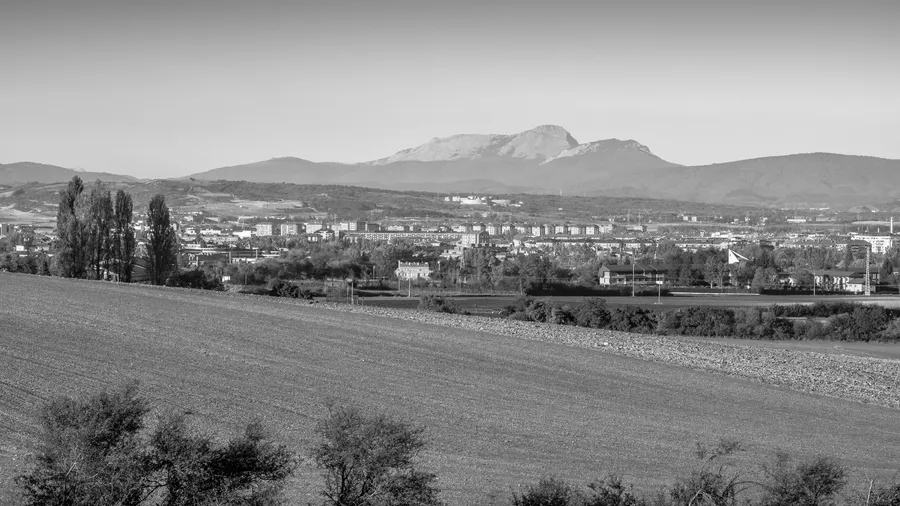
The Sierra del Segura rises in the northeast of Jaén province as a mountain barrier where rivers that structure southeastern Spain are born. Part of the Sierras de Cazorla, Segura y Las Villas Natural Park — Spain's largest protected area at 209,920 hectares — this sierra contributes its own distinctive character defined by rugged terrain, river gorges and a relationship with water that permeates every corner of the landscape.
The Segura River rises at Fuente Segura, at 1,413 metres altitude in the municipality of Pontones — a spring that gushes from limestone rock as though the mountain were breathing. From this point, the river begins a 325-kilometre descent to the Mediterranean, but it is in its first mountain stretches that the Segura shows its wildest face: turquoise pools, waterfalls cascading over moss-covered rocks and narrow canyons where light barely penetrates.
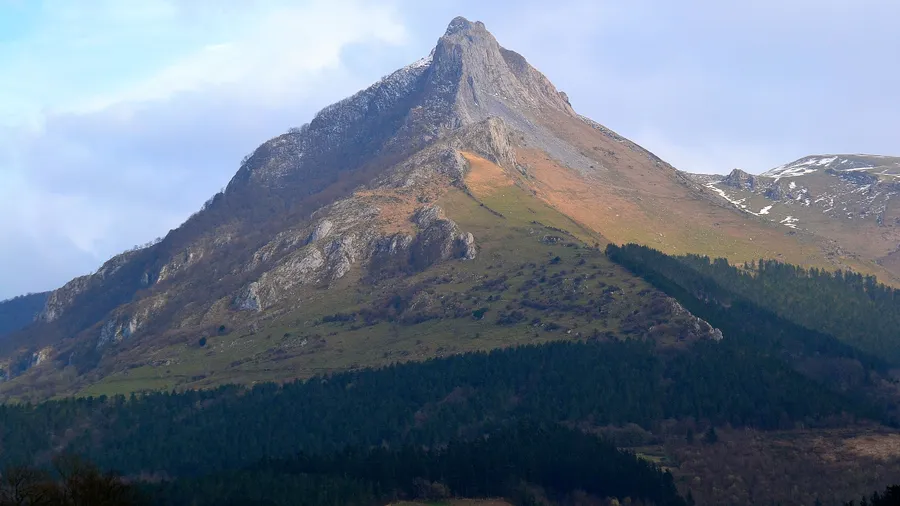
The sierra offers rugged terrain with altitudes ranging from 500 to 1,993 metres at Pico Yelmo, a landmark for free-flight enthusiasts who come from across Spain to launch from its slopes. From the summit of Yelmo on clear days, the view simultaneously reaches the Cazorla ranges to the south, the Manchegan plateau to the north and, if the atmosphere cooperates, a distant glint of the Mediterranean to the east.
The forests of the Sierra del Segura maintain exceptional diversity. Black pine (Pinus nigra subsp. salzmannii) dominates the mid and upper slopes, with centuries-old specimens whose twisted trunks bear witness to ages of resistance to wind and snow. In humid ravines, Montpellier maples, yews and hollies grow, while lower zones harbour holm oak woodland, Portuguese oak forests and olive groves that connect the sierra with the agricultural landscape of Jaén.
The sierra's fauna includes species of high ecological value. The bearded vulture has been reintroduced to the Natural Park after decades of absence, and its first flights over the Segura cliffs represent one of Andalusia's most important conservation milestones. The Iberian ibex, abundant on the crags, the otter in the rivers and red deer in the forests complete a faunal community that makes the sierra a refuge for Iberian biodiversity.
Adventure sports find a privileged natural setting in the Sierra del Segura. Canyoneering in the gorges of the Segura River and its tributaries — such as the Barranco de la Osera or the Río Madera — combines abseiling, pool jumps and swimming in crystal-clear water. Kayaking and canoeing on the Anchuricas and La Novia reservoirs allow exploration of the sierra from the water, while via ferratas installed on the limestone cliffs offer accessible climbing with harnesses for those seeking adrenaline with safety.
The natural swimming pools of the Segura and its tributaries are one of the sierra's greatest summer attractions. The pools at Pontones, Charco de la Pringue and the Borosa river pools draw families seeking a swim in clean, cold waters surrounded by riparian vegetation. Water temperature rarely exceeds 16 °C, making every dip a revitalising experience.
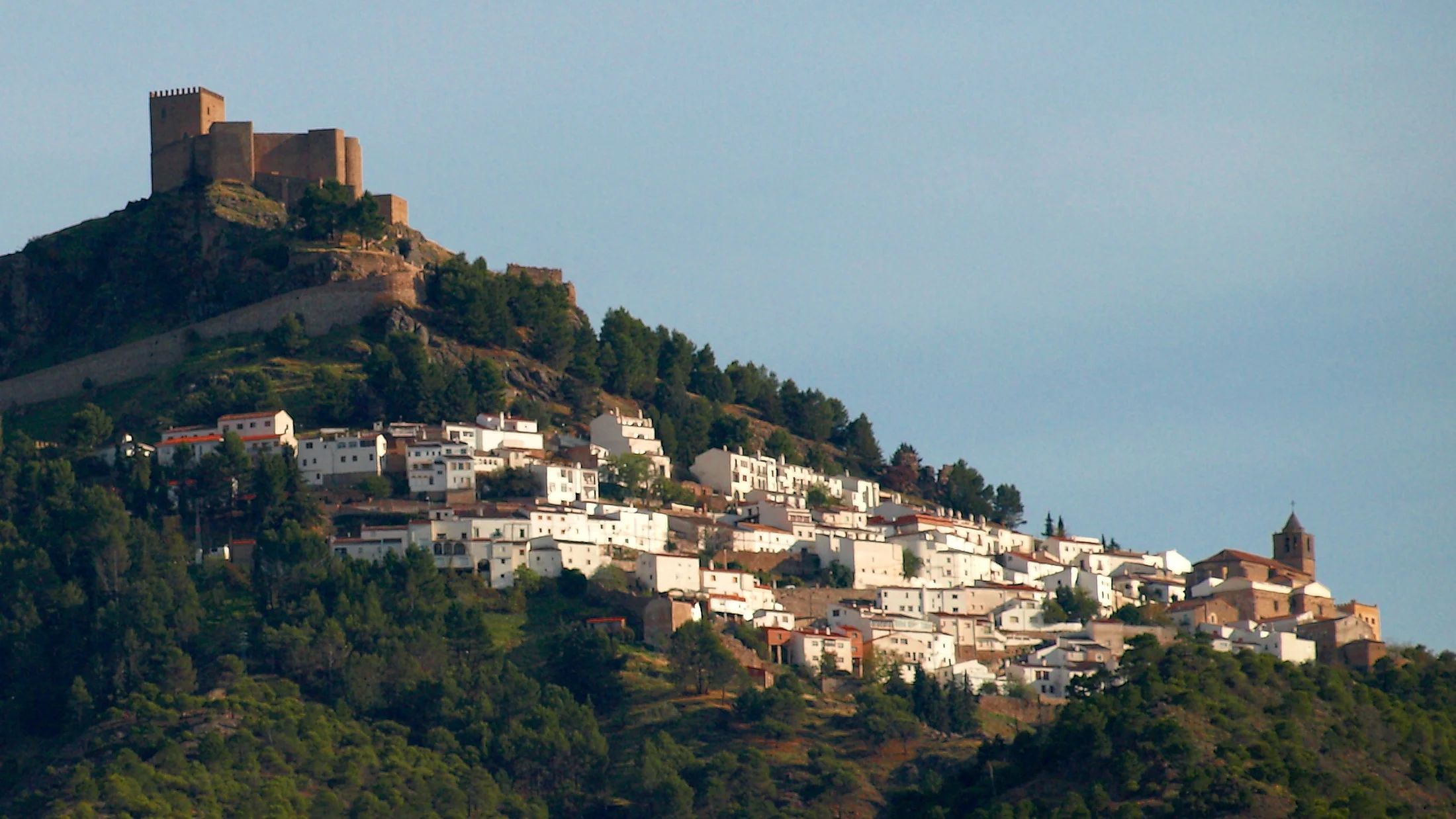
The mountain villages — Hornos, Segura de la Sierra, Santiago-Pontones, Siles — preserve architectural and cultural heritage reflecting centuries of mountain life. Segura de la Sierra, crowned by its Mudéjar castle, is listed among Spain's most beautiful villages and offers panoramic views over a sea of olive groves and mountains. Hornos, declared a Historic-Artistic Site, houses the Cosmolarium, a planetarium that takes advantage of the sierra's low light pollution for stargazing.
The Sierra del Segura was declared a UNESCO Biosphere Reserve in 1983 together with Cazorla and Las Villas, a recognition underscoring the global importance of this Mediterranean mountain ecosystem.